Luna Haverkorn
Fashion and Textile Design MA
The Swedish School of Textiles, University of Borås
Specialisms: Textiles for Interiors / Textiles - Knit / Interior Design
Location: Amsterdam, Netherlands
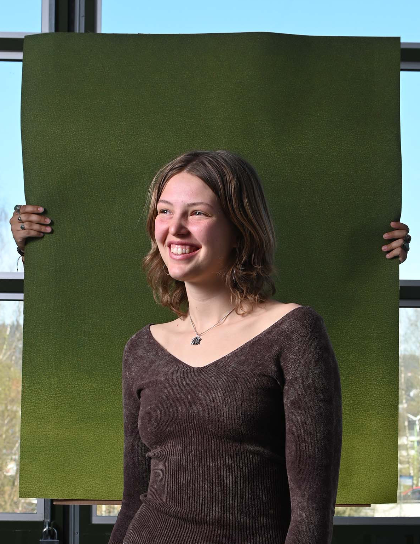

Luna Haverkorn
First Name: Luna
Last Name: Haverkorn
Specialisms: Textiles for Interiors / Textiles - Knit / Interior Design
Sectors:
My Location: Amsterdam, Netherlands
University / College: The Swedish School of Textiles, University of Borås
Course / Program Title: Fashion and Textile Design MA
About
Luna Haverkorn is a textile designer with a passion for material
exploration, sustainability, and craftsmanship. For her bachelor’s
degree, she studied Product Design at Willem de Kooning Academy
in Rotterdam. She continued her studies with a Master’s in Textile
Interaction Design at the Swedish School of Textiles, specializing in
knitting.
Her work moves between art and design, where the process is as
important as the final outcome. Through experimentation and
material research, she explores both traditional and unconventional
materials. These textiles develop into three-dimensional forms
through construction, often incorporating small details, rhythms, and
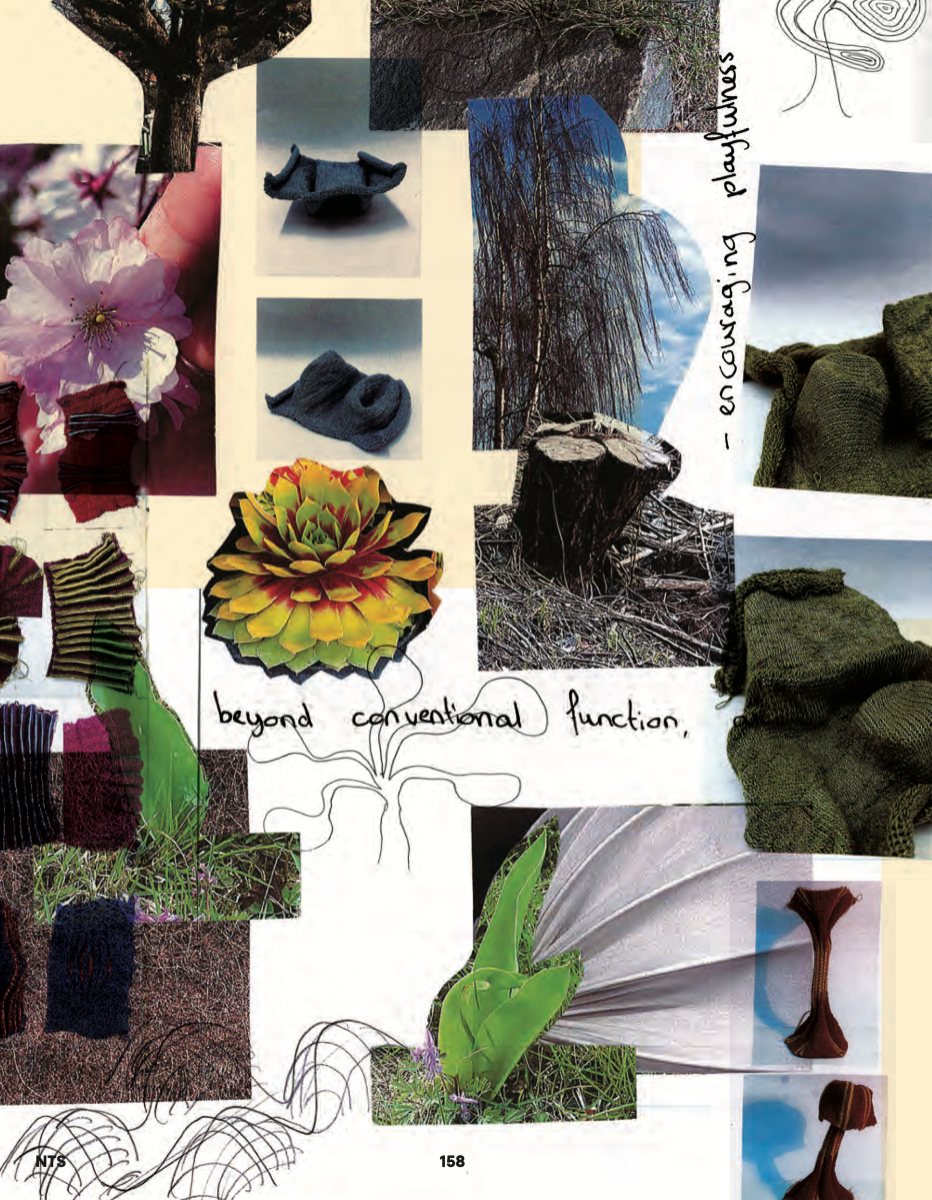
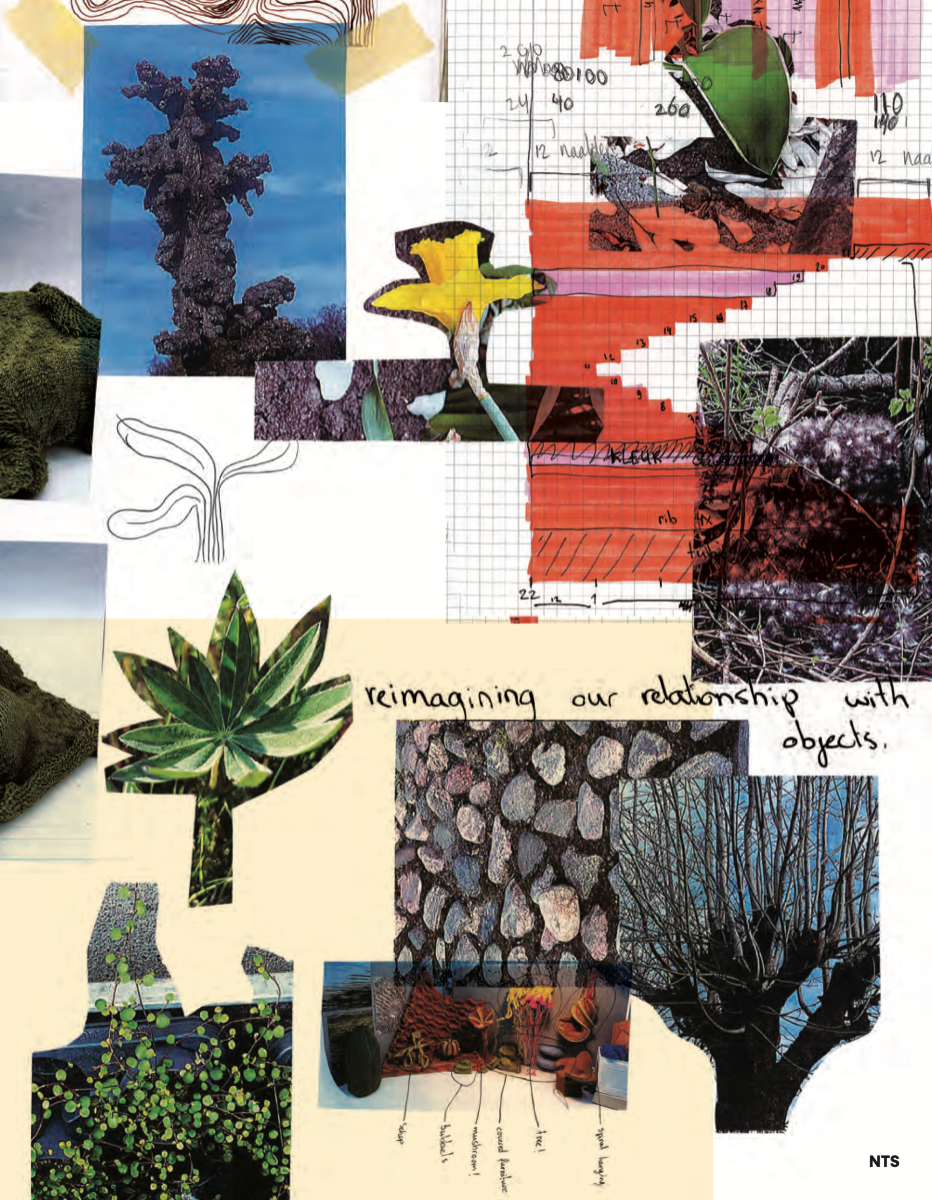
movable elements. Inspired by shapes found in nature, she looks to
material properties for answers, resulting in diverse projects with an
innovative and solution-oriented approach.
Her recent work explores how design can influence human
behaviour by examining interactions between people and objects.
Through playfulness and unexpected user-object interactions, she
aims to make people more aware of how they engage with their
surroundings.
Sustainability is an important part of her practice. She works with
upcycled and durable, environmentally responsible materials. Micro-
production allows her to minimize waste and maintain control over
the production process. She values the uniqueness of handcrafted
work, ensuring that each piece has its own character and story.
Haverkorn aims to push the boundaries of textile design by
transforming materials into dynamic, interactive elements that
change through use.
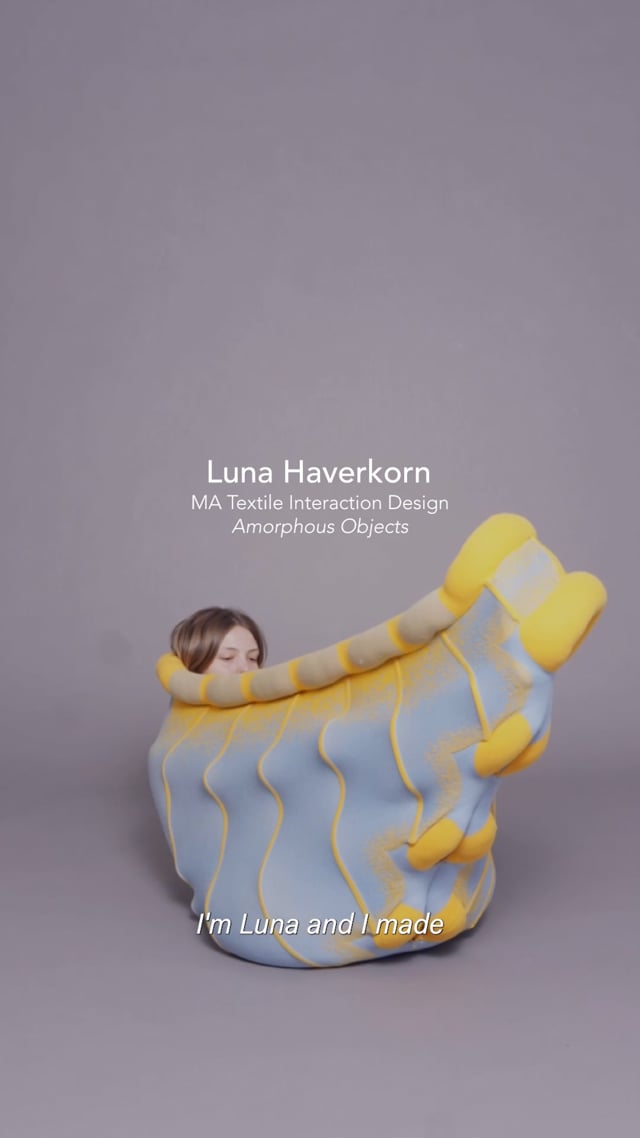
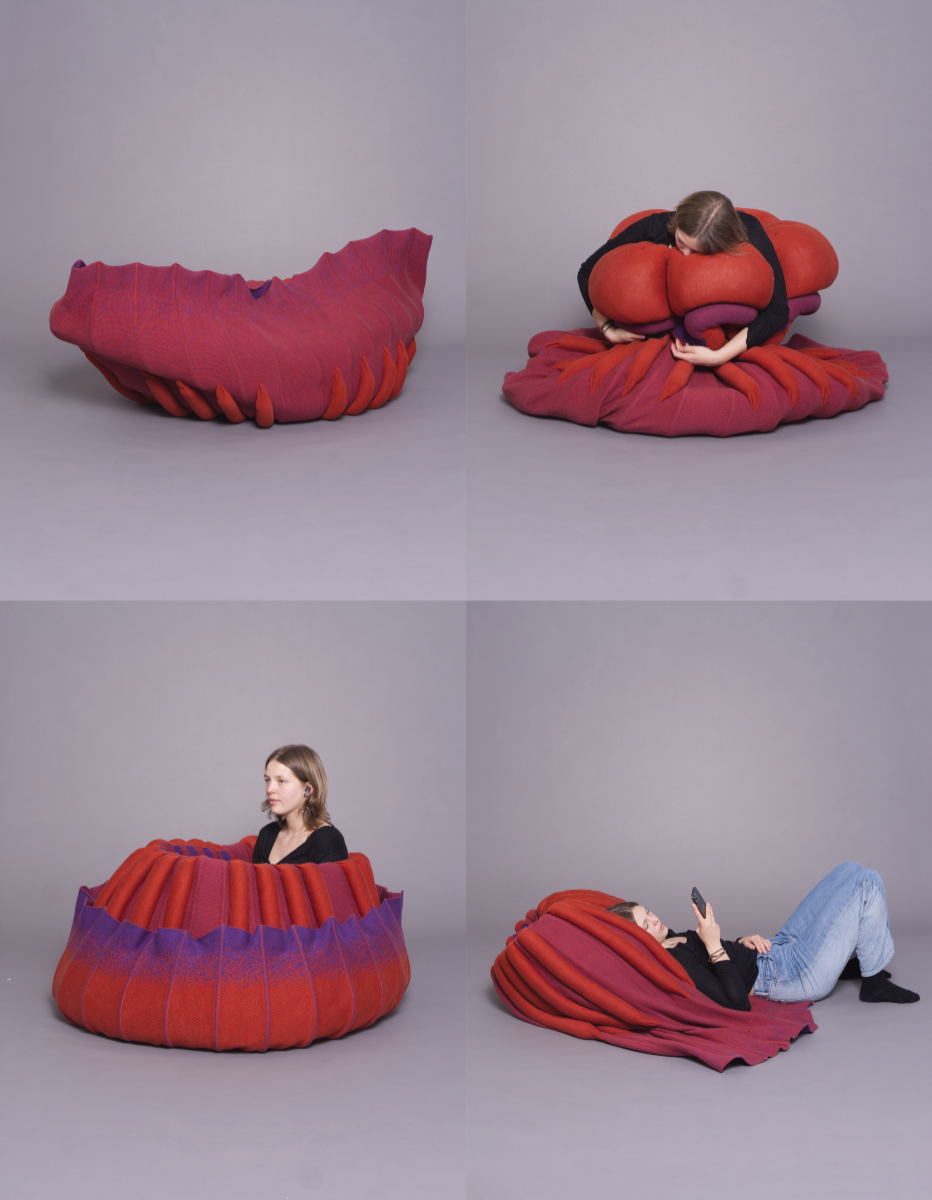
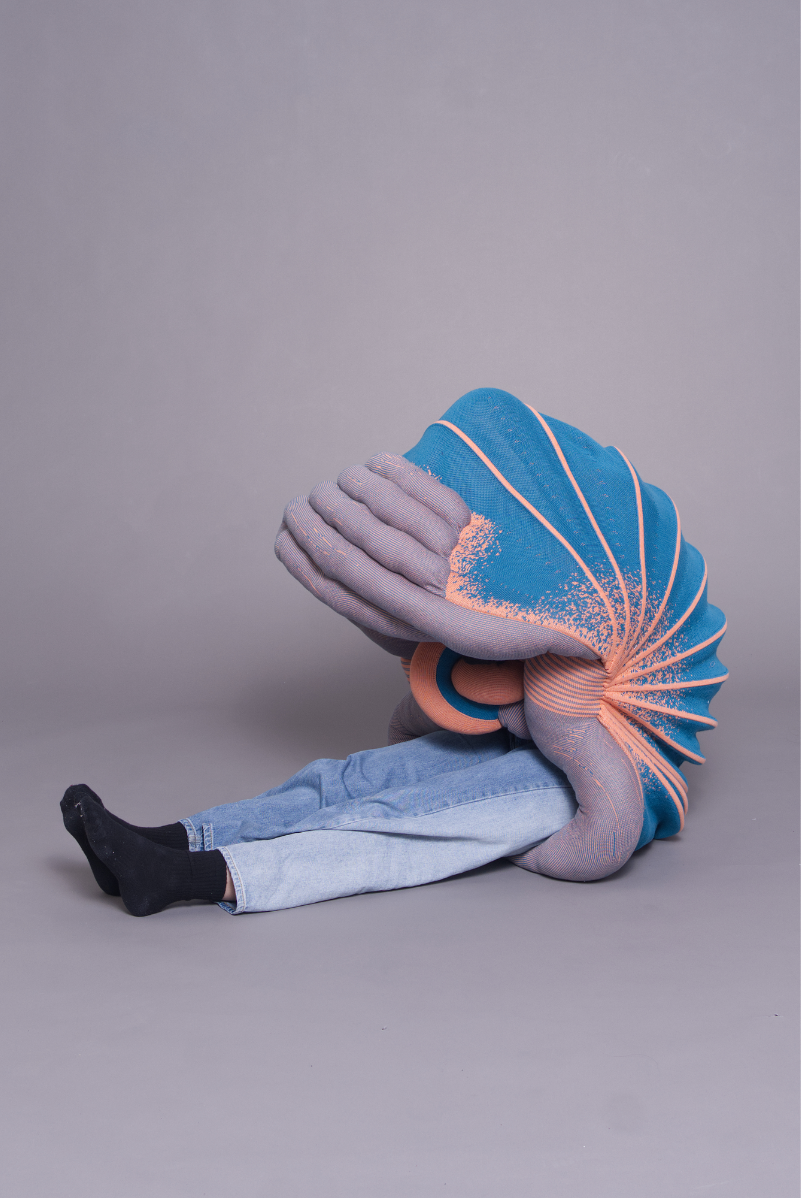
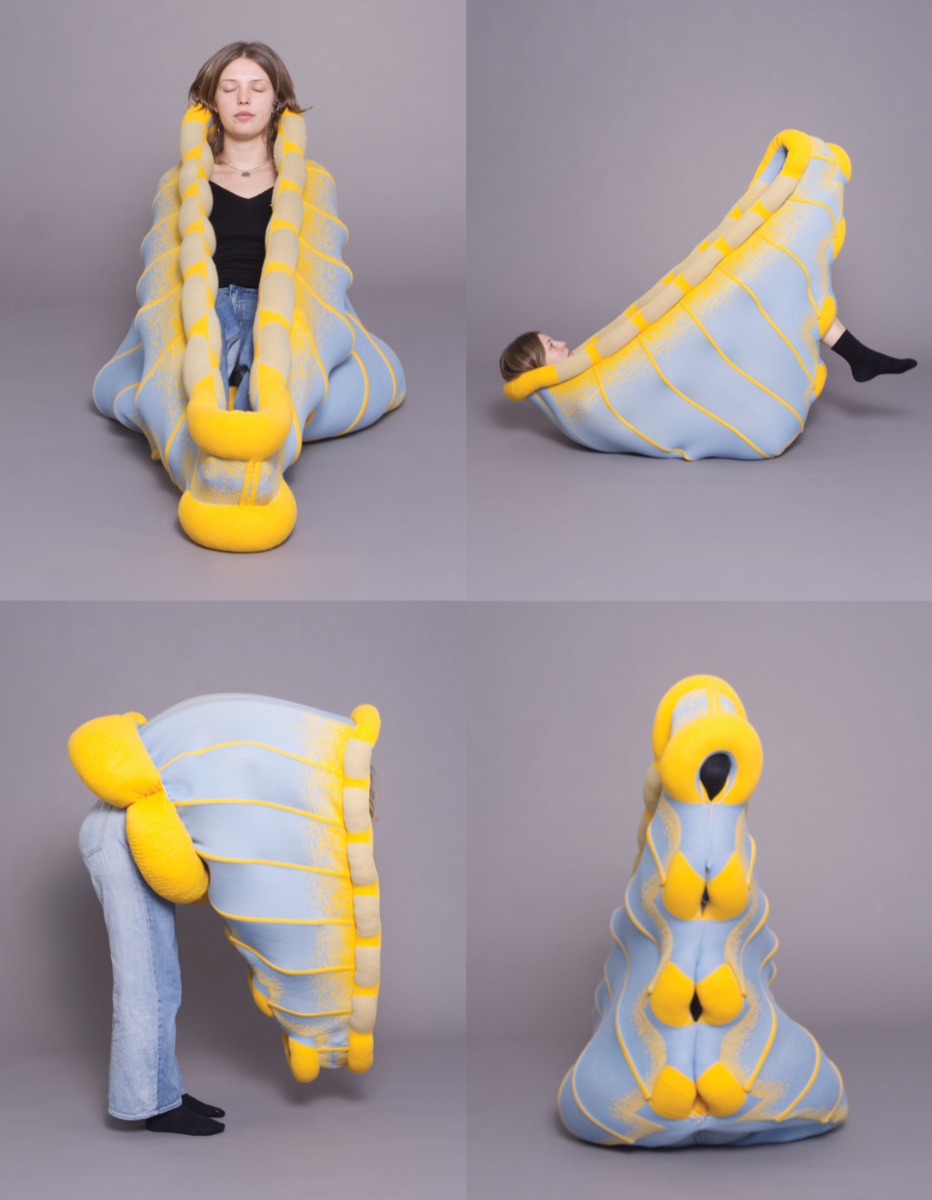
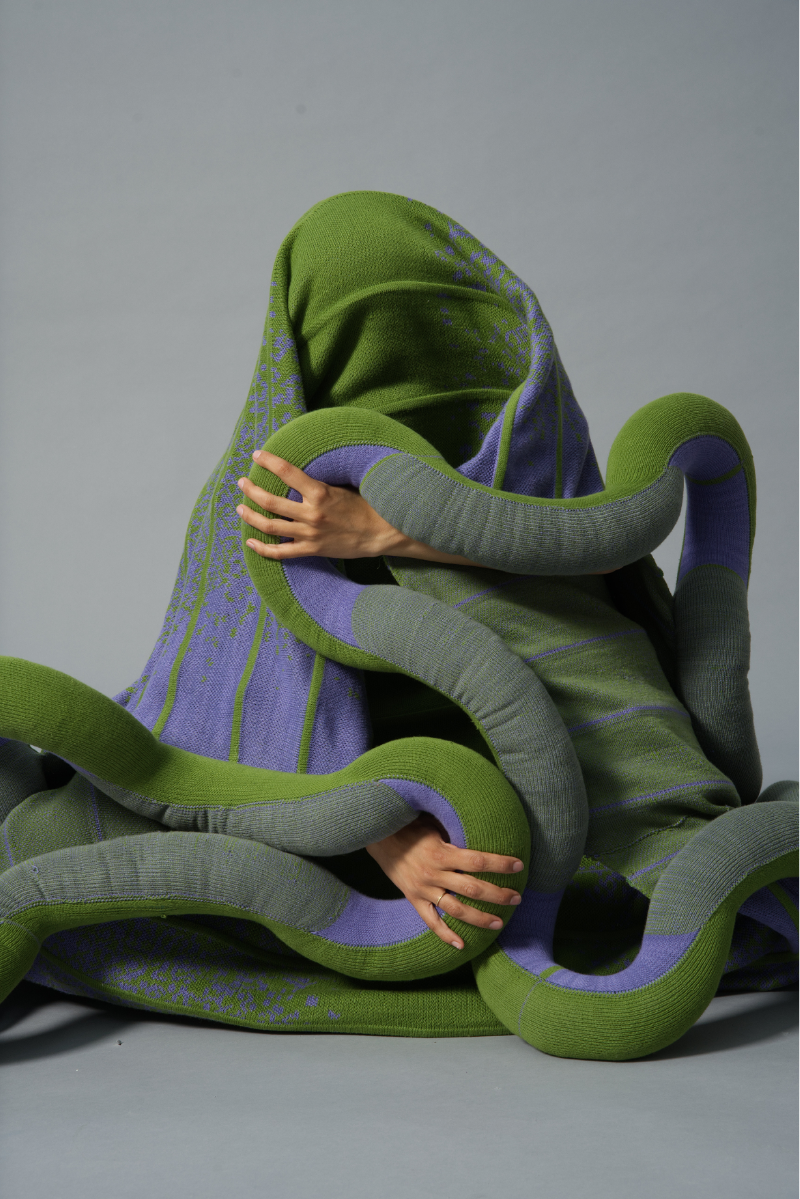
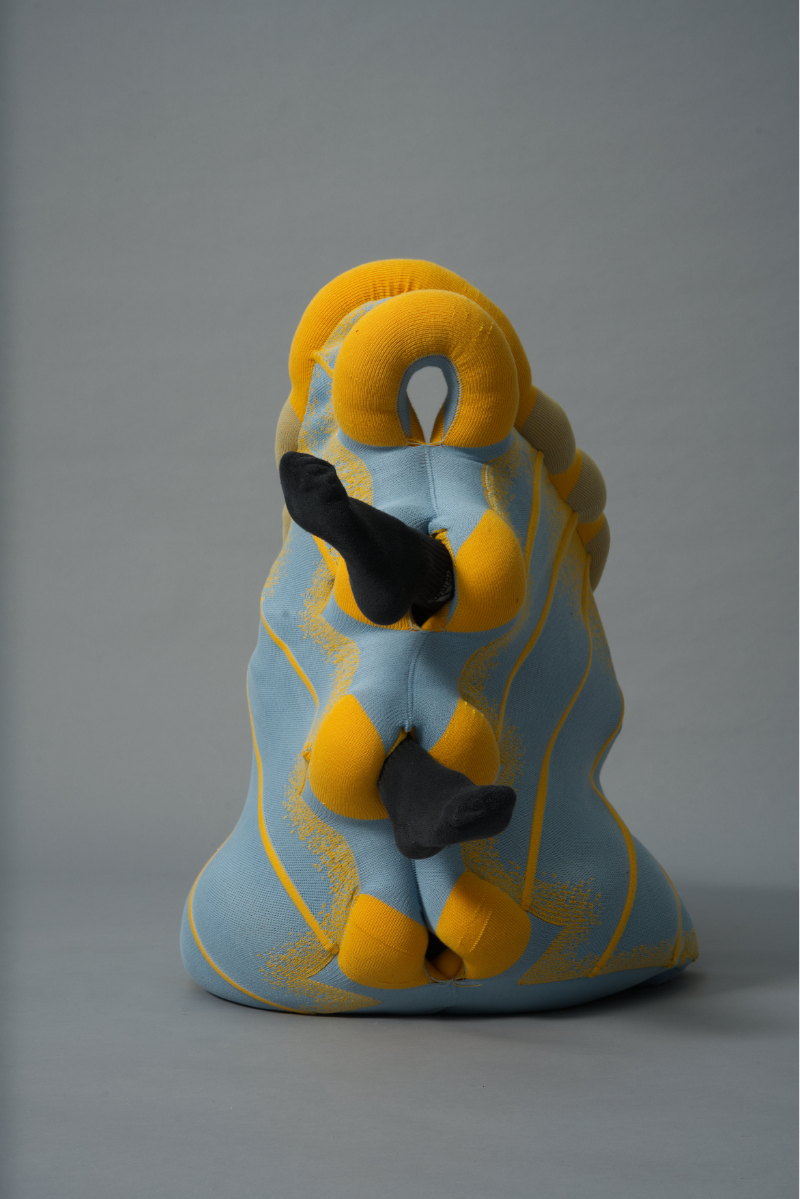
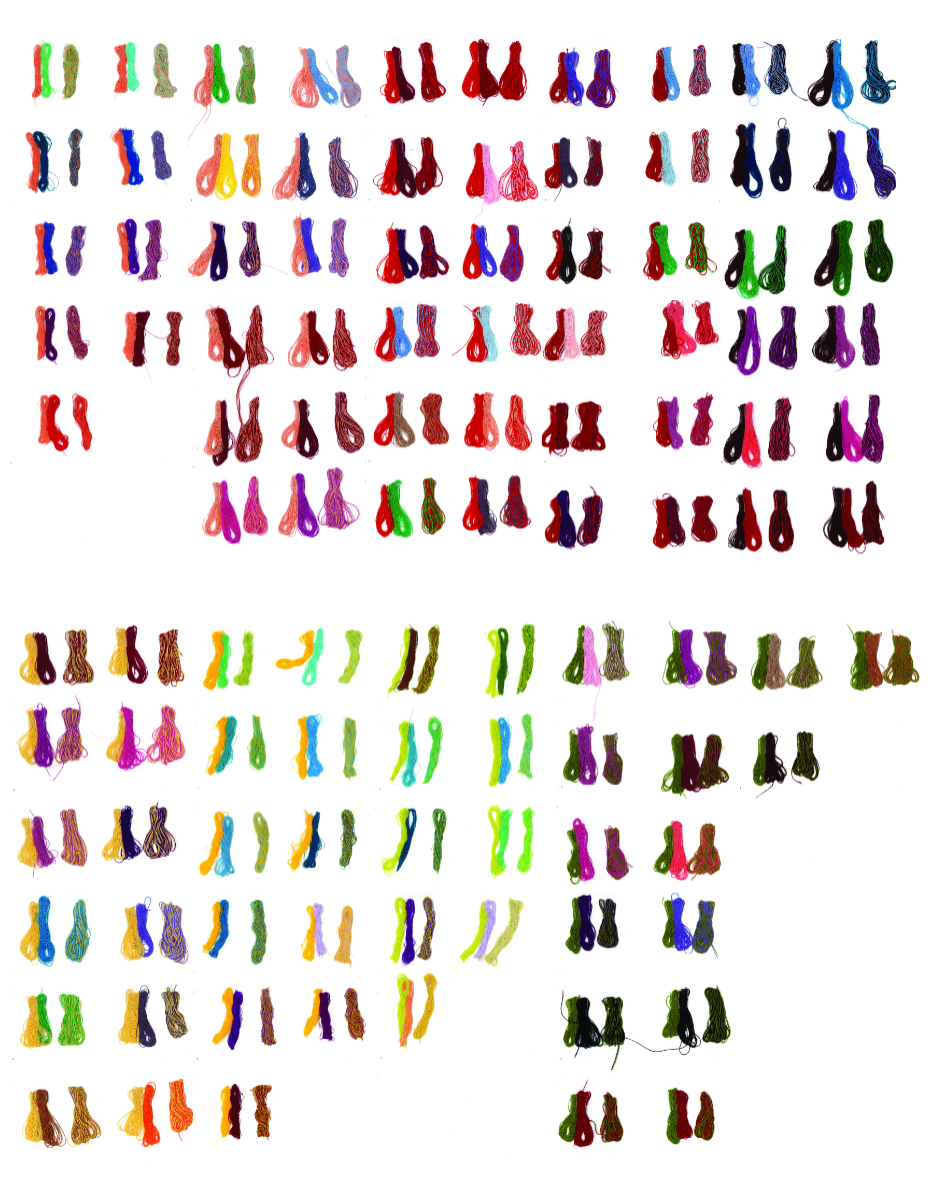
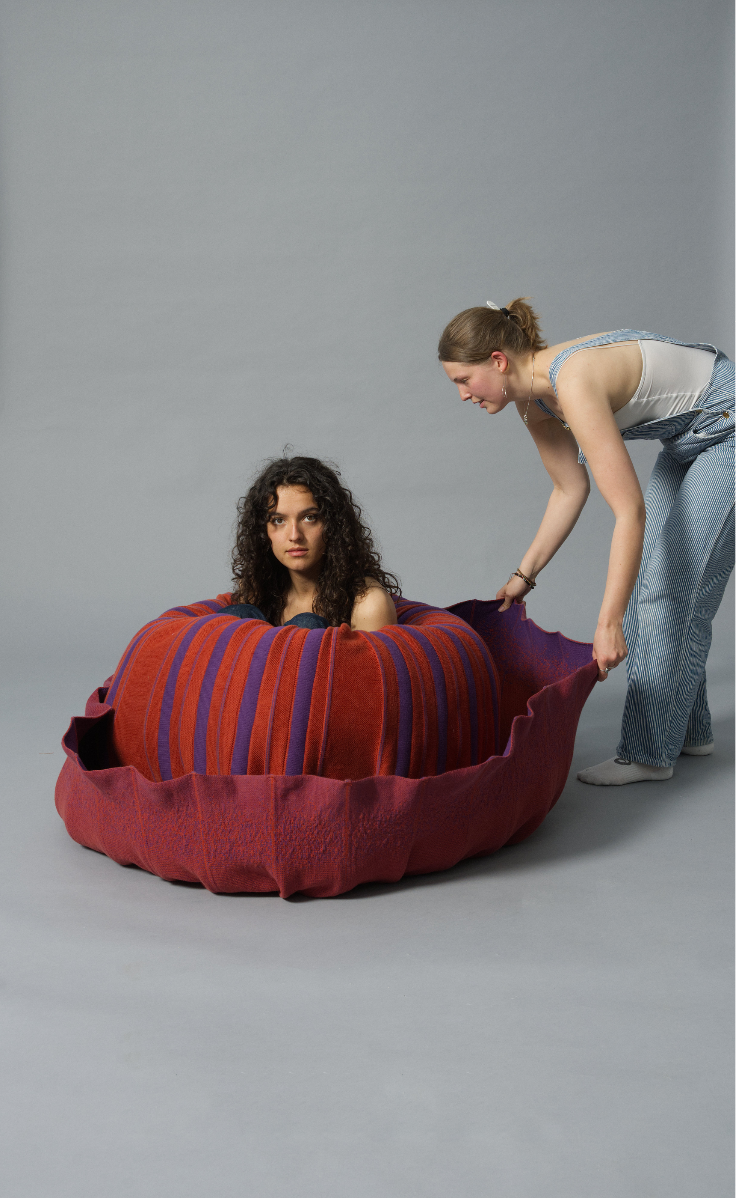
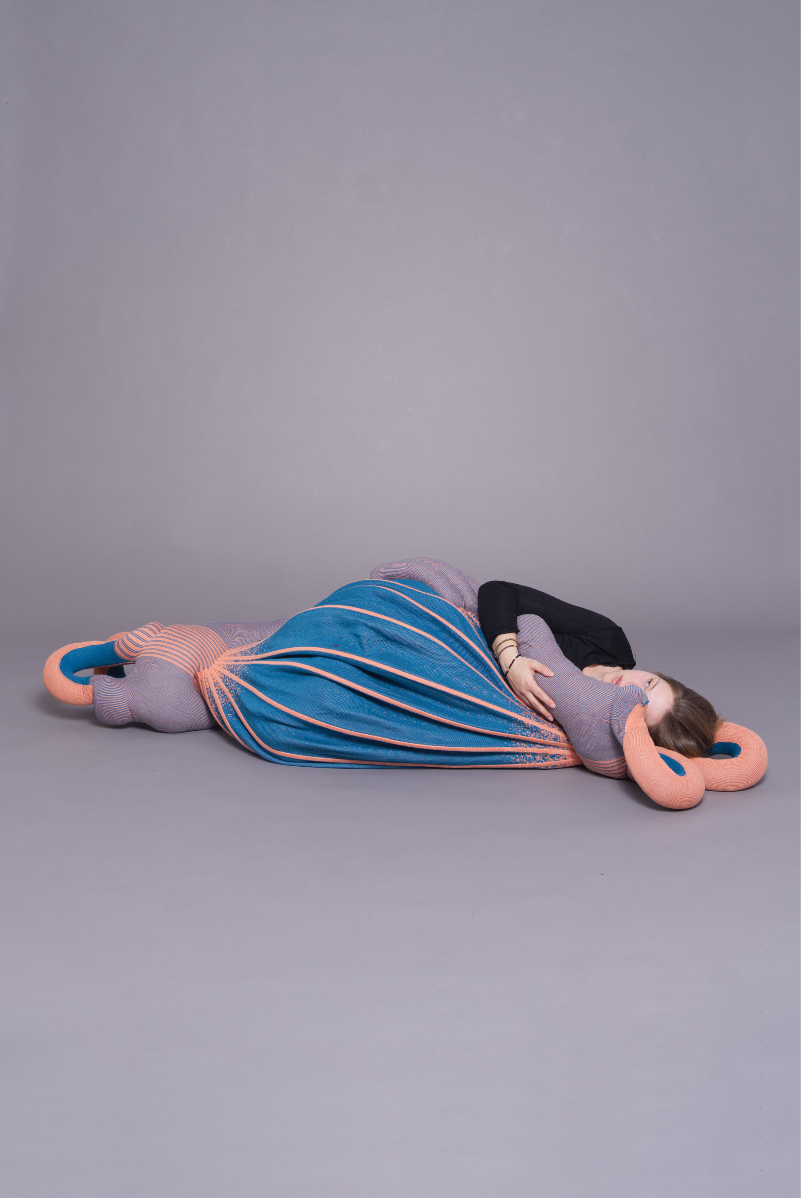
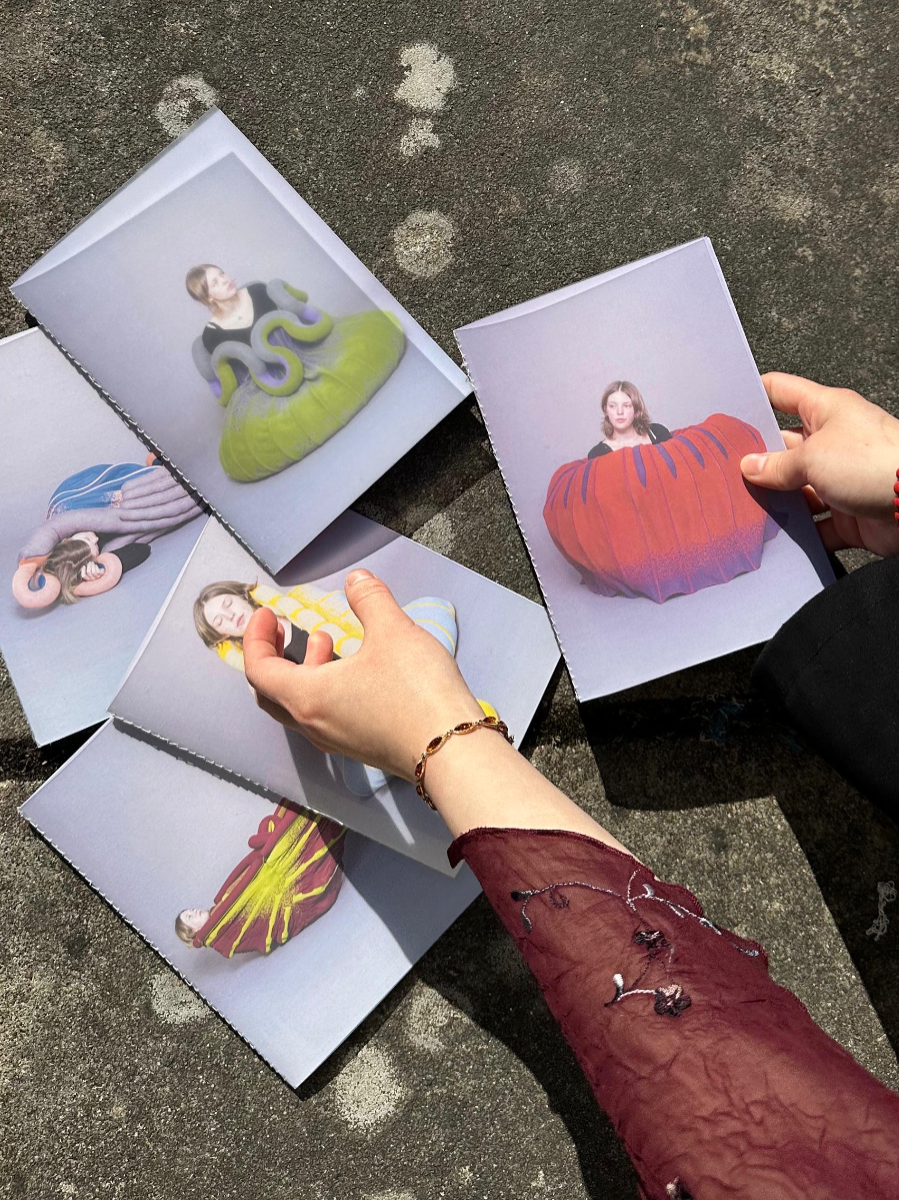
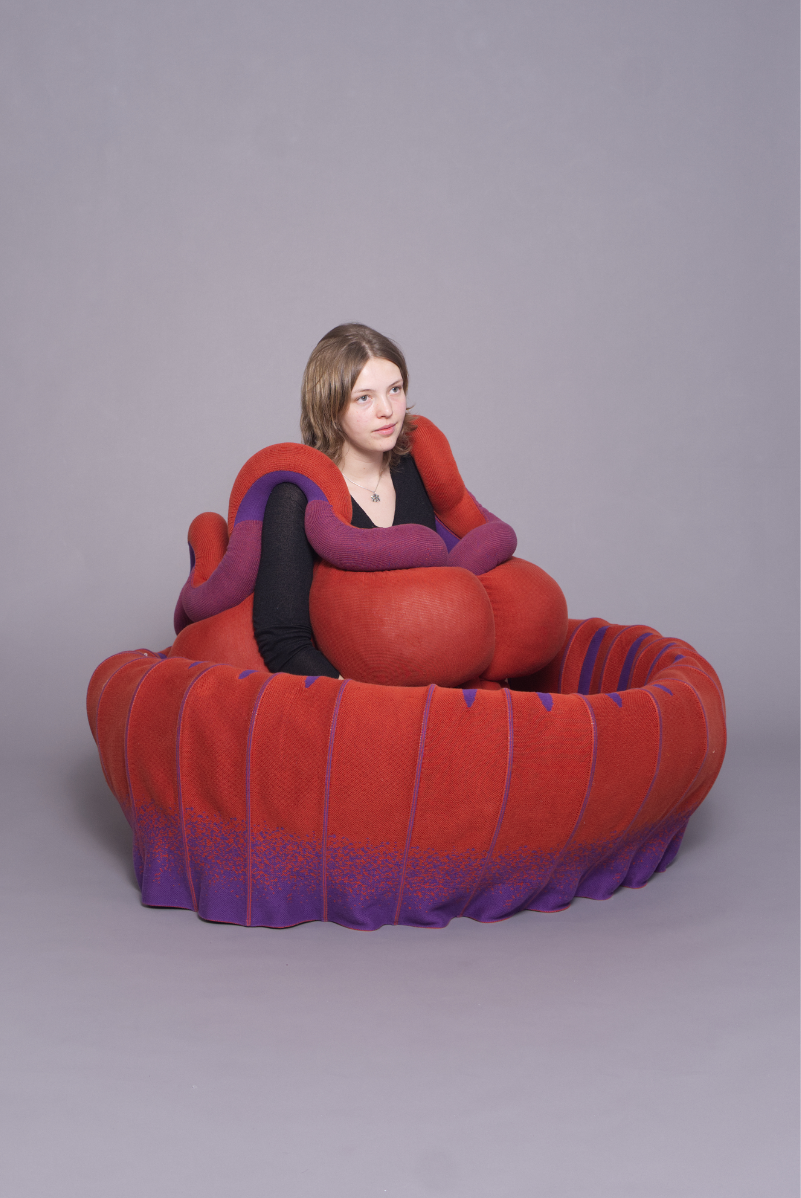
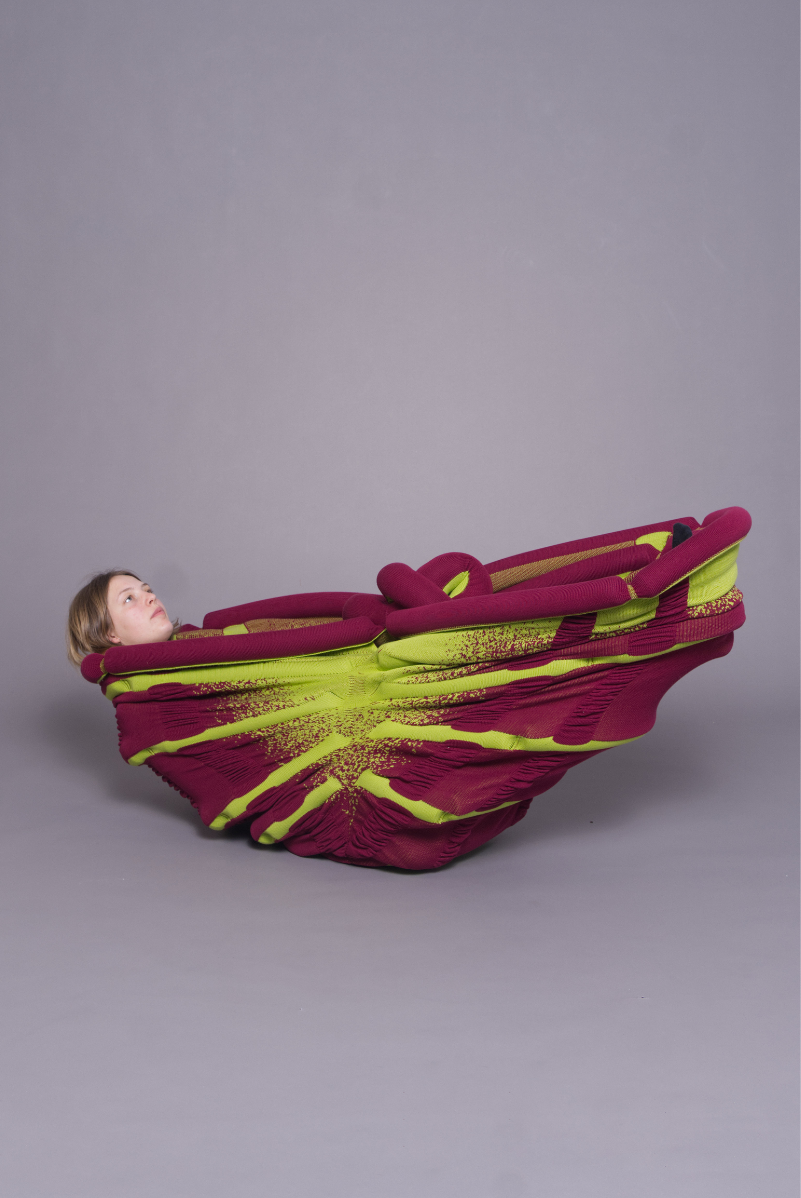
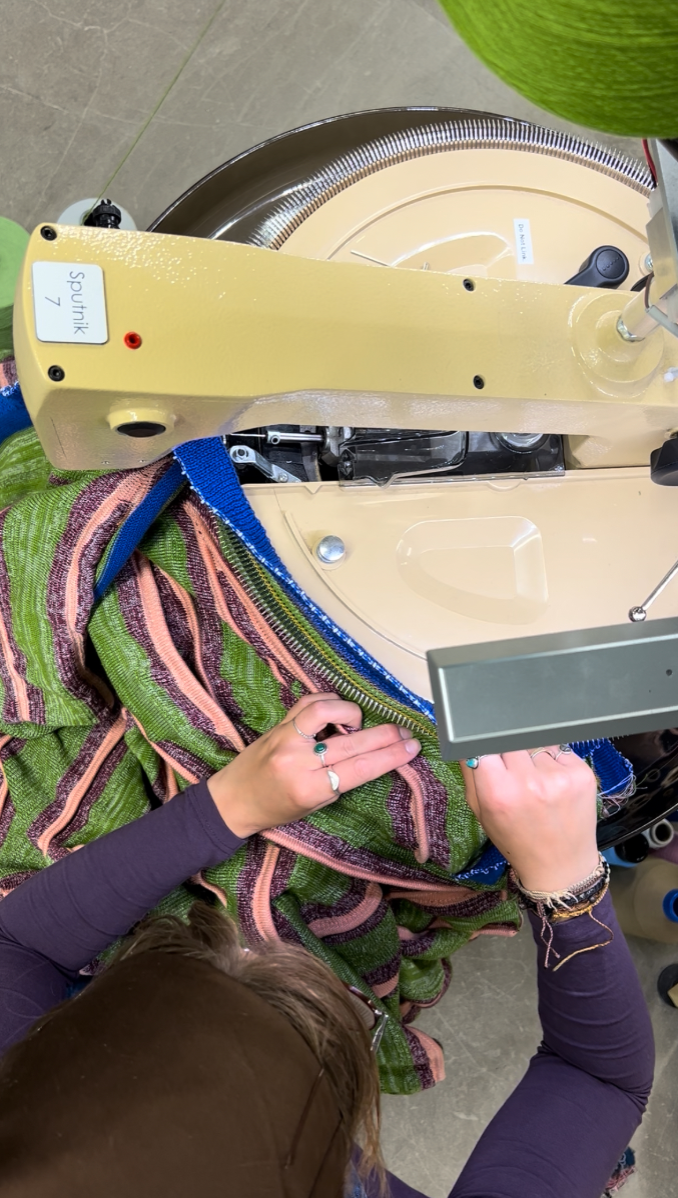
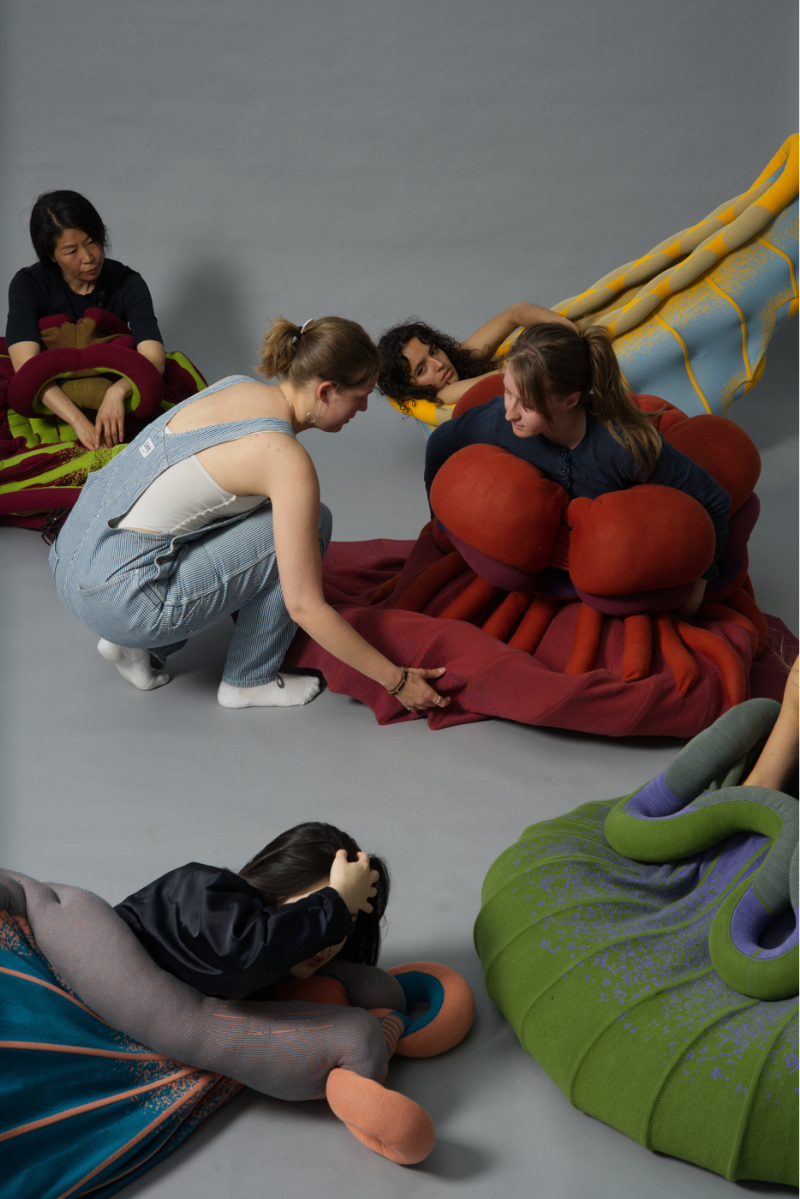
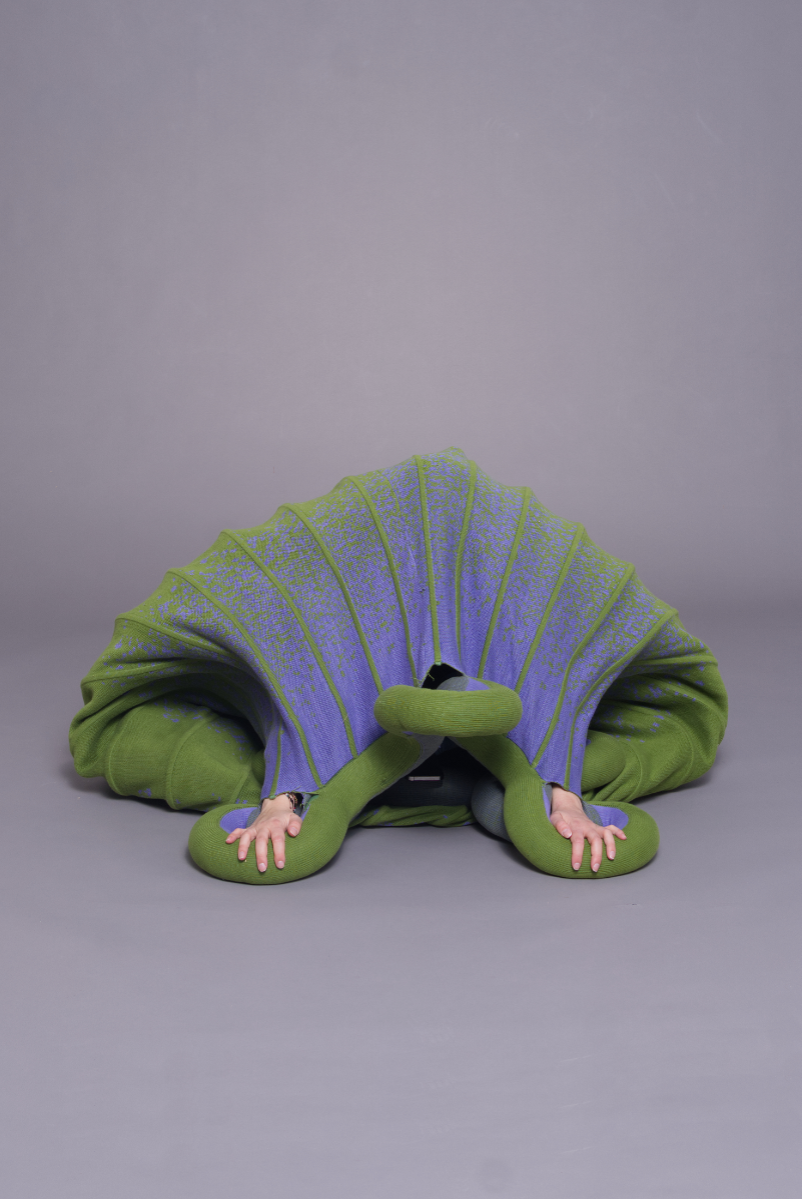
What if an object doesn’t tell you how to use it? Most design today focuses on clarity, efficiency, and predefined use, leaving little room for exploration. These body-scale textile objects instead invite open-ended interaction. There is no single correct way to use them: people can sit, recline, lie down, balance, or hide inside them. They can open, close, fold, stretch, and transform through movement and touch. The objects are dynamic, transformable shapes that explore how design can move beyond fixed functions and open possibilities for textile interaction, play, and rest. Carefully placed interaction cues suggest different ways of engaging without becoming too restrictive. Too much clarity removes exploration, but too little creates confusion. This work aims to give people more agency to explore how they want to use an object. Design does not have to define behaviour, it can invite exploration.
Competitions