Cameron Walker
graphic design
Staffordshire University
Specialisms: Graphic Design / Marketing / Packaging / Design Research
Location: Stoke-on-Trent, United Kingdom


Cameron Walker
First Name: Cameron
Last Name: Walker
Specialisms: Graphic Design / Marketing / Packaging / Design Research
Sectors:
My Location: Stoke-on-Trent, United Kingdom
University / College: Staffordshire University
Course / Program Title: graphic design
About
I’m a graphic designer based in Staffordshire with a
conceptual approach to design. I’m interested in taking an idea and exploring how it can be communicated visually. Whether through editorial design, branding, marketing, campaigns, mockups or other visual formats.
I enjoy developing ideas through research, experimentation, concepts and iteration, allowing the concept to shape the outcome rather than being restricted to a single format or discipline.
My work is driven by curiosity and a willingness to explore different visual directions, with a focus on turning ideas into clear, considered and engaging outcomes.
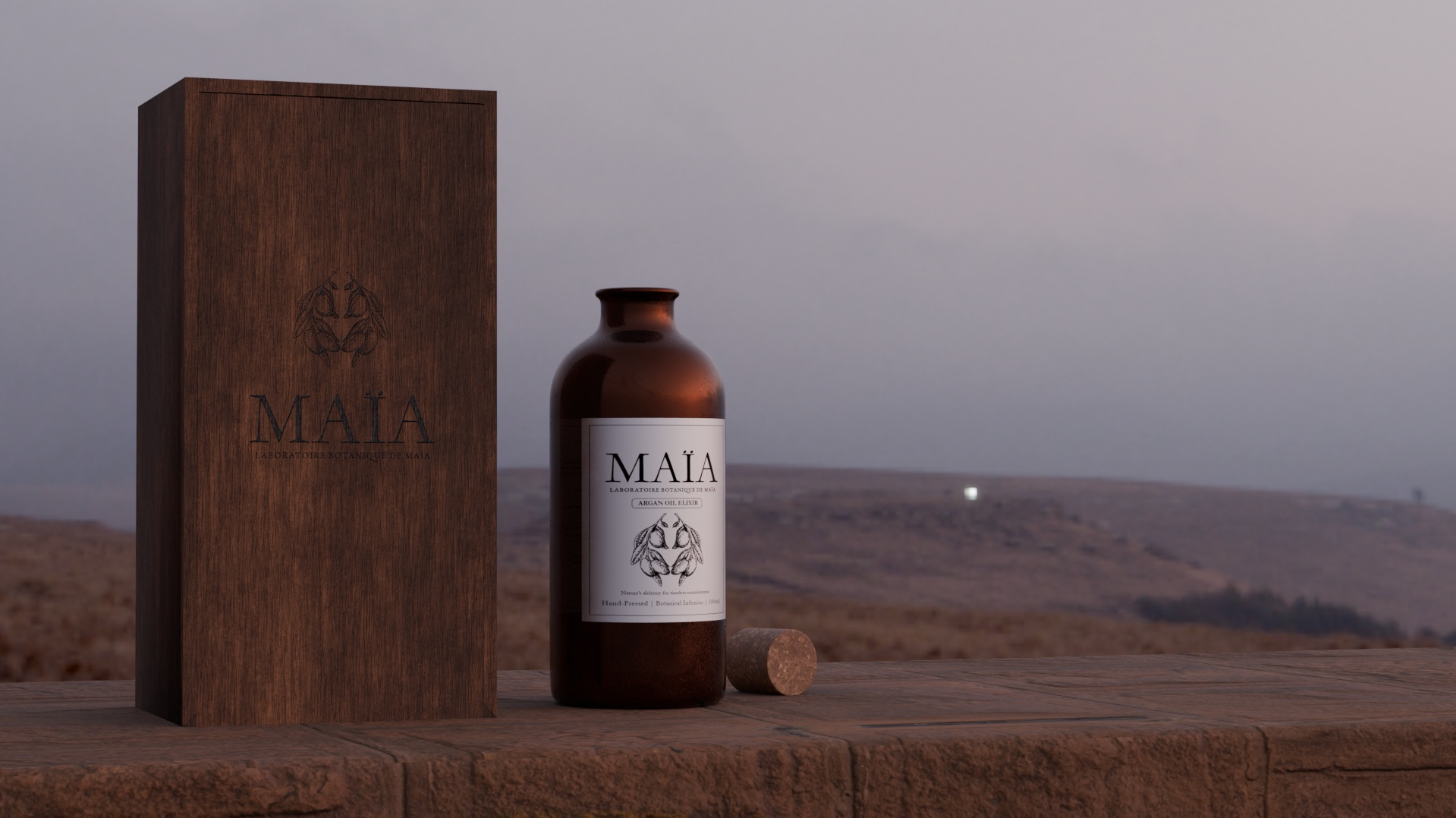
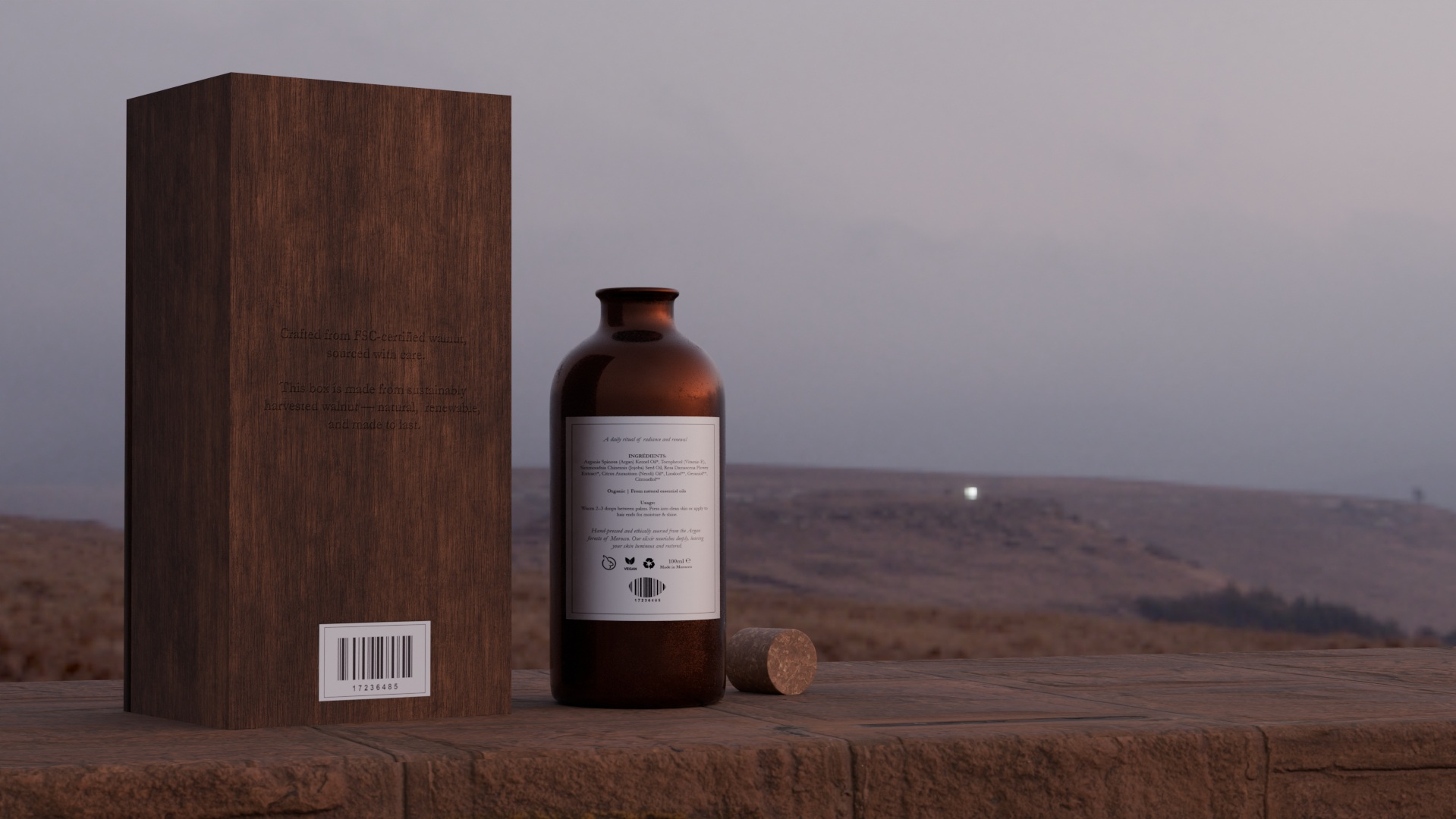
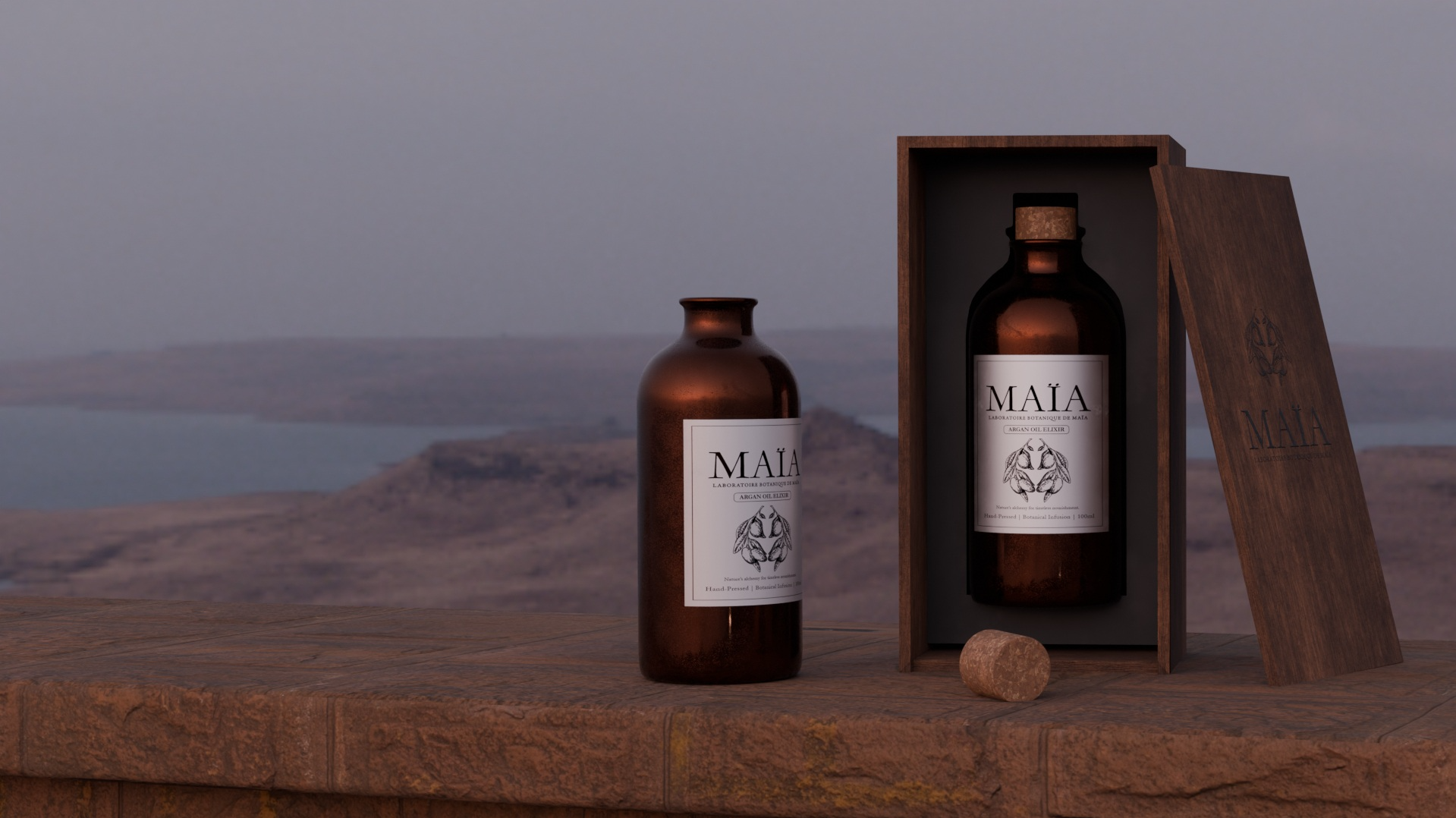
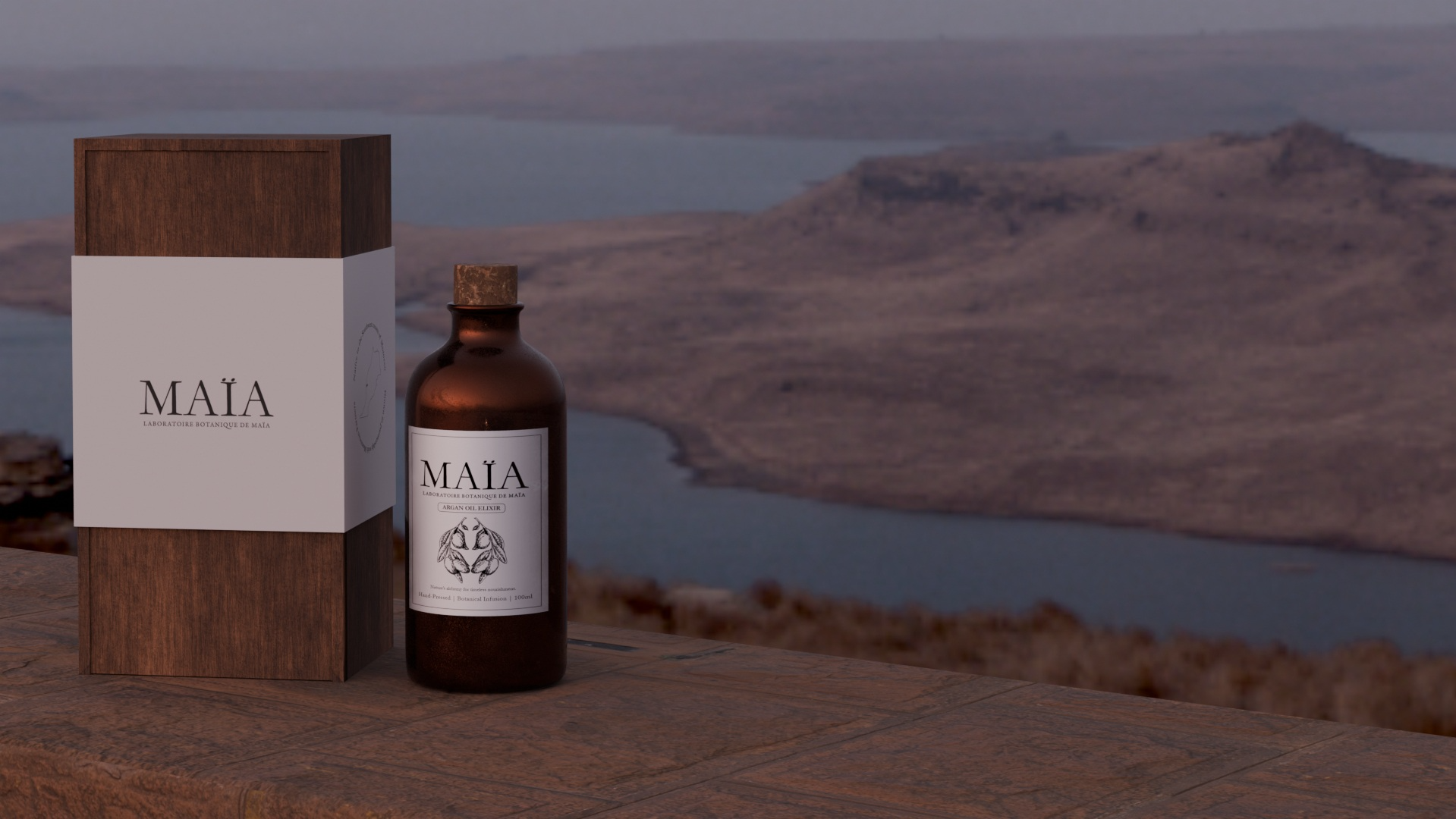
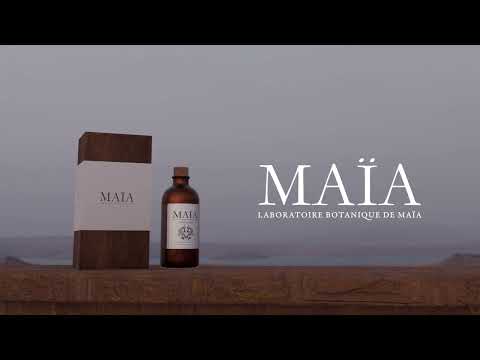
MAÏA is a luxury, sustainable skincare brand concept centred around pure argan oil. The project explores how Moroccan heritage, natural ingredients and modern apothecary aesthetics can be combined to create a refined and considered identity. The brand positions skincare as an intentional ritual, balancing organic warmth with clinical precision. Sustainability informed the packaging through recyclable glass, biodegradable materials and refillable systems, while natural materials such as wood and cork reinforce its tactile character. The visual identity uses refined typography, botanical imagery and muted earthy tones to communicate purity, craftsmanship and understated luxury. The project developed across branding, packaging, material choices and 3D visualisation.
Competitions
Global Creative Graduate Showcase 2026
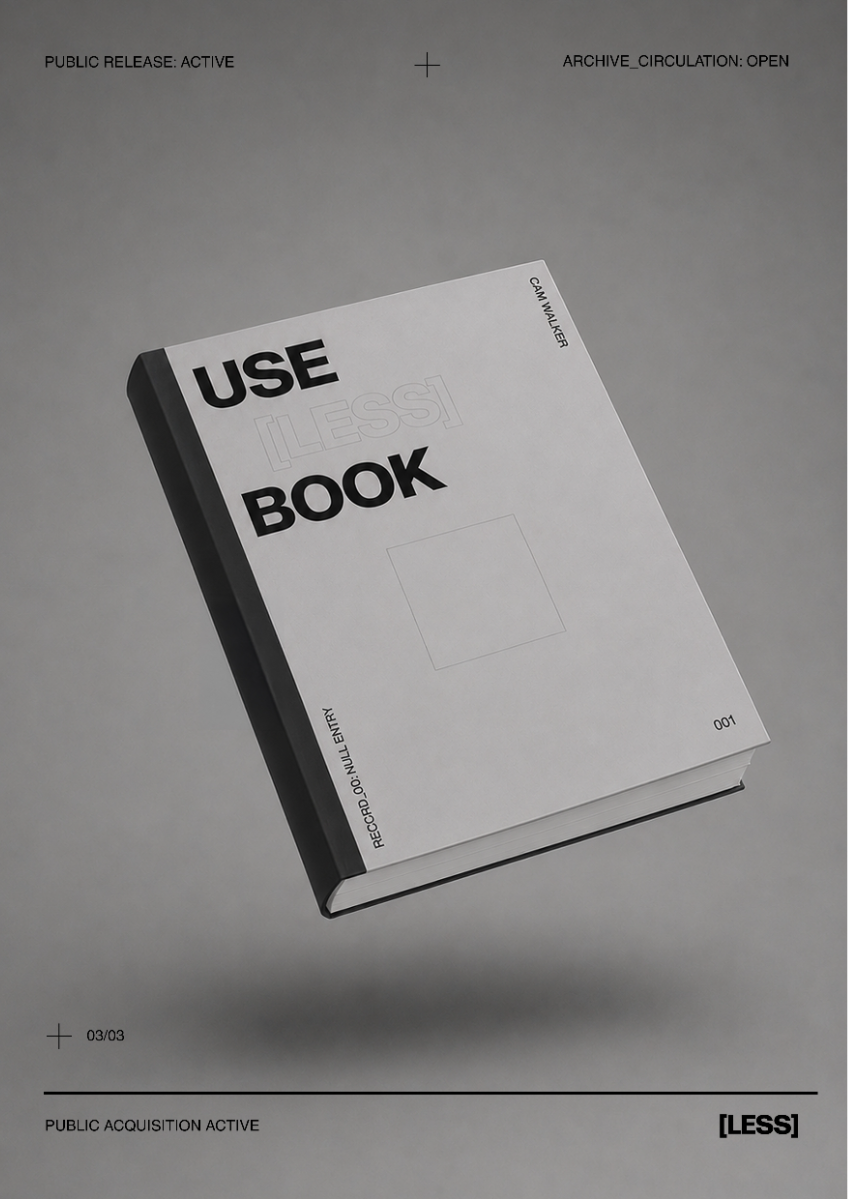
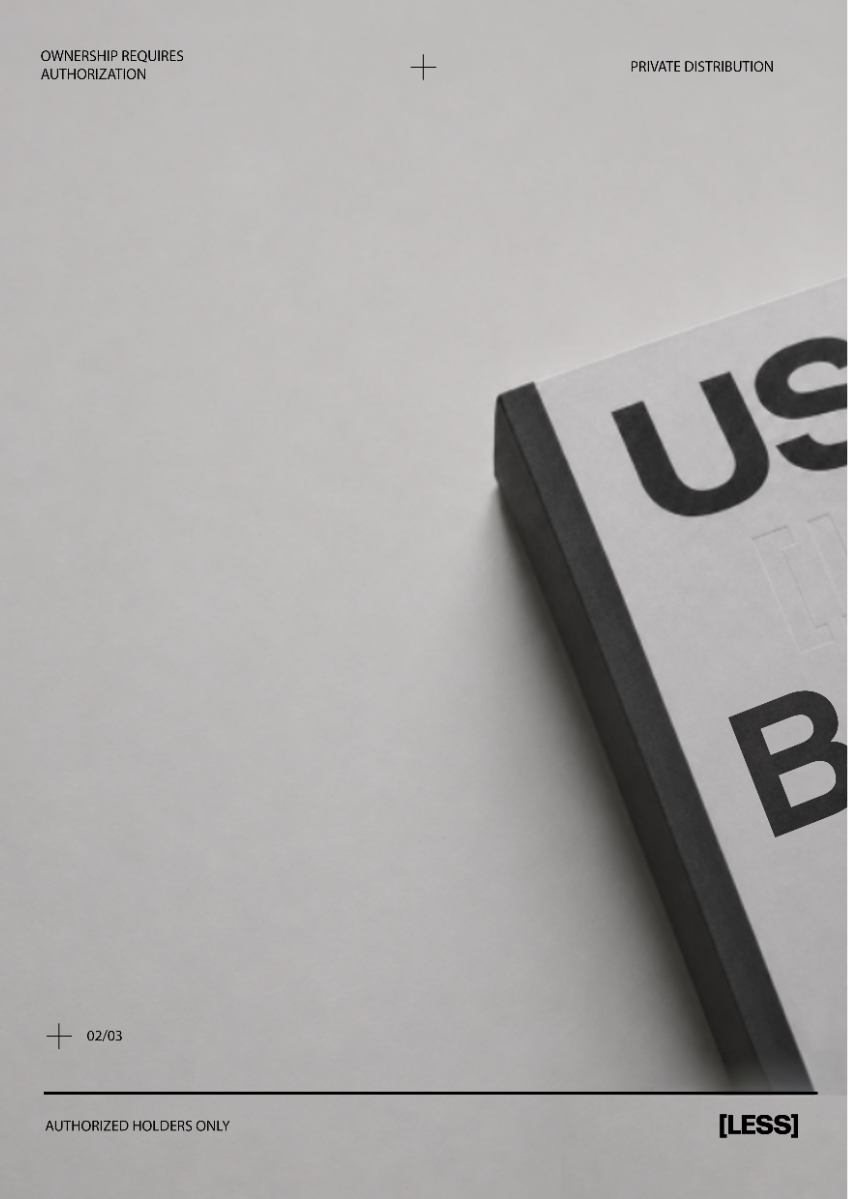
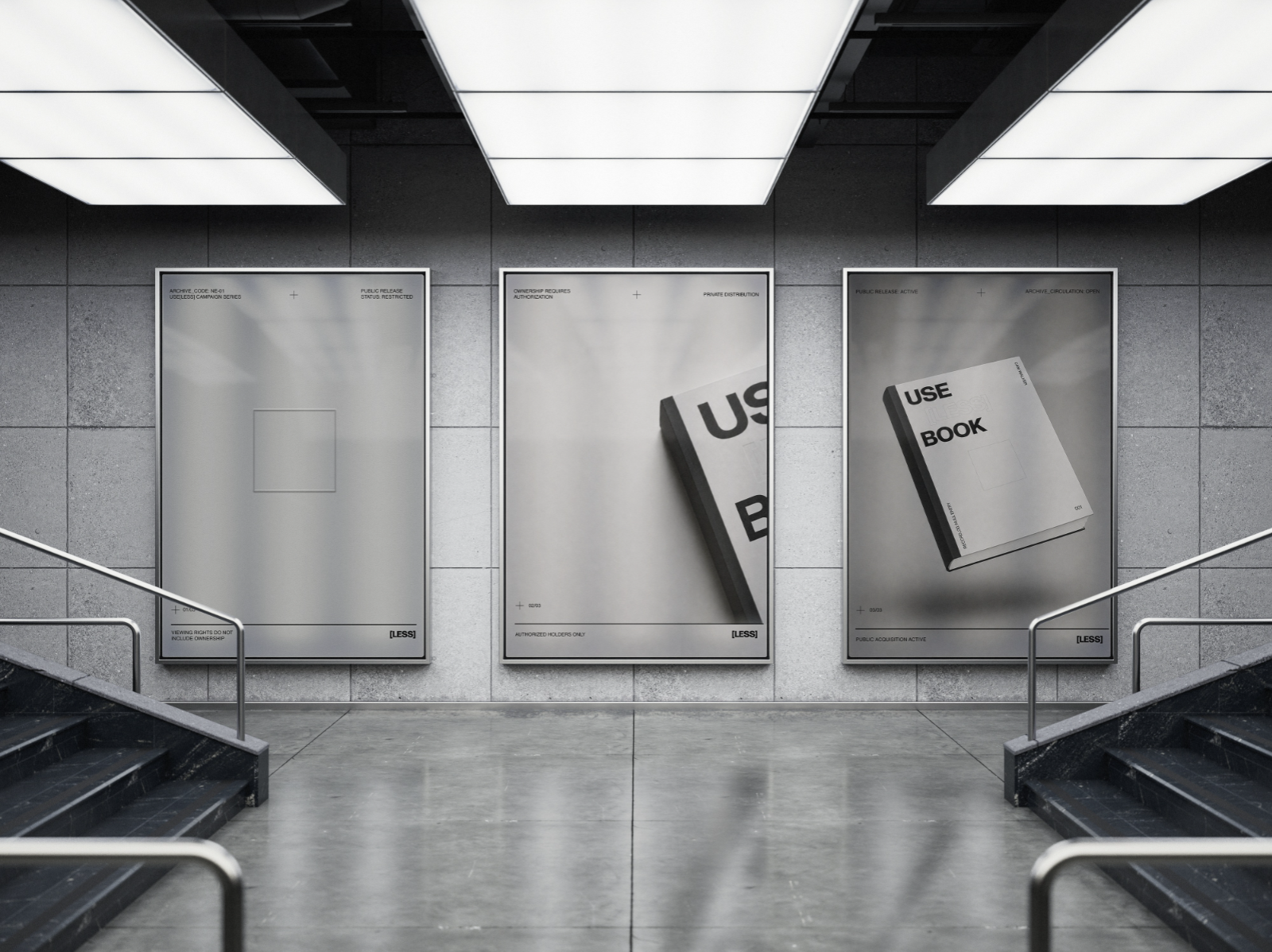
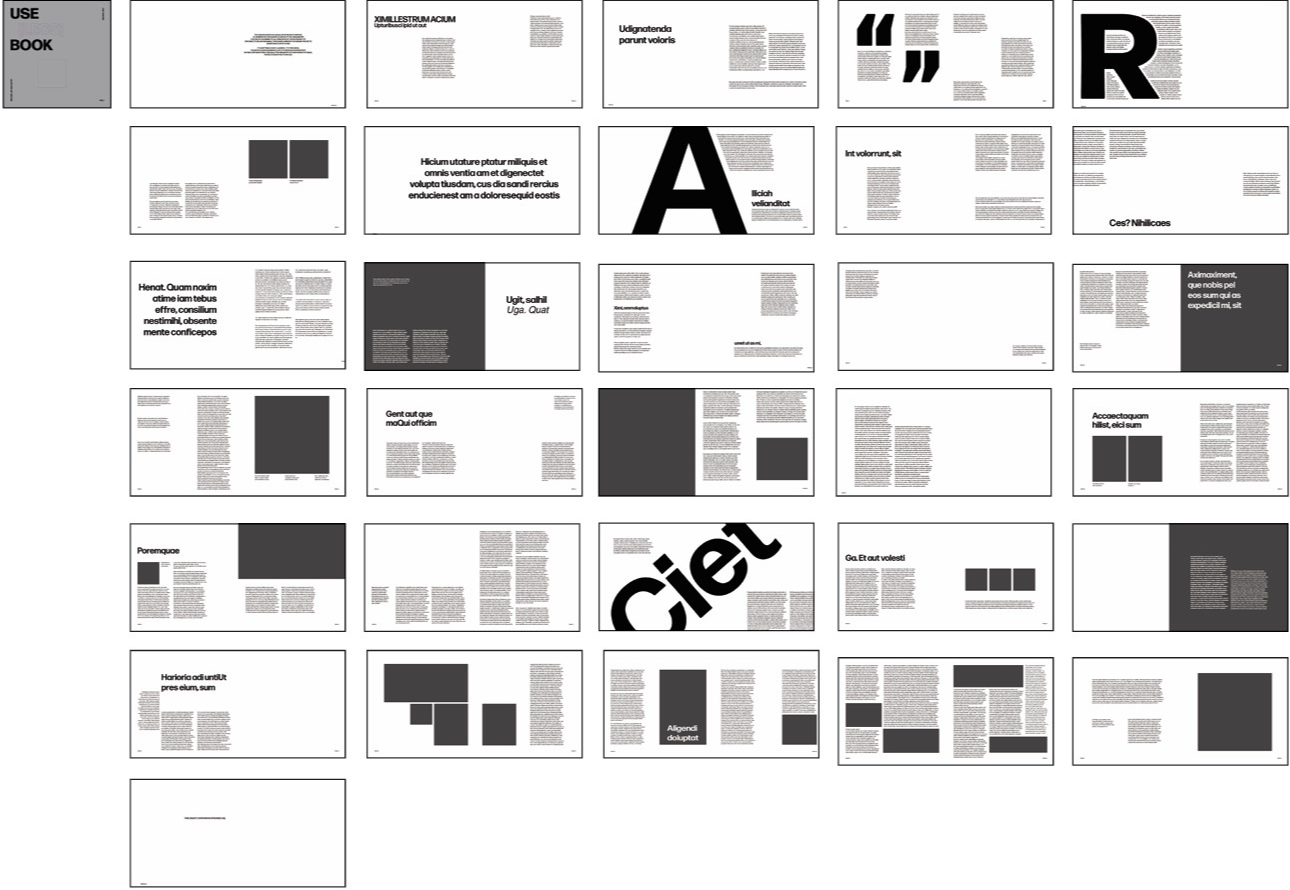
USE[LESS] USE[LESS] is a campaign advertising a publication that is inherently worth nothing, using the visual language of luxury, scarcity, and exclusivity to convince audiences otherwise. The project explores how graphic design can manufacture perceived value through typography, composition, materiality, hierarchy, branding, and controlled visual systems. The campaign builds a fictional sense of importance around an object with no practical or monetary value, deliberately exaggerating the conventions used to sell premium products and experiences. Through posters, promotional material, editorial design, and release mechanics, USE[LESS] questions whether value exists within an object itself, or is something constructed through design, context, and perception.
Competitions