Ylara Esau Salie
bachelor of fine art
Michaelis School of Fine Art
Specialisms: Installation/Sculpture / Fine Art / Sculpture
Location: Cape Town, South Africa
Ylara Esau Salie
First Name: Ylara
Last Name: Esau Salie
Specialisms: Installation/Sculpture / Fine Art / Sculpture
Sectors:
My Location: Cape Town, South Africa
University / College: Michaelis School of Fine Art
Course / Program Title: bachelor of fine art
About
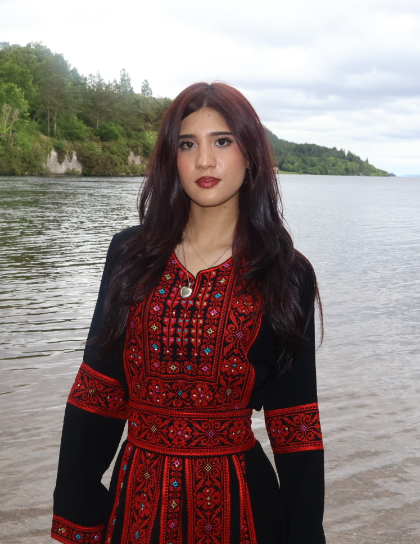
Ylara Esau Salie is a South African interdiscliplinary artist working primarily in sculpture and installation. Her practice explores resistance, humanity and preservation within systems of power, engaging with the historical and ongoing impact of Apartheid and its bureaucratic infrastructures.
Informed by South Africa'ss history of resistance art, her work approaches art-making as an act of political witness and solidarity. She draws parallels between Apartheid South Africa and occupied Palestine, examining permit regimes, displacement, and the administrative control of movement. Through sculpture, archival research and material process, she explores how art can foreground the experiences of oppressed communities while preserving memory against erasure.
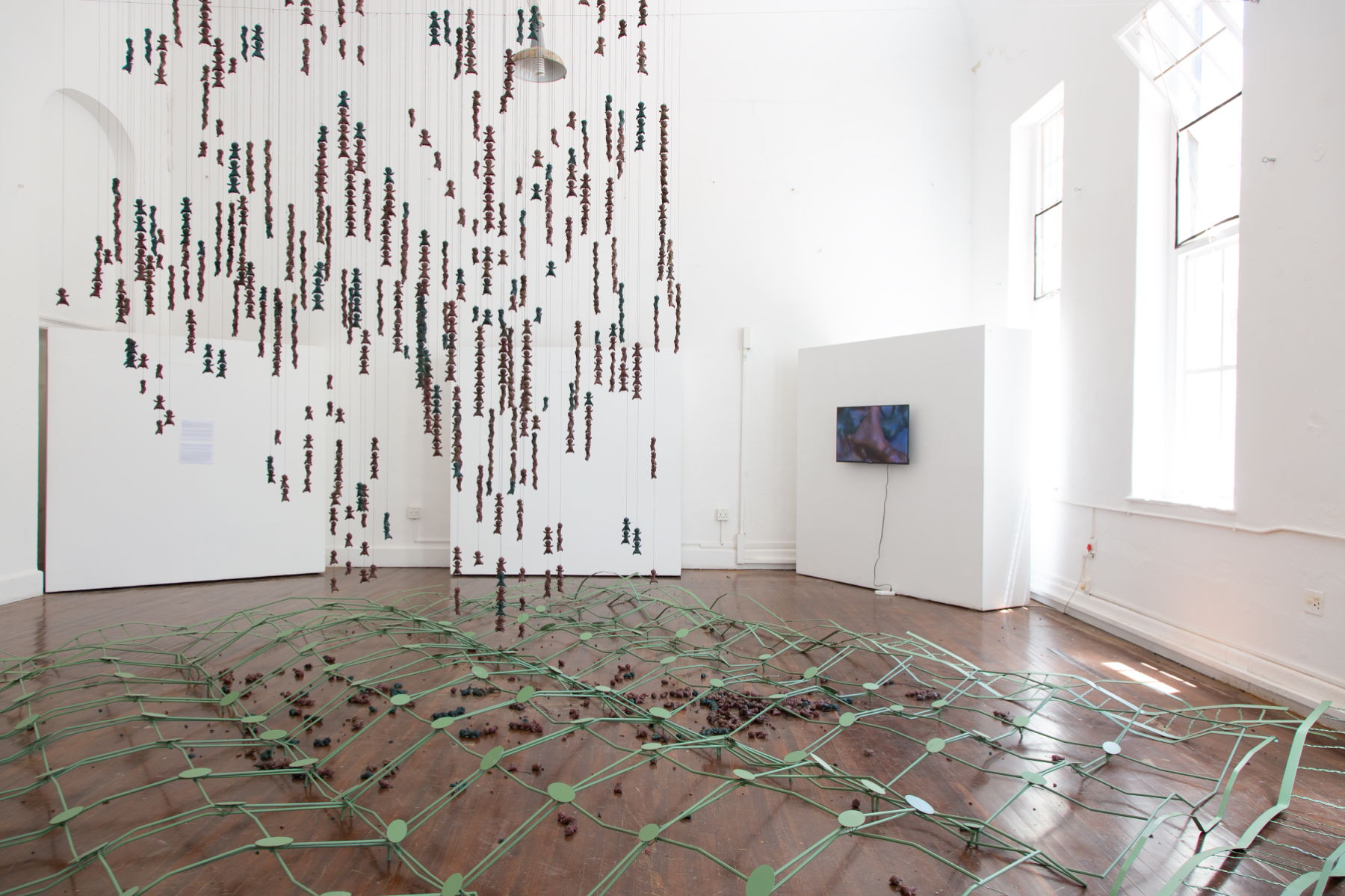
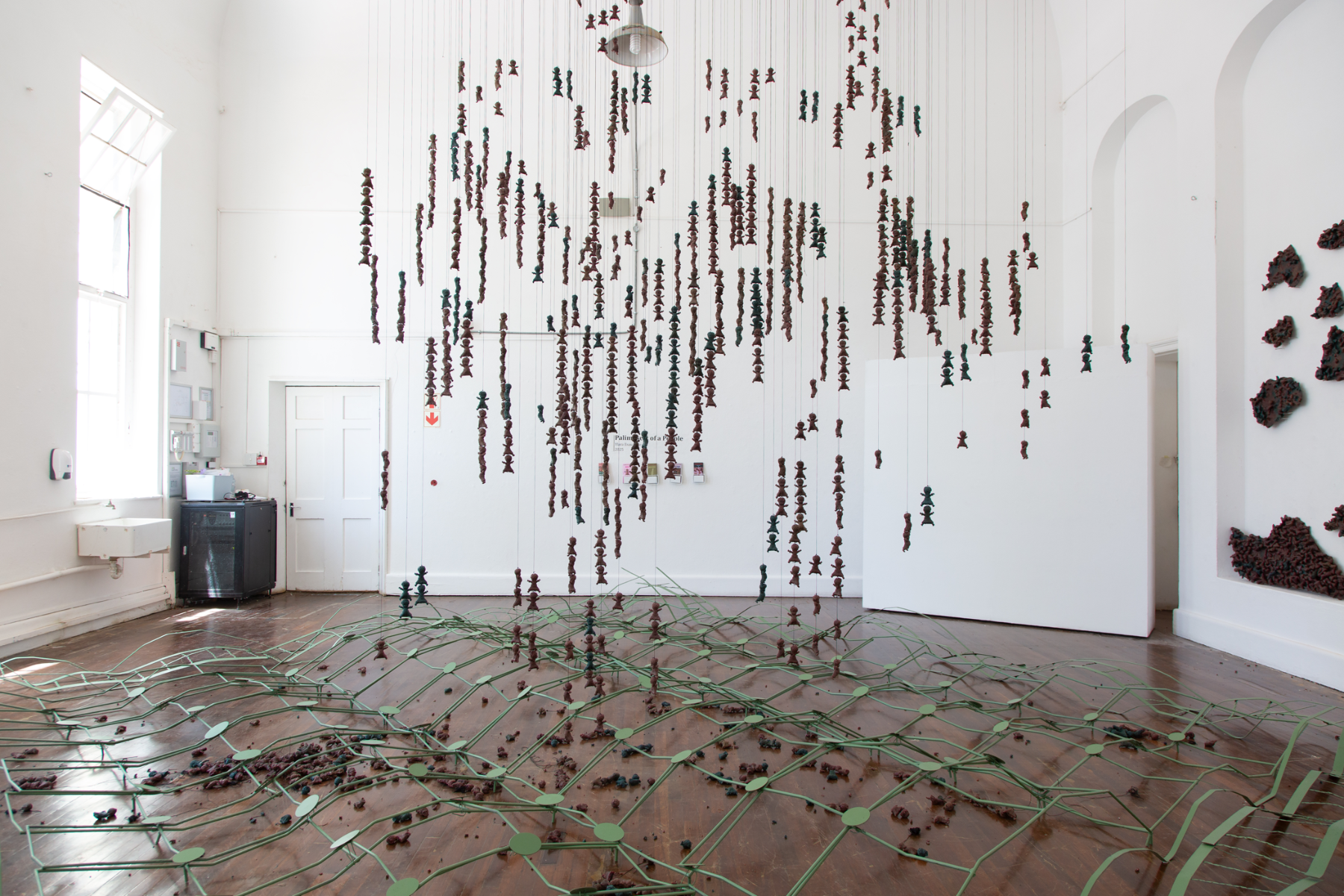
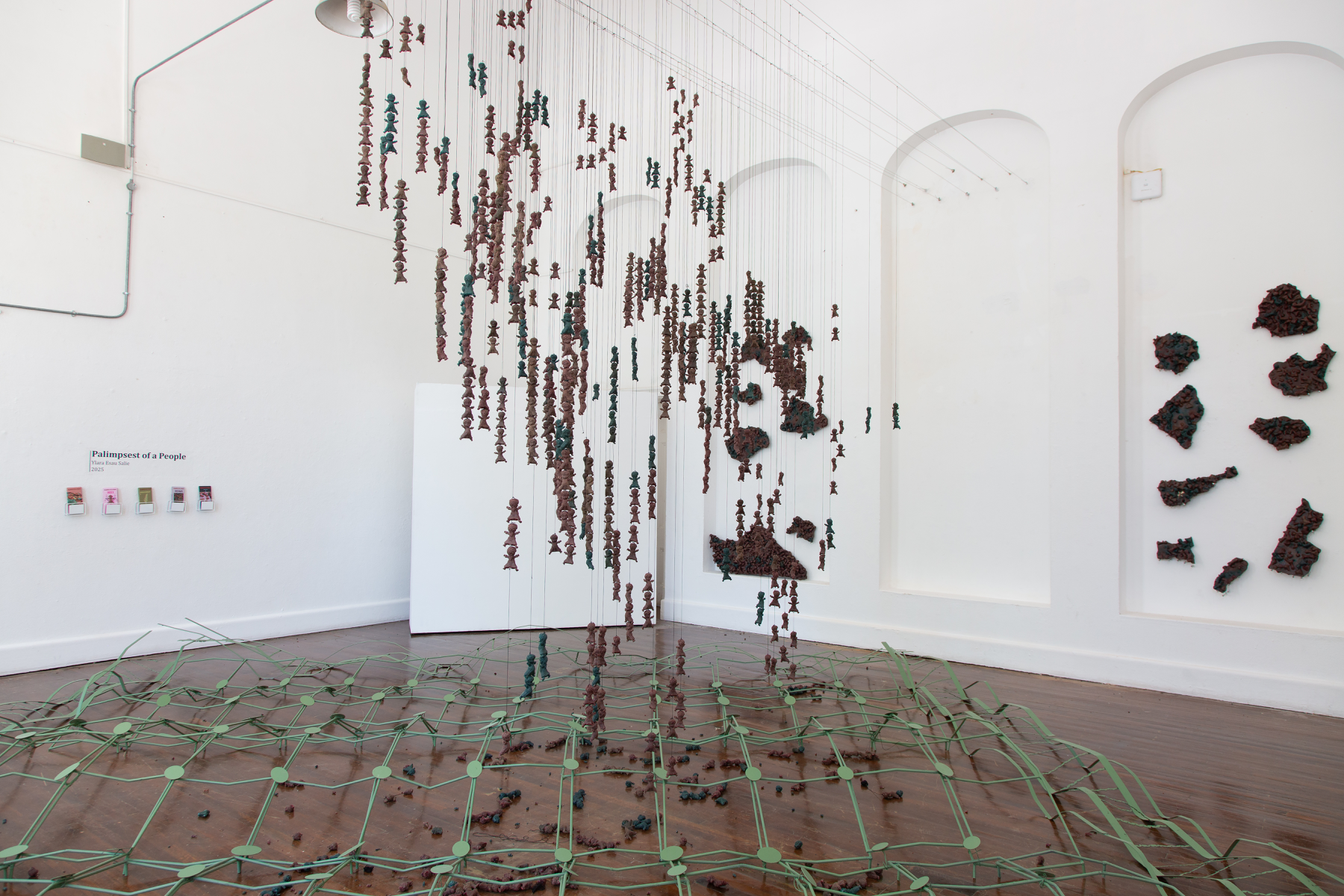
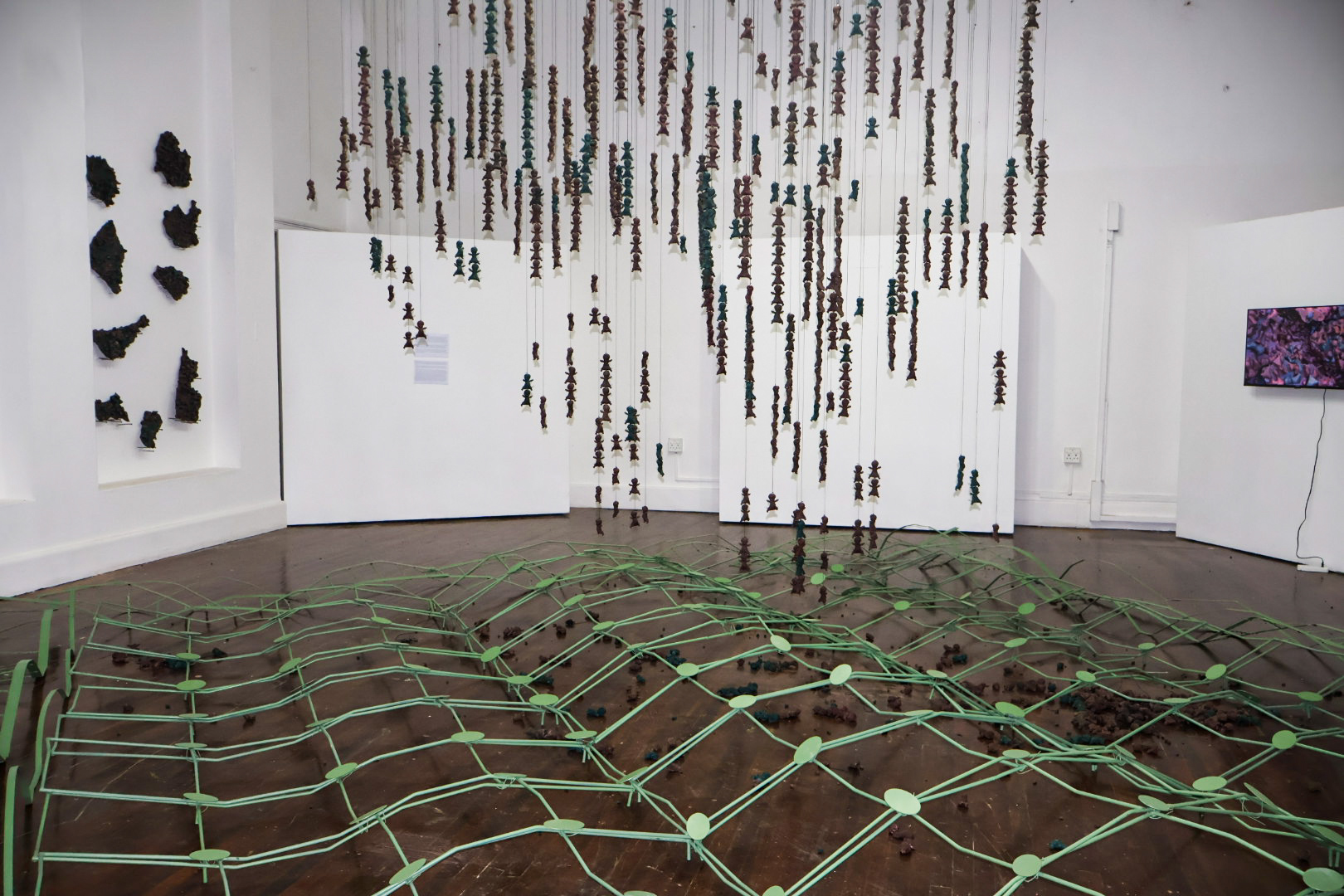
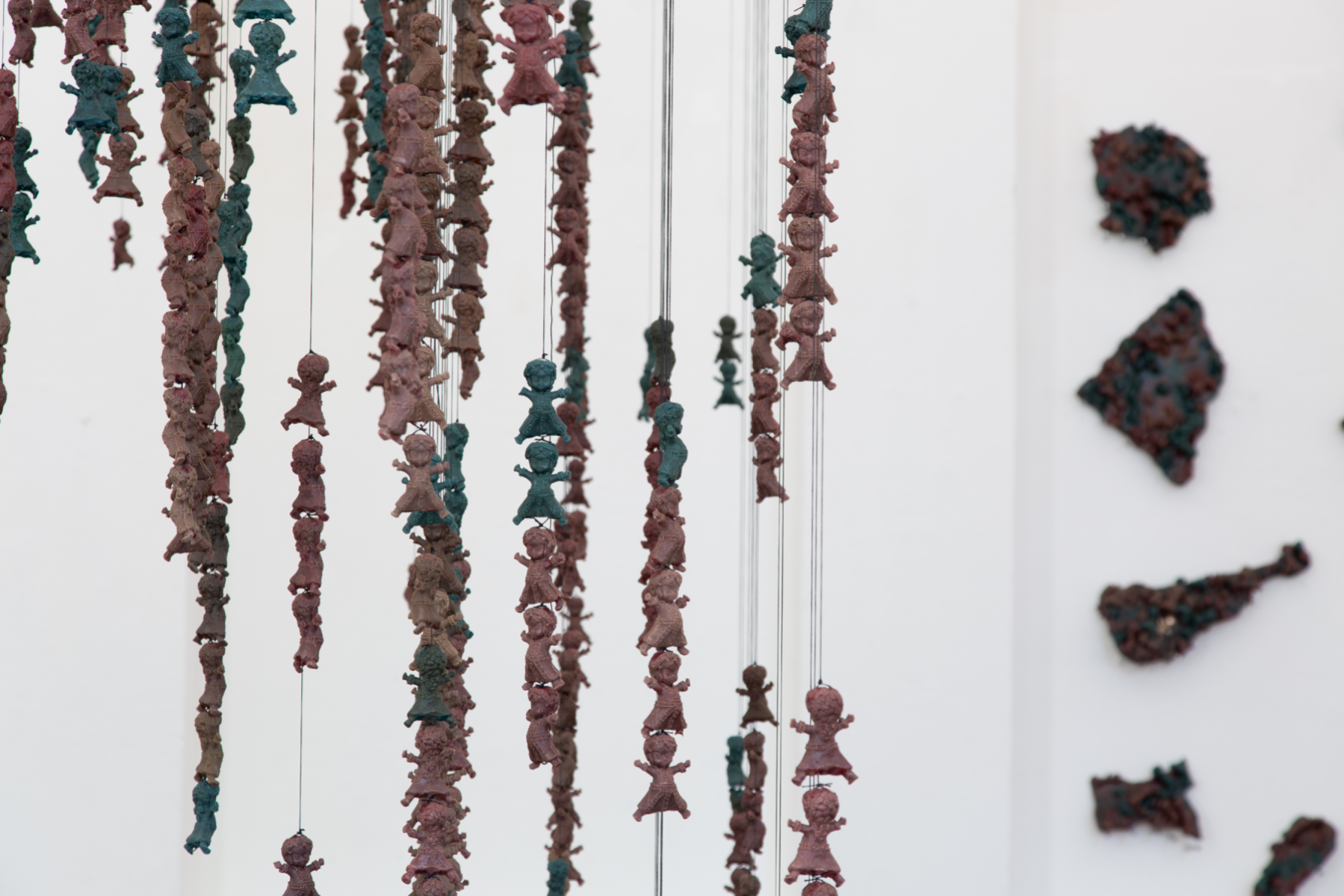
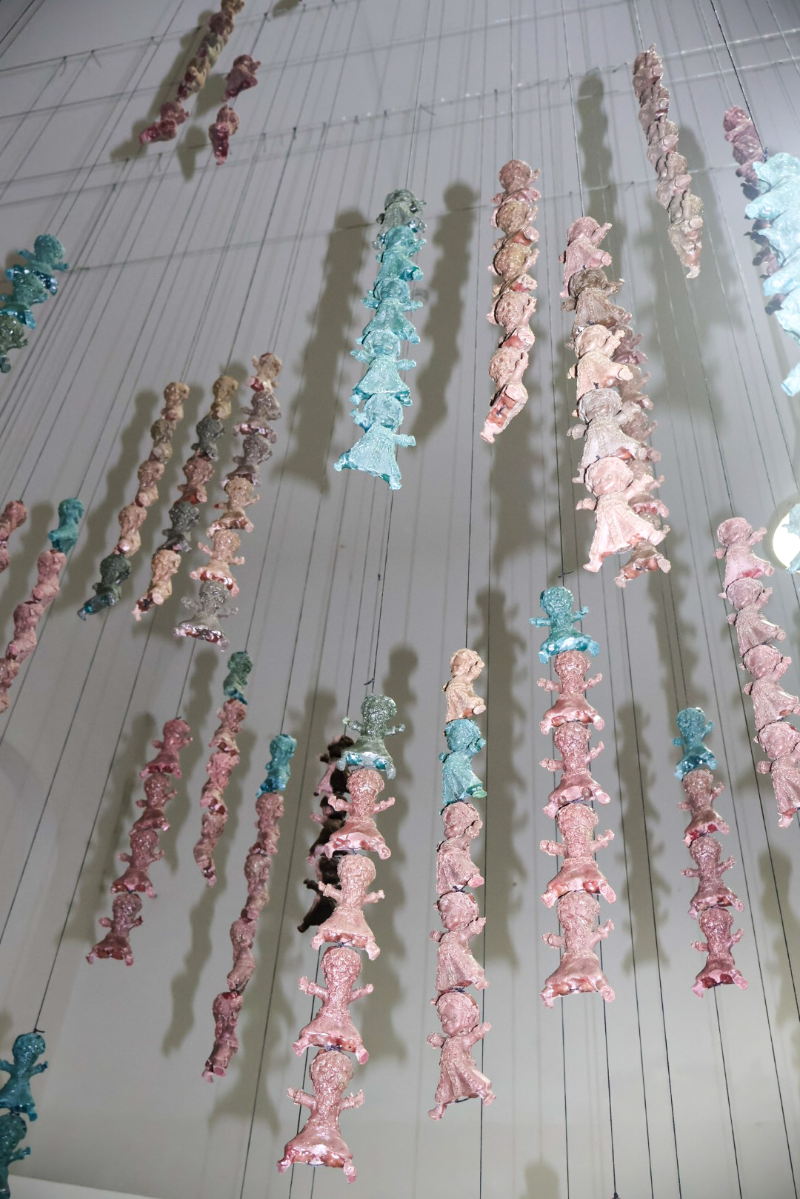
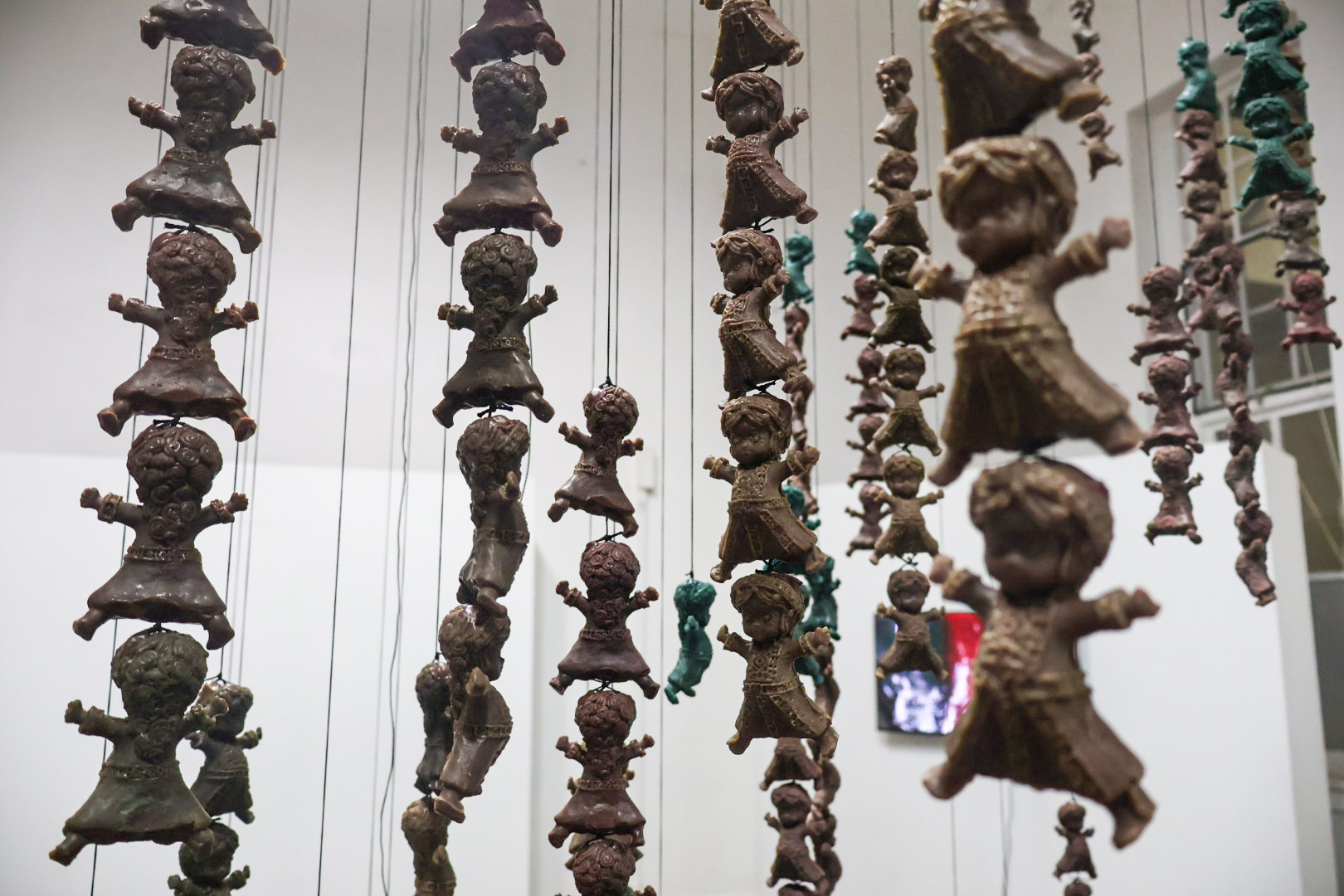
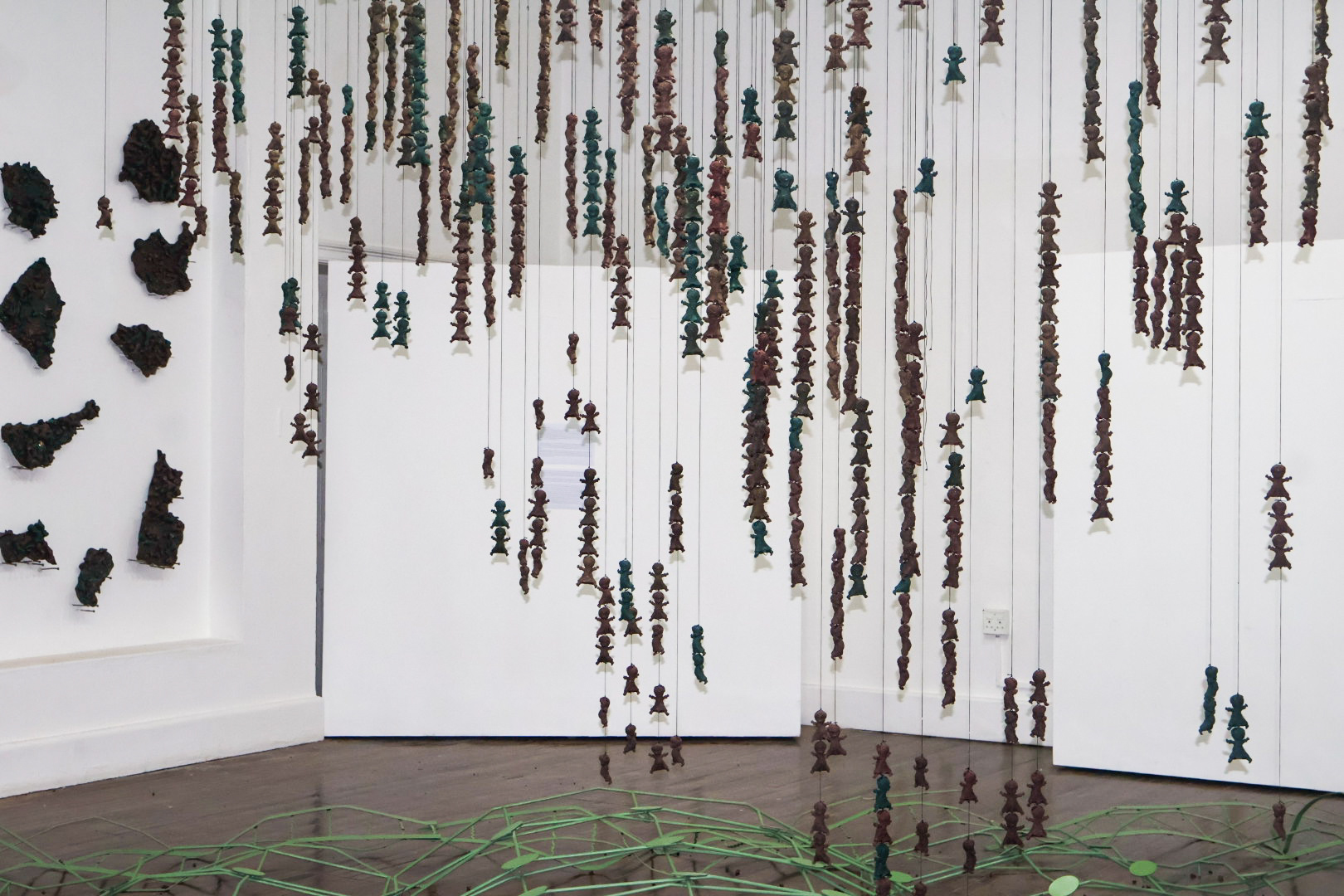
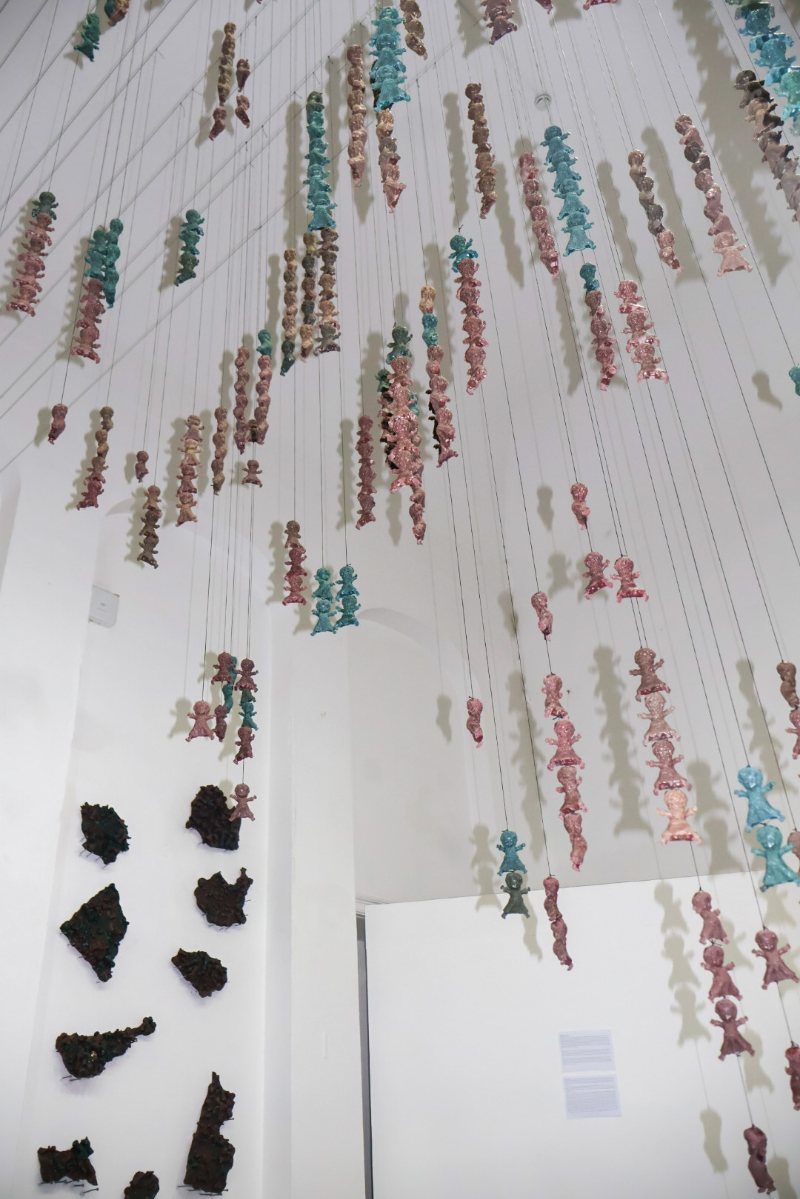
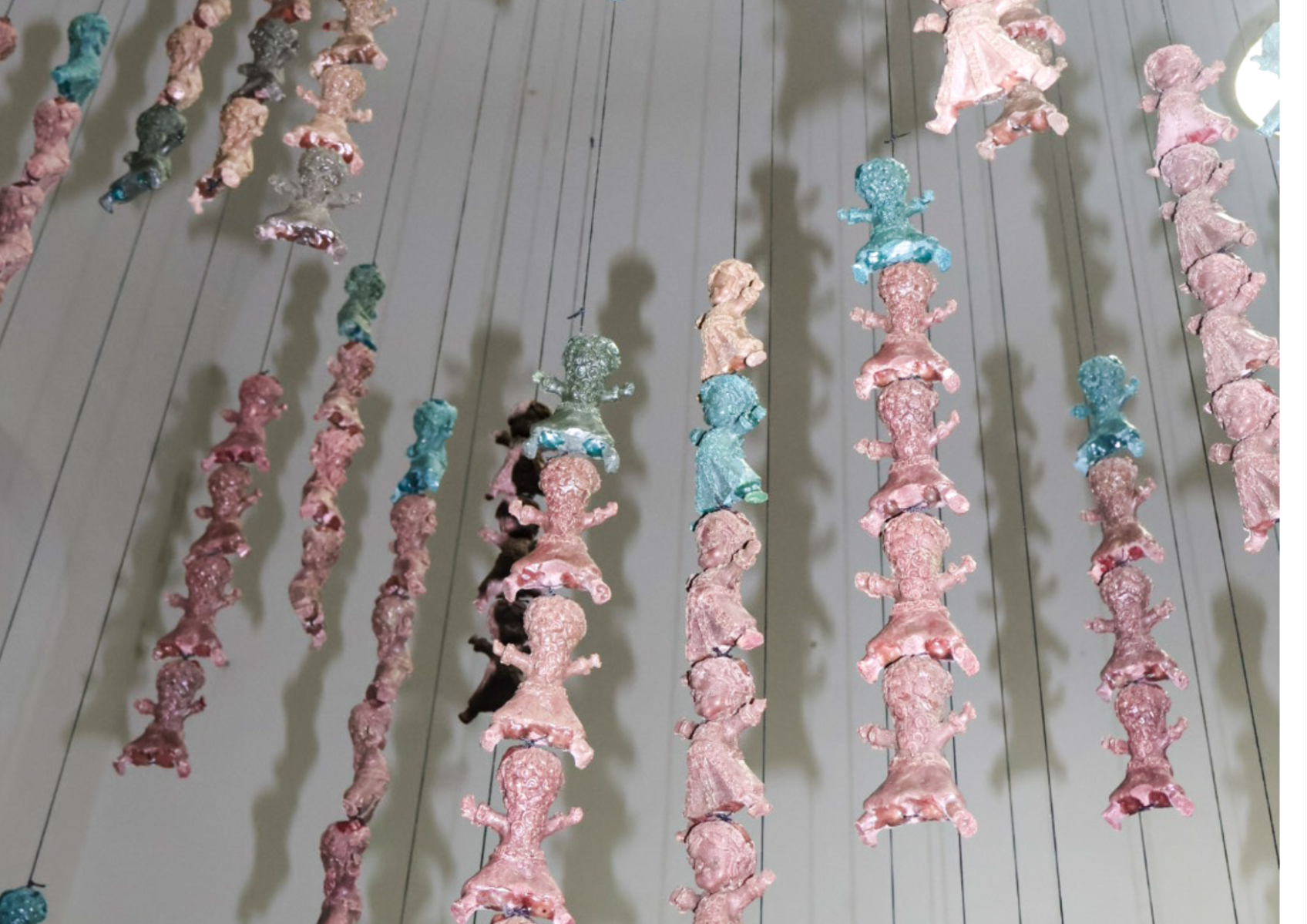
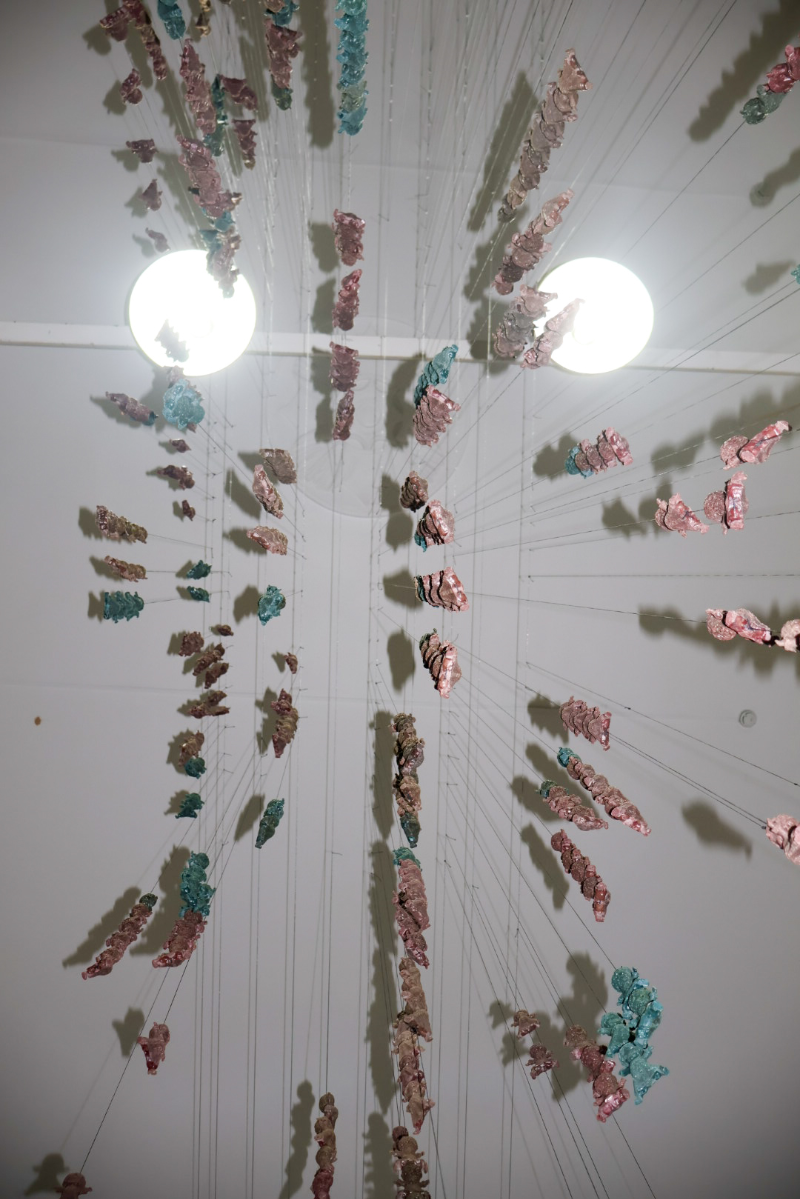
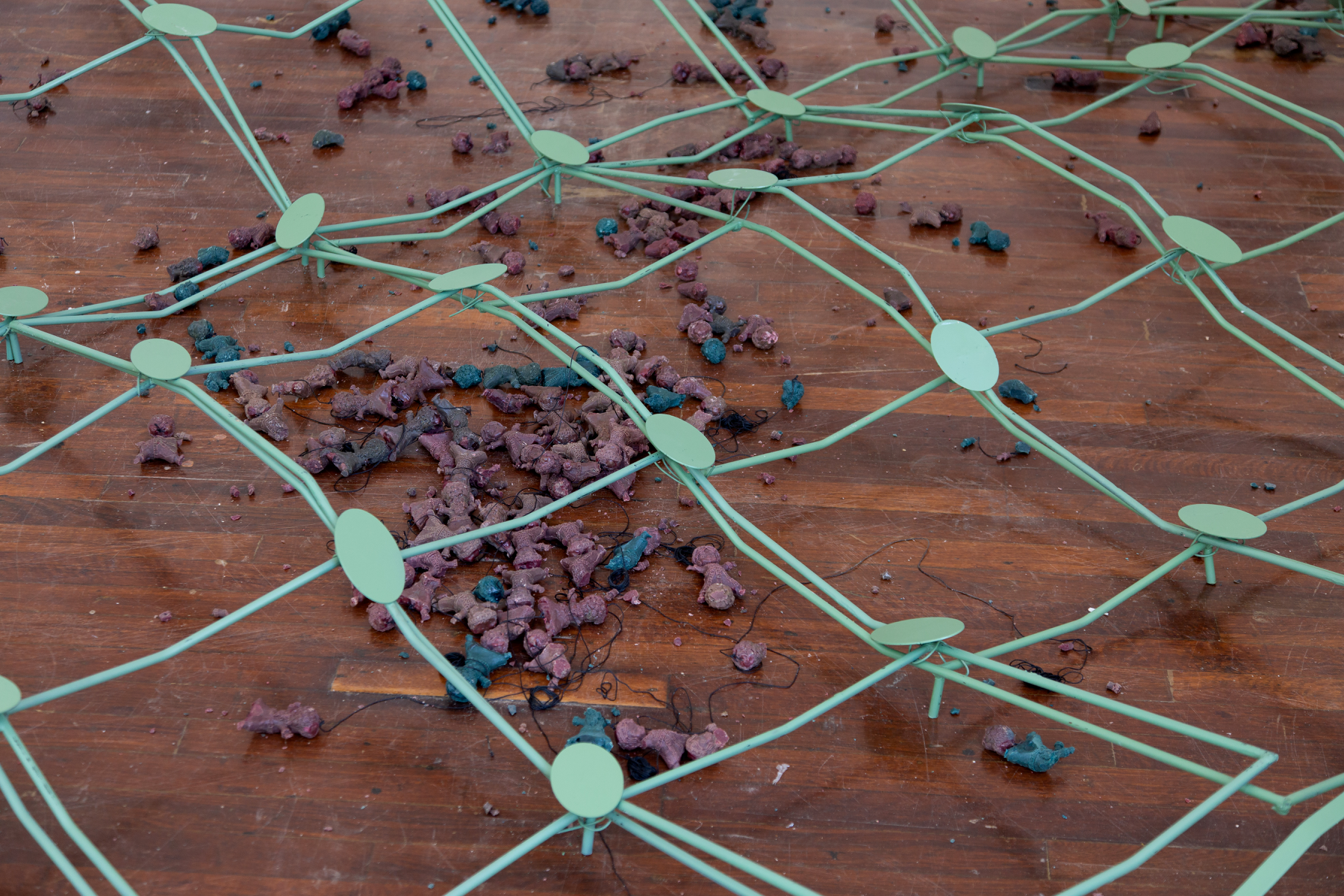
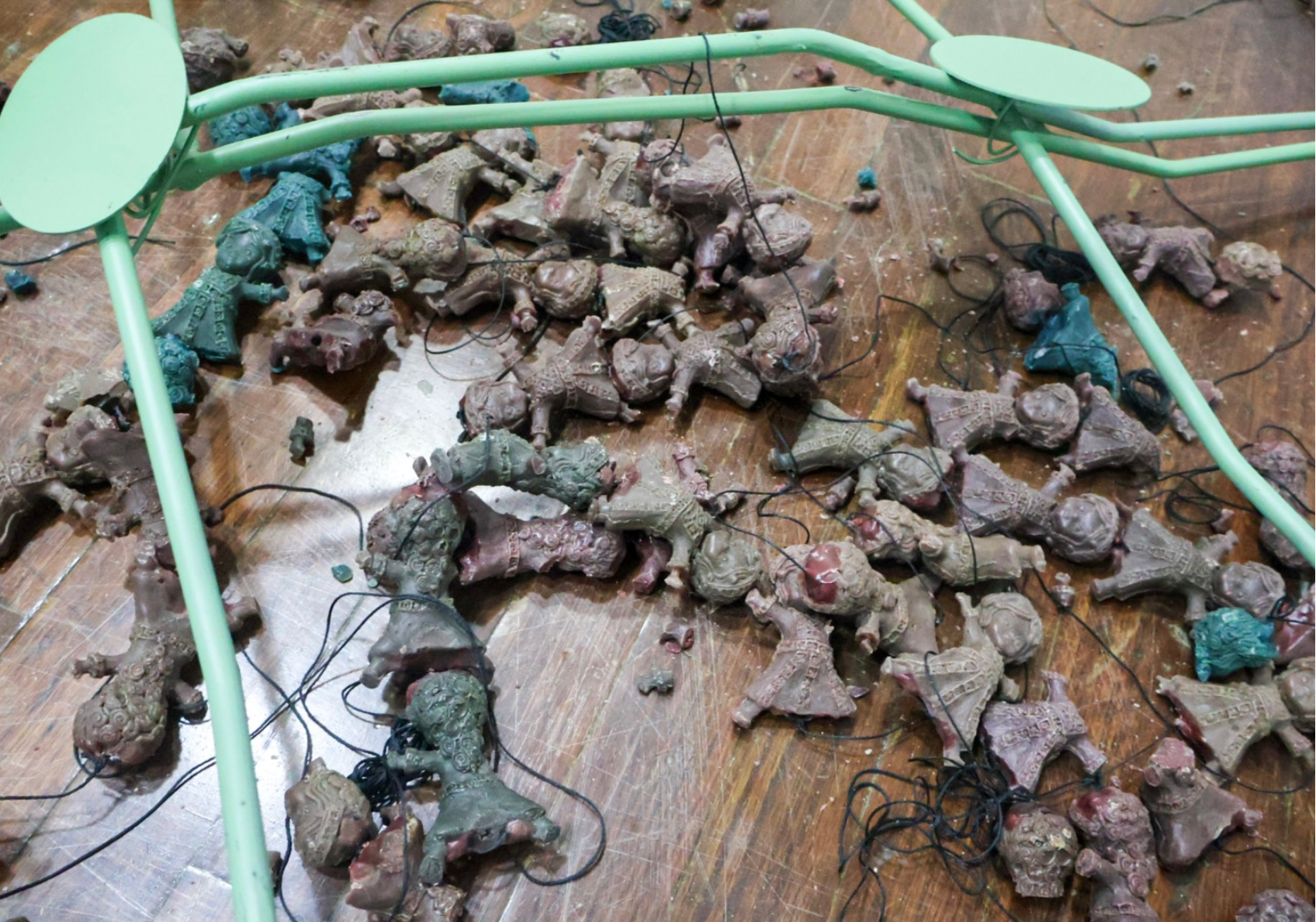
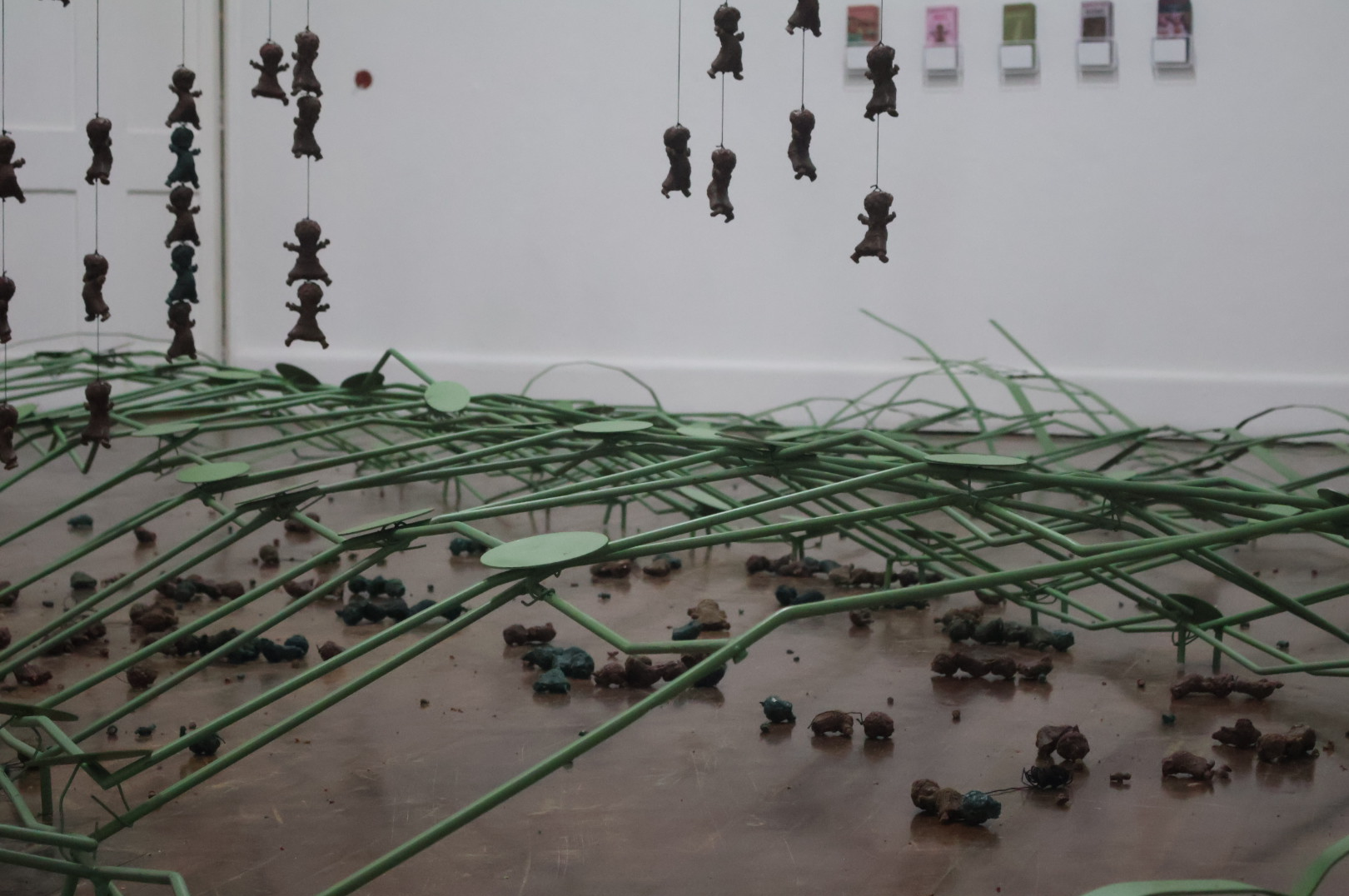
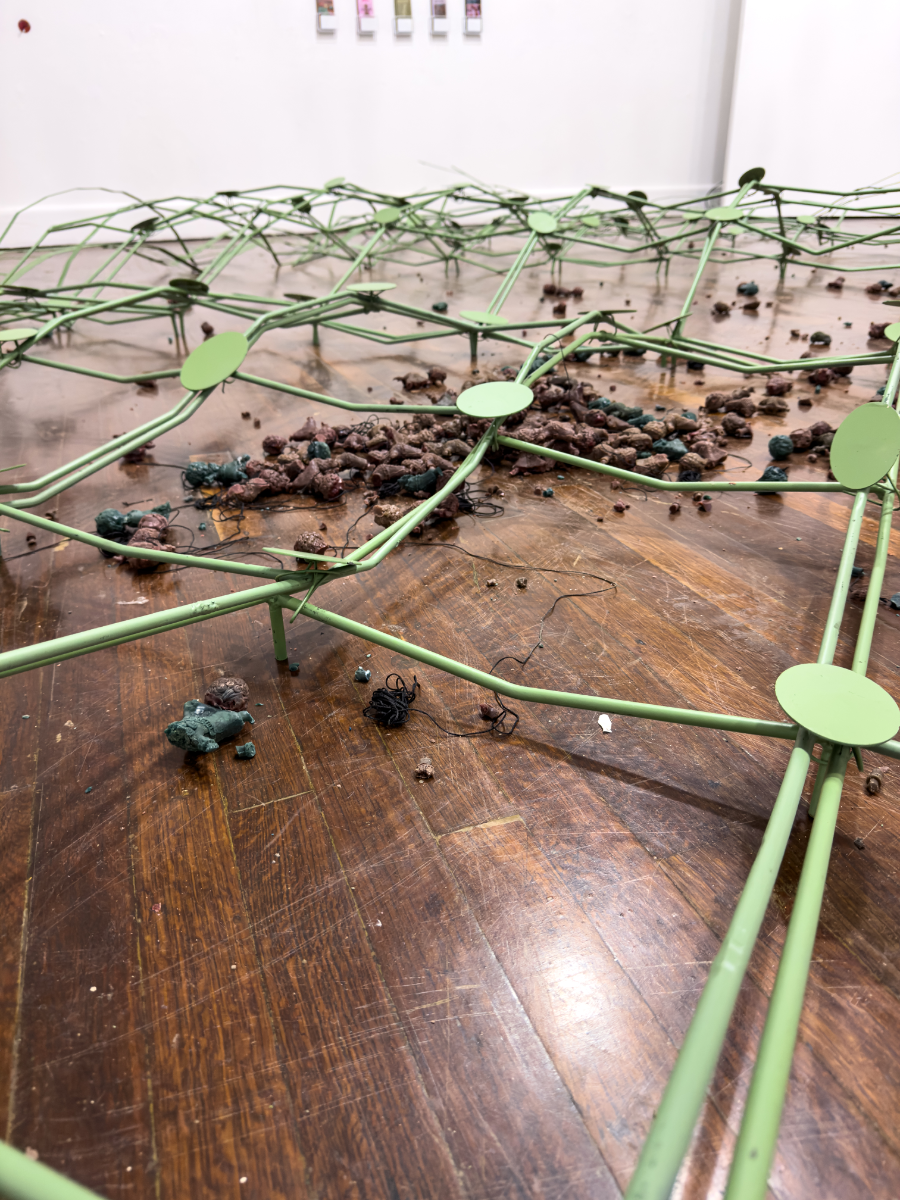
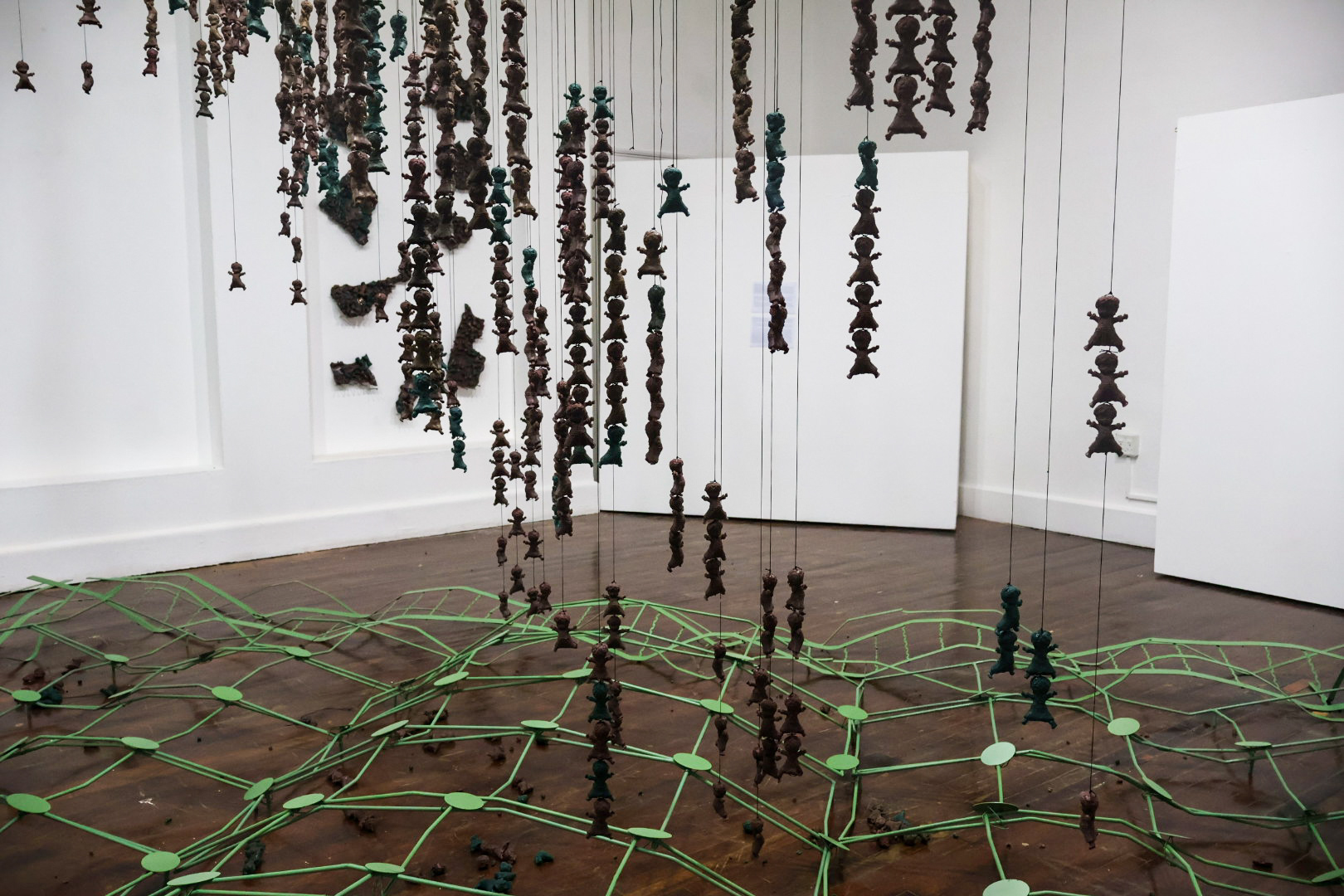
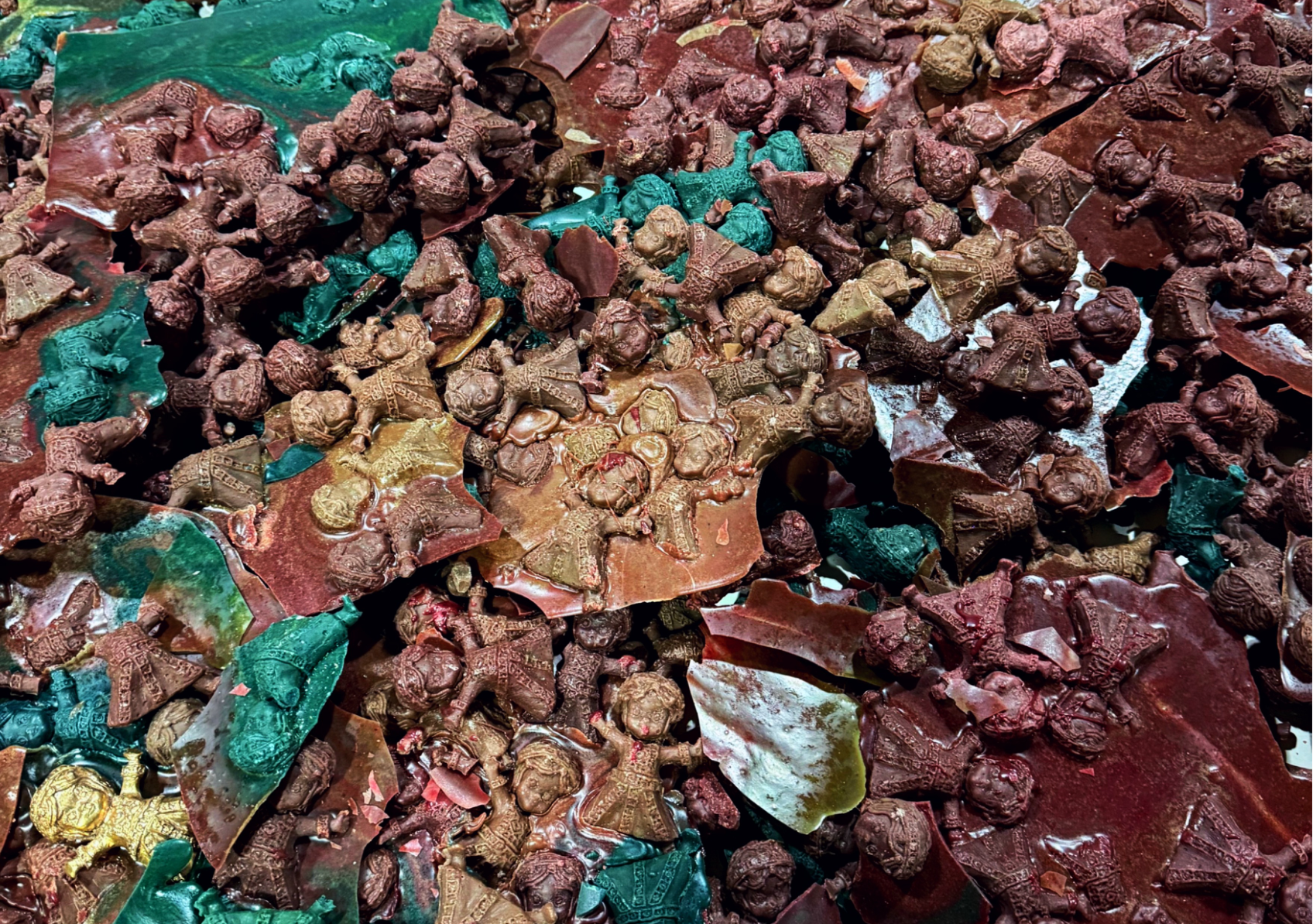
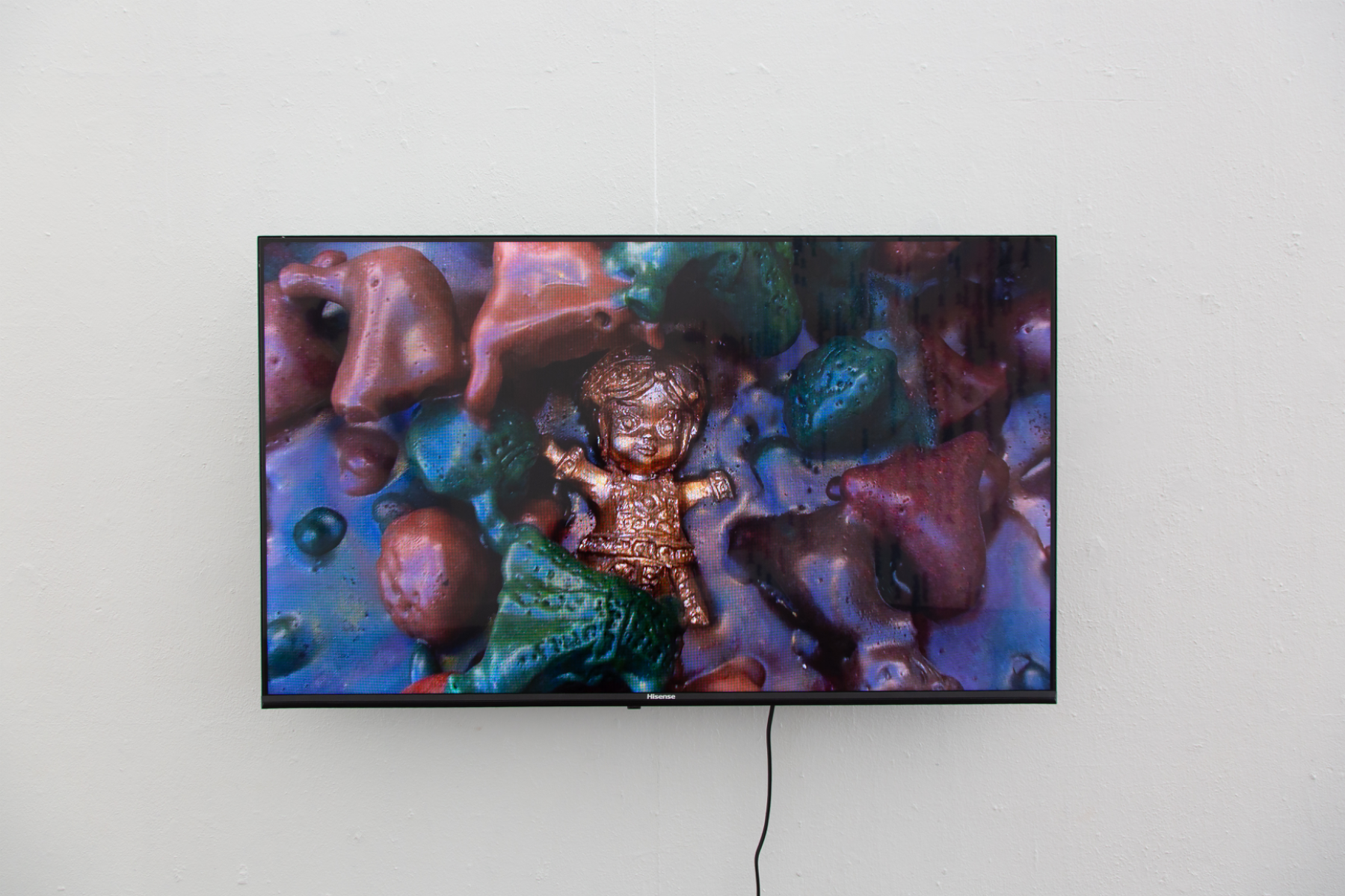
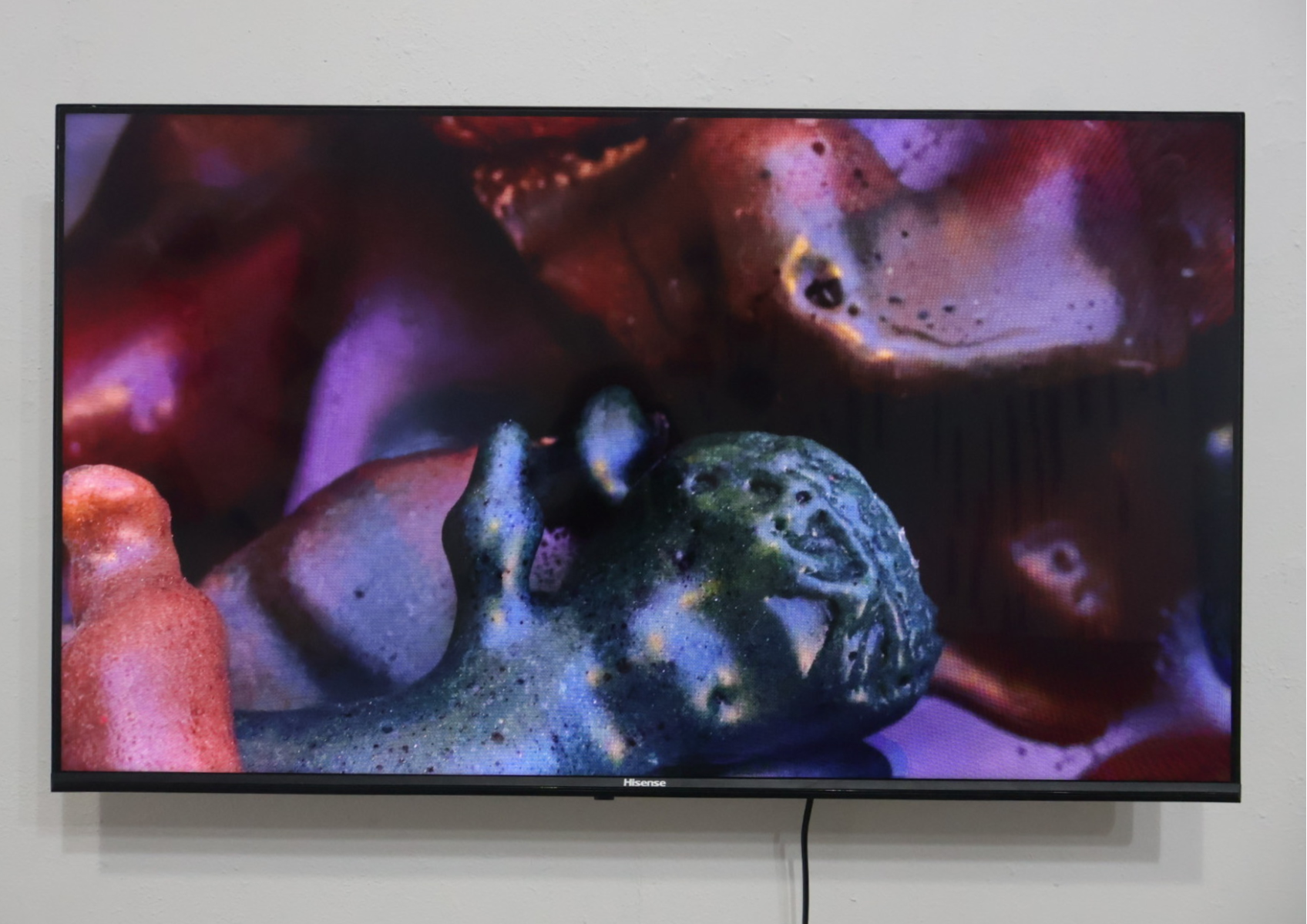
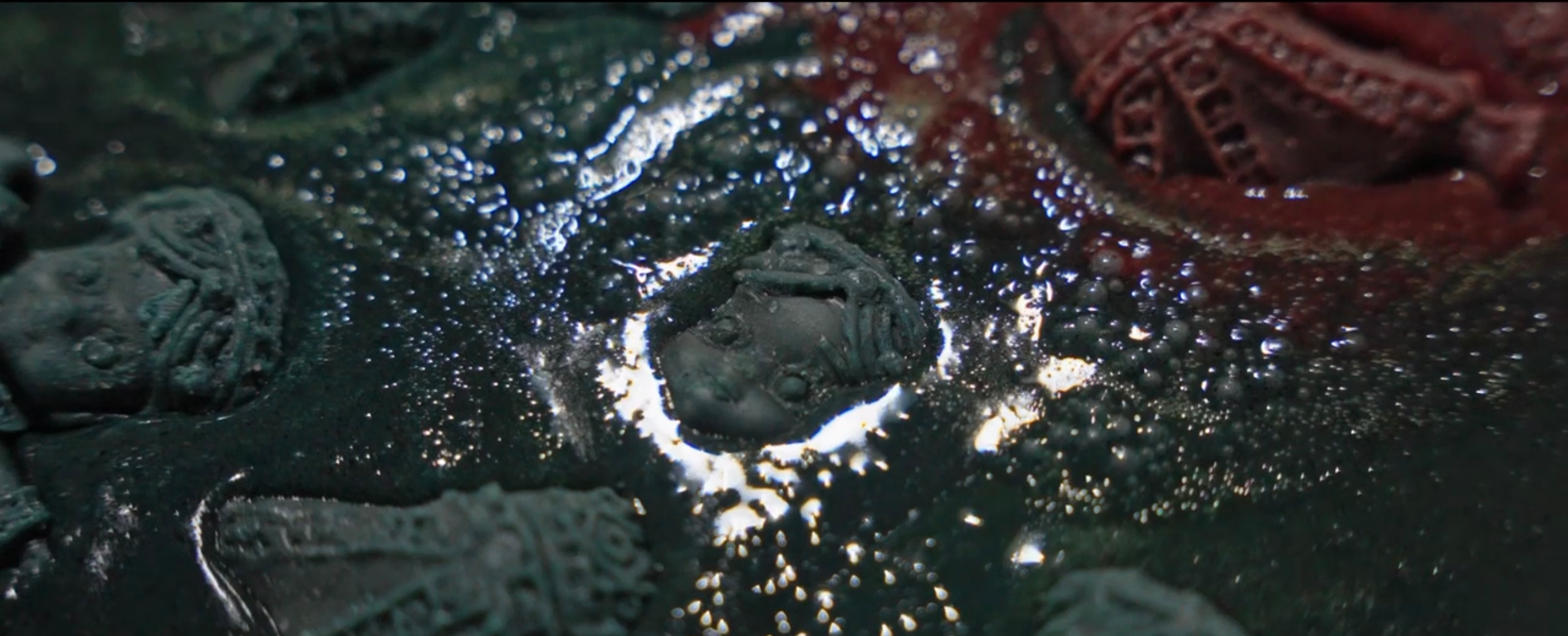
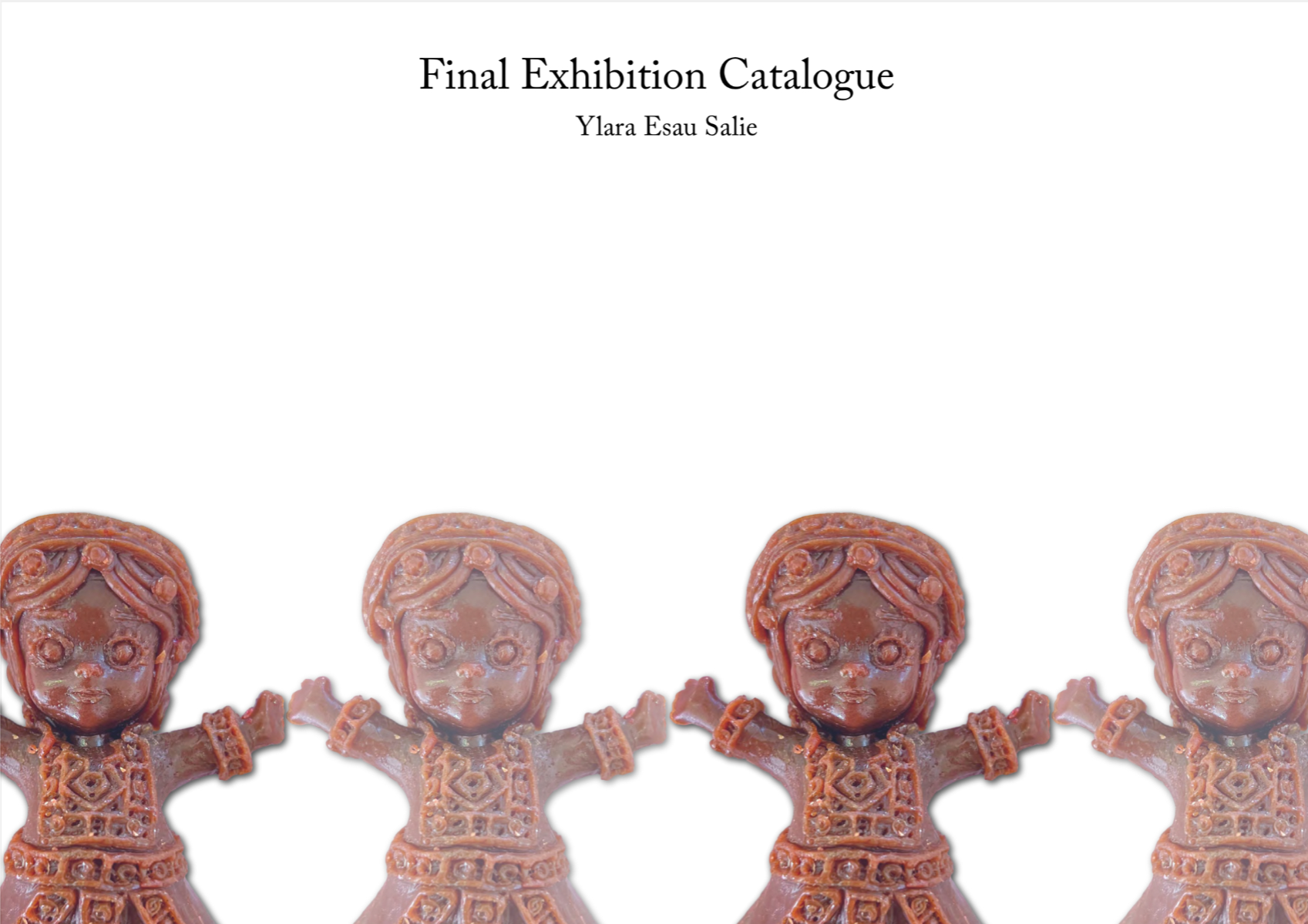
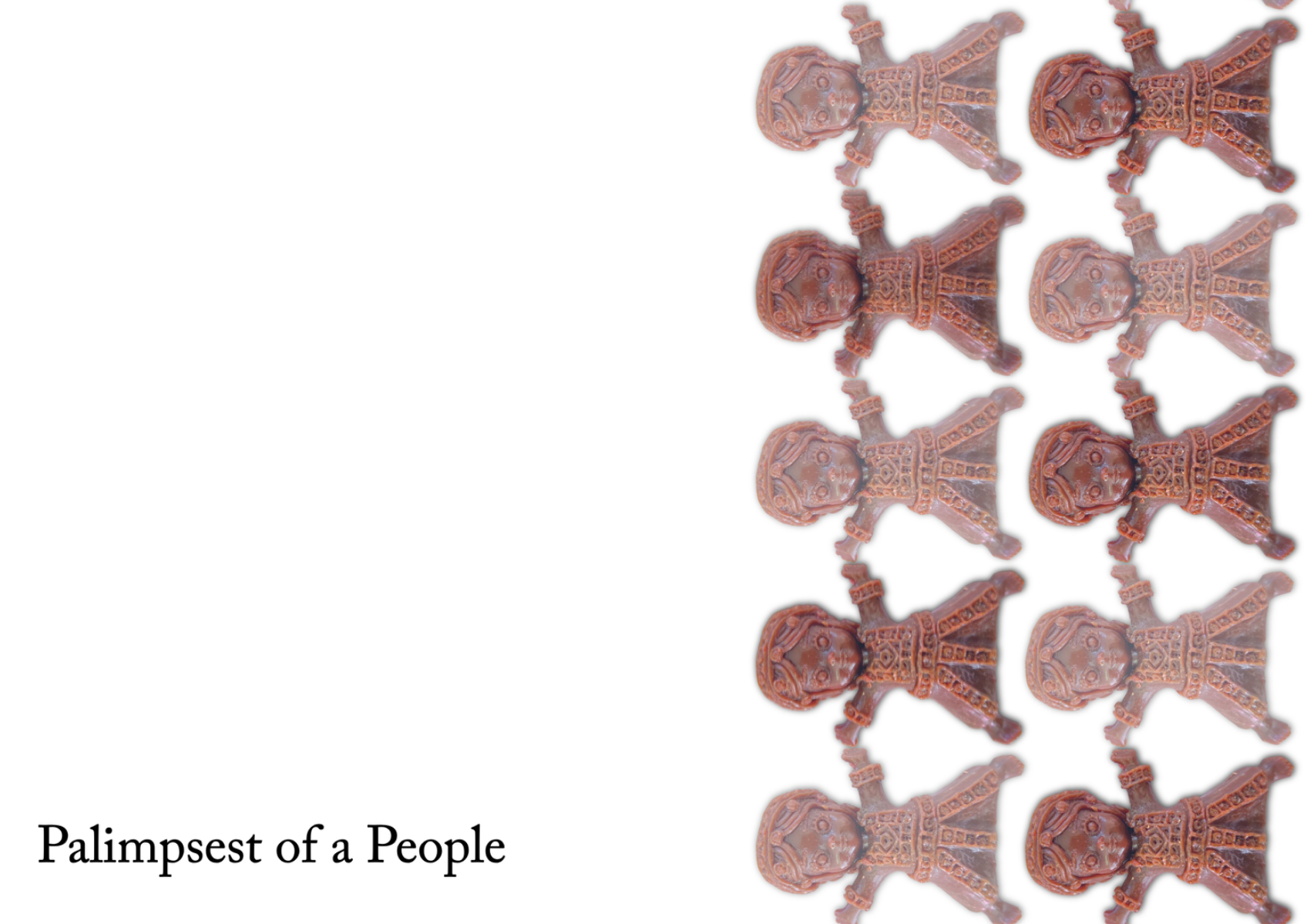
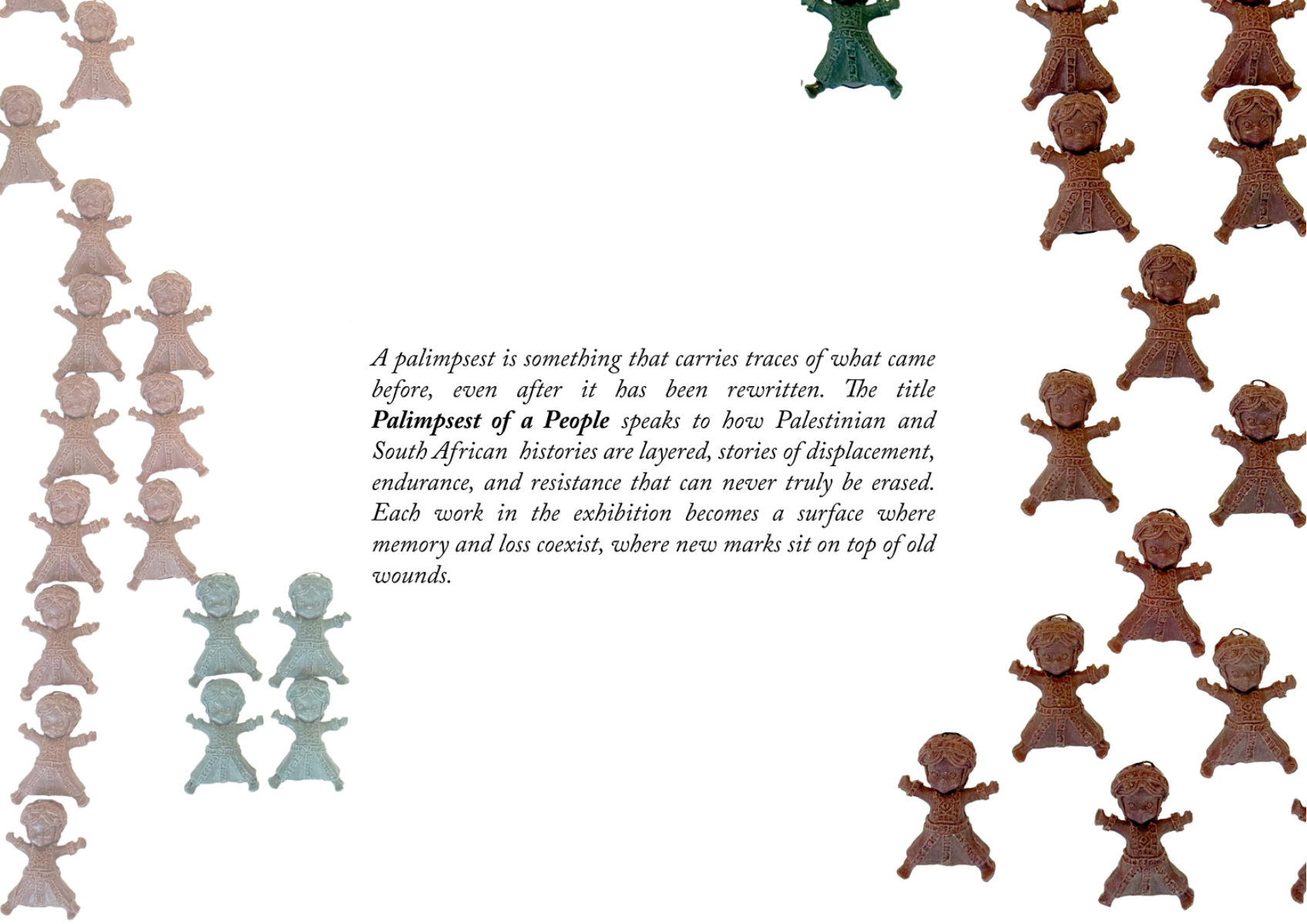
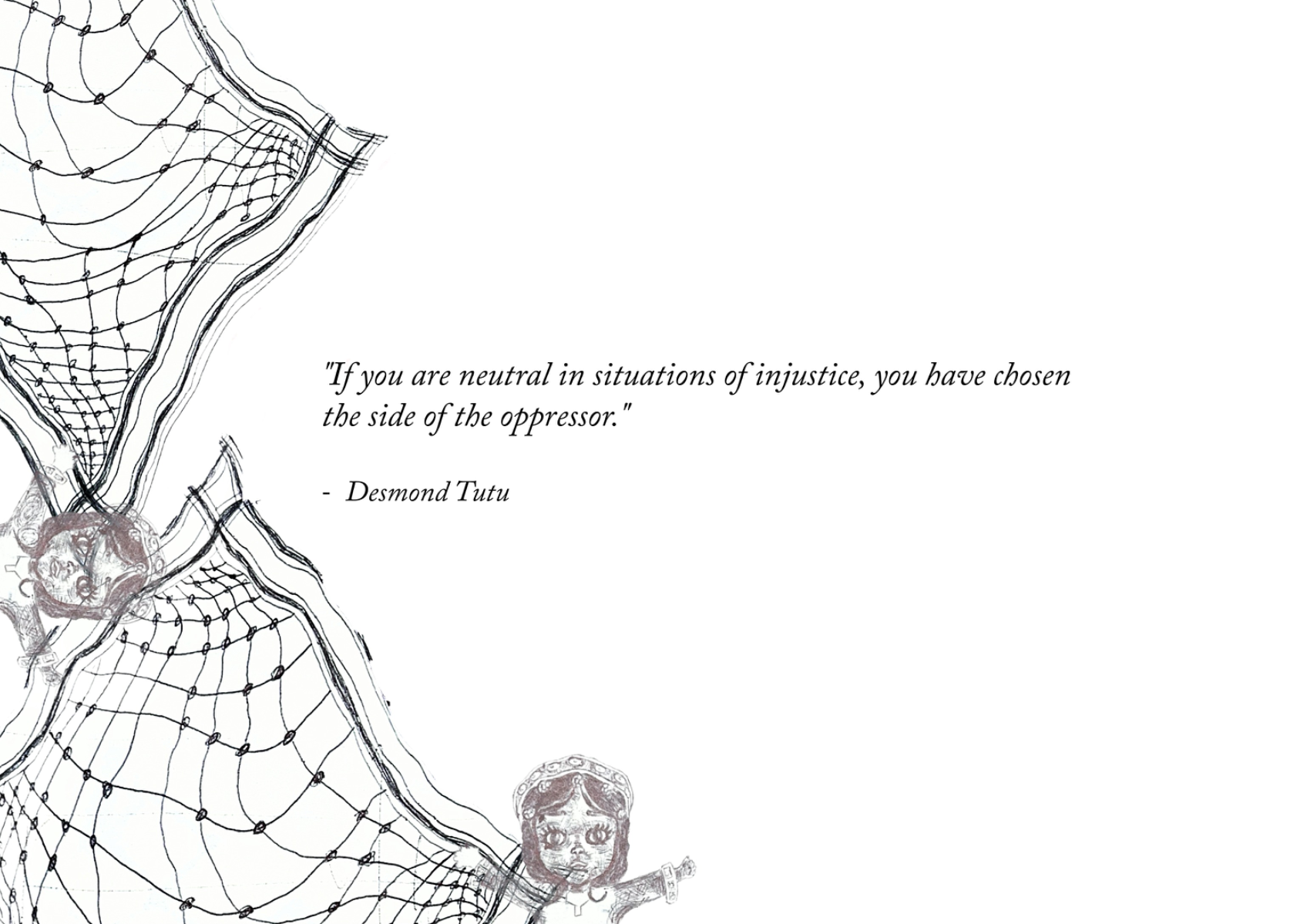
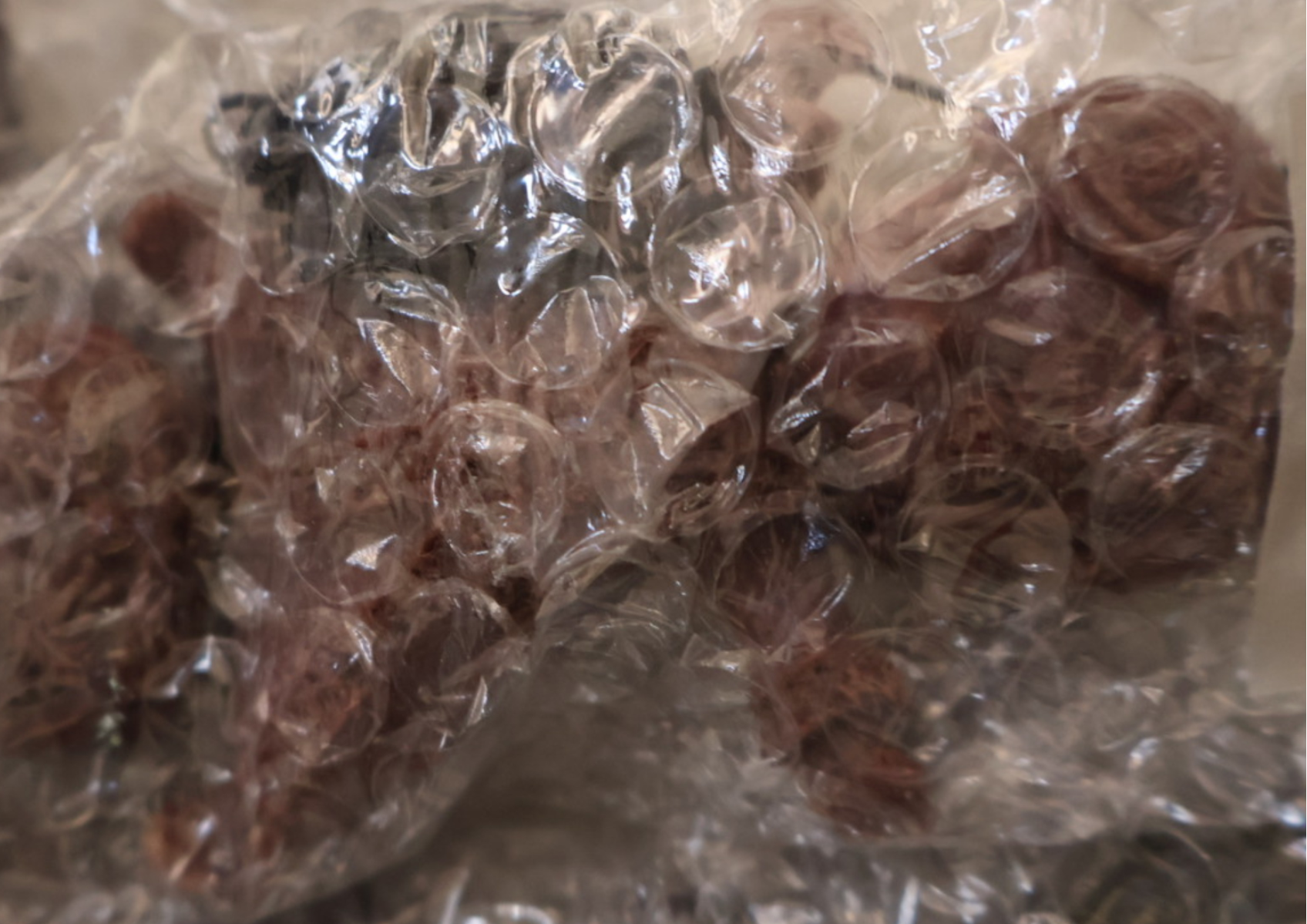
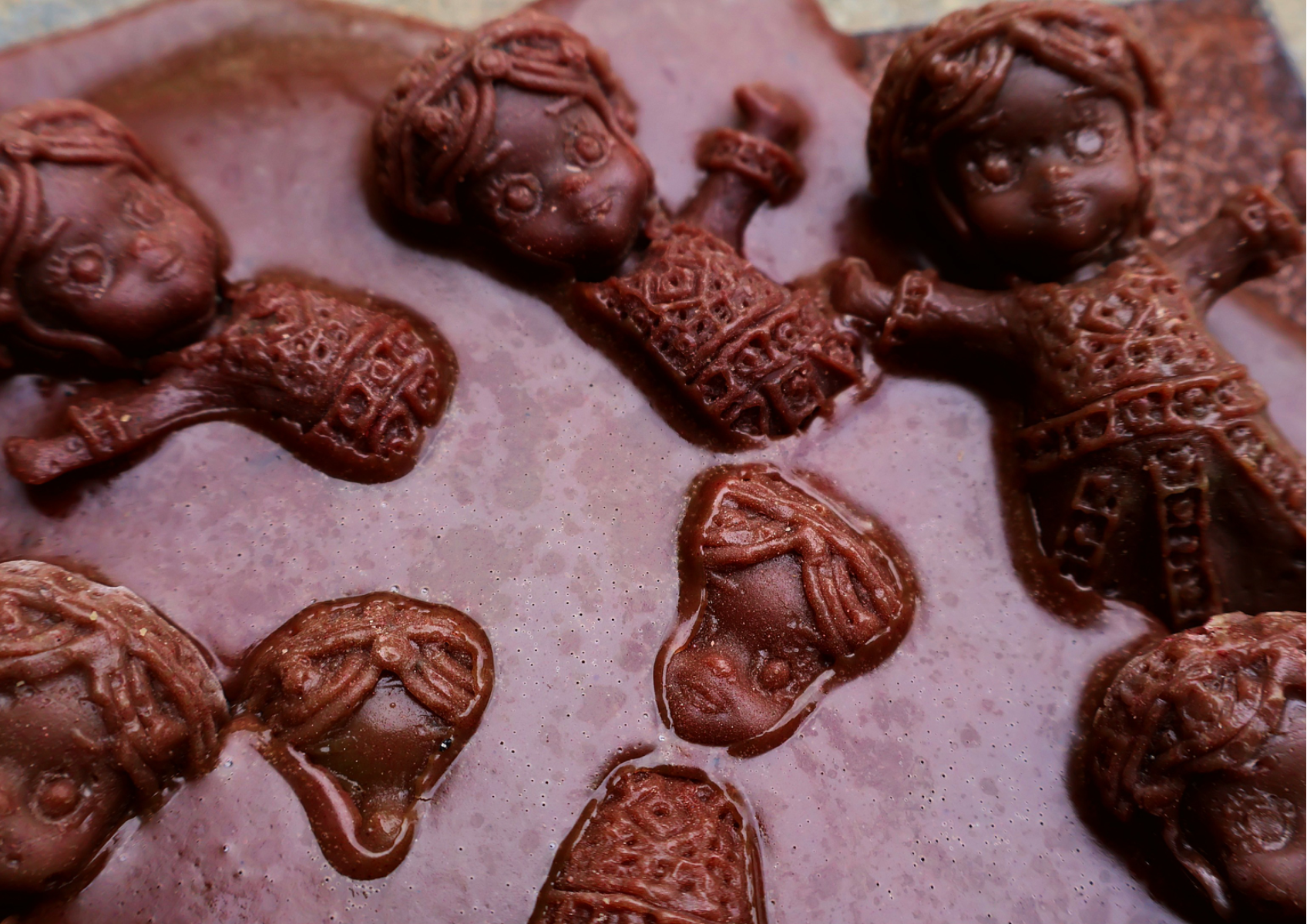
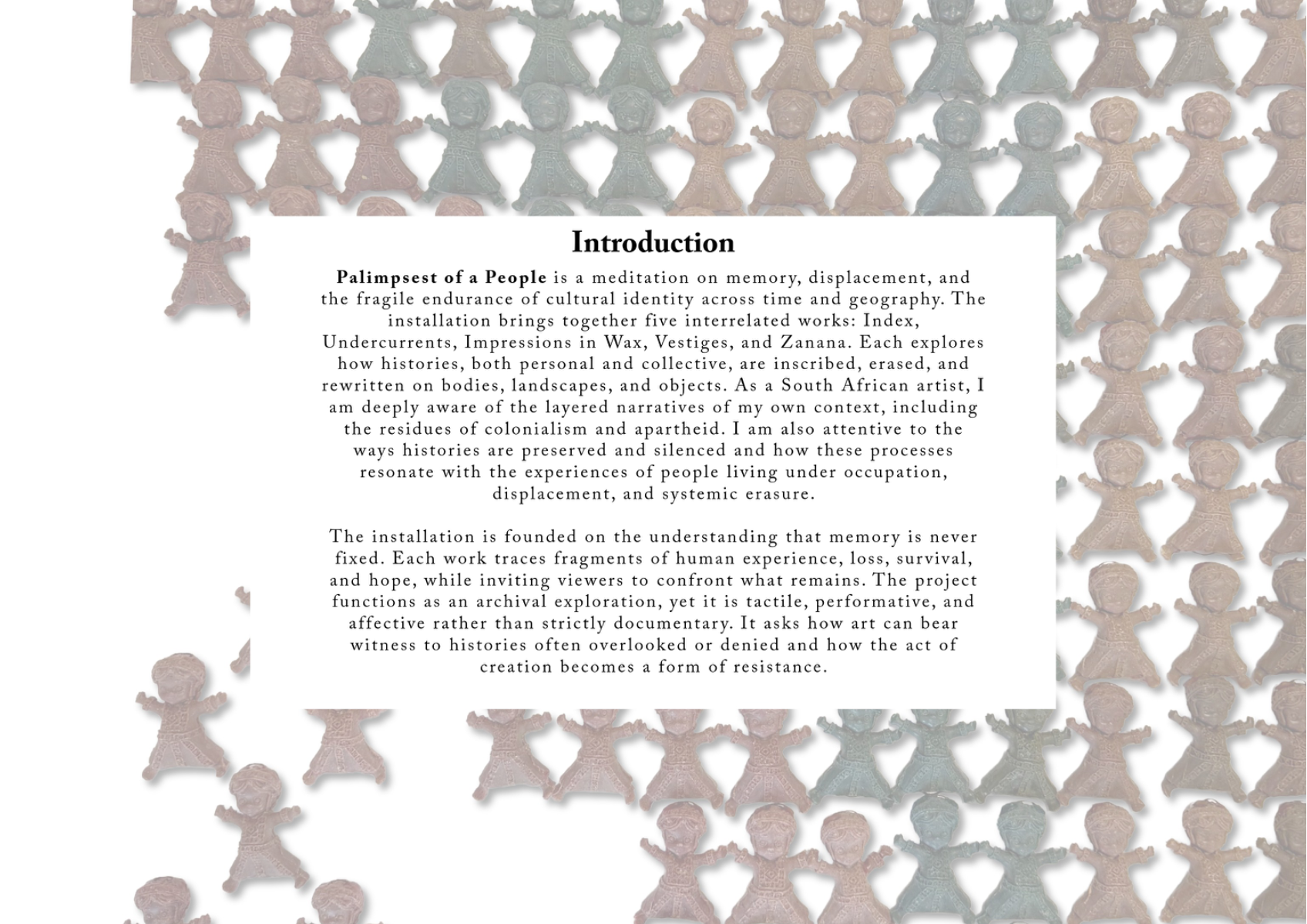
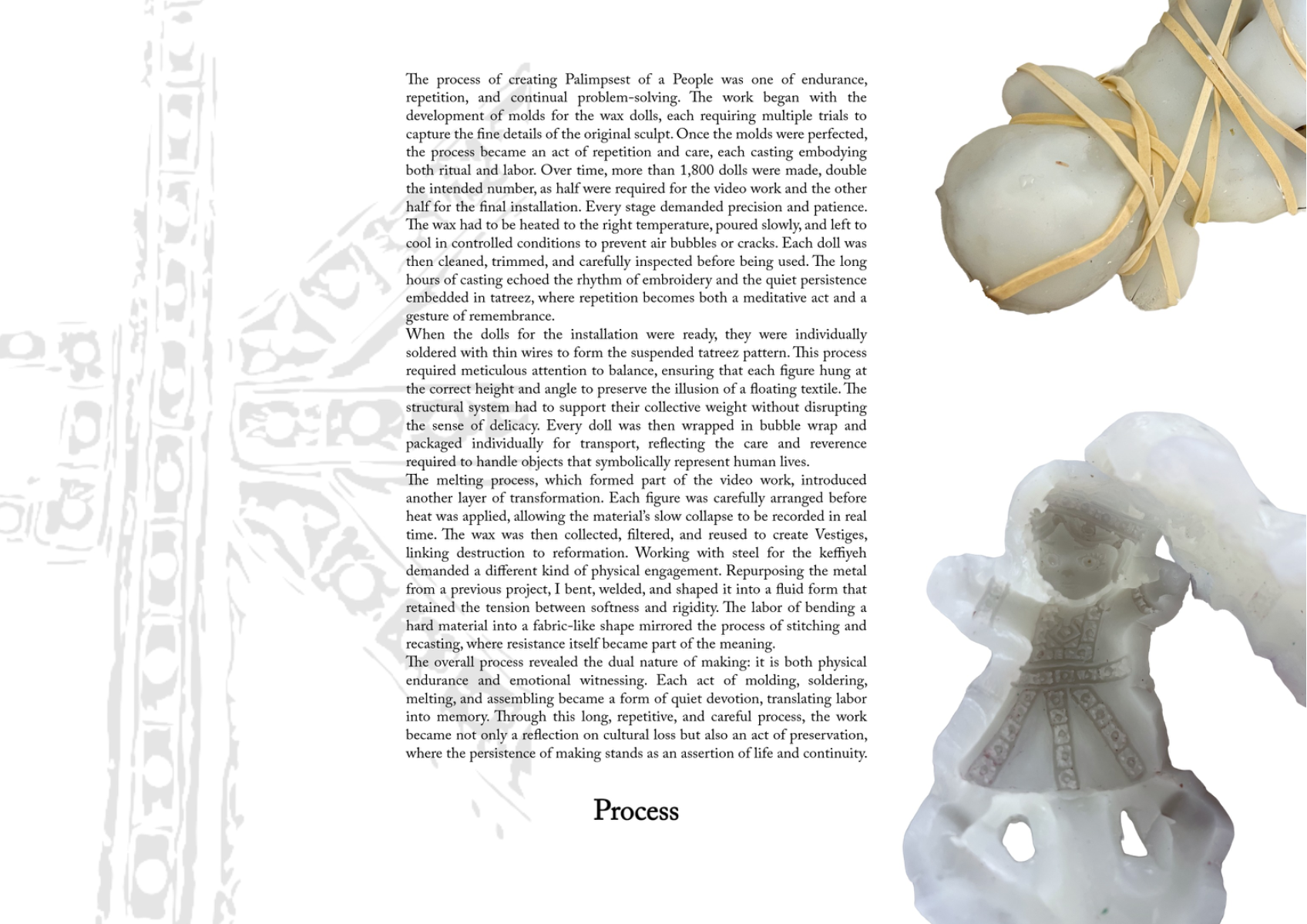
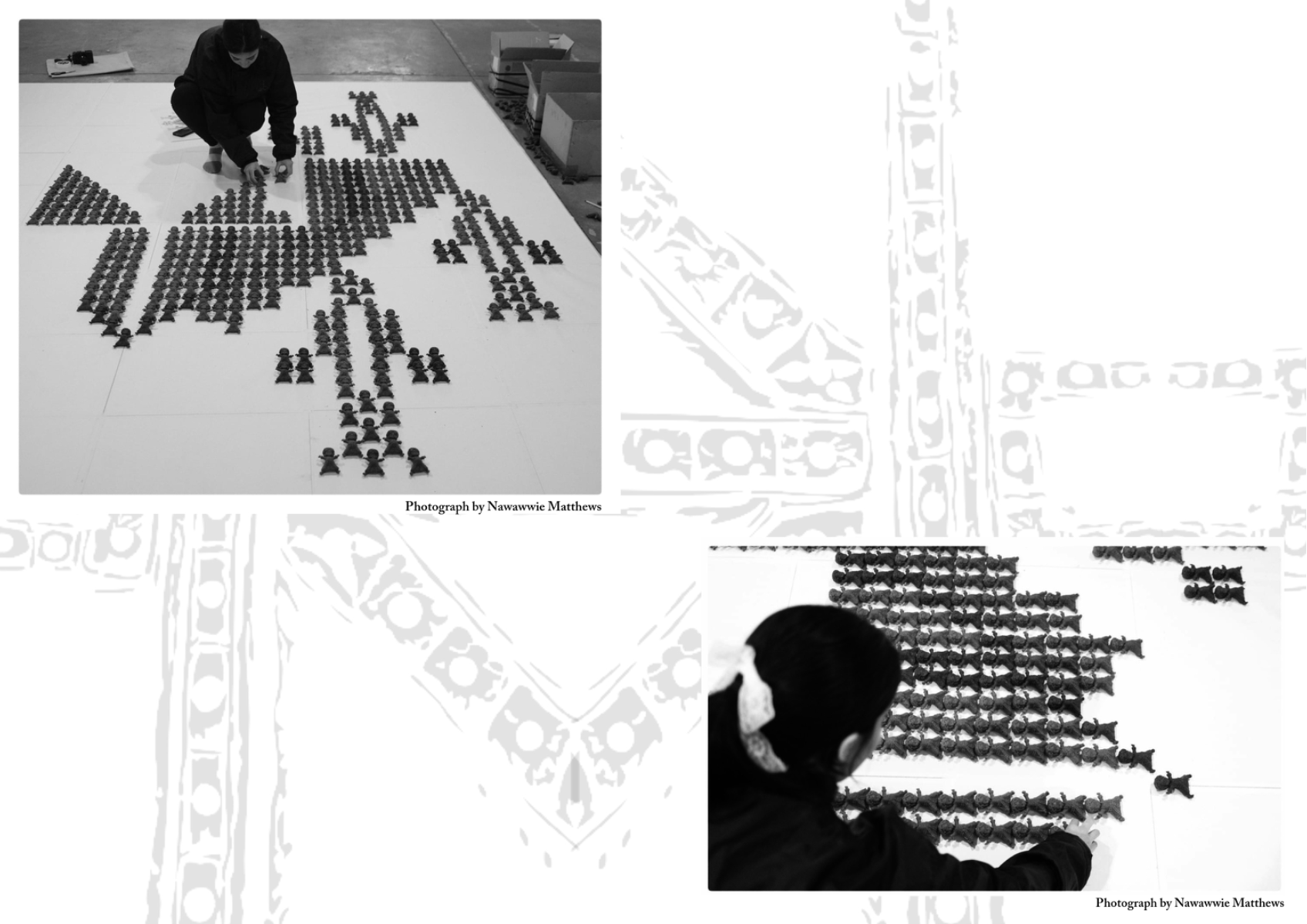
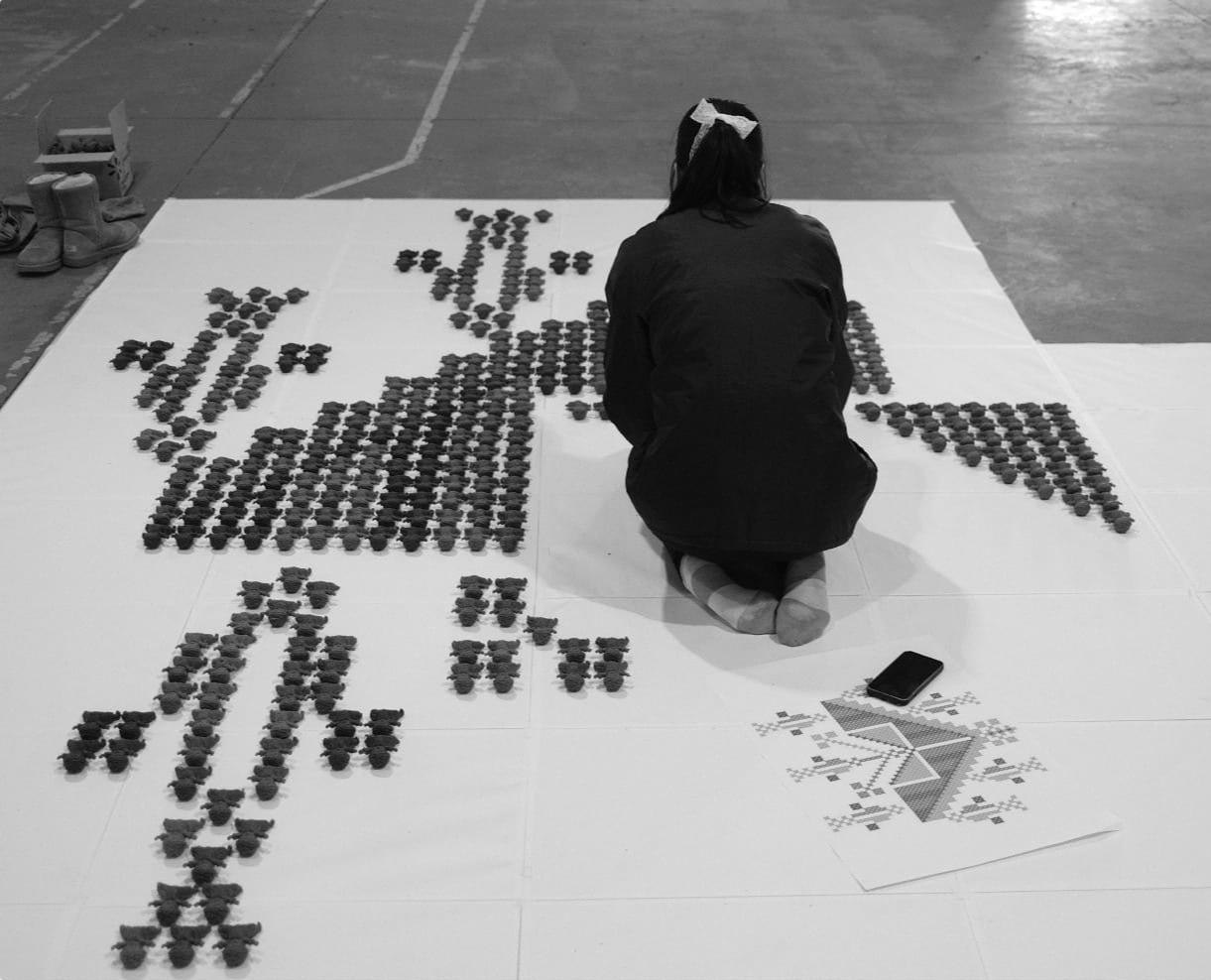
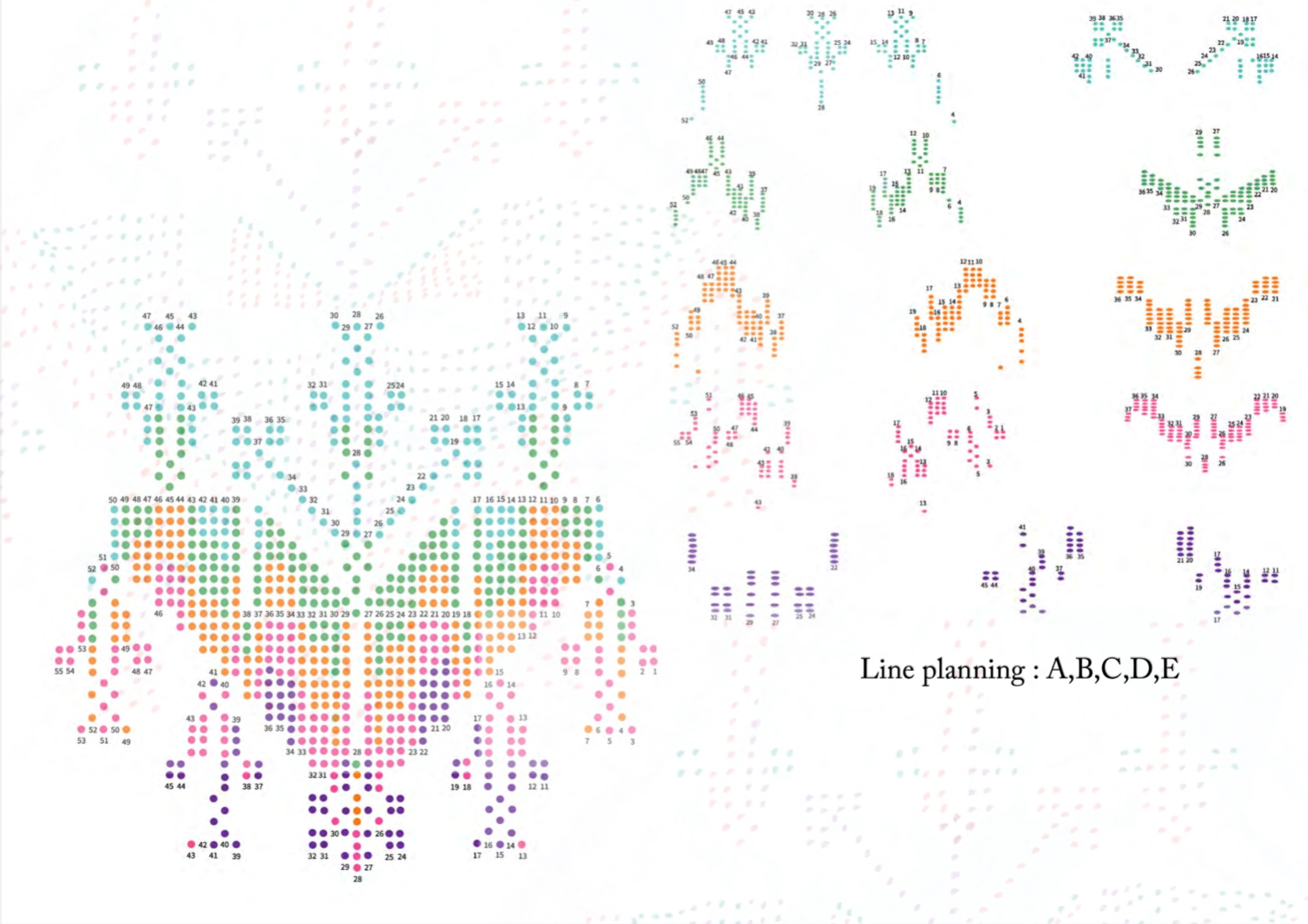
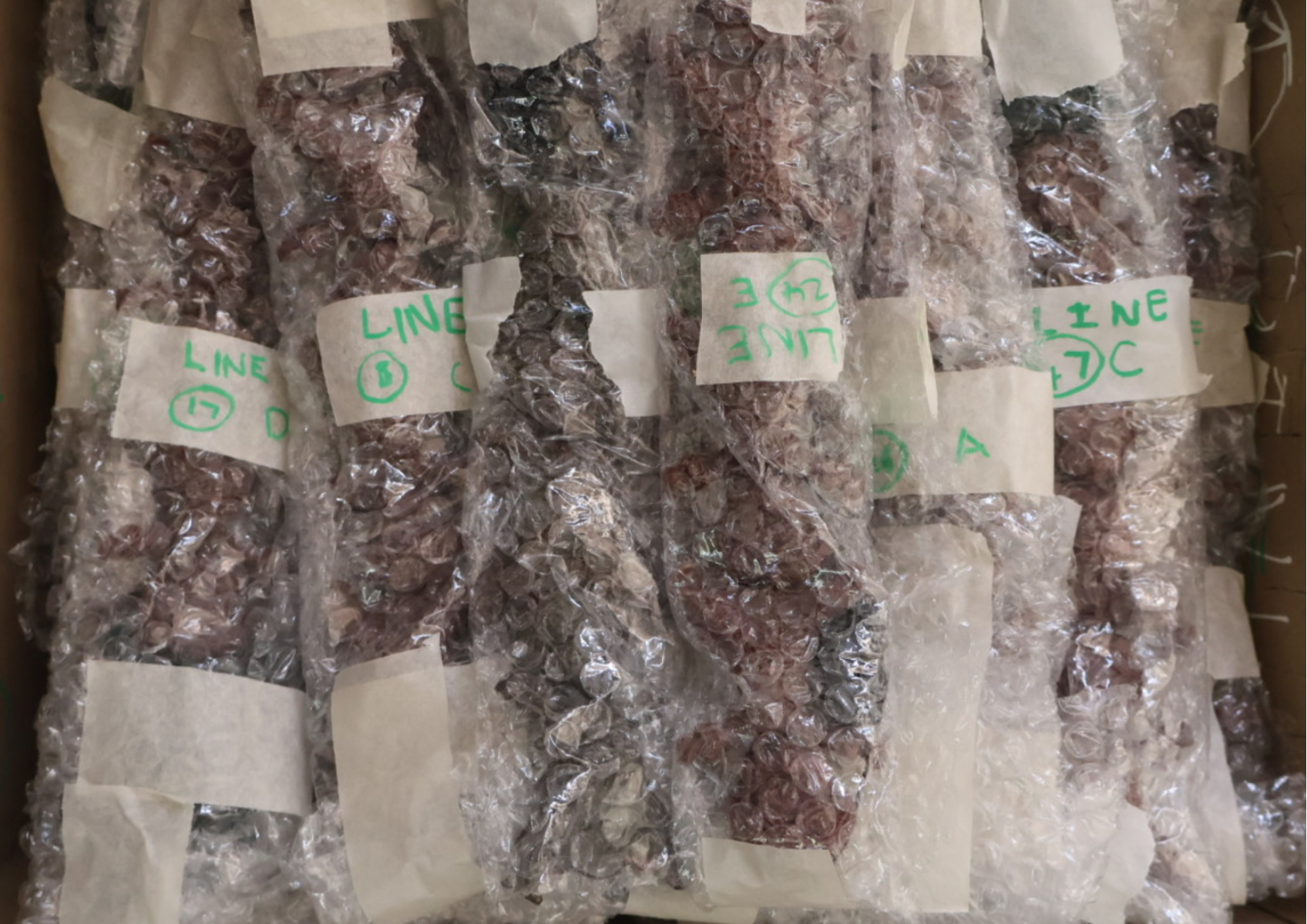
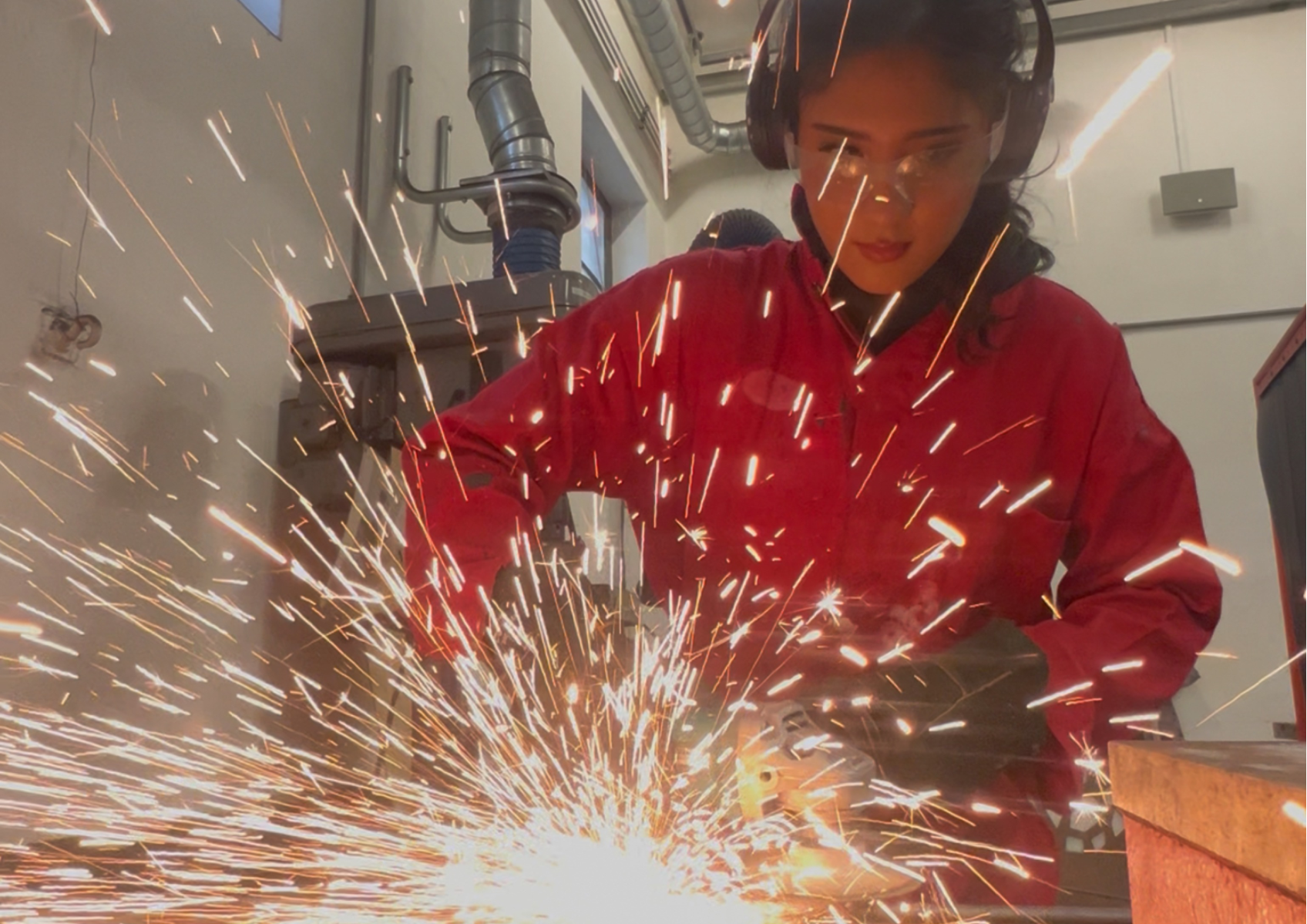
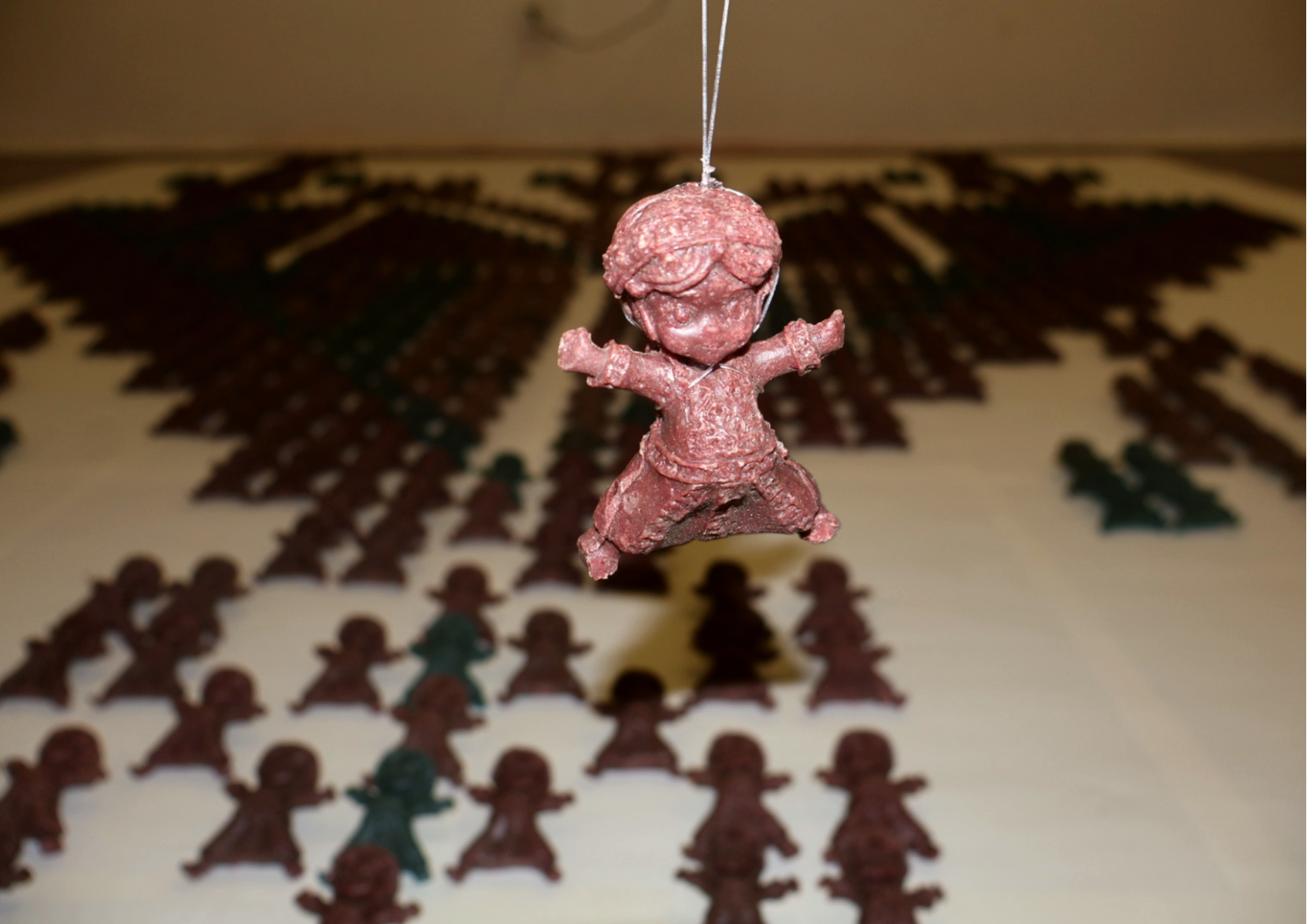
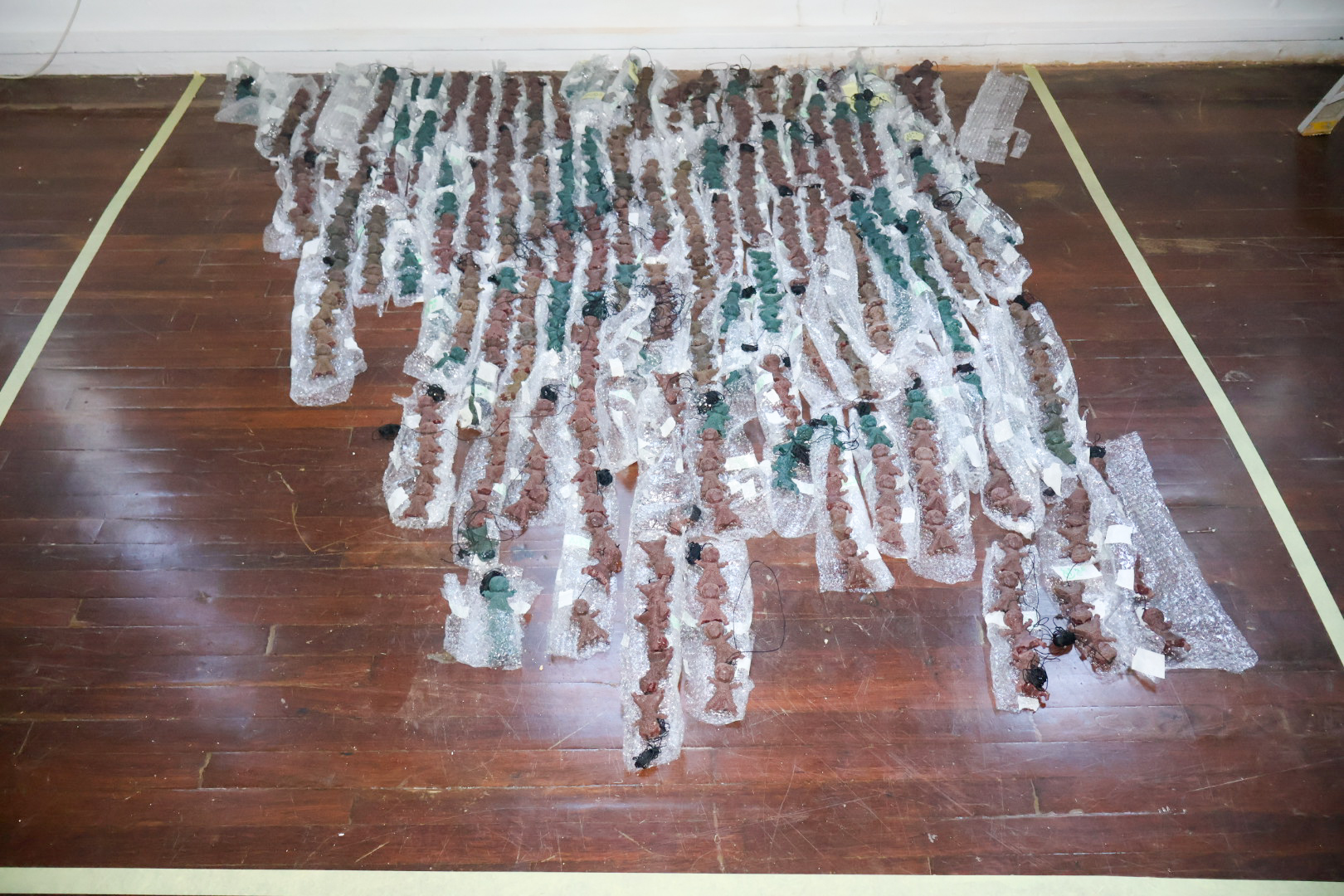
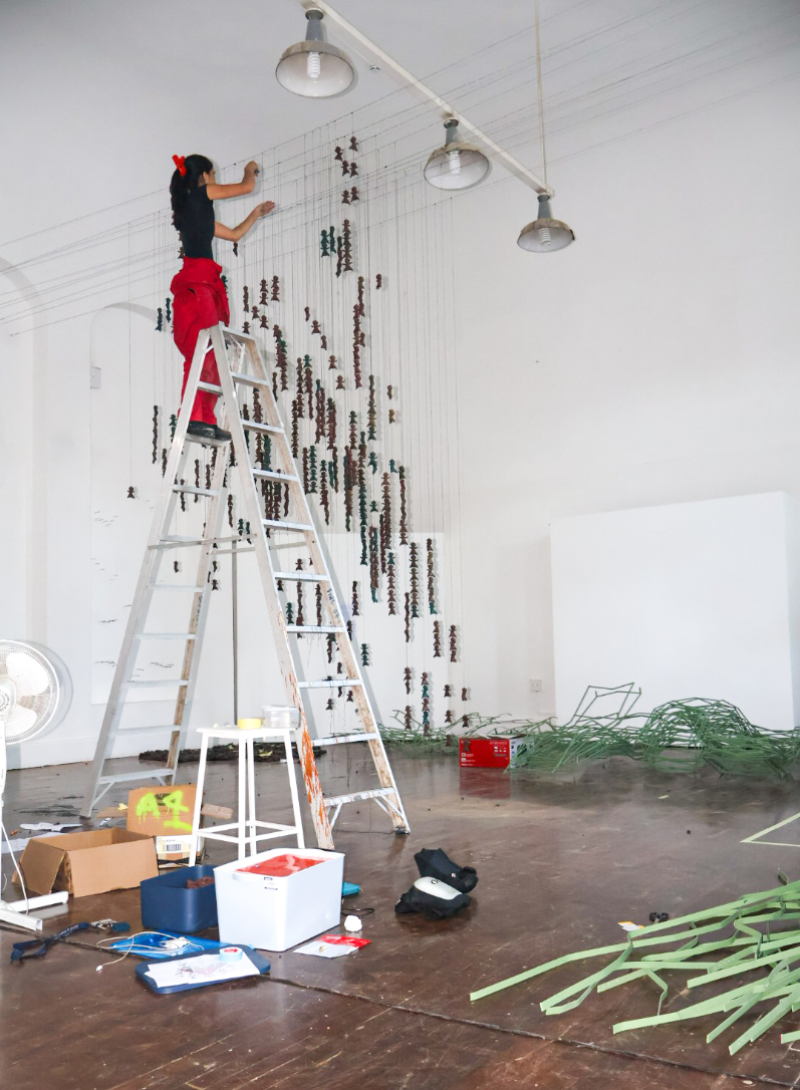
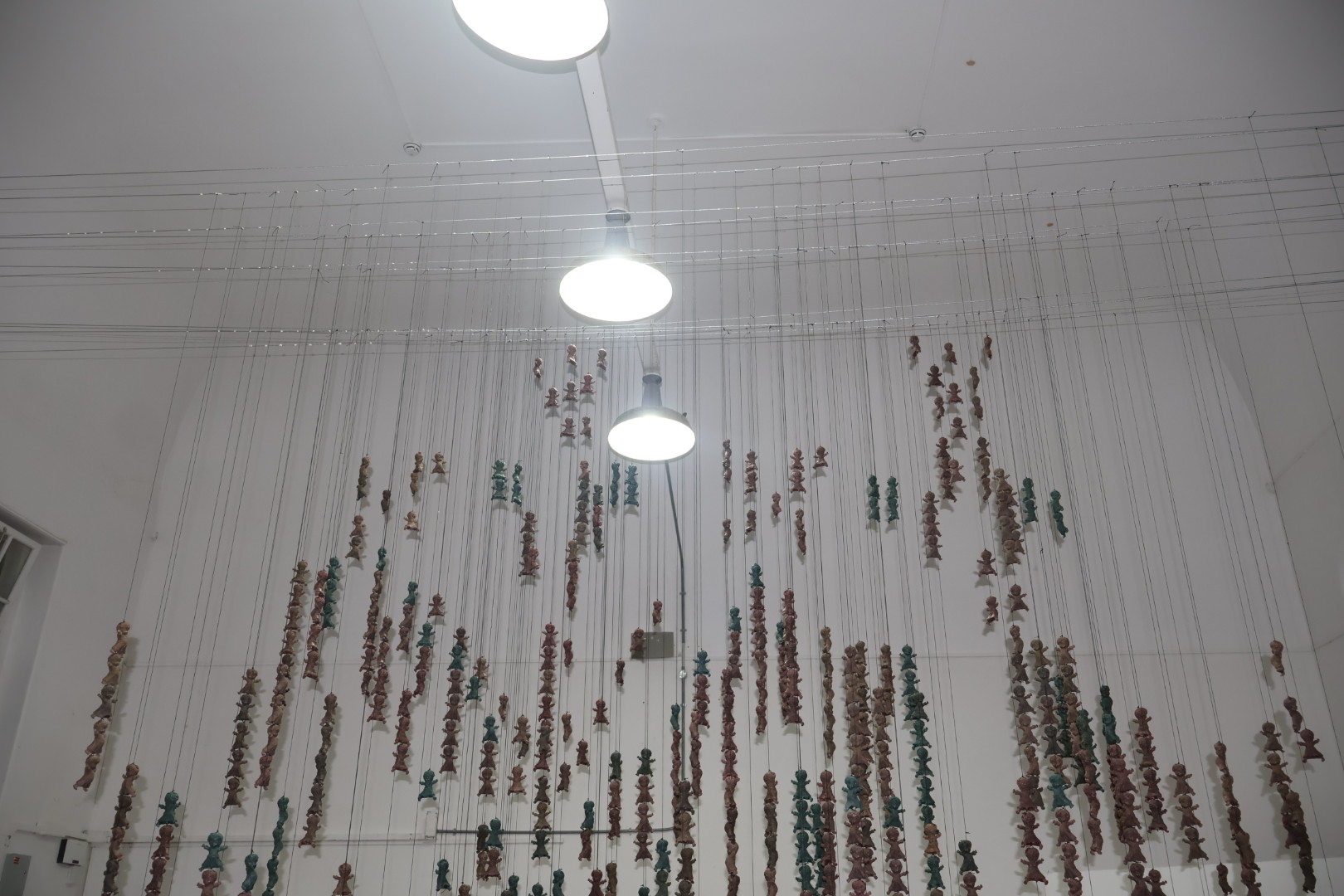
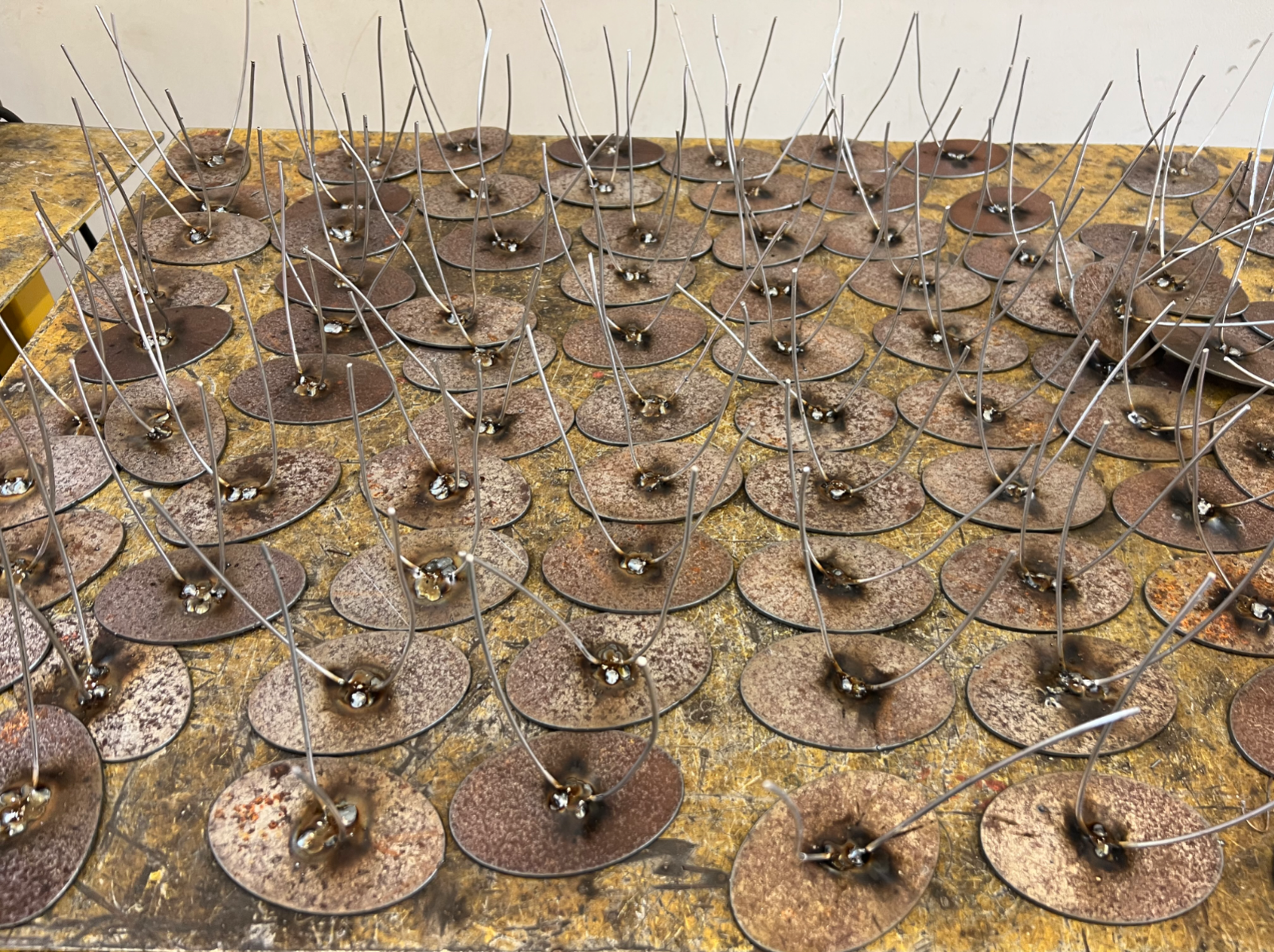
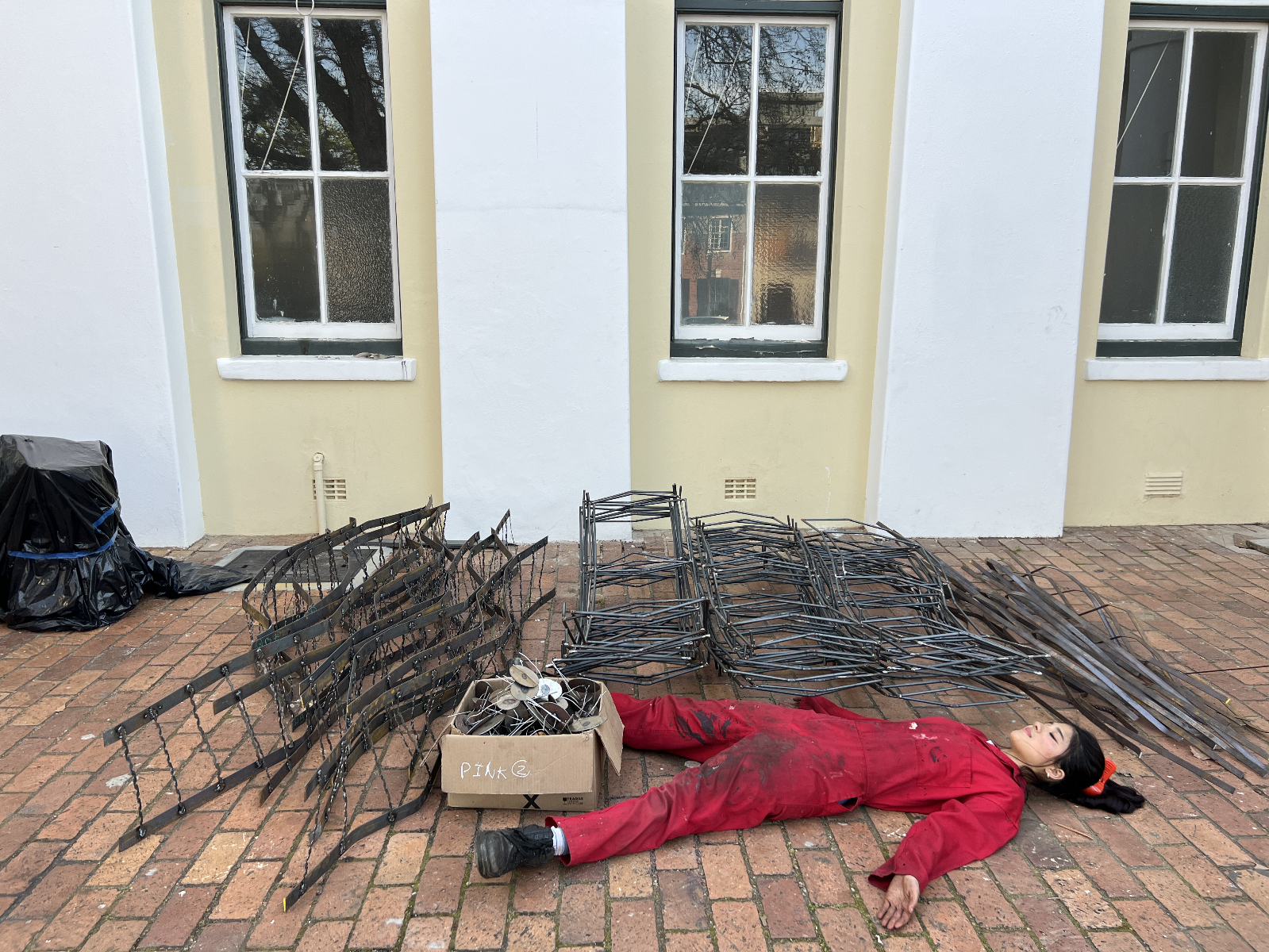
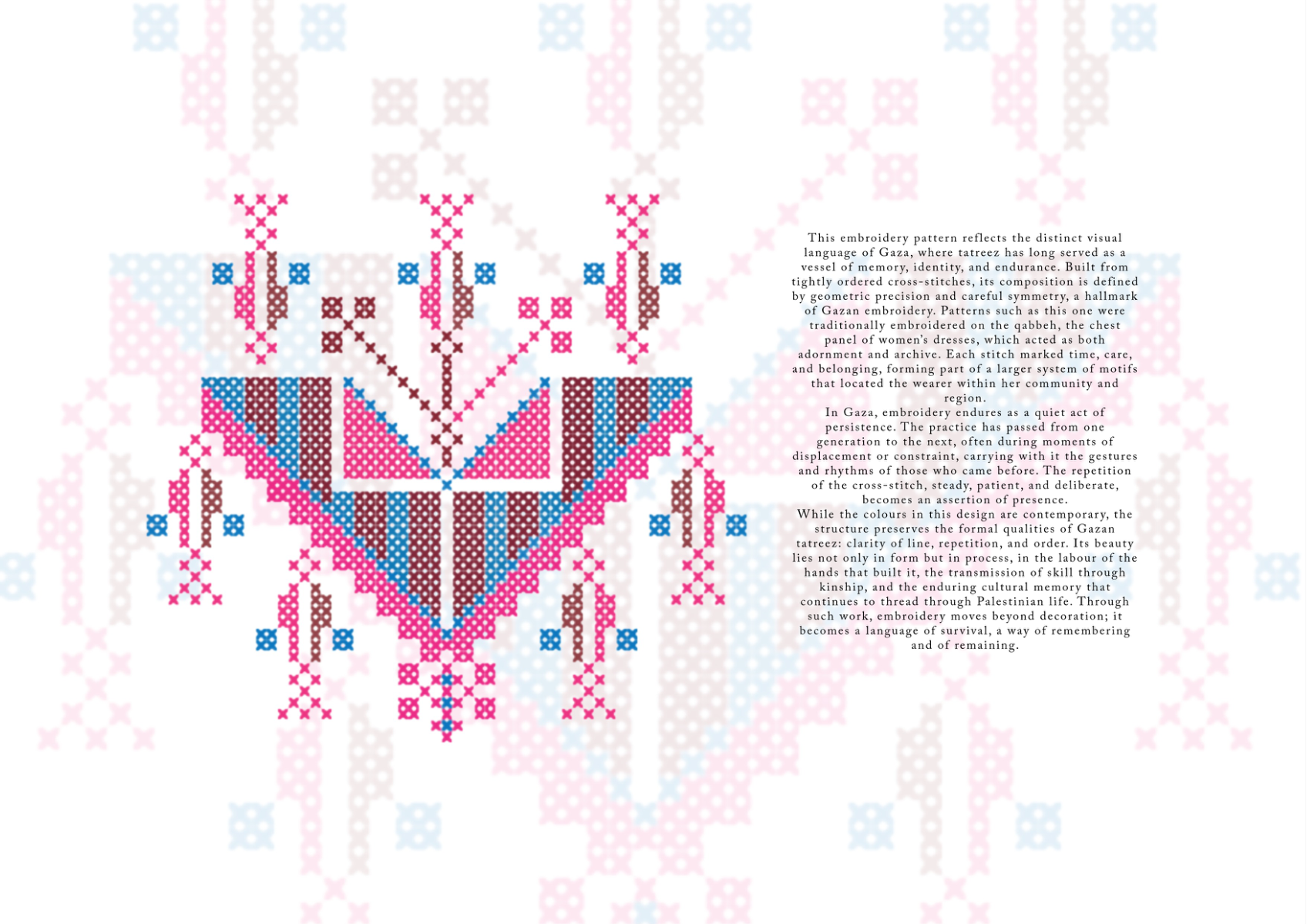
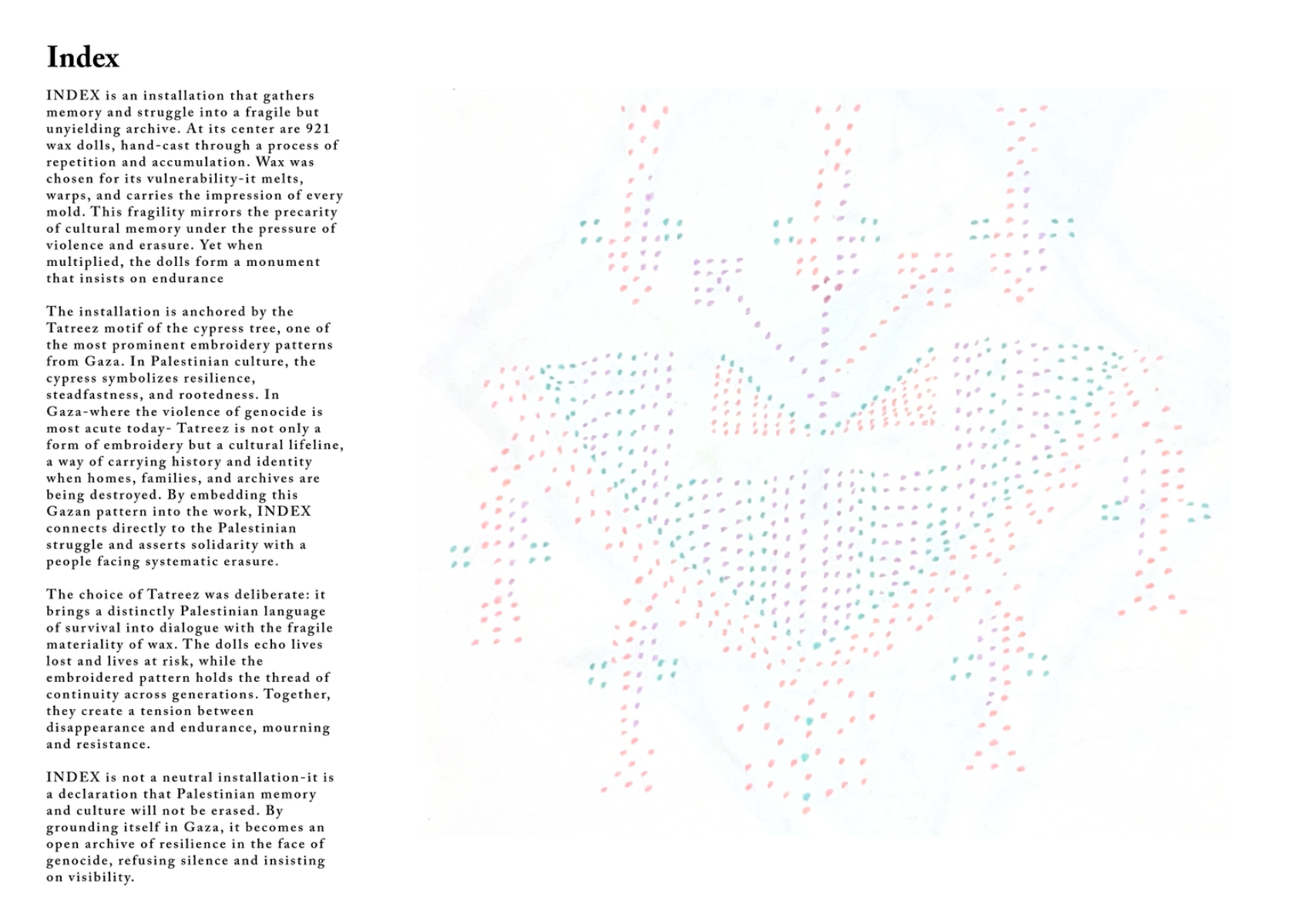
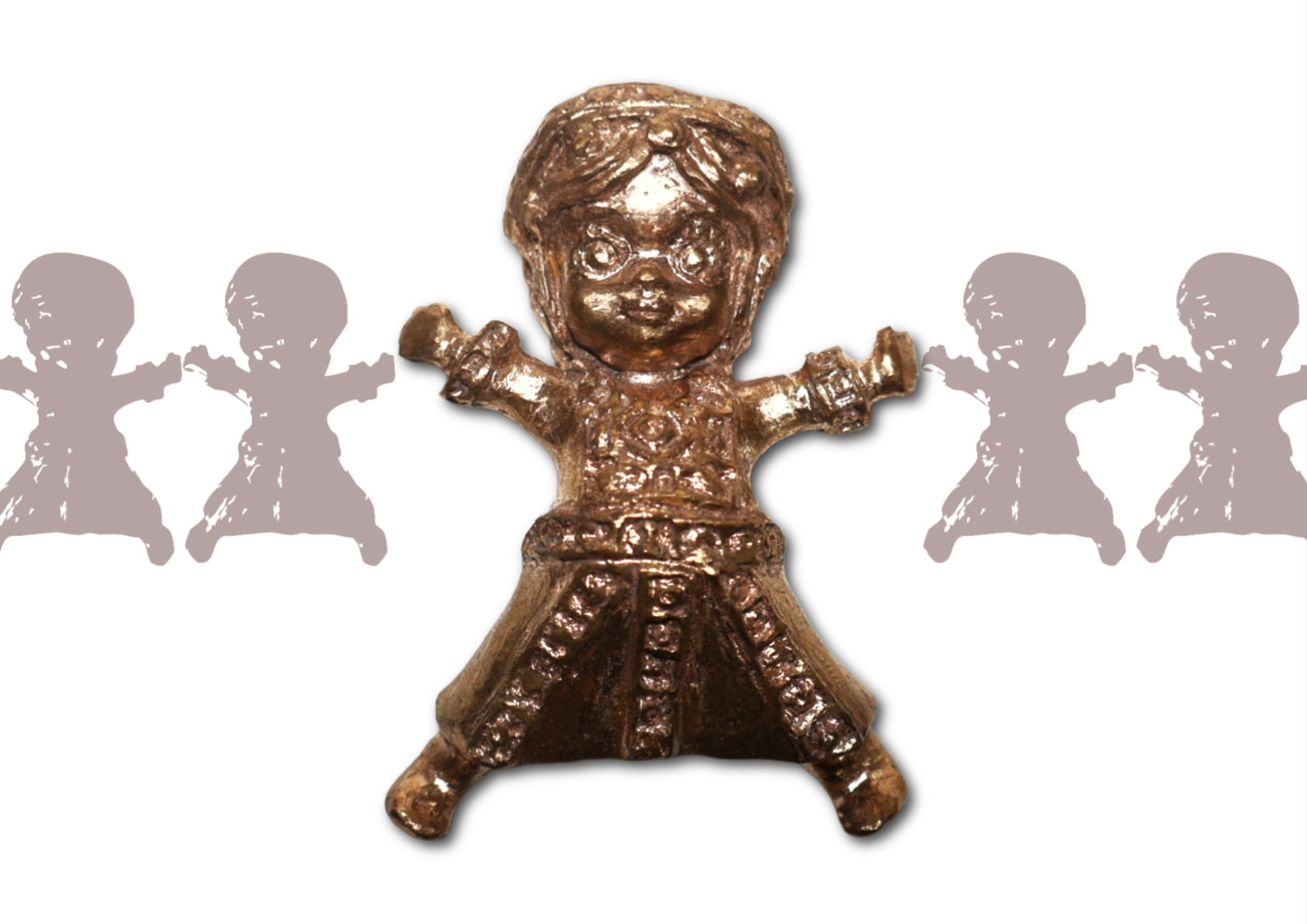
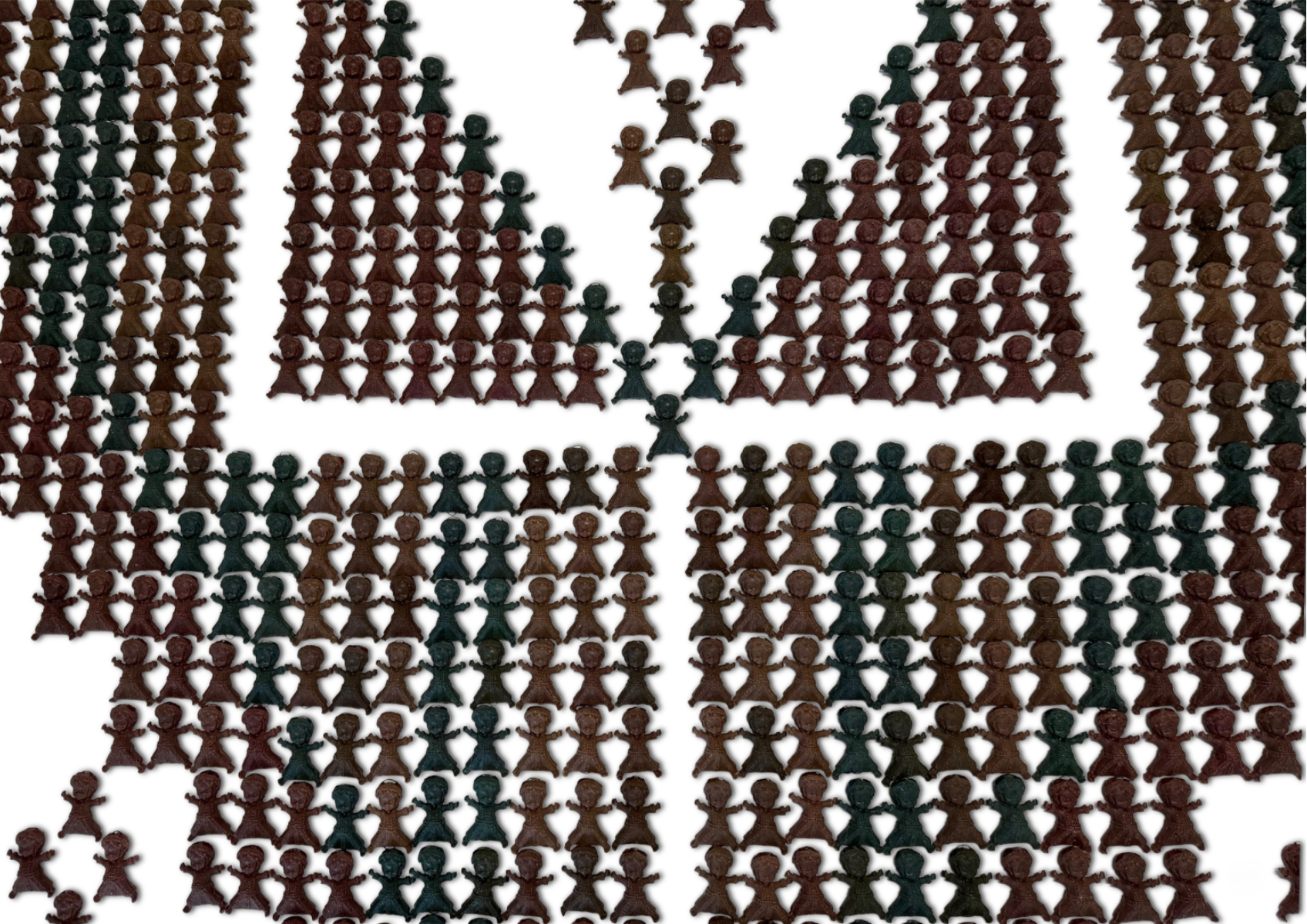
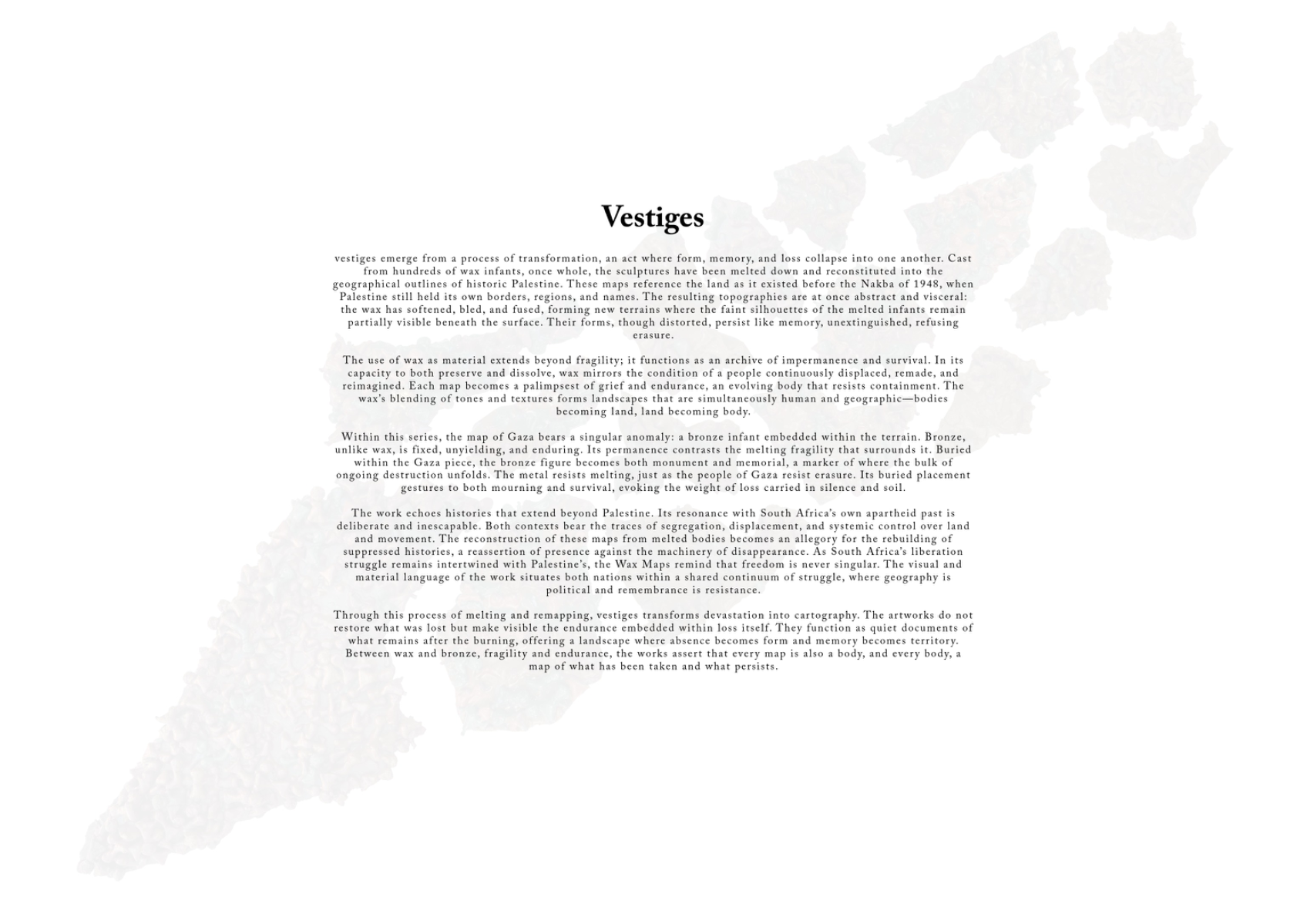
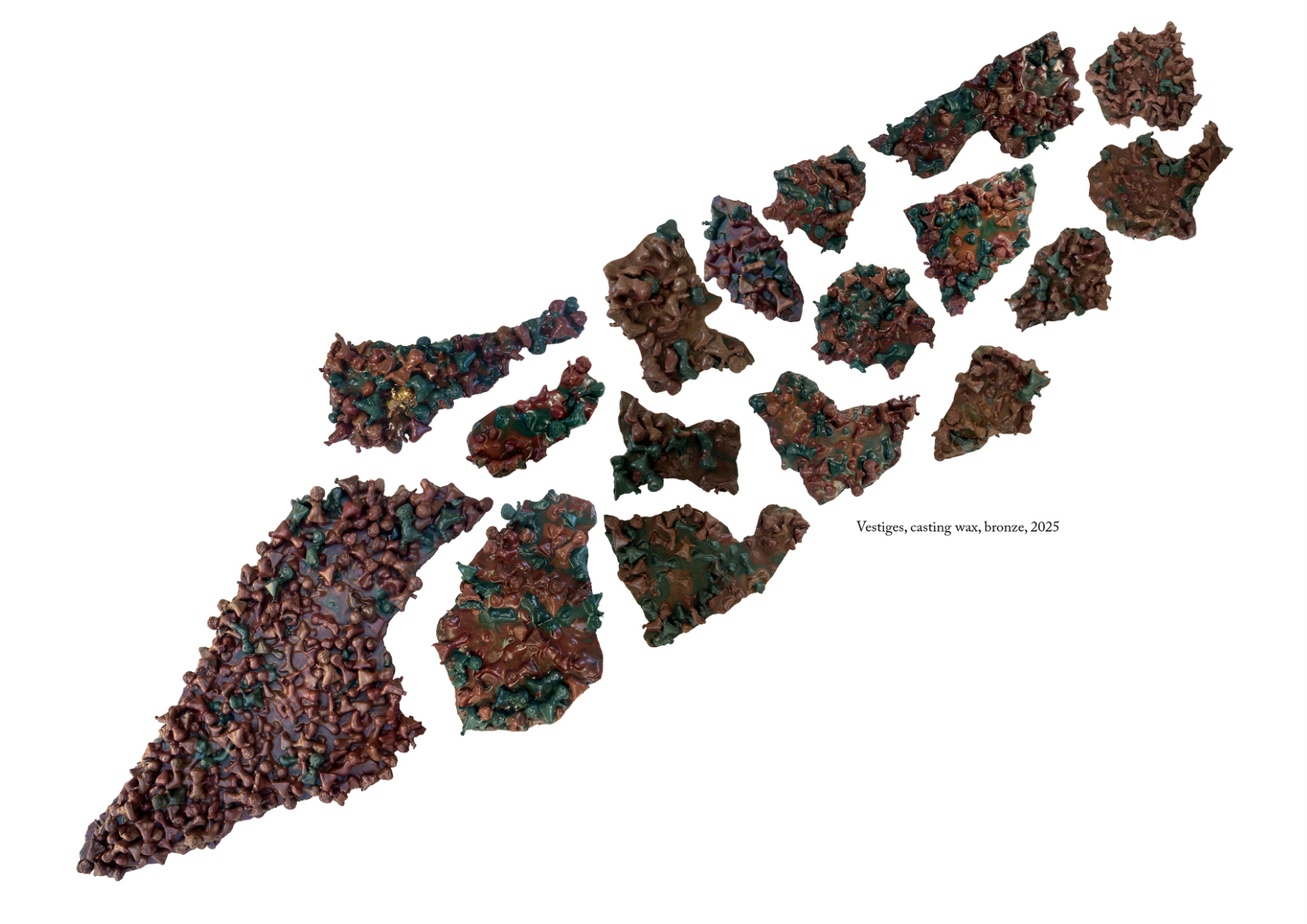
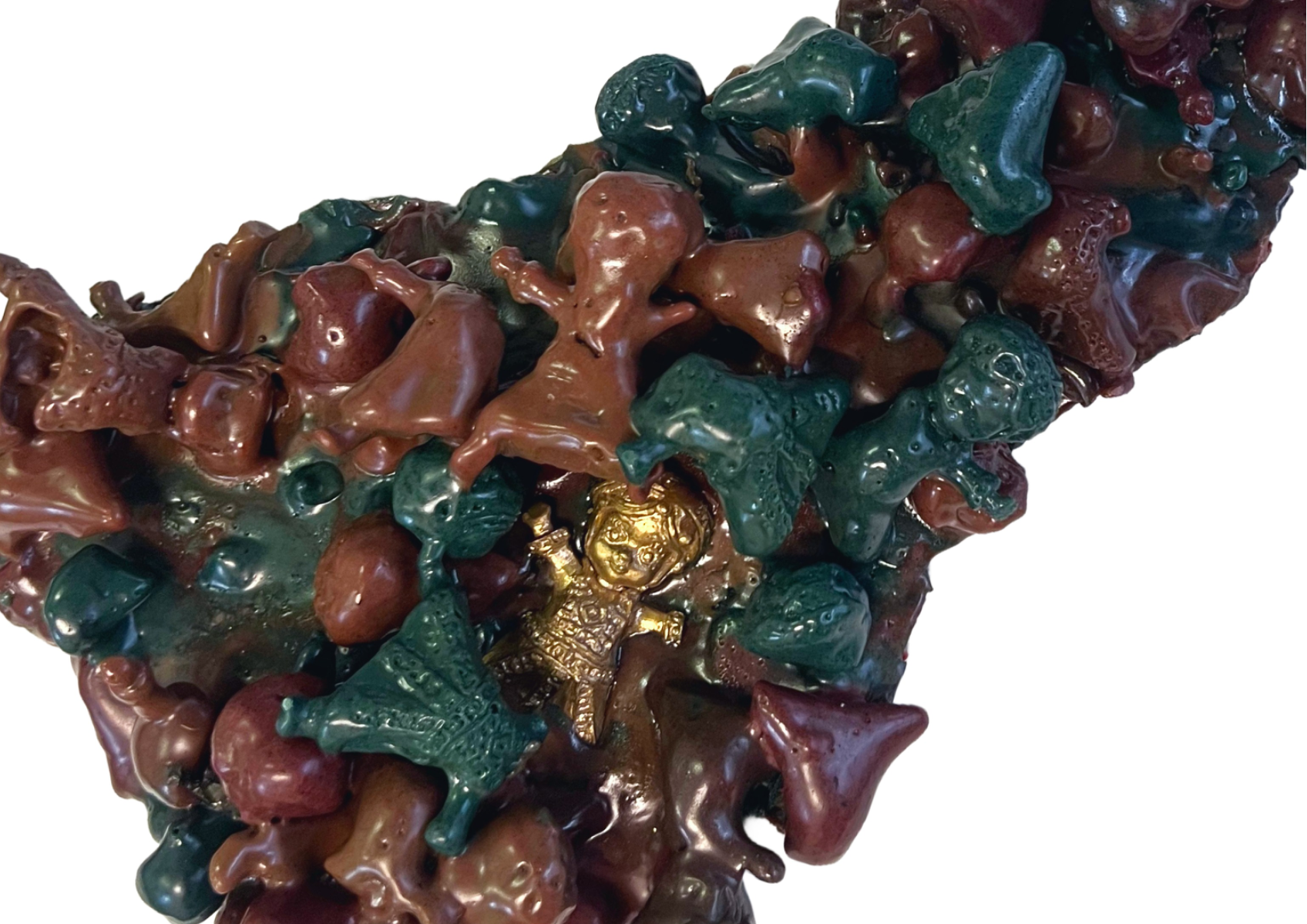
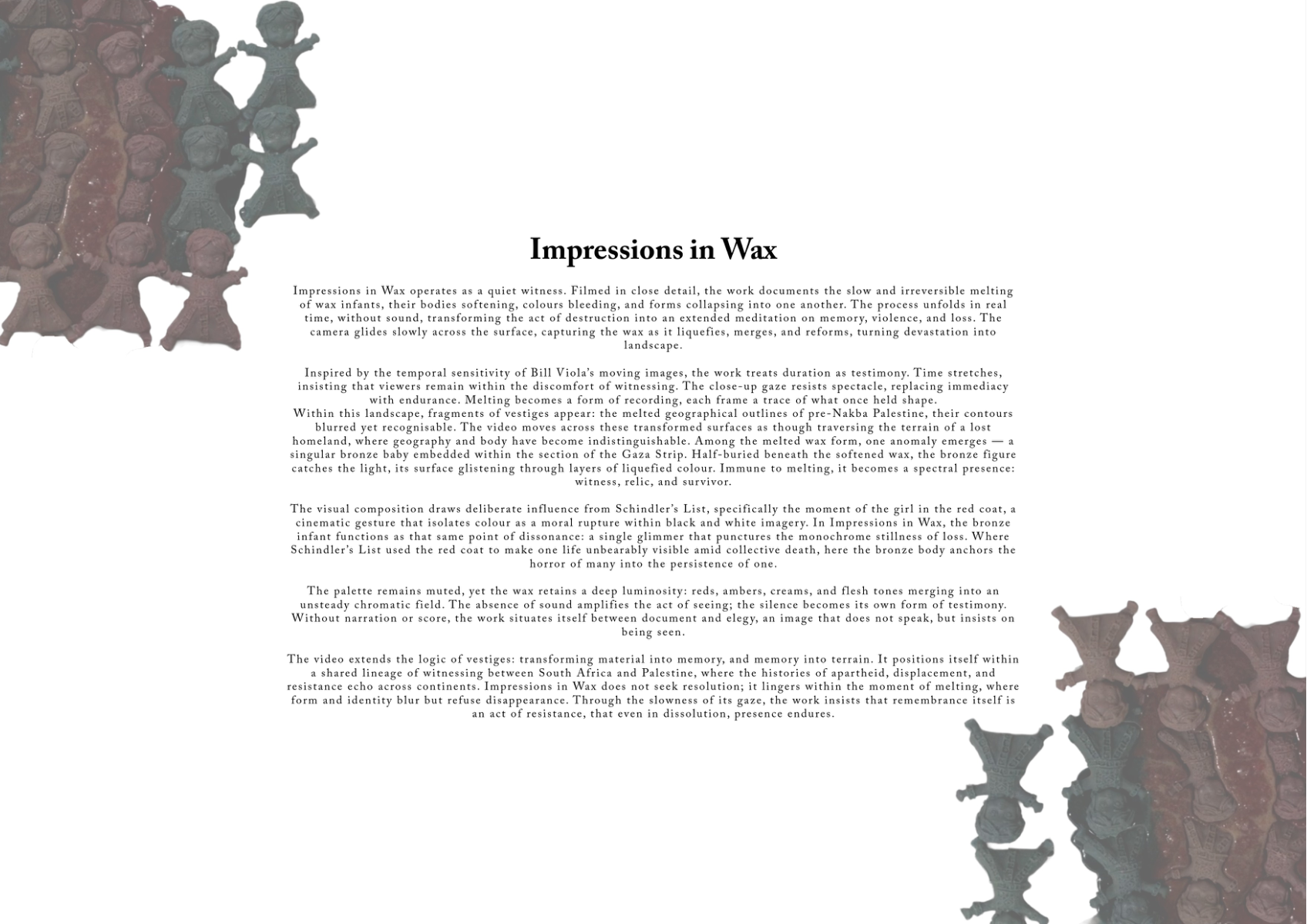
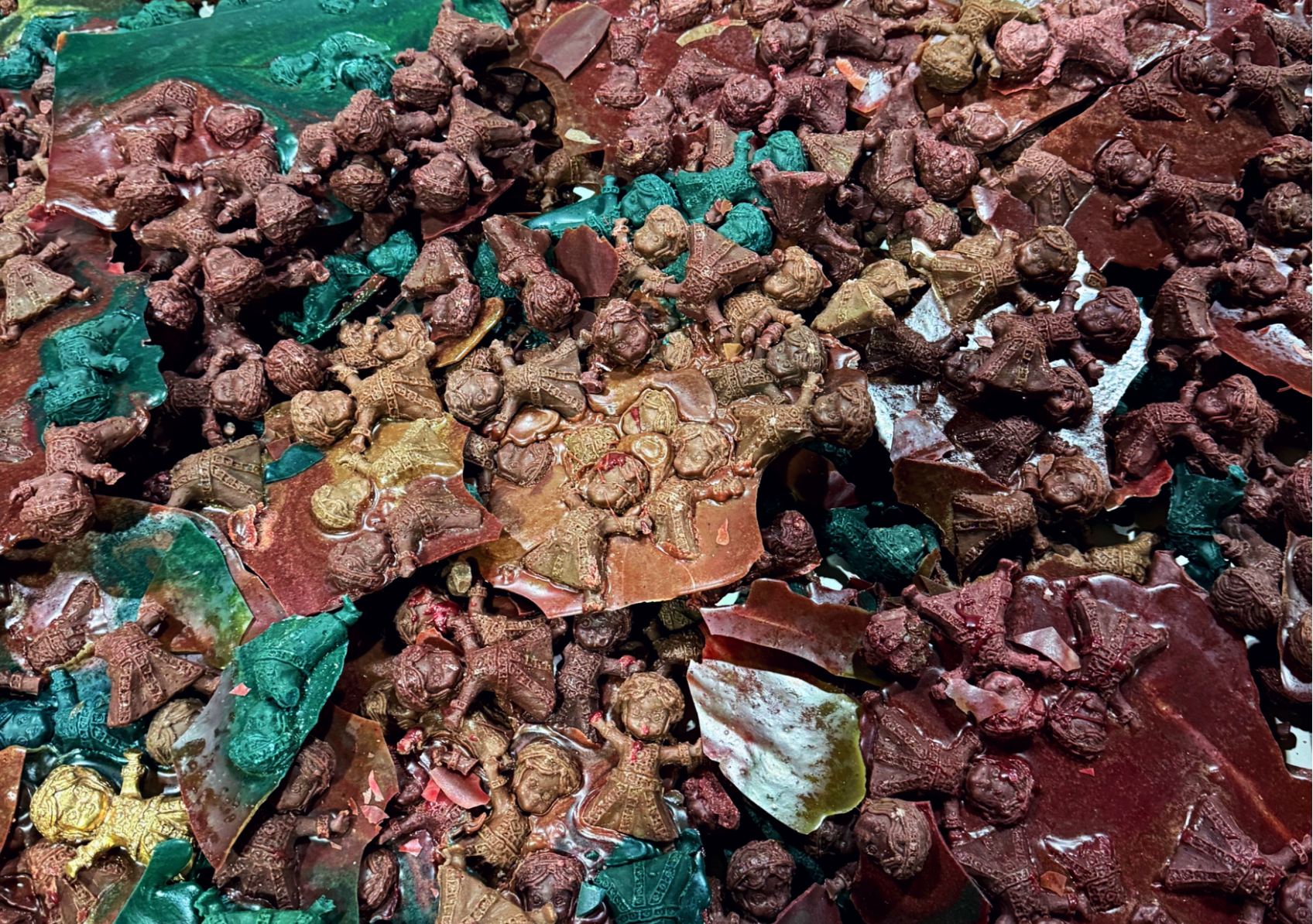
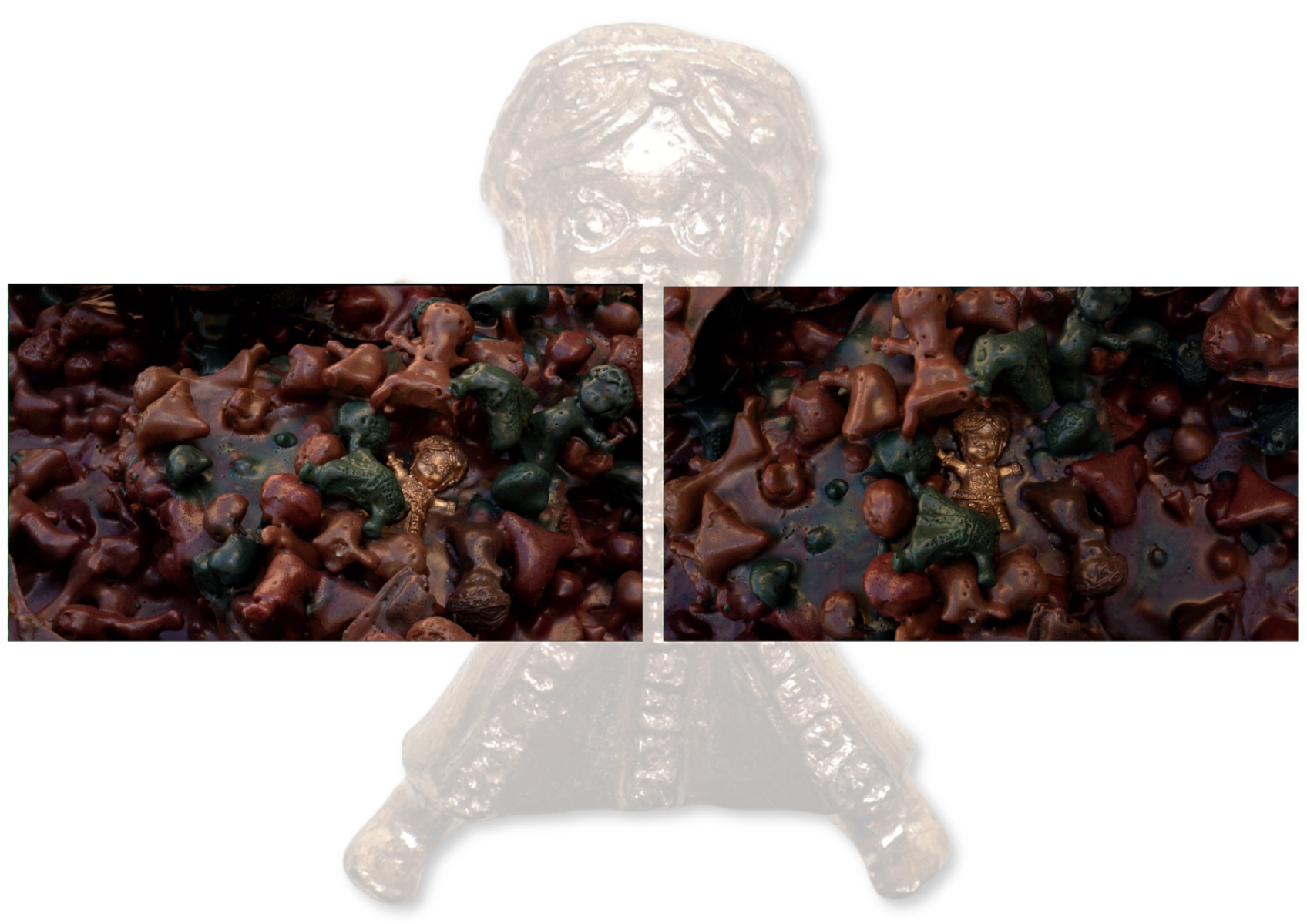
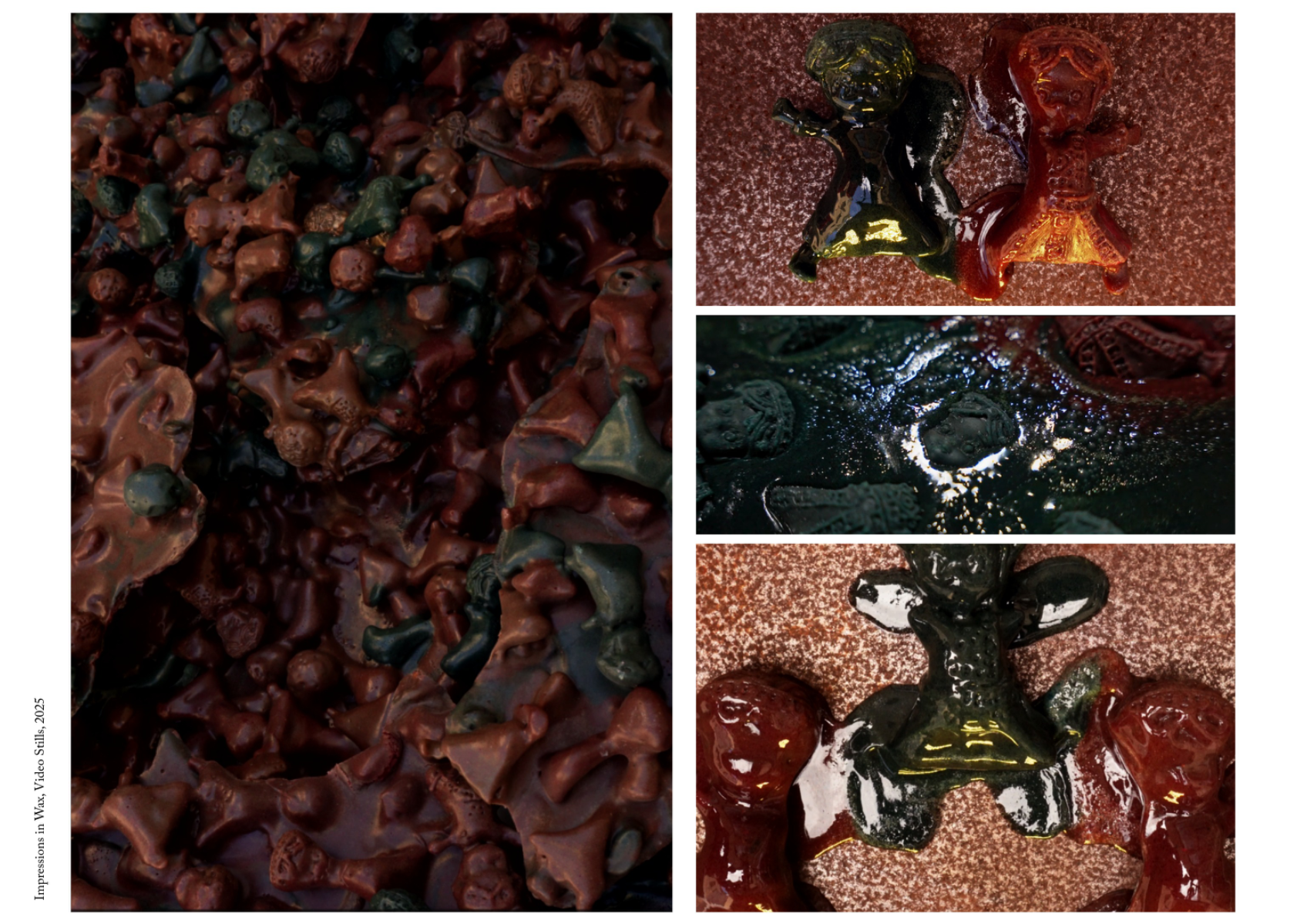
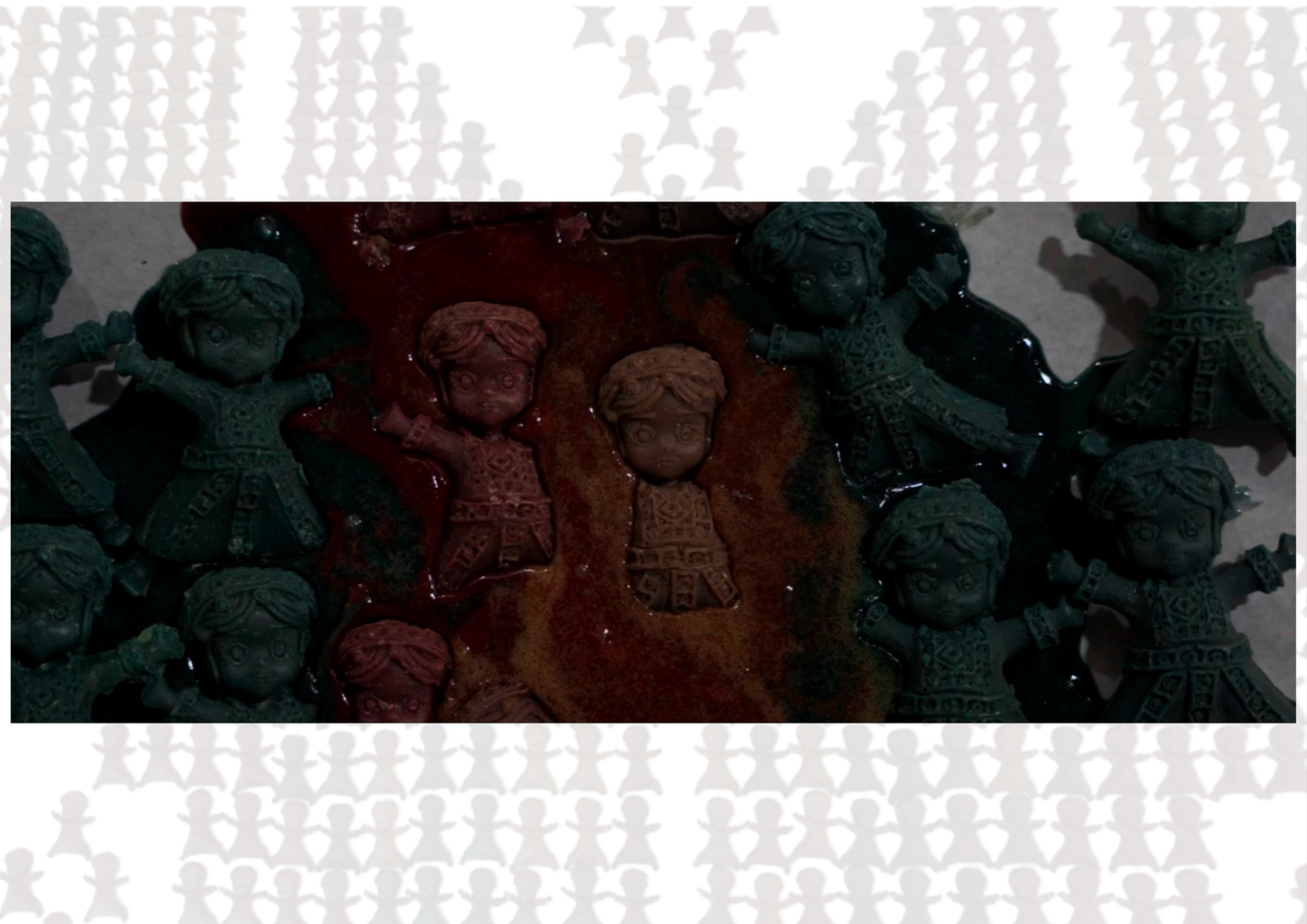
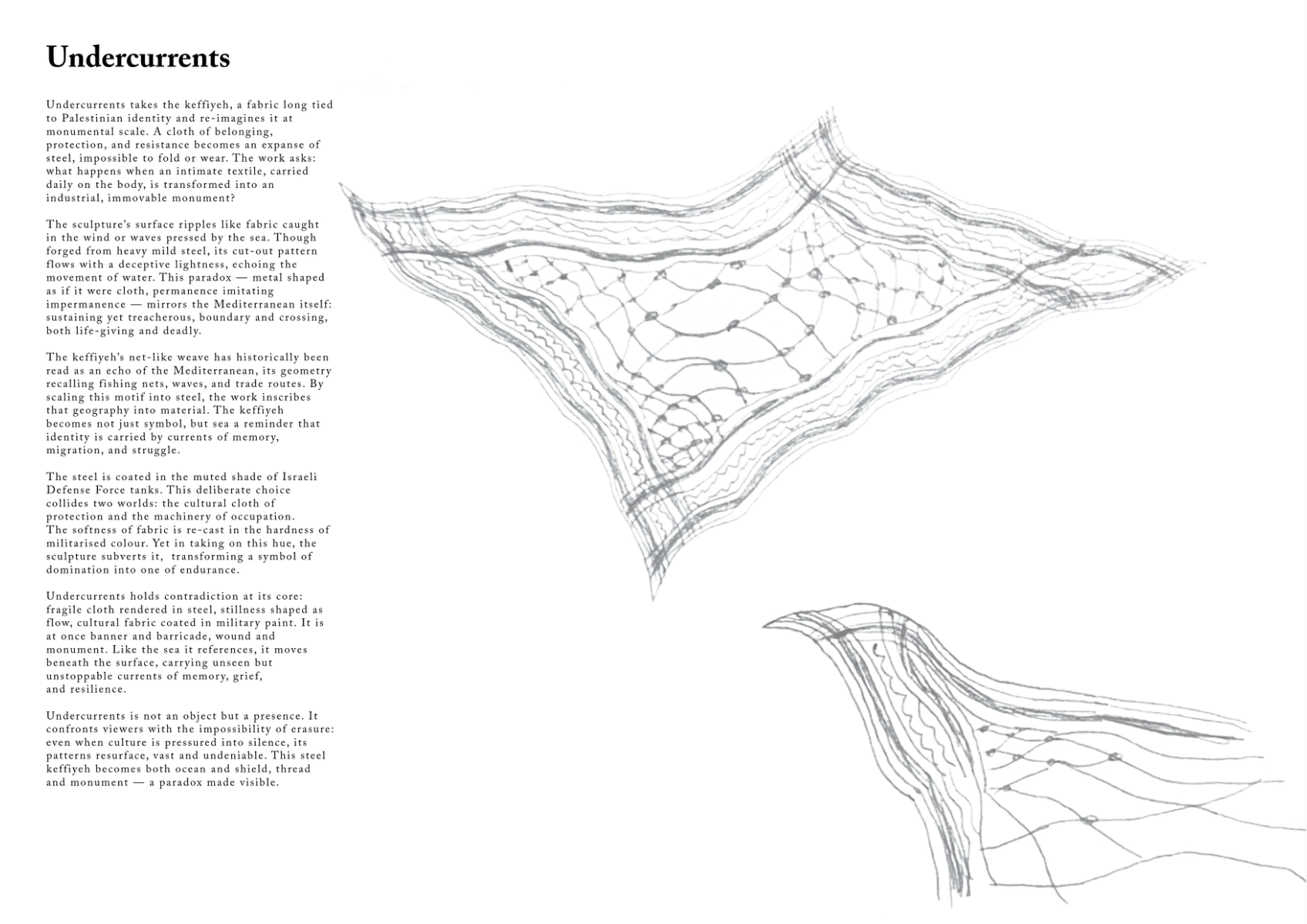
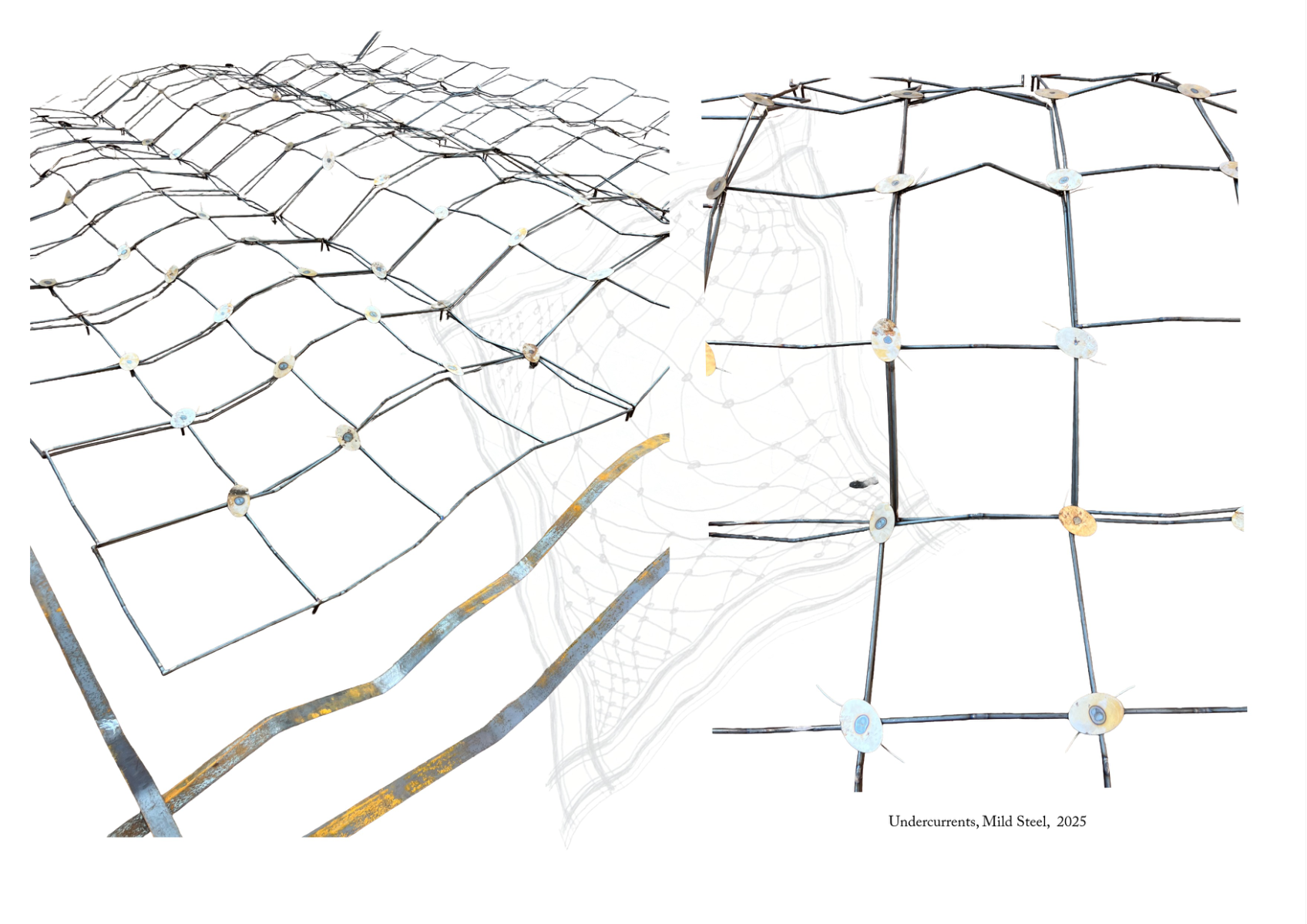
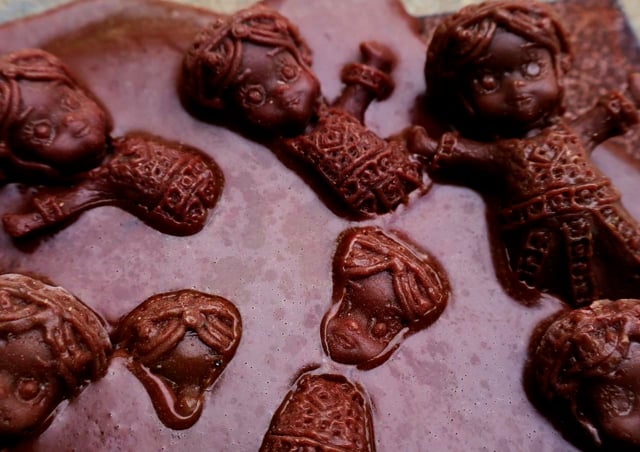

Palimpsest of a People, 2025, unfolds as a meditation on memory, resilience, and the traces that remain when lives and histories are threatened. The multi-part installation brings together five interwoven works, each reflecting fragility, endurance, and the ethical weight of witnessing. Rooted in my South African perspective, the installation resonates with histories of displacement and oppression, drawing connection and solidarity with the Palestinian people, whose lives, culture, and stories are under constant threat. Observing is never neutral. Witnessing carries consequence, and memory becomes a form of resistance. Index (hanging installation) presents 921 wax dolls, each hand-stitched with fragments of the Palestinian tatreez. Each stitch preserves presence, absence, and care. The numbering transforms intimate labor into a collective archive, honoring the persistence of culture and identity. Through the embroidery, the endurance of Palestinian memory and creativity is celebrated, affirming life in the face of erasure. Undercurrents (floor installation) shifts to monumentality with a steel sculpture of a giant keffiyeh. Its folds and scale embody resilience and identity. Every contour recalls labor, courage, and the everyday resistance of people living under oppression. The sculpture demands recognition of what is sustained, what is threatened, and what endures. Impressions in Wax (film installation) witnesses the deliberate destruction of form and memory. Sculptures melt slowly, each droplet monumental, each shift a quiet testament to erasure. The video situates viewers as observers whose gaze carries responsibility. The view counts confronts the ethical tension of watching, reminding us that bearing witness without action implicates the viewer. Sound, echoing and dripping, carries the rhythm of endurance and loss, transforming observation into reflection. Vestiges(wall installation) presents wax maps of Palestine, fragile and tactile. These maps record the contours of towns, villages, and landscapes under threat, preserving memory and asserting the persistence of culture even in vulnerability. Zanana (sound installation) fills the space with the persistent hum of drones, transforming the gallery into an ethical environment and situating viewers within realities of surveillance, tension, and resilience. Together the works form a dialogue between memory, materiality, and politics. Wax, steel, video, and sound act as archives, witnesses, and instruments of ethical reflection. Palimpsest of a People affirms that what endures is not only memory but the responsibility to observe, remember, and carry forward histories under threat.
Competitions