Yiran Liu
Information Experience Design MA
Royal College of Art
Specialisms: Interactive / Motion / Film / Interaction Design
Location: London, United Kingdom
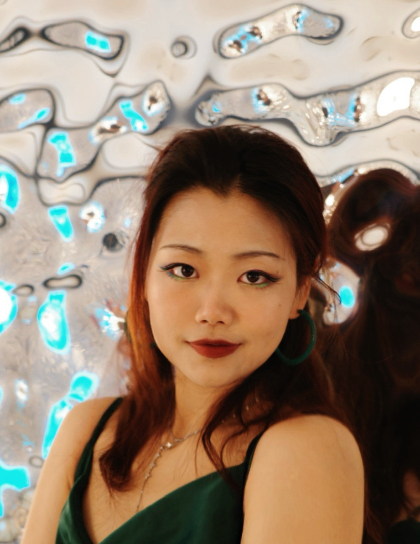
Yiran Liu
First Name: Yiran
Last Name: Liu
Specialisms: Interactive / Motion / Film / Interaction Design
Sectors:
My Location: London, United Kingdom
University / College: Royal College of Art
Course / Program Title: Information Experience Design MA
About
Yiran Liu is a Chinese interdisciplinary artist currently based in London. Working across moving image, installation, and performance, she constructs embodied experiences that invite audiences to reconsider how they perceive themselves and the world around them. Through moving image, spatial installation, sound, bodily action, and participation, her work transforms abstract ideas into lived encounters.
Rather than offering answers, Yiran creates situations where reflection emerges through experience. In an increasingly efficiency-driven and certainty-oriented society, she sees art as a space for pausing, perceiving, and thinking.
Her recent project at the Royal College of Art, Meeting with Your Boulder (2026), centres on a fundamental question: If something could never guarantee any outcome, would people still choose to devote themselves to it? And if so, what sustains that commitment?
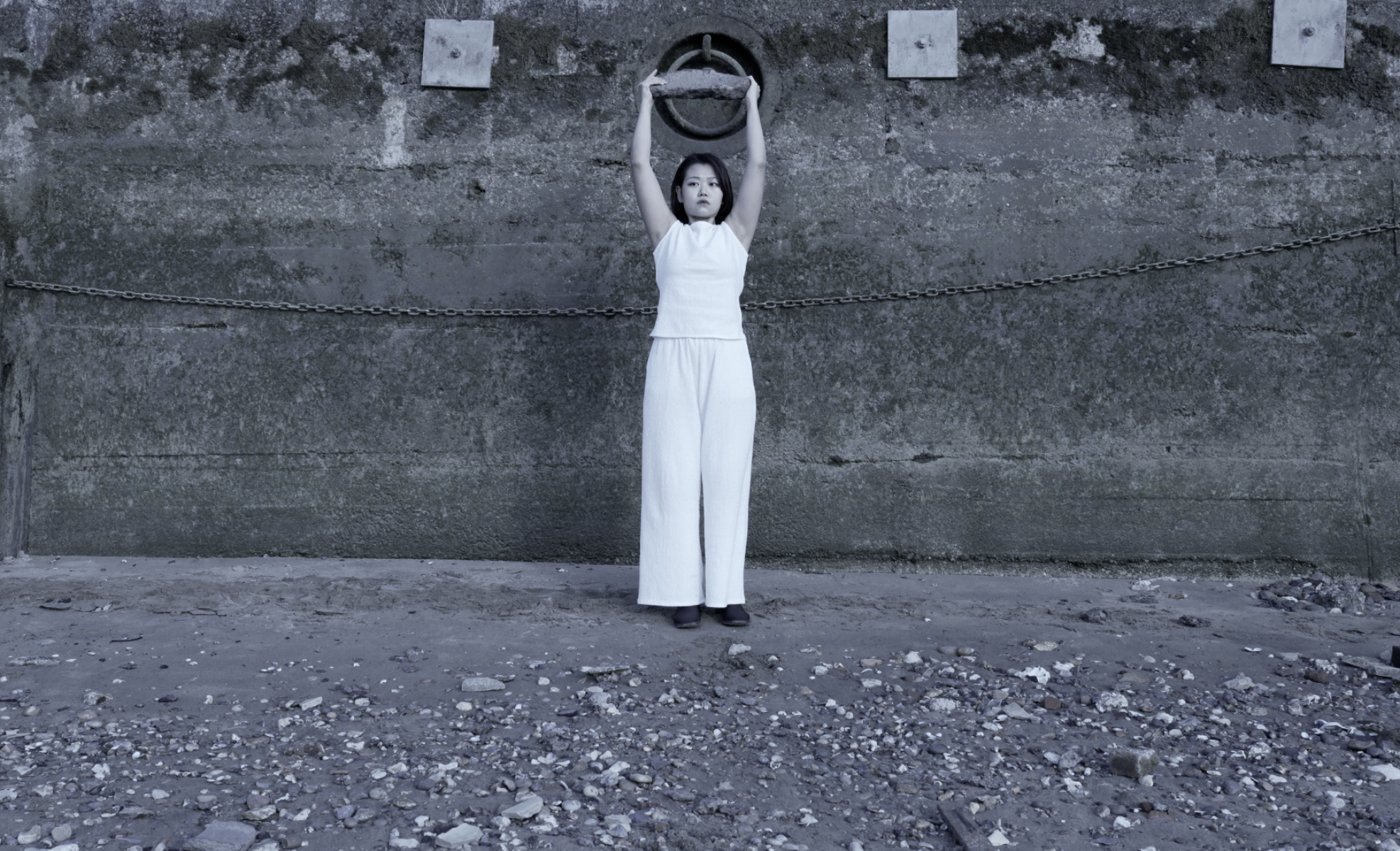
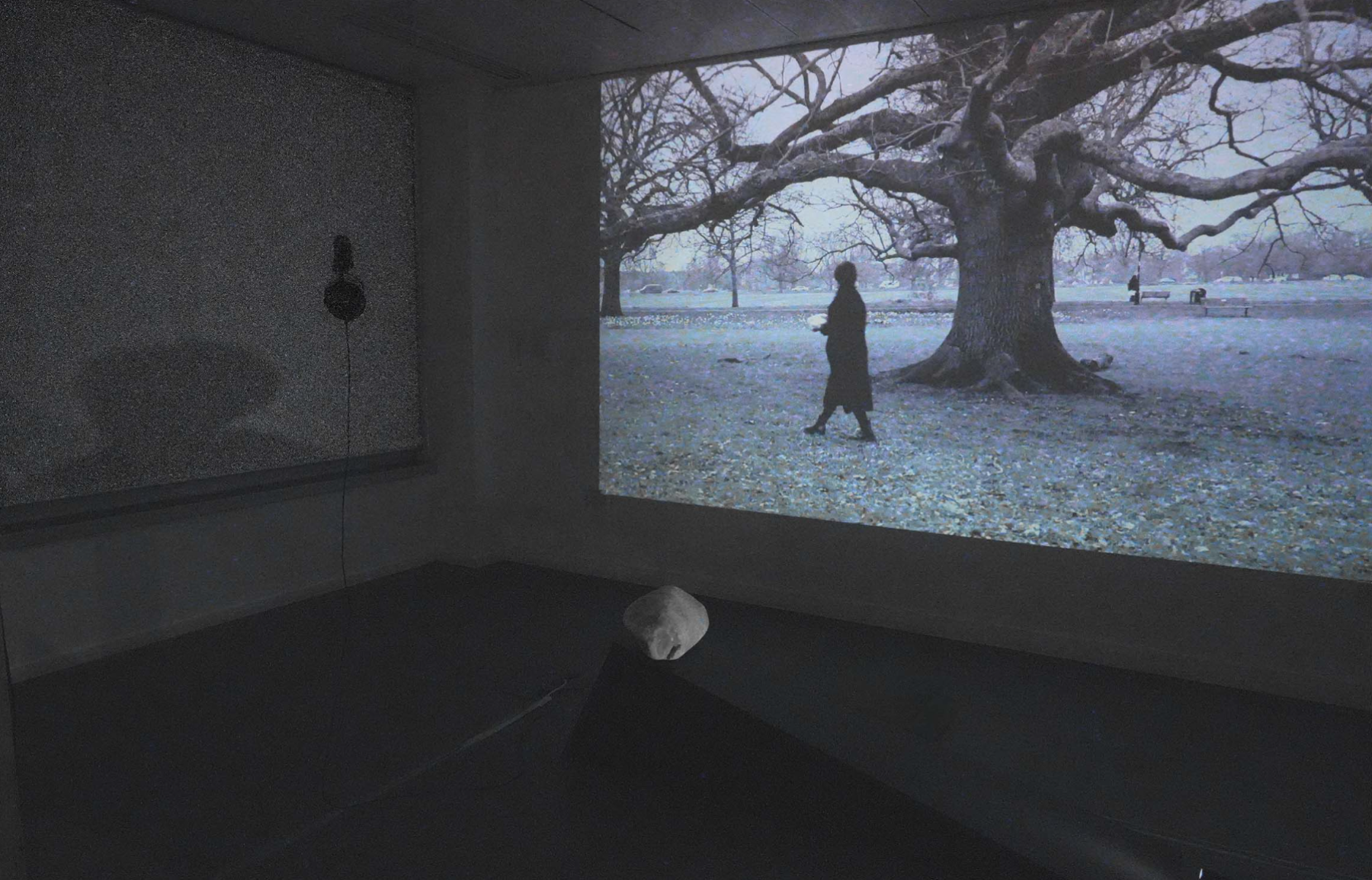
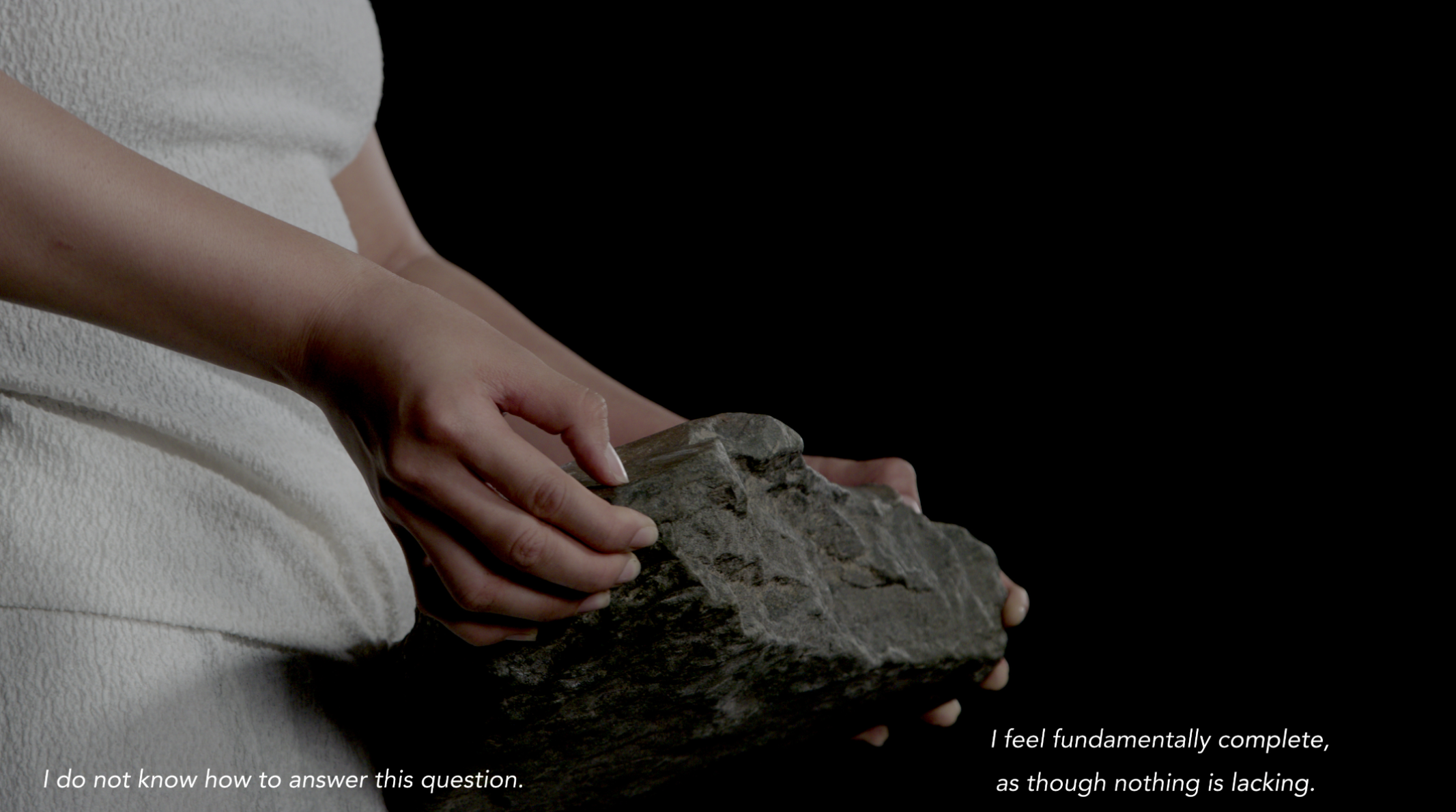

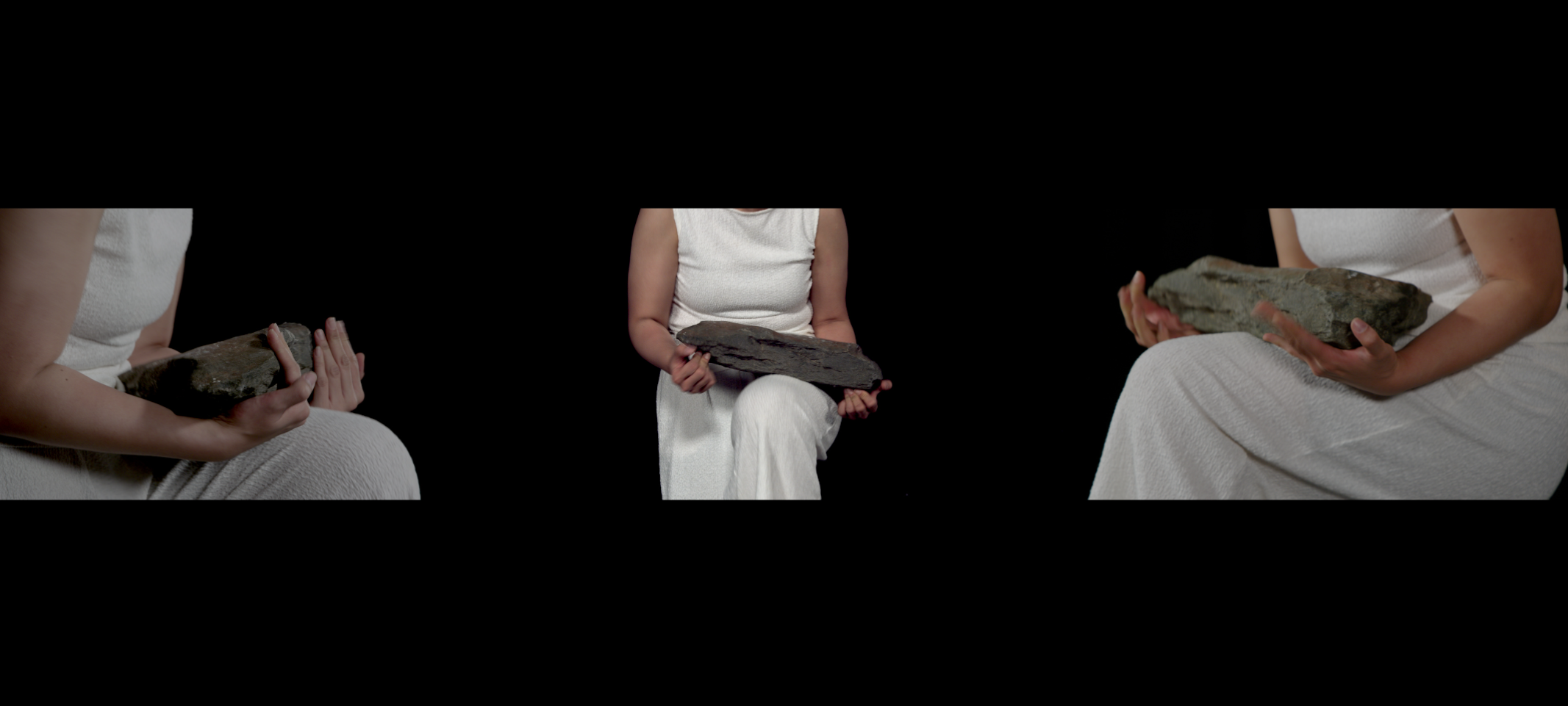
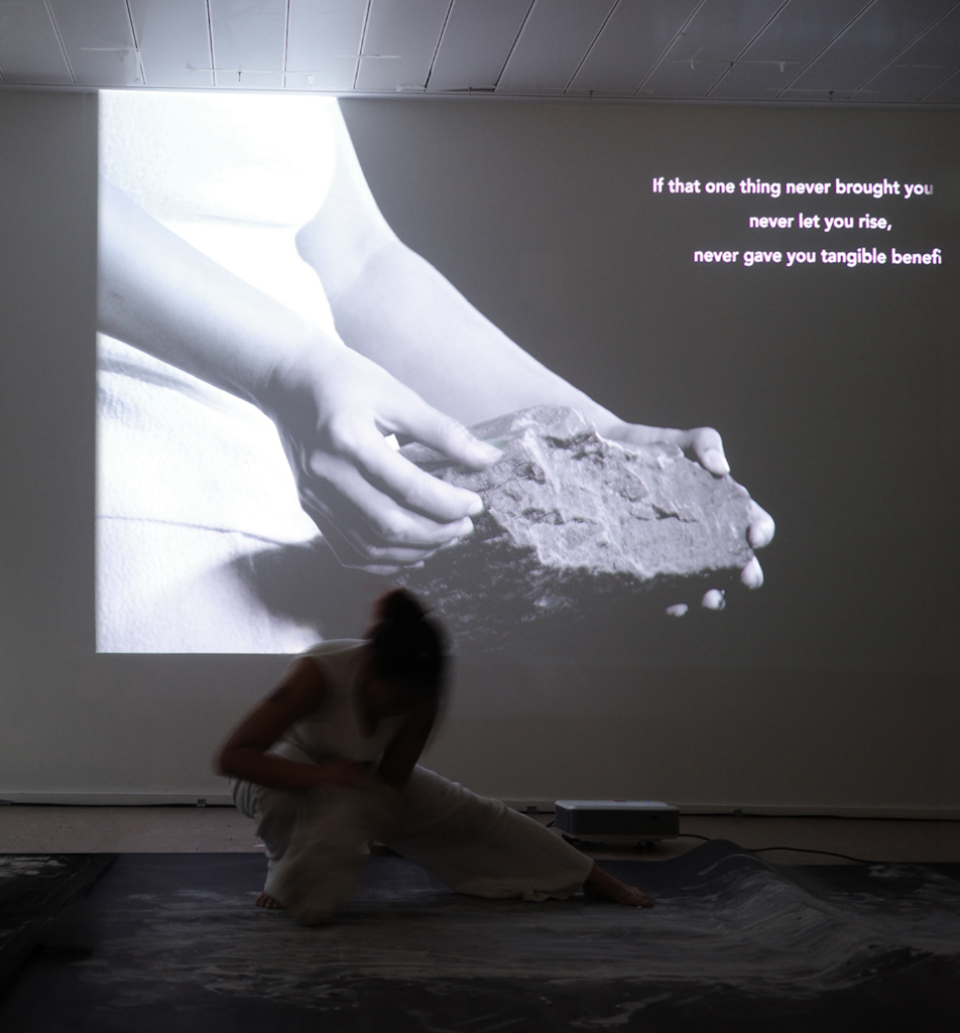
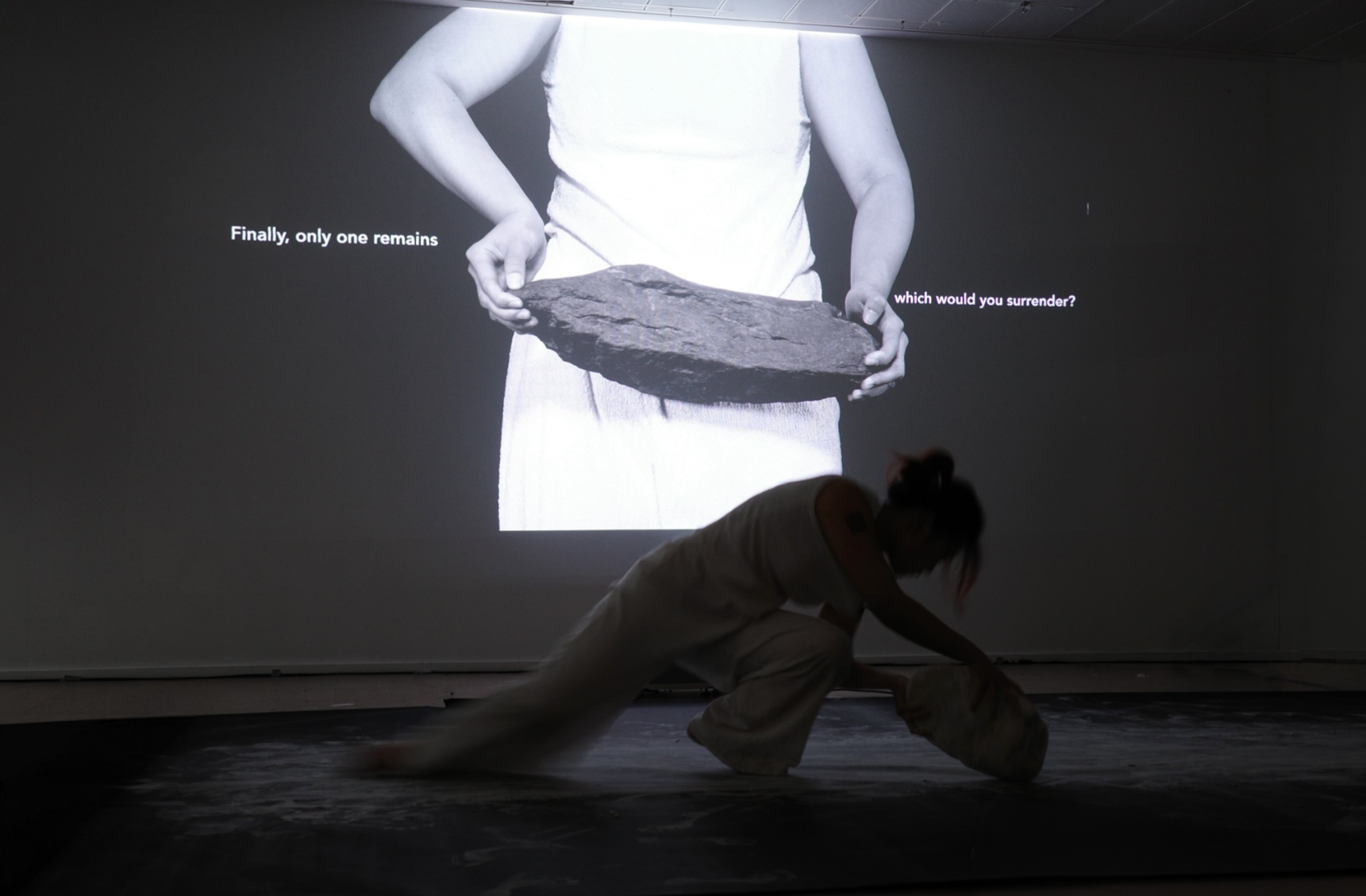
If something could never guarantee any outcome, would people still choose to devote themselves to it? And if so, what sustains that commitment? Inspired by Albert Camus’ The Myth of Sisyphus, the project reconsiders repetition, not as a form of punishment but as a condition through which meaning might gradually emerge. Combining a three-channel moving image installation with live performance, the work unfolds as a ritualised experience. Through conversations, value-ranking exercises, repetitive questioning, and the physical act of carrying a stone, participants are gradually invited to recognise what they continue to carry—their own Inner Boulder. Drawing upon existential philosophy, ritual theory, and phenomenology, Meeting with Your Boulder translates philosophical inquiry into embodied experience. Rather than asking audiences to contemplate existential questions from a distance, it invites them to inhabit uncertainty through their own bodies, experiencing how meaning is constructed through action, how people negotiate uncertainty, and what they continue to carry when every guarantee has been removed.
Competitions