shu-wei chang
MFA FINE ART
Goldsmiths University of London
Specialisms: Fine Art / Animation / Sculpture
Location: London, United Kingdom

shu-wei chang
First Name: shu-wei
Last Name: chang
Specialisms: Fine Art / Animation / Sculpture
Sectors:
My Location: London, United Kingdom
University / College: Goldsmiths University of London
Course / Program Title: MFA FINE ART
About
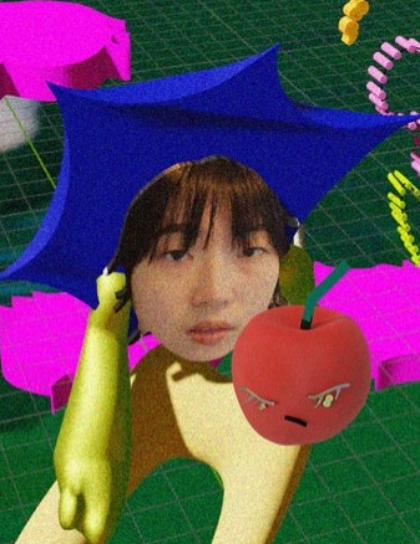
Shu-Wei Chang is a multidisciplinary artist based in London and Taiwan who works across sculptures, 3D modelling, animation, and mixed media drawings to explores the possible forms of digital gadgets as non-human yet intelligent beings. Chang’s practice delves into human-machine hybridity, navigating the in-betweenness of human and non-human interactions. Drawing on her interests in Internet phenomena and the properties of technological devices, her current focus lies in the mutual prostheticization between technological objects and the human body, leading towards an imagined ergonomic system where each displaces and redefines the other. Aesthetically, she is also interested in the potentiality of cuteness within internet discourse, considering its affective and subversive capacities that breaks the conventional narrative of advance technology and intelligence.
Chang has finished her study in MFA Fine Art at Goldsmiths, University of London (2025). She holds a Bachelor of Fine Arts from Taipei National University of the Arts (2021) and studied as an exchange student at Tama Art University in Tokyo (2019). She also works in the 2D/online world as ▲; Fly & Lunch Box and has been participating in art book fairs in Europe and Taiwan, including Break Off Art Book Fair, Other Comic Coop vol. 2, Fumetto Comic Festival, Fanzinest Vienna Art Book & Zine Fair, and others since 2019.
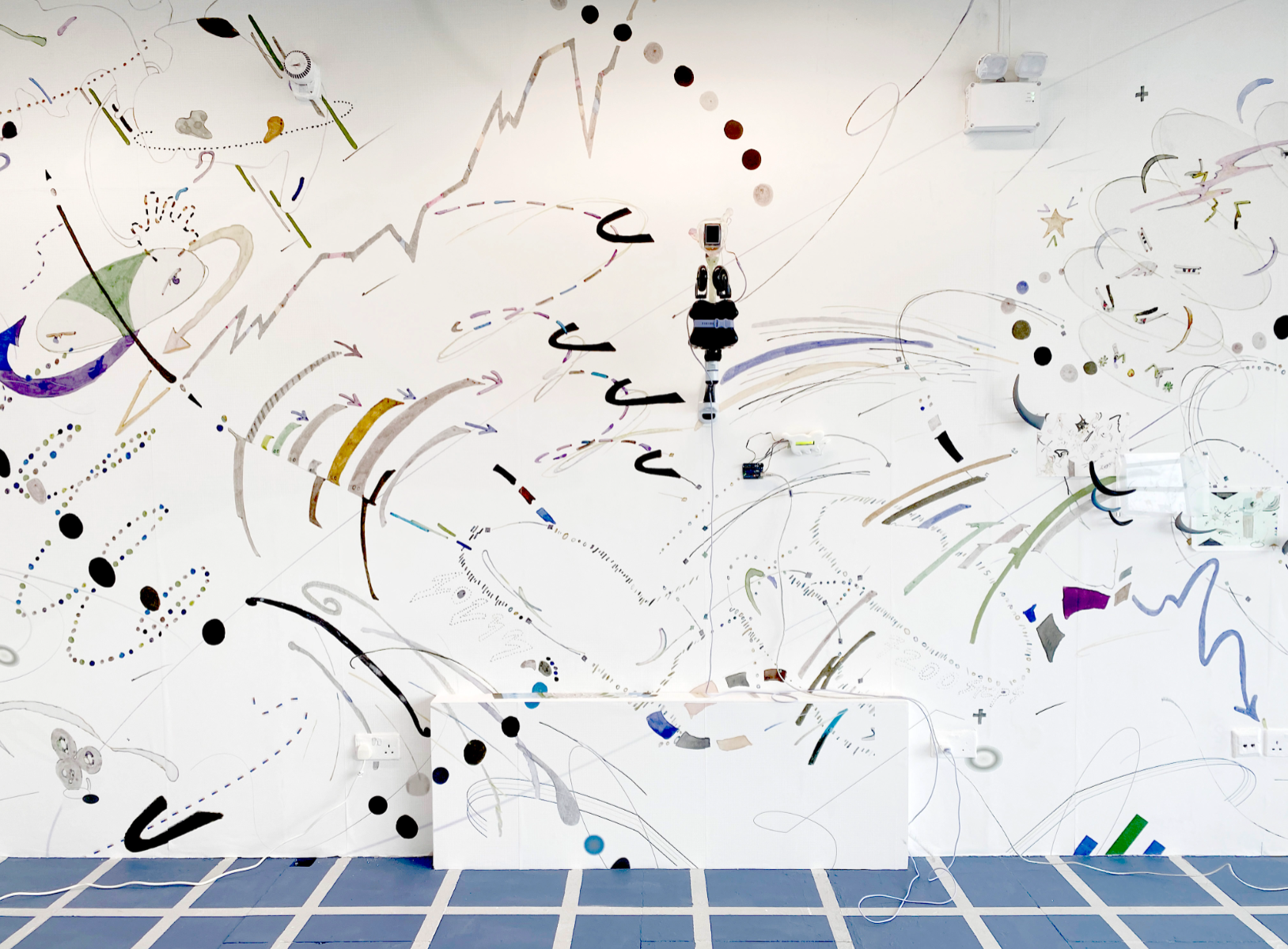
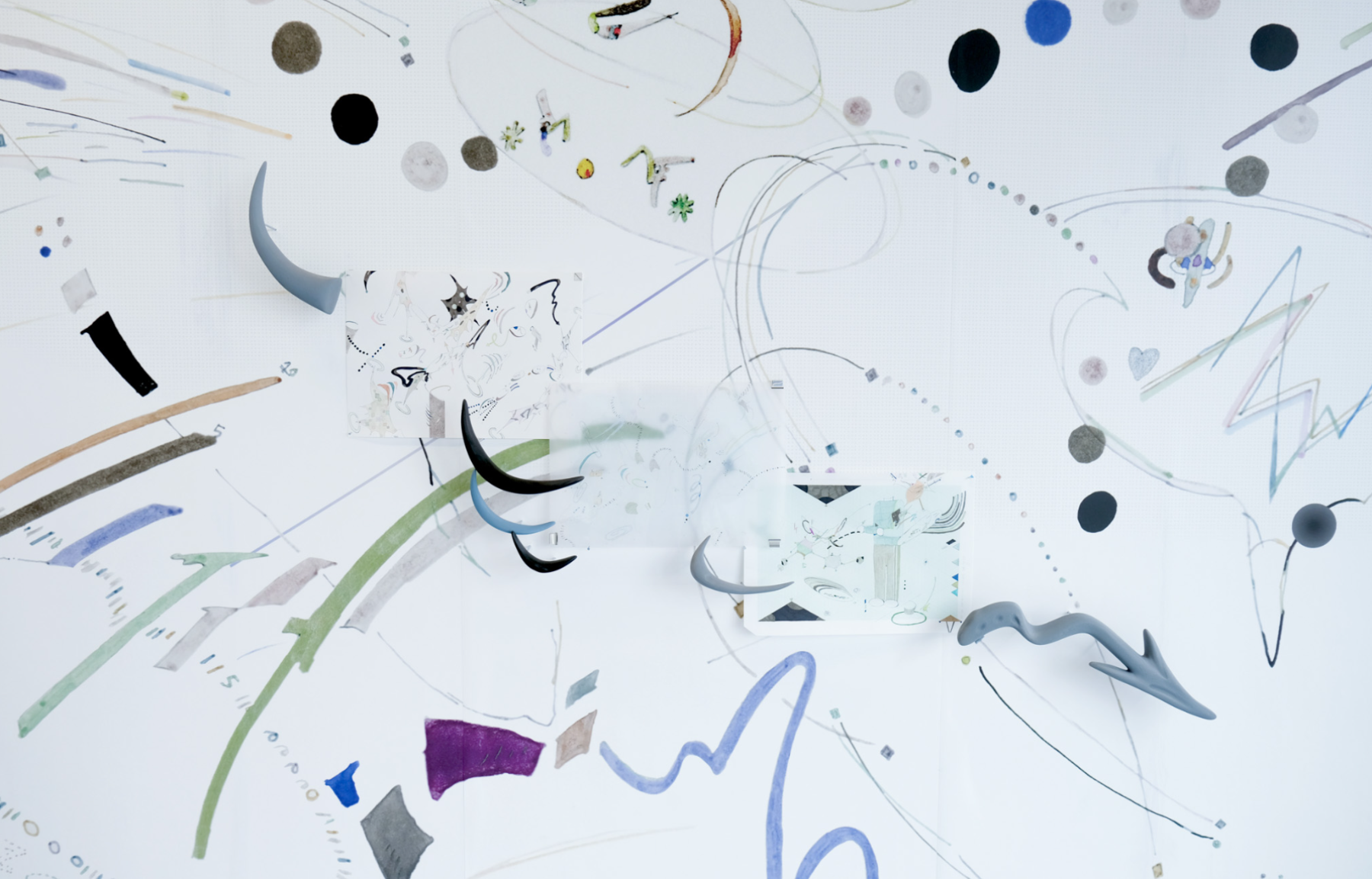
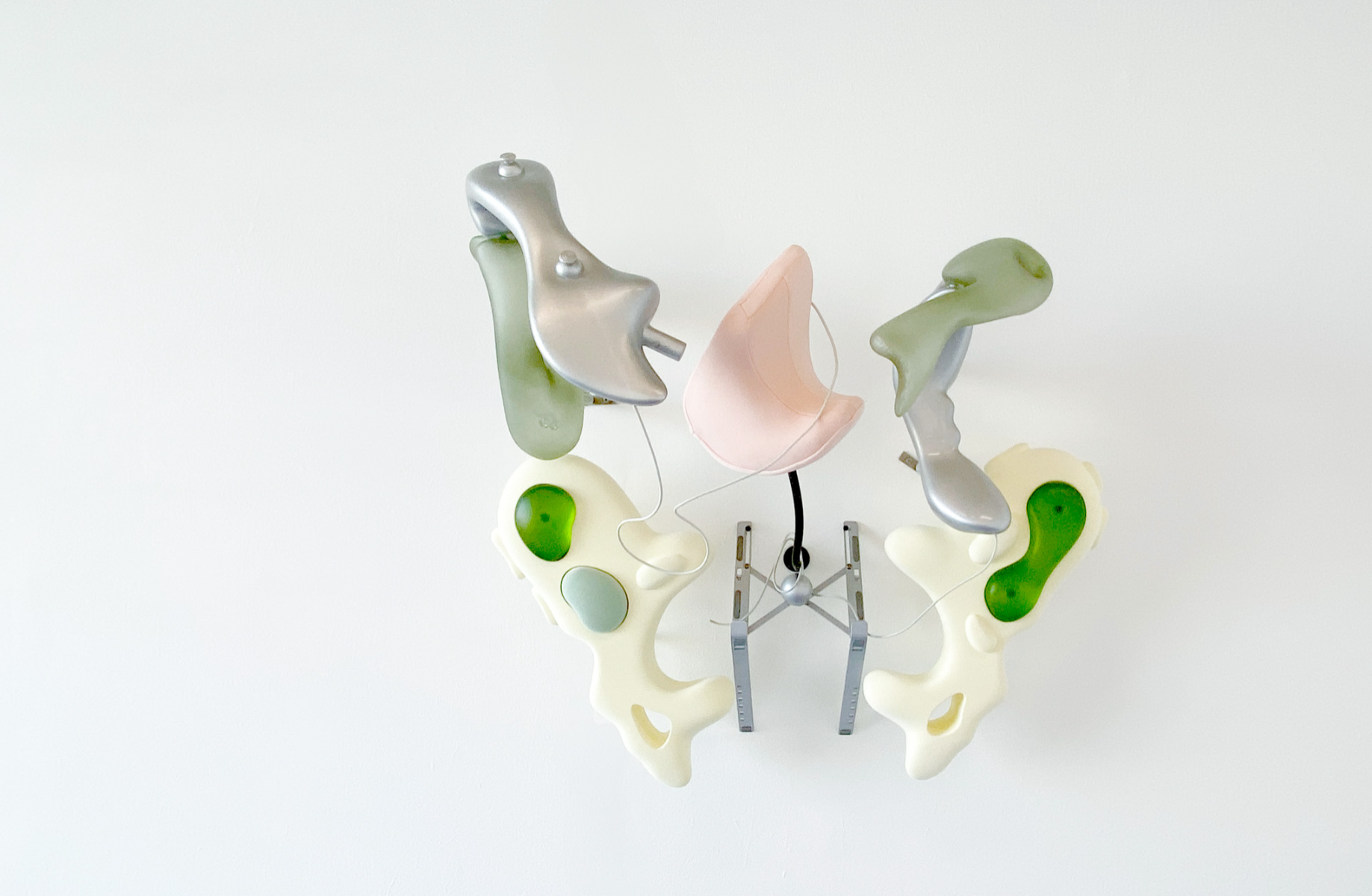
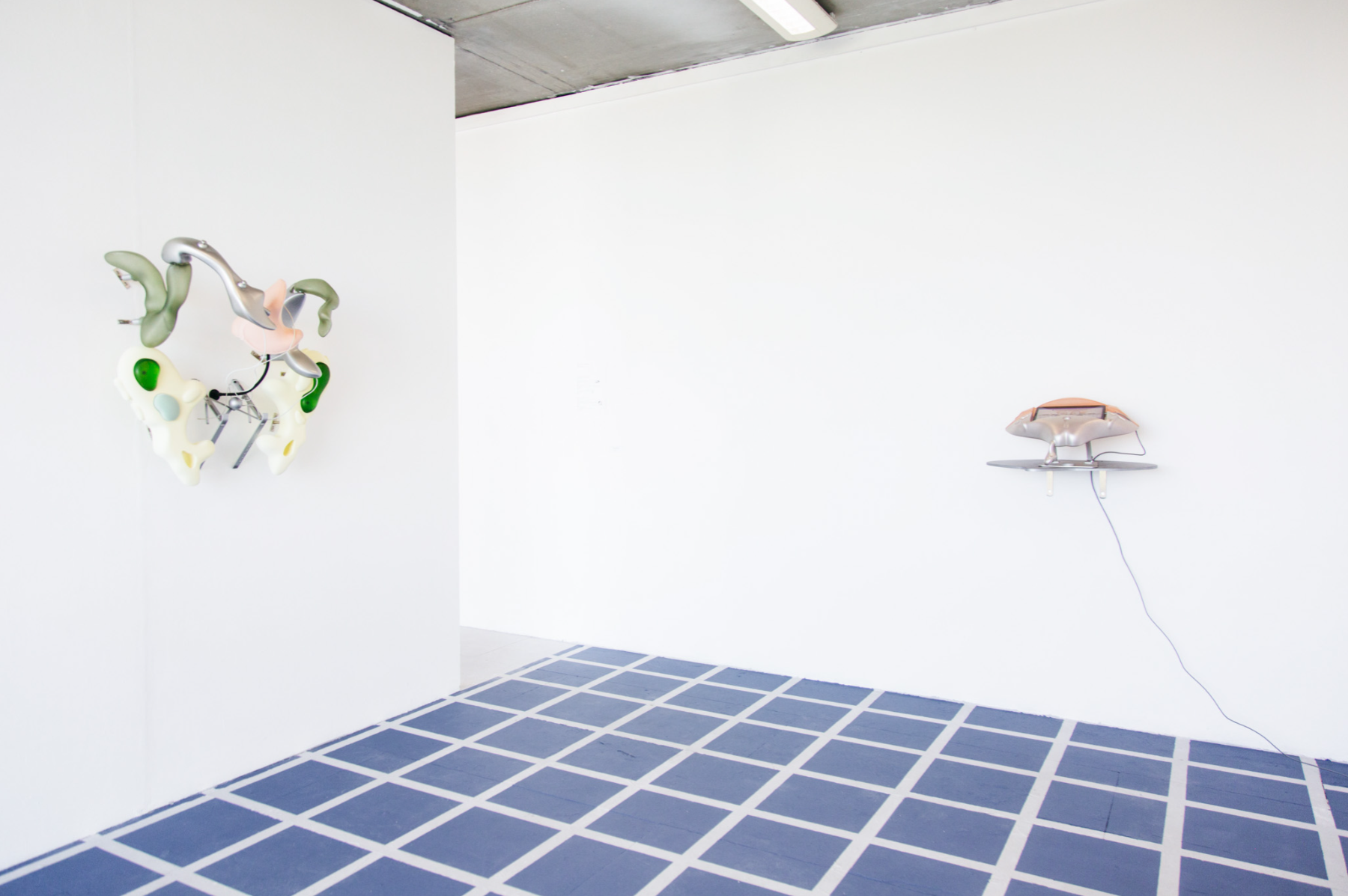
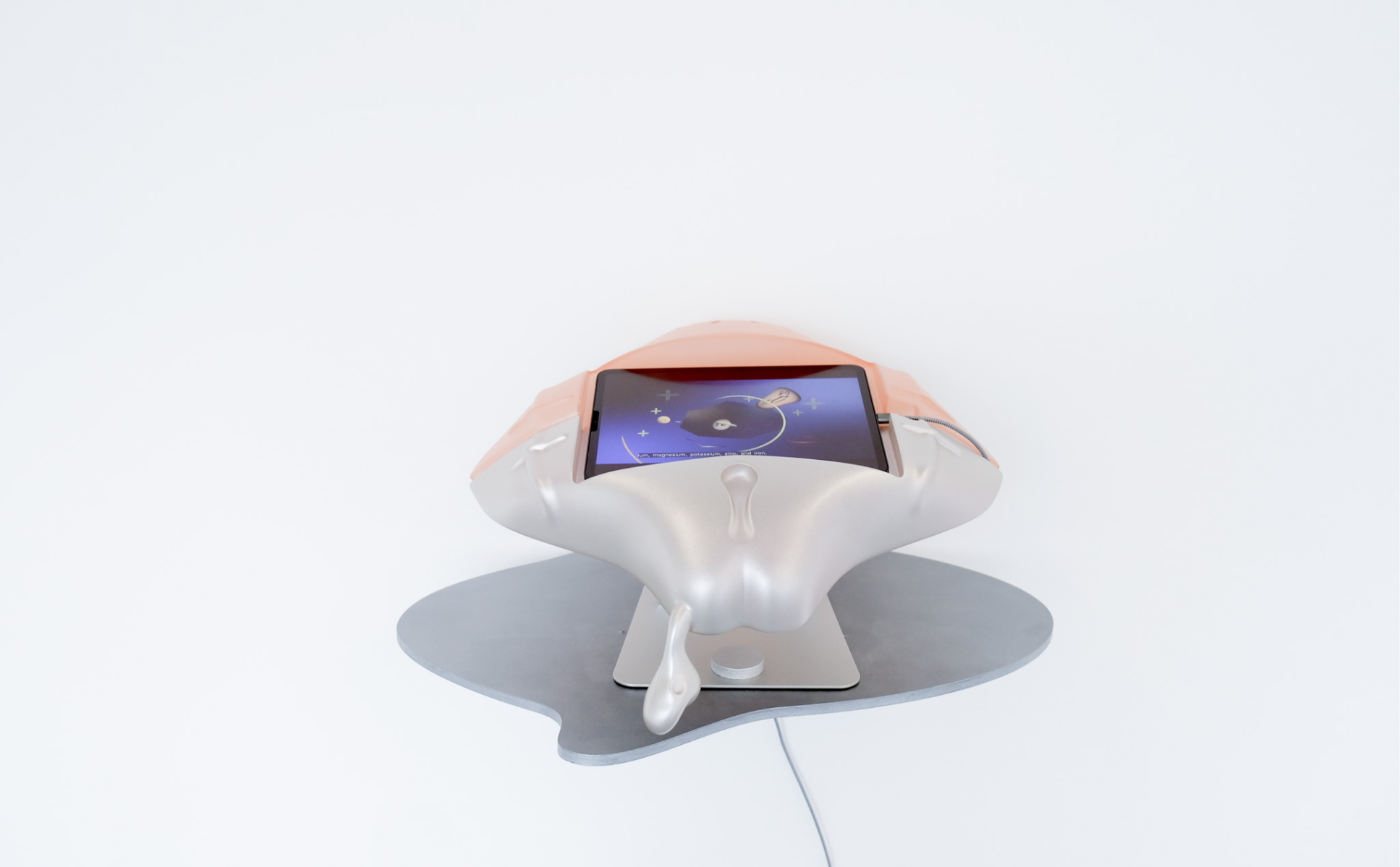
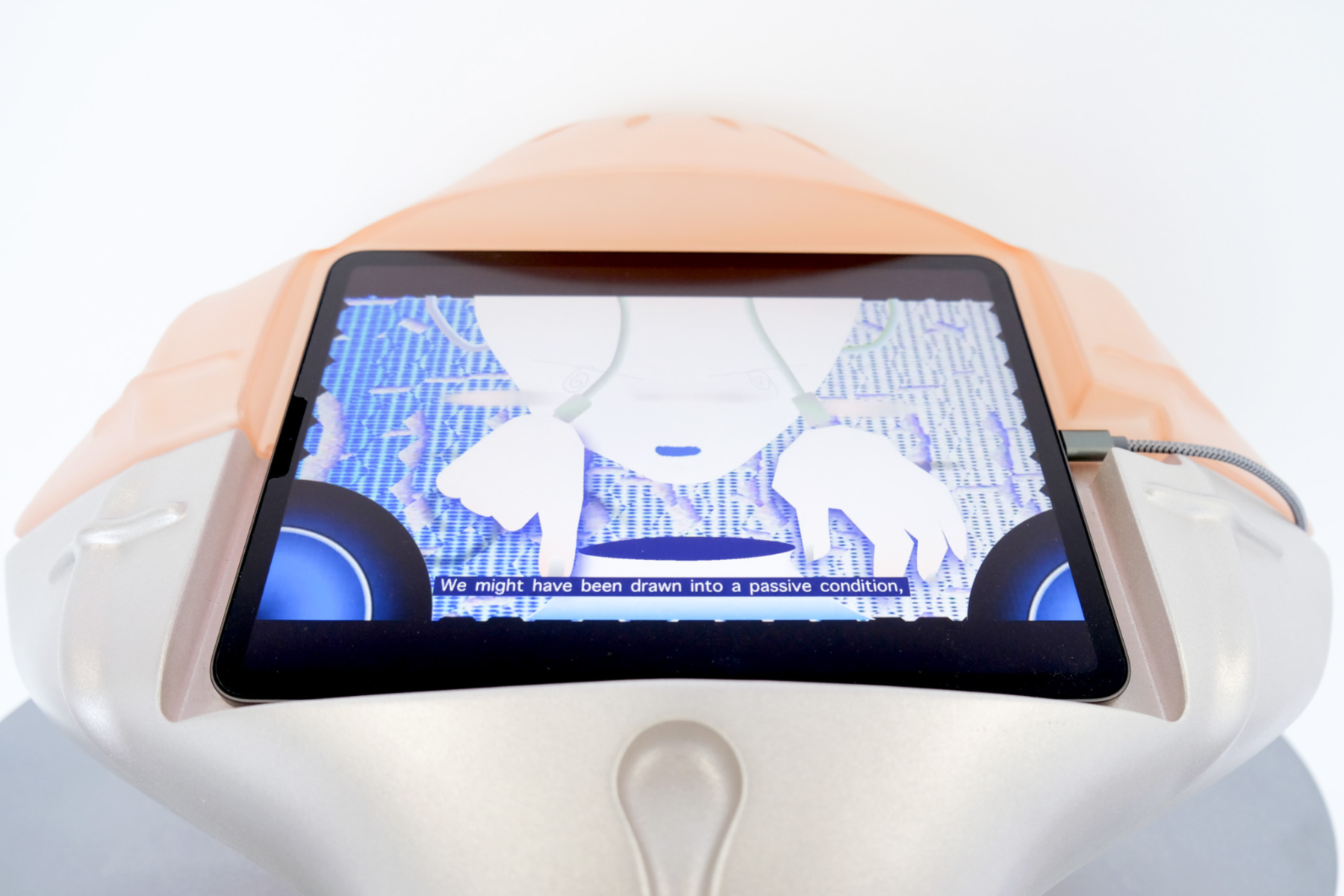
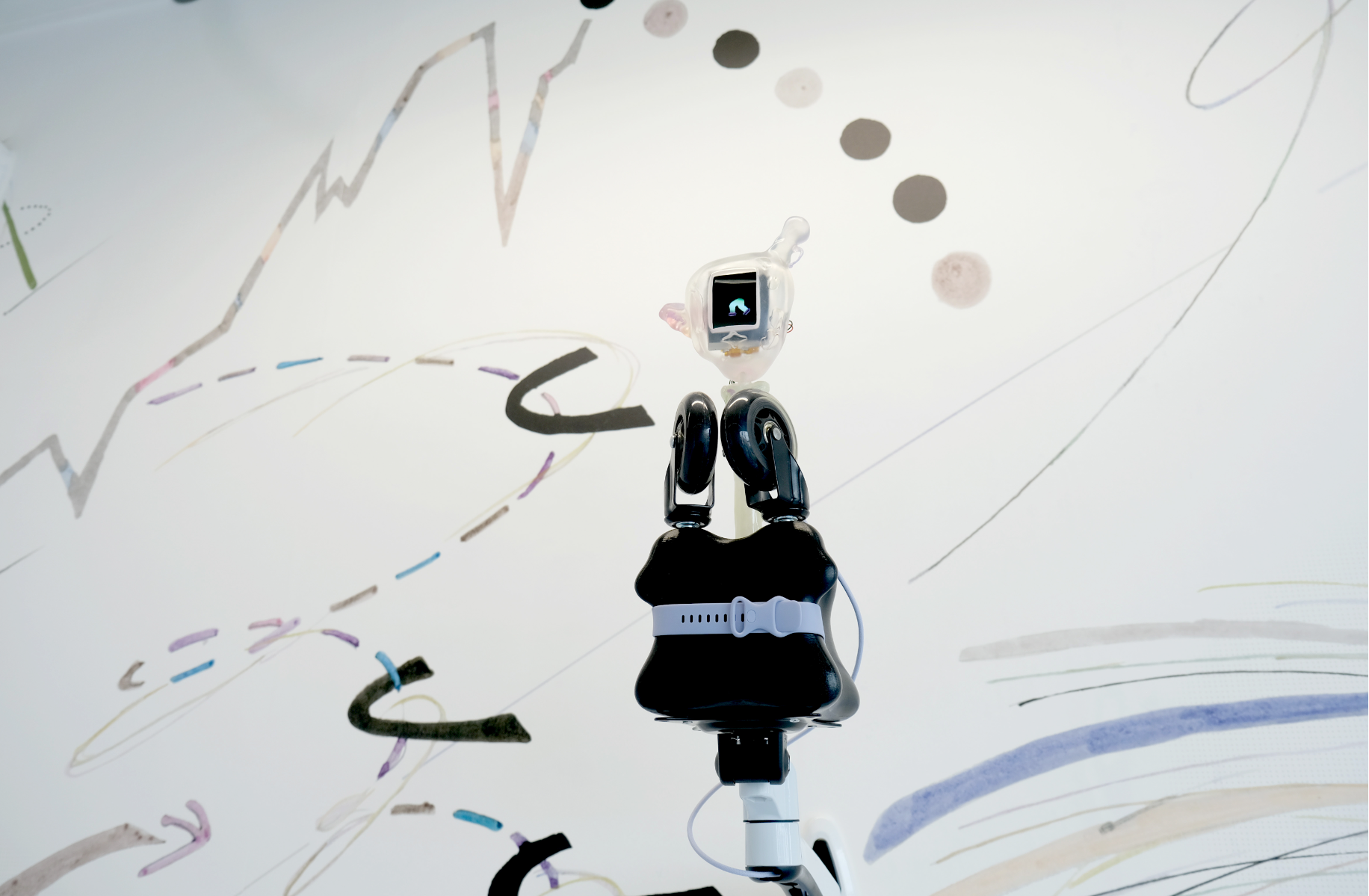
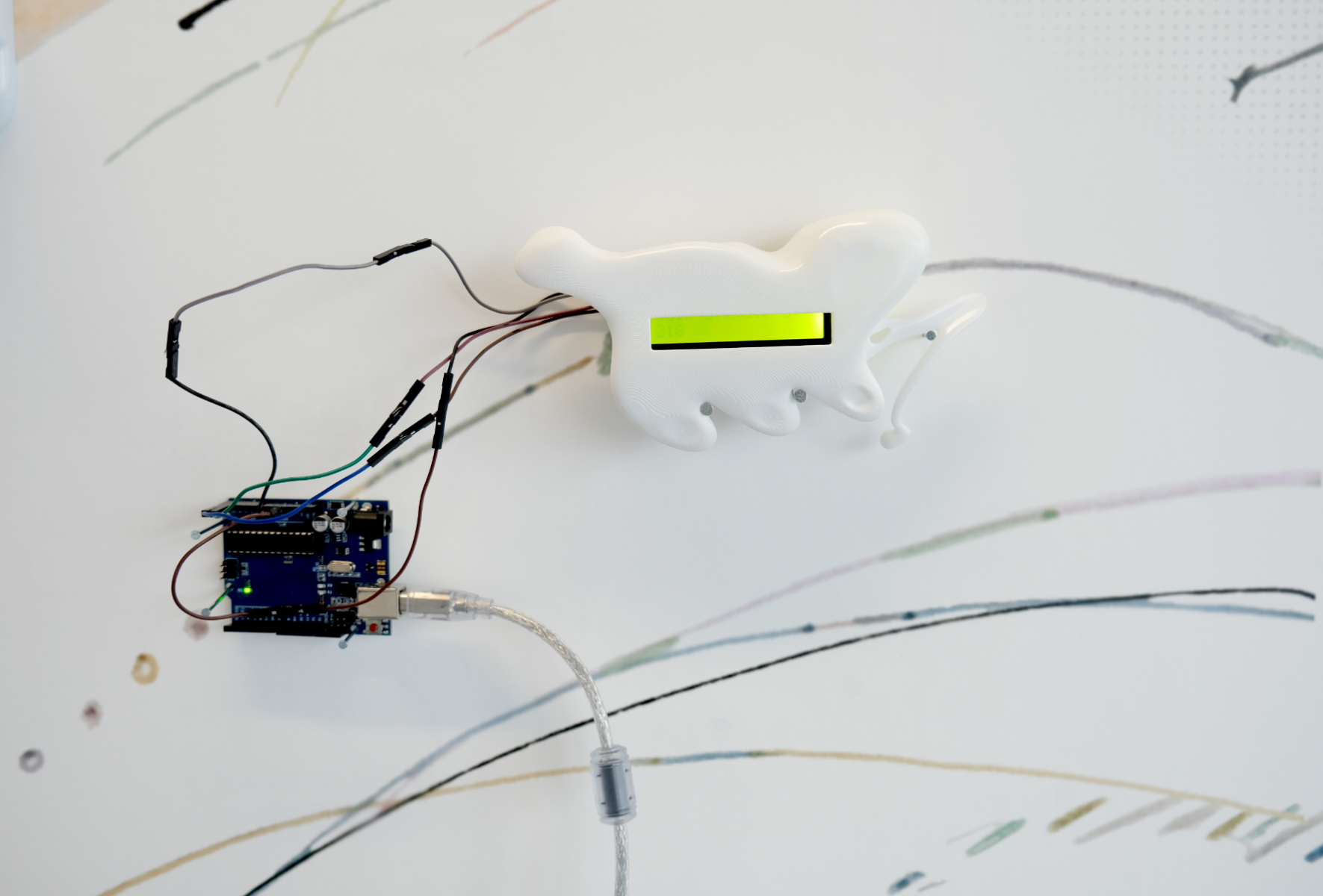
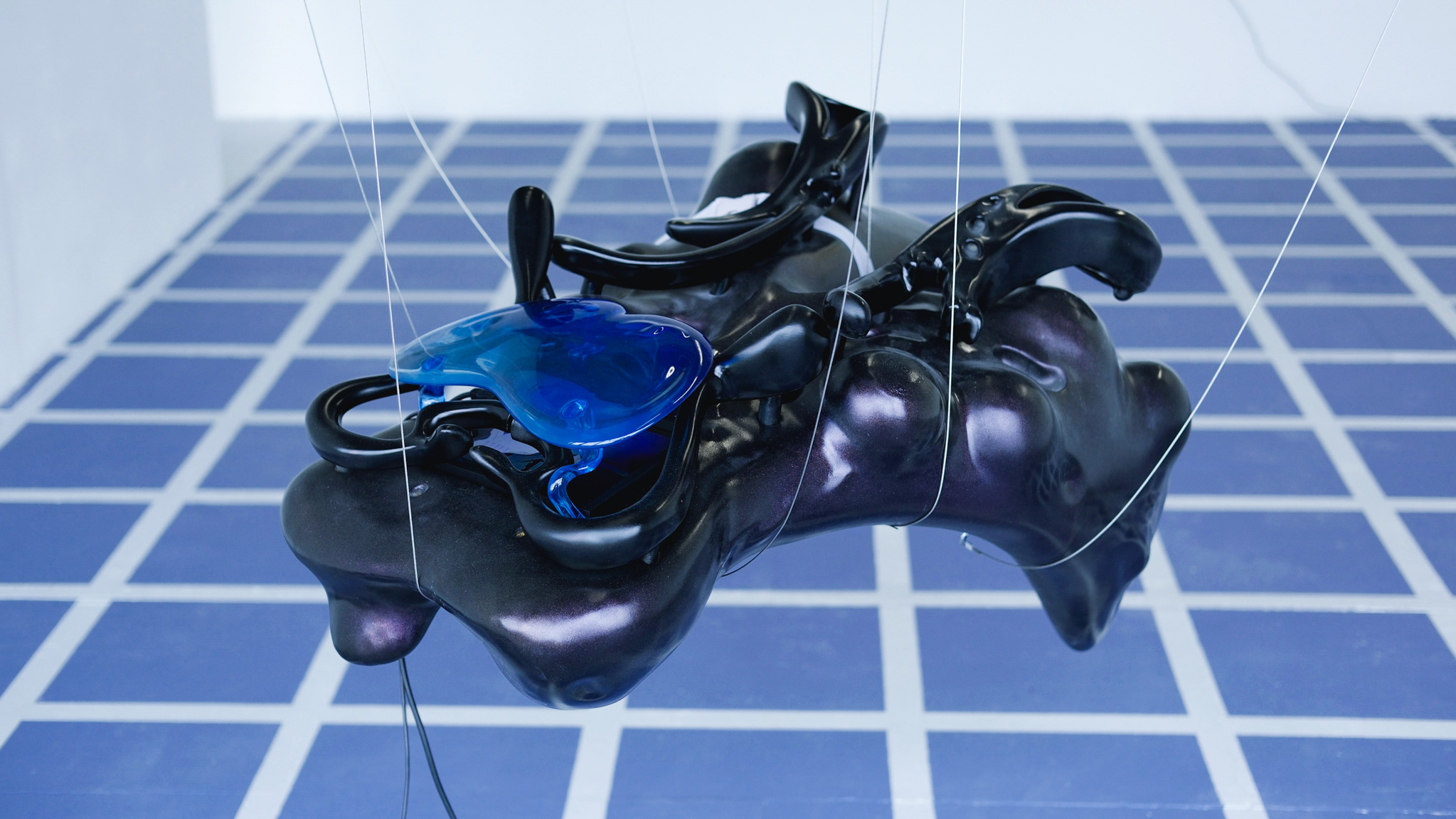
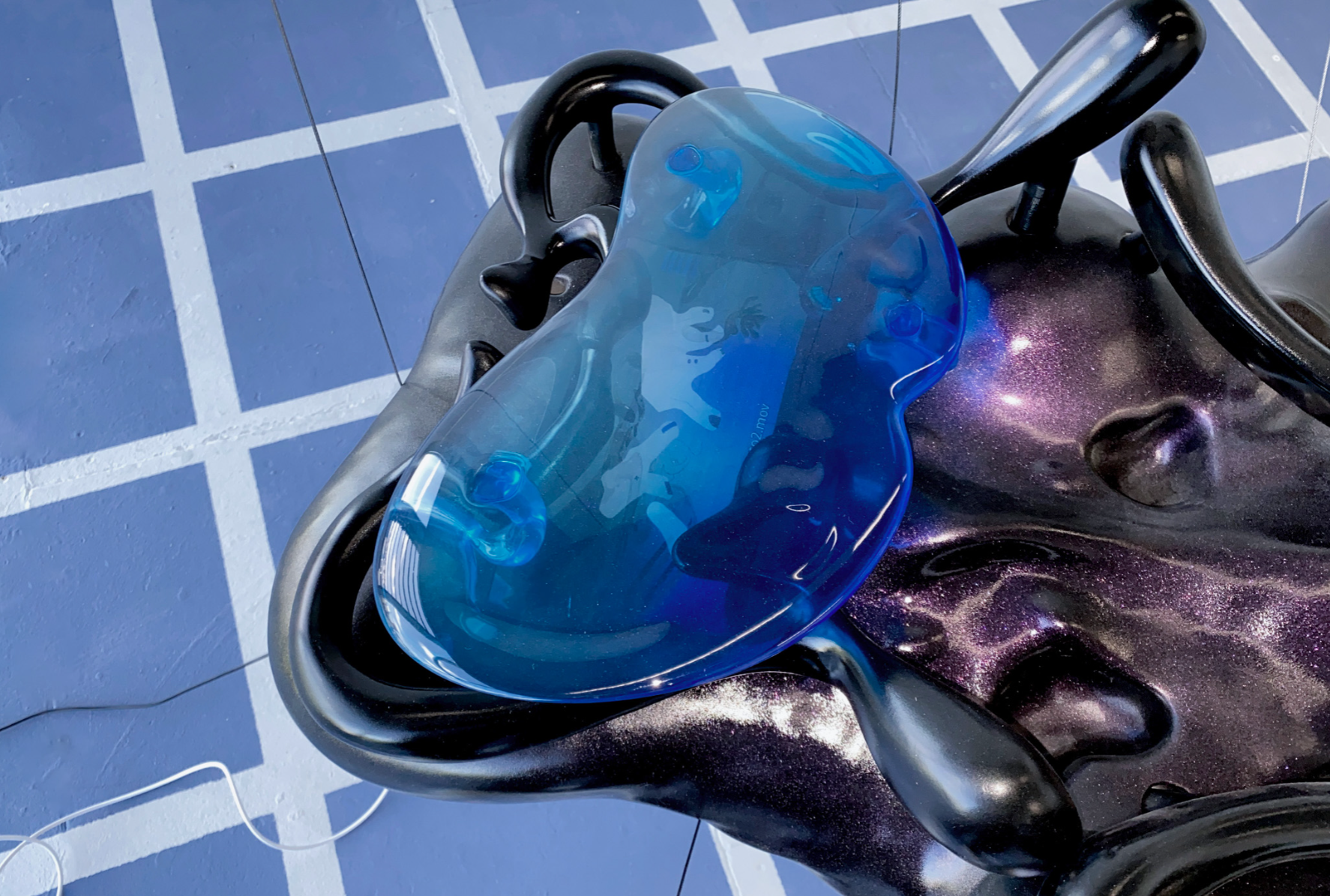
Personal technologies cling to the body: earphones to ears, phones to hands, humans and devices entangle as prosthetic extensions. No longer central, humans absorb machine-like traits, while technologies grow more “human.” Actions are shaped by interfaces, habits disciplined by design. In this hybrid coexistence, the tension of control unsettles perception and subjectivity, raising the question: if futures involve a shift of positions between human and nonhuman, how can subjectivity be reconfigured?
Competitions