Poulami Saha
Textile Design MA
Chelsea College of Arts UAL
Specialisms: Material Innovation / Sustainable Fashion/Textiles / Textile Innovation/Textile Art
Location: London, United Kingdom


Poulami Saha
First Name: Poulami
Last Name: Saha
Specialisms: Material Innovation / Sustainable Fashion/Textiles / Textile Innovation/Textile Art
Sectors:
My Location: London, United Kingdom
University / College: Chelsea College of Arts UAL
Course / Program Title: Textile Design MA
About
Poulami is a textile and material designer whose practice moves between craft, biodesign, and cultural storytelling.
Coming from a background in luxury fashion and couture, her work has gradually shifted towards understanding how materials perform, behave, and carry meaning.
She is drawn to what is routinely discarded: organic waste, everyday by-products, materials that hold traces of labour, culture, and memory. Working with biomatter and natural processes, she develops material systems that sit between craft and experimentation, shaped by her upbringing in Bengal.
Her practice reflects on the relationship between people, food, and environment, questioning how design can respond to existing material cycles rather than producing new ones.

Fragments of Shrinking Shore
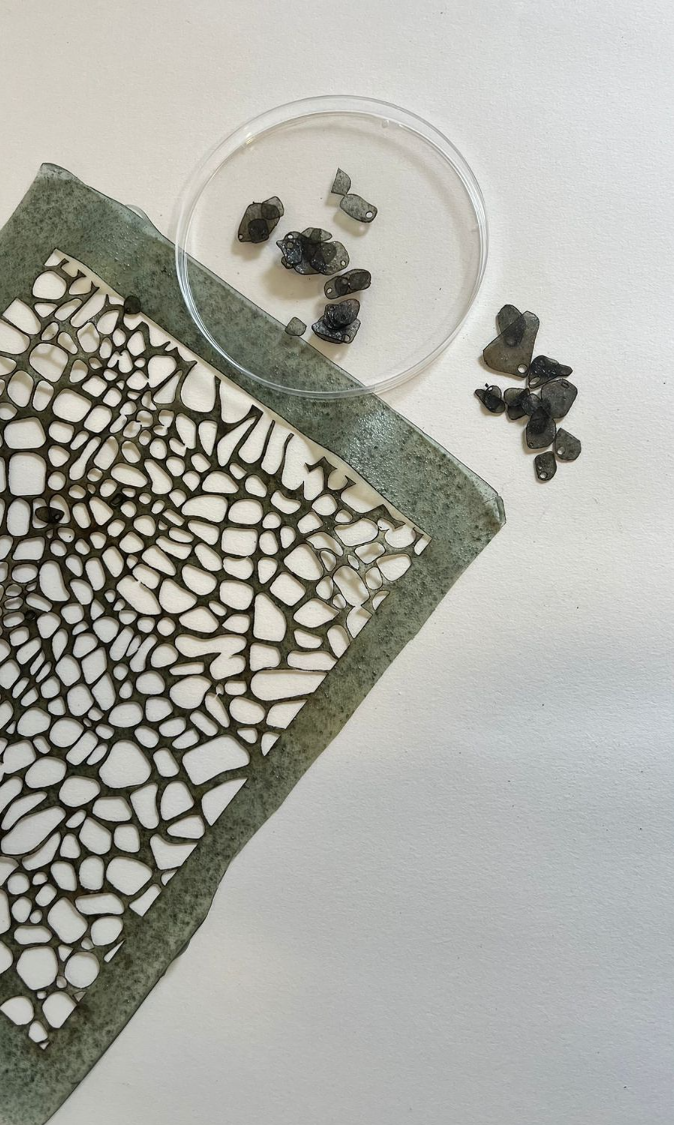
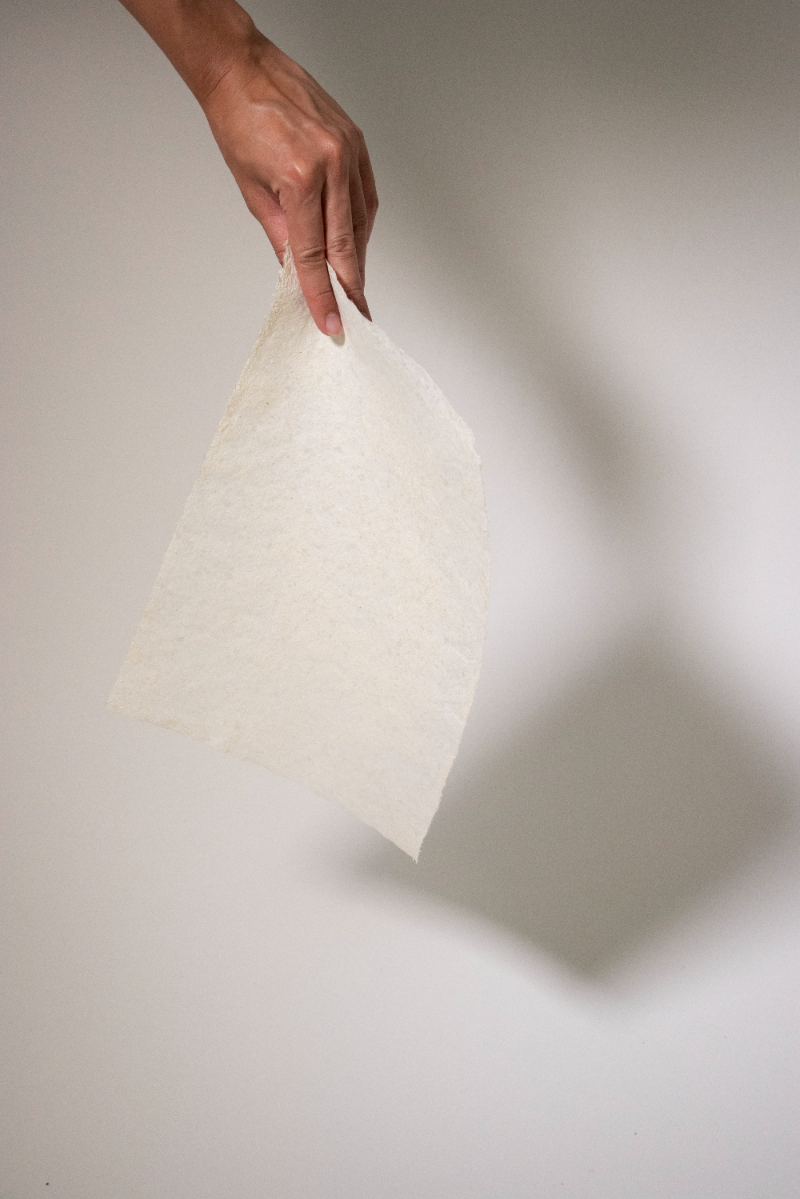
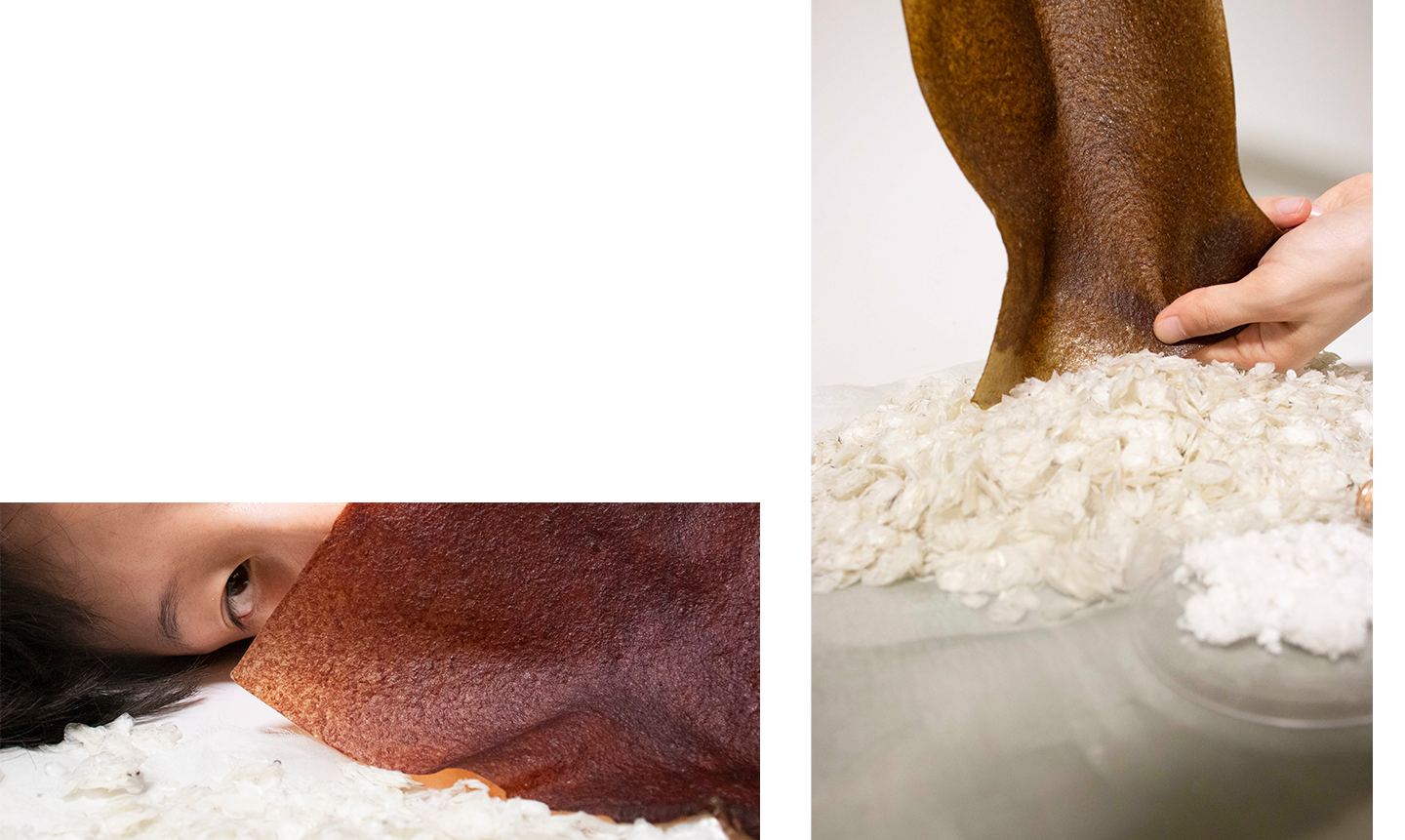
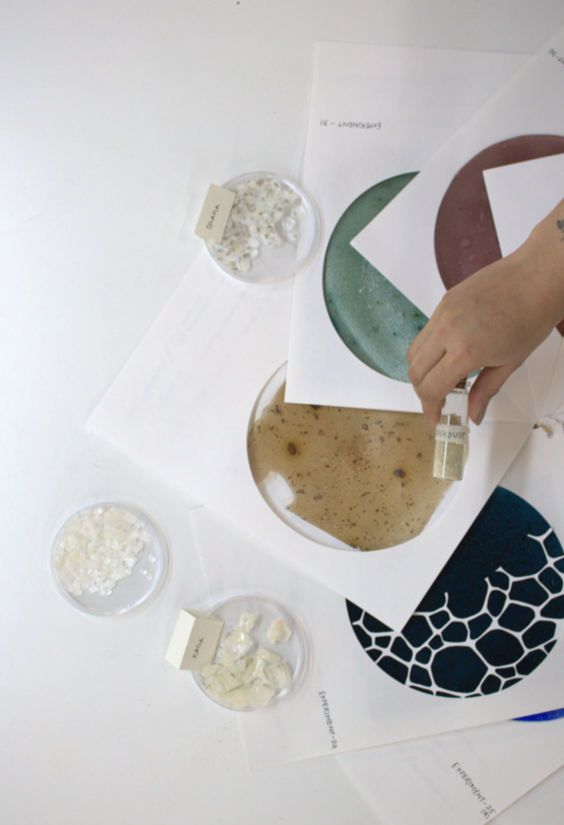
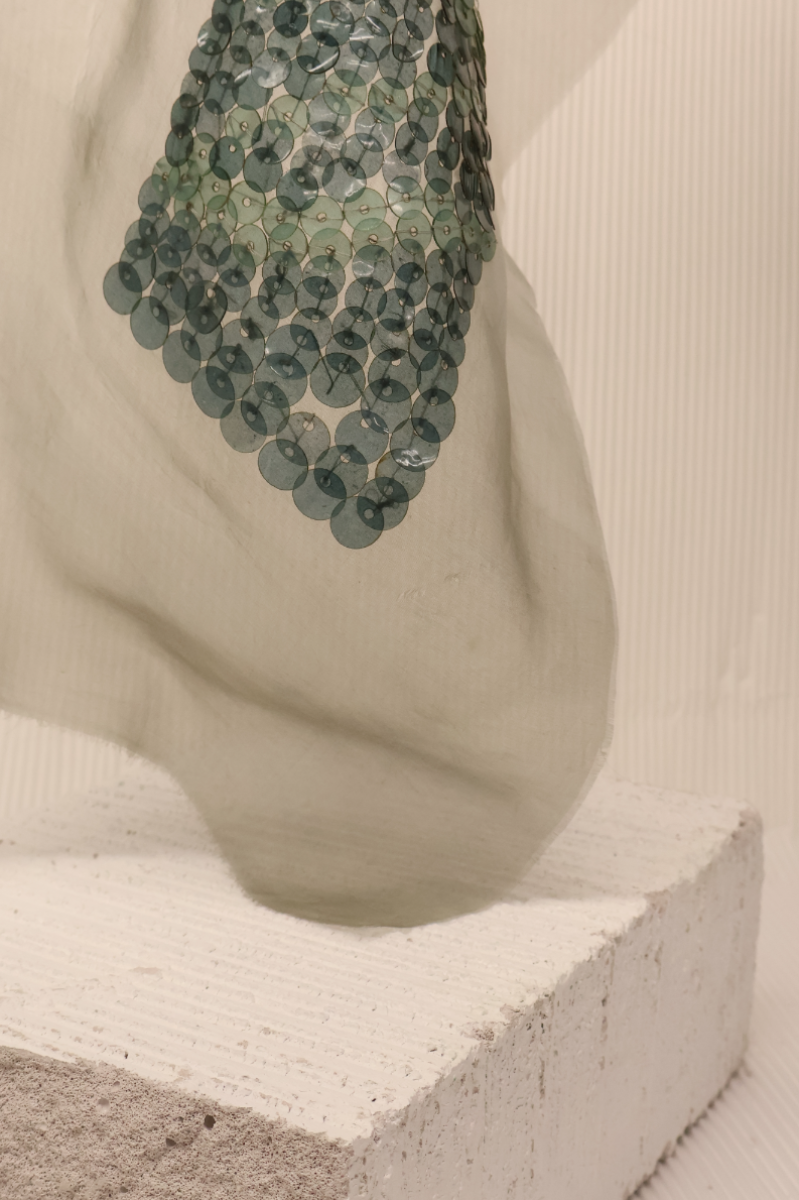
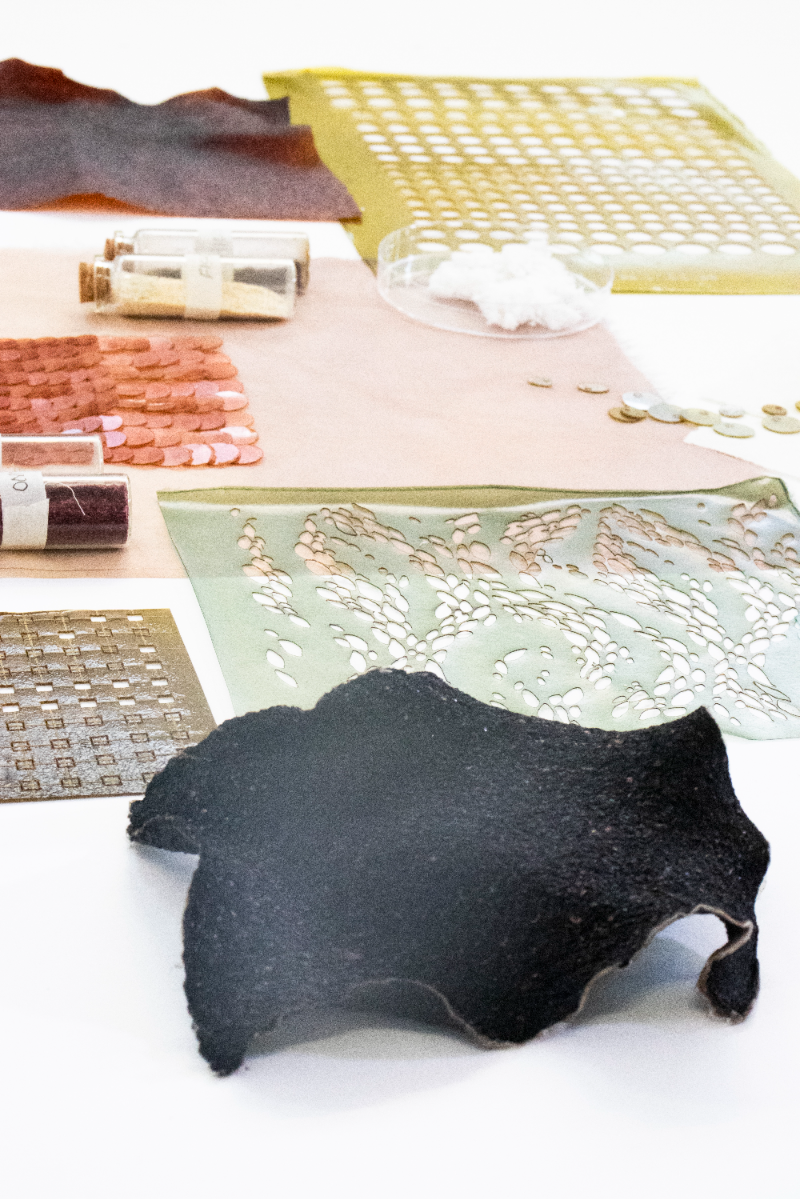
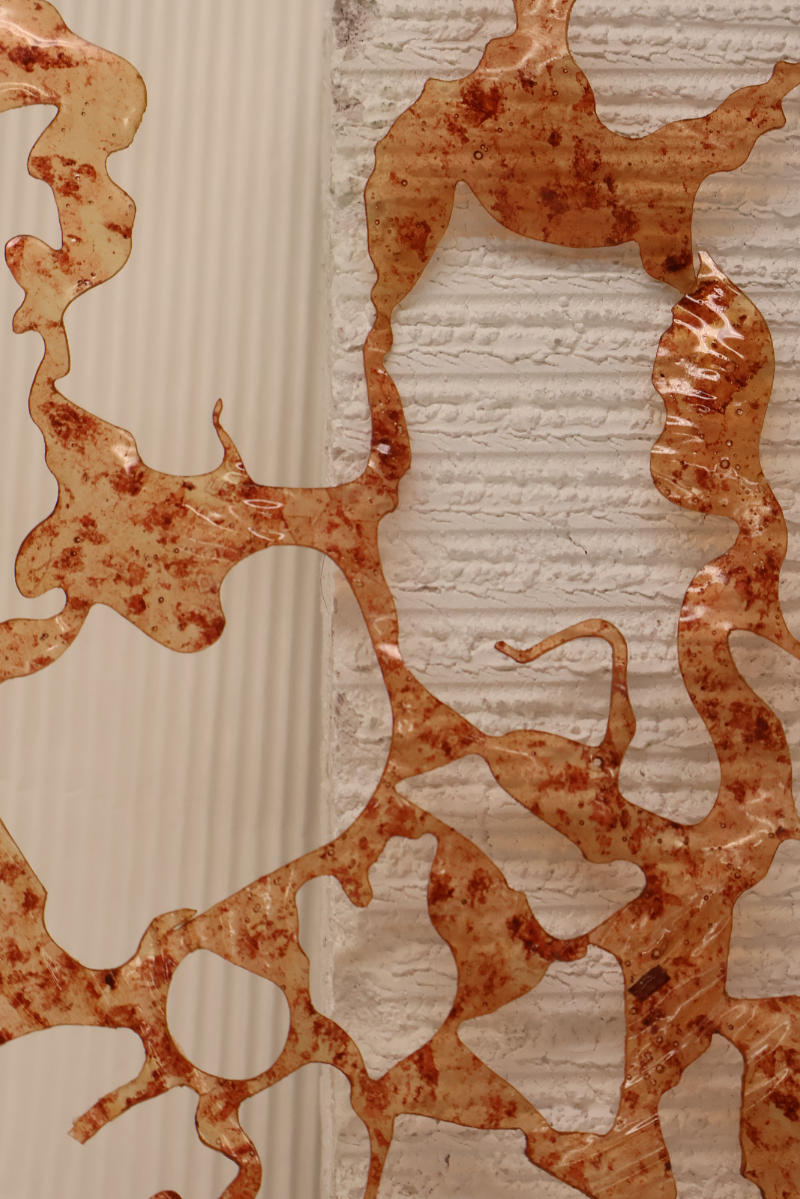
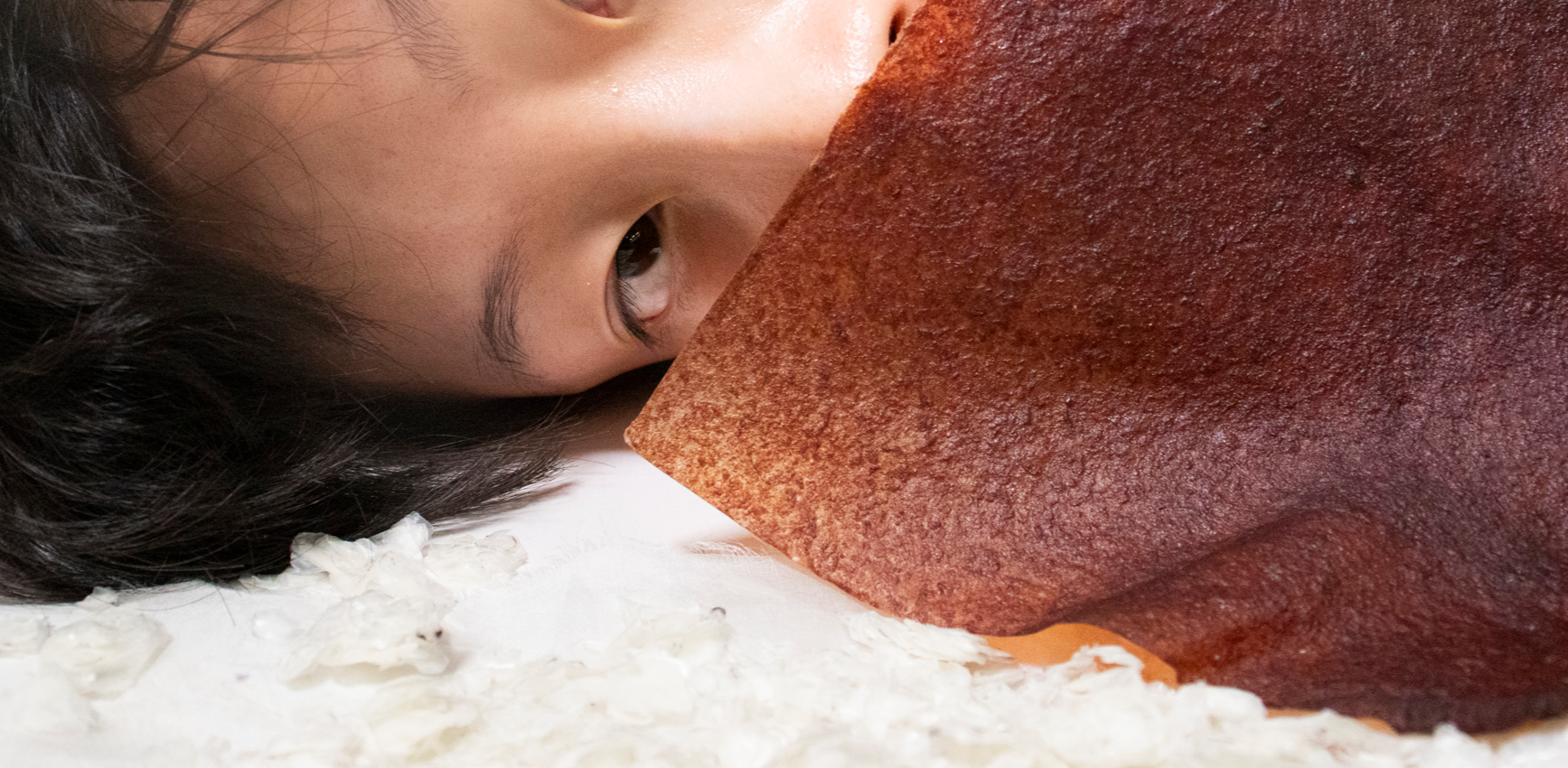
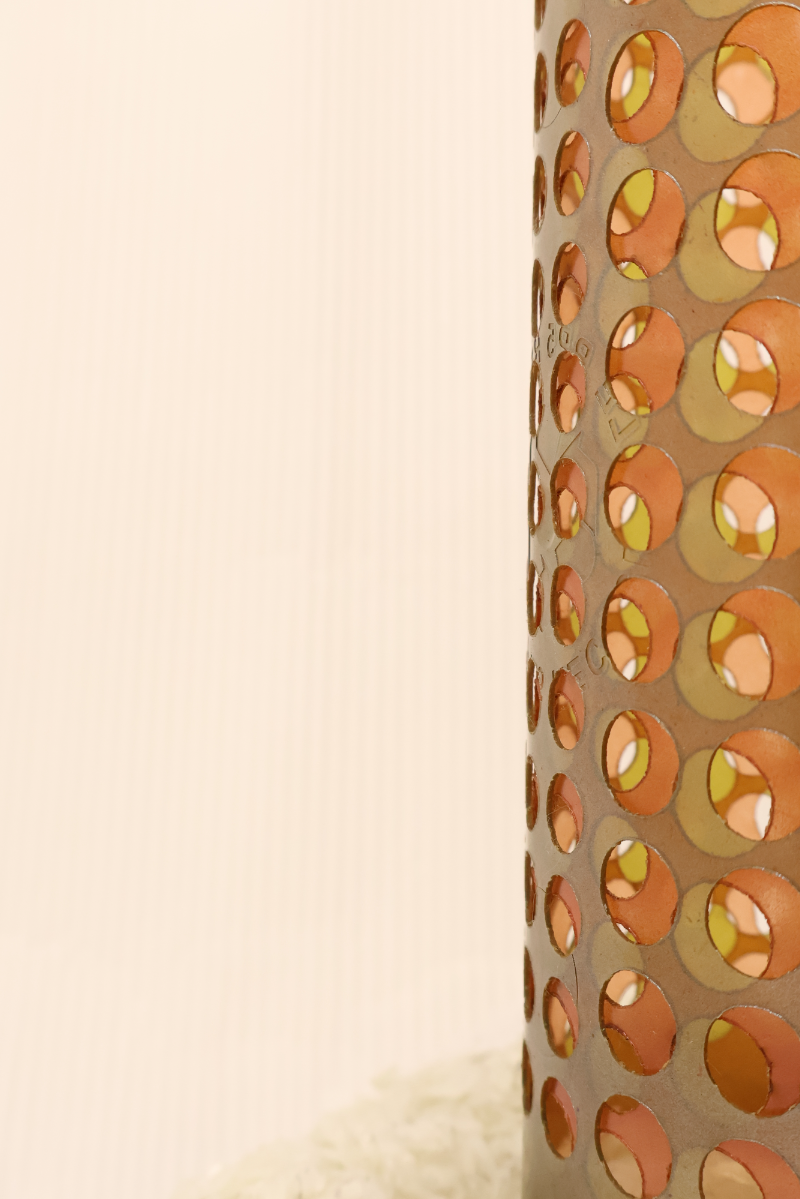
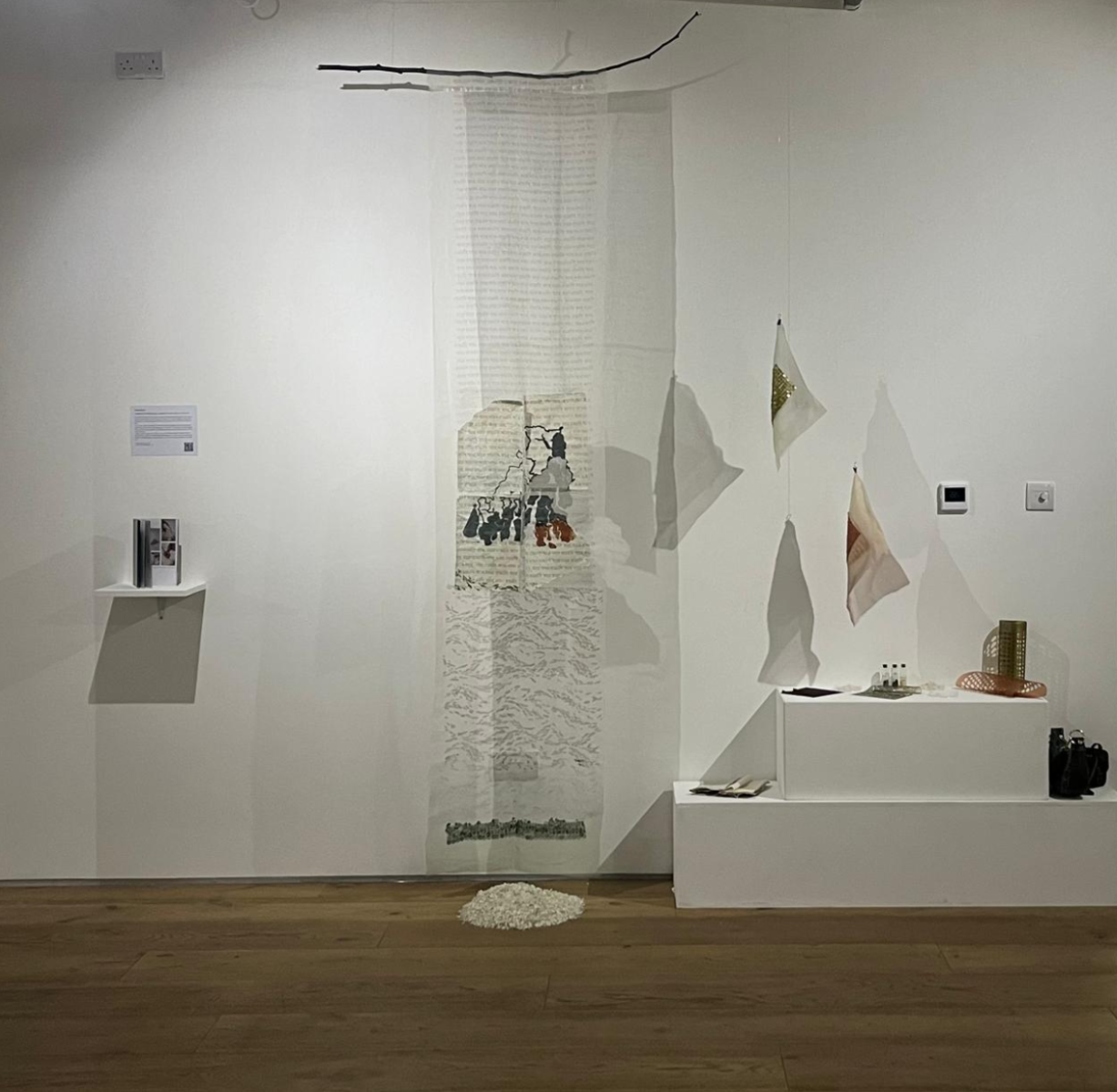
My research and practice presents a material-led response to ocean microplastic pollution and fashion industry's significant contribution to it. Using fish scales, a widely discarded marine by-product, the practice explores surface textiles and embellishment alternatives, including biodegradable sequins, leathers and papers. The research is shaped by concerns around rising sea levels and delta erosion in the Bengal region, where ecological change is displacing fishing communities and threatening cultural landscapes at pace. Drawing from my personal heritage rooted in Bengal, a culture where fish is more than just food, I am drawn to fish scales as a material that resonates personally. This work brings together material experimentation and regional symbolism to propose more responsible design futures. By using fish scales both as waste and cultural reference, the practice connects biodesign with identity, aiming to shift how we value materials. It advocates for low-tech, sustainable alternatives that honour place, memory, and community, while addressing urgent environmental challenges.
Competitions