Melanie Gloria Wisser
Product design diploma
HFG Karlsruhe University of Arts and Design
Specialisms: Design for Social Good / Furniture / Product Design
Location: Karlsruhe, Germany
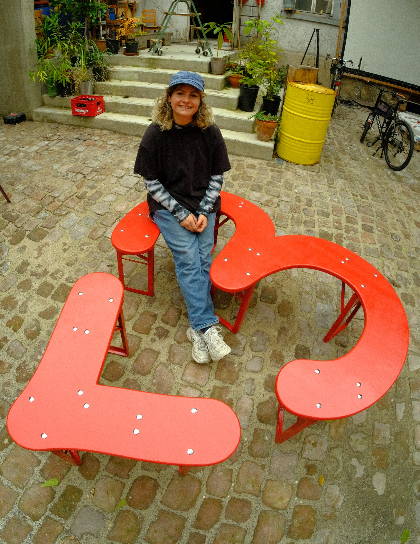

Melanie Gloria Wisser
First Name: Melanie Gloria
Last Name: Wisser
Specialisms: Design for Social Good / Furniture / Product Design
Sectors:
My Location: Karlsruhe, Germany
University / College: HFG Karlsruhe University of Arts and Design
Course / Program Title: Product design diploma
About
Melanie Gloria Wisser is a product designer with a background in craftsmanship. She trained as a carpenter in the Black Forest in Germany before studying product design in Karlsruhe.
Her hands-on experience with materials and construction laid the foundation for her interest in furniture, while also giving rise to a desire to move beyond purely functional and craft-based design.
During her product design studies, her focus increasingly shifted toward conceptual questions: What stories do pieces of furniture tell? Why do they take a particular form, and in what contexts are they used? Her work therefore understands furniture not only as functional objects, but also as carriers of narratives, relationships, and situations.
Many of her projects operate at the intersection of object, space, and social context. Social issues and cultural exchange are recurring starting points in her work. Melanie Gloria Wisser sees design as an open process in which social dynamics become visible and inform the development of furniture. For her, social design is a central component of contemporary design.
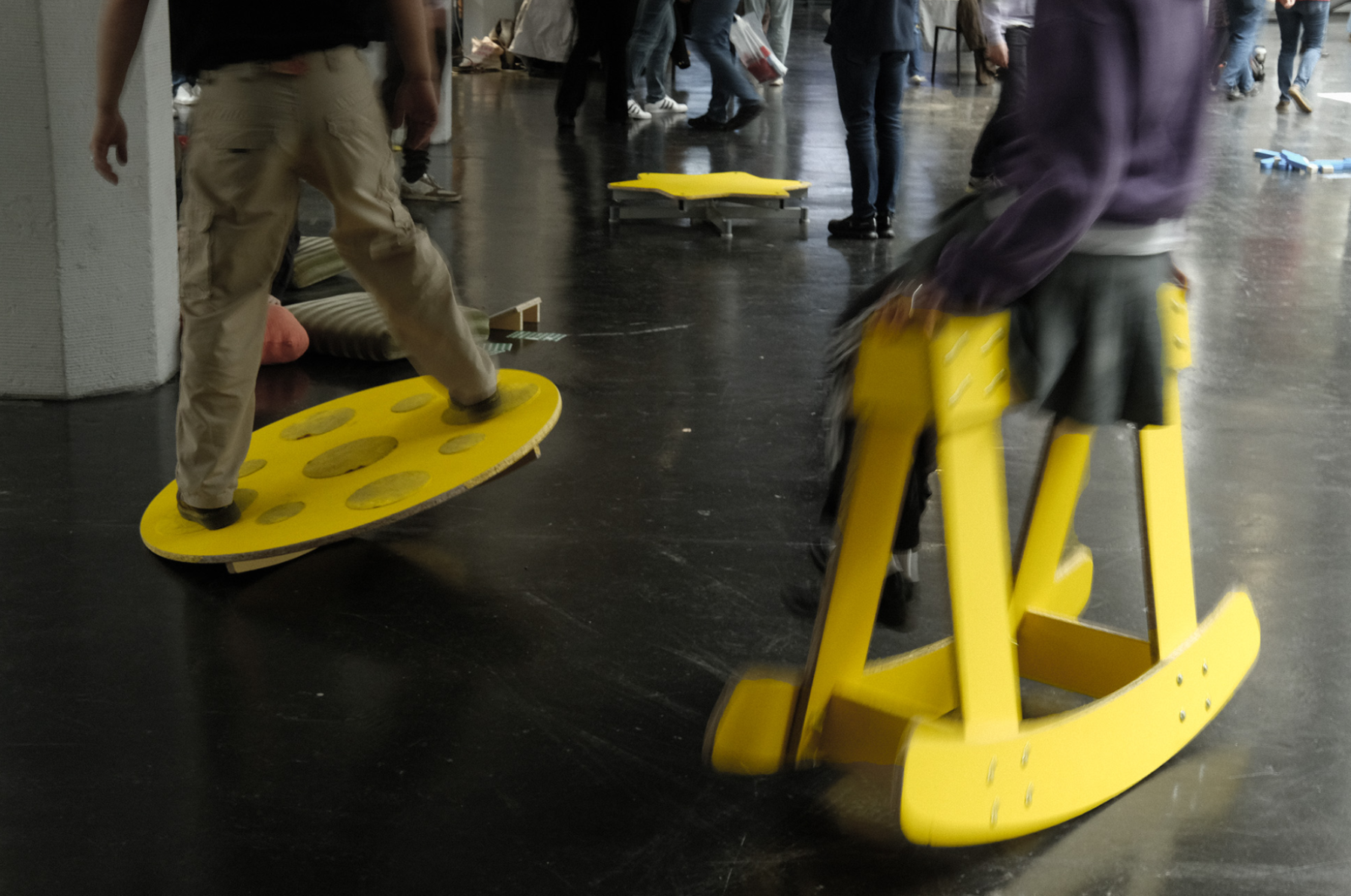
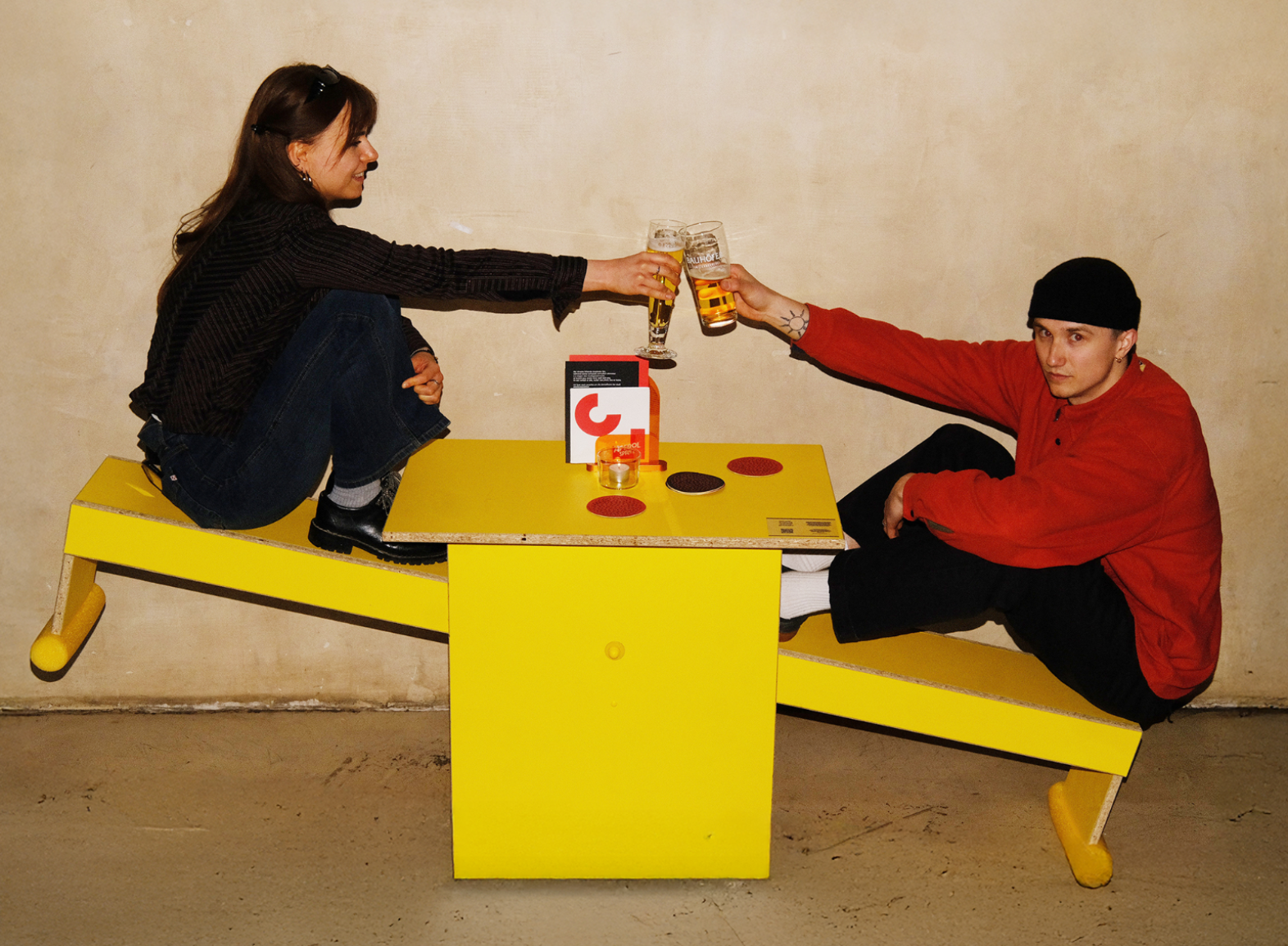
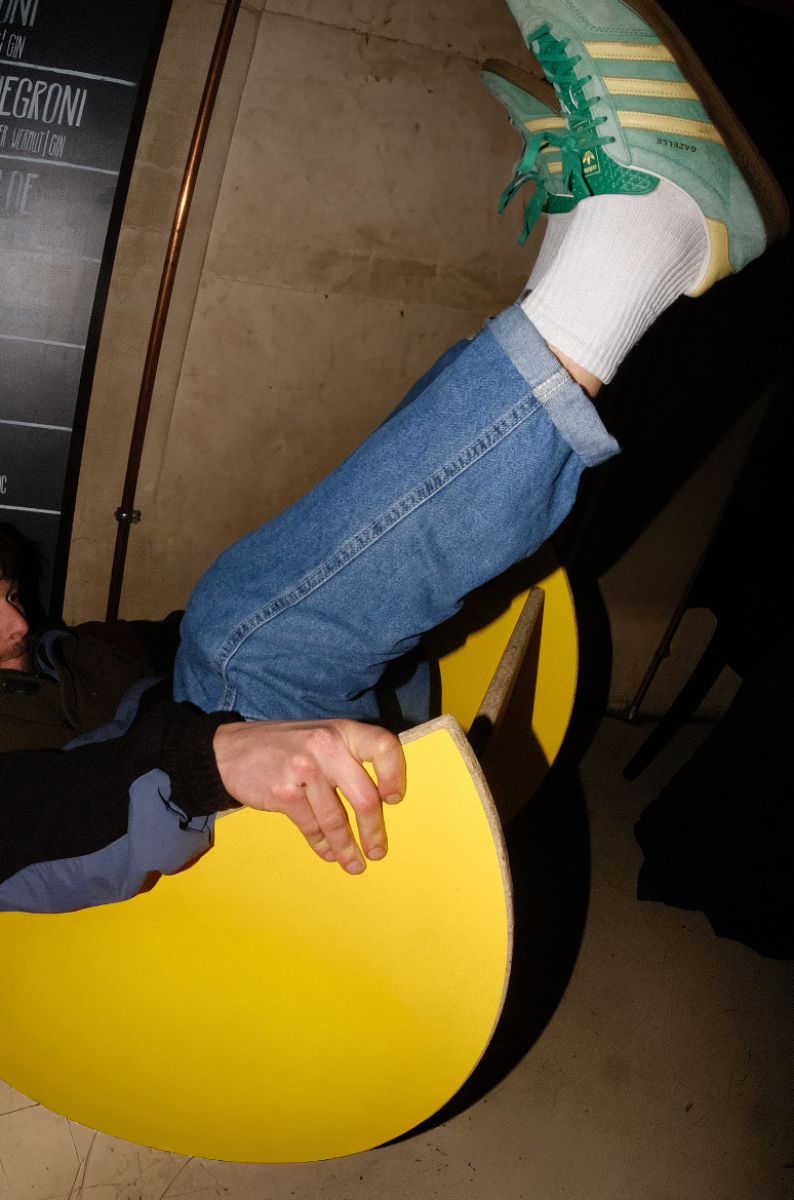
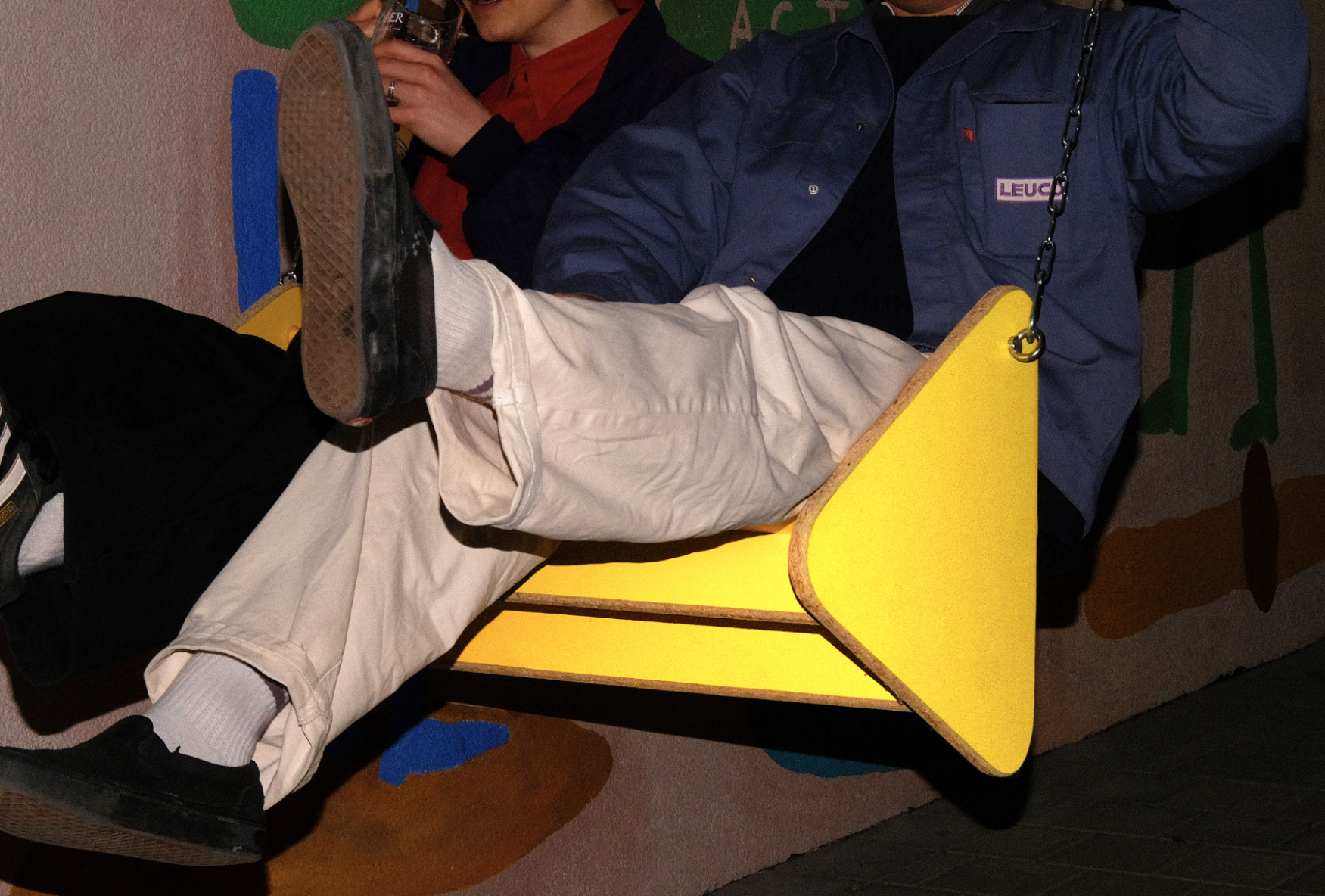
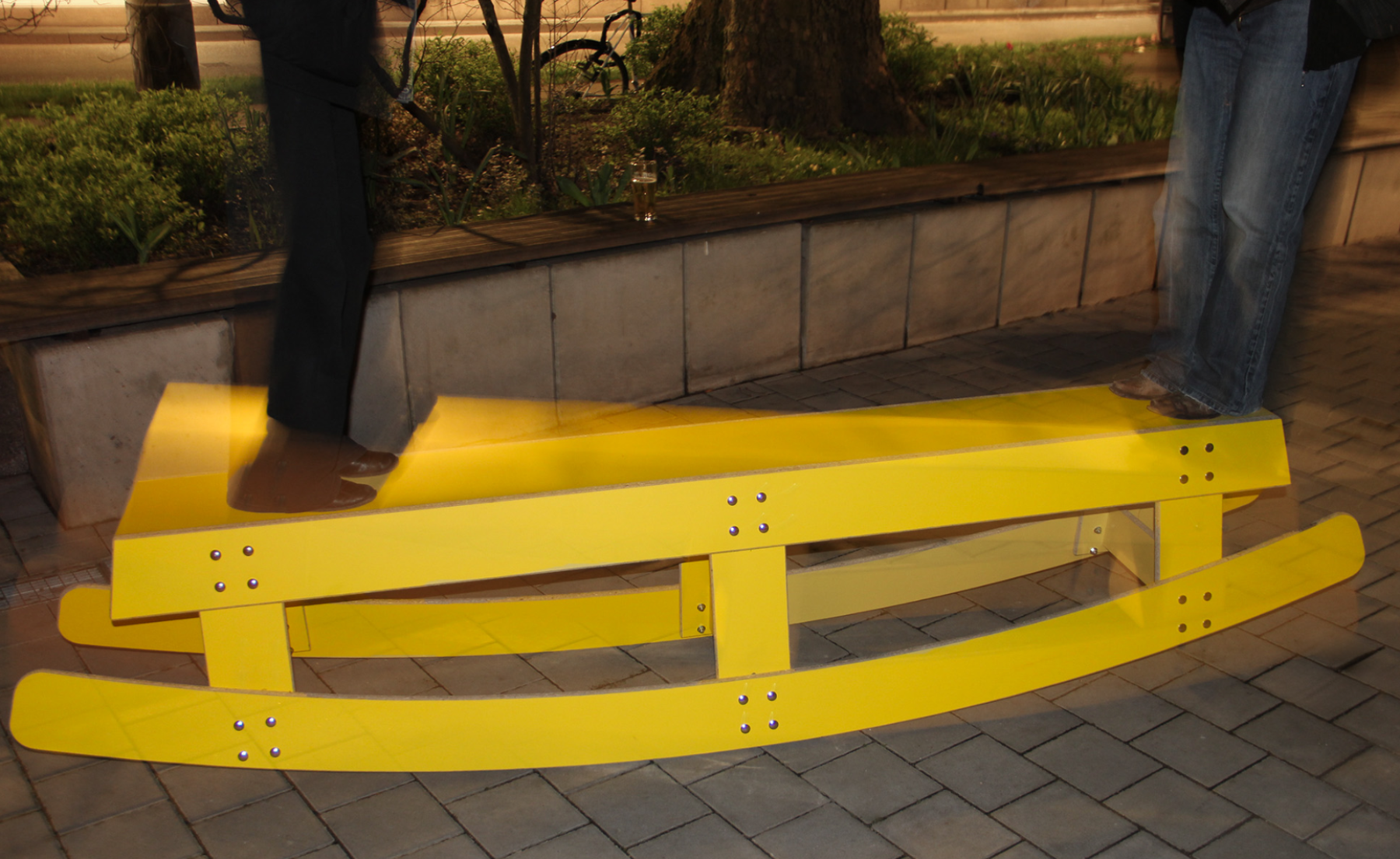
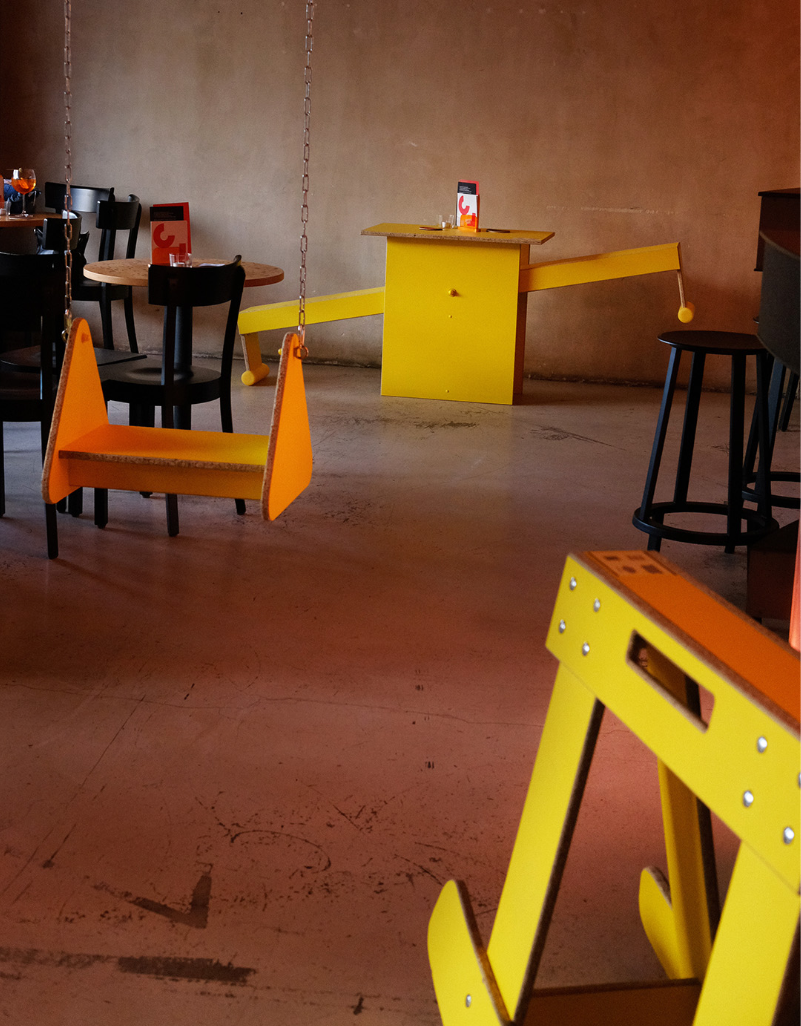
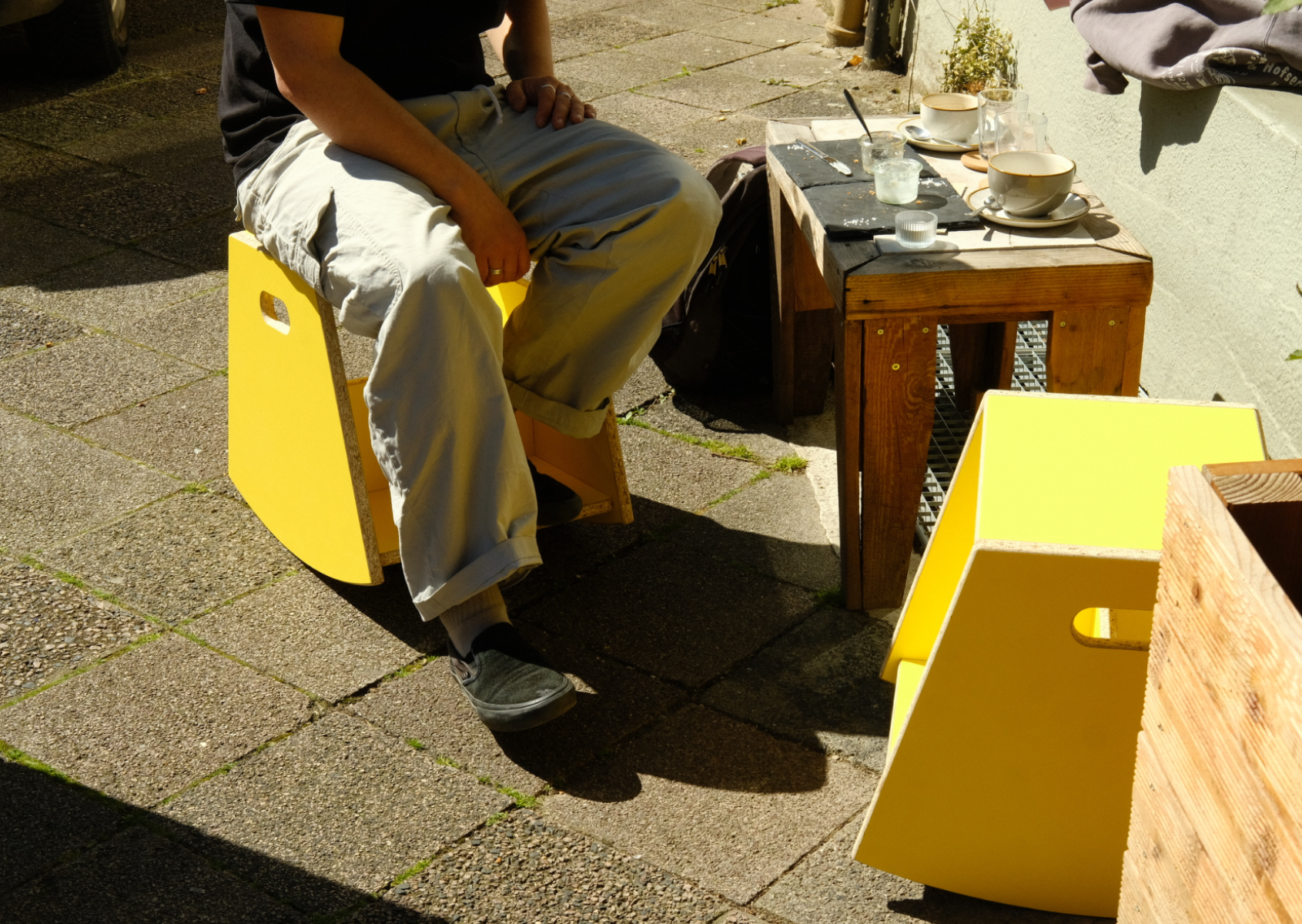
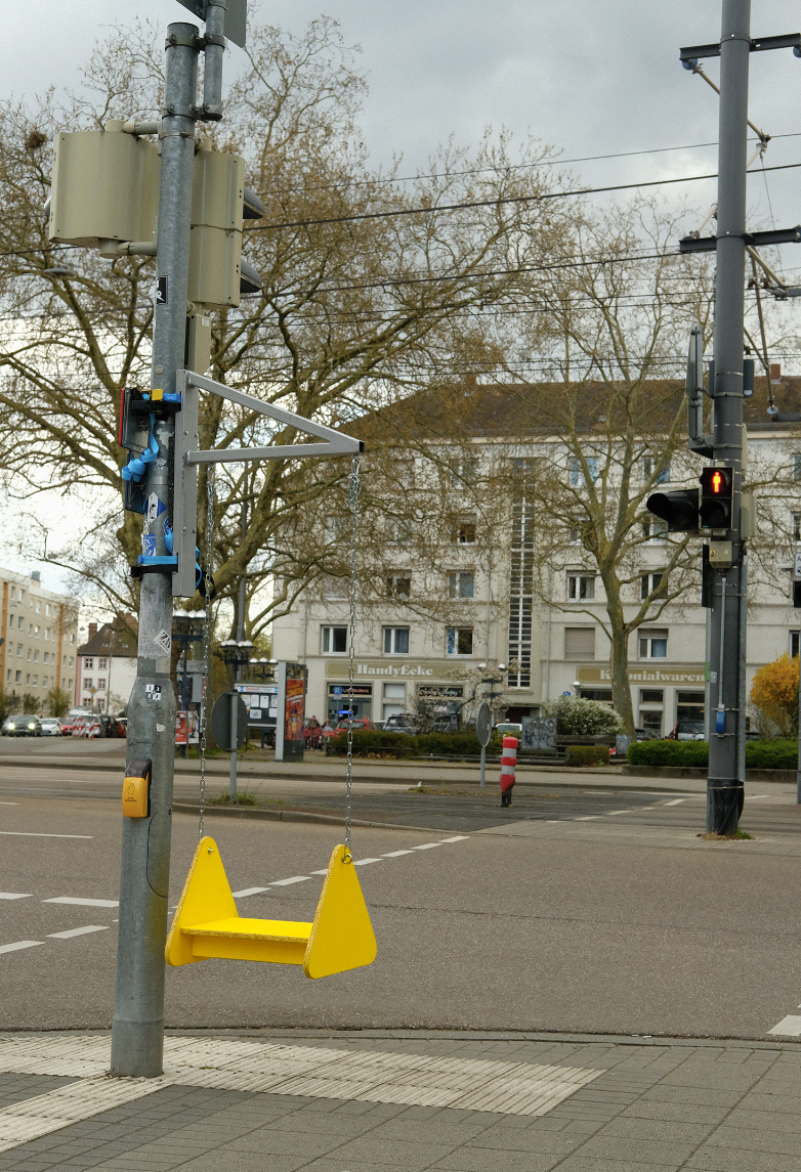
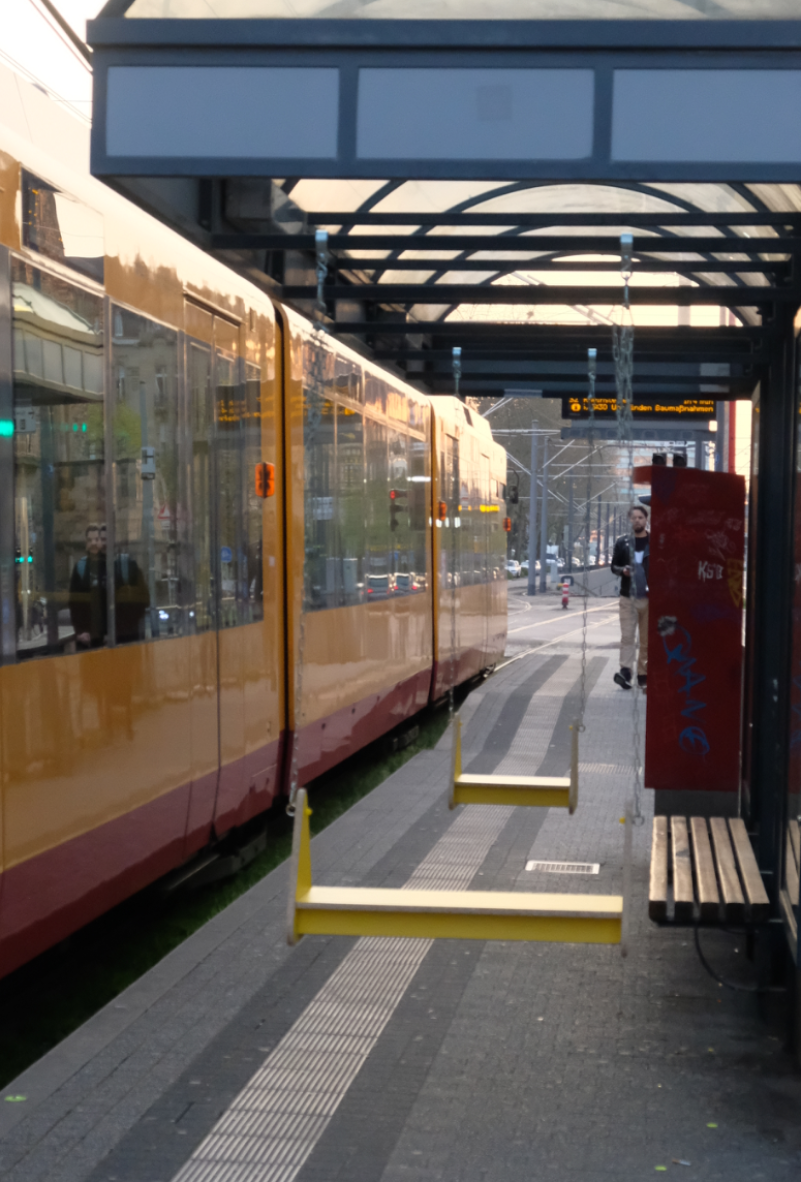
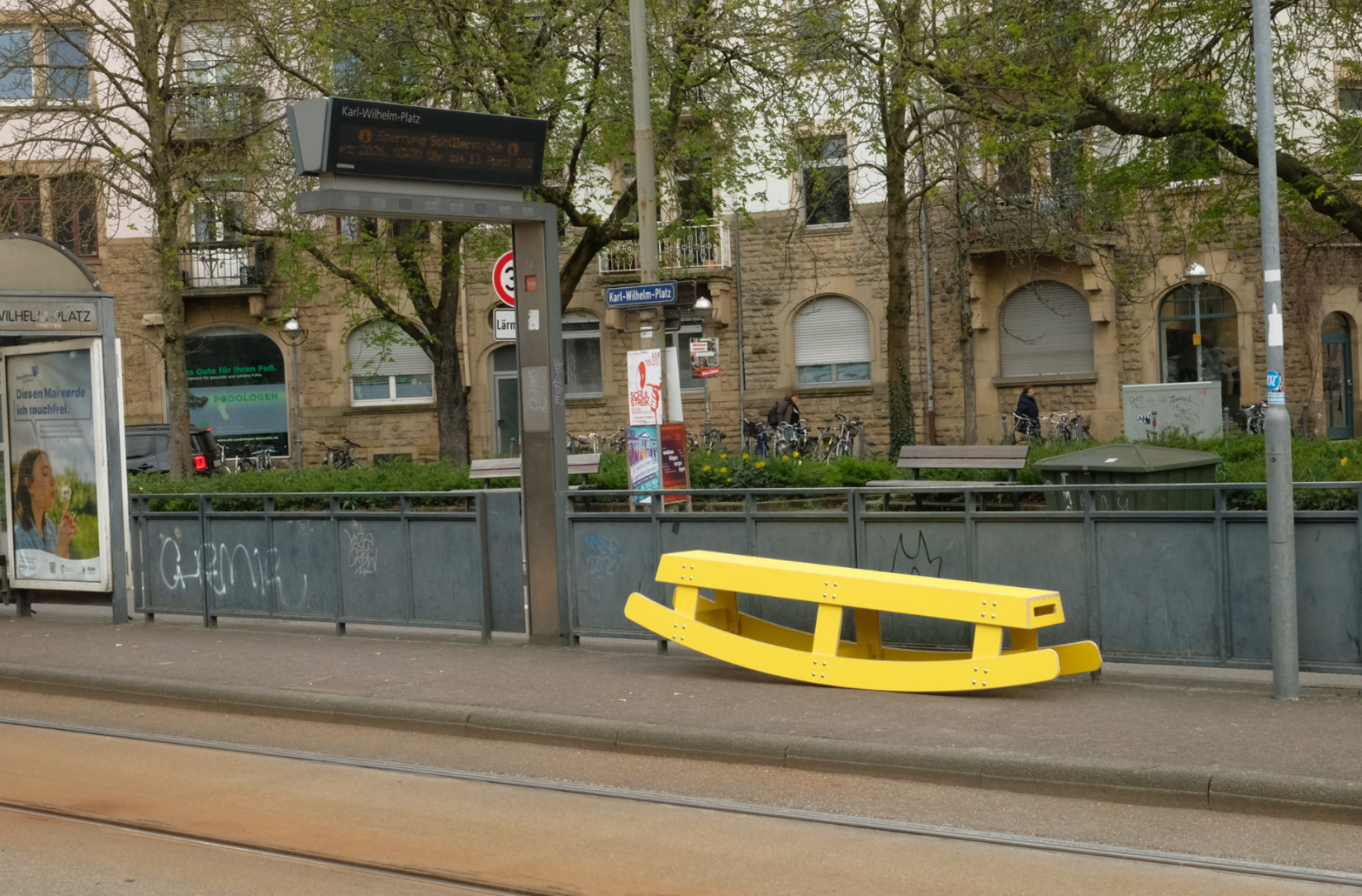

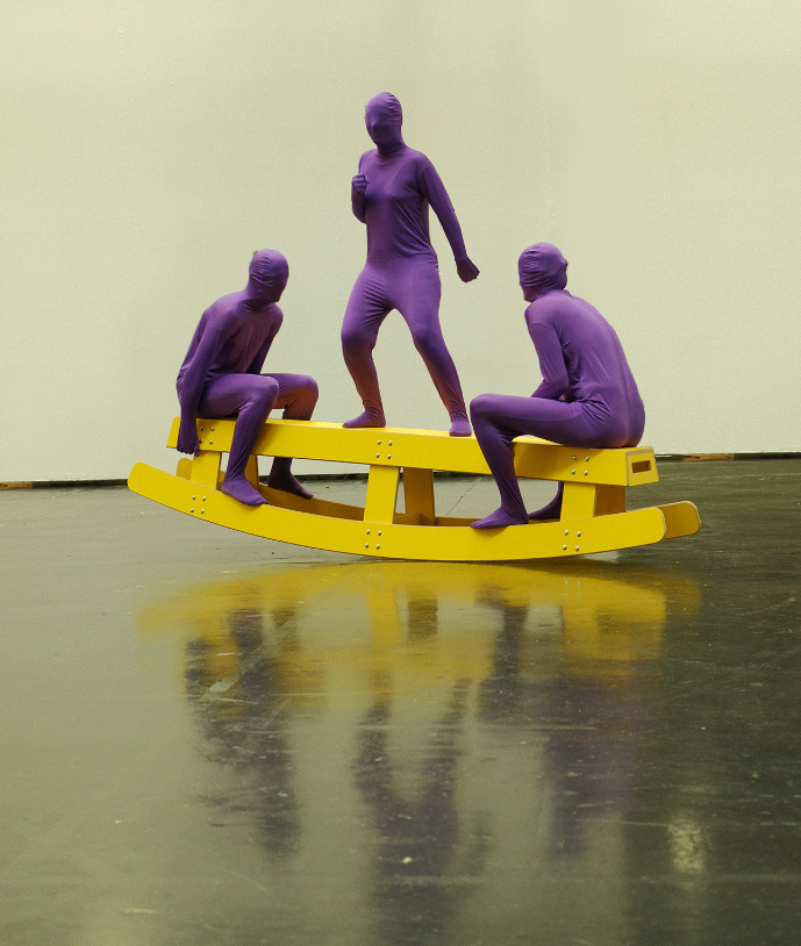
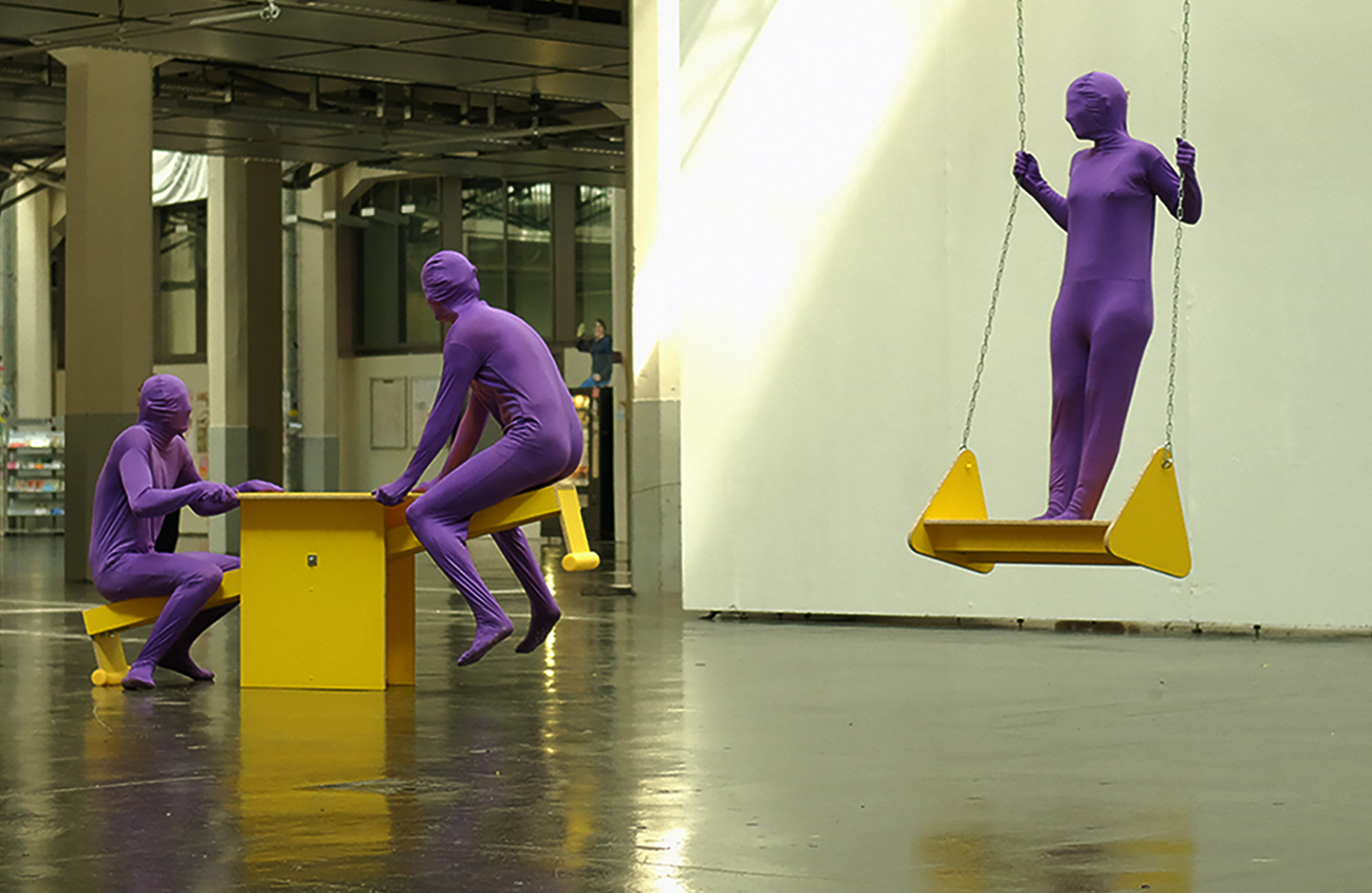
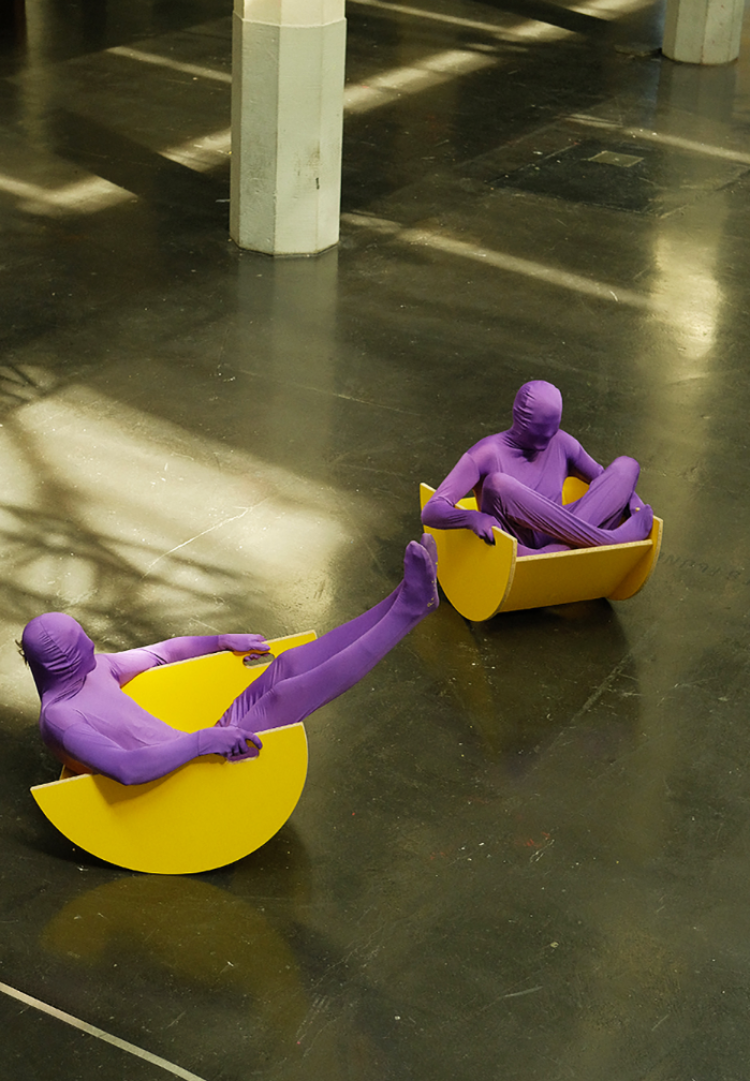
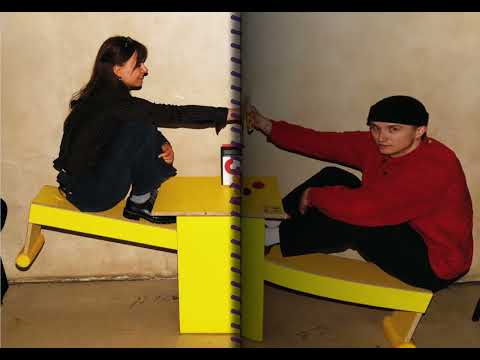
During my training as a carpenter, I worked extensively with laminated particleboard, a common material valued for being affordable, lightweight, and durable despite its poor reputation. For PLAY DATE, its simple construction became a deliberate choice: while the objects are structurally inspired by playgrounds, their forms, design, and use give the otherwise ordinary material a distinct character. In this way, an everyday material becomes a carrier of playful narratives. PLAY DATE explores how purposeless, non-competitive play can be rediscovered in adulthood, challenging the idea that playgrounds are spaces exclusively for children. Through experimental playgrounds, playful interventions in bars and urban spaces, and temporary objects, the project investigates how play can be integrated into everyday life and create new social and spatial interactions.