Maryangela Sanchez Rocca
3D design/ MFA
Cranbrook Academy of Art
Specialisms: Furniture / Sustainable Design / Contemporary Craft
Location: New York, United States

Maryangela Sanchez Rocca
First Name: Maryangela
Last Name: Sanchez Rocca
Specialisms: Furniture / Sustainable Design / Contemporary Craft
Sectors:
My Location: New York, United States
University / College: Cranbrook Academy of Art
Course / Program Title: 3D design/ MFA
About
Maryangela Sanchez Rocca is a designer from Saltillo, Mexico, with a BFA in Product Design from Parsons School for Design (2020) and an MFA in 3D Design/Industrial Design at Cranbrook Academy of Art (2026). Her focus is on applying a feminist and decolonial approach to furniture and object design. She seeks not to replicate current practices and ways of engaging with exploitation in industrial design. She thinks of a material not only as a medium but also as an entire ecosystem tied to land and people. She finds answers through the economy of materiality. Her work exists between the art/design/craft spaces.
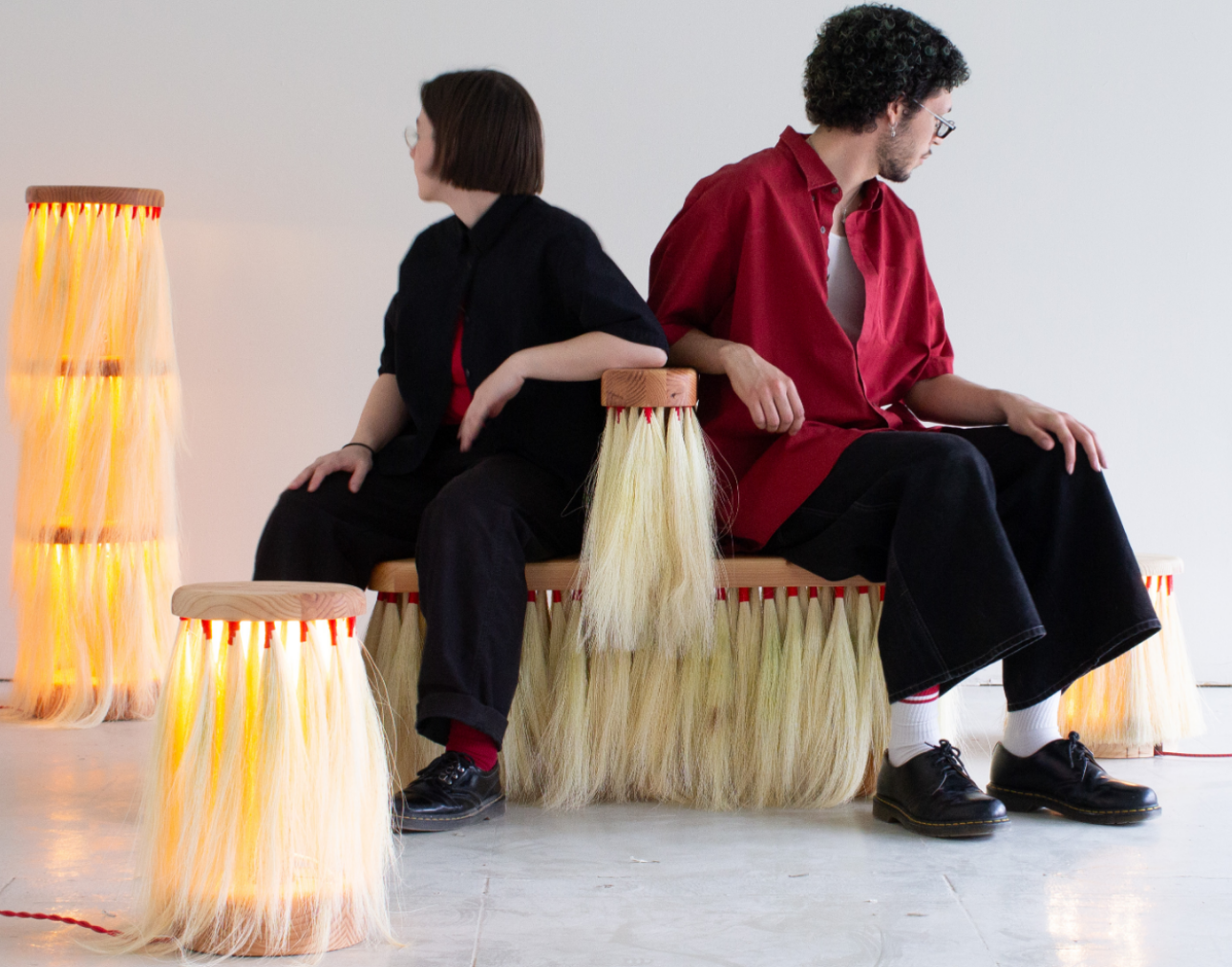
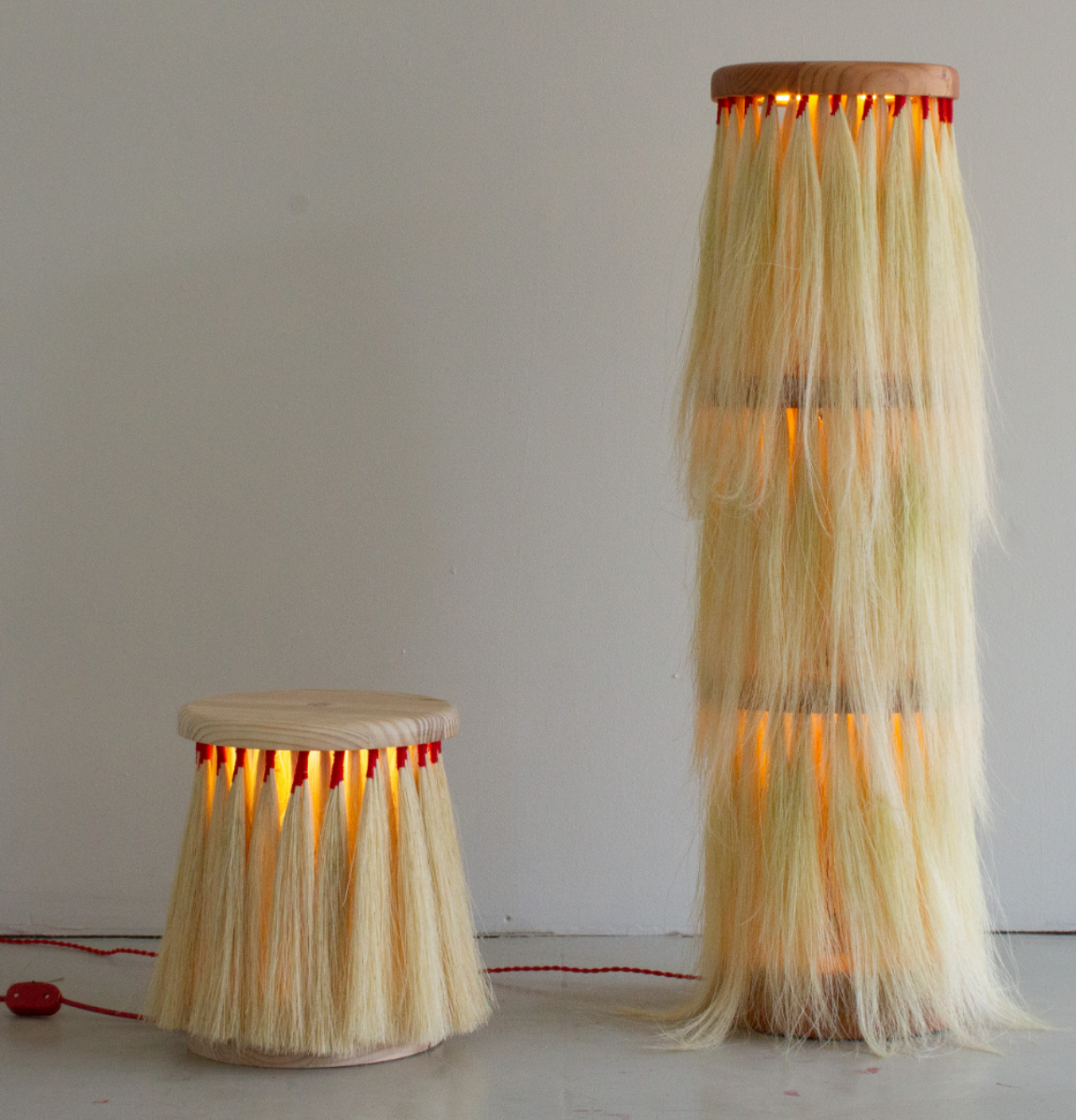
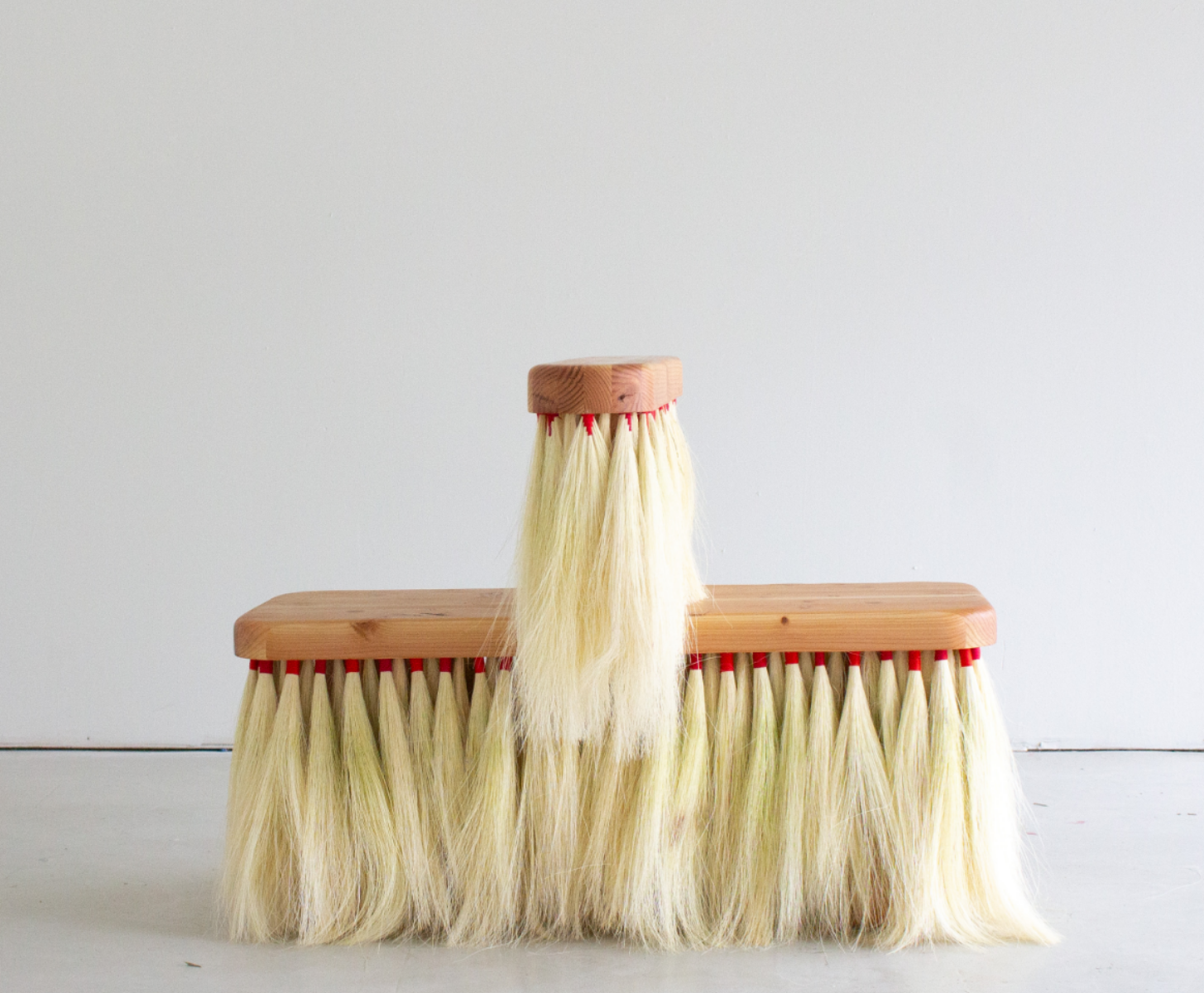
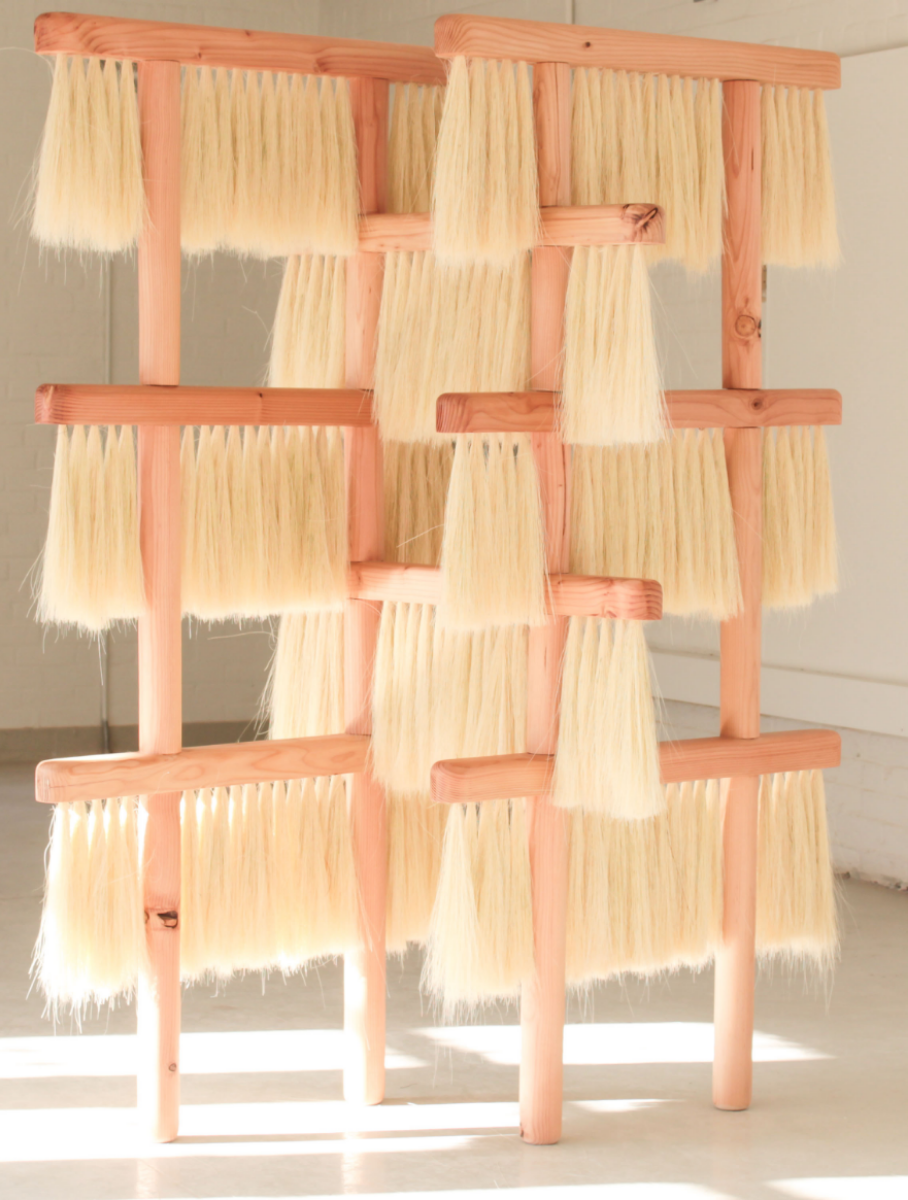
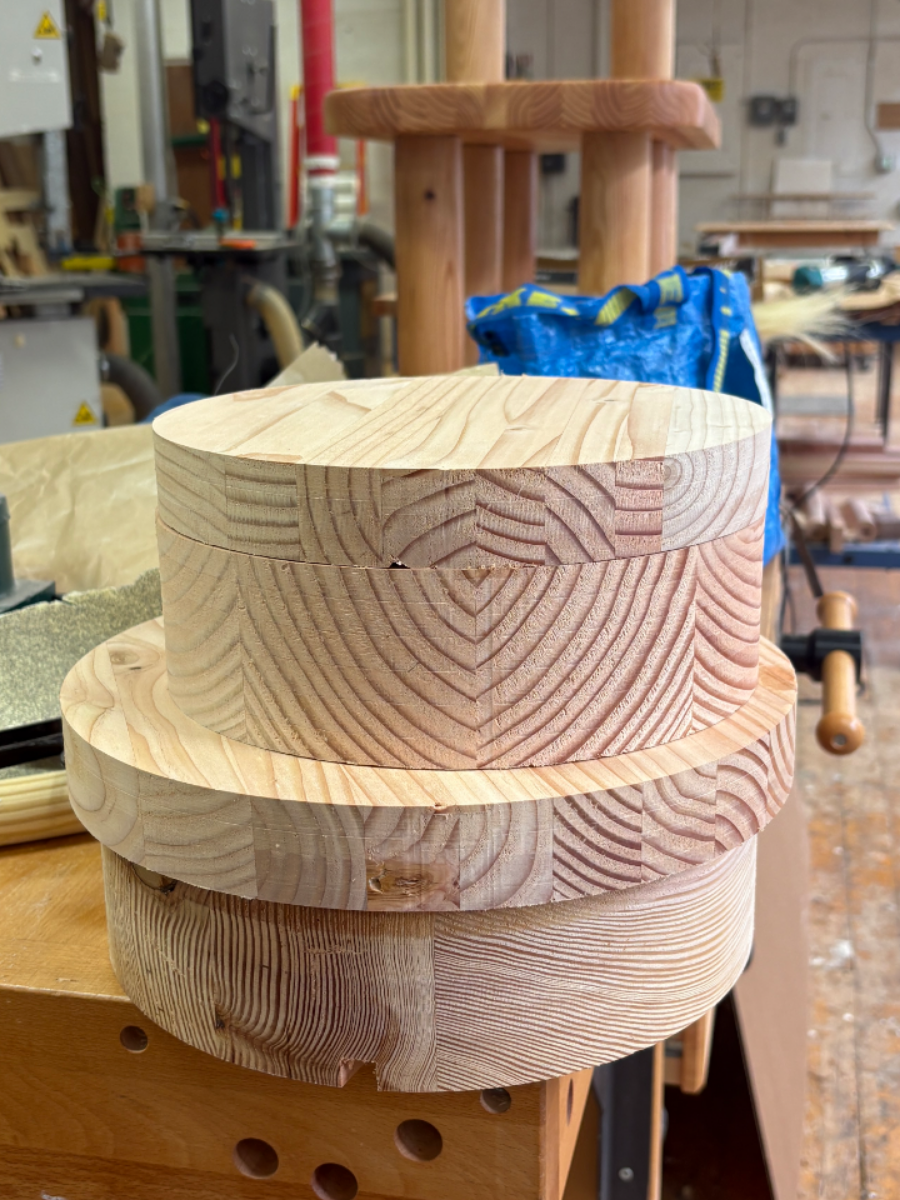
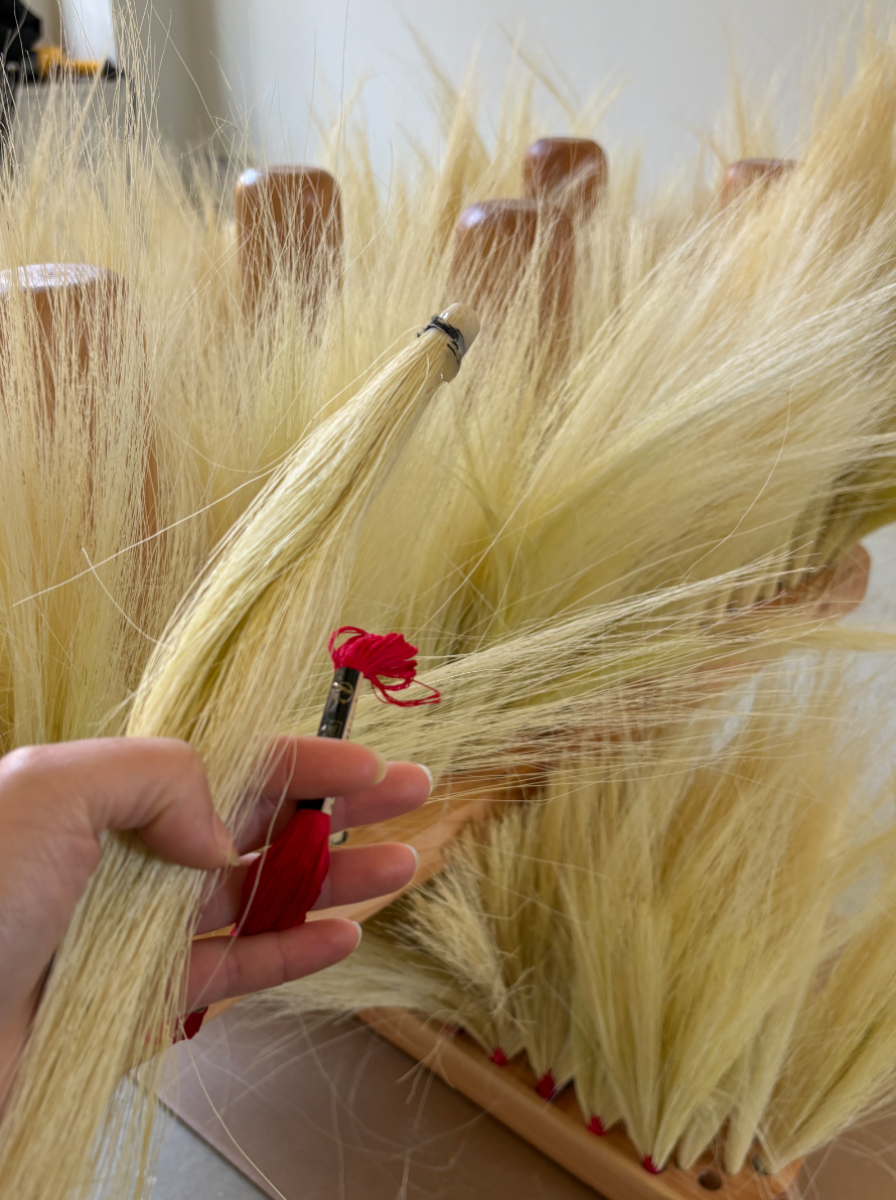
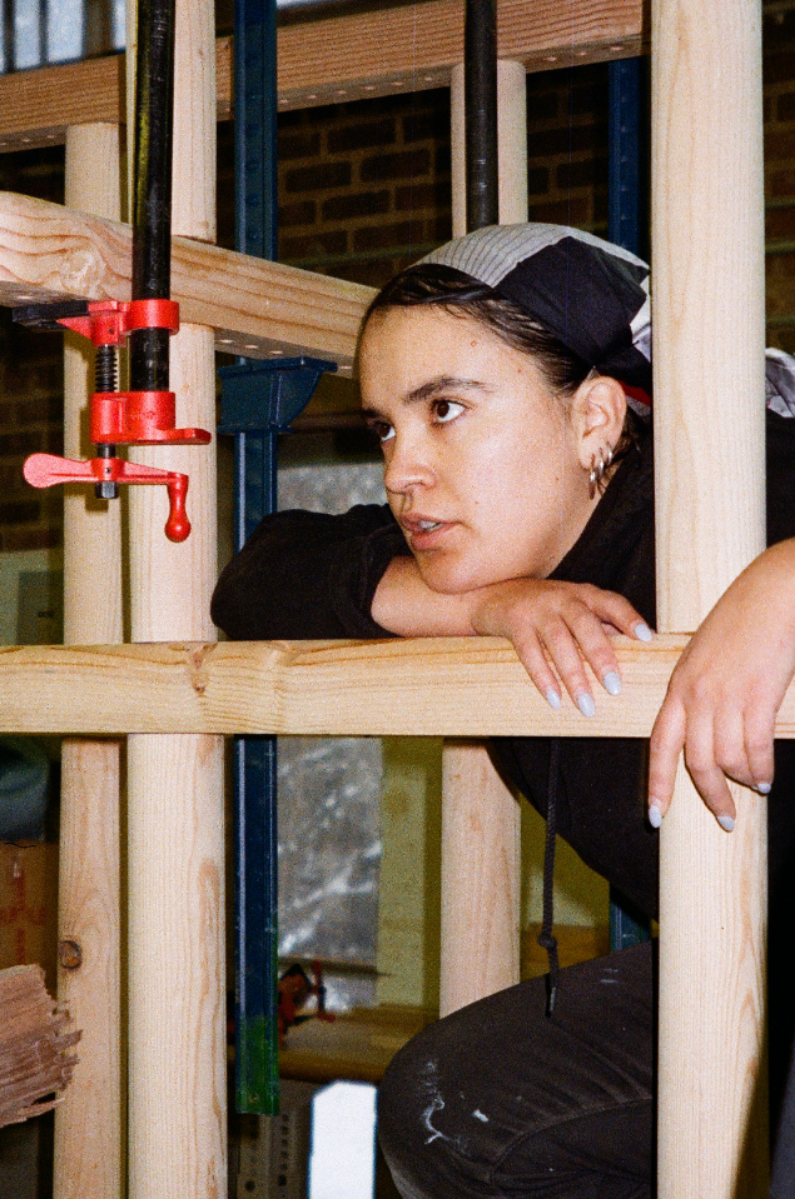
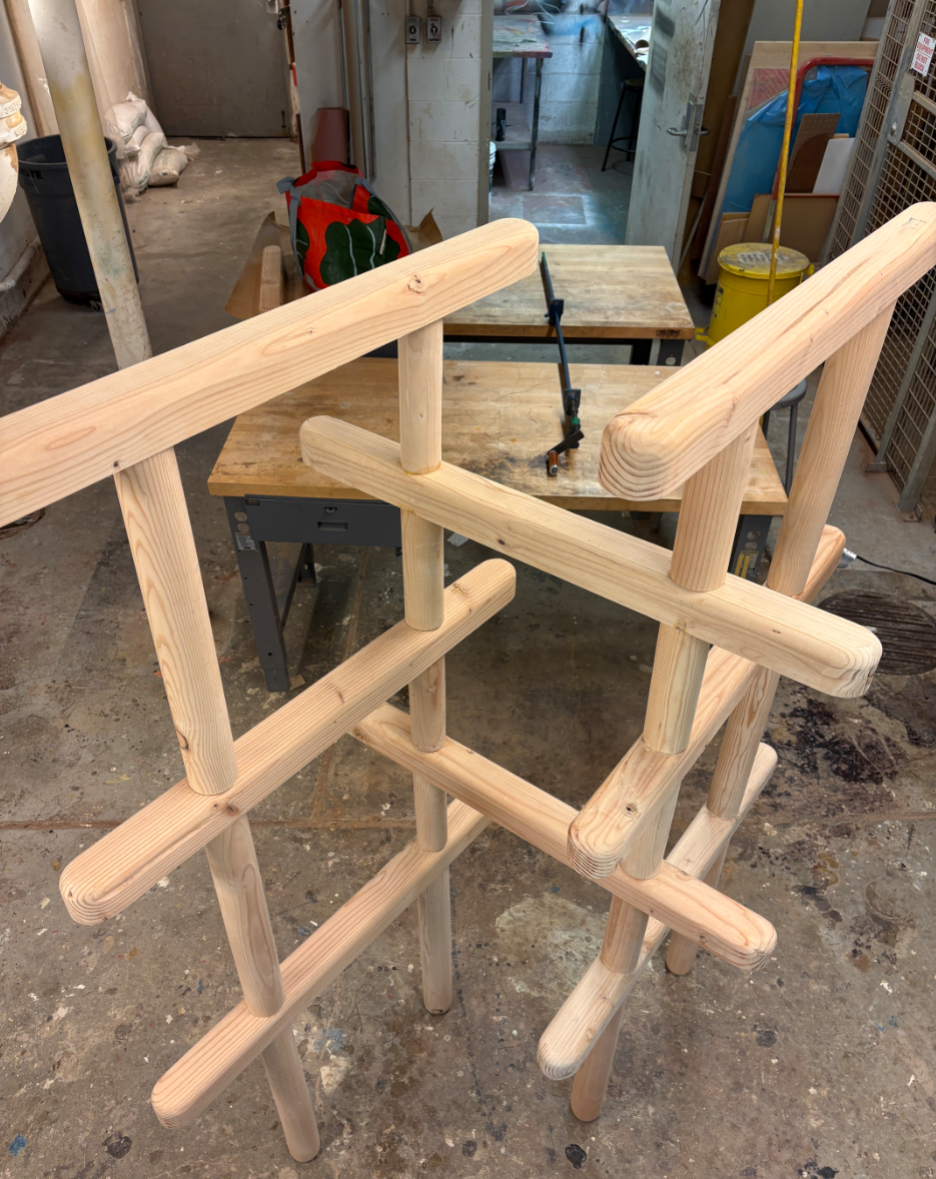
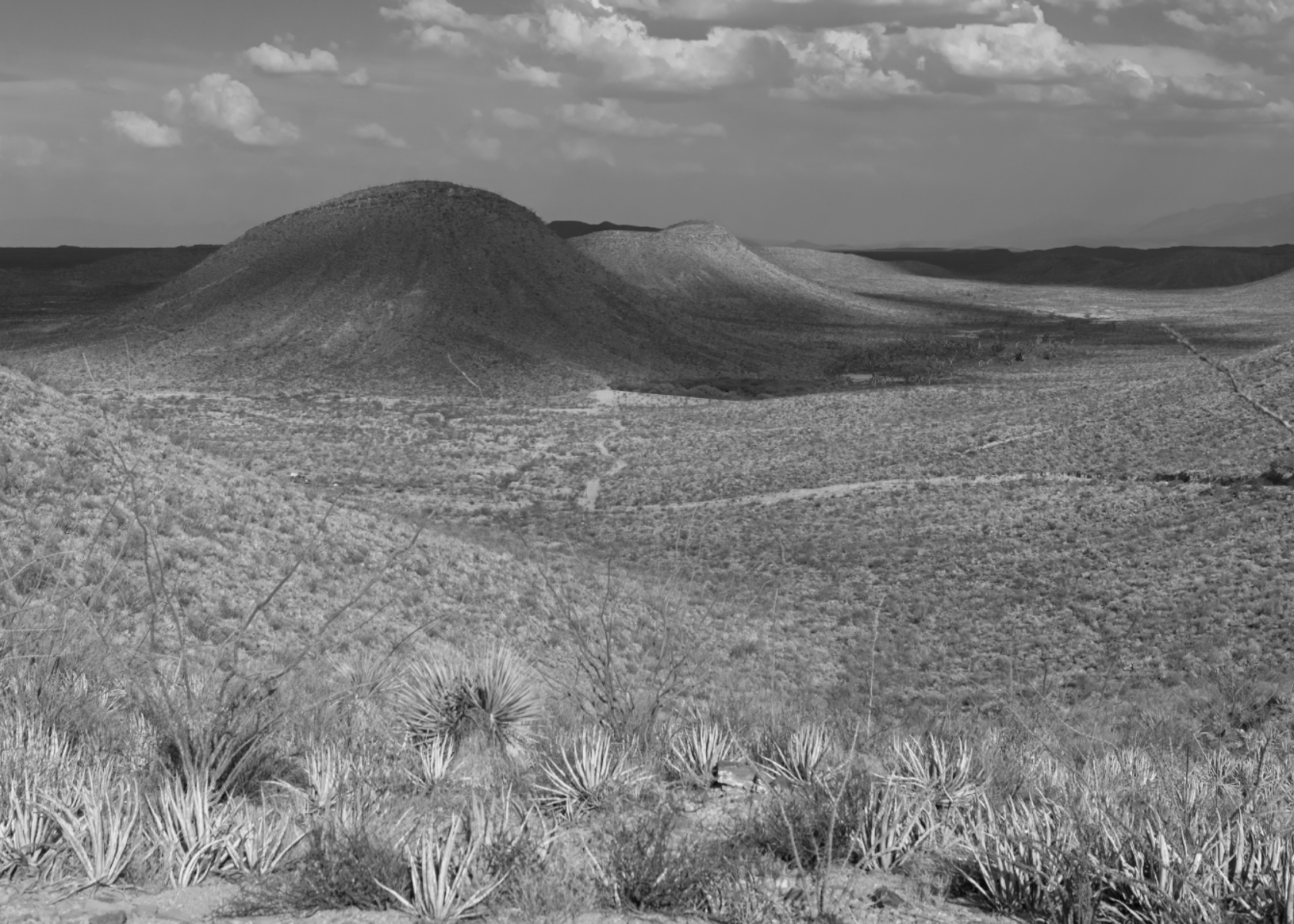
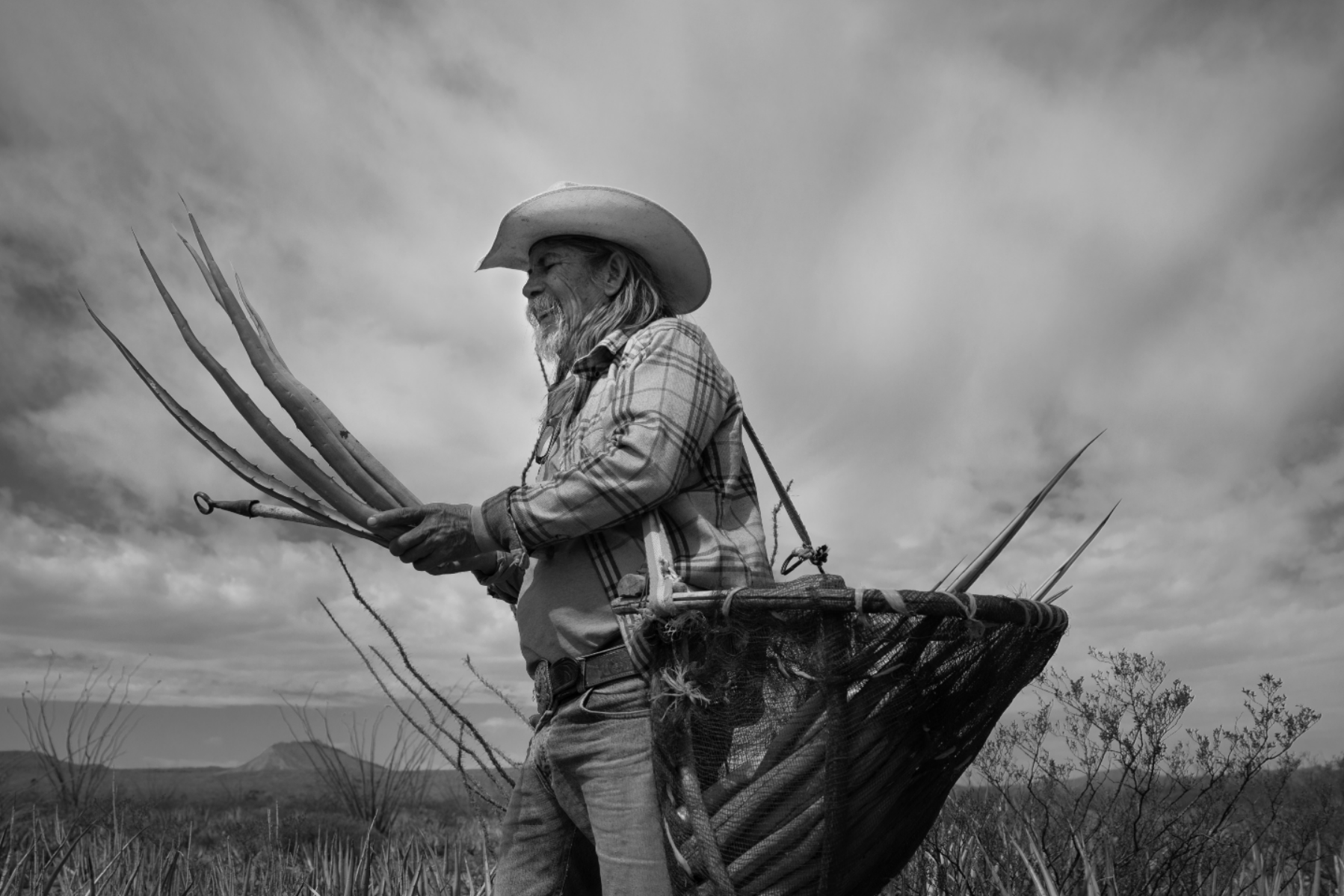
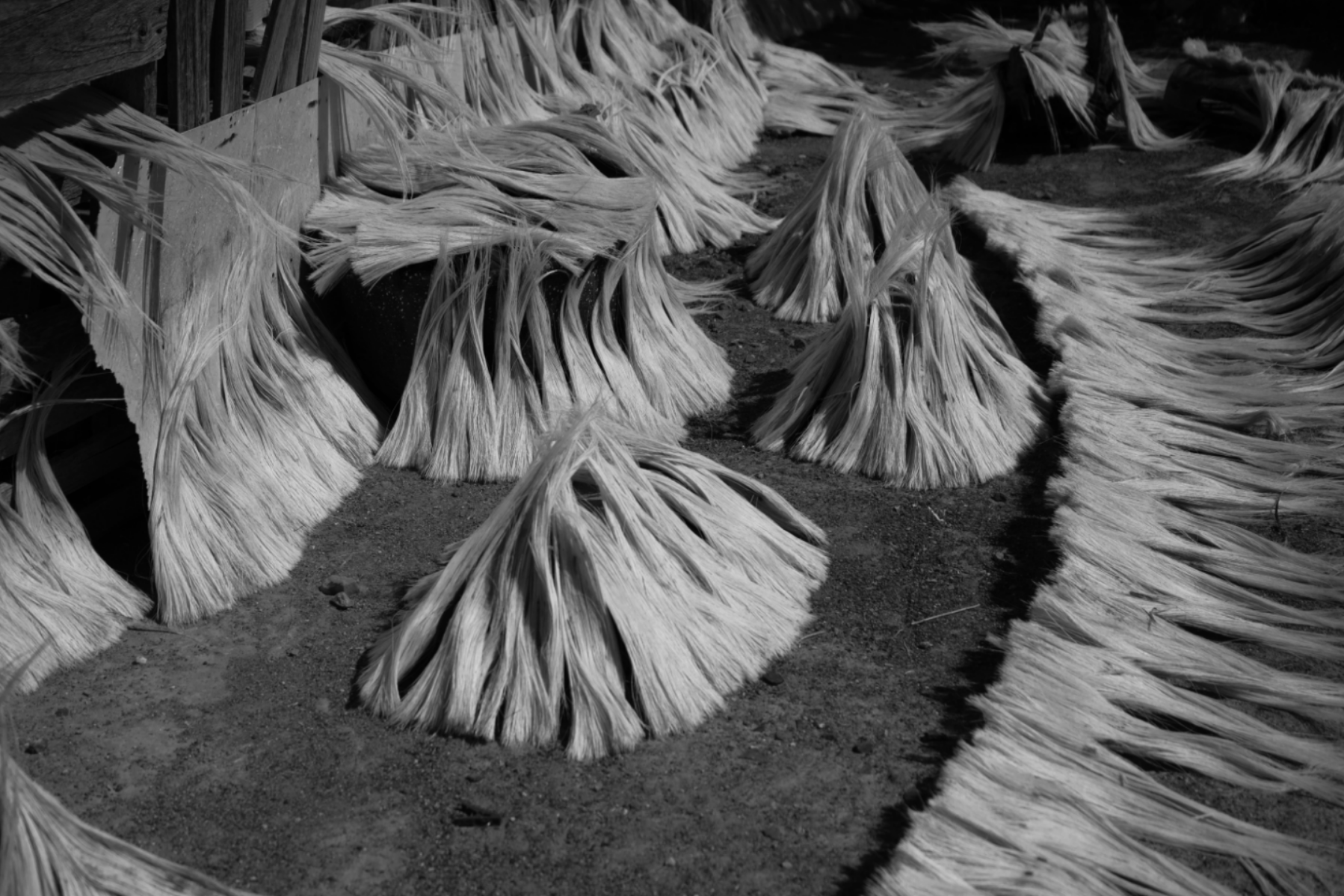
These objects are an exploration of lechugilla, also known as Tampico fiber, is a member of the agave family and is used to produce both alcoholic beverages and bread. The fibers extracted from the leaves, called ixtle, have been utilized to create brushes, ropes, shoes, and baskets. My understanding of ixtle comes from Juan Gamboa, an activist and farmworker from an ejido (farmer-owned land) called Jalpa, located in the state of Coahuila, Mexico. The people of Jalpa have not only preserved the tradition of ixtle extraction but also maintain an organic milpa, a cultivation method rooted in indigenous Mesoamerican cultures, which fosters cultural resilience. Lechugilla and ixtle also play an essential role in farming; the lechuguilla plant grows abundantly and helps prevent erosion in the desert. Ejidos that still produce ixtle typically sell their fibers at lower prices to larger companies that process and package them into brushes and brooms. I am using the language of utilitarian objects—such as brooms and brushes—used for hard labor (construction, cleaning, etc.). This labor is predominantly performed by Mexican individuals living in the US. I aim to recontextualize these objects as furniture that represents beauty, leisure, and refusal. I made a table light, a floor light, a screen, and a bench whose only use is to be beautiful, to be objectified, and to challenge their objectification at the same time by being both recognizable and useless. The collection and its iterations stand as an anthropomorphic representation of the many hands that touch ixtle.
Competitions

Global Creative Graduate Showcase 2026
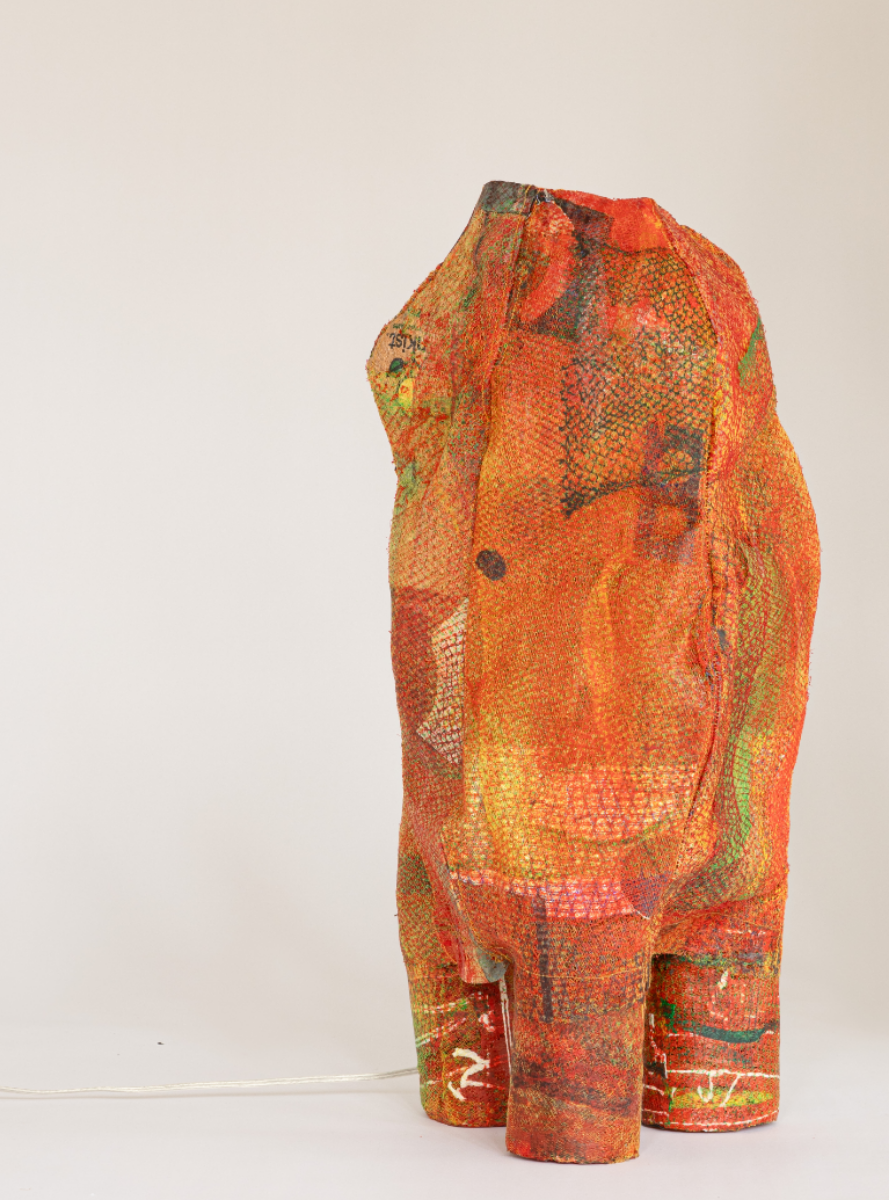
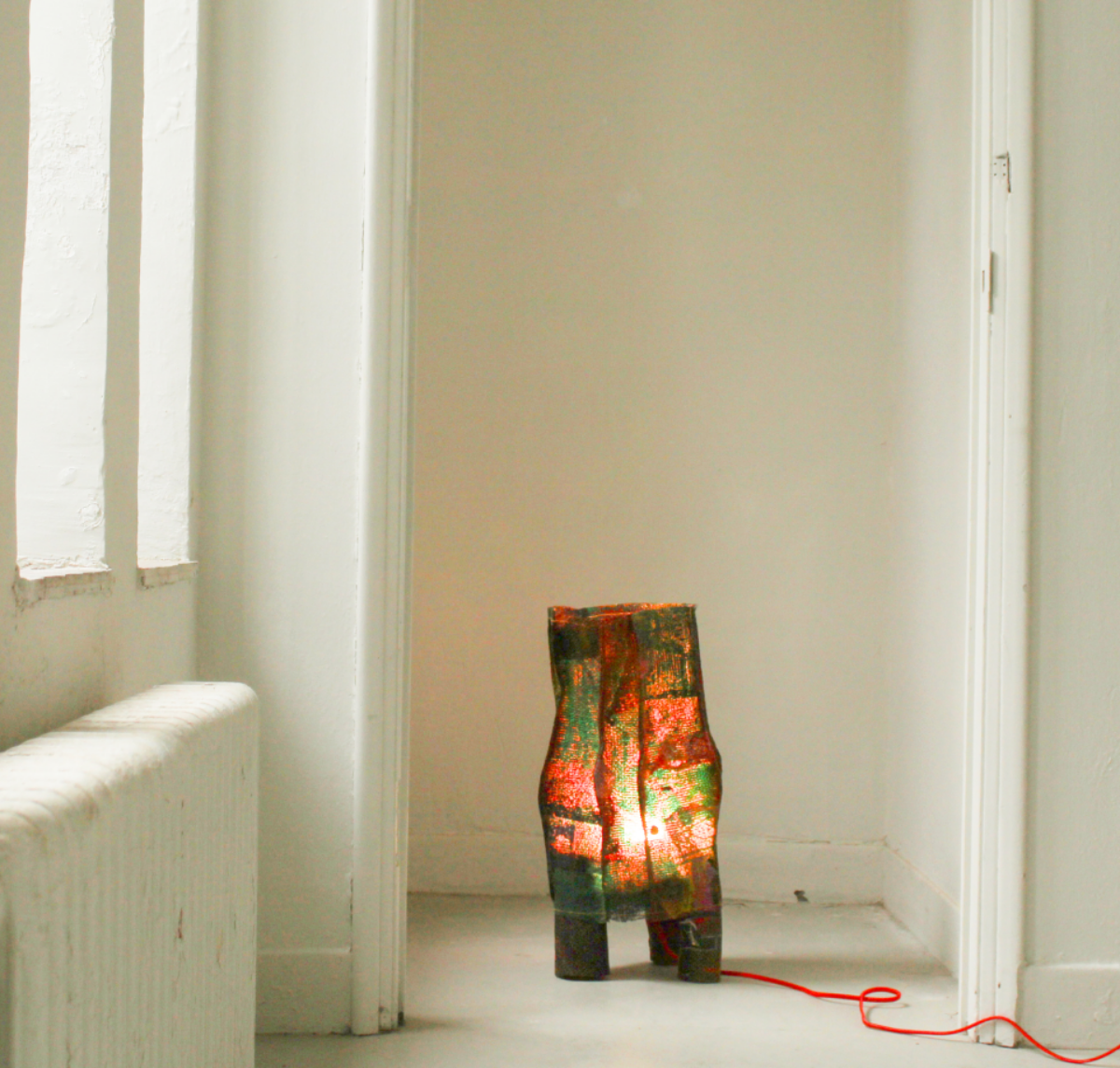
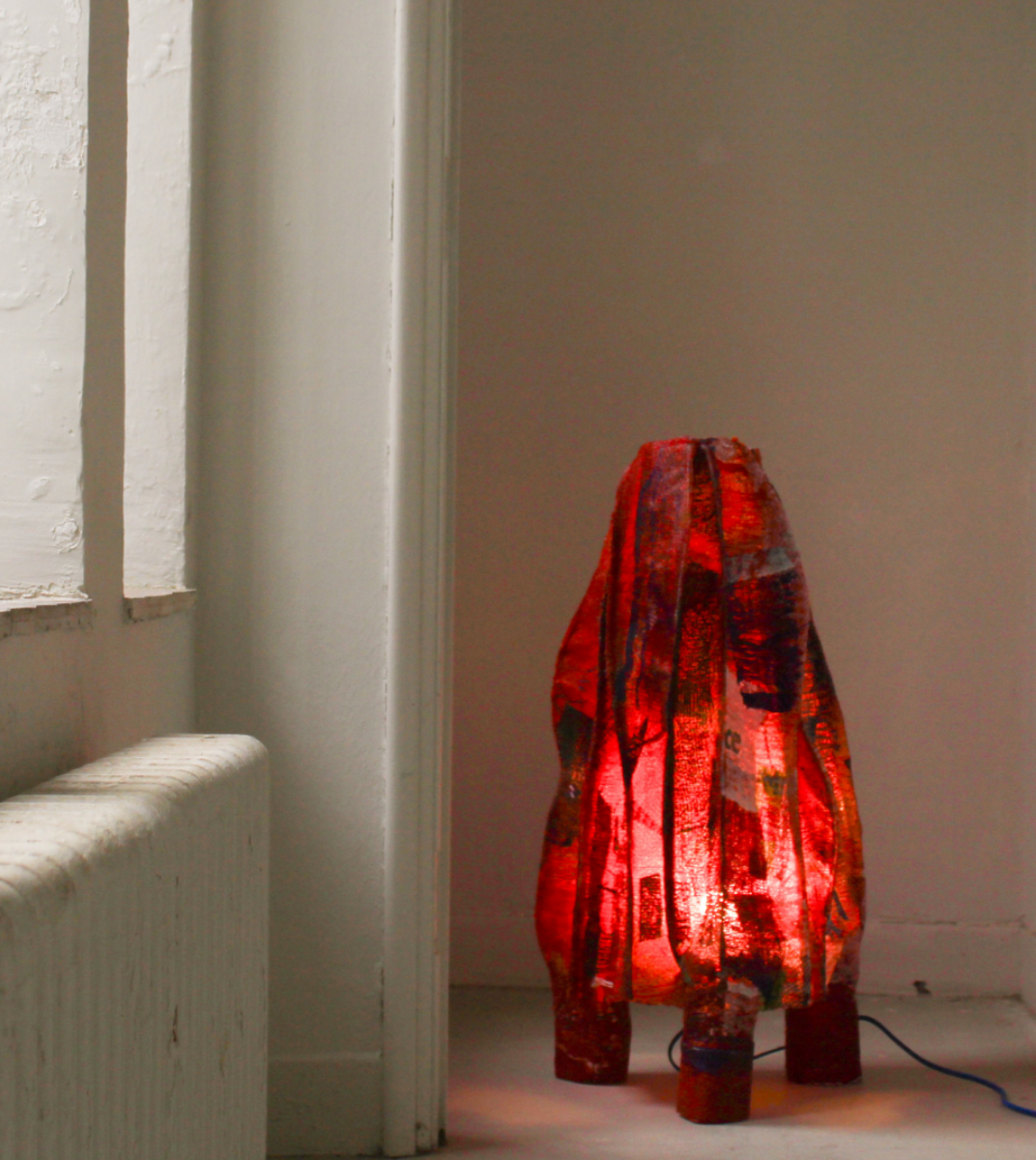
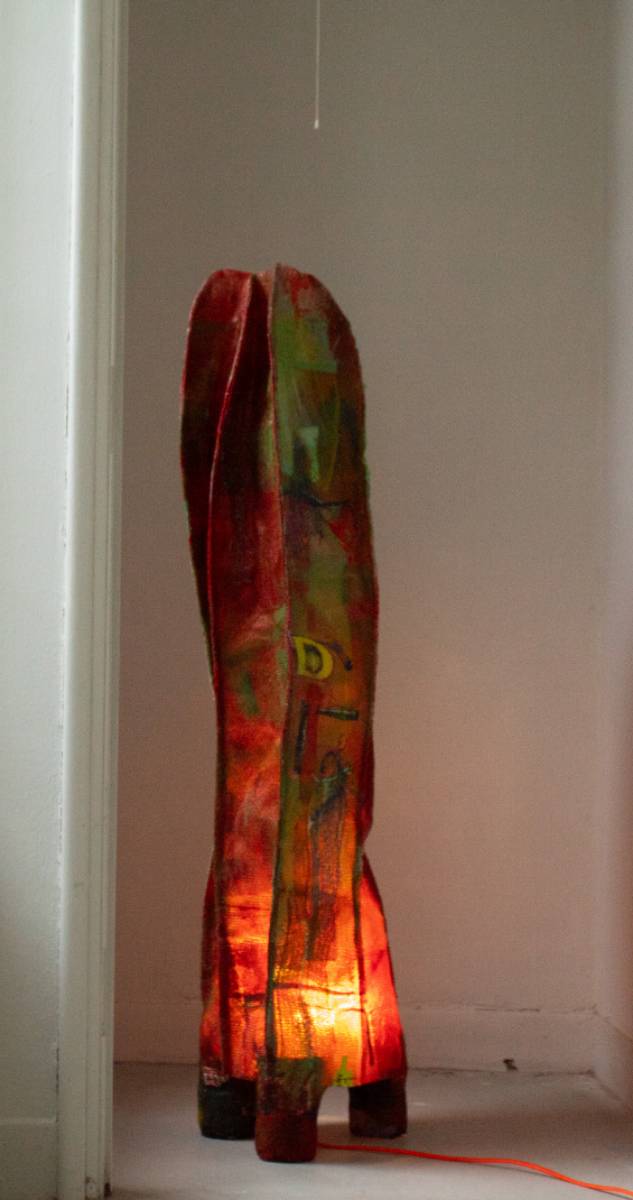
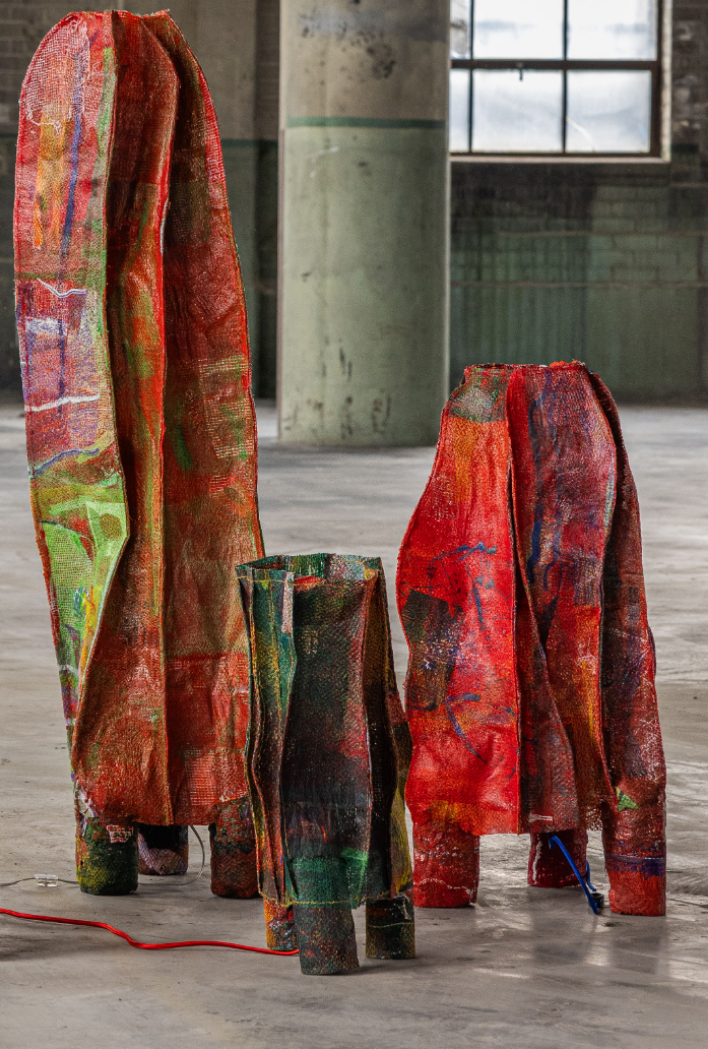
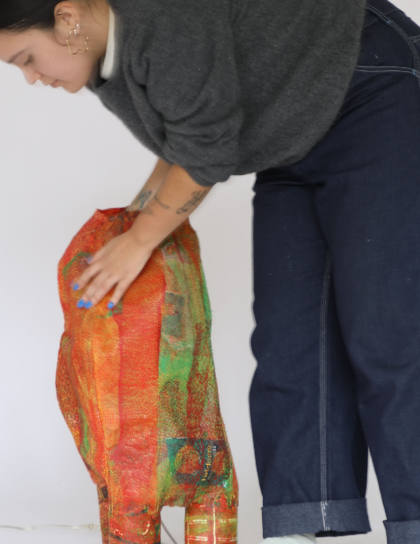
I am interested in researching the visualization of the Anthropocene footprint through design objects. In the context of food packaging, we generate a significant amount of waste and have underutilized materials that could be repurposed rather than continuing to extract and exploit overused natural resources. For example, nylon and polypropylene nets are often used as replacements for natural fiber sacks when transporting produce, helping to prevent moisture accumulation. The "Redes" lighting series emerged from an intuitive exploration of how produce nets could be transformed. Molded colorful plastic creates intriguing shades for lighting. The bags were compressed, layered, molded, and sewn into forms inspired by fruit-filled bags, ancient fertility figurines, and traditional Mexican woven plastic shopping bags. The vibrant colors of these bags comment on the waste generated by our artificial hyper-fertility and the unseasonal nature of our current food production systems.