Marwa Al-Saqqar
master of architecture
Manchester School of Architecture
Specialisms: Architecture / Design for Social Good / Modelmaking
Location: Manchester, United Kingdom
Marwa Al-Saqqar
First Name: Marwa
Last Name: Al-Saqqar
Specialisms: Architecture / Design for Social Good / Modelmaking
Sectors:
My Location: Manchester, United Kingdom
University / College: Manchester School of Architecture
Course / Program Title: master of architecture
About
My interests lie in restorative futures and spatial justice within post-conflict contexts. I explore how displaced communities create and restore their identities through their relationship with space and memory. Grounded in intersectional research, focused on care and healing, my projects develop anti-colonial and regenerative architectural approaches aiming to support communities reclaim and reconnect with the built environment. I advocate for storytelling and indigenous knowledge systems, promoting slow/circular processes and cultural practices to foster spaces that promote coexistence with the land.
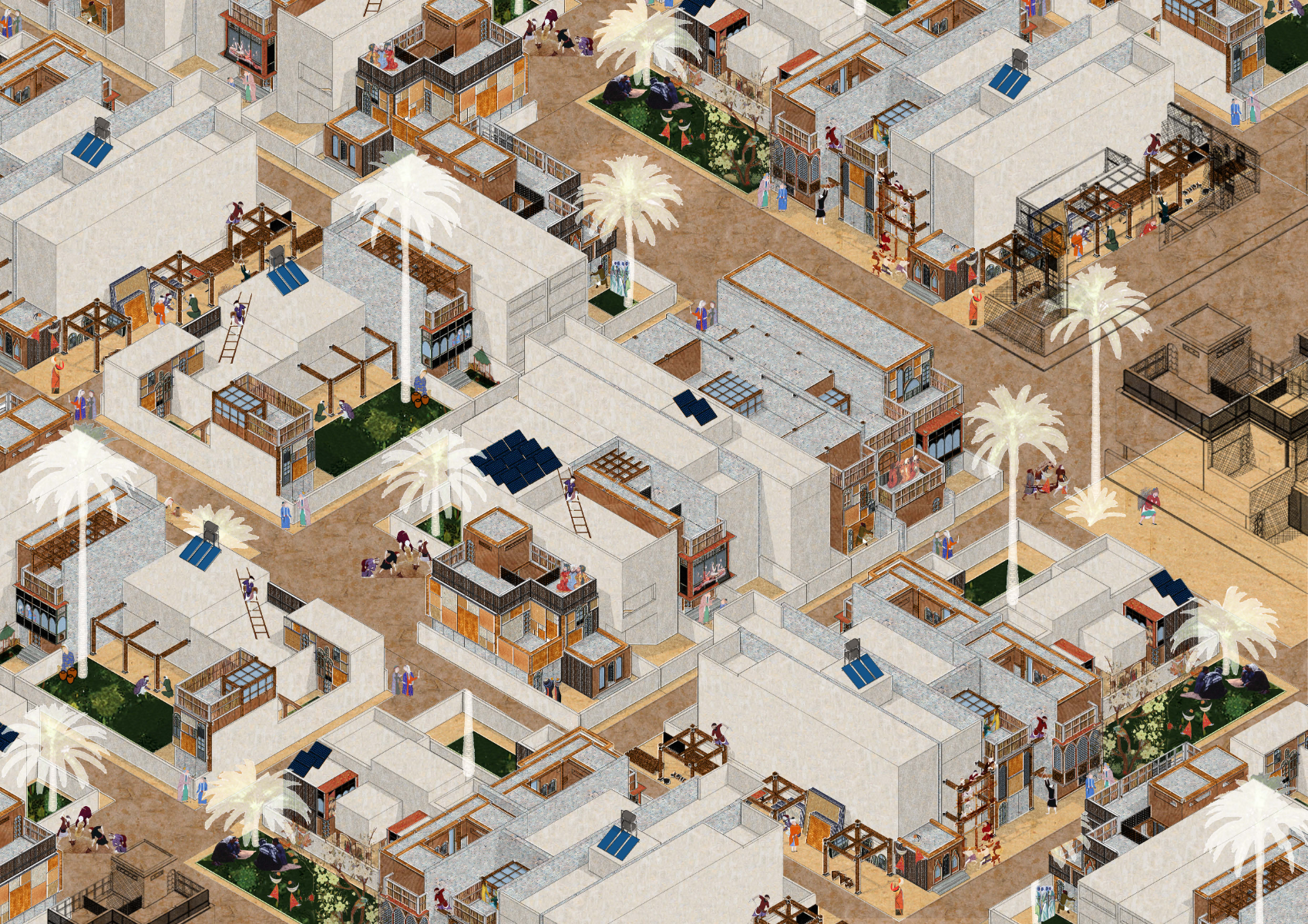
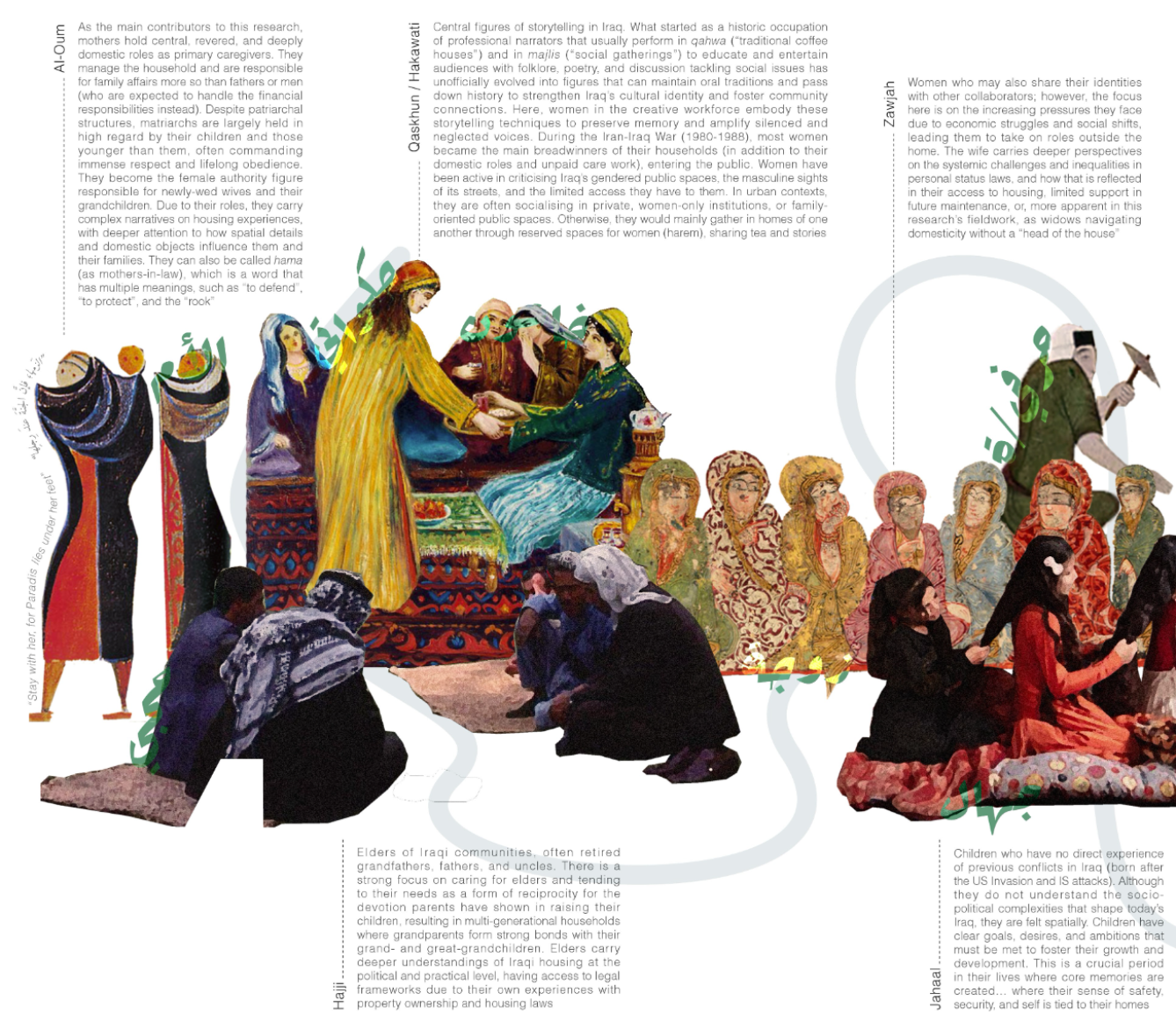
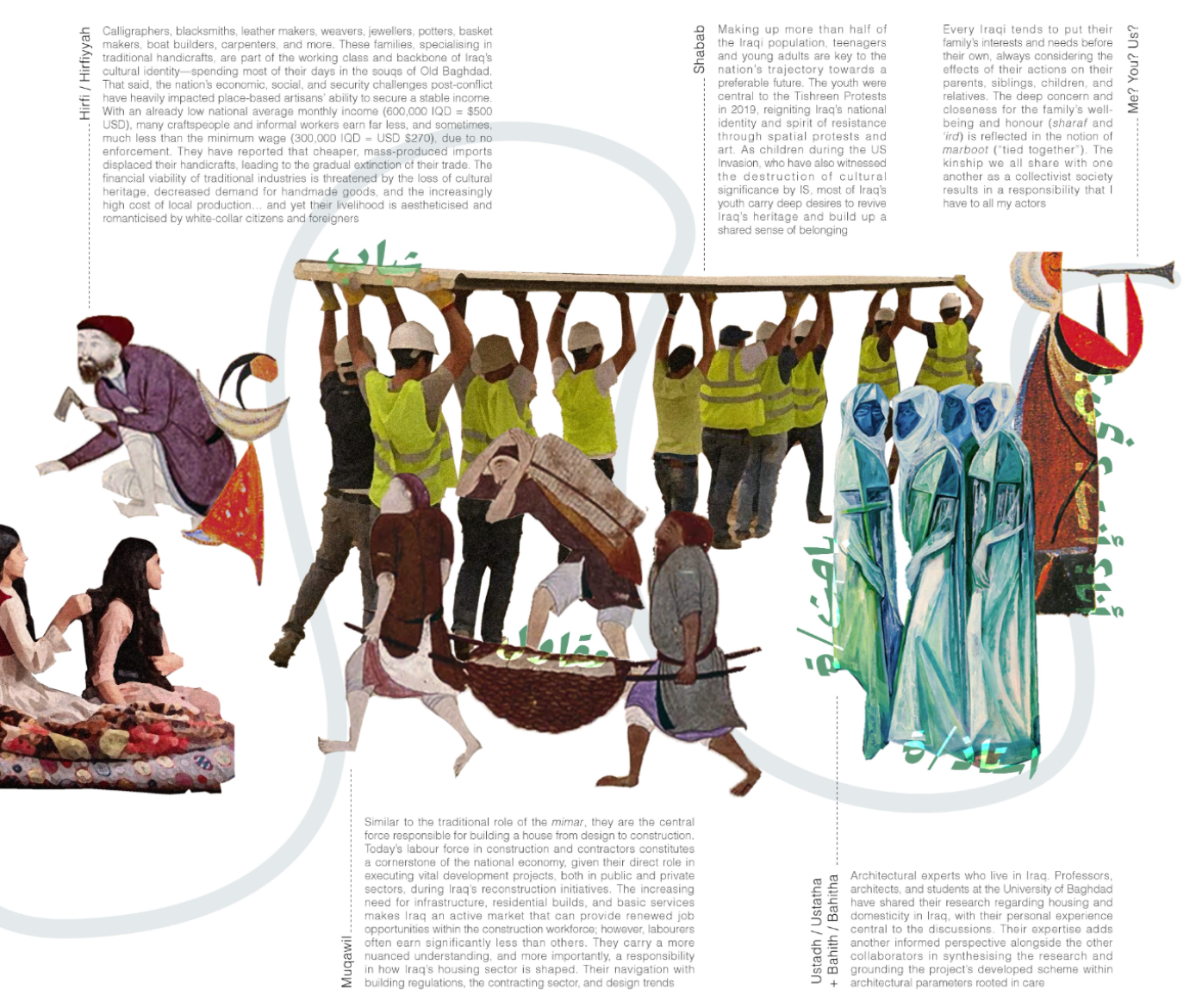
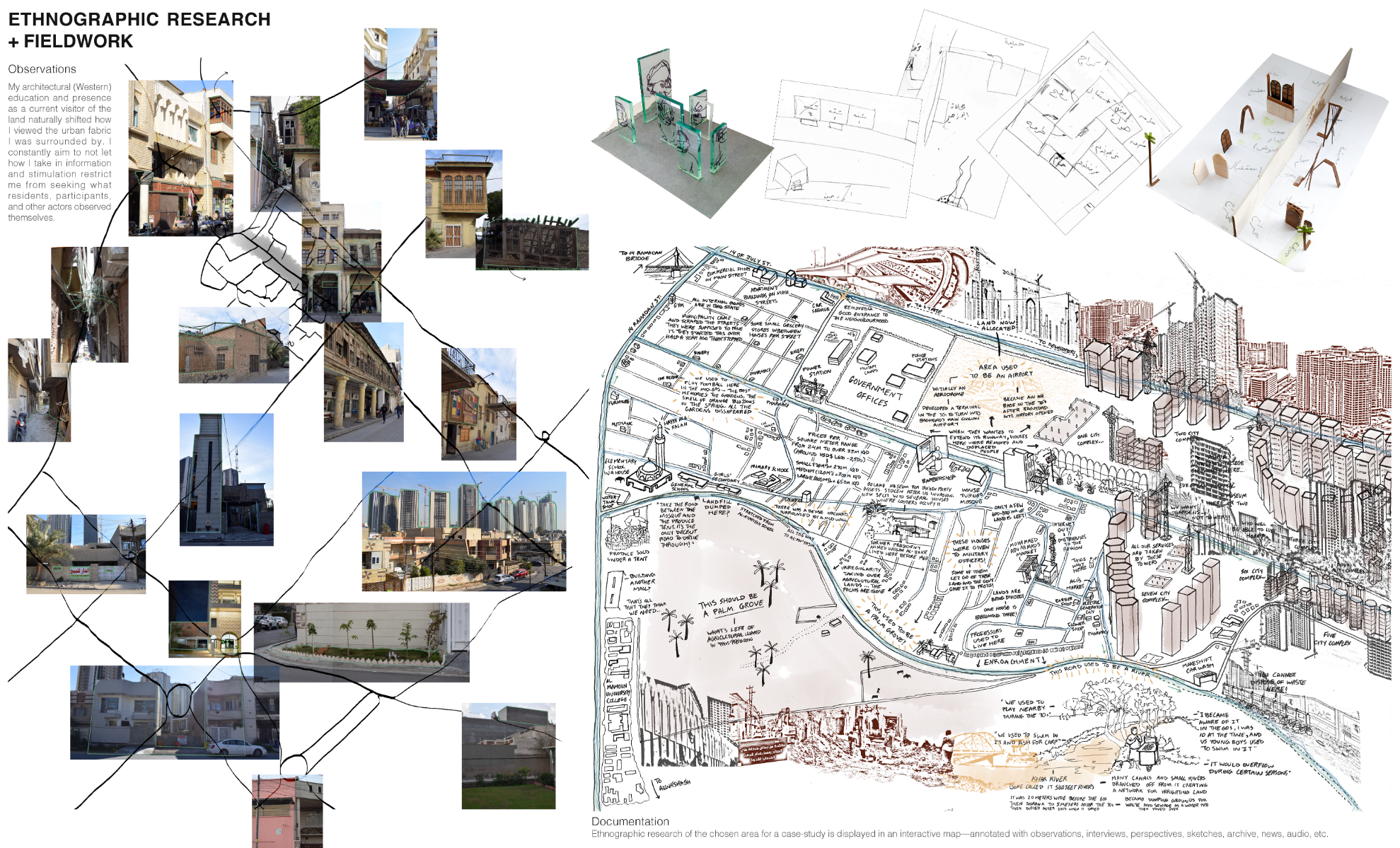
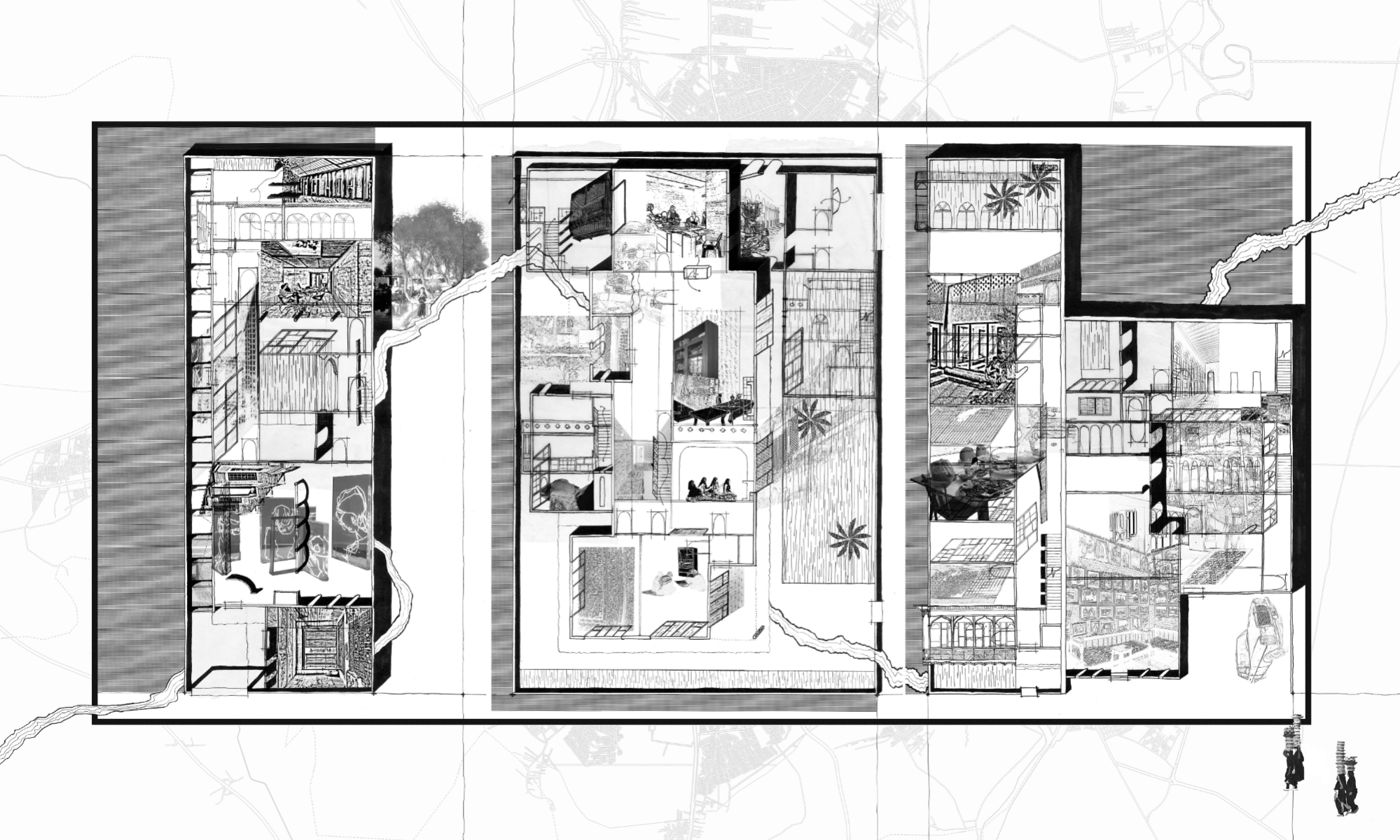
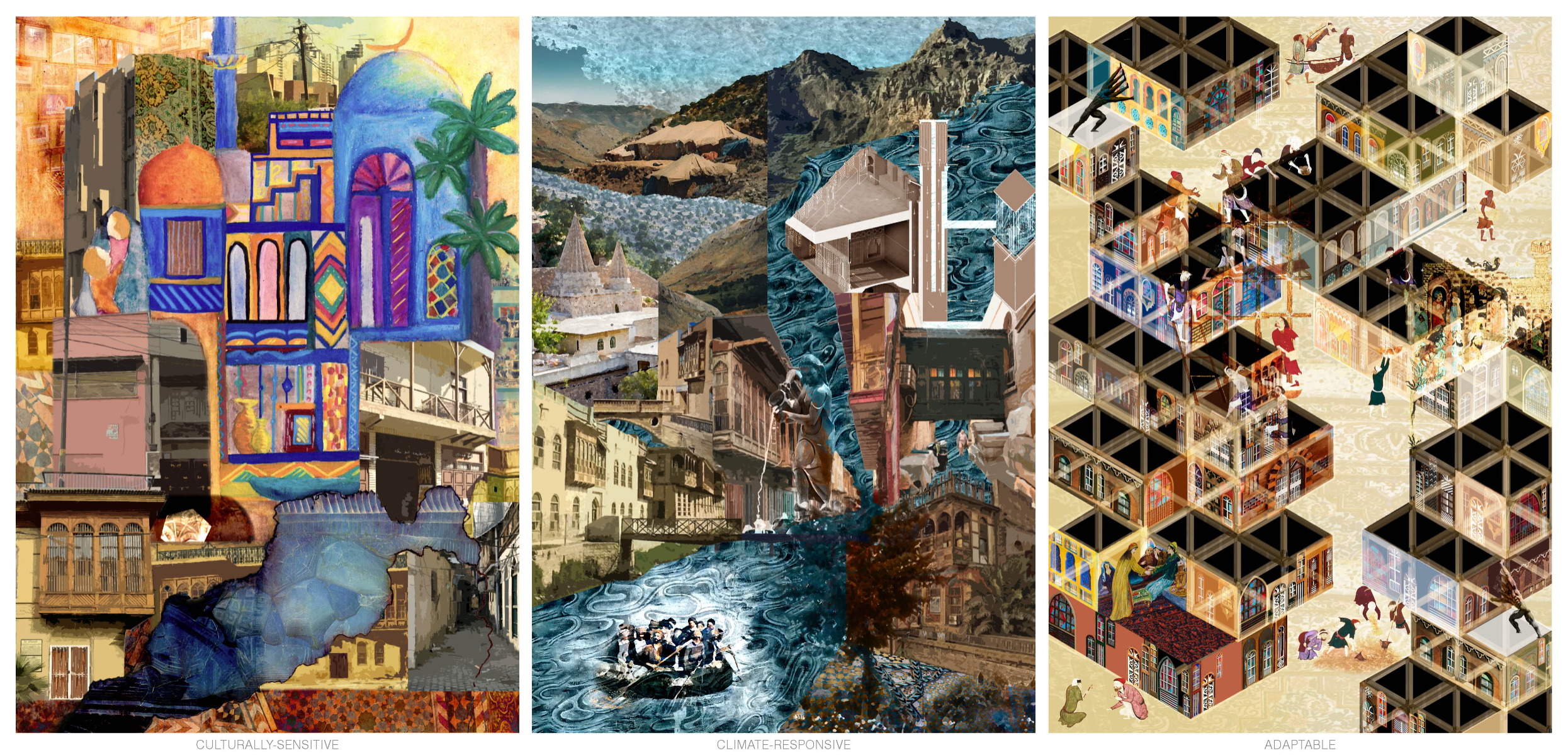
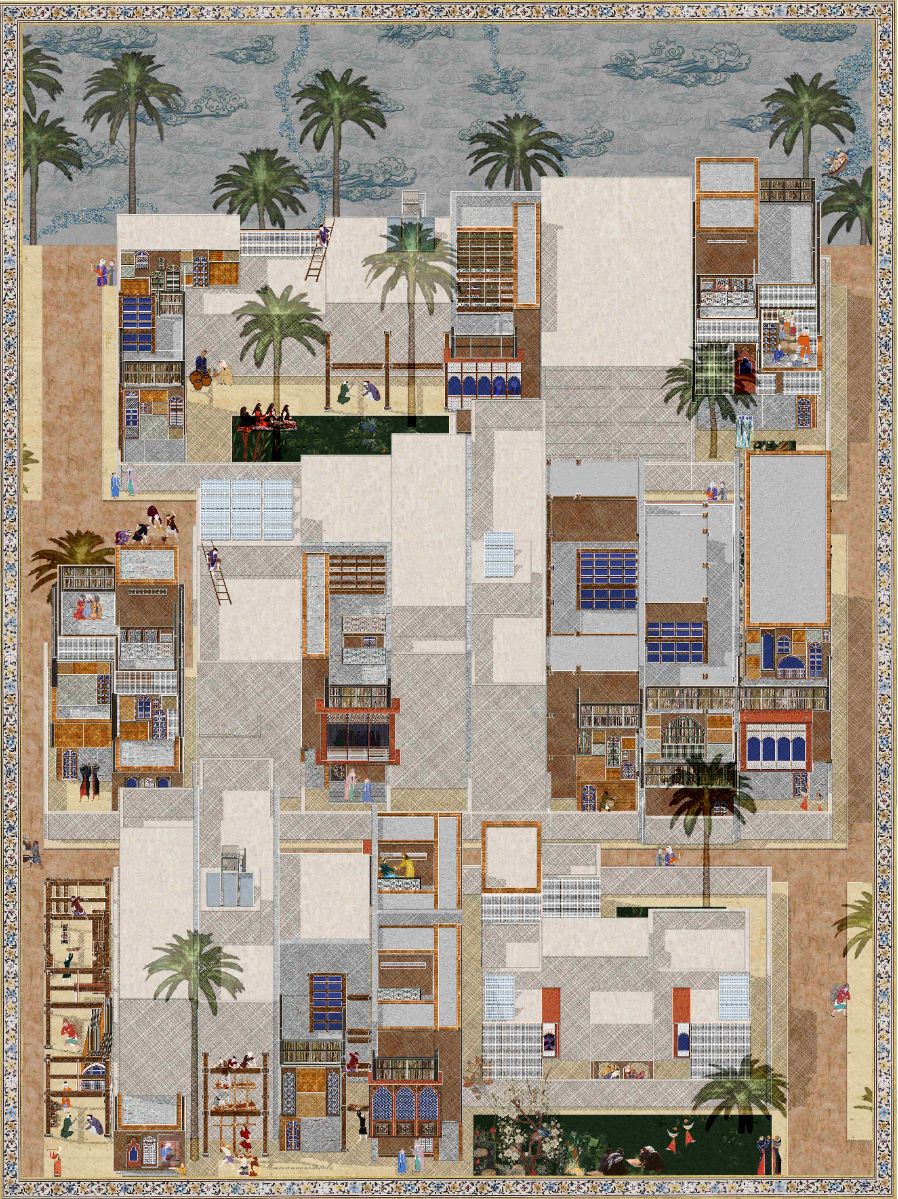
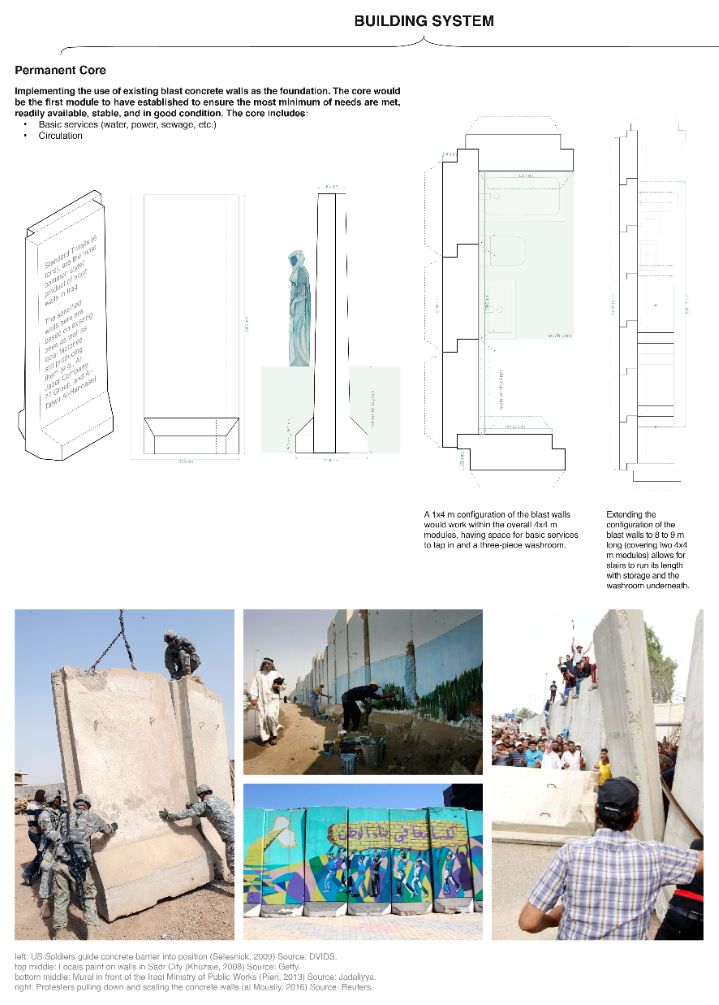
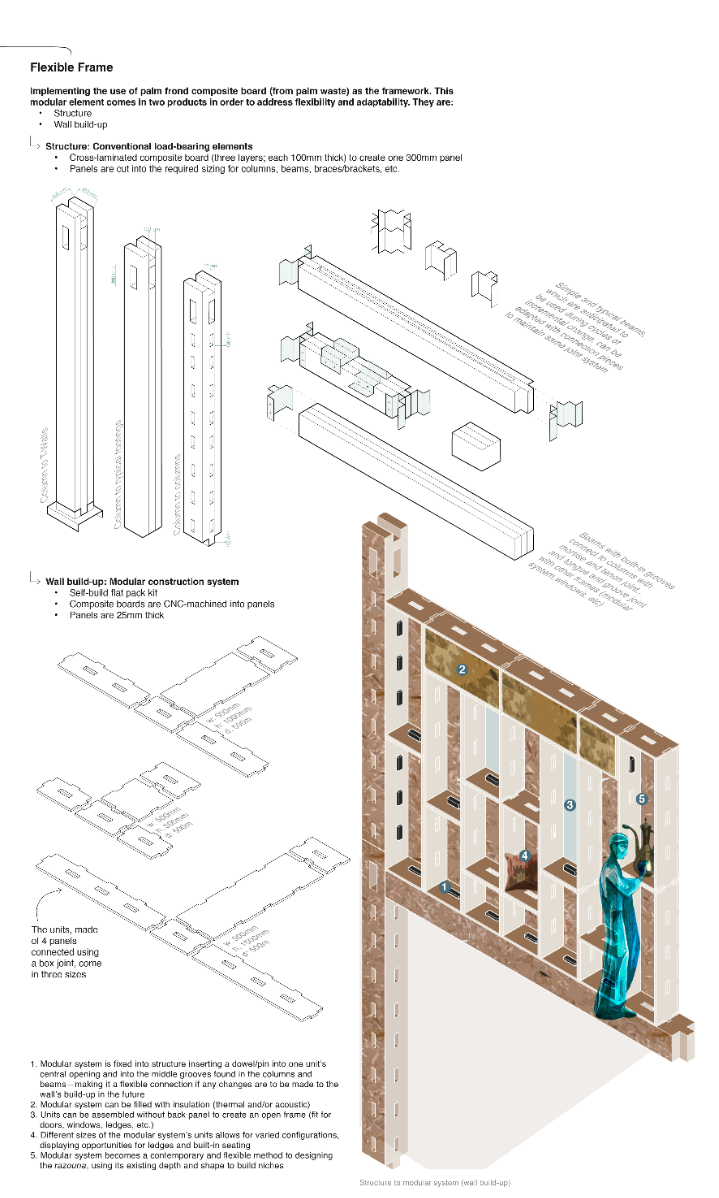
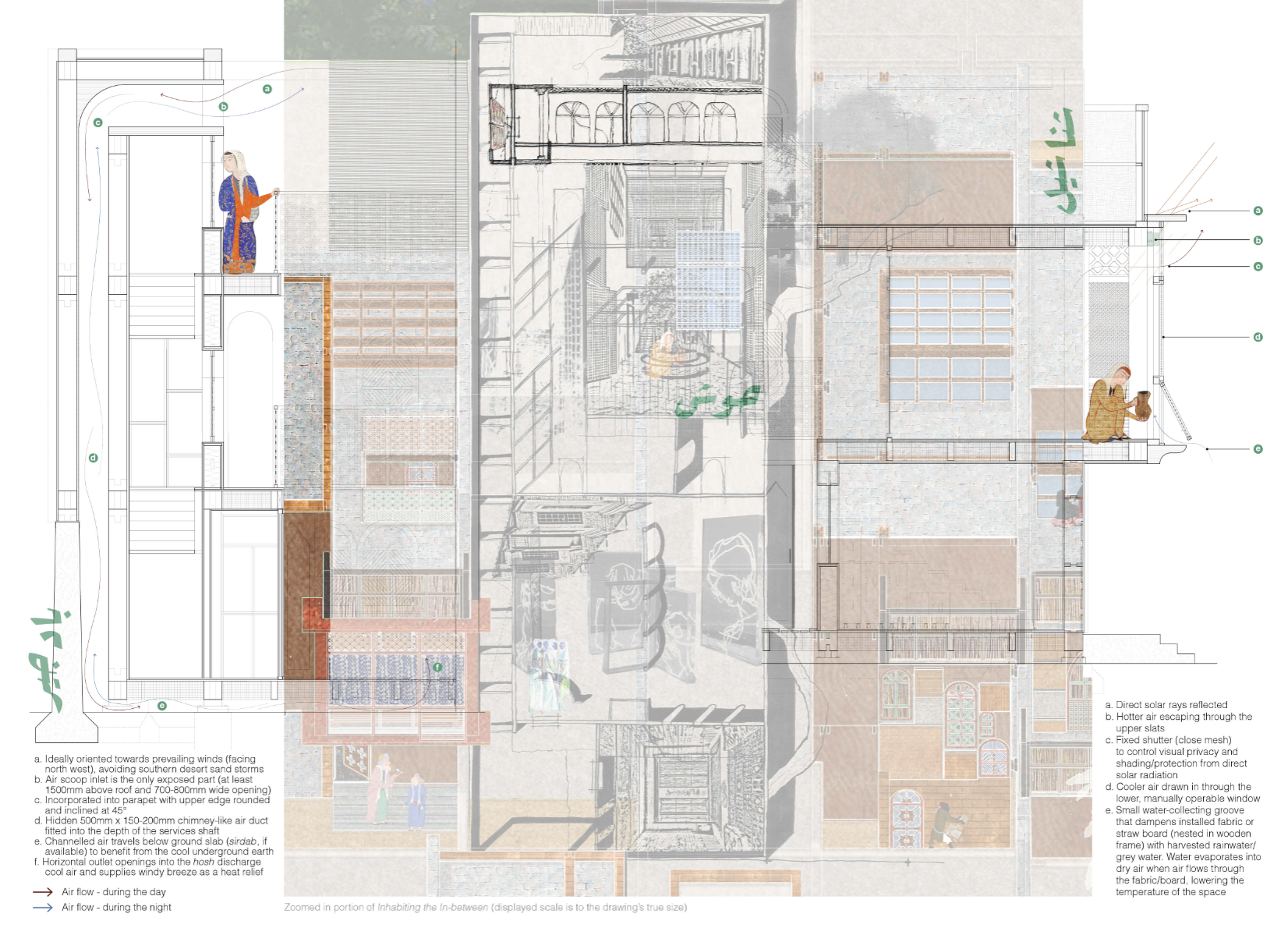
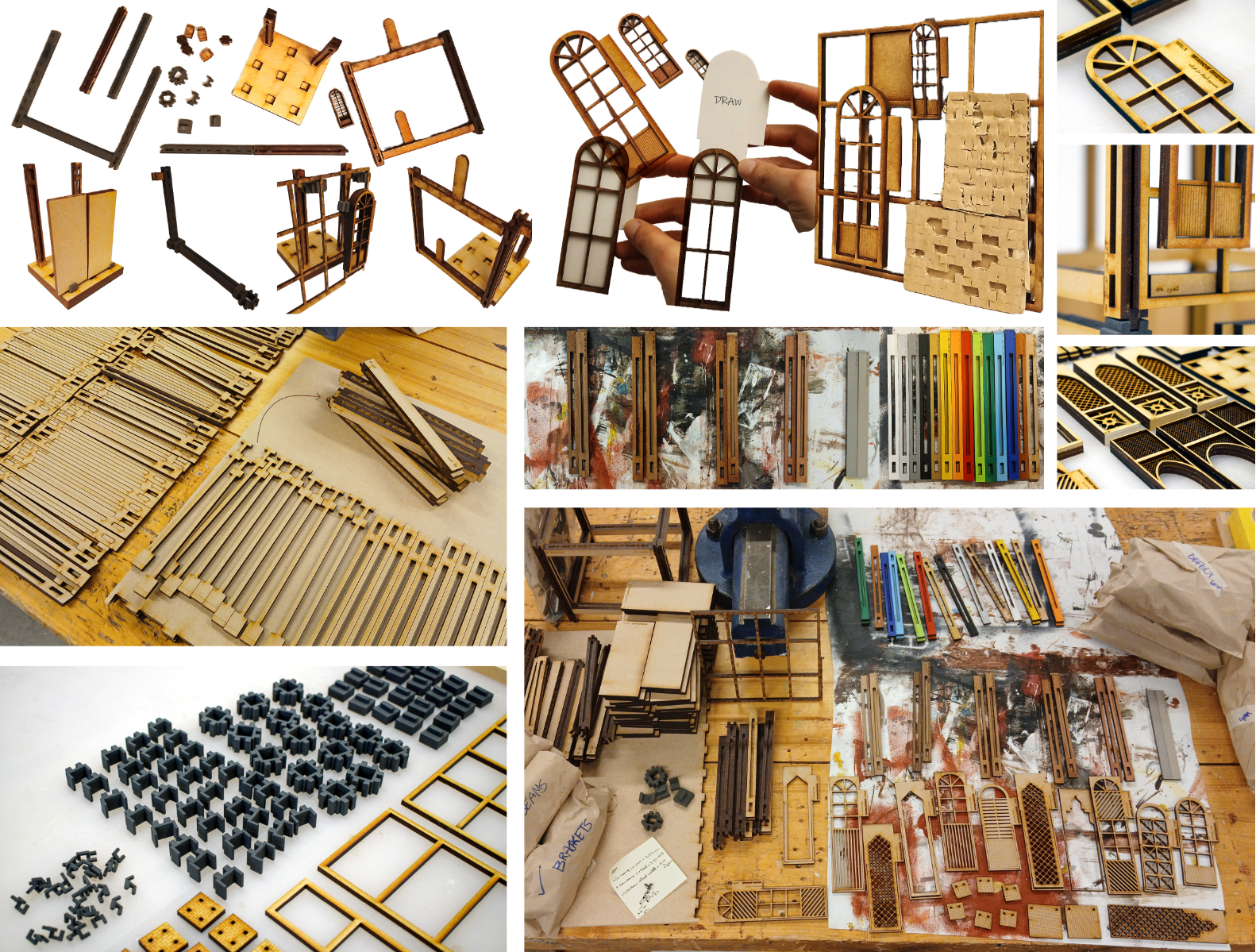
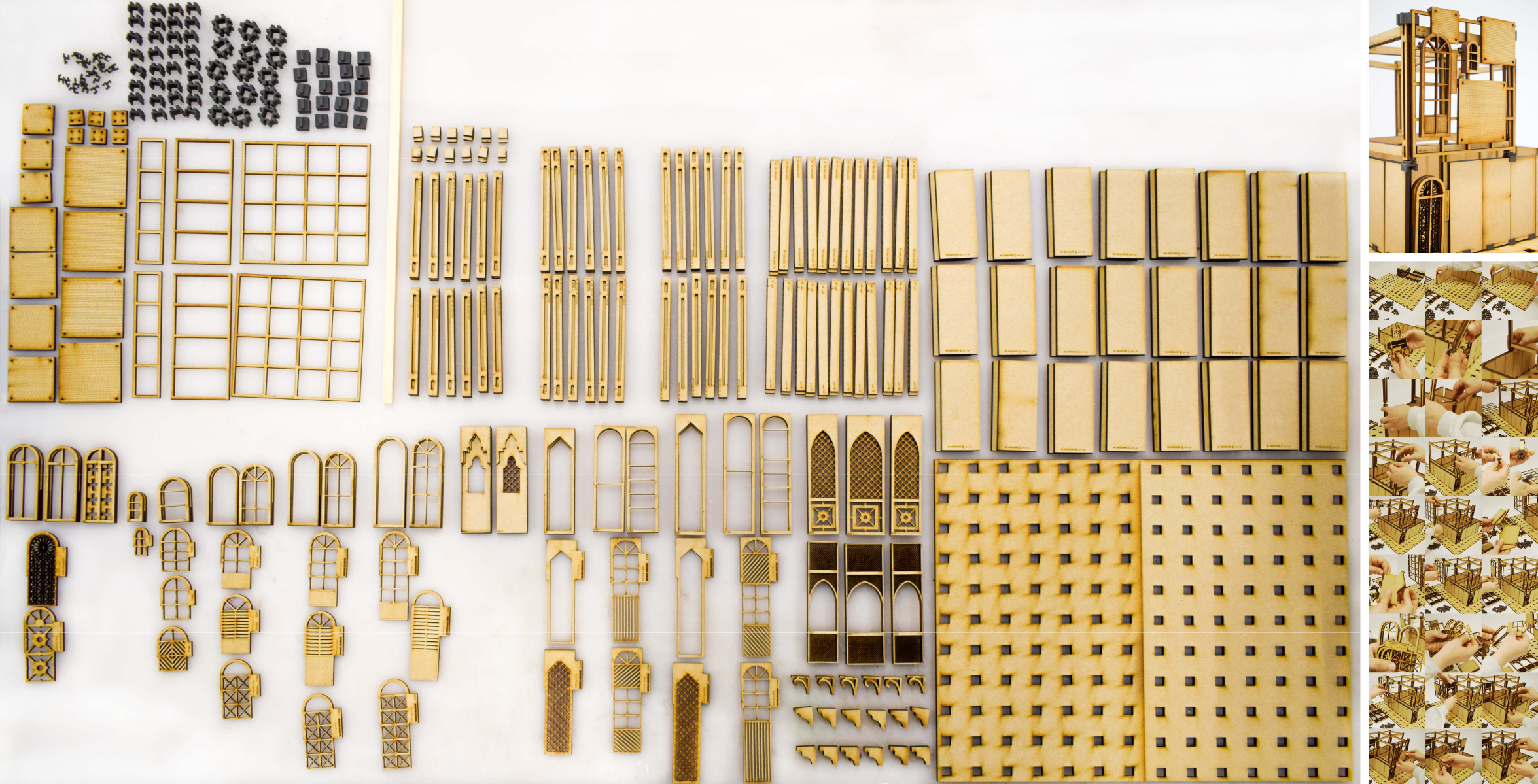
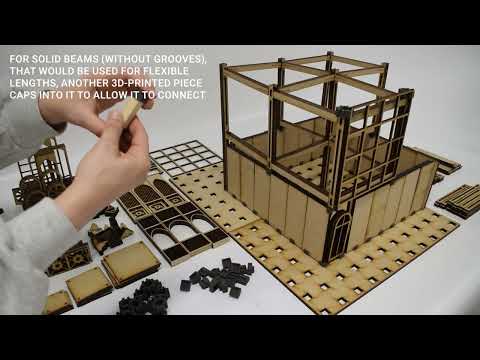
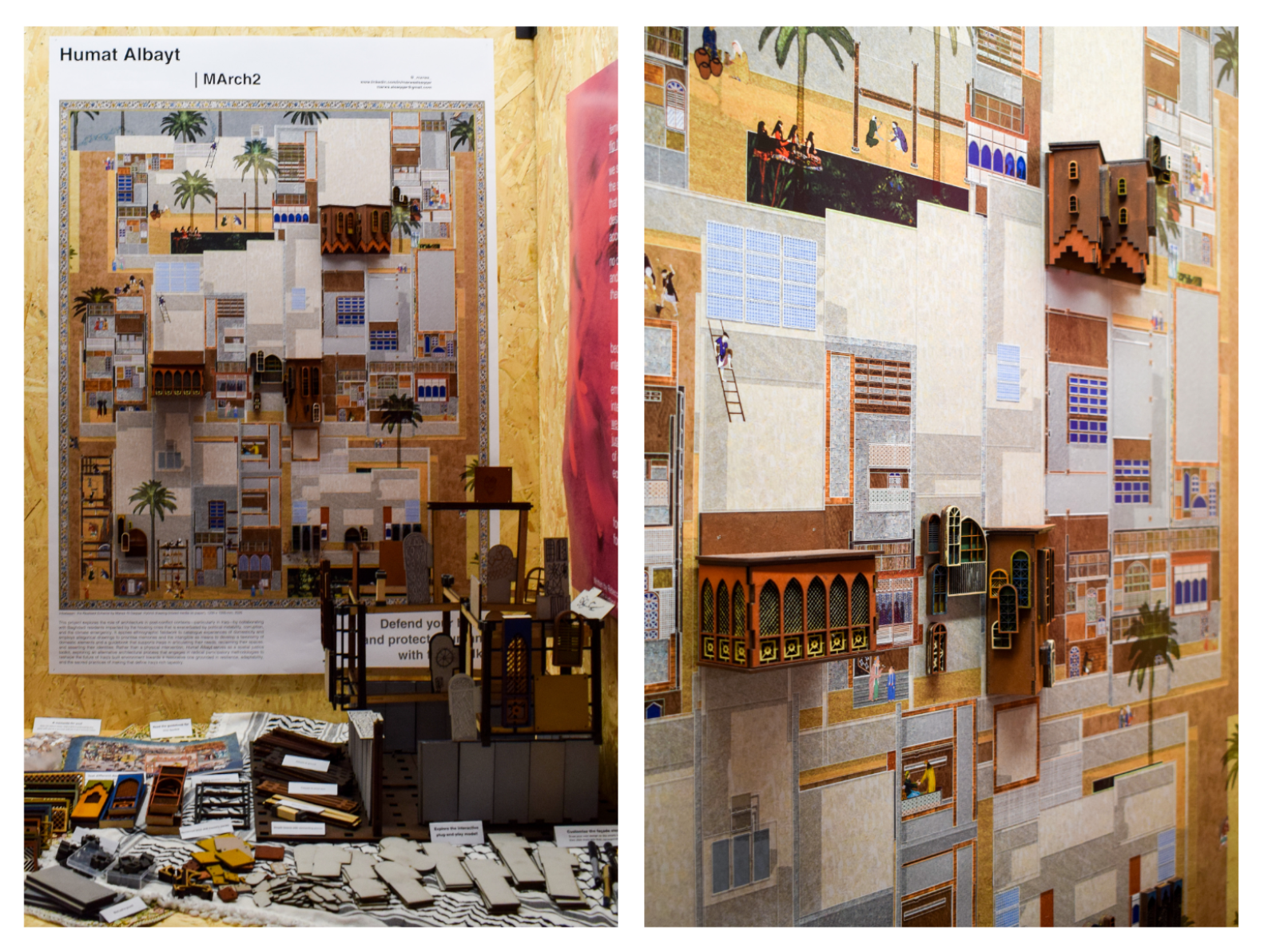
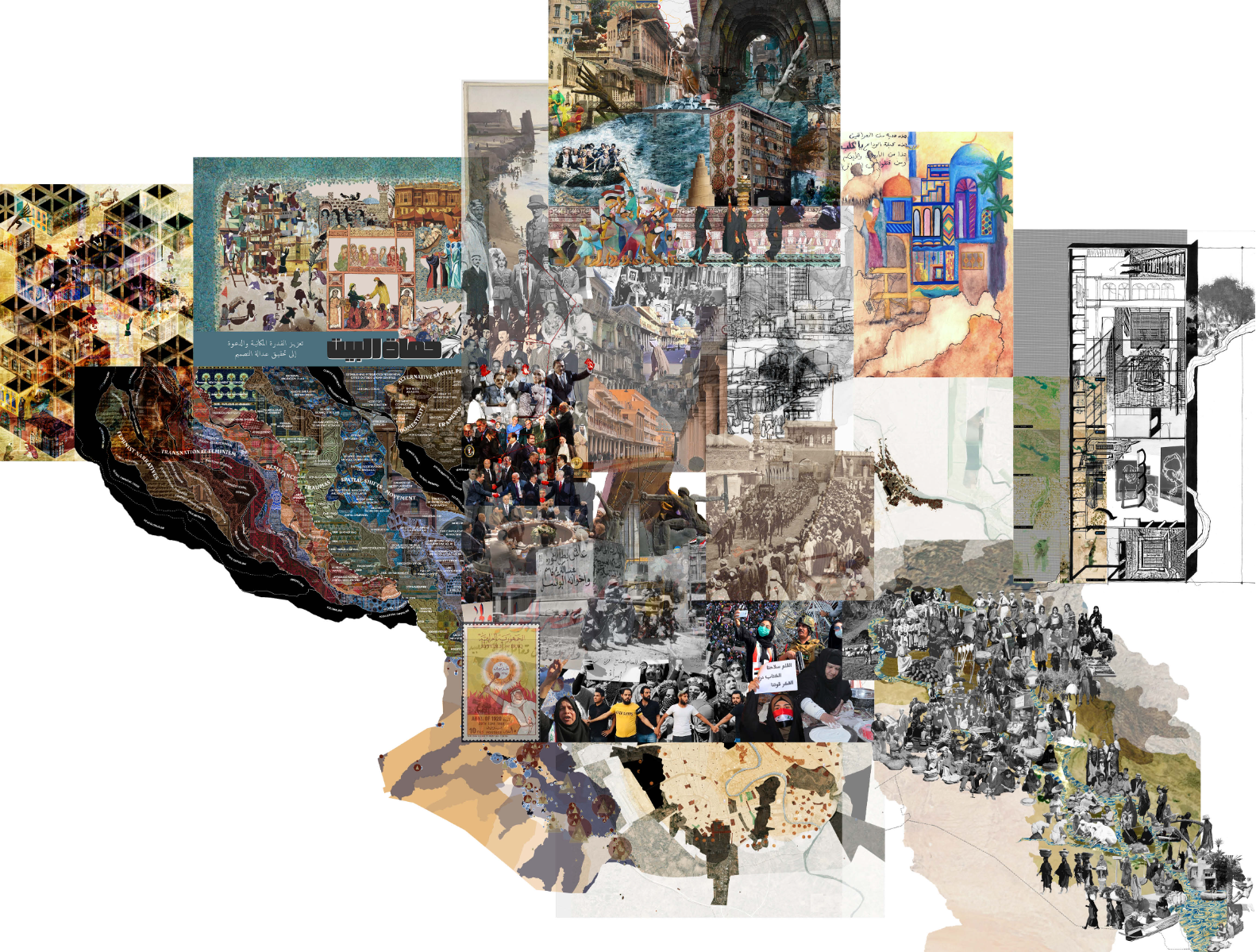
This project explores architecture’s role in post-conflict contexts by collaborating with Iraqi residents affected by the housing crisis. Through ethnographic fieldwork and allegorical drawings, it documents experiences of domesticity and develops a spatial justice toolkit that supports Iraqis in articulating their needs and reclaiming their spaces. Humat Albayt explores the role of architecture in post-conflict contexts—particularly in Iraq—by collaborating with displaced and neglected Baghdadi residents impacted by the housing crisis that is exacerbated by political instability, corruption, and the climate emergency. It applies ethnographic fieldwork to catalogue experiences of domesticity and employs allegorical drawings to prioritise memories and the intangible as means to develop a taxonomy of domestic elements and a guidebook that supports Iraqis in articulating their needs and reclaiming their spaces. Rather than a physical intervention, Humat Albayt serves as a spatial justice toolkit, exploring an alternative architectural process that engages in radical participatory methodologies to reshape the future of Iraq’s built environment towards a restorative one grounded in resilience, adaptability, and the sacred practices of making that define Iraq's rich tapestry.
Competitions