Louis Deane
PRODUCT DESIGN ENGINEERING
Glasgow School of Art
Specialisms: Product Design / Industrial Design / Sustainable Design
Location: Brighton, United Kingdom


Louis Deane
First Name: Louis
Last Name: Deane
Specialisms: Product Design / Industrial Design / Sustainable Design
Sectors:
My Location: Brighton, United Kingdom
University / College: Glasgow School of Art
Course / Program Title: PRODUCT DESIGN ENGINEERING
About
I am a graduate Product Design Engineer working between industrial design and engineering, with a particular interest in how everyday products shape behaviour, ownership and consumption. My work combines human insight, structured design frameworks and engineering thinking to develop meaningful, practical products. I’m particularly interested in how industrial design can address wider systems of ownership, value and waste, while creating simple, intuitive solutions that balance user needs, aesthetics and technical performance.

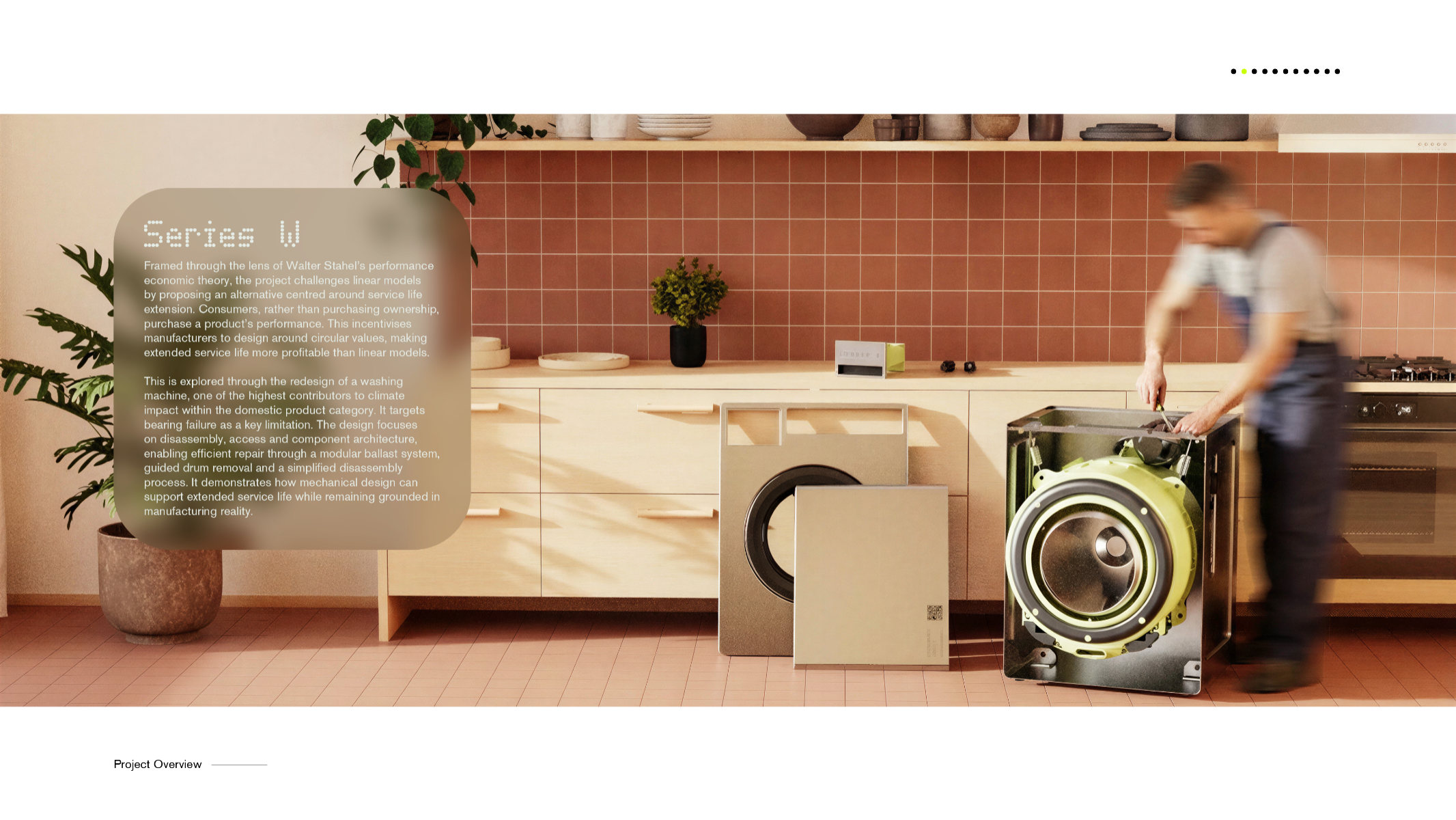
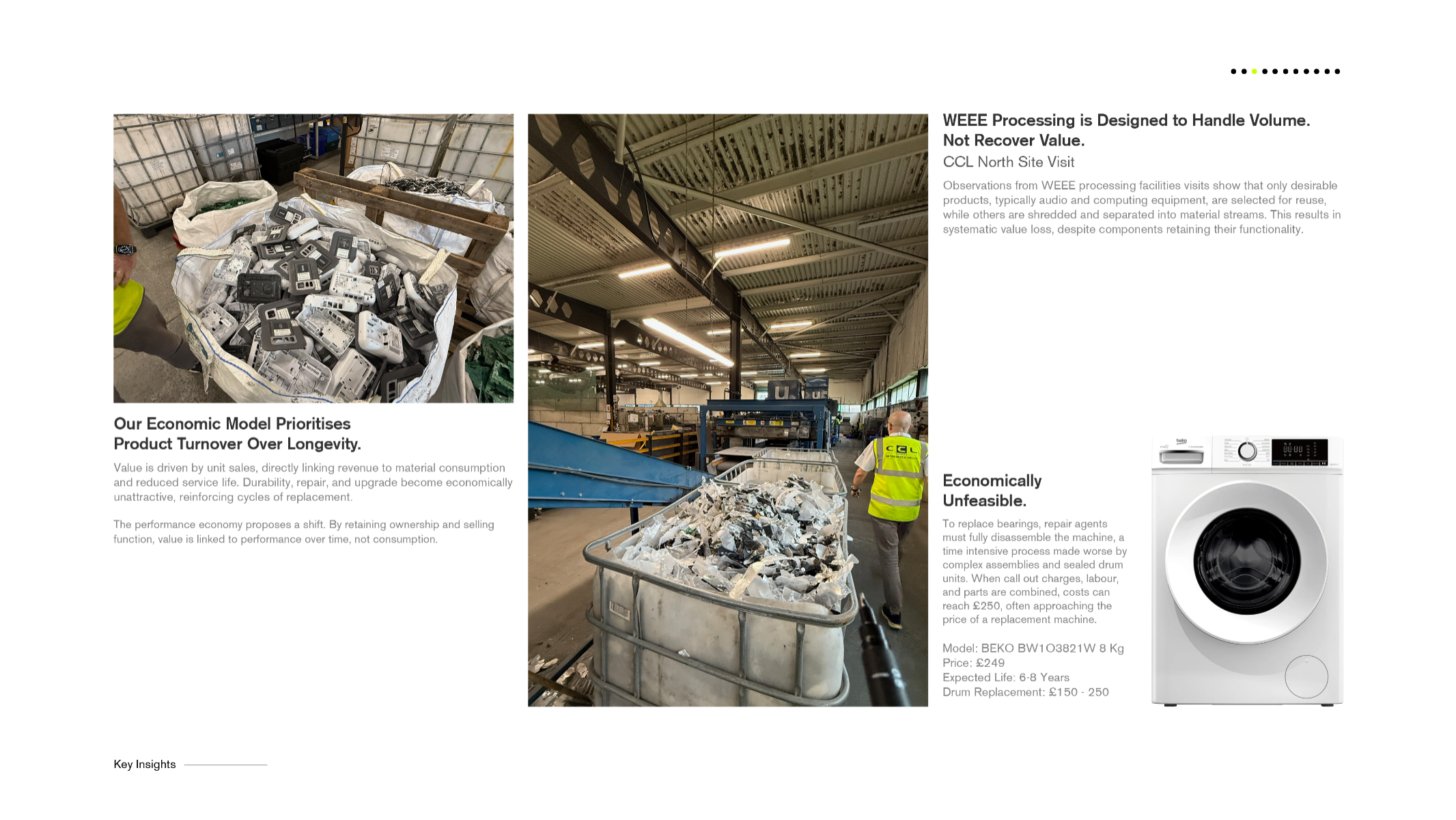
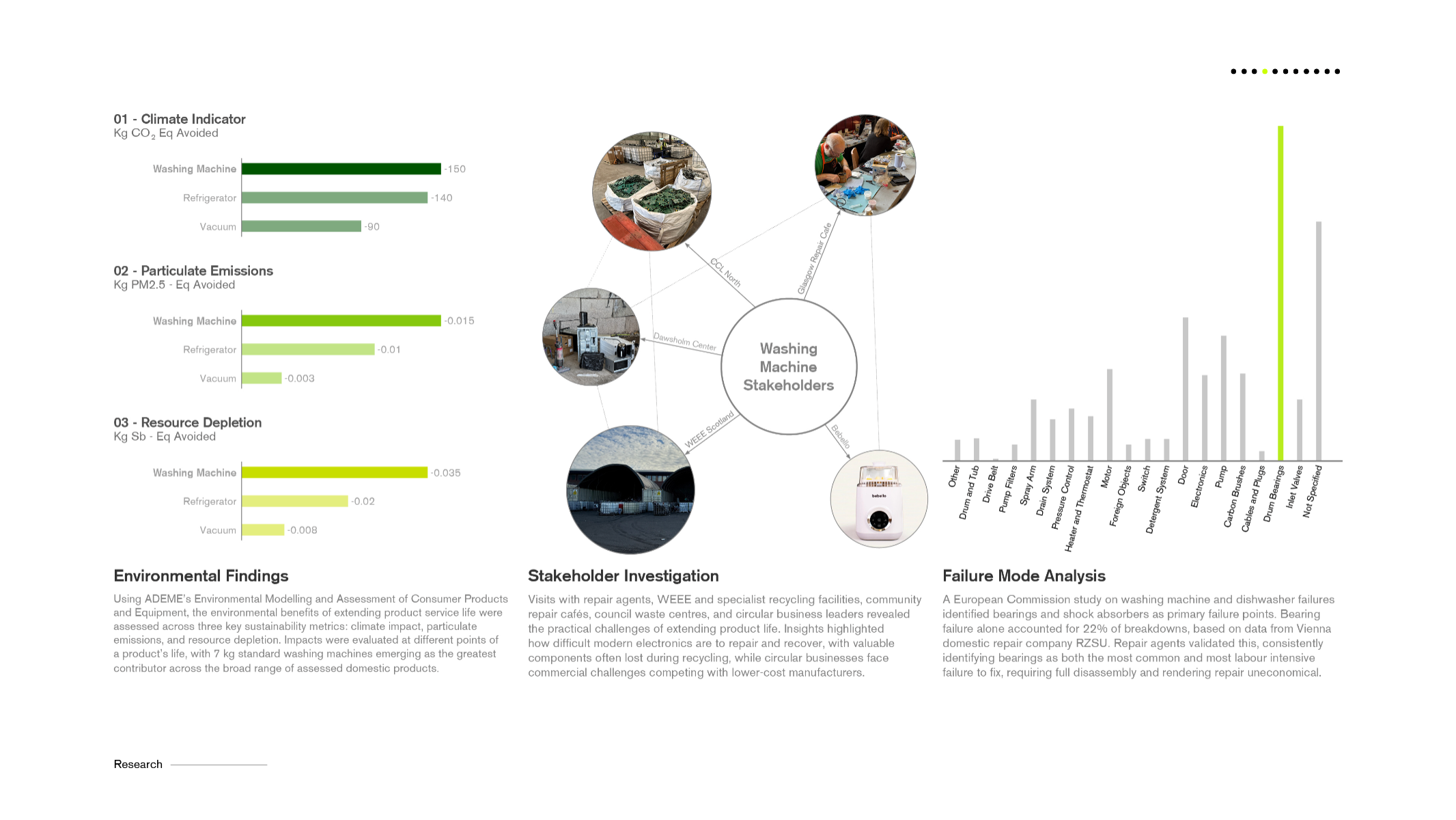
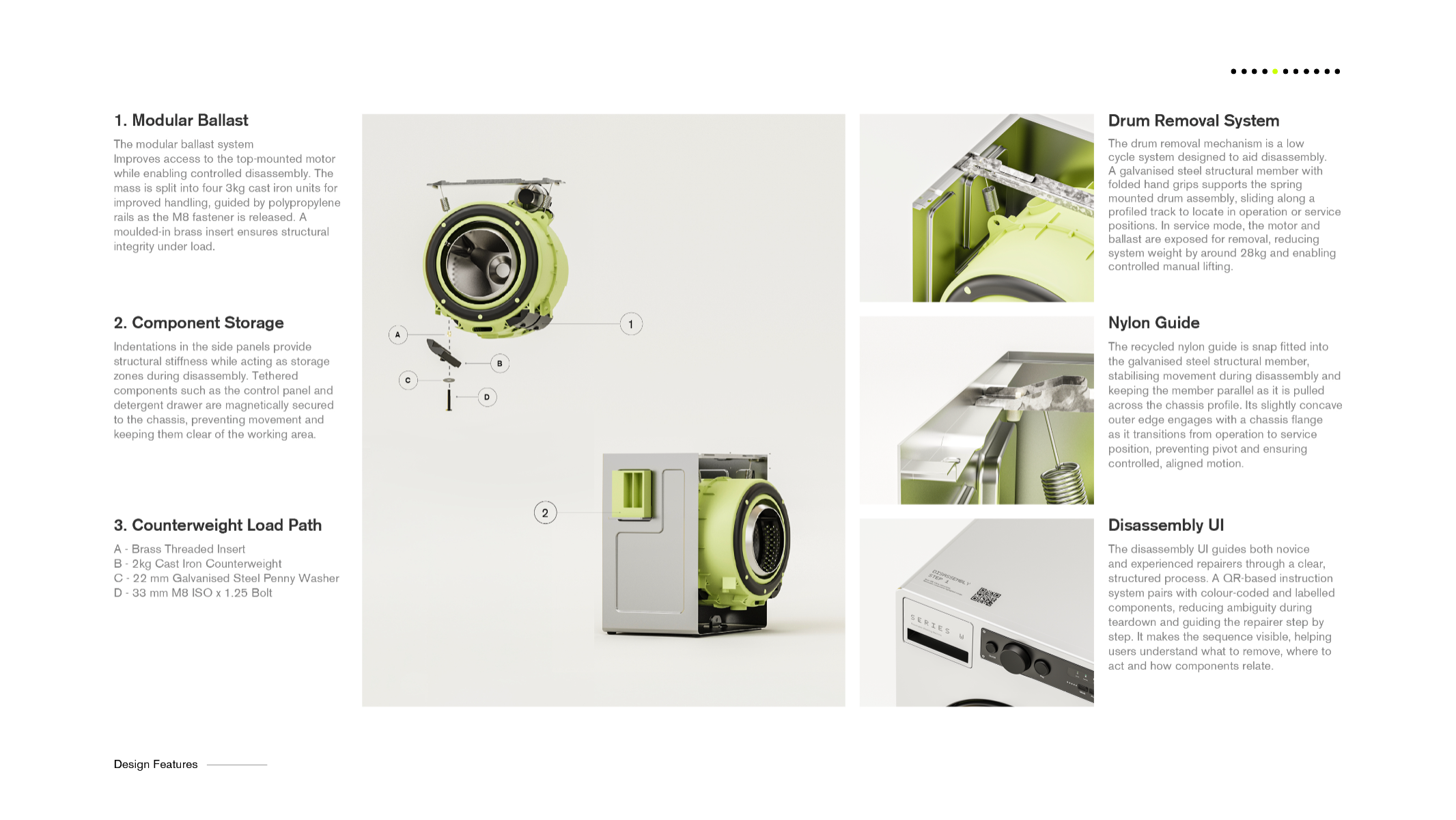
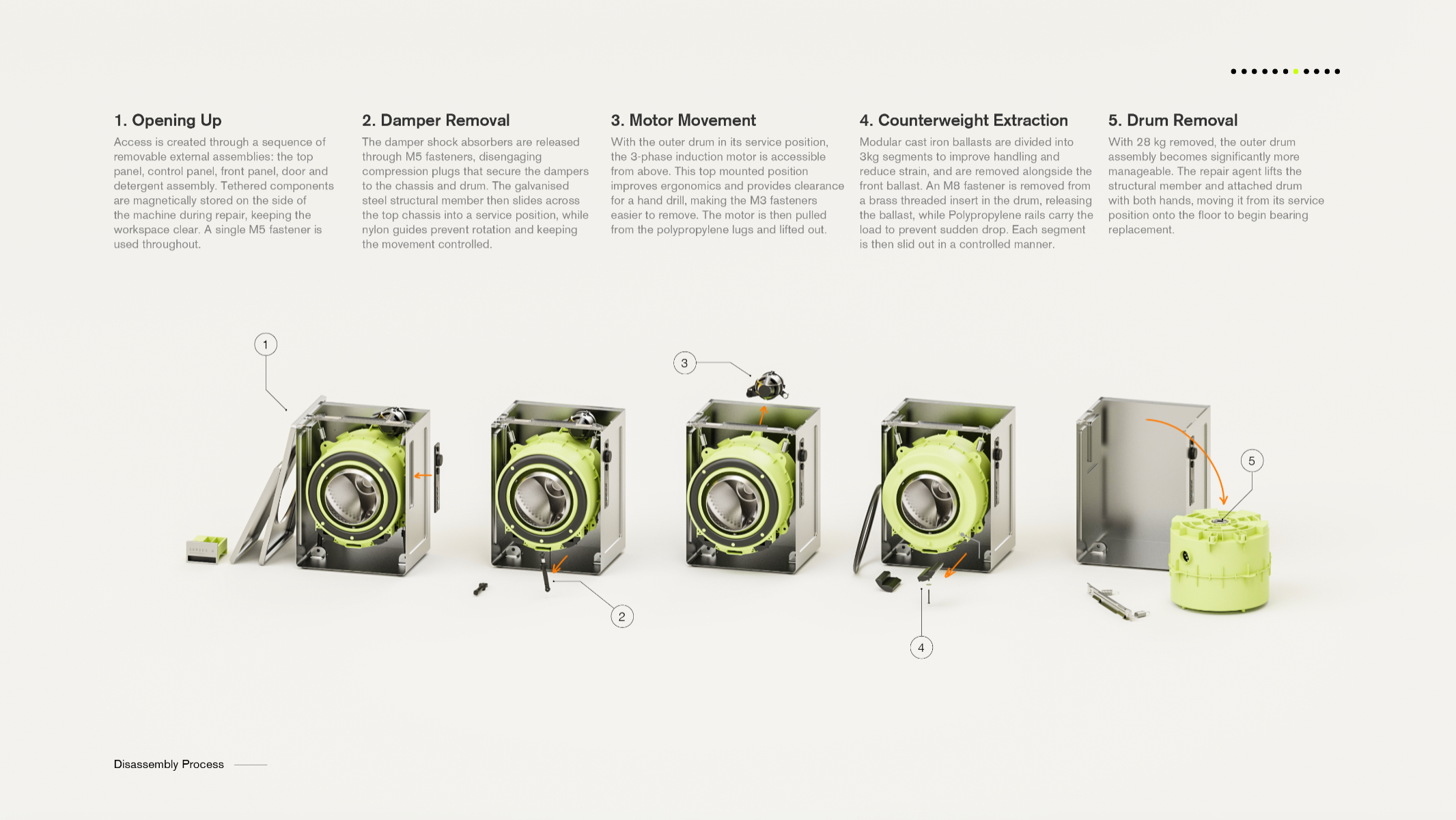
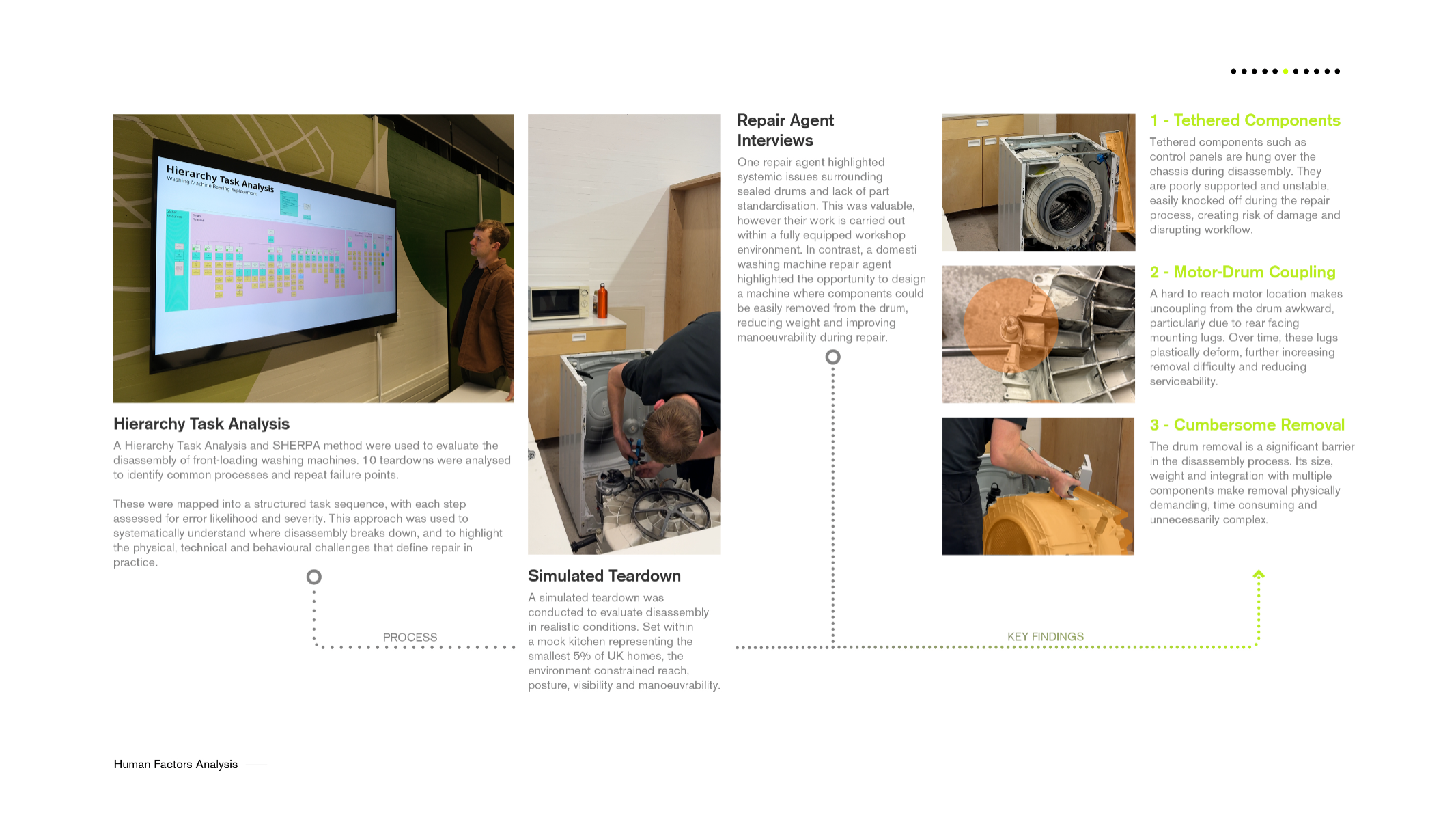
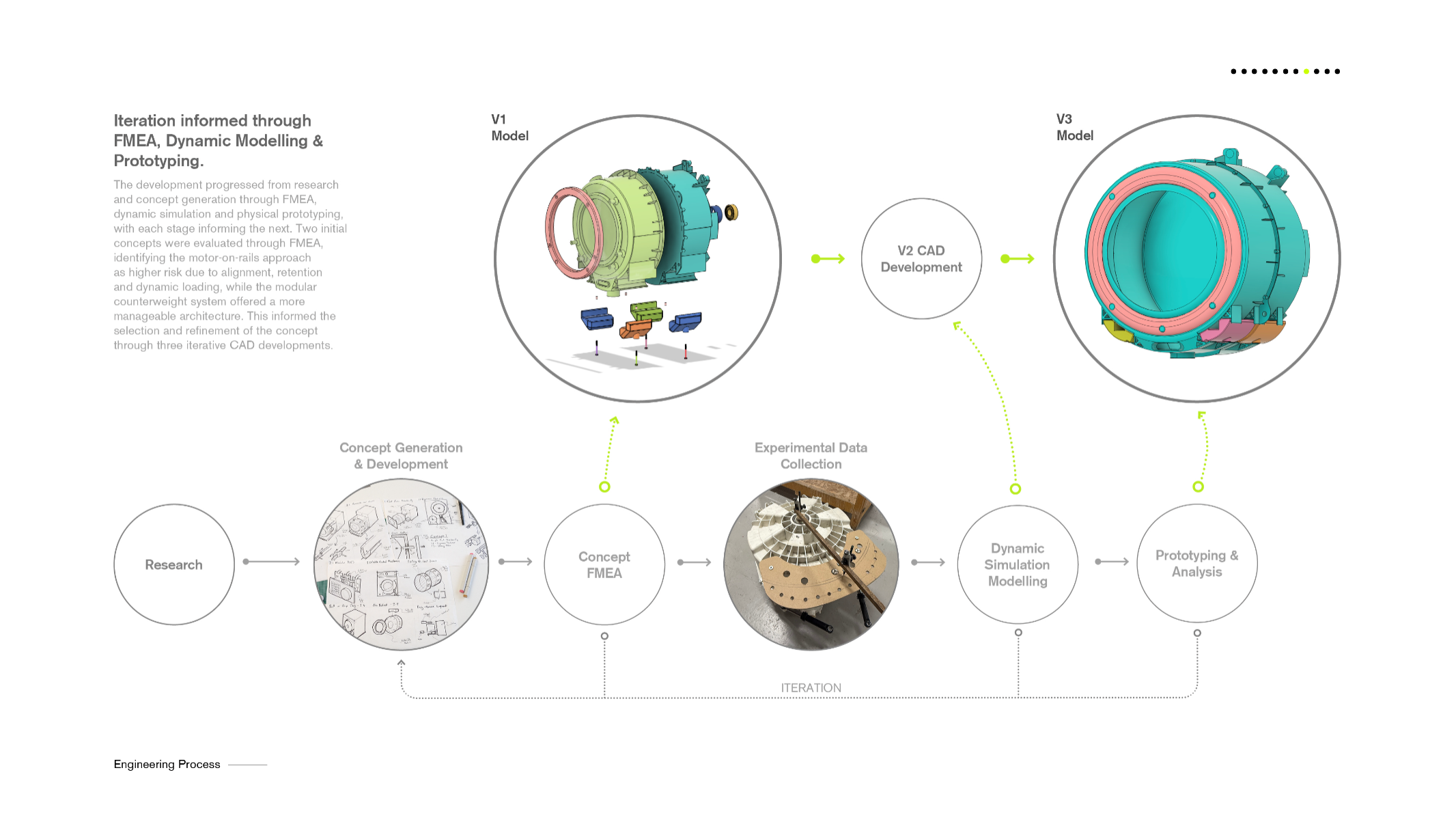
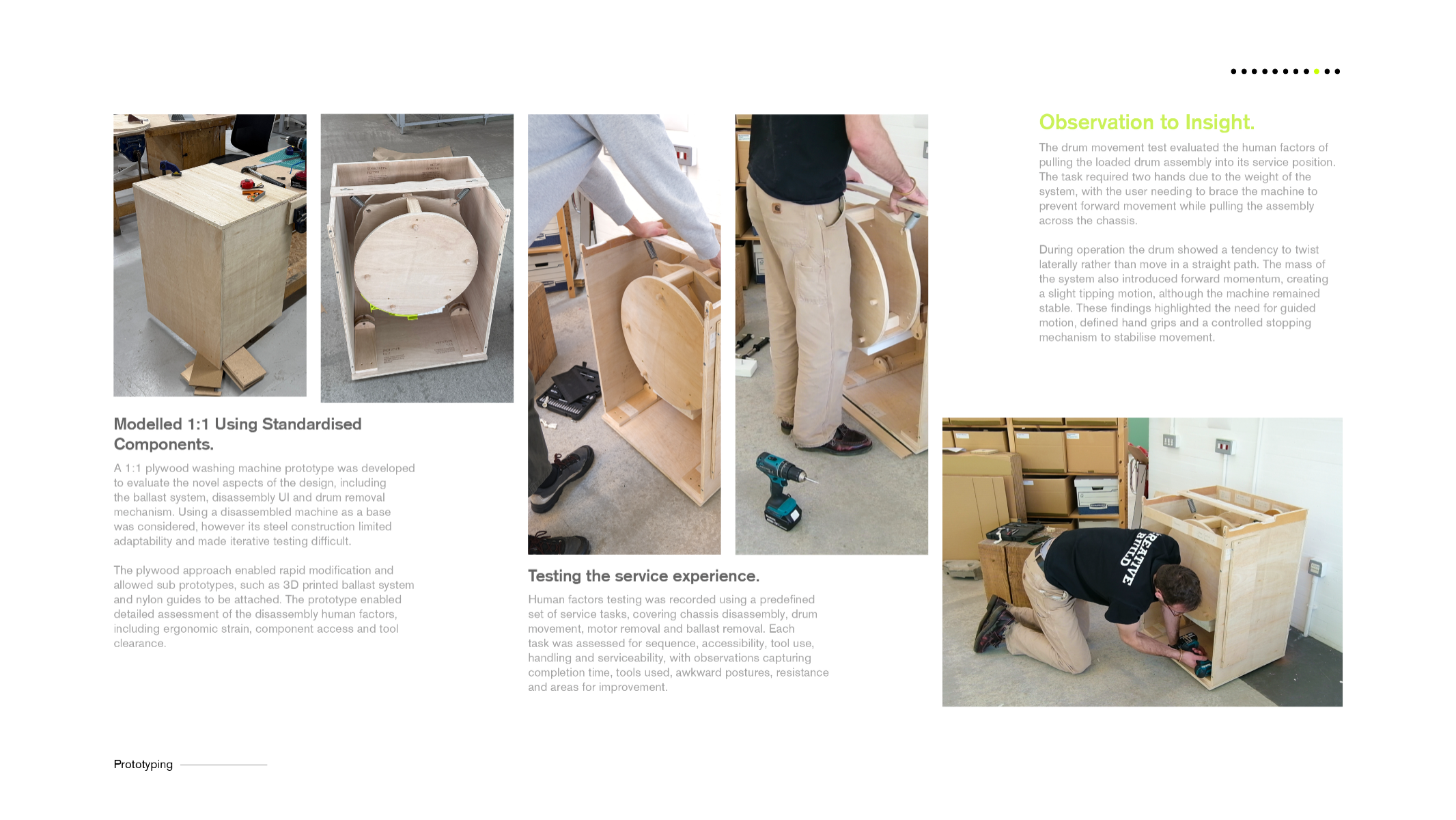
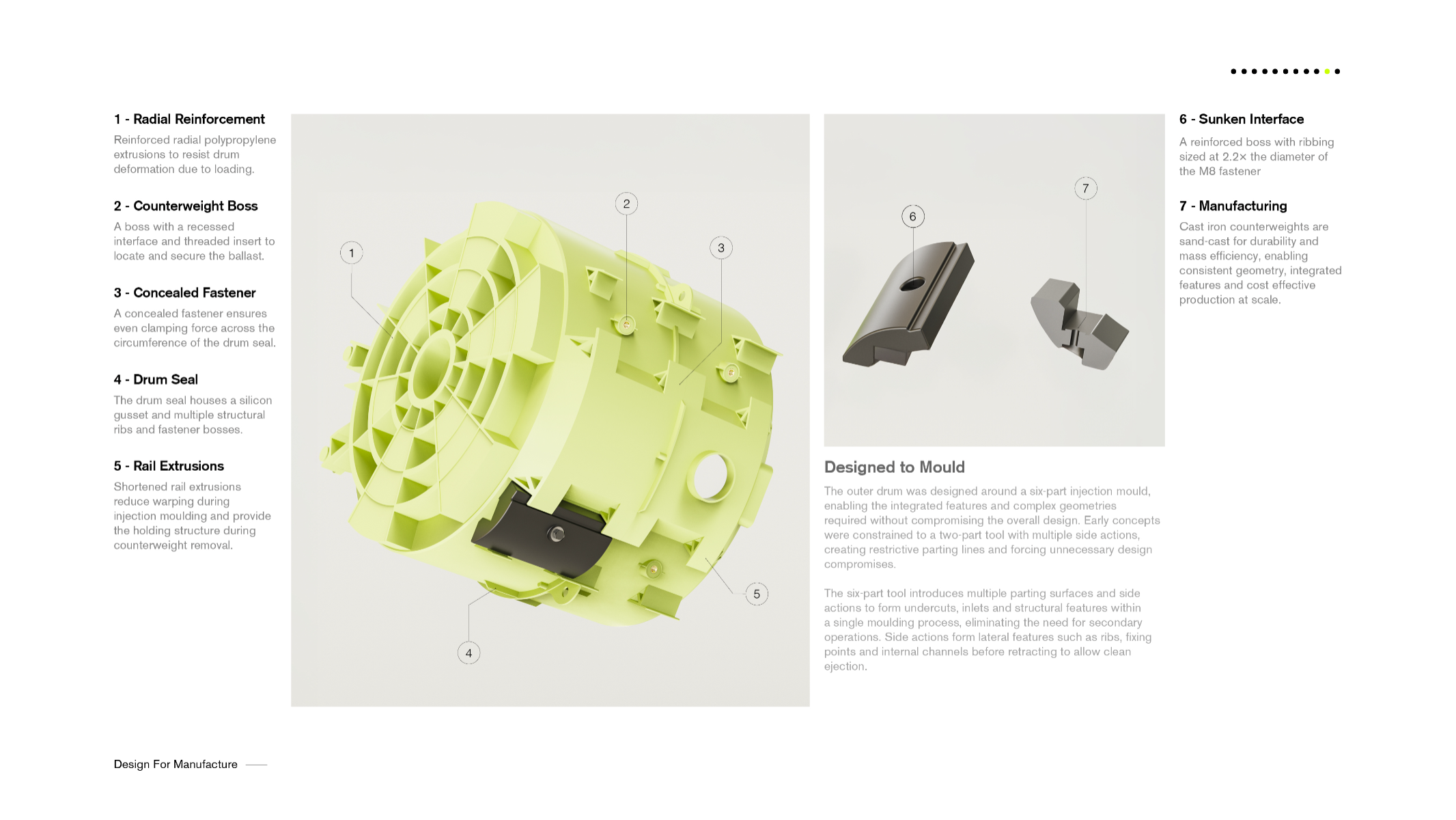
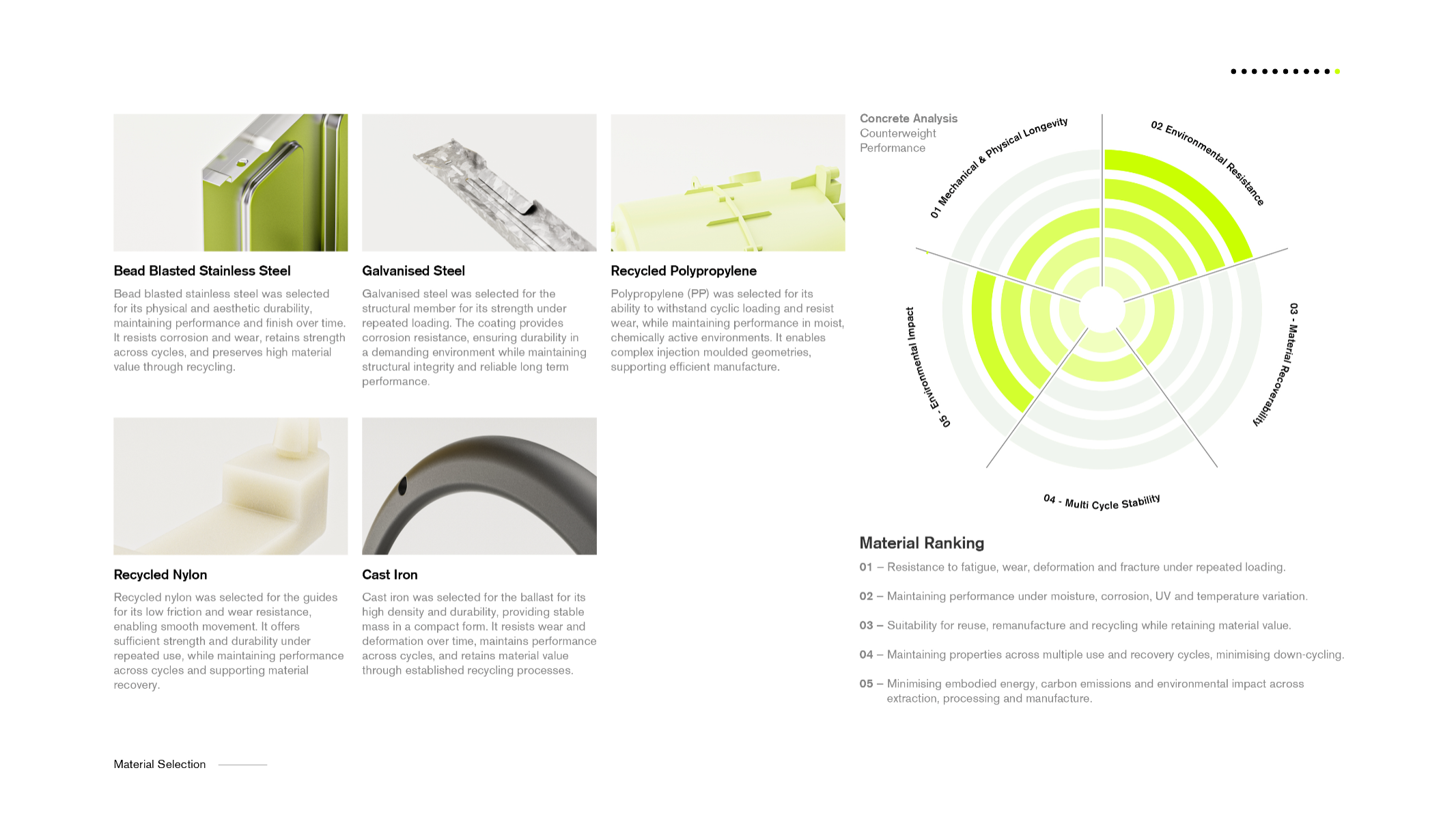
Series W is a project that addresses a fundamental issue within sustainable design: we are constrained by the economic and political systems we operate within. Capitalist linear models drive rapid product turnover, shortening lifespans and reinforcing a culture of replacement. In domestic appliances this is increasingly evident, with a surge in non-repairable sealed components and inaccessible assemblies making repair difficult and uneconomical. Framed through the lens of Walter Stahel’s performance economic theory, the project challenges linear models by proposing an alternative centred around service life extension. Consumers, rather than purchasing ownership, purchase a product’s performance. This incentivises manufacturers to design around circular values, making extended service life more profitable than linear models. This is explored through the redesign of a washing machine, one of the highest contributors to climate impact within the domestic product category. It targets bearing failure as a key limitation. The design focuses on disassembly, access and component architecture, enabling efficient repair through a modular ballast system, guided drum removal and a simplified disassembly process. It demonstrates how mechanical design can support extended service life while remaining grounded in manufacturing reality.