Kodalie WAI
Bachelor of Arts and Science (Hons) in Arts and Technology
HKBU Academy of Visual Arts
Specialisms: Installation/Sculpture / Film / Sound Art
Location: Hong Kong, Hong Kong

Kodalie WAI
First Name: Kodalie
Last Name: WAI
Specialisms: Installation/Sculpture / Film / Sound Art
Sectors:
My Location: Hong Kong, Hong Kong
University / College: HKBU Academy of Visual Arts
Course / Program Title: Bachelor of Arts and Science (Hons) in Arts and Technology
About
WAI Fun Yim, Kodalie (b.2001, Hong Kong) works across video, sound installation, and interactive media, exploring how perception emerges through the interaction between technology and material. Her practice moves away from narrative and representation, focusing instead on how emotion can arise through rhythm, texture and instability in the act of viewing and listening.
Her recent works explore the perceptual relationship between humans and machines, informed by philosophy of technology and its influence on how we understand presence and interiority. Through close-up imagery, ambient sound, and spatial installation, she constructs slow, ambiguous environments that invite viewers to sense an emotional connection between the human and the non-human.
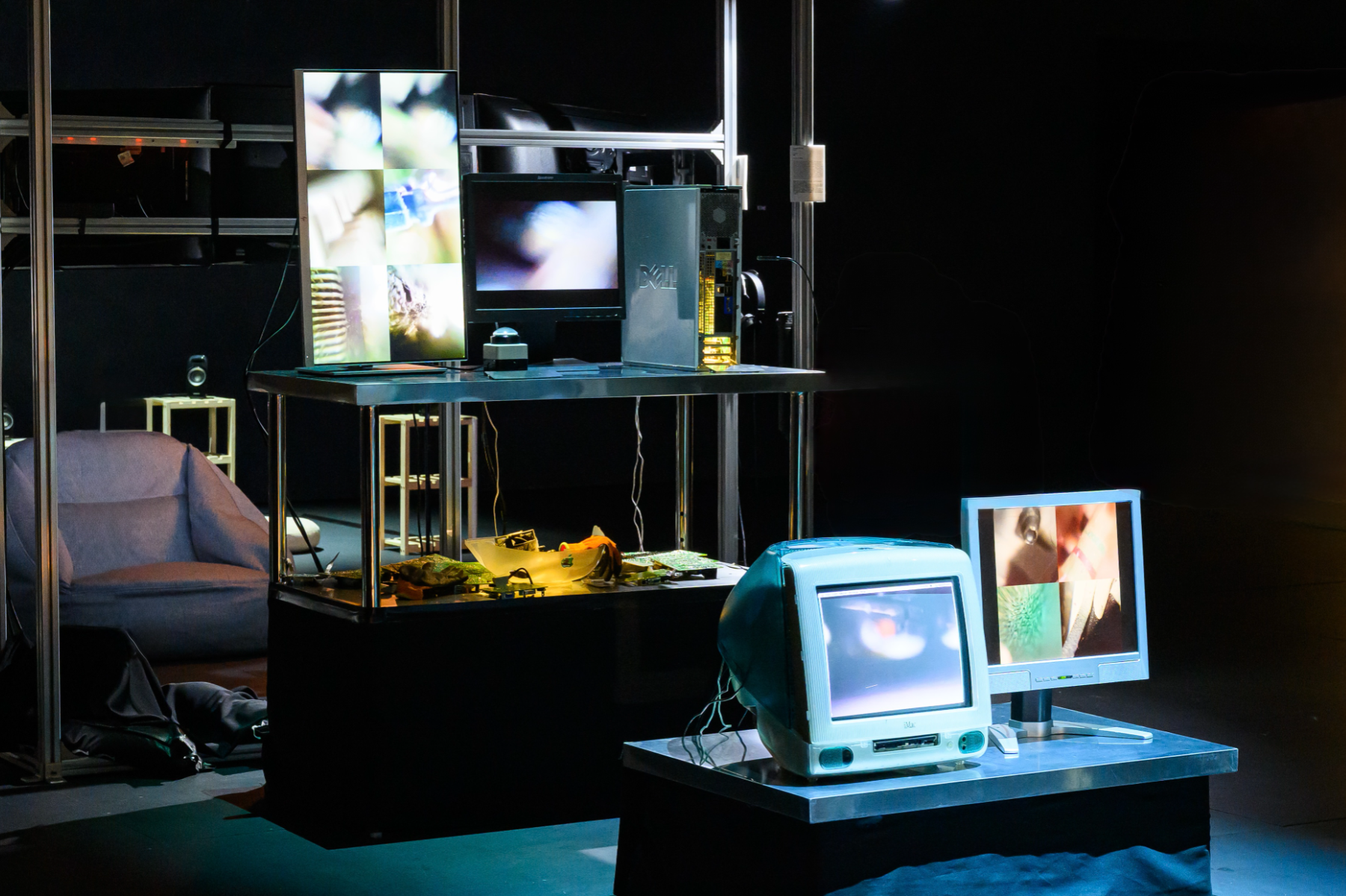
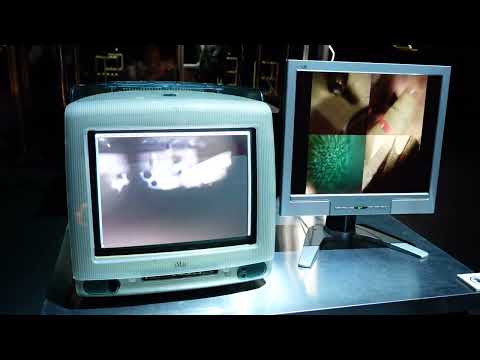
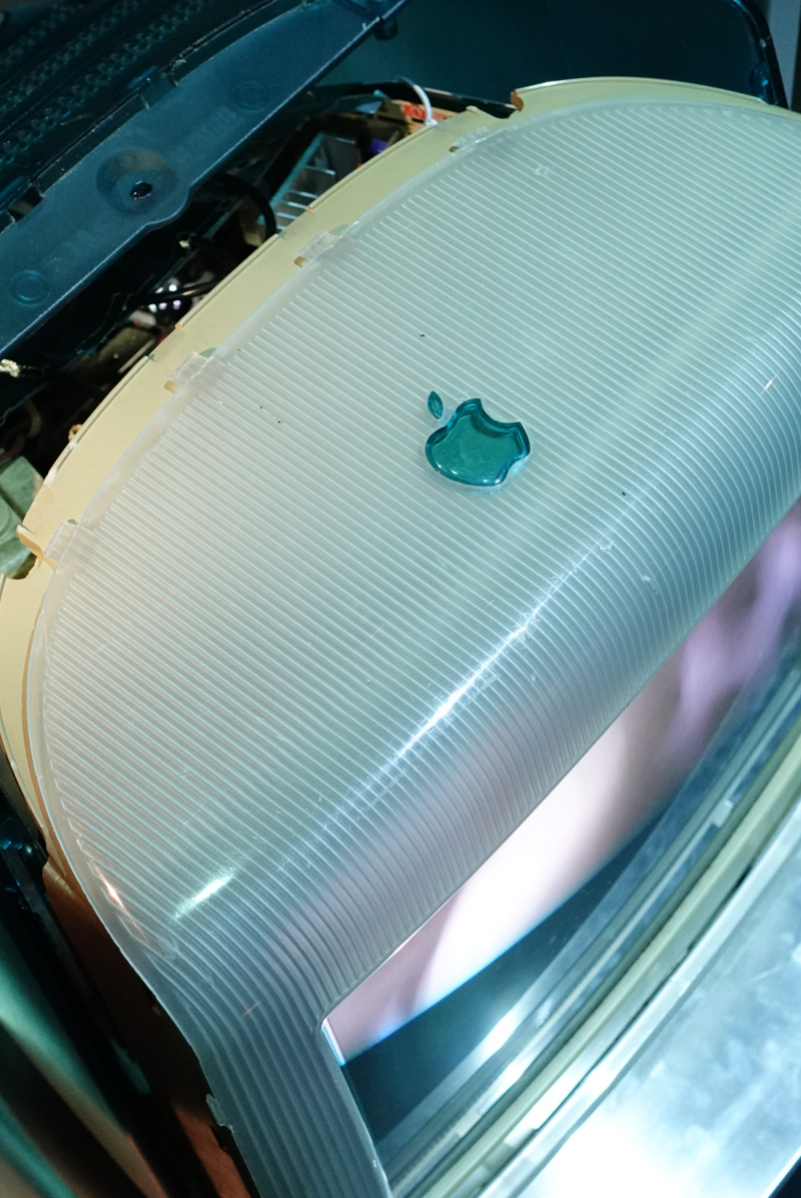
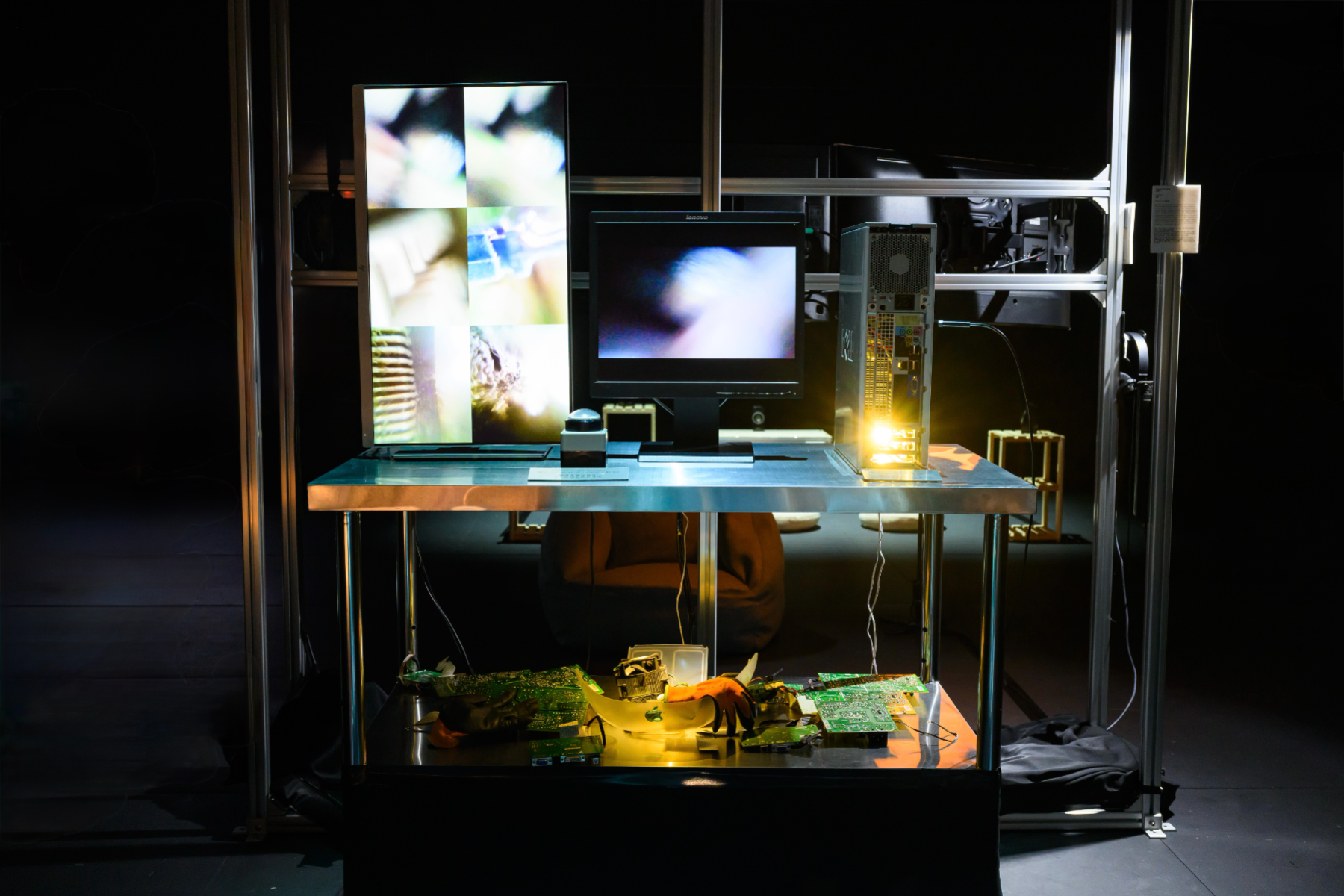
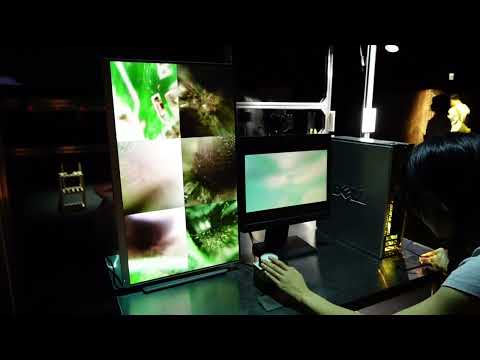
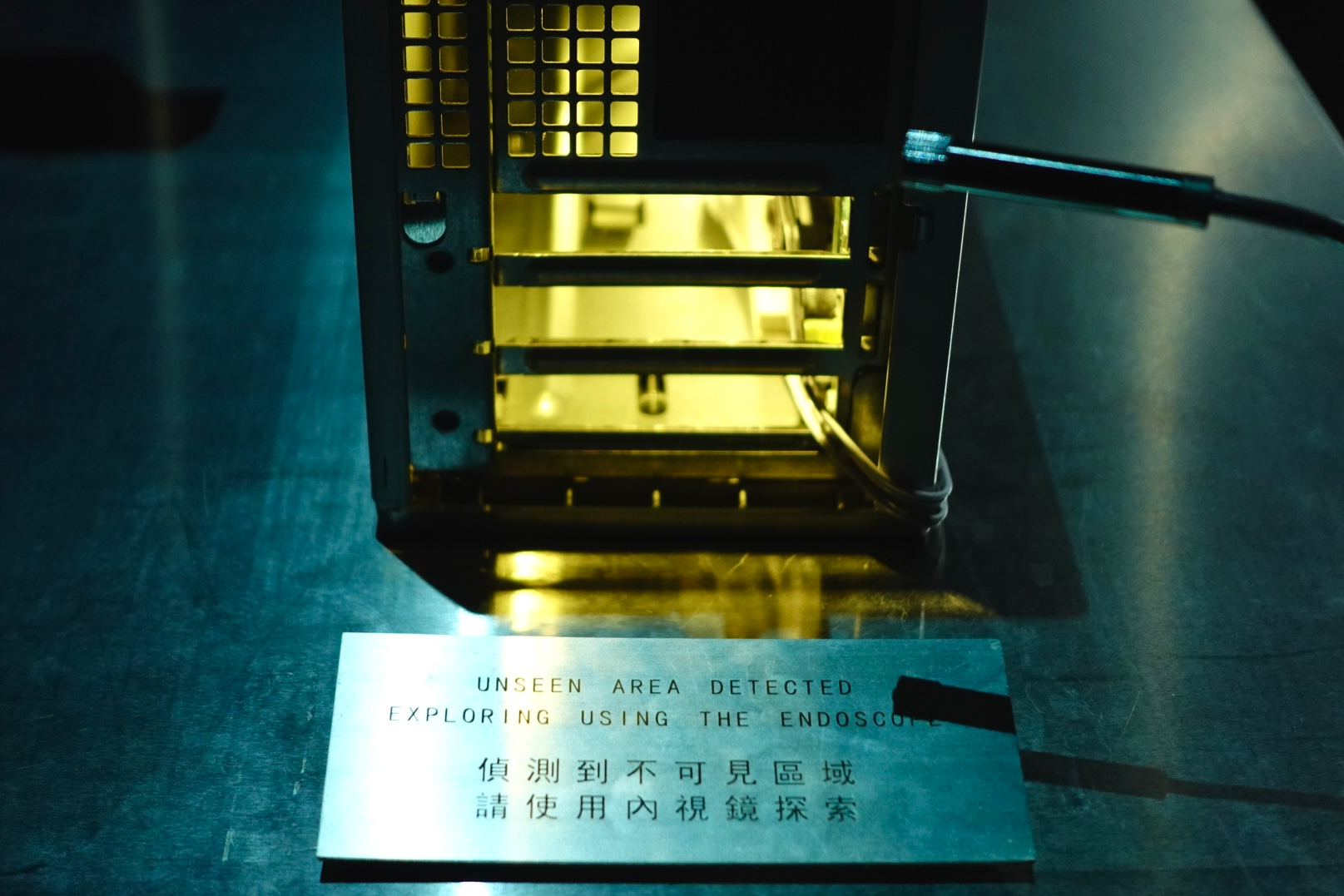
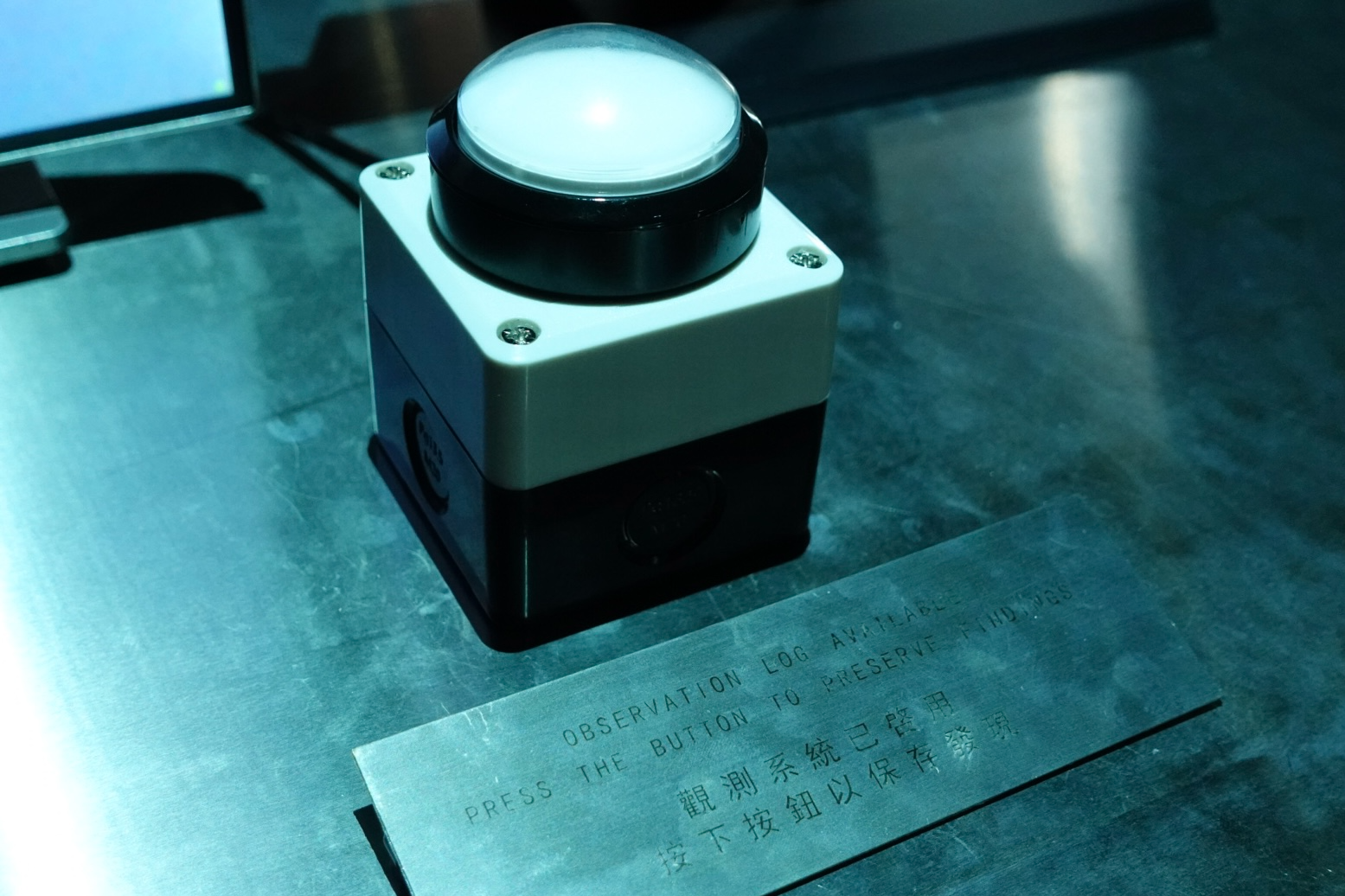
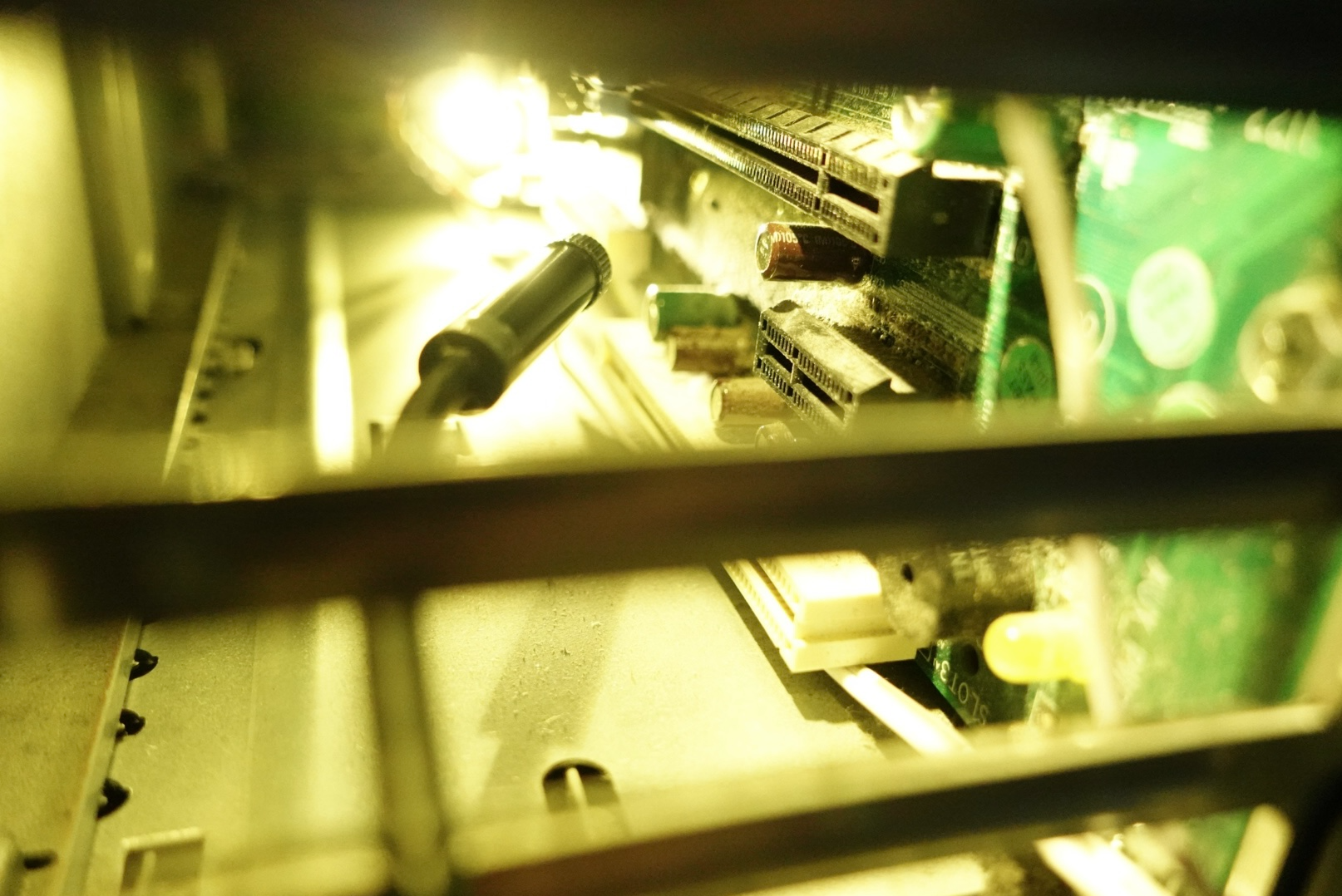
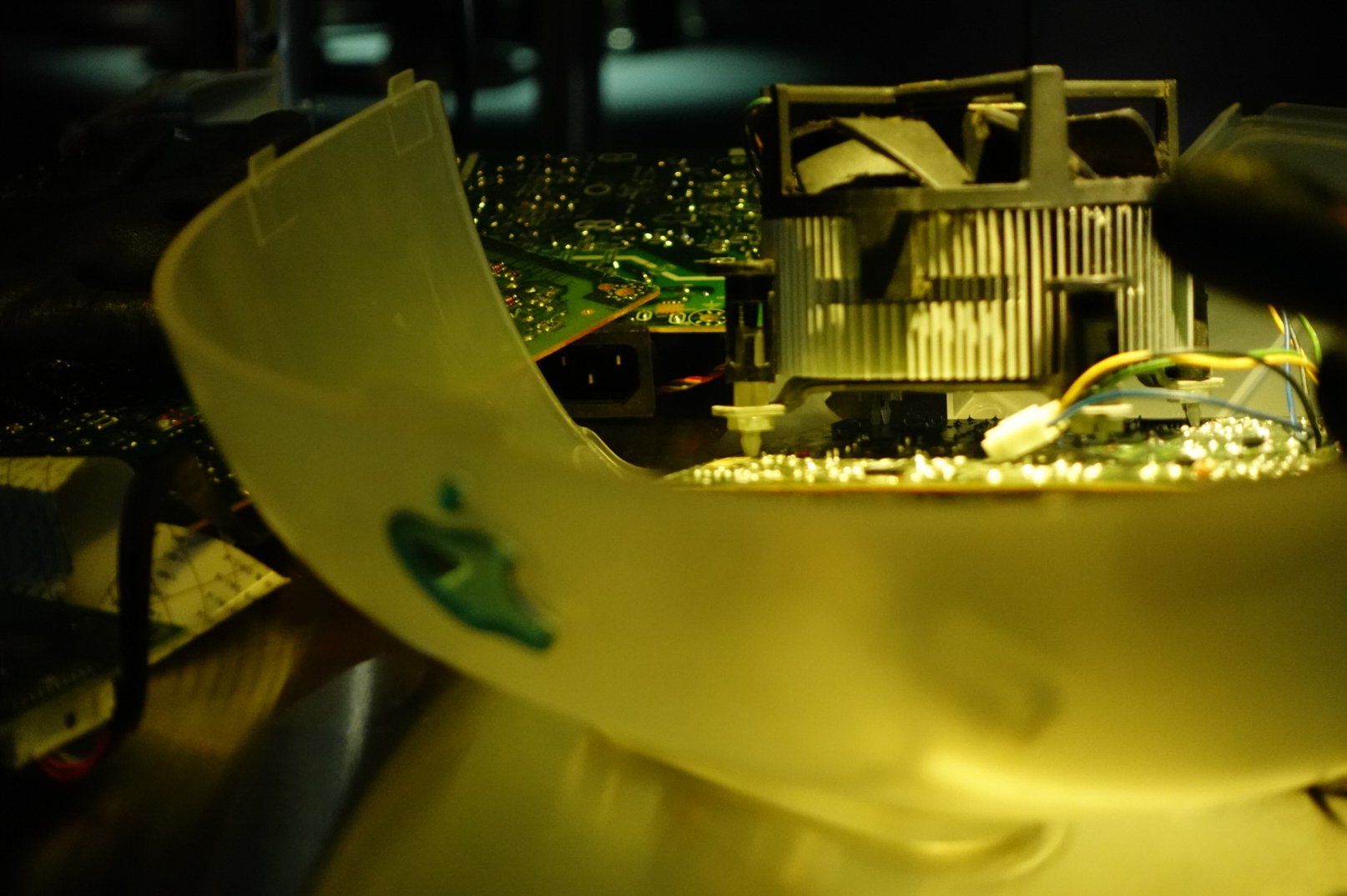
Machines are made to function. I attempt to enter their interior so that what is hidden becomes visible. This is a process of probing into the inside of machines. I open the outer casing of everyday devices and use an endoscopic camera to access their enclosed spaces, revealing textures, structures, and subtle movements that are normally concealed. Through extreme close-up, these images lose their identifiable function and become surfaces of rhythm and instability. The machine is no longer understood as a tool but begins to appear as an uncertain presence. Between seeing and listening, viewers may start to sense an implied interior. This sensation does not belong to the machine or the viewer alone, but emerges in between.
Competitions
Global Creative Graduate Showcase 2026
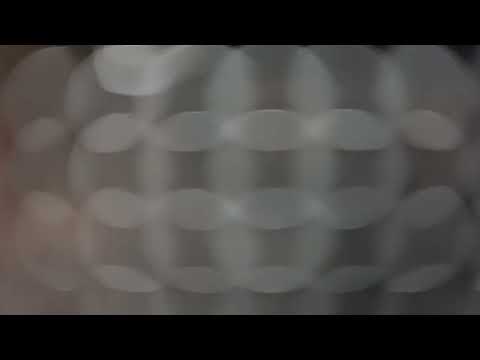
As If It Breathes is a single-channel video installation exploring how emotion emerges through encounters with machines. Macro images of wires, vents, lights, and mechanical surfaces remove their familiar functions, turning them into ambiguous, almost bodily textures. Mechanical sounds, pulses, and pauses suggest an inner rhythm without giving the machines human qualities. Facing the screen, viewers are invited to experience empathy, uncertainty and projection. The work asks where emotion comes from: within the machine, the viewer, or the space between them.
Competitions