Julie Skerning
Industrial Design MA
Kolding School of Design
Specialisms: Industrial Design / Sustainable Design / Furniture
Location: Kolding, Denmark
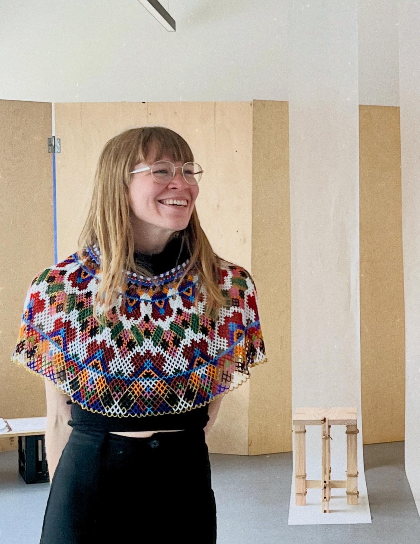

Julie Skerning
First Name: Julie
Last Name: Skerning
Specialisms: Industrial Design / Sustainable Design / Furniture
Sectors:
My Location: Kolding, Denmark
University / College: Kolding School of Design
Course / Program Title: Industrial Design MA
About
My name is Julie.
I am a Danish industrial designer with a Master’s degree in Industrial Design for Planet from Design School Kolding. My work explores how design can respond to environmental challenges through a deeper understanding of materials, making, and the systems they exist within.
I am particularly interested in local materials, traditional craft knowledge, and circular approaches to product and furniture design. I work through research, material experimentation, prototyping, and making, often using these processes to uncover alternative ways of designing and making.
I am driven by a curiosity about what we can learn from existing knowledge and ways of making, rather than always looking for something new. Rather than seeing sustainability as something to add to a design, I see it as an opportunity to question how and why we make things in the first place.
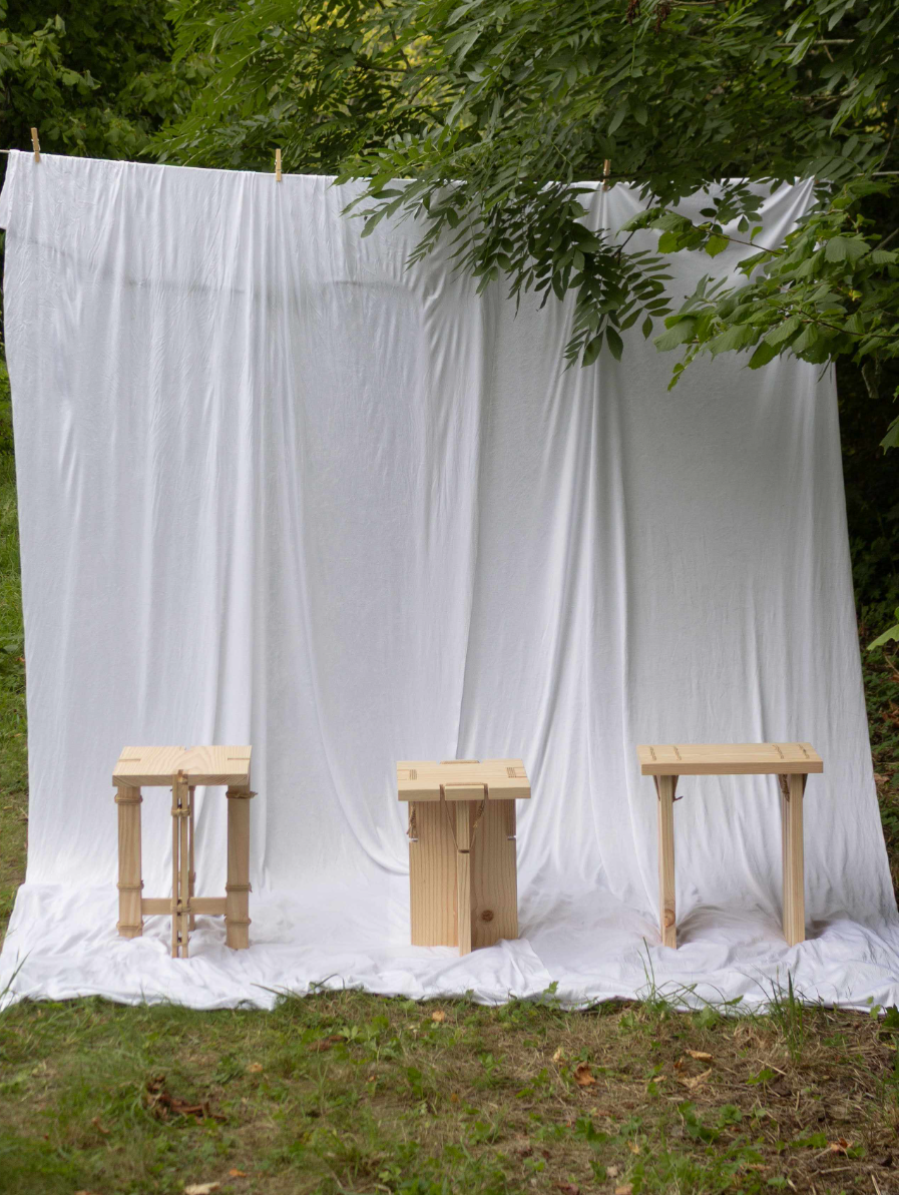
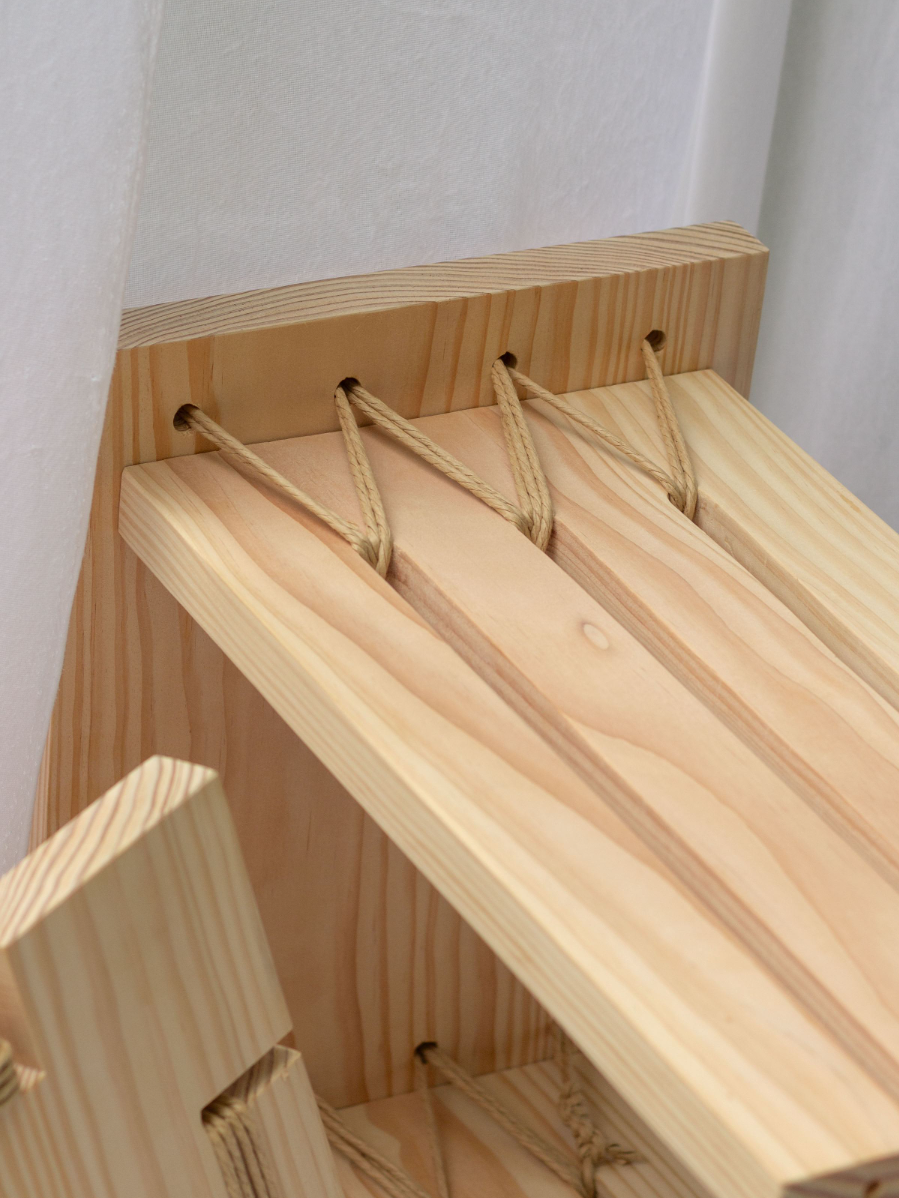
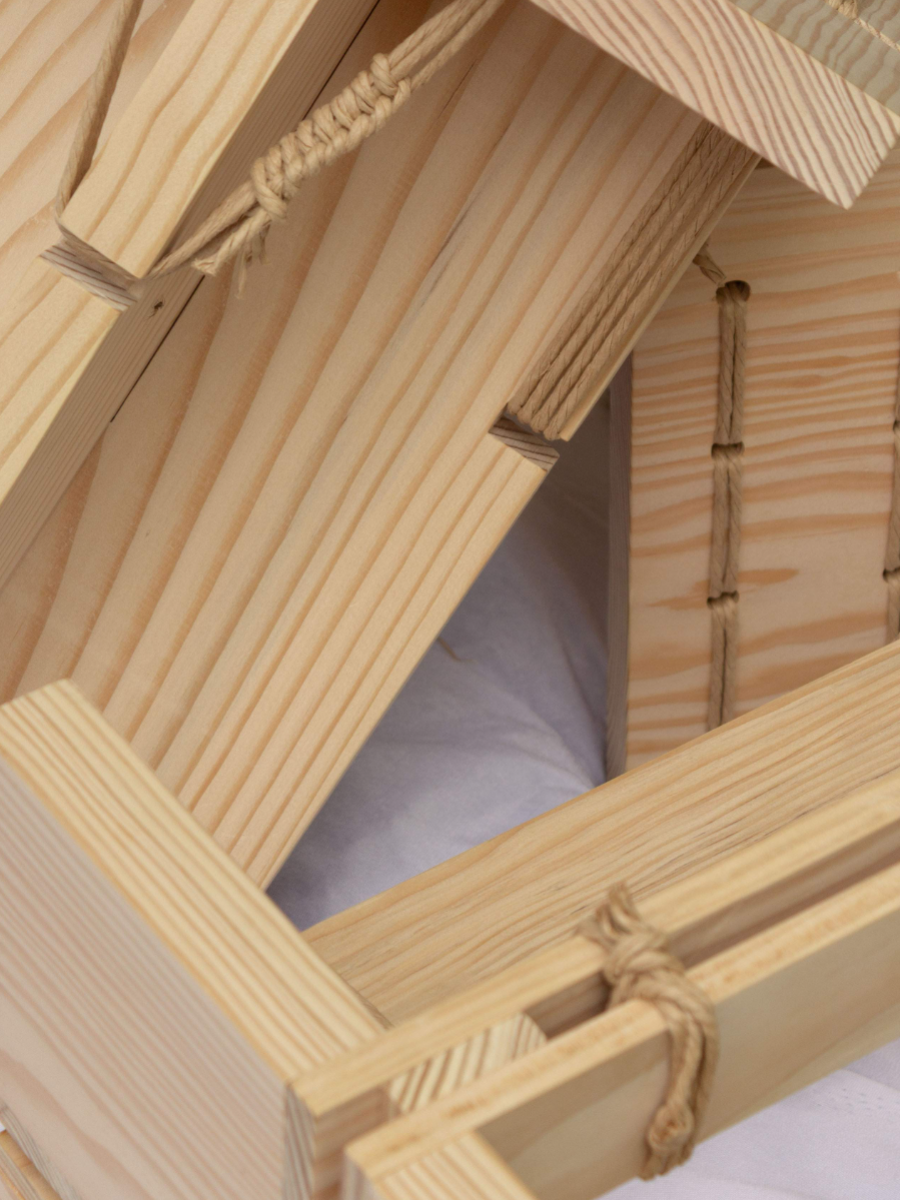
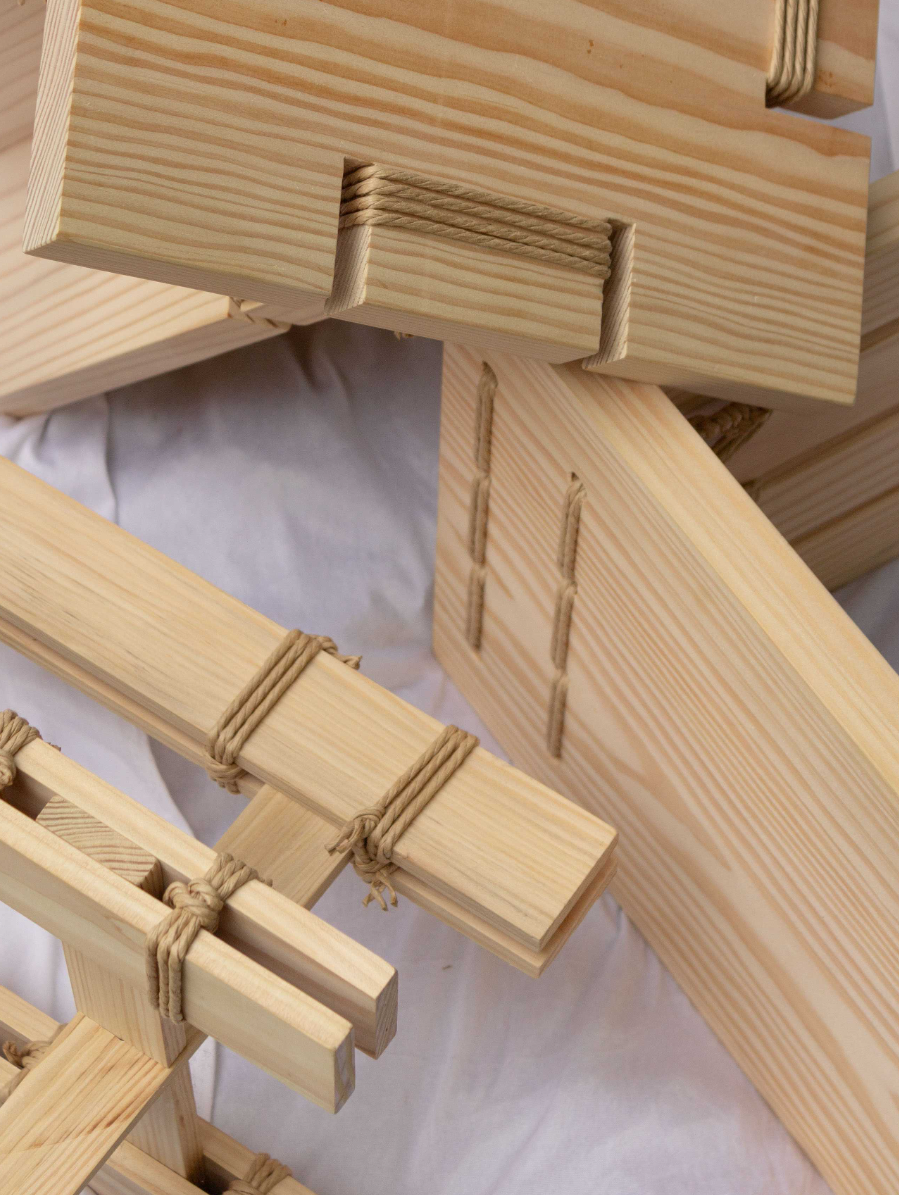
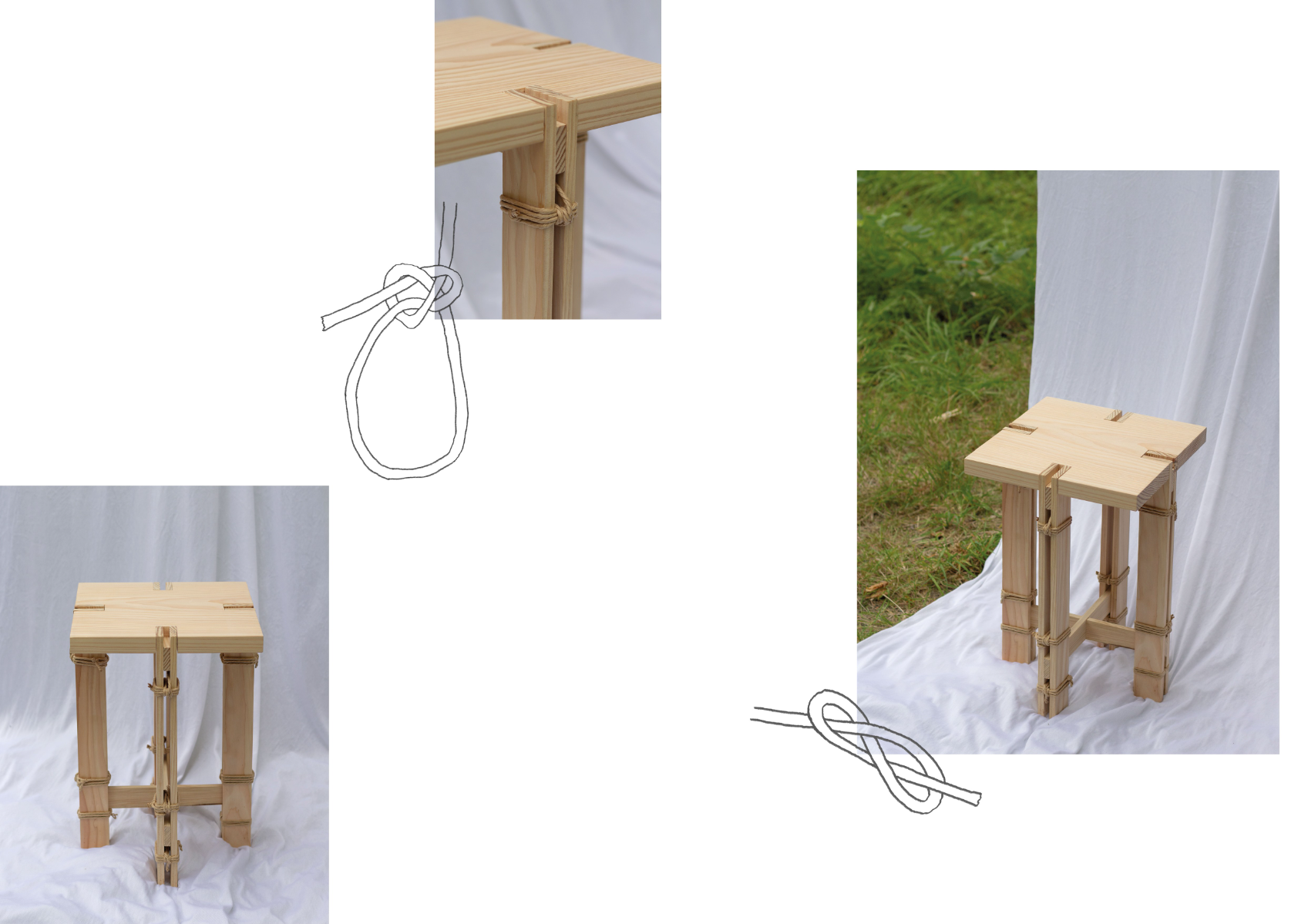
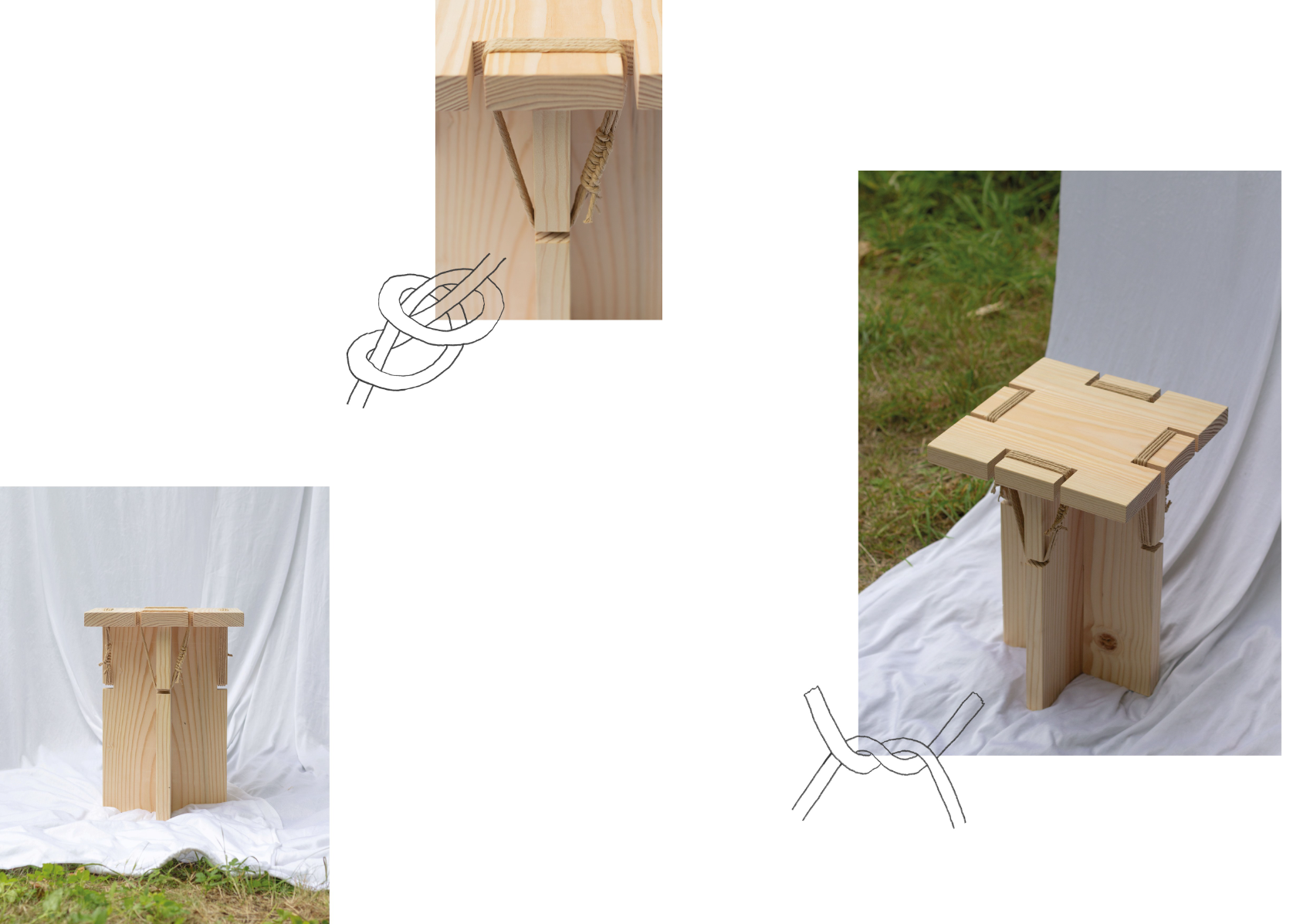
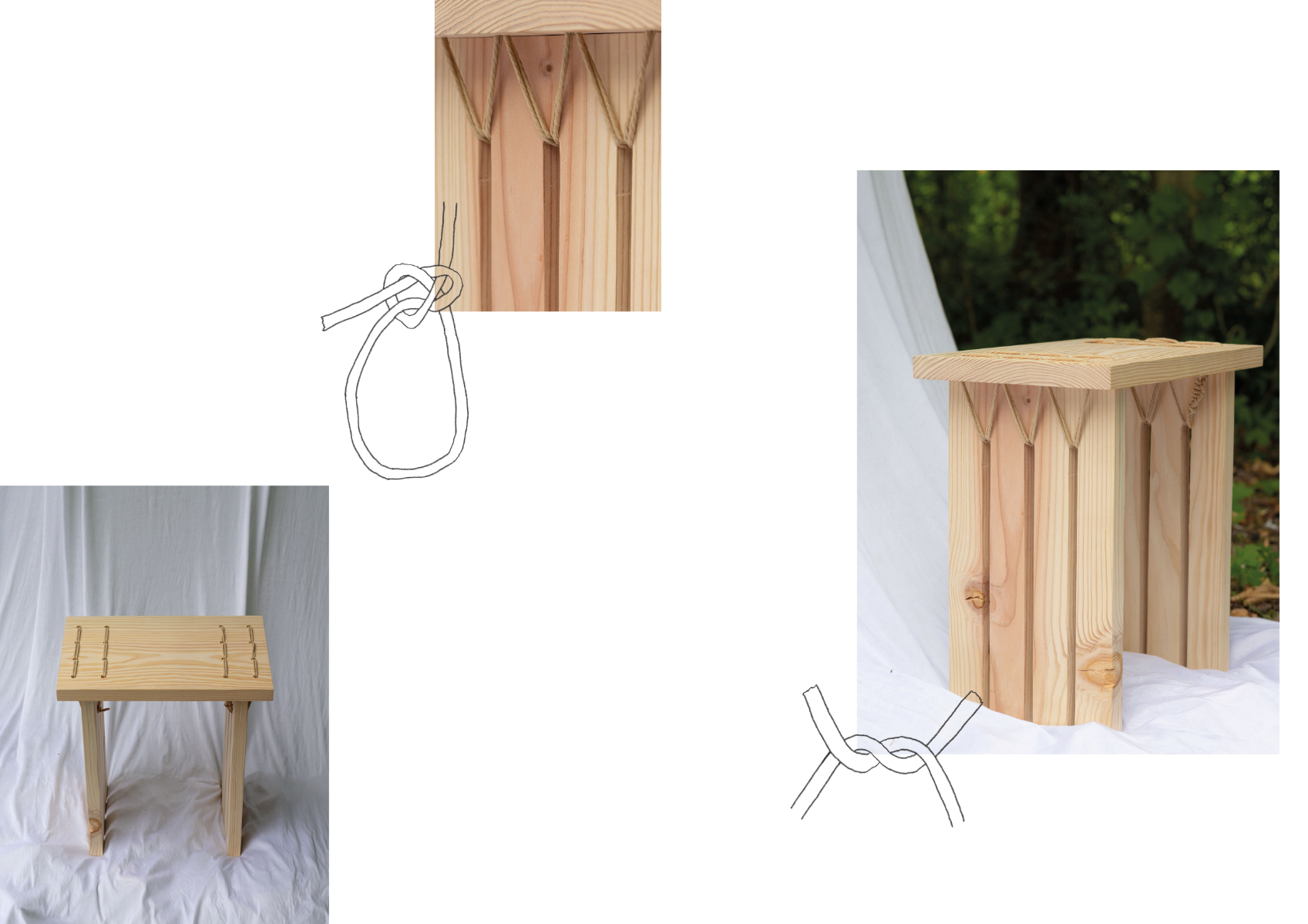
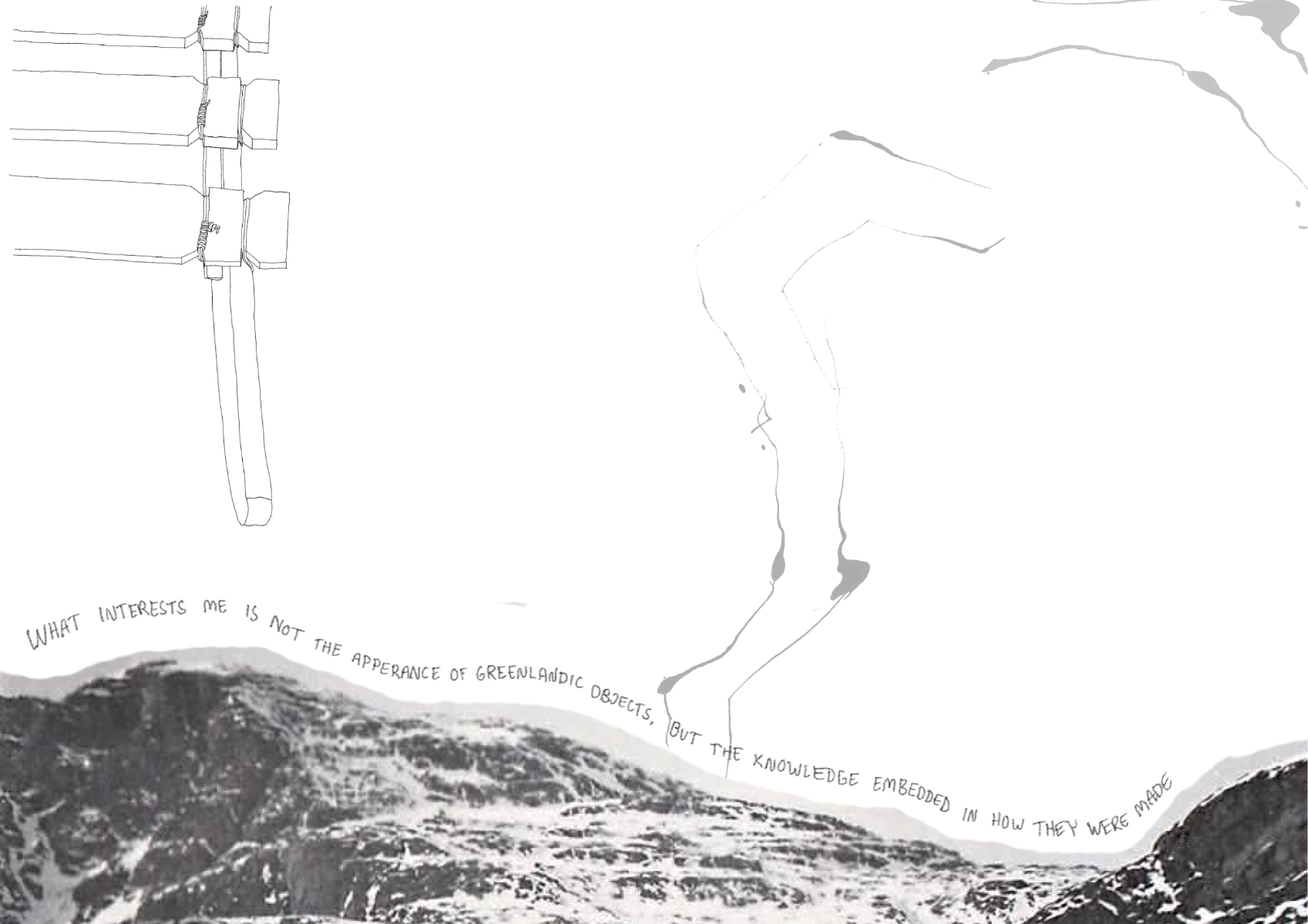
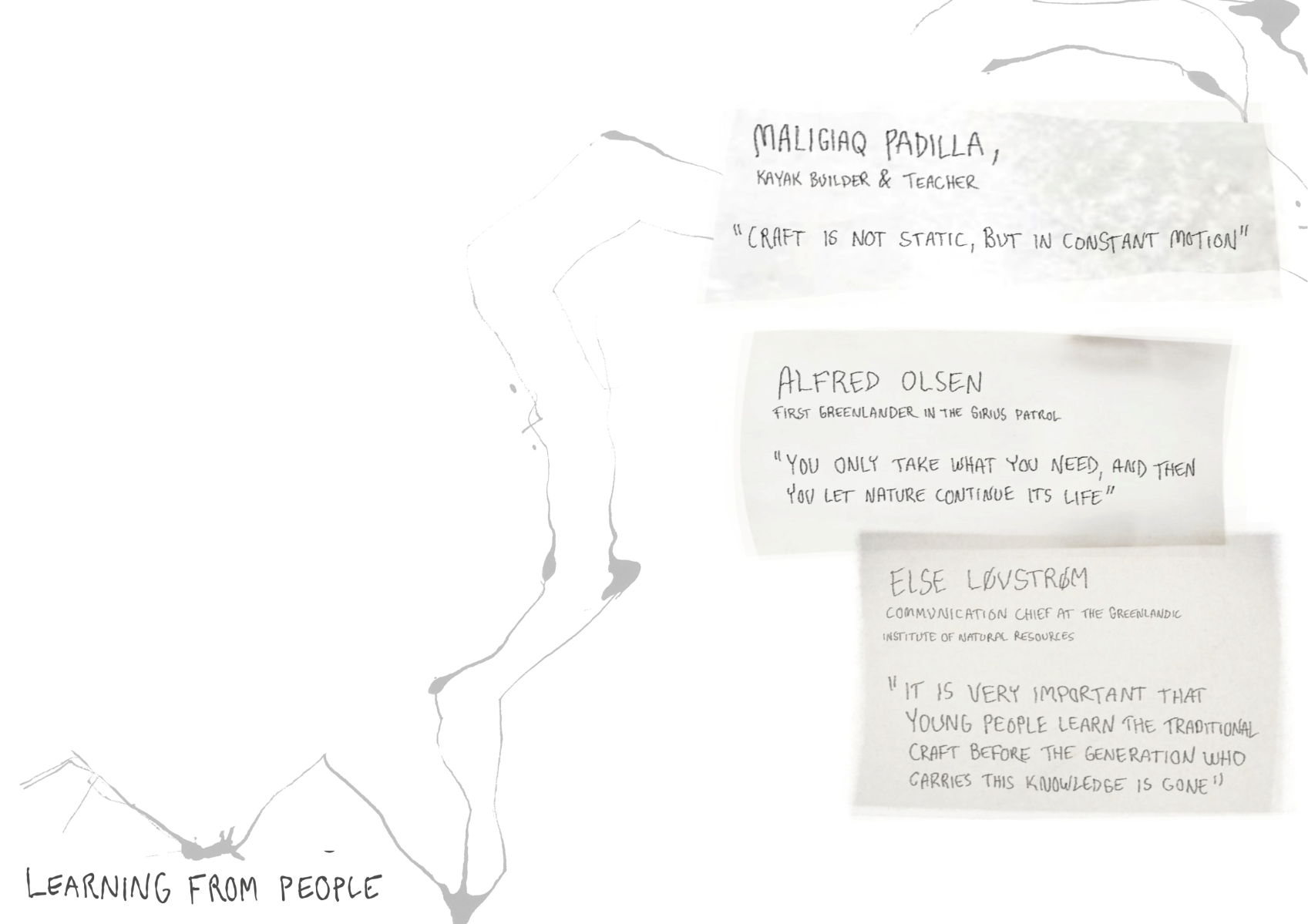
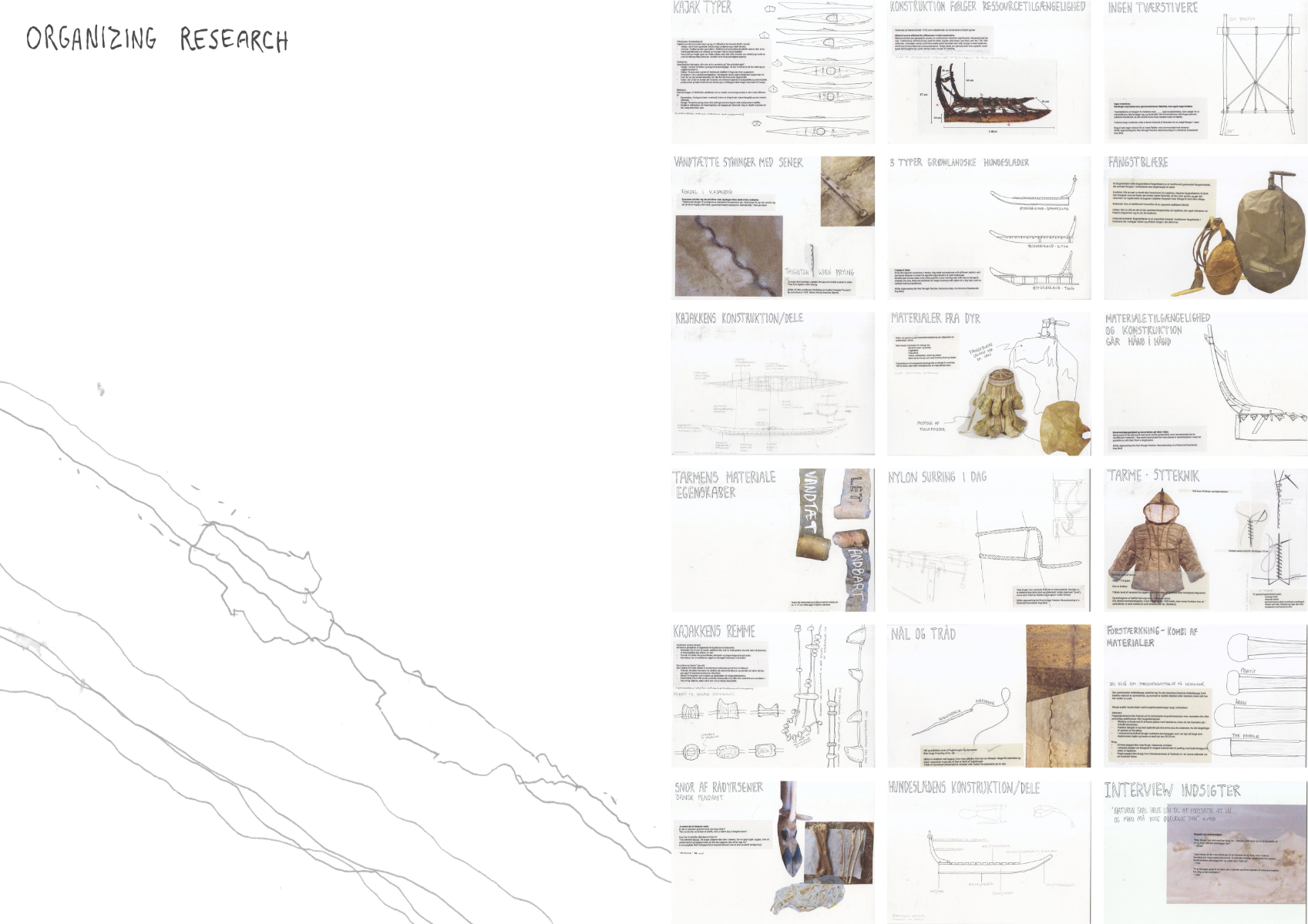
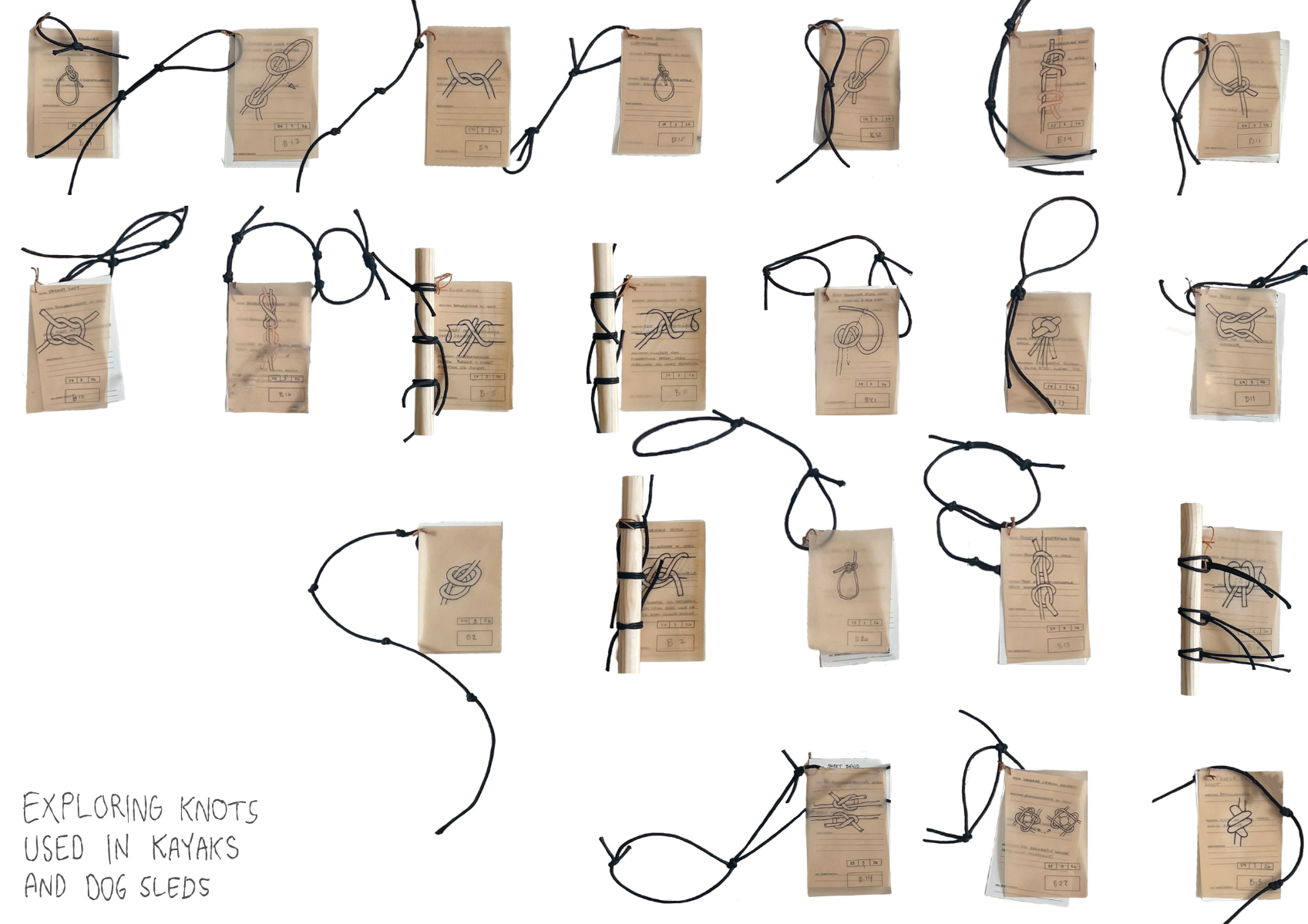
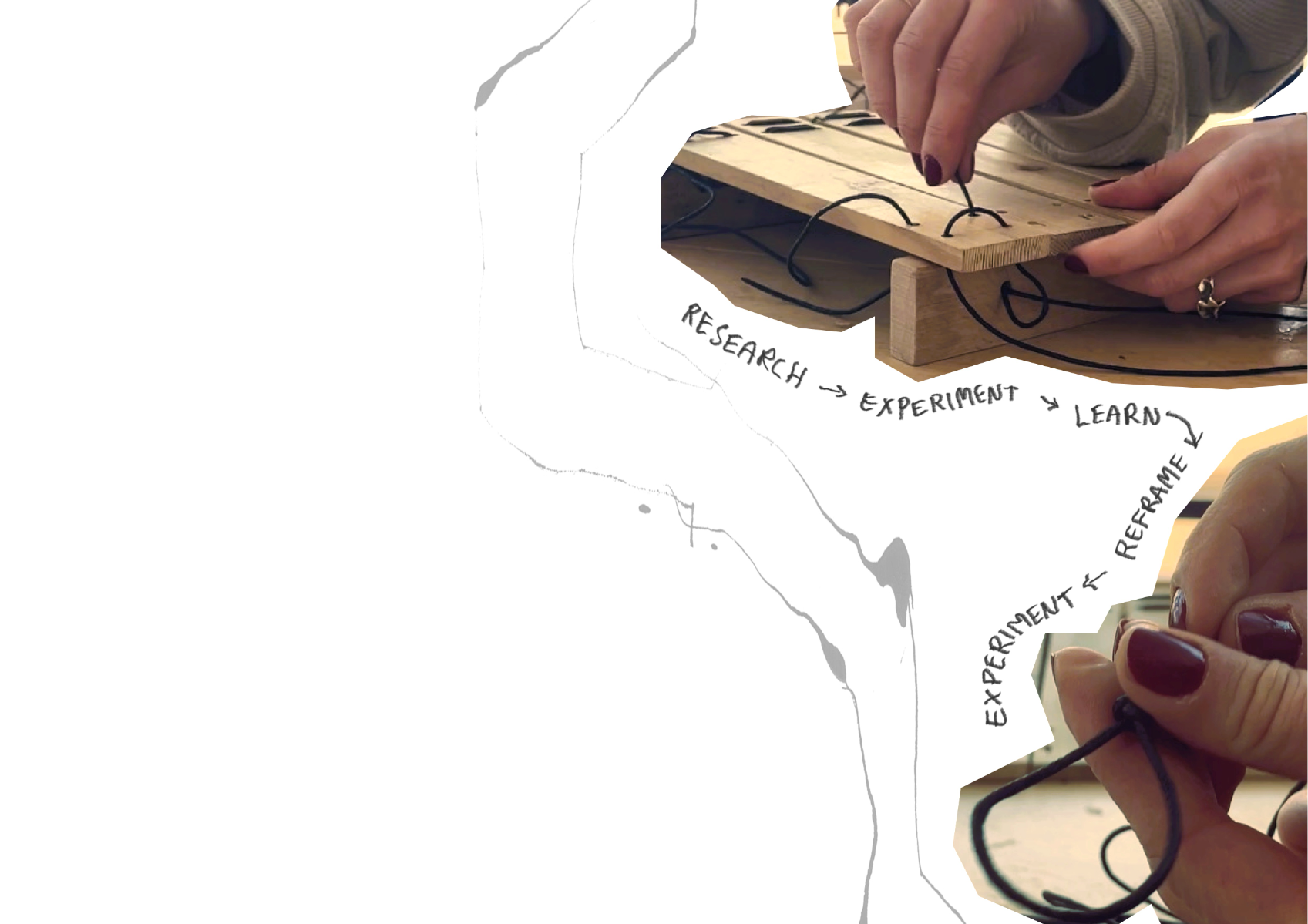
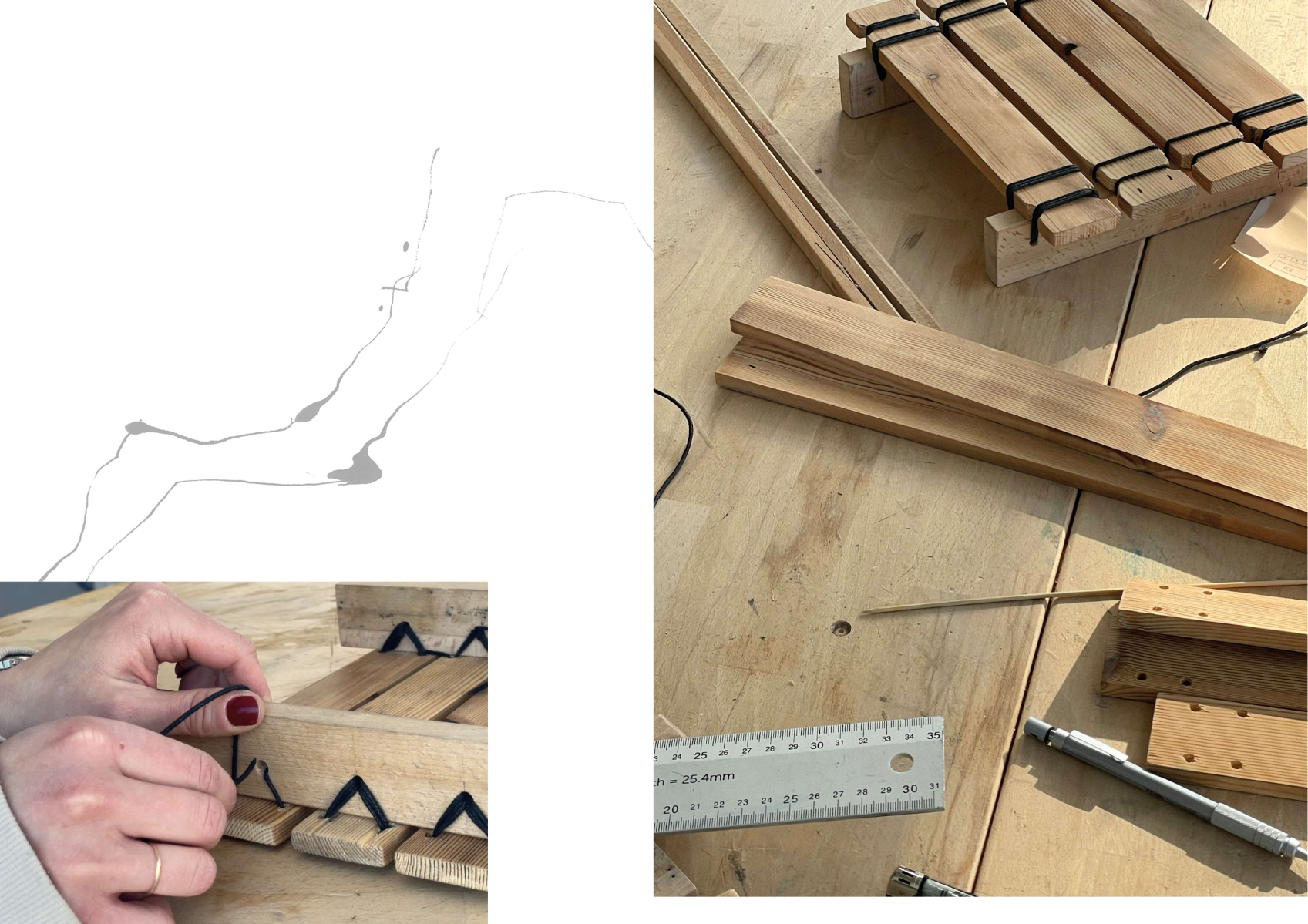
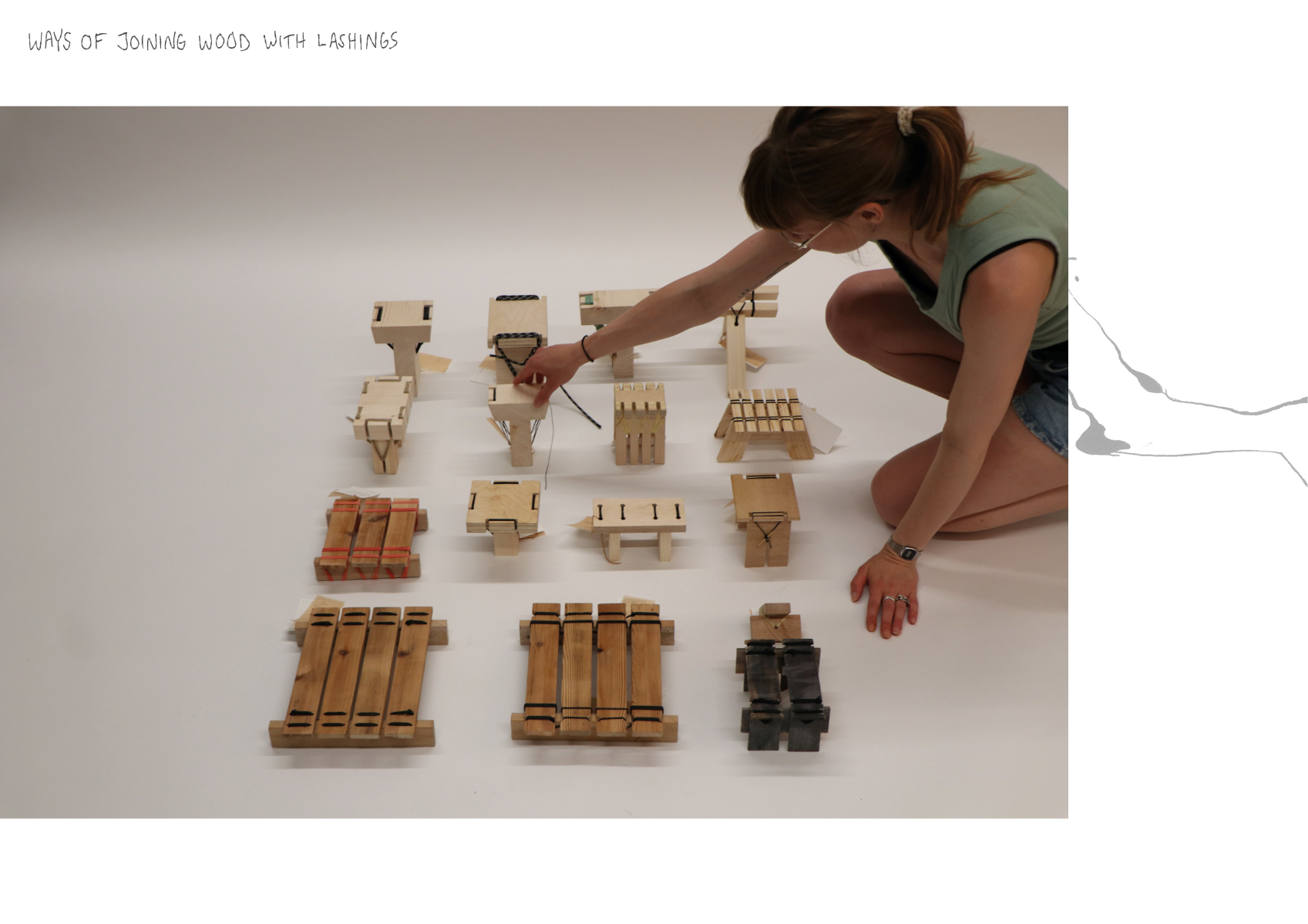
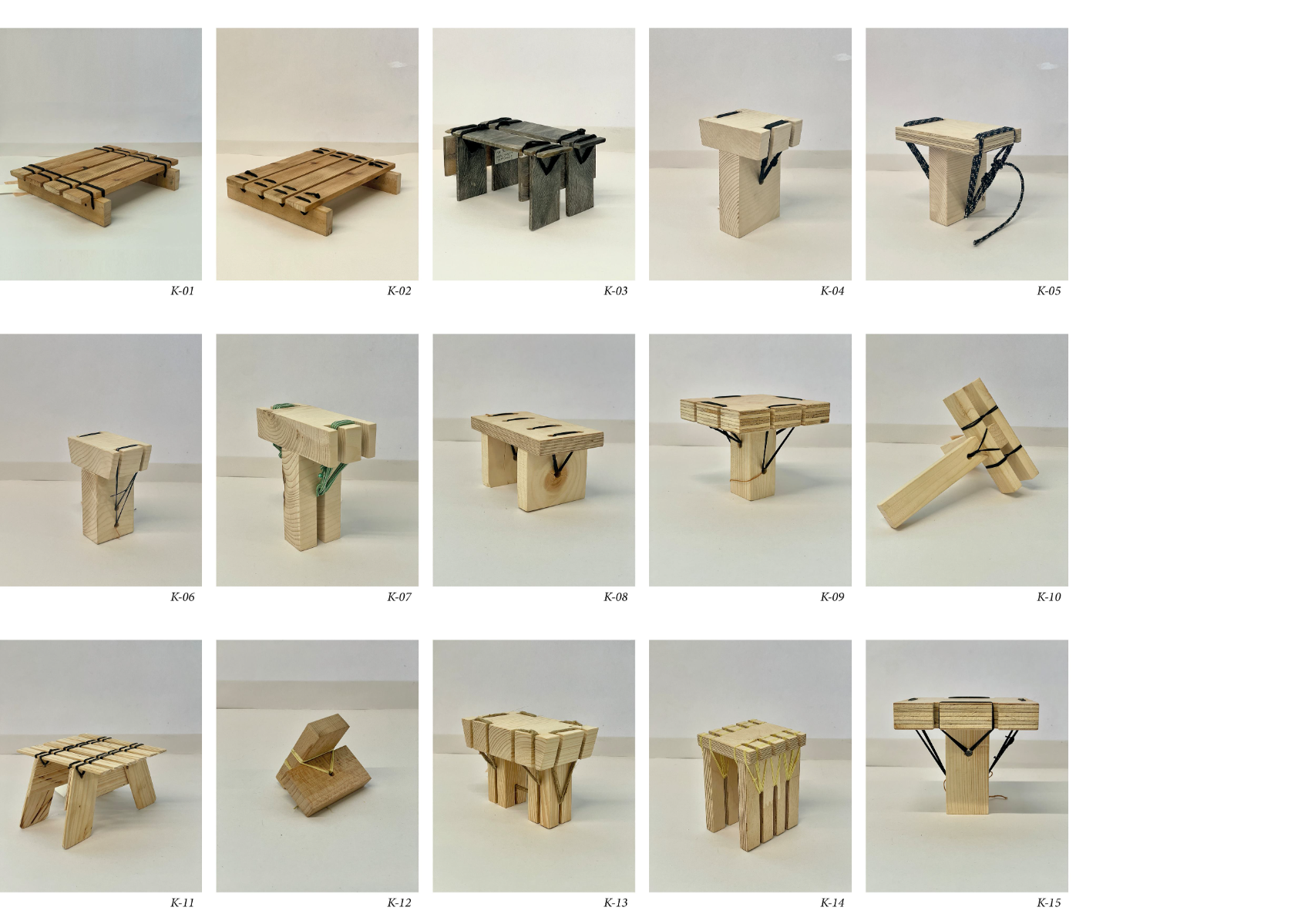
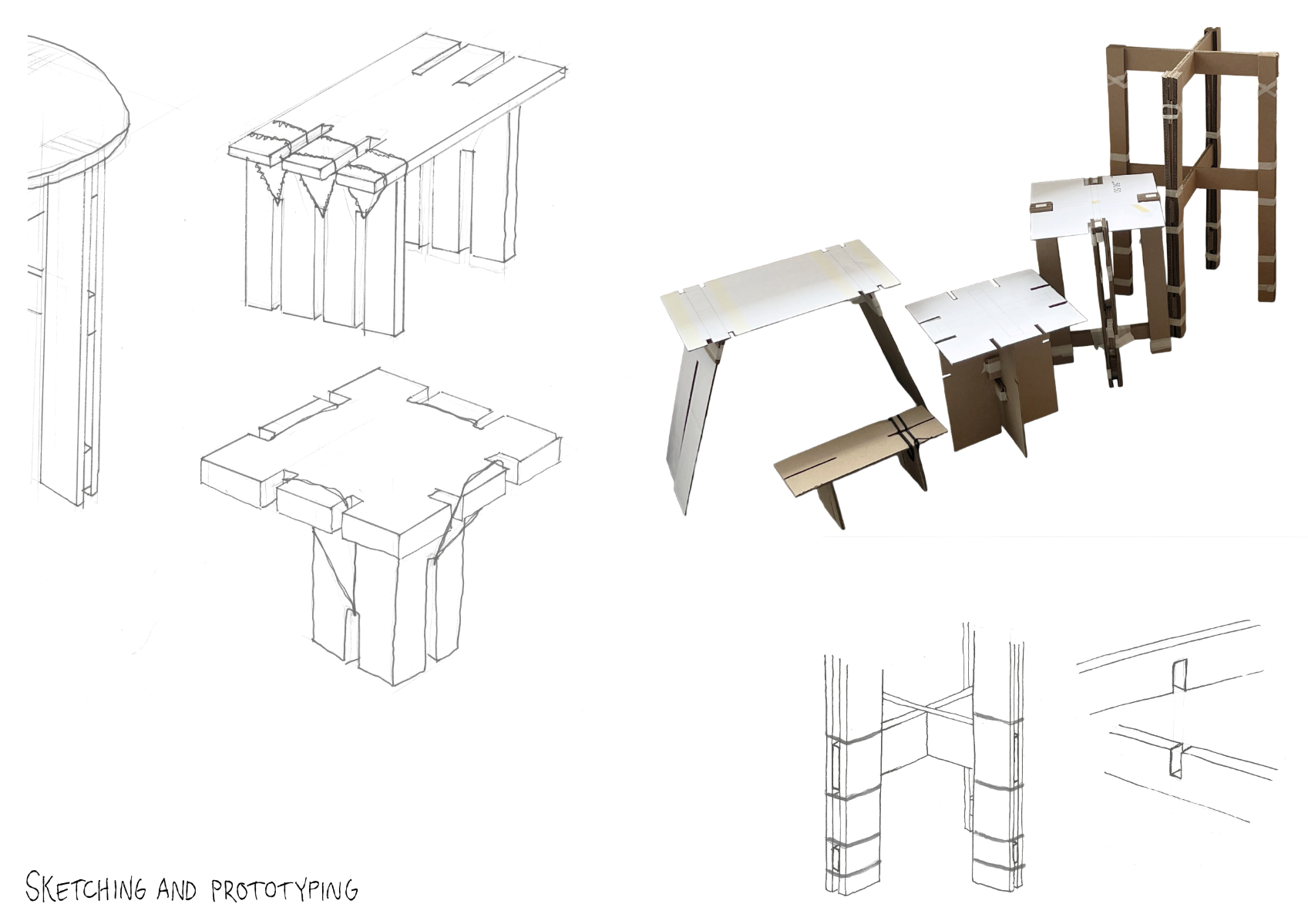
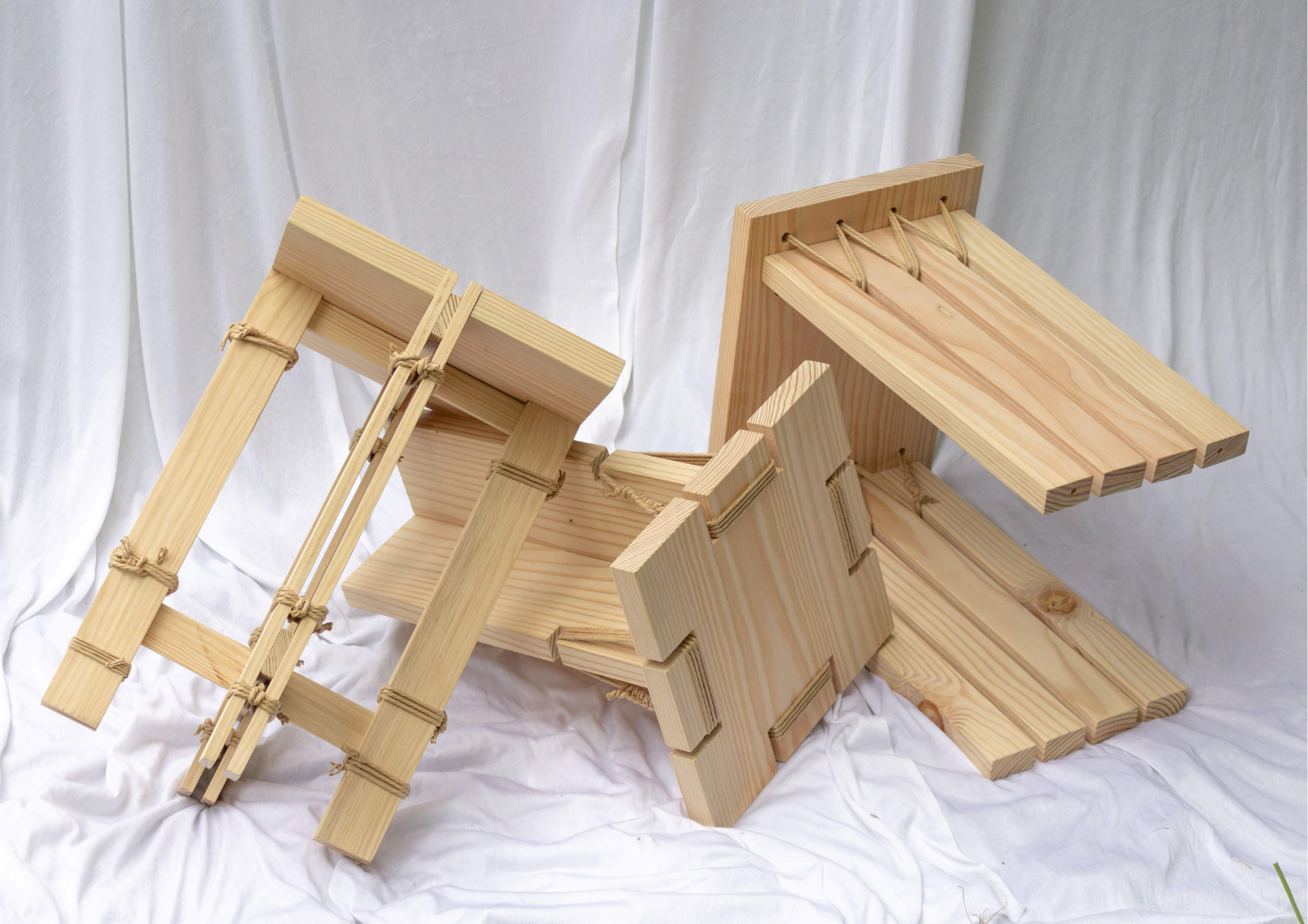
Aanaa explores how traditional Greenlandic craft knowledge can inspire new ways of designing and constructing furniture. Drawing on construction techniques found in kayaks and dog sleds, the project focuses on lashings as a flexible, repairable, and sustainable method of joining. The outcome is a series of three stools, each exploring a different way of integrating lashings into contemporary furniture. Together, they form a series of investigations into lashing as an alternative to screws and glue. Rather than recreating the past, Aanaa explores how knowledge from it can gain new relevance today, and showing how traditional craft can offer alternative approaches to circular design and continue to evolve through new applications. For me, the project is not about recreating the past, but about exploring how knowledge from the past can gain new relevance today. Sustainability does not necessarily have to come from new technological innovations or complex composite materials. It can also mean looking back, reconnecting with knowledge that is at risk of being lost, and rebuilding a more caring relationship with the materials and resources around us.
Competitions