Jane Rigava
BA visual arts (fine arts)
Stellenbosch University
Specialisms: Fine Art / Contemporary Craft / Textiles - Mixed Media
Location: Windhoek, Namibia


Jane Rigava
First Name: Jane
Last Name: Rigava
Specialisms: Fine Art / Contemporary Craft / Textiles - Mixed Media
Sectors:
My Location: Windhoek, Namibia
University / College: Stellenbosch University
Course / Program Title: BA visual arts (fine arts)
About
My practice is a wordless dialogue between my anatomical body and the cadaver; an encounter with the post-mortem body as a partner in conversation about mortality, care, and intimacy, conducted through craft.
Where the post-mortem body has long been rendered spectacle, I offer touch instead. Crochet, needle-felting, and fabric manipulation replace the clinical gaze with a crafter's gaze, one that holds rather than inspects. My techniques also echo the logic of medical imaging such as a grid built stitch by stitch and a surface pierced and repaired.My work sits at the meeting point of two lineages: the body measured and modelled by machines, and the body clothed and repaired by cloth. The labour is slow, tactile, and physically demanding. That labour is the point, an embodied exchange between the body I inhabit and the one I re-present.
Ultimately, my work resists full legibility. It asks to be felt more than seen, offering the body a right to remain partially unknown, even as it is touched and held.
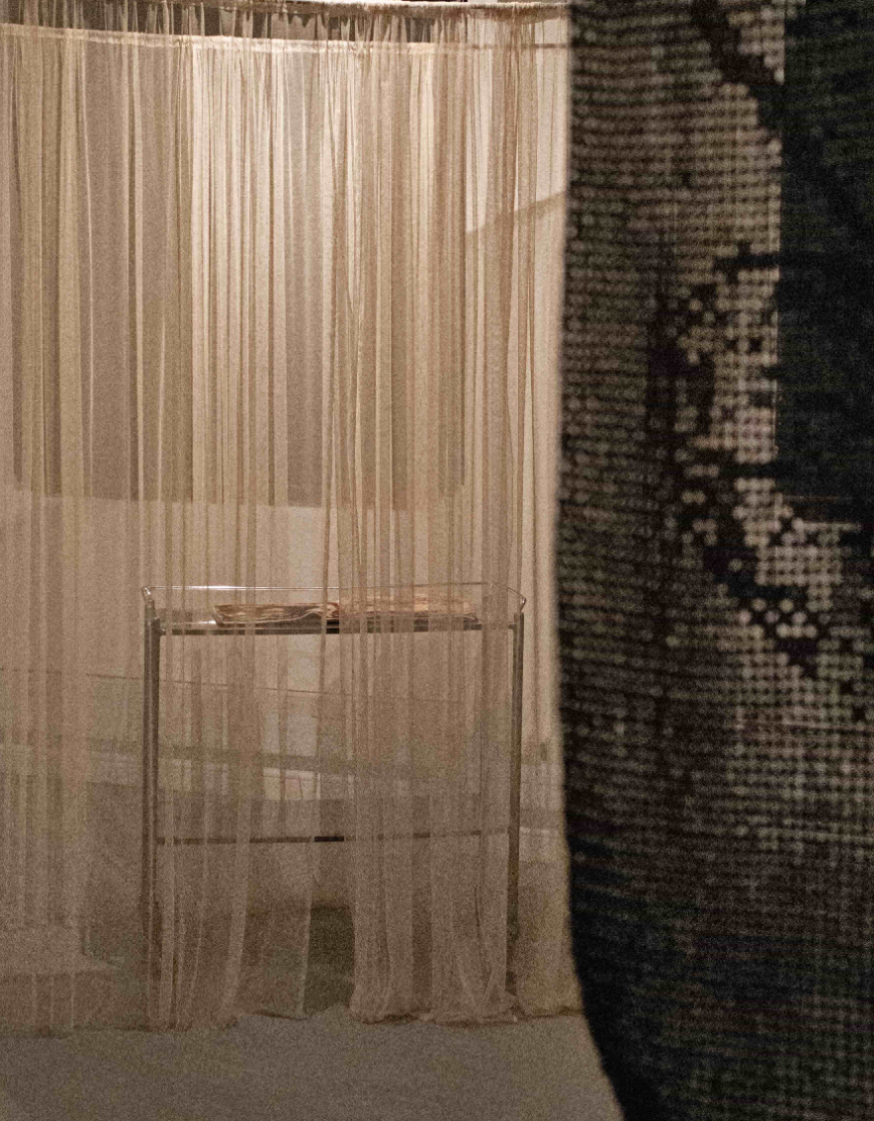
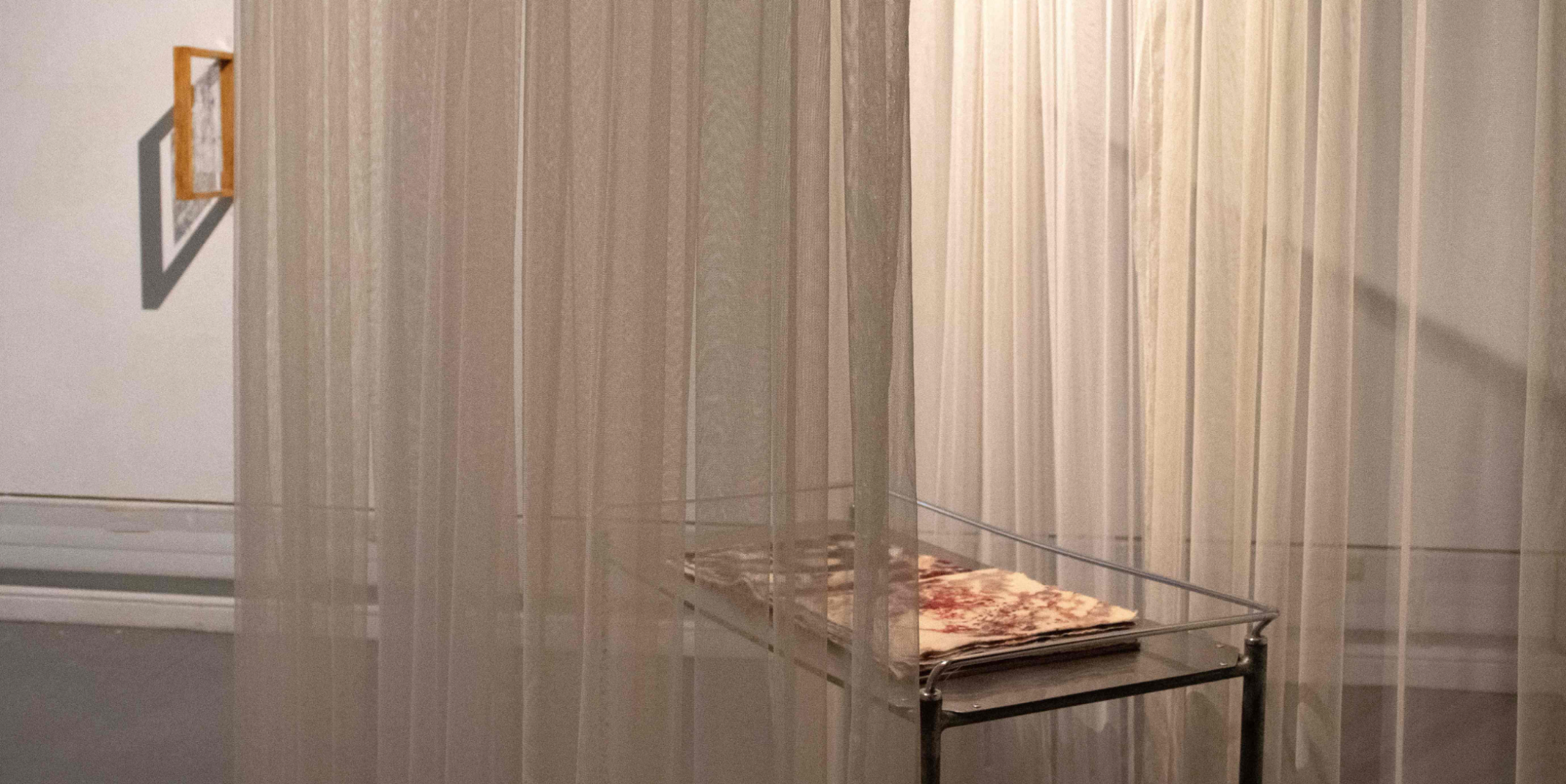
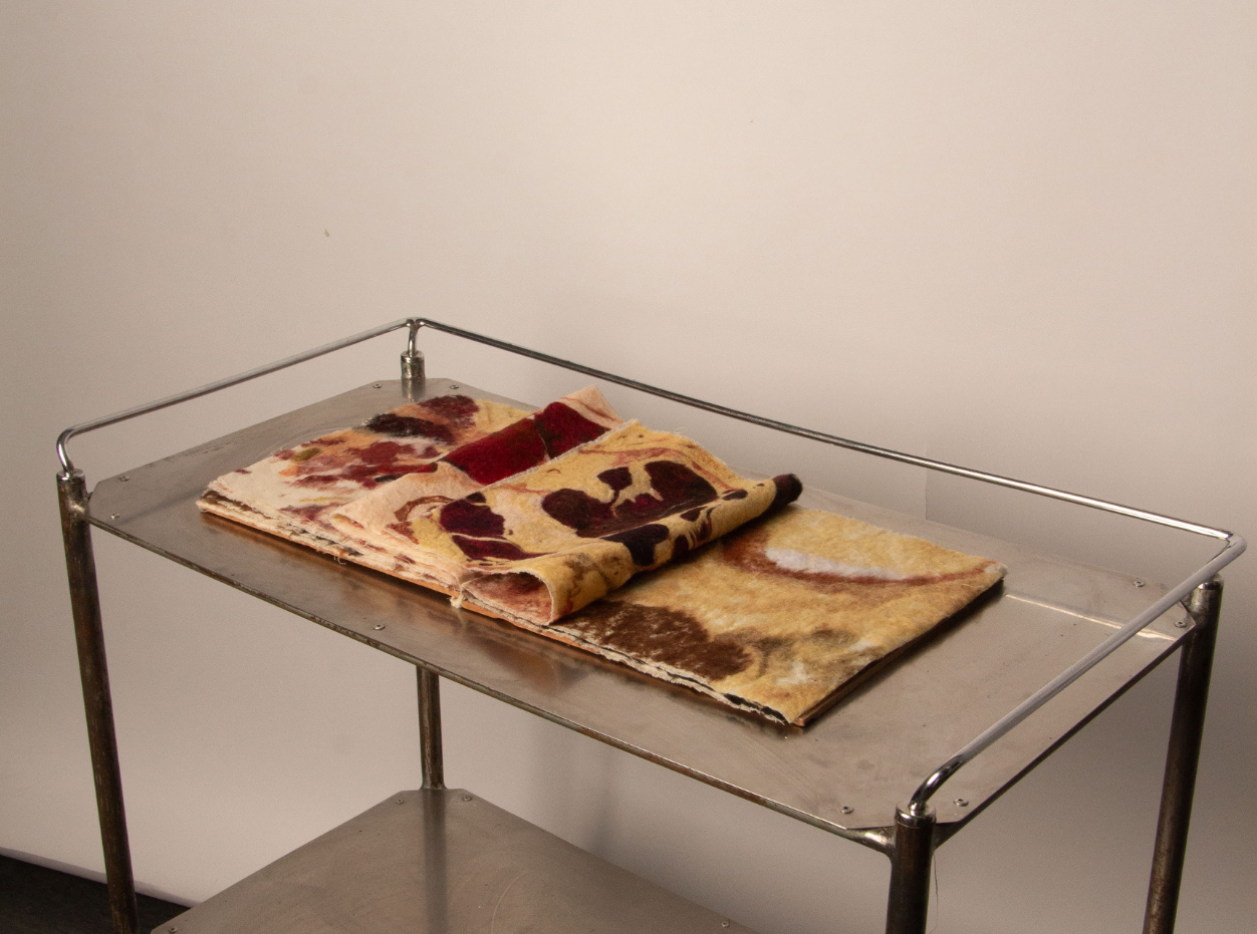
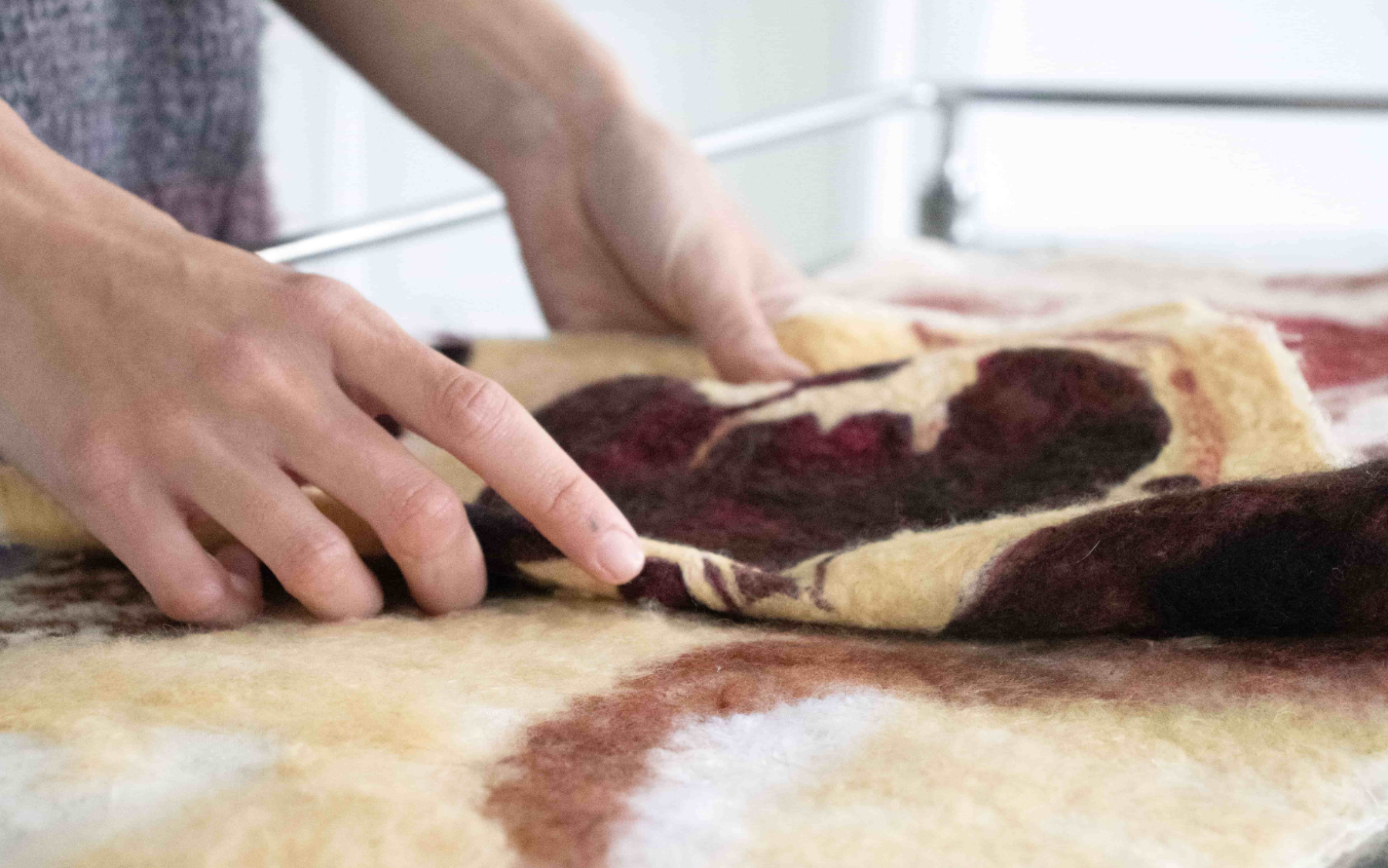
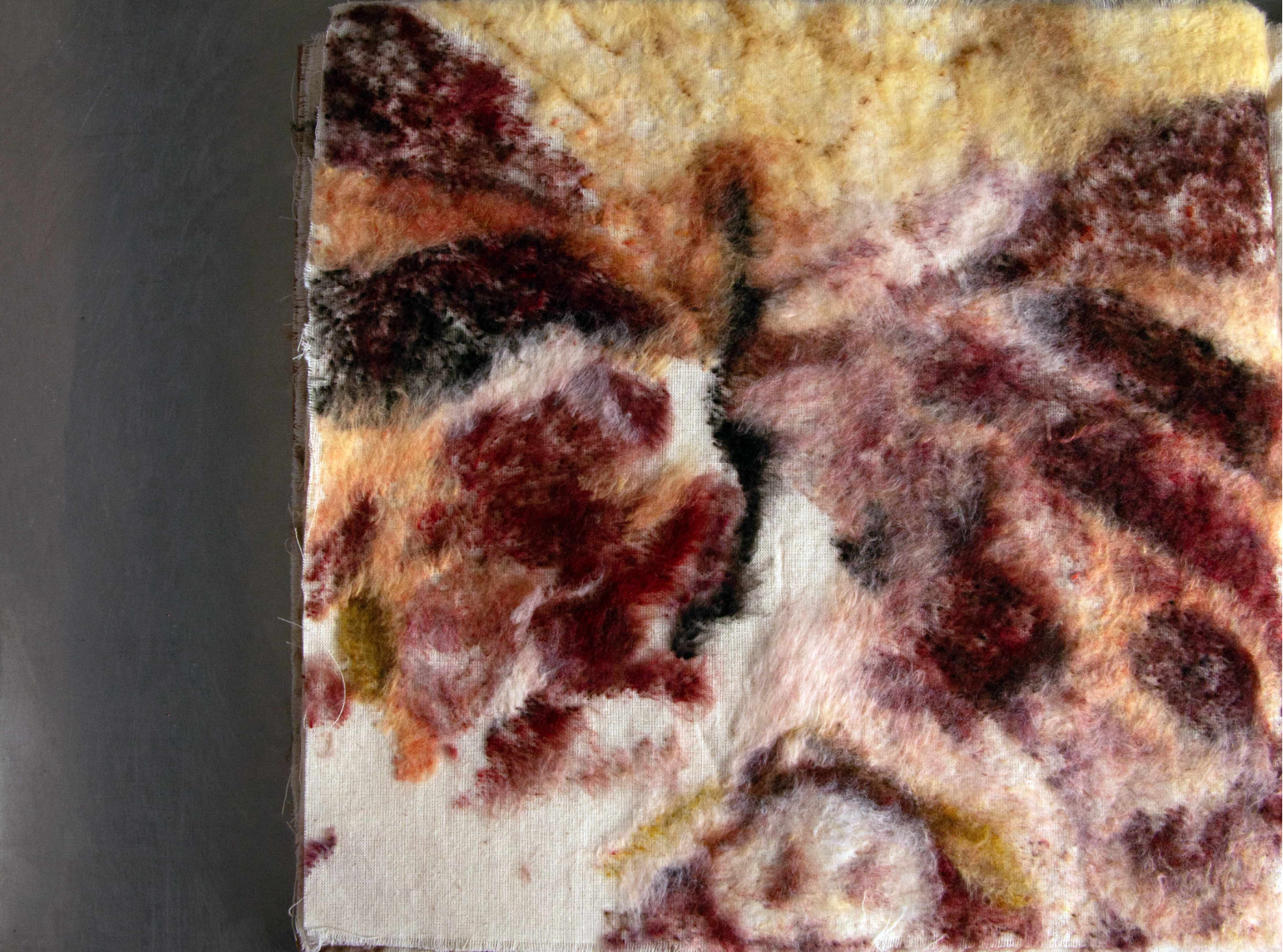
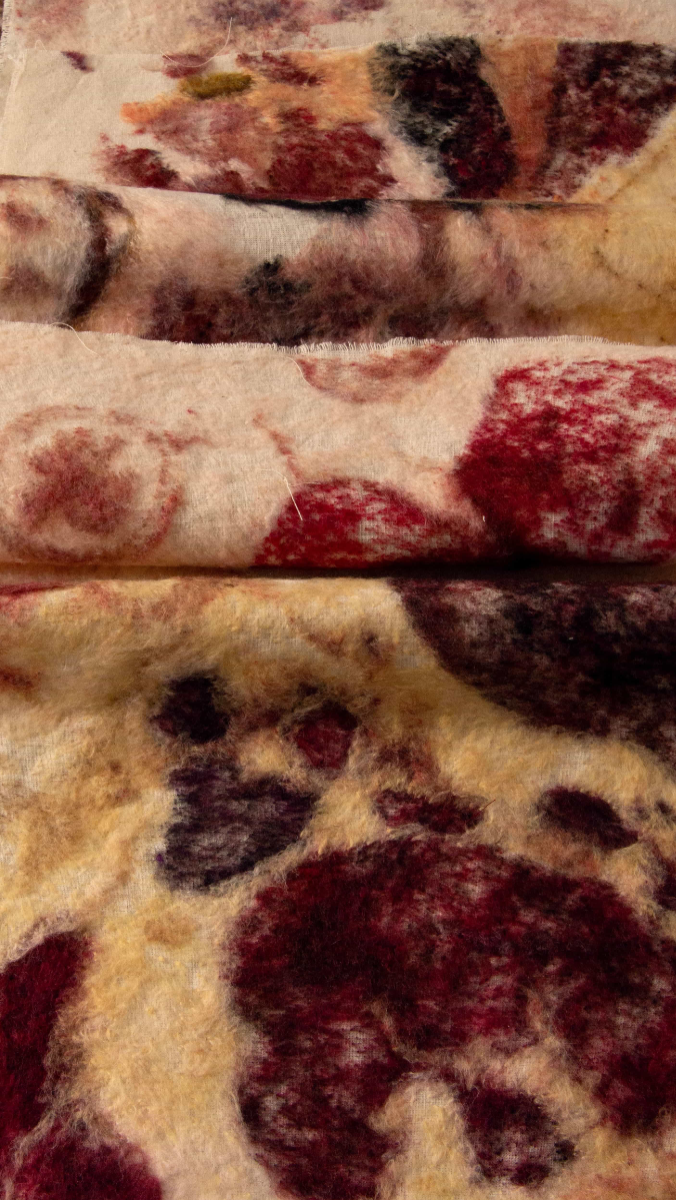
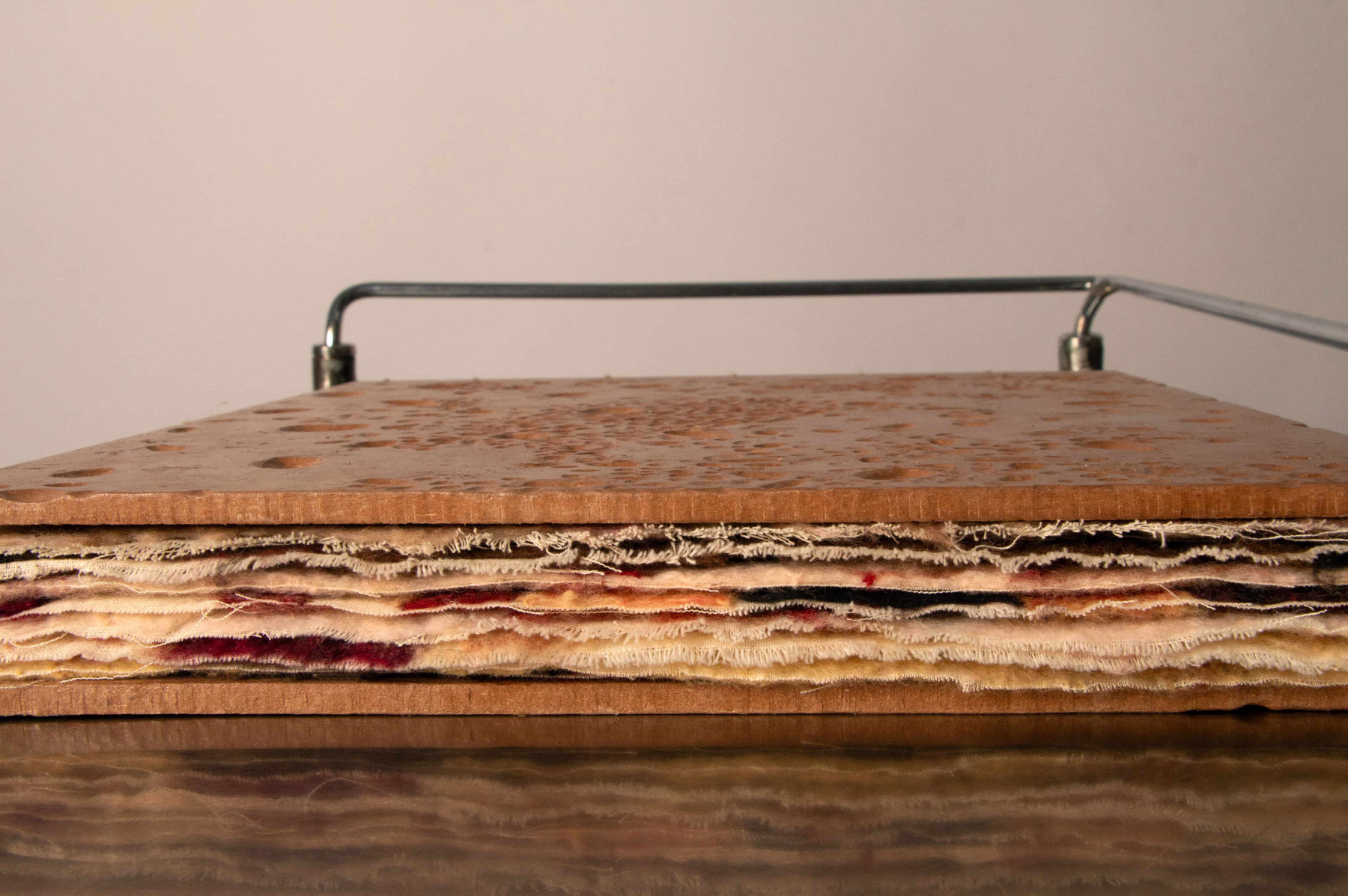
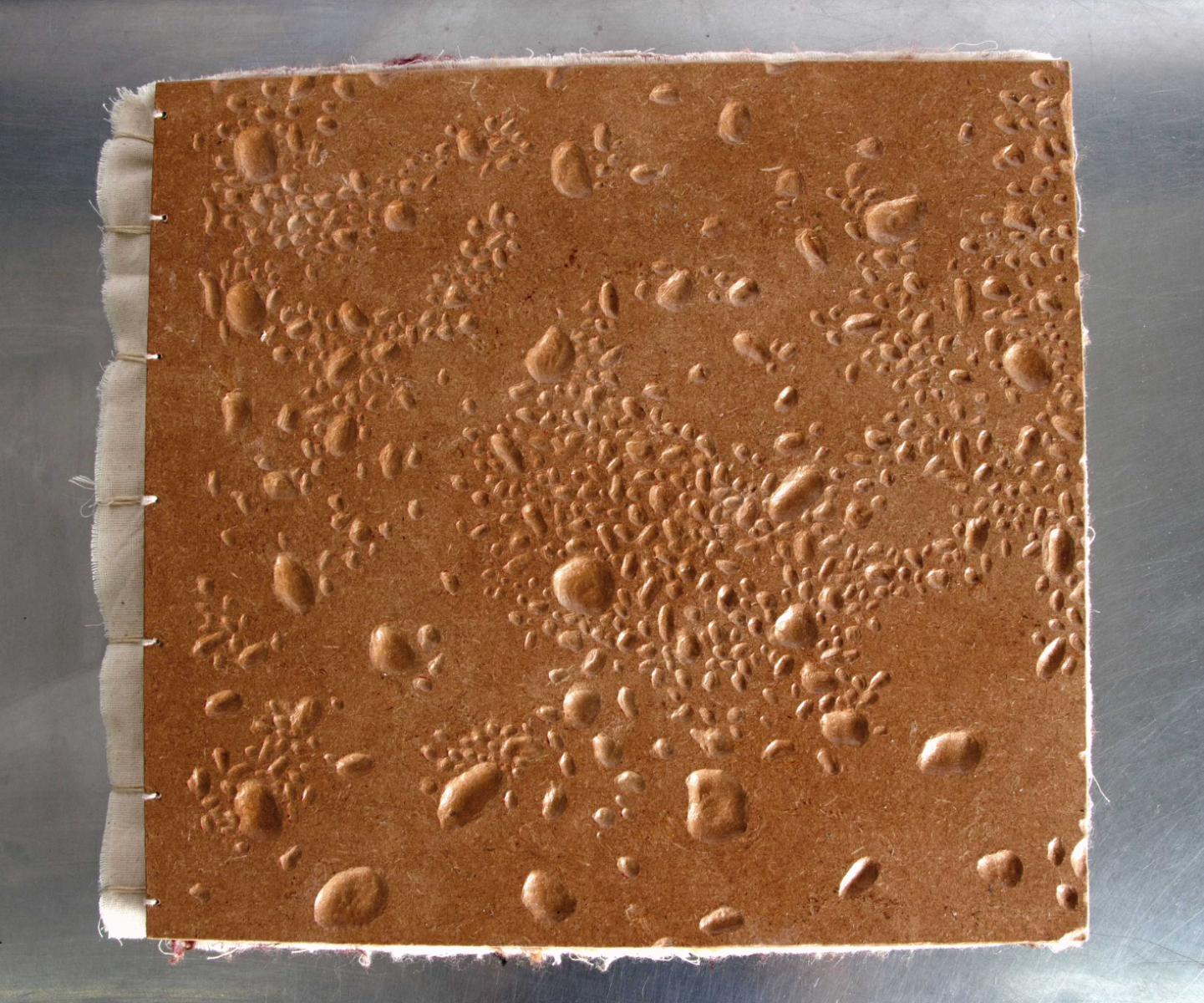
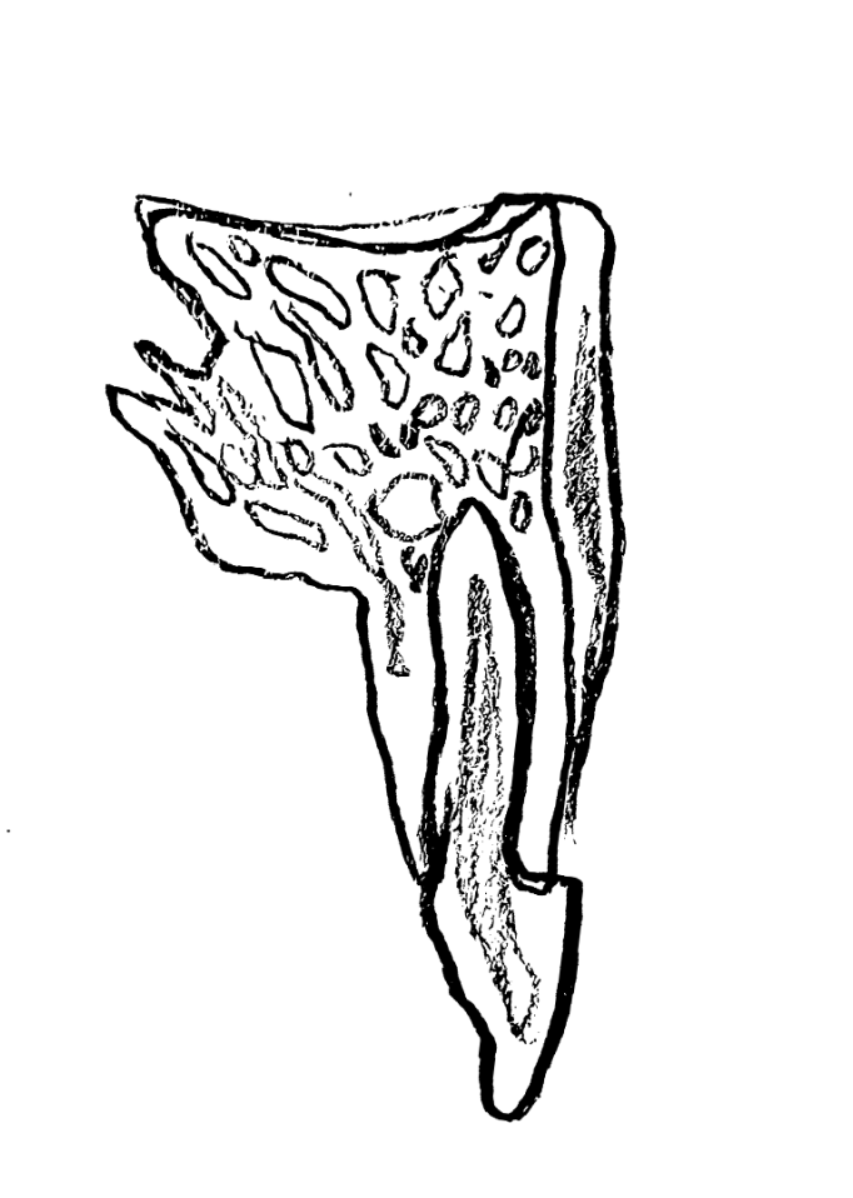
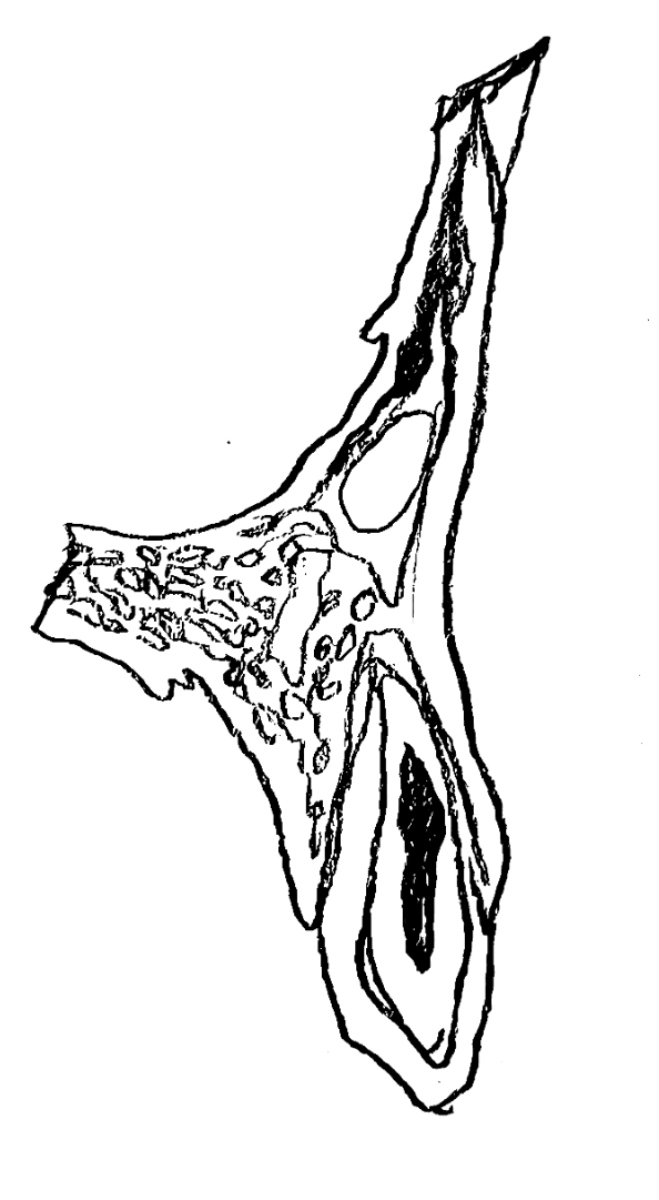
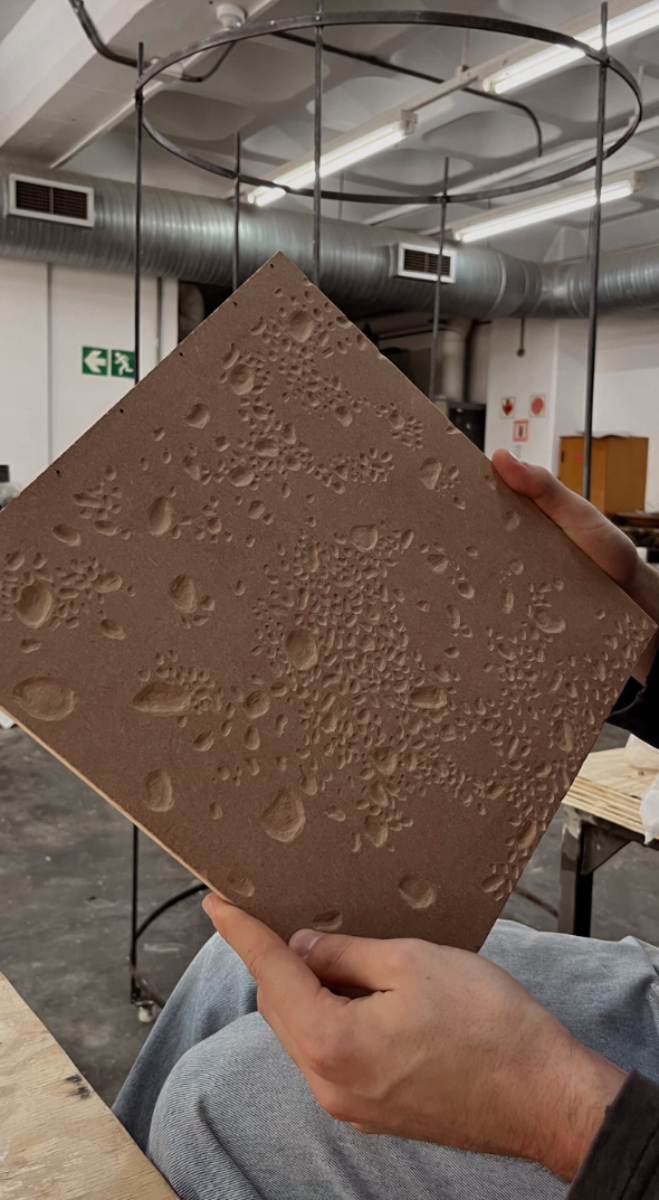
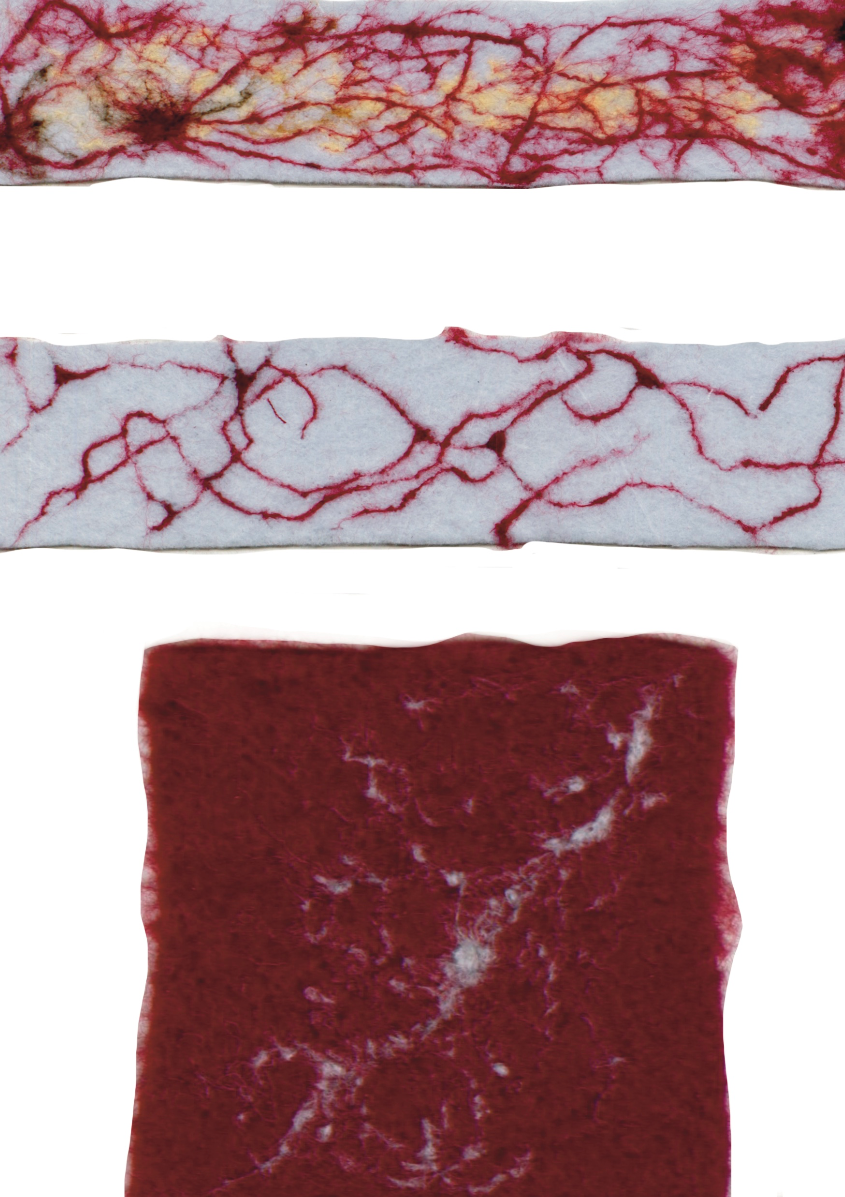
Needle felting builds form through repeated puncture with many small stabs compacting loose fibre into density. There’s an obvious, almost uncomfortable parallel to the body itself: tissue built up through repetition, felted into being. I’ve been thinking here with Louise Bourgeois’s soft books with the way she used textile as a vessel for memory and the body’s interior. Photographed from the side, the book’s pages stack like skin in cross-section: layer on layer, exactly the kind of slice the Visible Human Project offers, but soft, warm, and made by hand
Competitions

Global Creative Graduate Showcase 2026
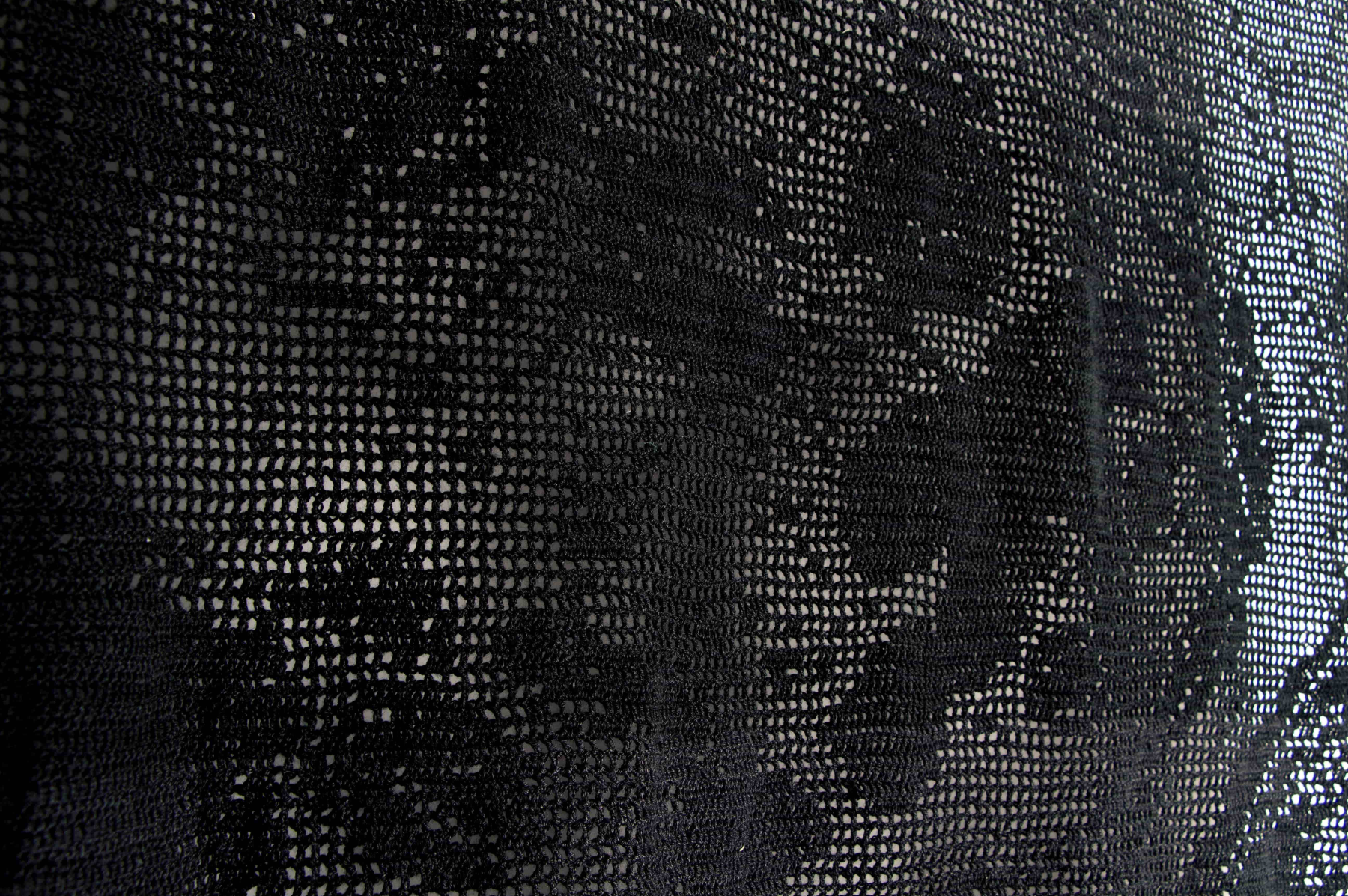
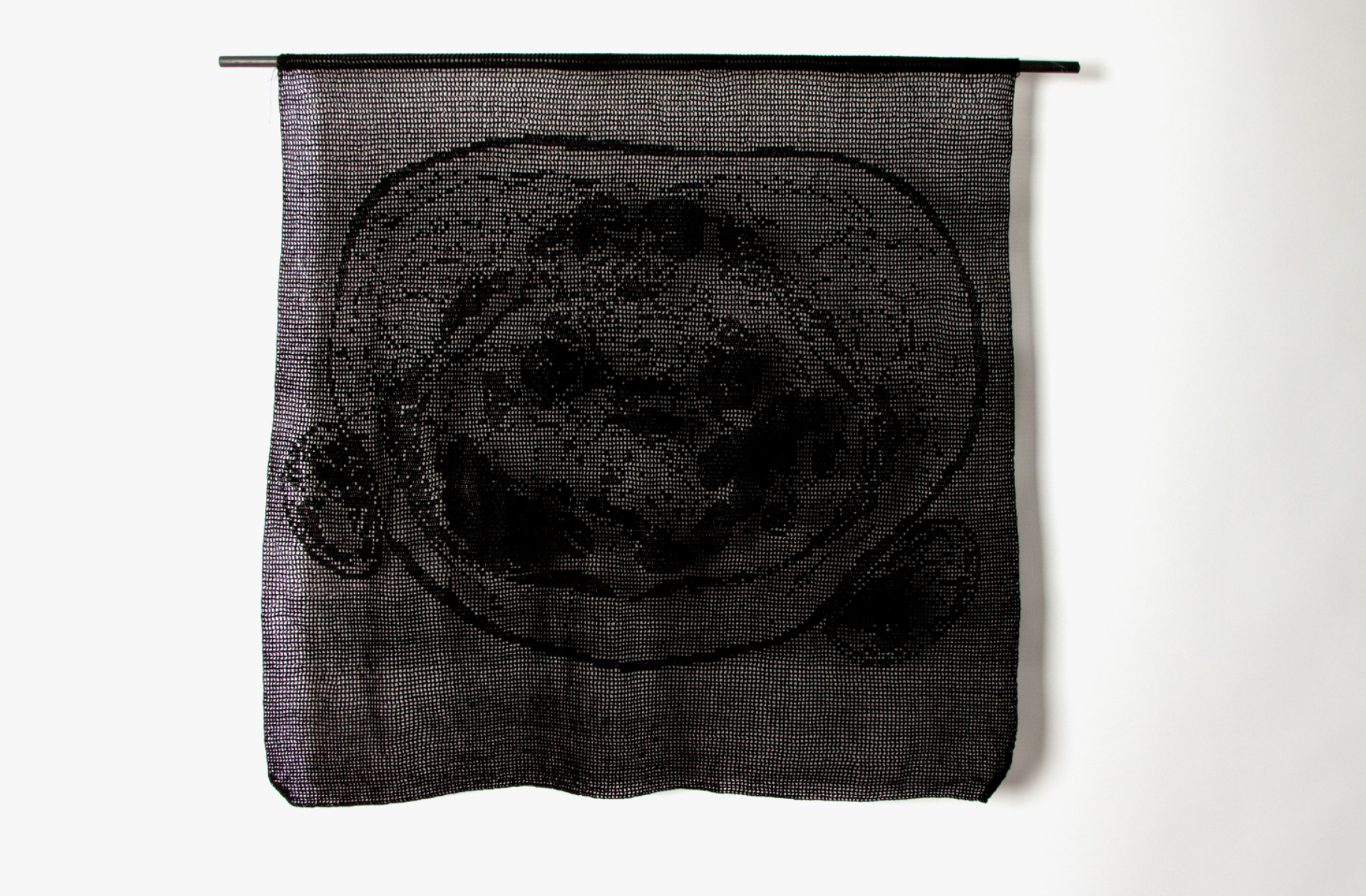
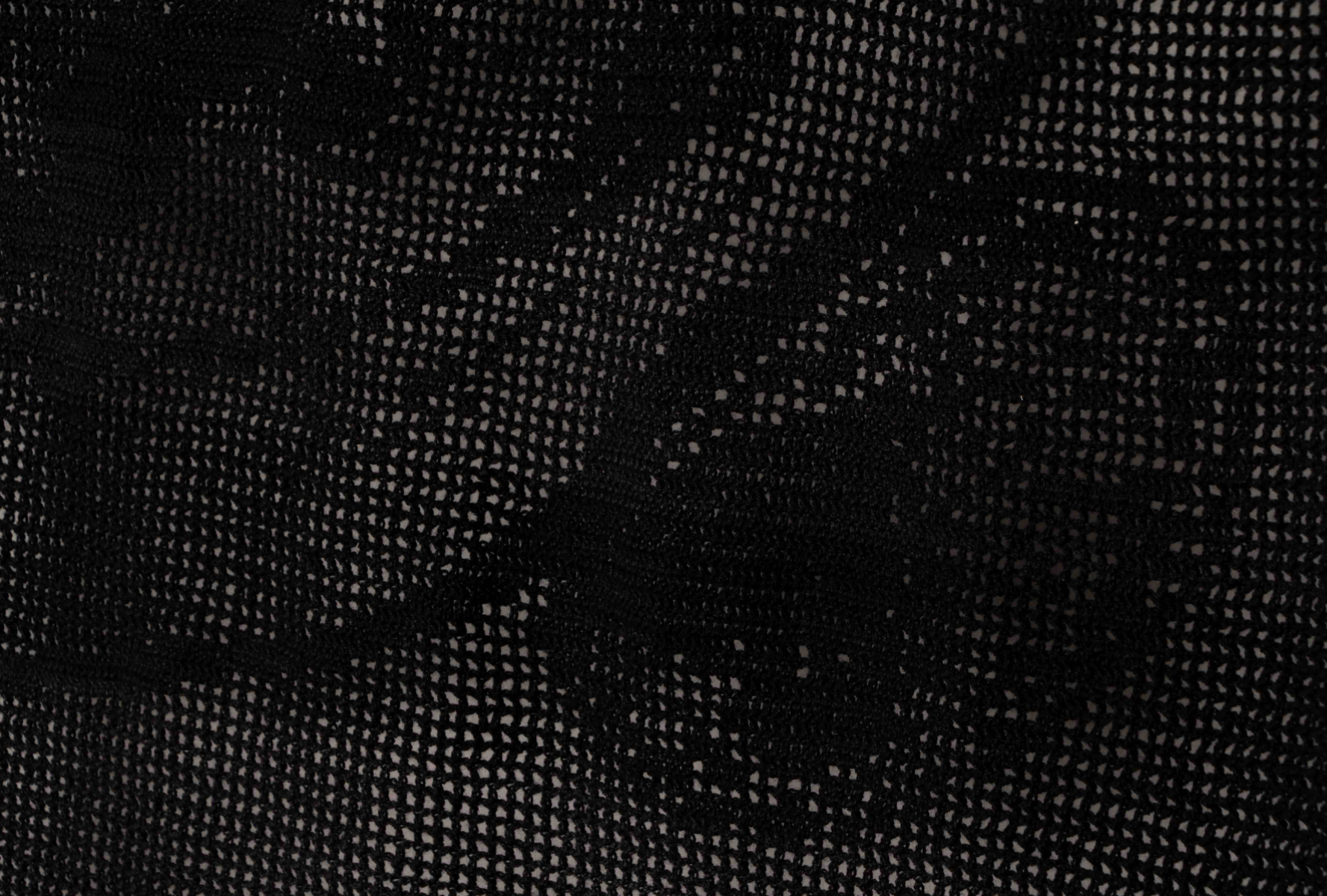
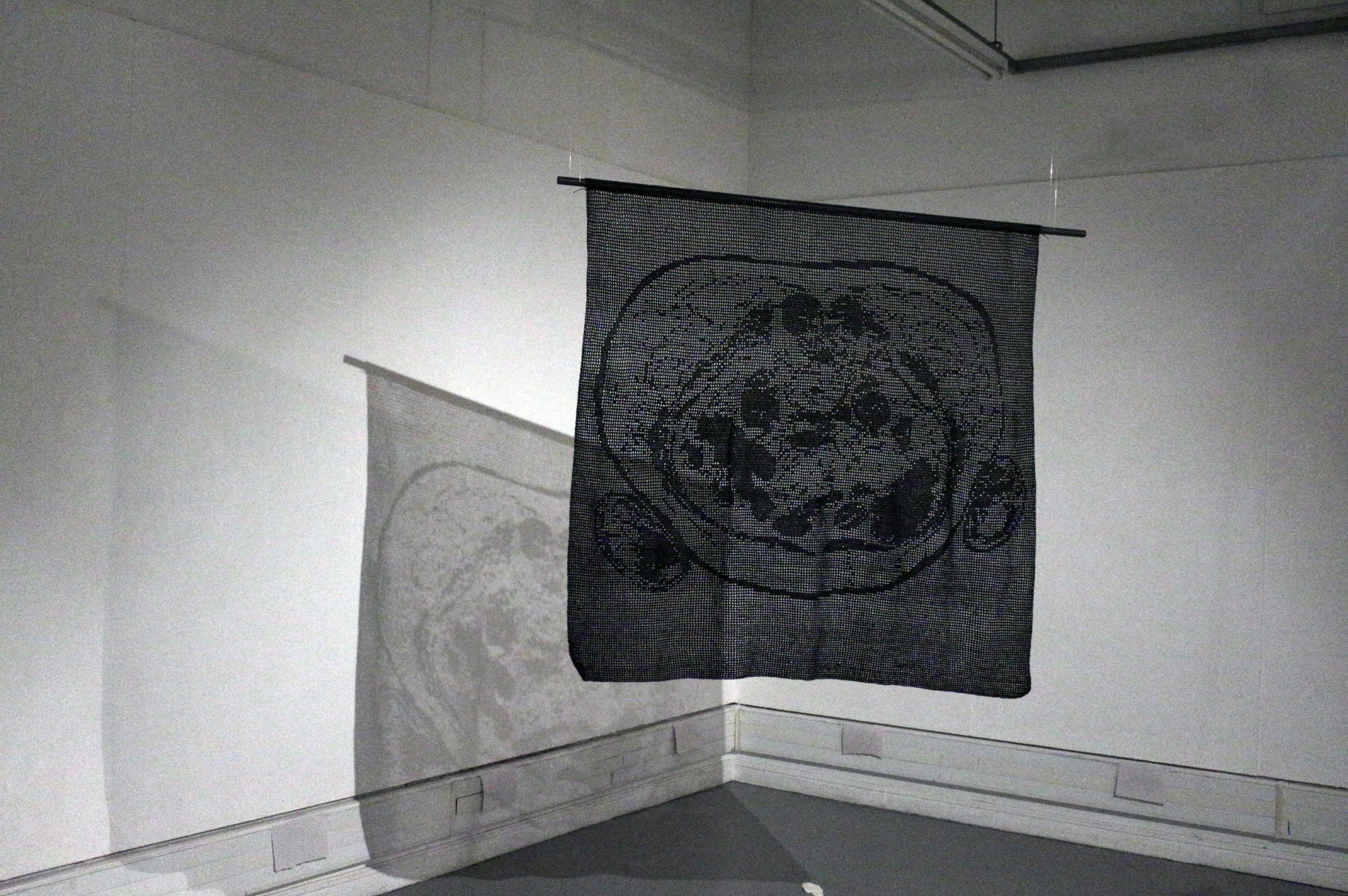
This filet crochet tapestry translates a cross-section from the Visible Human (1994) dataset into a stitched grid. Filet crochet works by absence as much as presence, the image exists in the gaps between stitches as much as in the stitches themselves, which felt like the right structural logic for a body known to us primarily through its own dissected gap
Competitions
Global Creative Graduate Showcase 2026
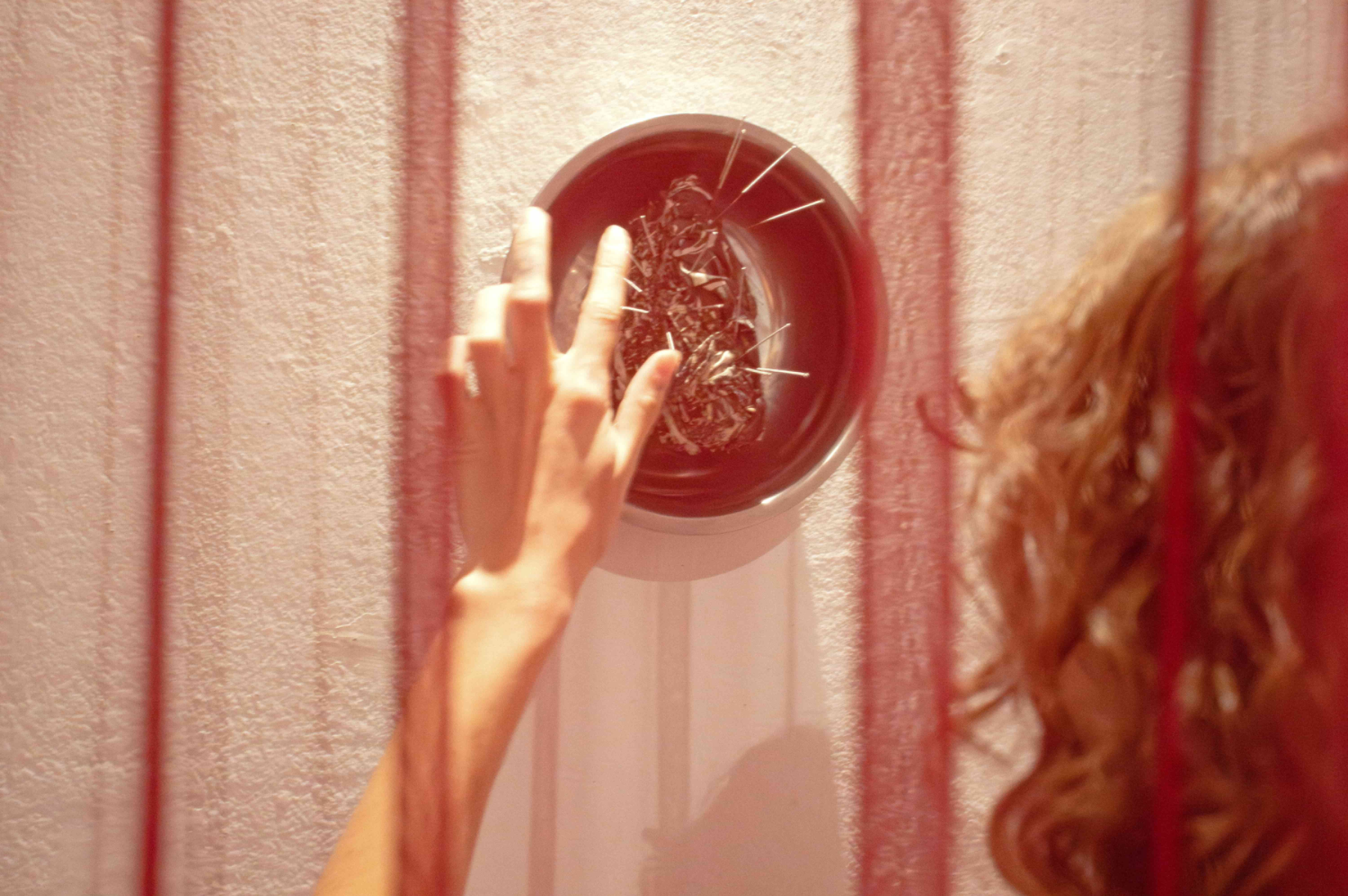
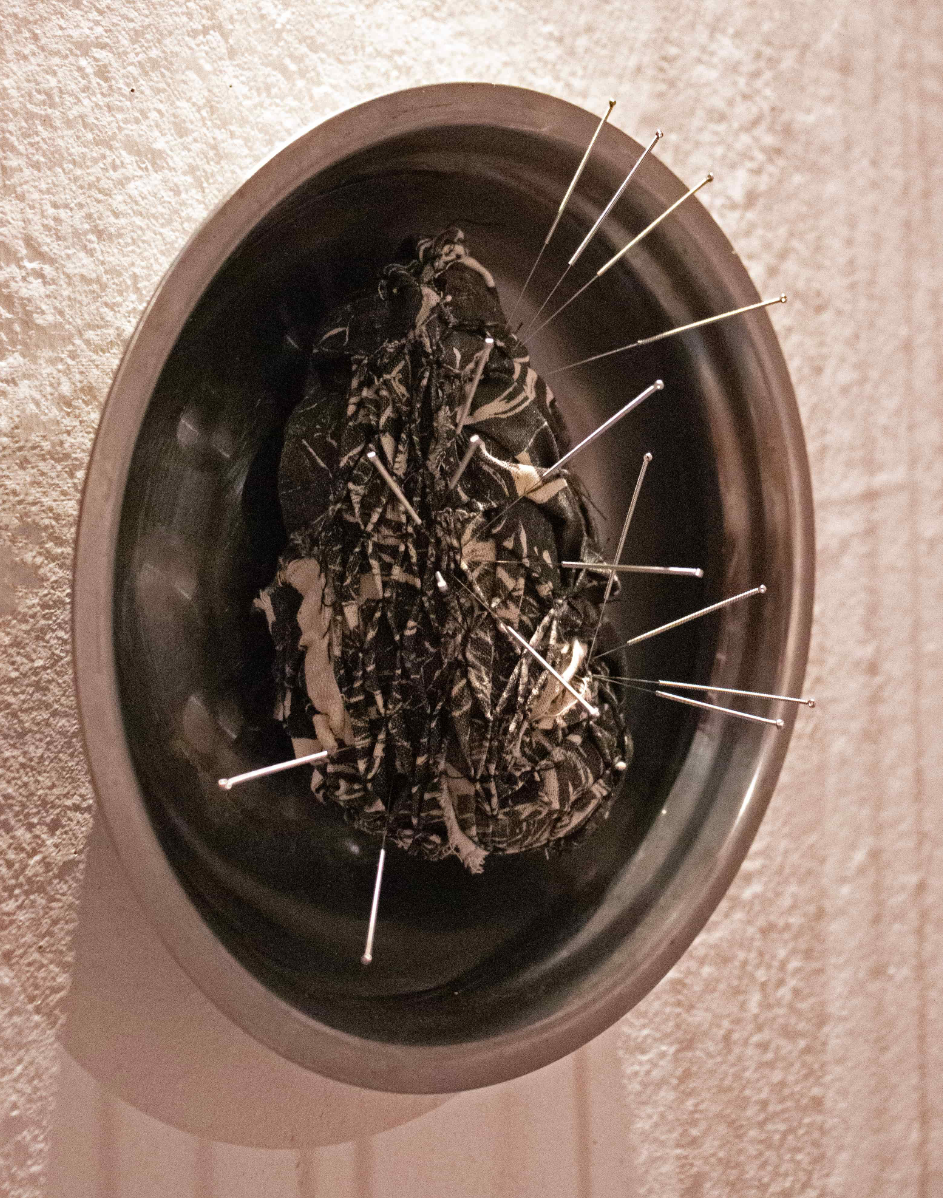
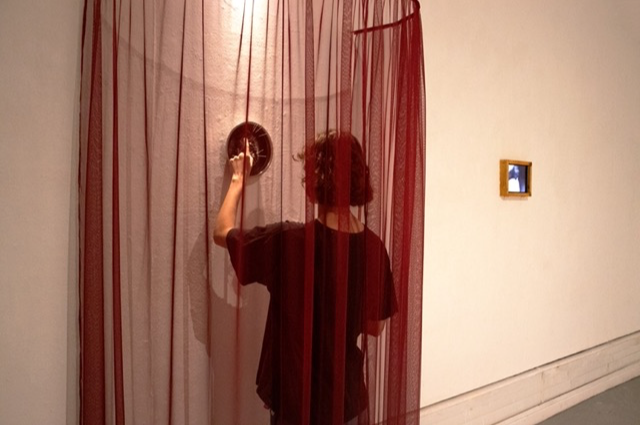
Release, embodies the shift to internal restoration as my works become a site of somatic intervention. Acupuncture needles pierce the muscle, a major point of release of tension which maps the point of therapeutic release onto my own body.
Competitions
Global Creative Graduate Showcase 2026
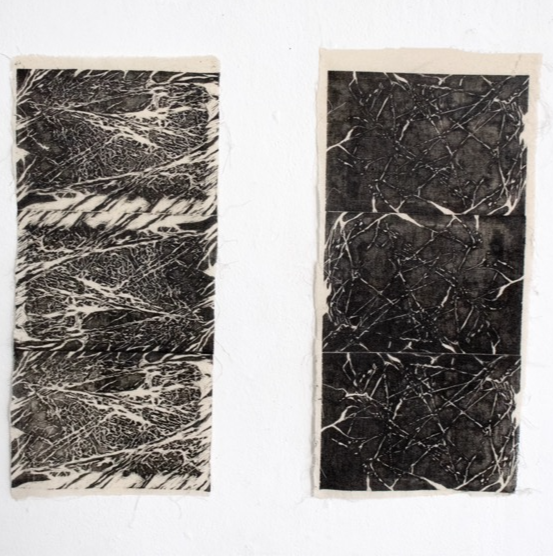
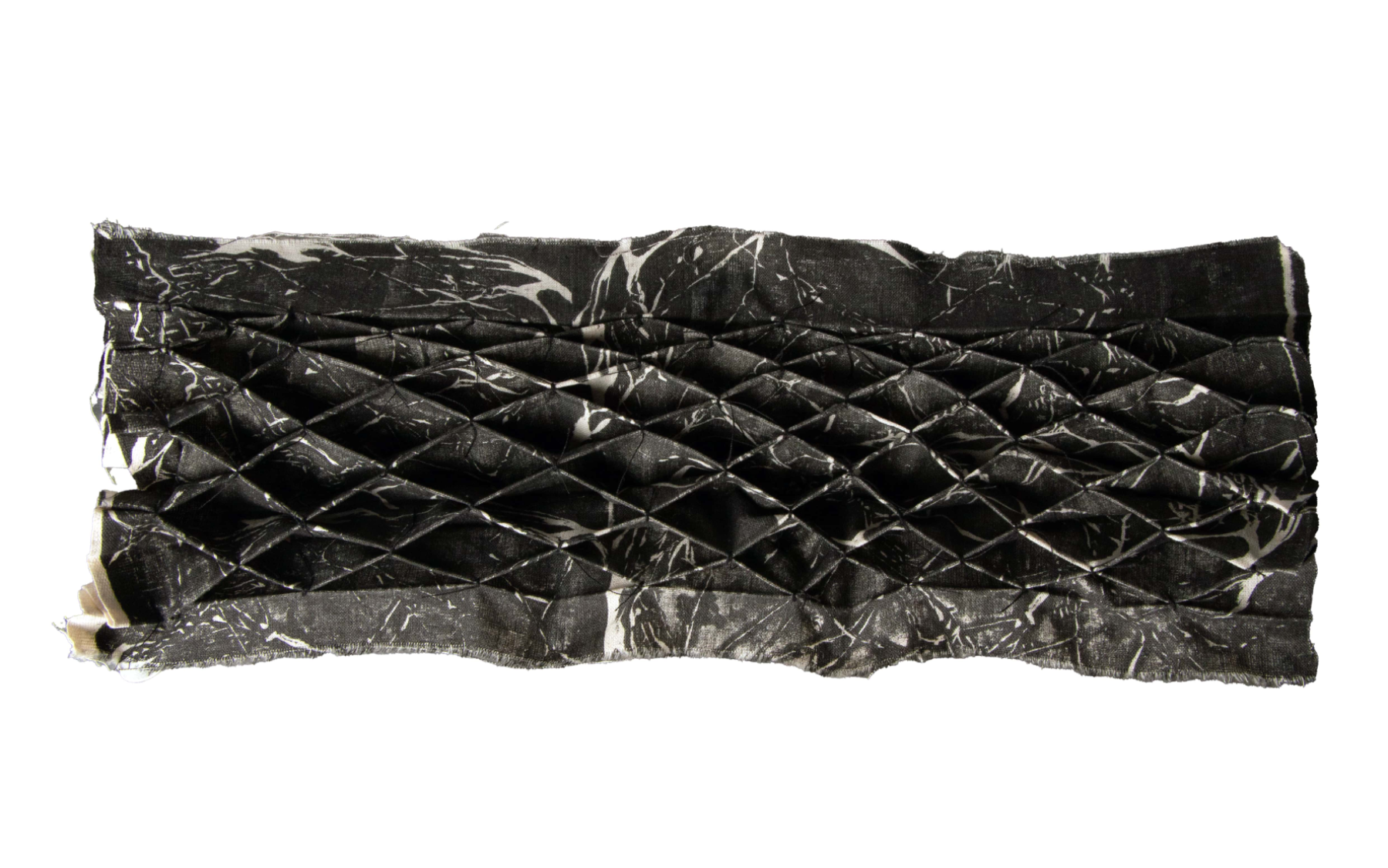
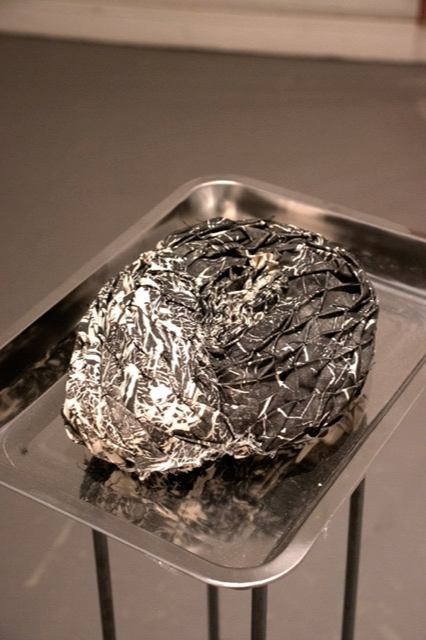
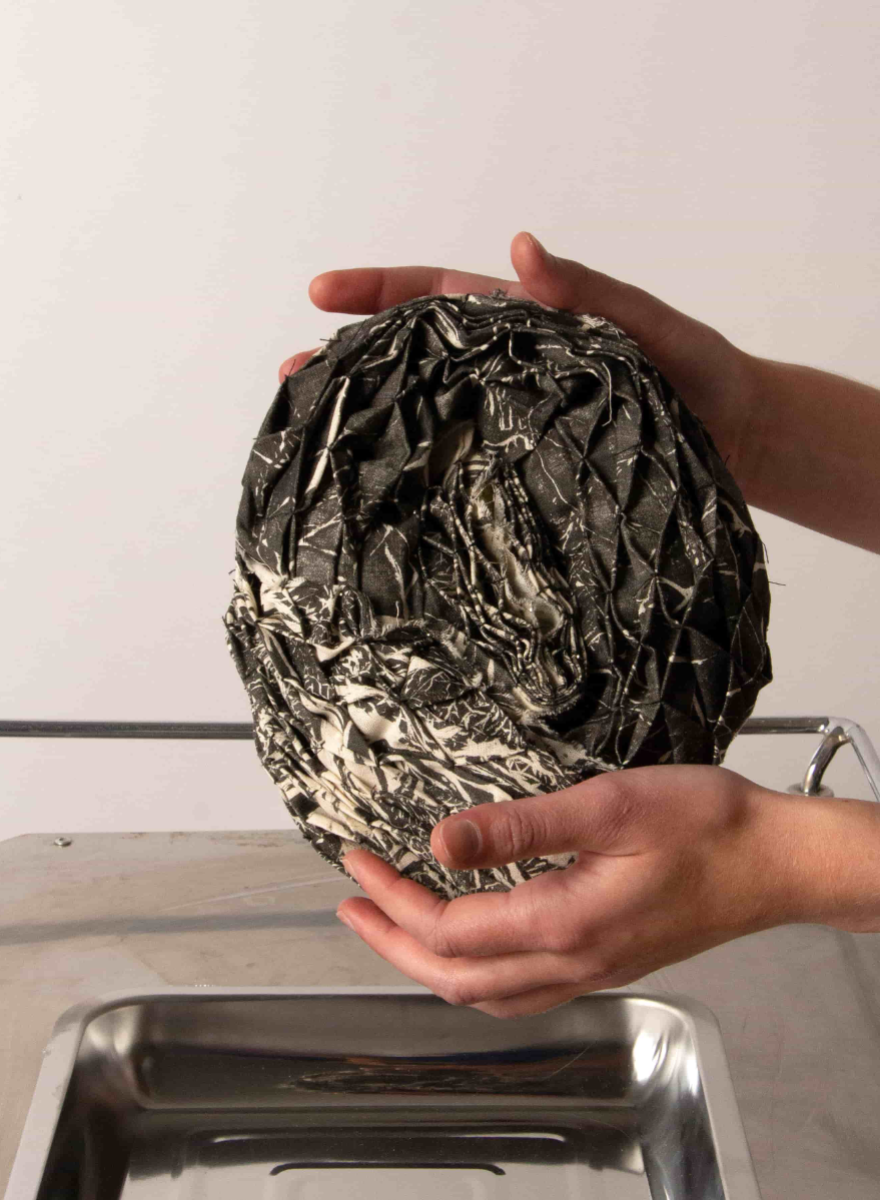
If I’m engaging so closely with a cadaver’s data, what record is left on my living anatomy. That question led me to fascia: the connective tissue that records strain and repeated movement in the body. I made woodcut prints of fascia in both healthy and unhealthy states. But a static print could not capture the record of flow. I began looking for a way to introduce movement and dynamism into the prints. That led me to using fabric manipulation techniques such as honeycomb smocking, introducing elasticity to the prints.
Competitions