Ian McKernan
Architecture and Extreme Environments MA
Royal Danish Academy – Architecture, Design and Conservation
Specialisms: Architecture / Design Research / Digital Manufacturing
Location: Copenhagen, Denmark


Ian McKernan
First Name: Ian
Last Name: McKernan
Specialisms: Architecture / Design Research / Digital Manufacturing
Sectors:
My Location: Copenhagen, Denmark
University / College: Royal Danish Academy – Architecture, Design and Conservation
Course / Program Title: Architecture and Extreme Environments MA
About
I am a recent graduate from the Royal Danish Academy in the masters program Architecture and Extreme Environments. In these past two years, my interests within architecture have expanded beyond buildings that are just material and energy conscious. I am particularly interested in architecture that begins with an understanding of materials and systems such as reuse/upcycling with an emphasis on craft, incorporating local voices, vernacular research and adaptations, low tech-nature based solutions, all while keeping aesthetics in mind. Before moving to Denmark, I received my bachelors degree from the University of Illinois just two hours south of Chicago.
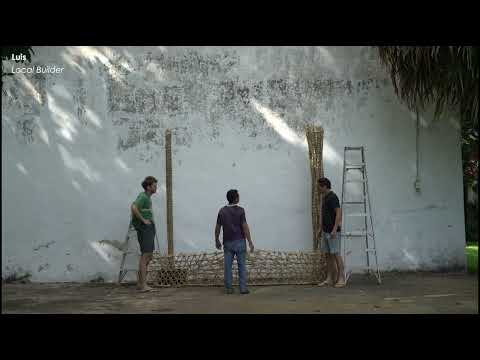
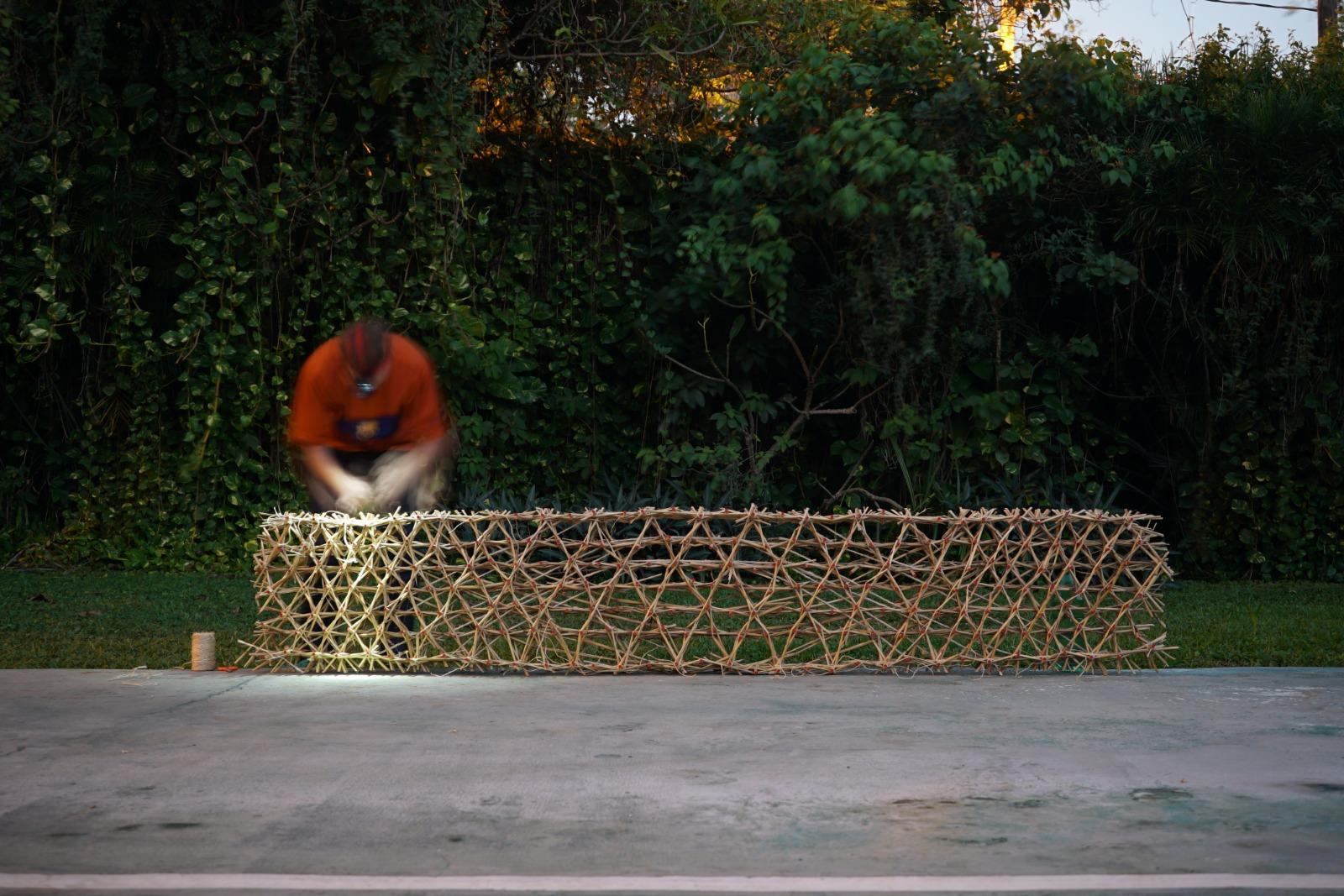
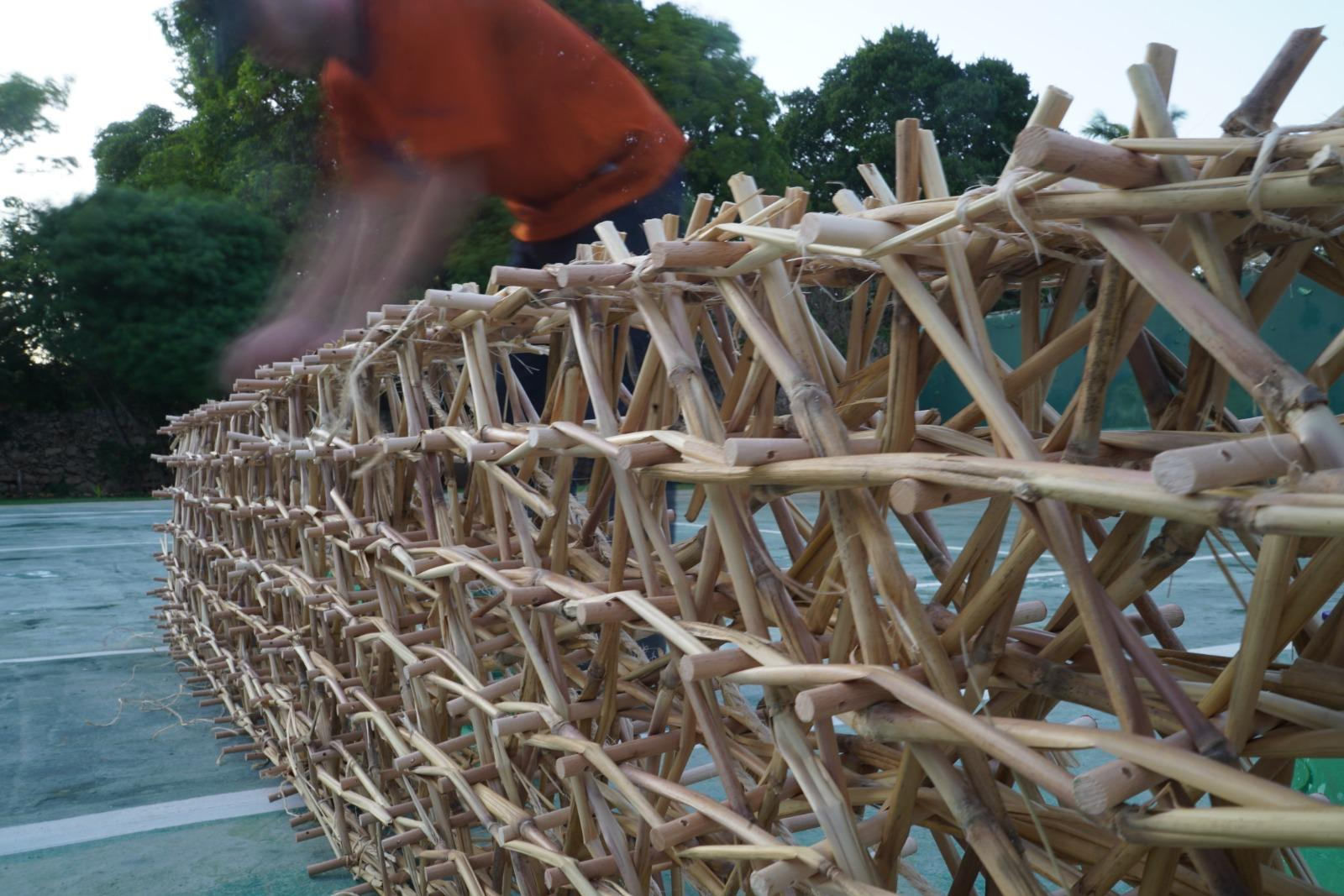
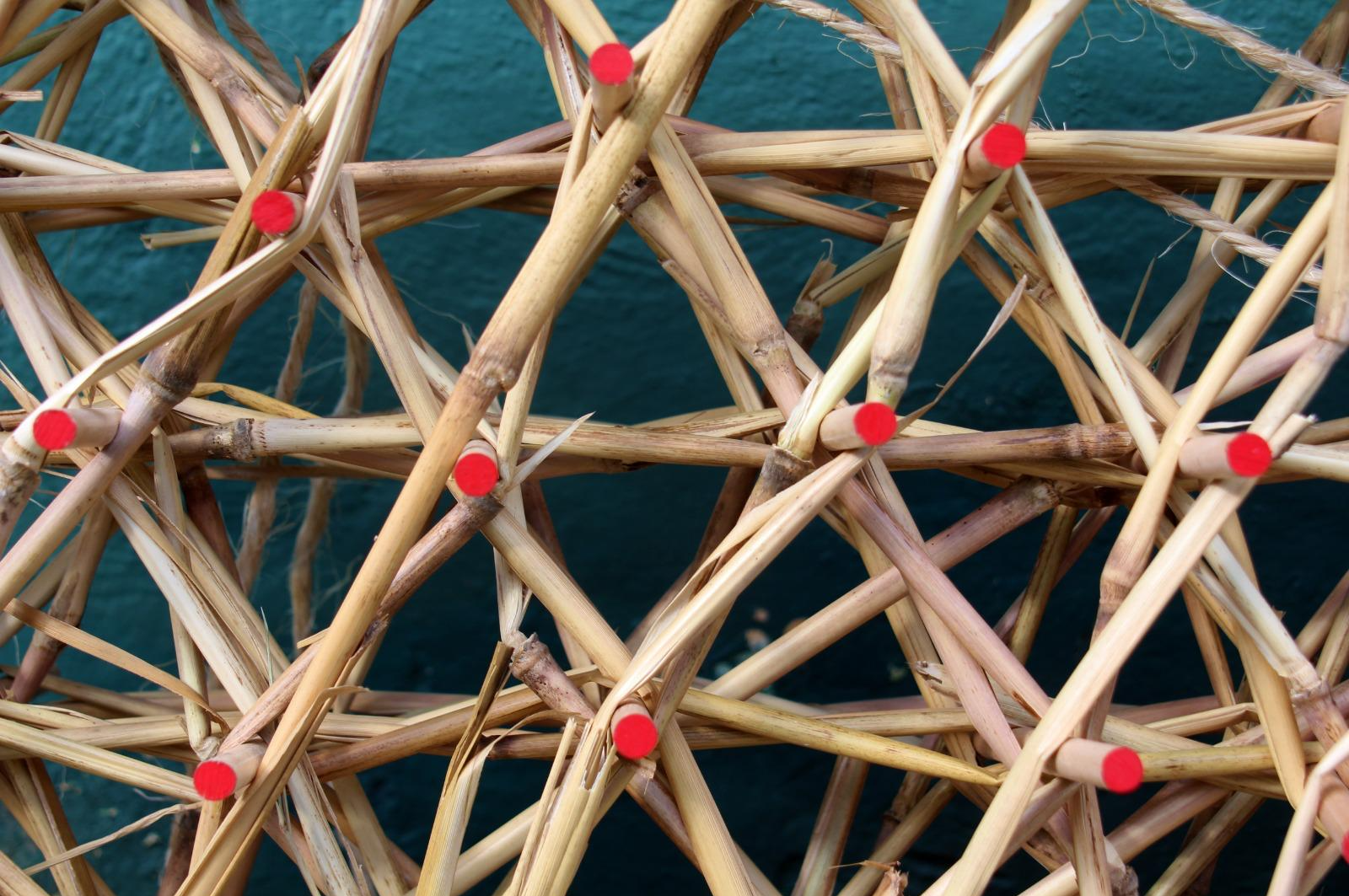

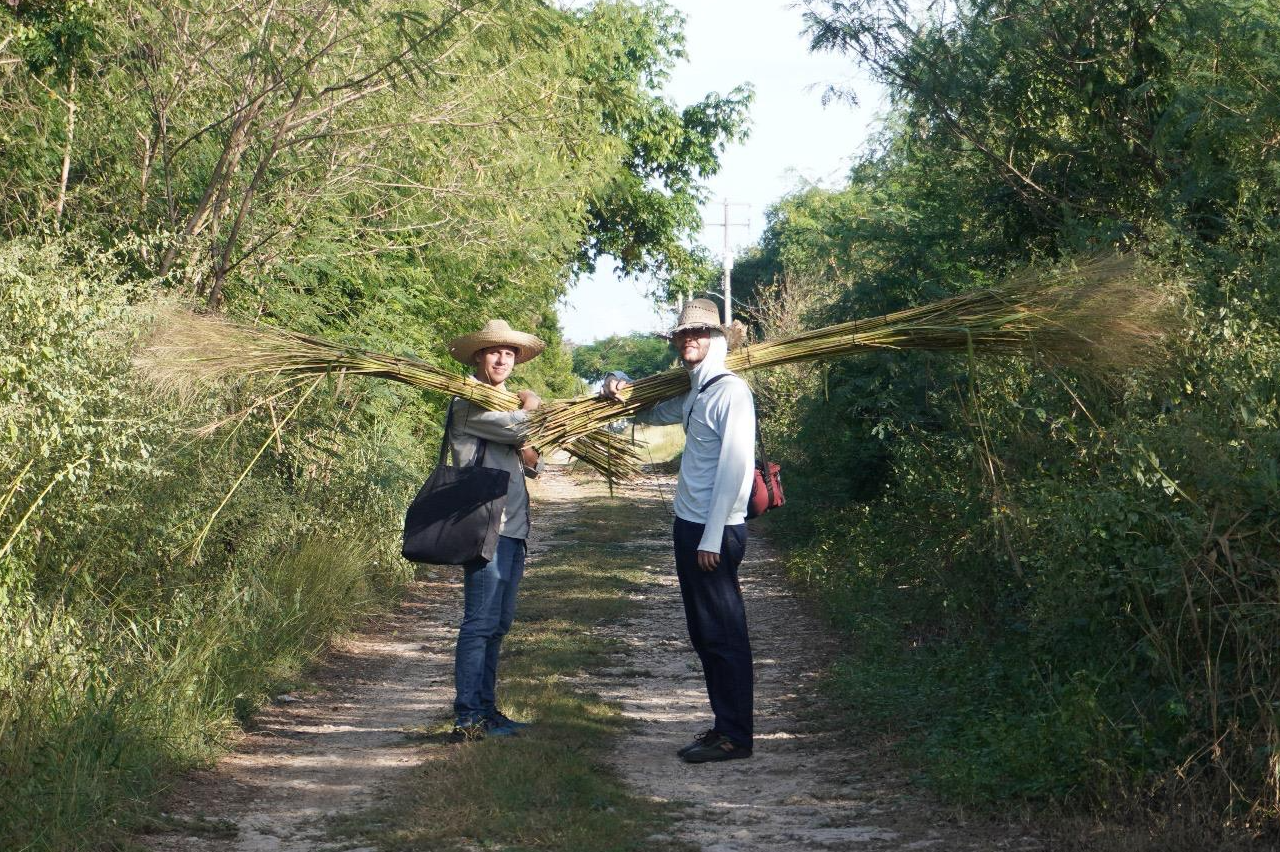
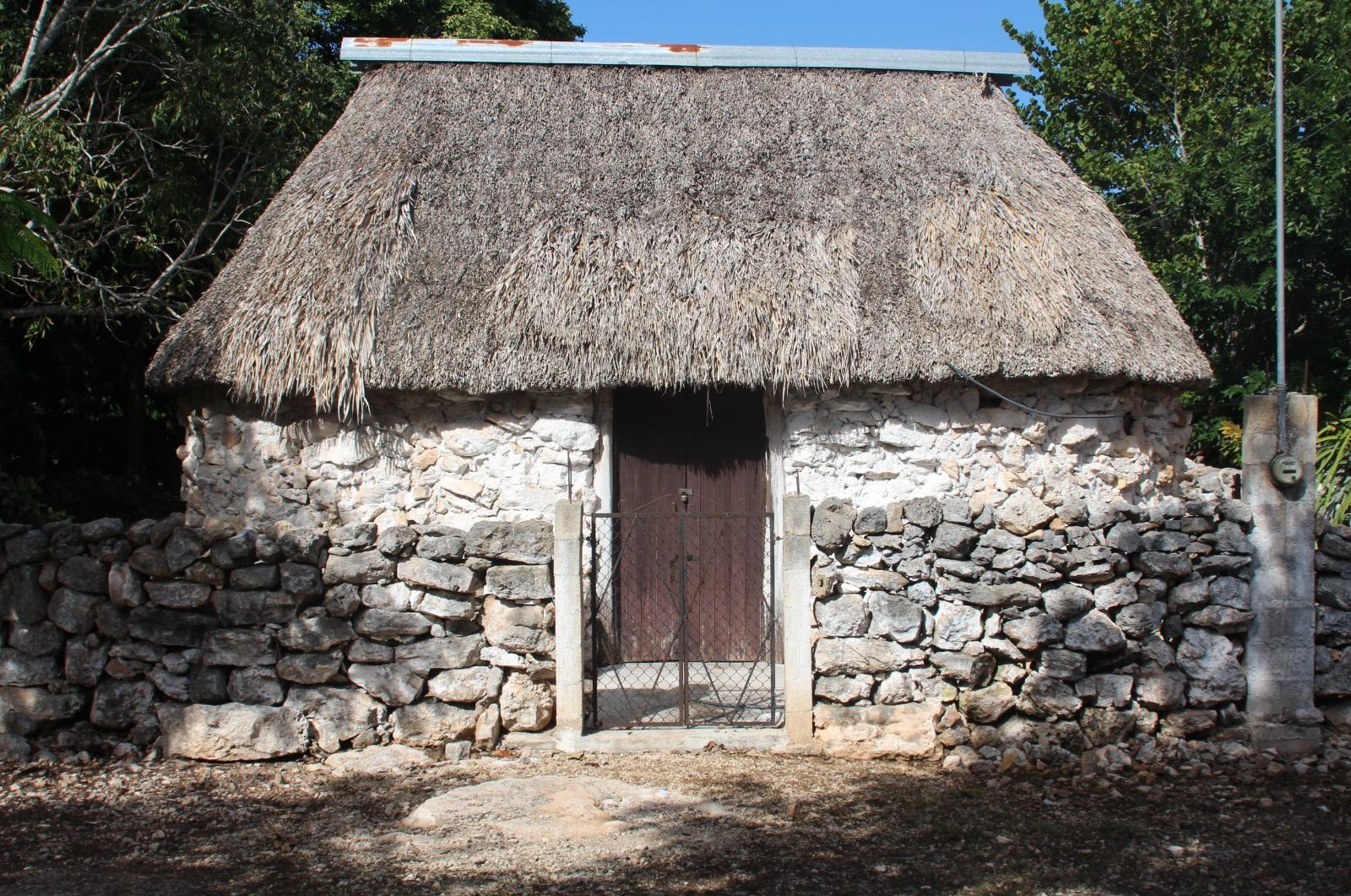
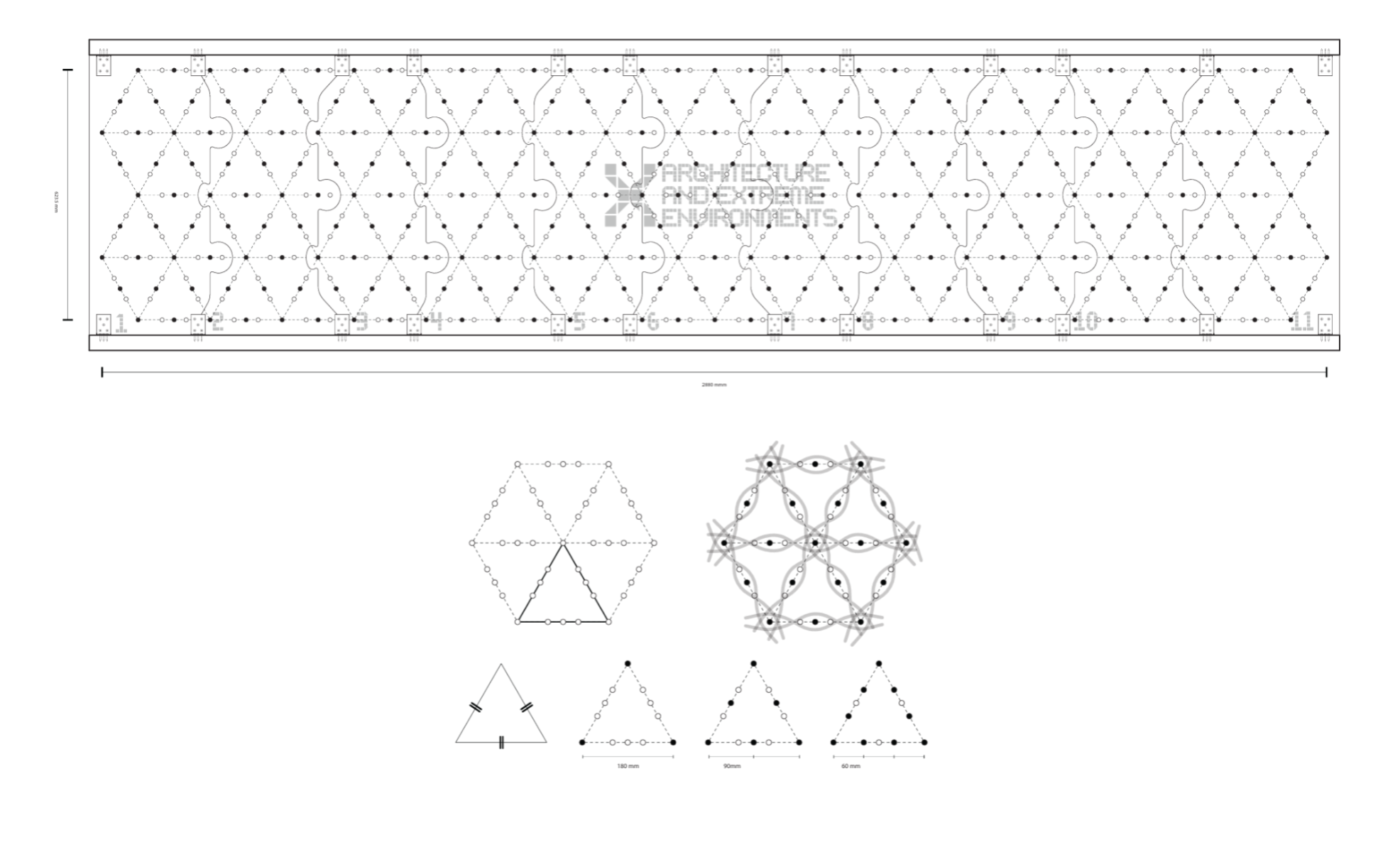
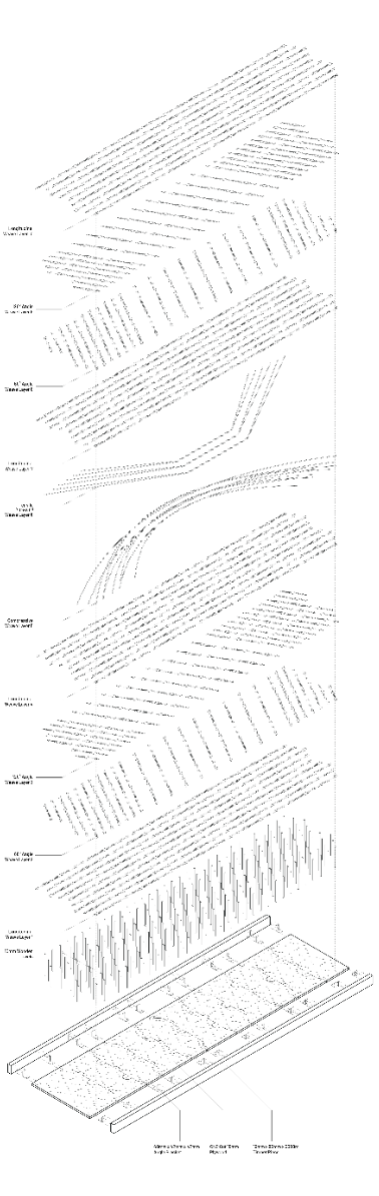
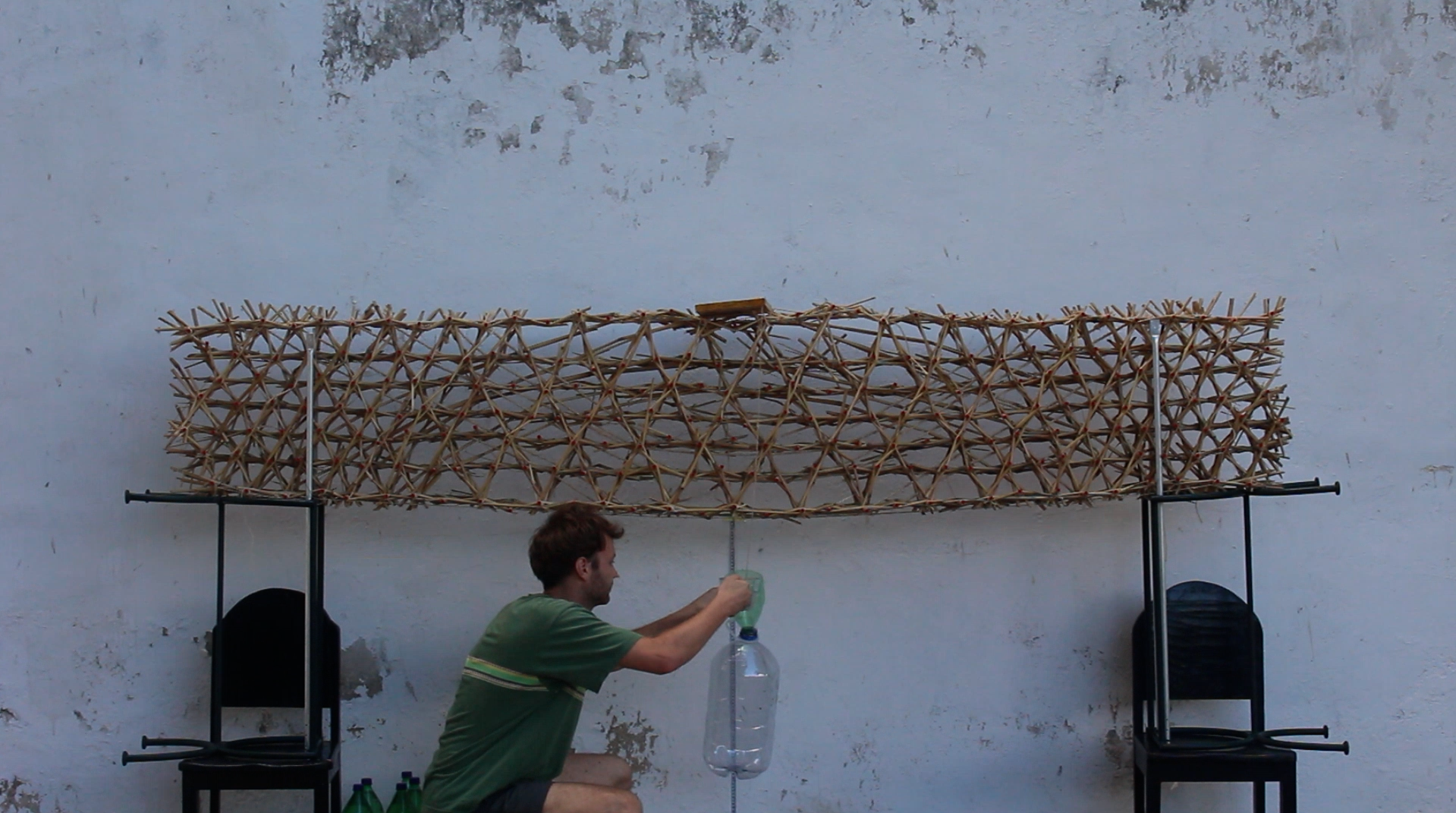
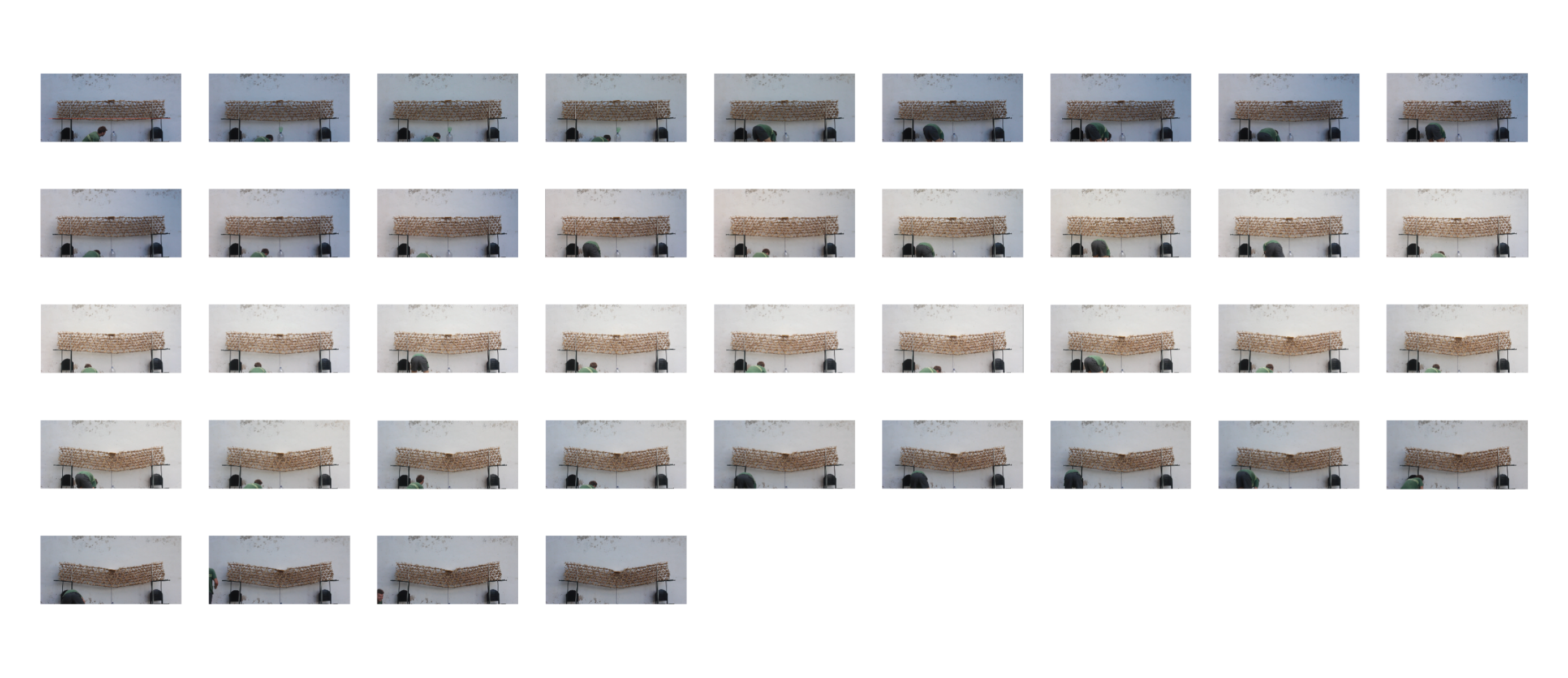
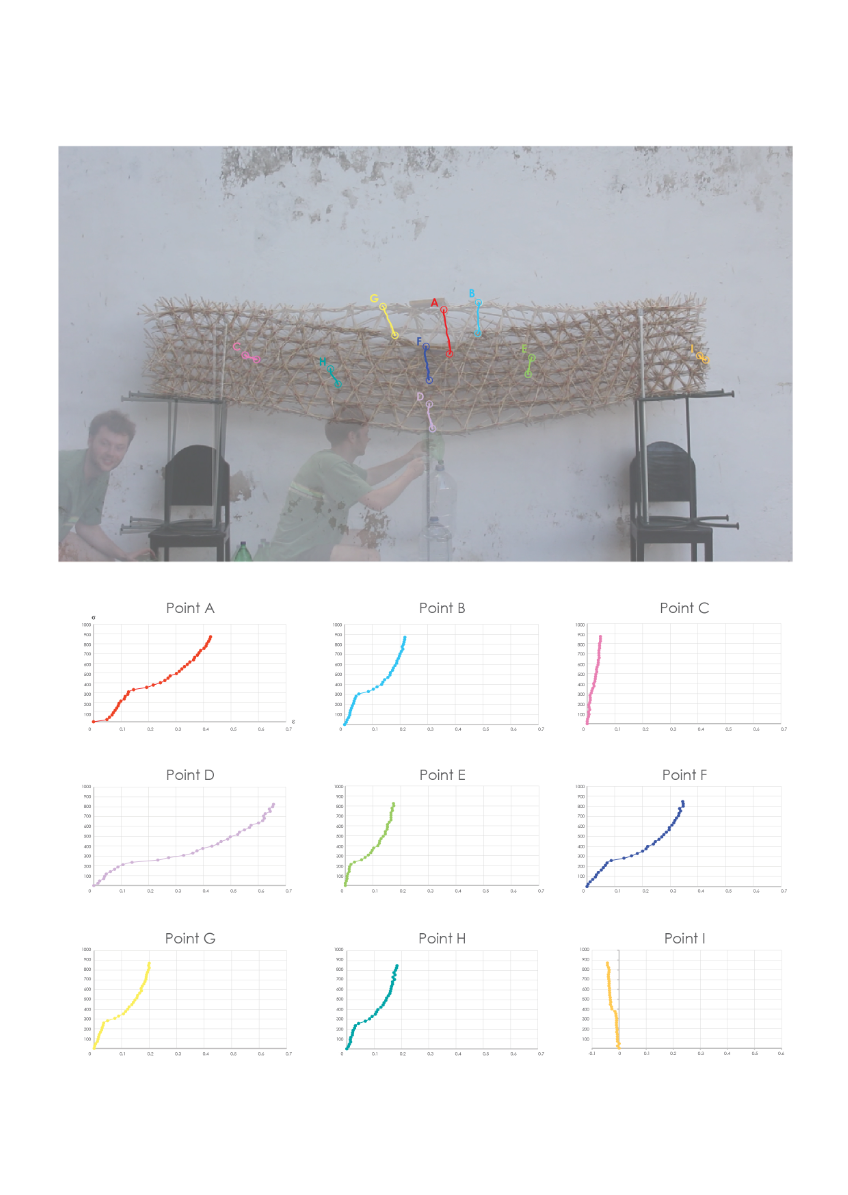
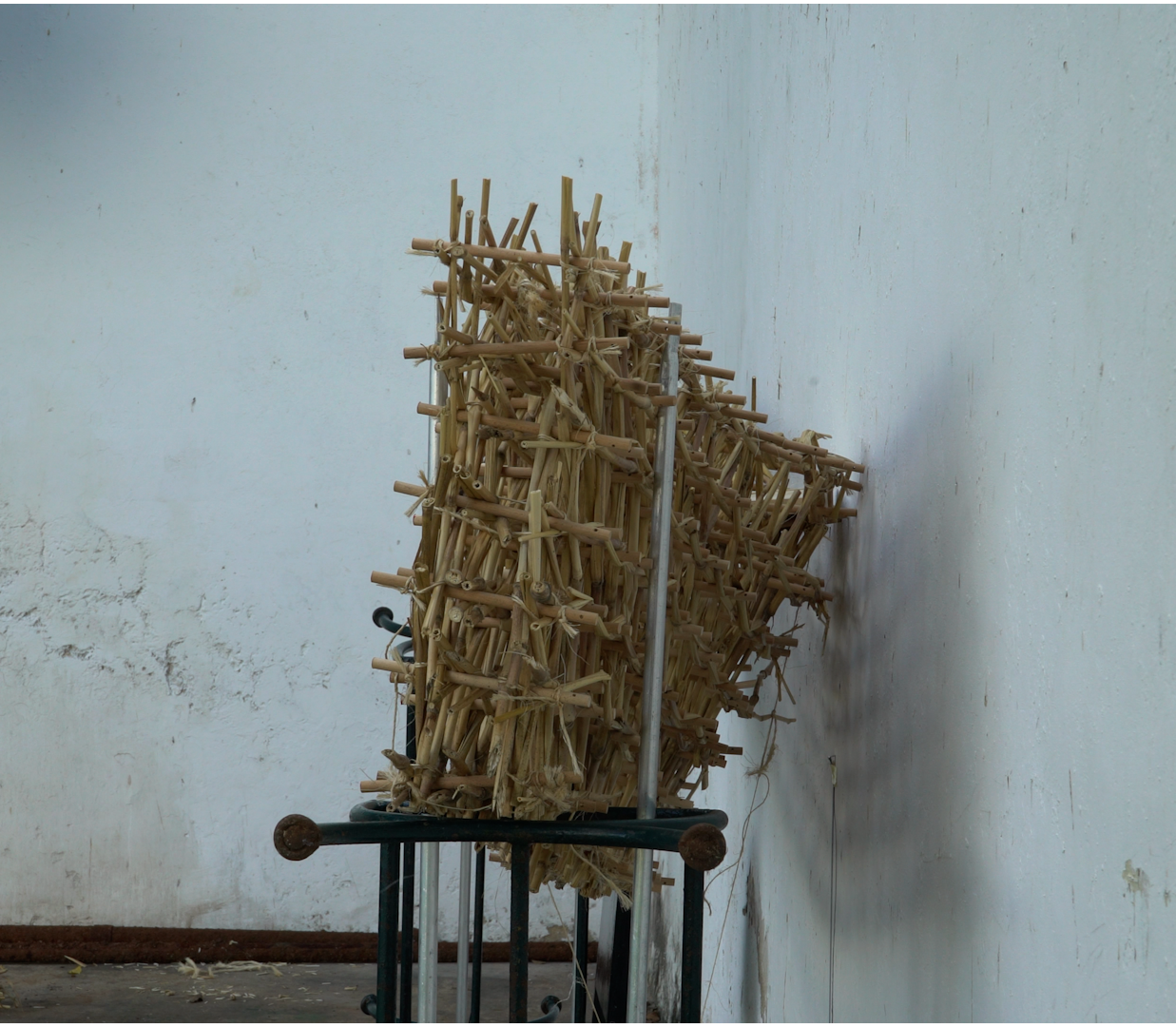
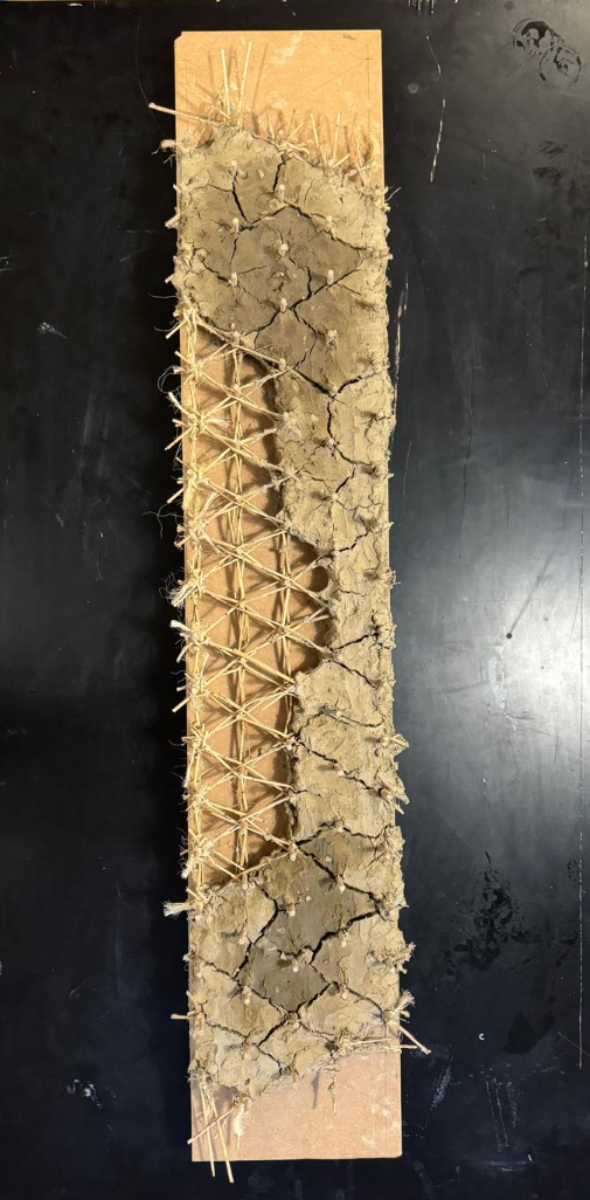
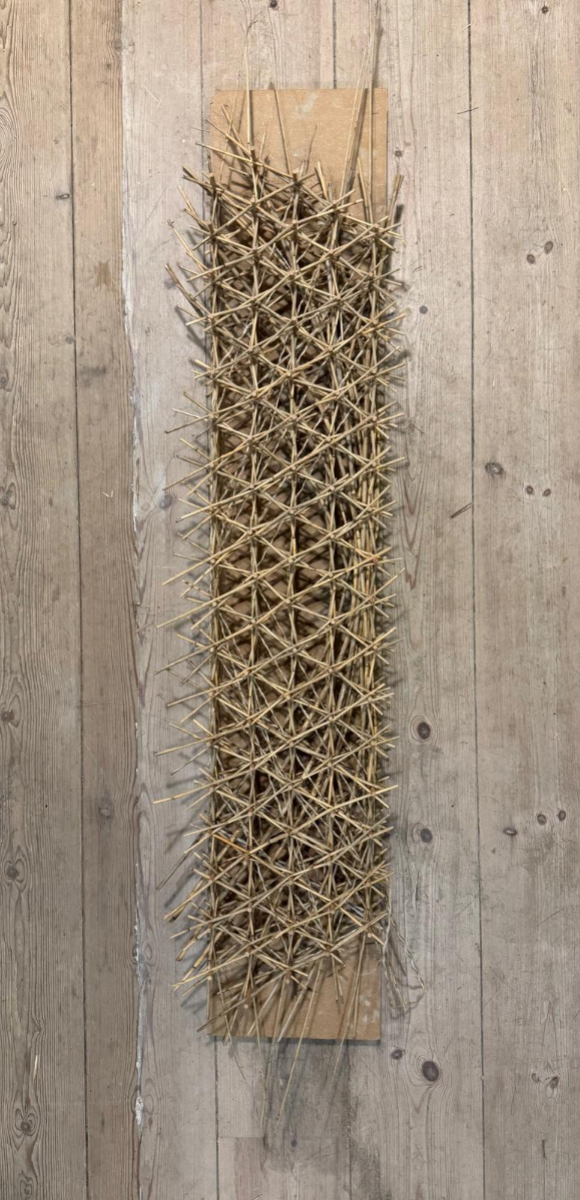
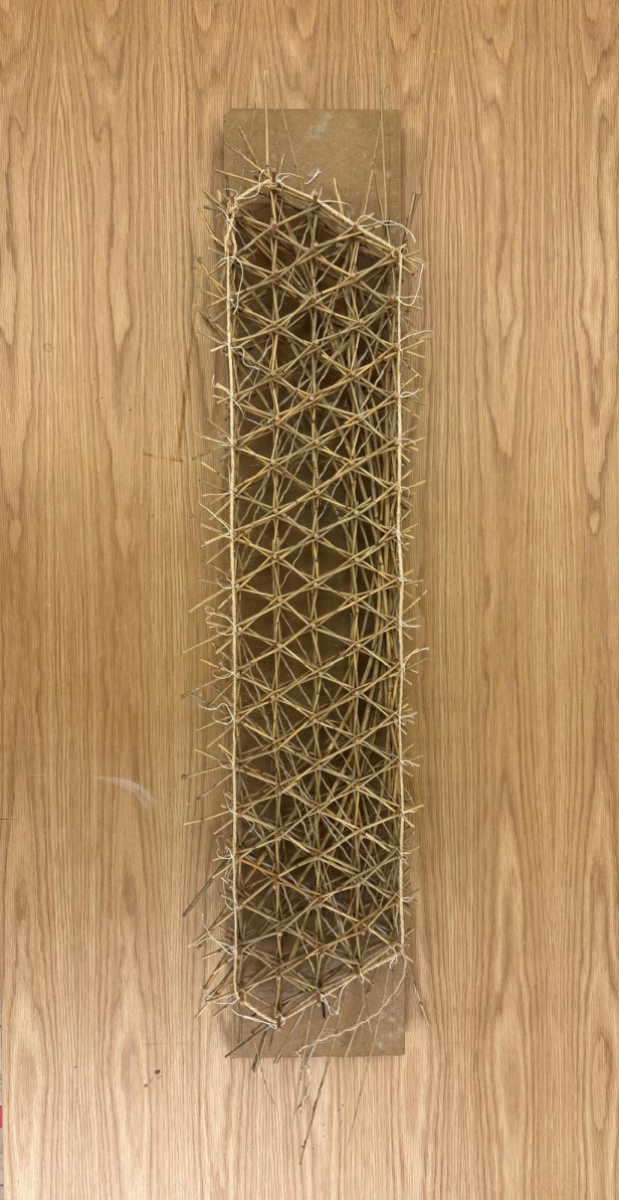
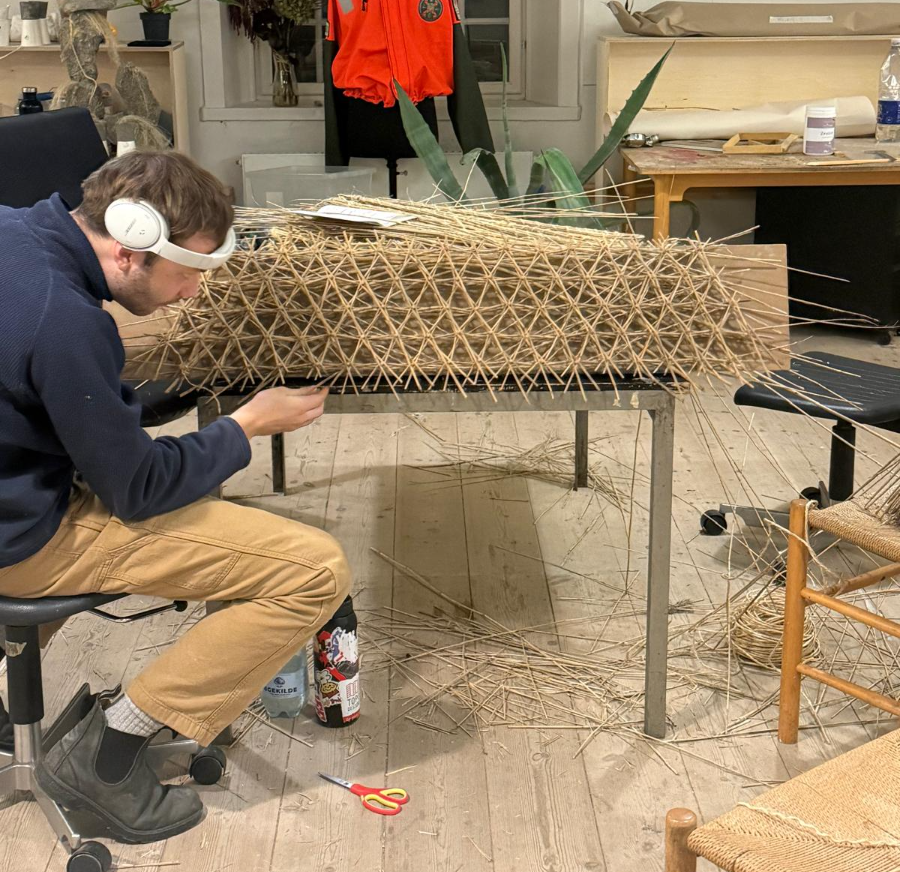
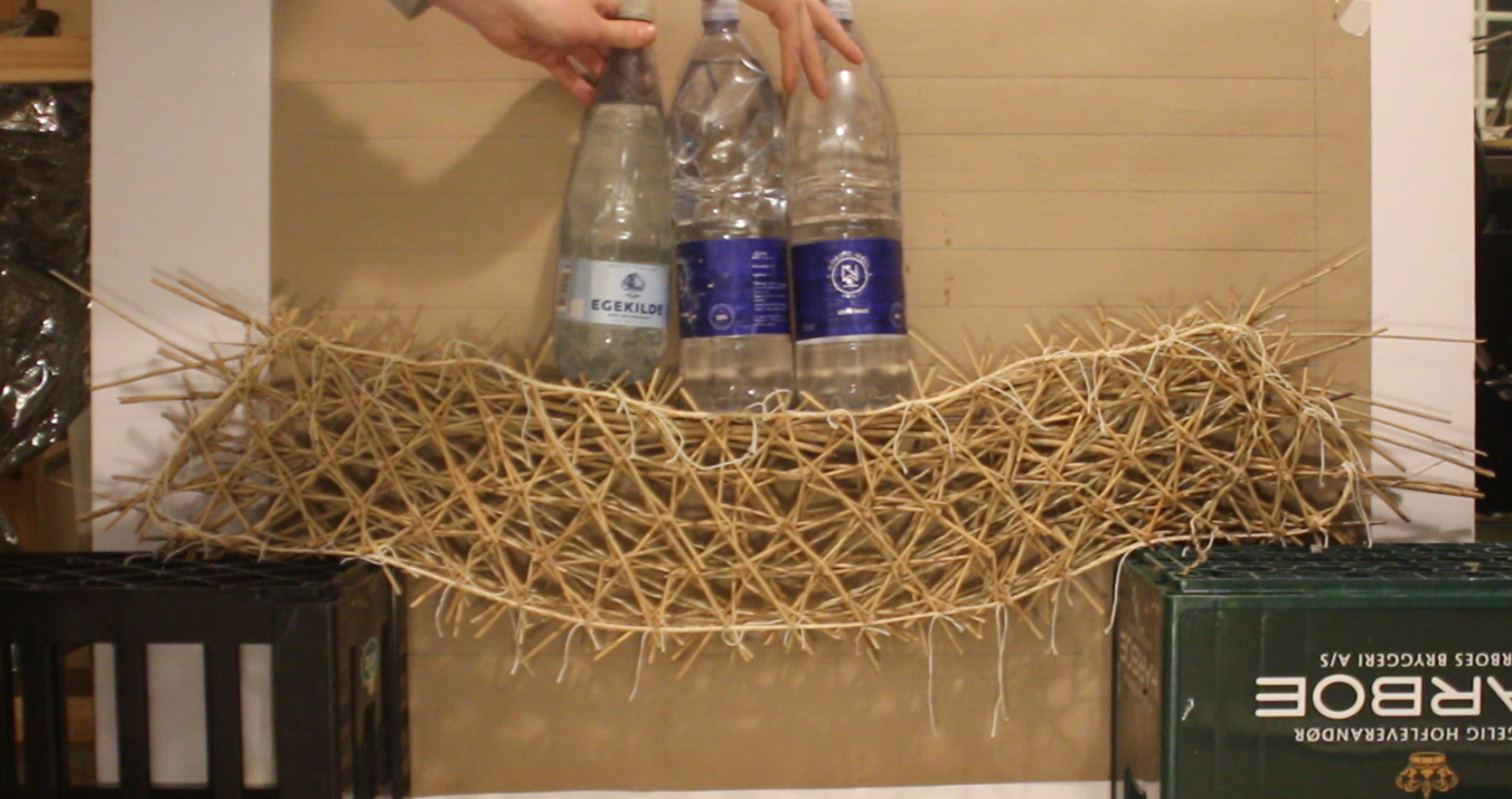
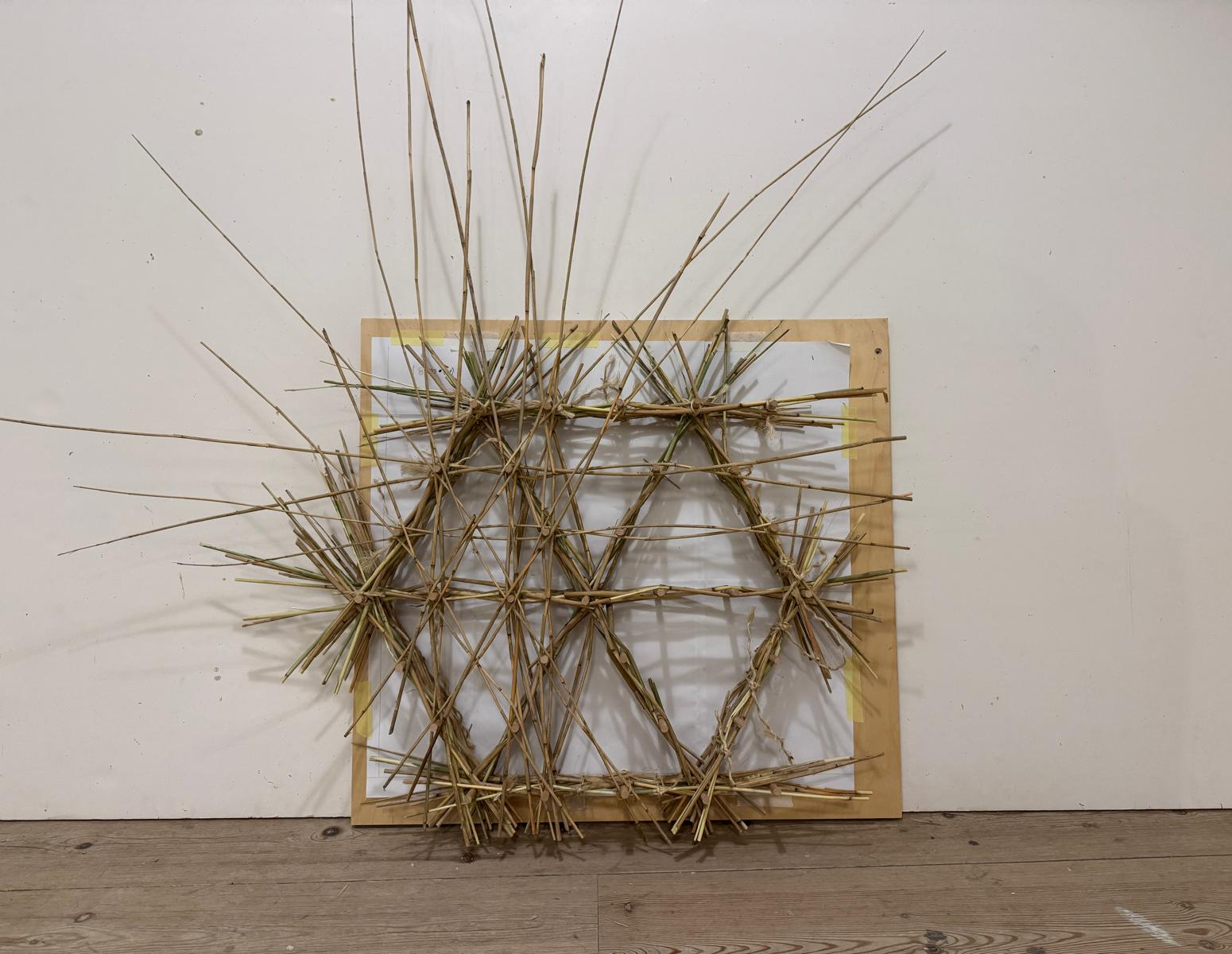
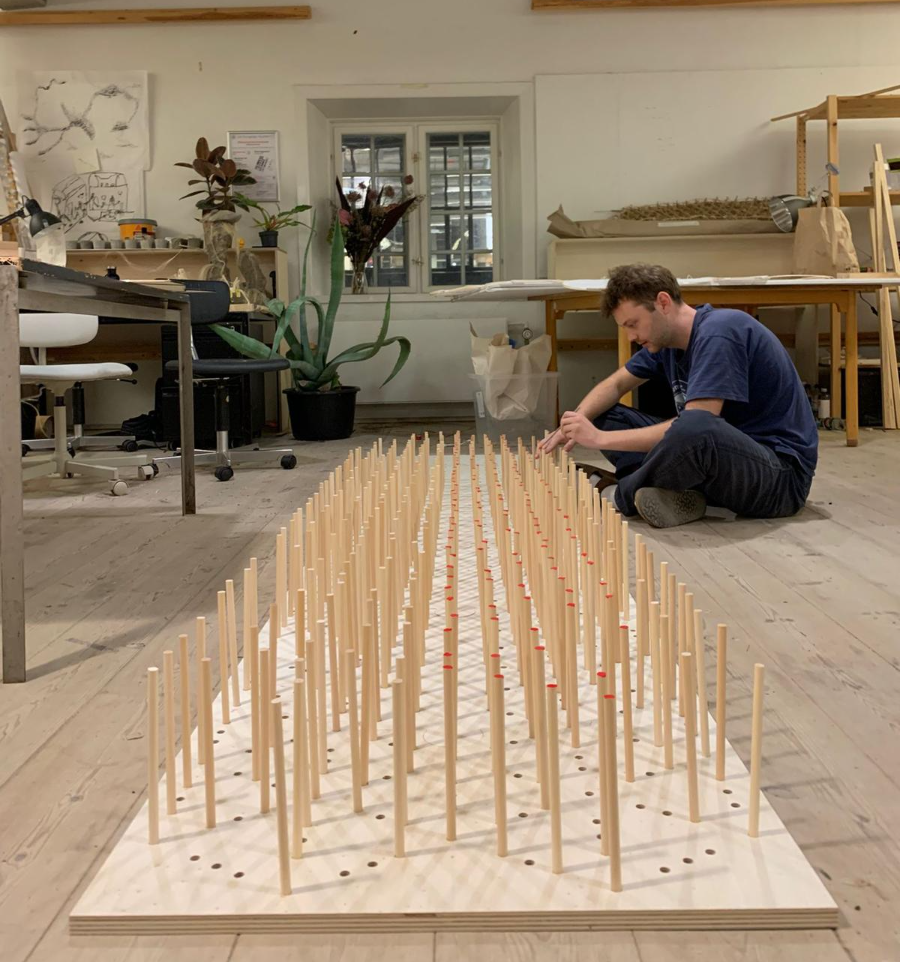
The Woven Biogenic Beam project explores a lowcarbon alternative to the reinforced concrete commonly used in construction across Mérida and the Yucatán Peninsula. It was developed in response to concrete’s high embodied carbon while drawing from the region’s traditional Mayan construction practices, which use locally available materials such as reeds, timber, earth and plant fibers. The research identified a lack of local biogenic alternatives for structural beams and therefore reinterpreted the woven logic of traditional bajaerque construction into a contemporary structural system. The prototype uses locally sourced reeds and henequen fiber arranged in layered woven patterns that respond to the tension and compression forces within a beam. A modular CNC cut plywood jig with an adjustable triangular grid was designed to facilitate the weaving process while allowing the system to adapt to variations in locally available materials. The project ultimately explores how vernacular knowledge, local materials and contemporary structural principles can be combined to create a more site-specific and low-carbon approach to construction.
Competitions