Gihansa Galhenage
Bachelor of arts in fine art
Michaelis School of Fine Art
Specialisms: Fine Art / Sculpture / Painting
Location: Colombo, Sri Lanka

Gihansa Galhenage
First Name: Gihansa
Last Name: Galhenage
Specialisms: Fine Art / Sculpture / Painting
Sectors:
My Location: Colombo, Sri Lanka
University / College: Michaelis School of Fine Art
Course / Program Title: Bachelor of arts in fine art
About
I am a Sri Lankan multidisciplinary artist based in Cape Town and Sri Lanka. Working across sculpture, installation, painting, and performance, my practice encompasses themes of memory, labour, marginalisation, and diaspora. My work examines the political dimensions of migration and displacement as they shape the human condition, foregrounding colonial histories of Sri Lankan tea plantations as a critical analytical lens. My current practice is grounded in material inquiry, most notably through the development of a distinctive visual language using discarded tea bags. Through the processes of collecting and stitching these tea bags, I engage with repetition as a conceptual and ritualistic strategy. These slow, meditative processes situate the body within the rhythms of labour, where identity is shaped through endurance and monotony. In this way, my material experimentation is underpinned by sustained archival inquiry and rigorous conceptual research.
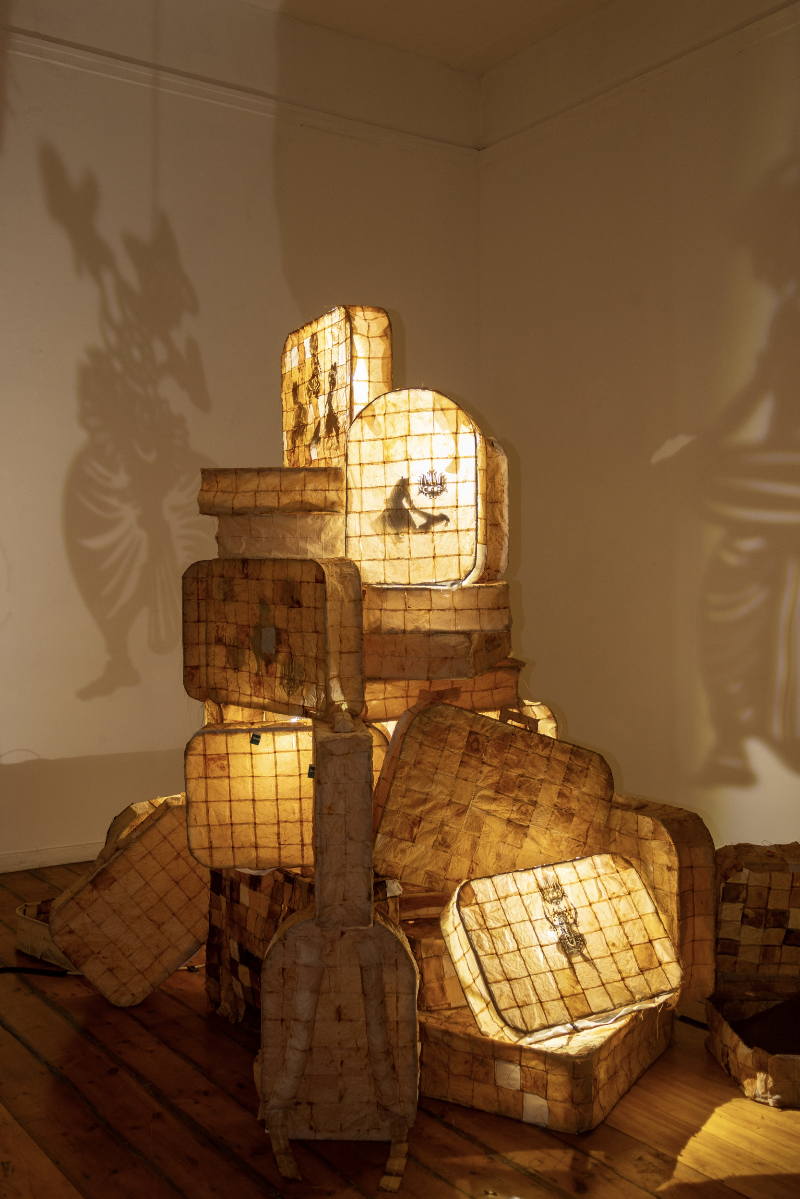
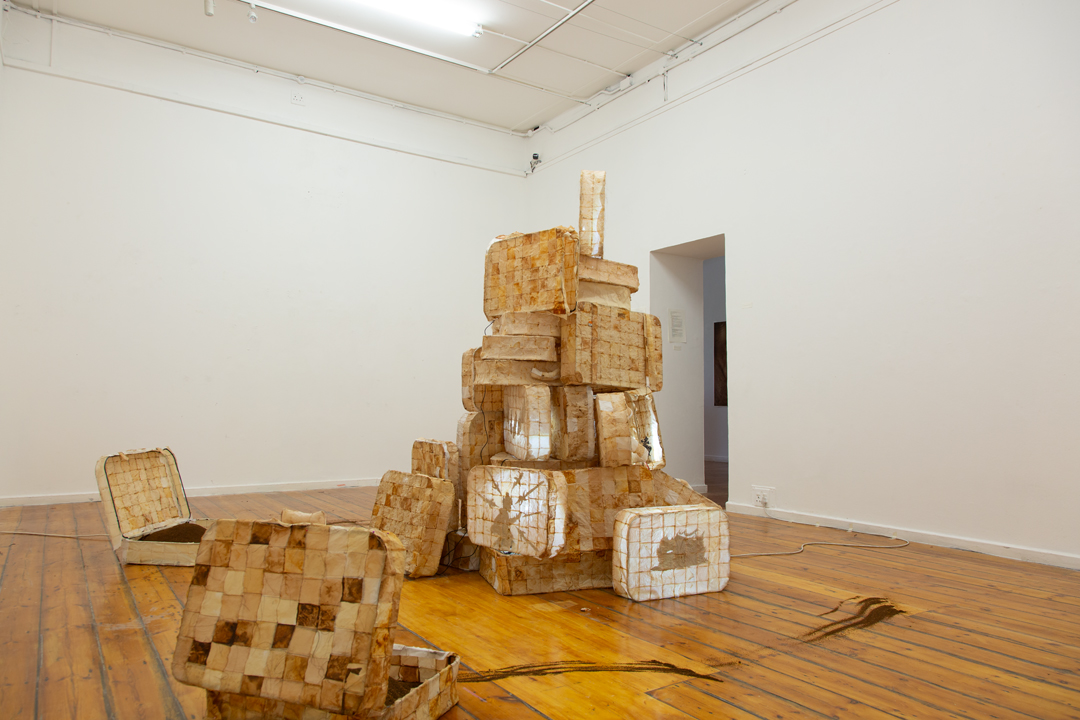
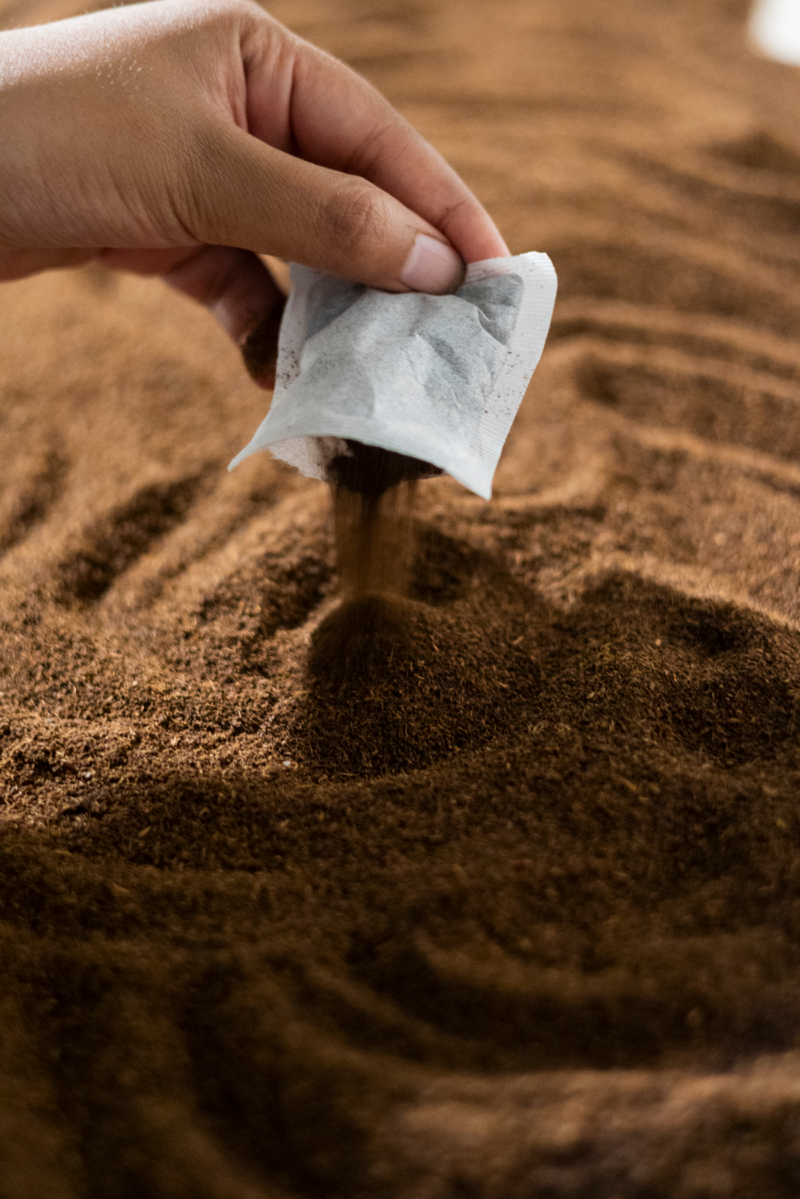
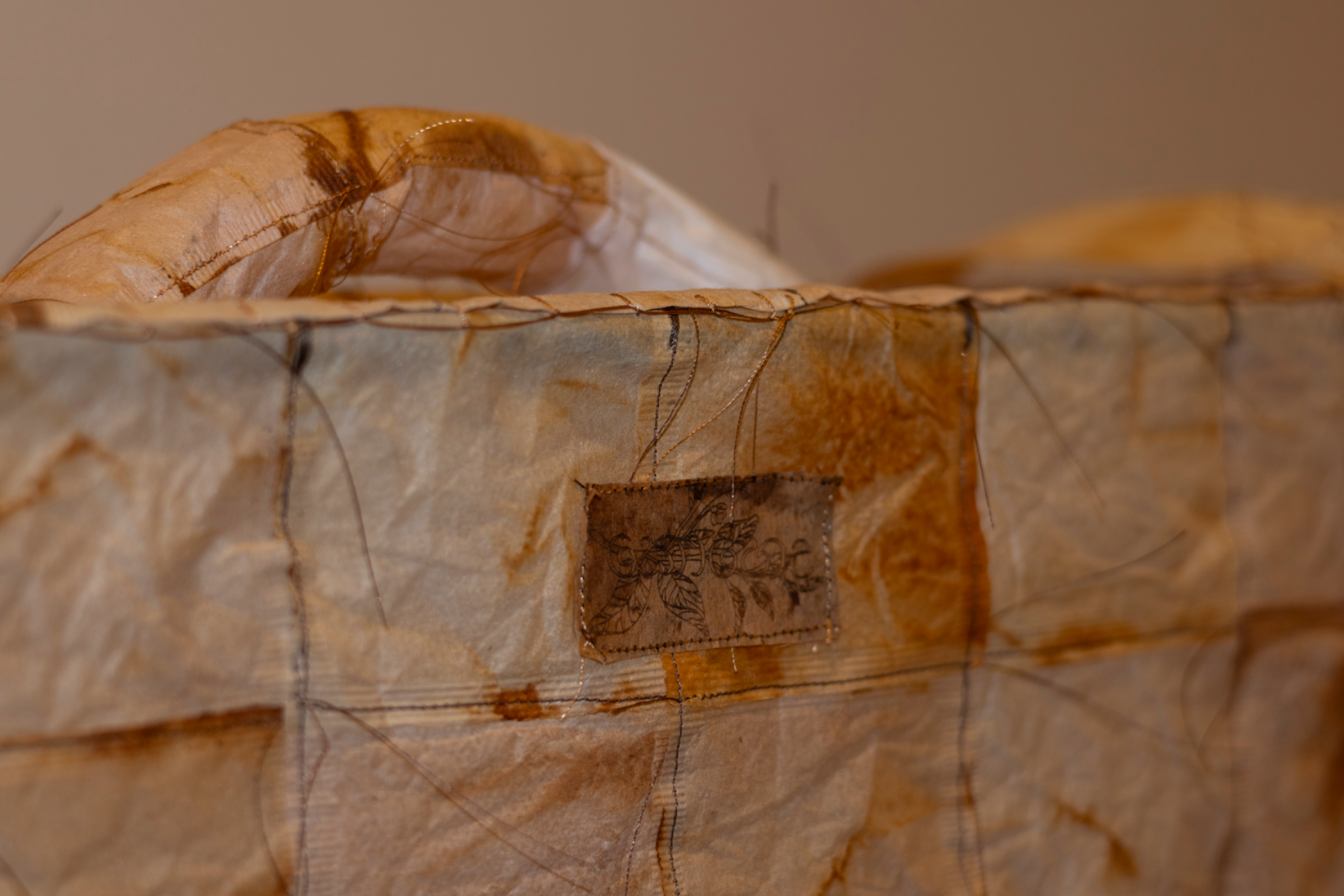
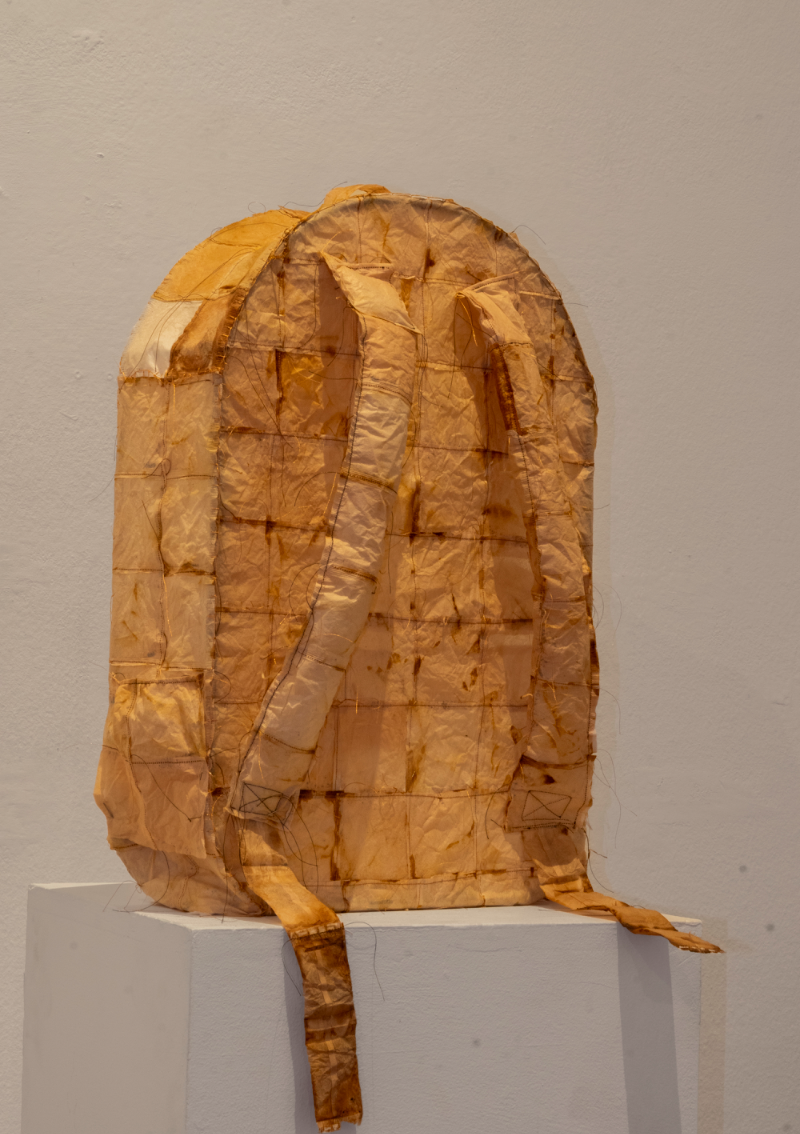
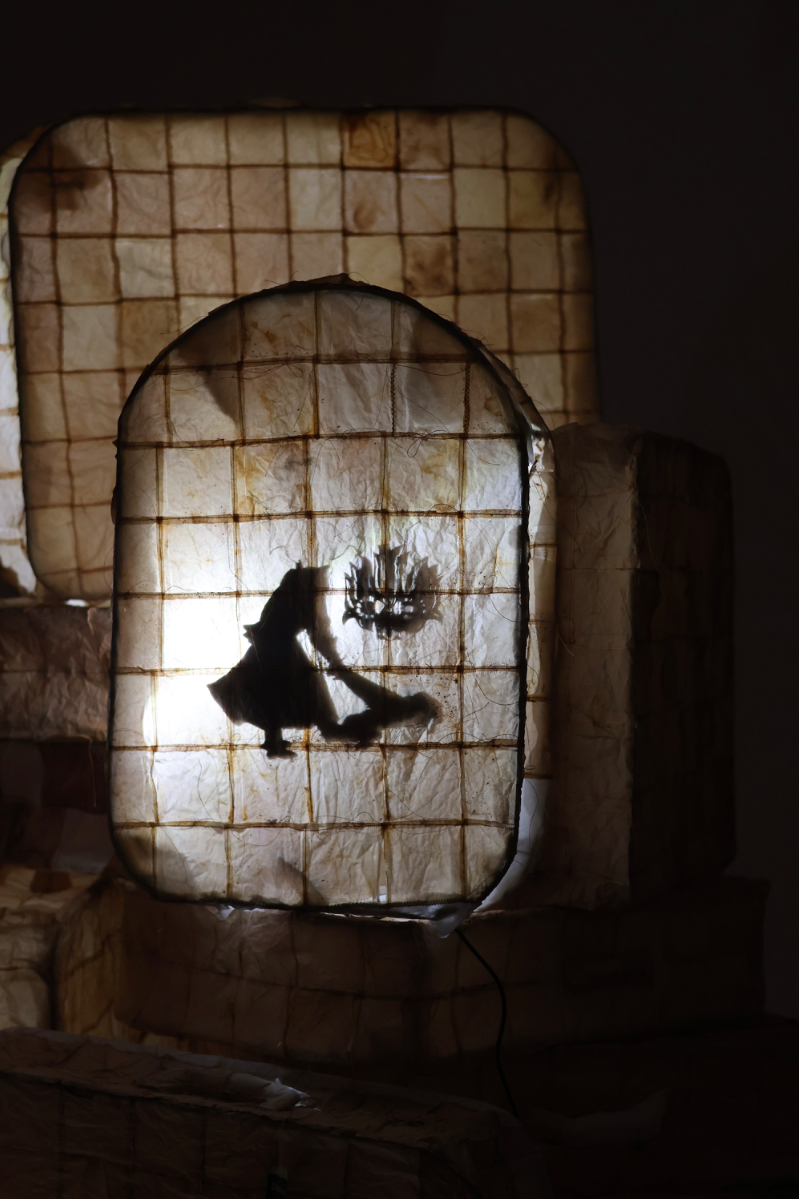
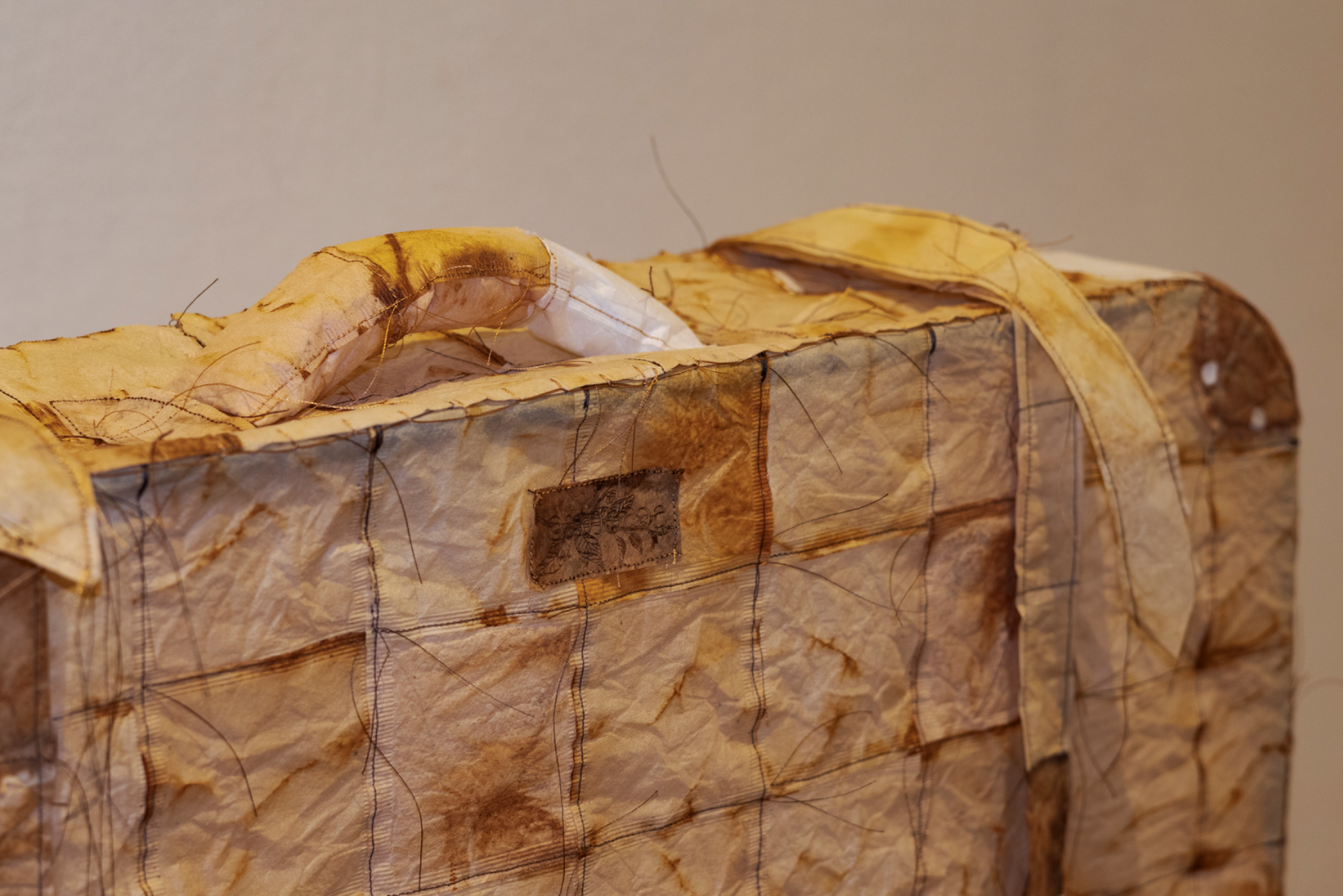
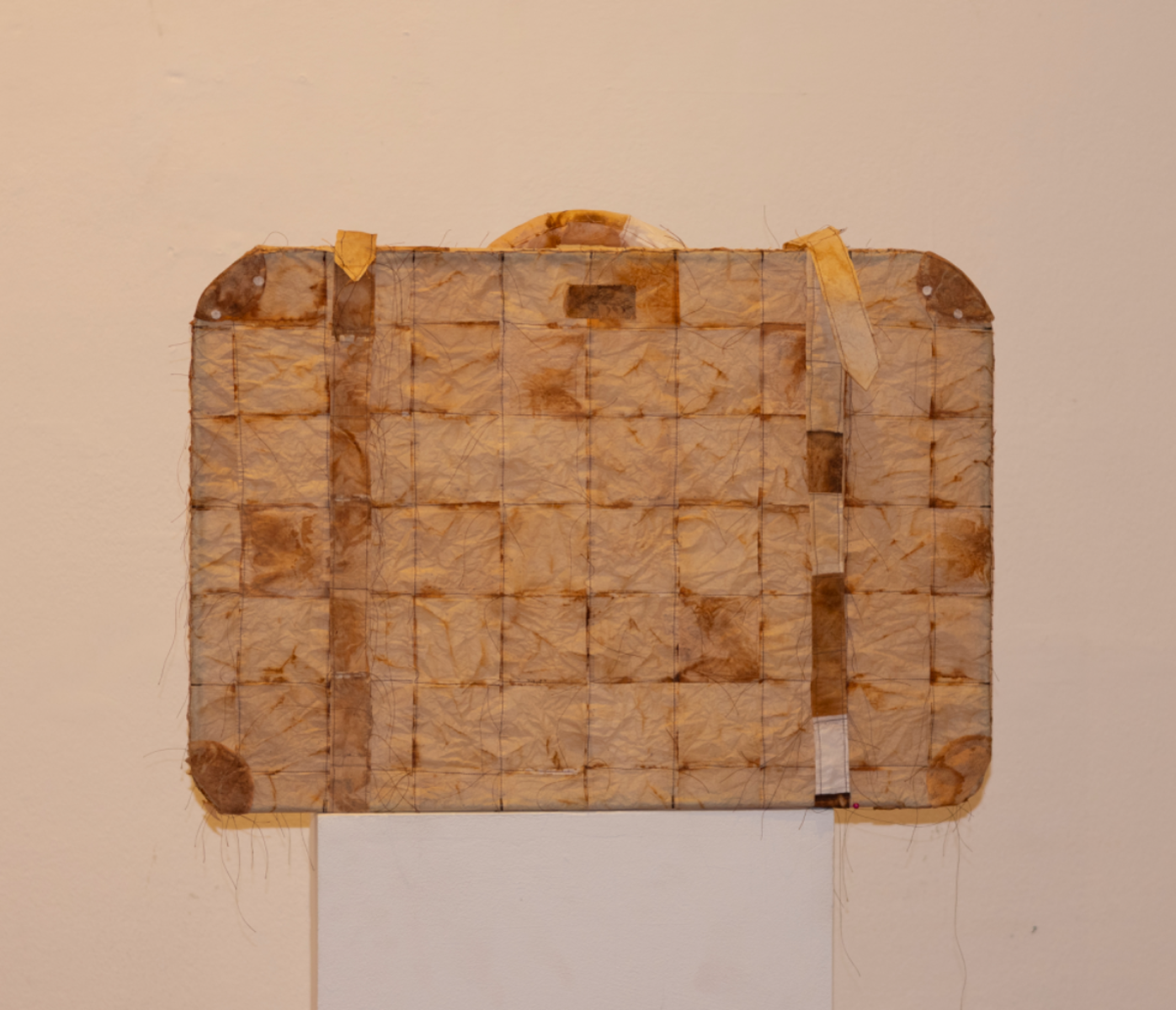
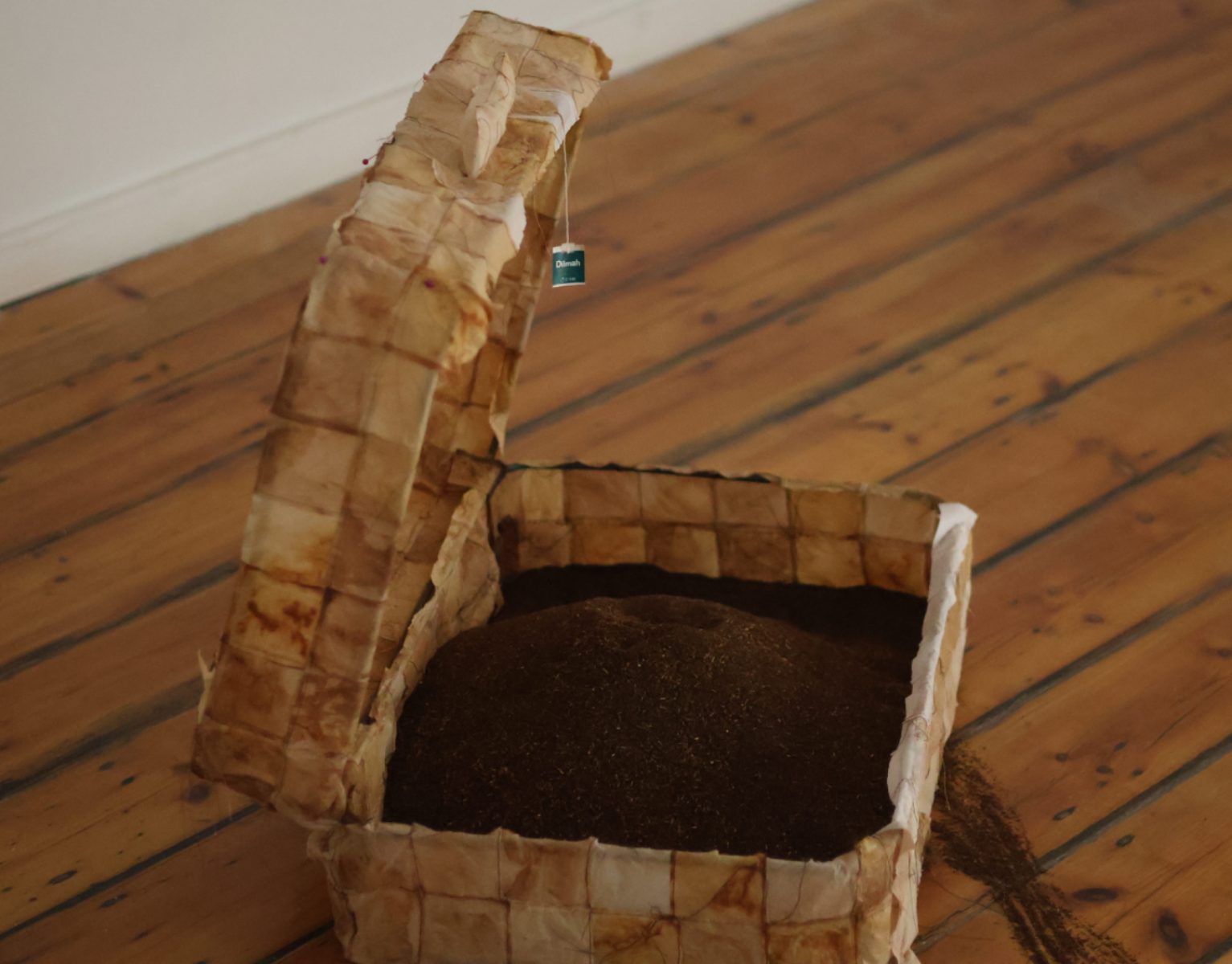
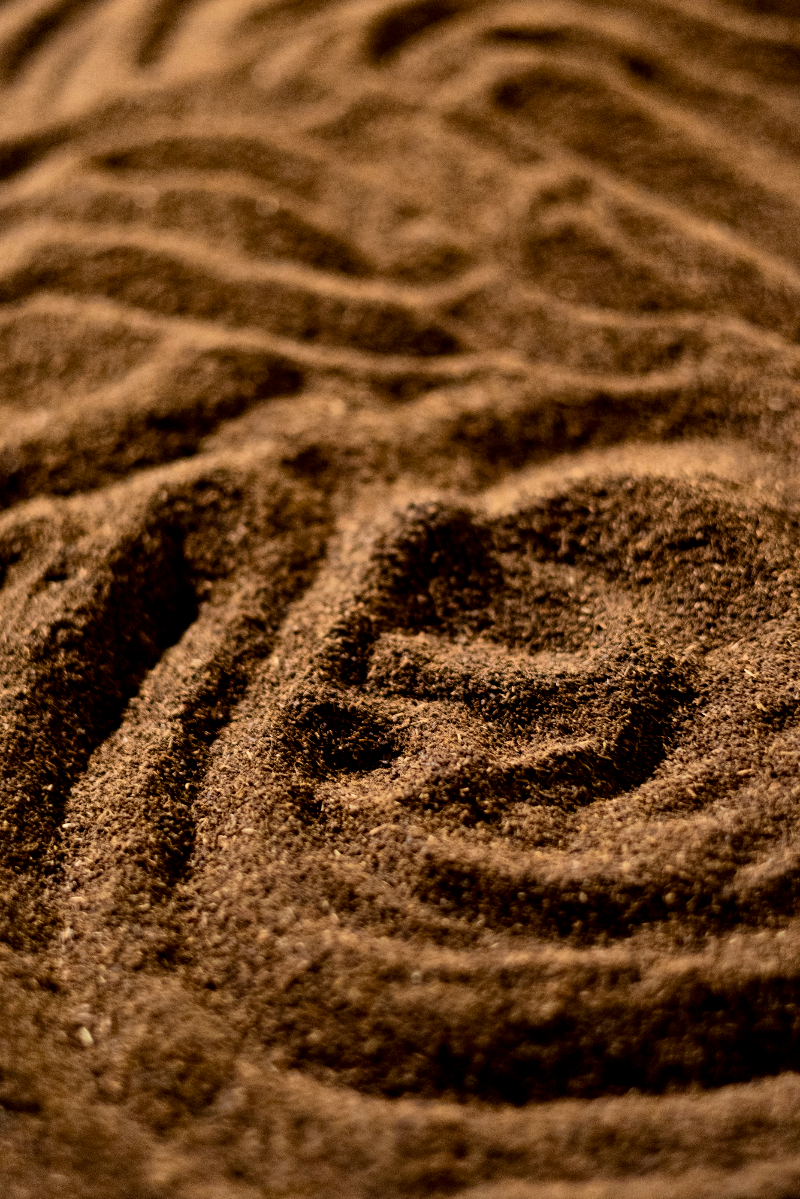
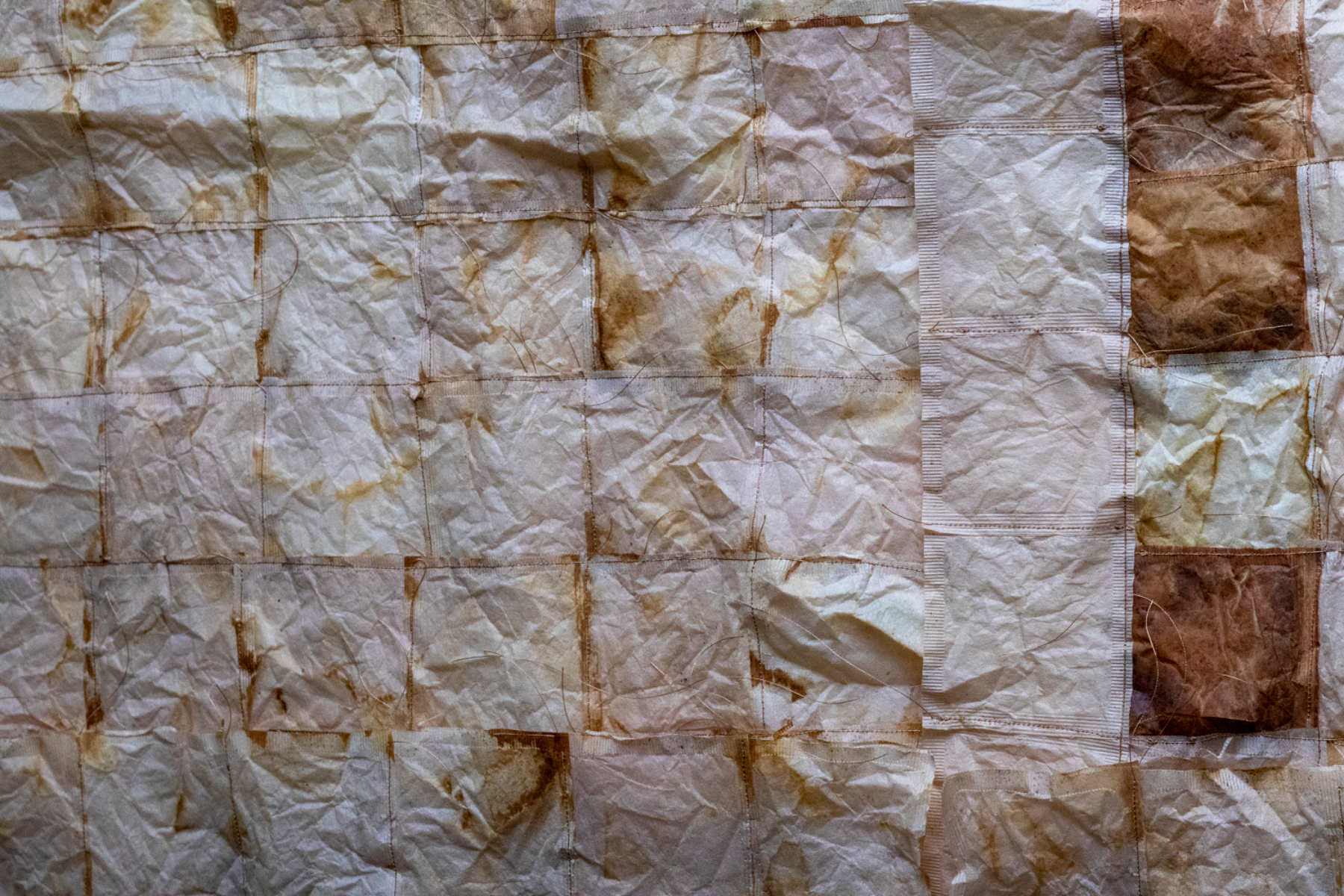
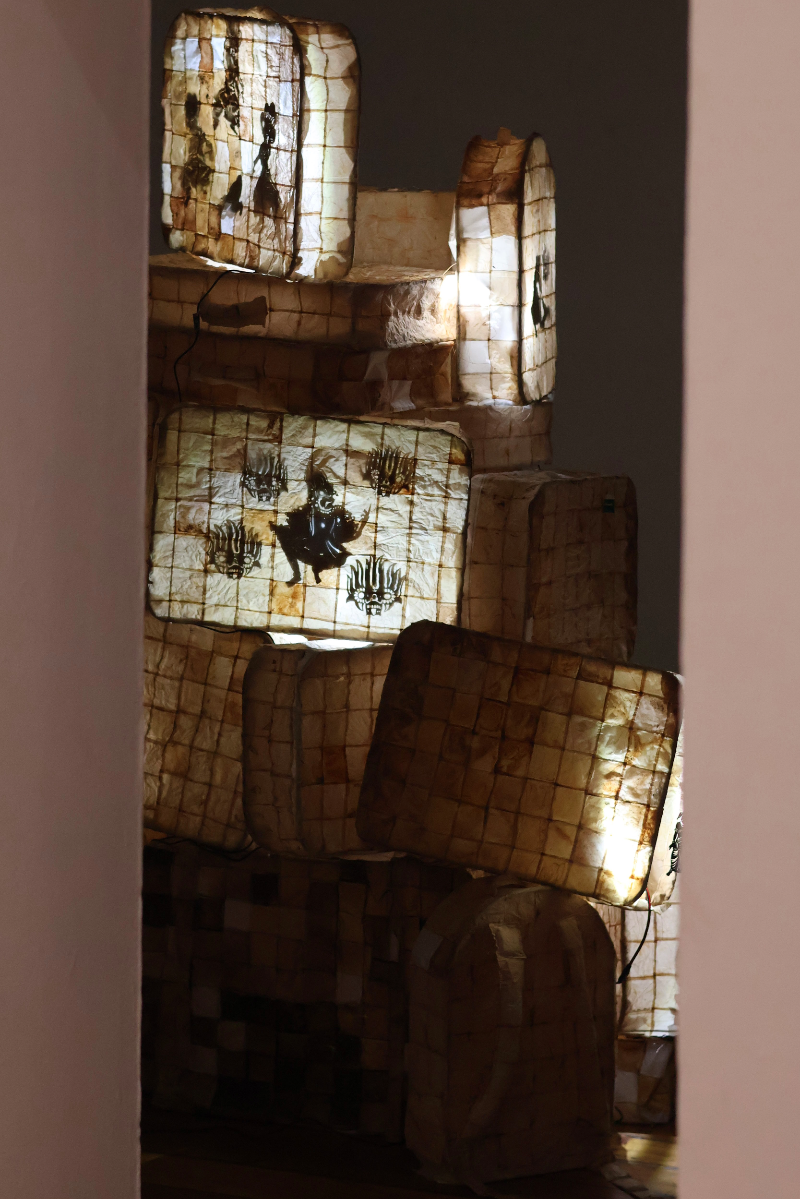
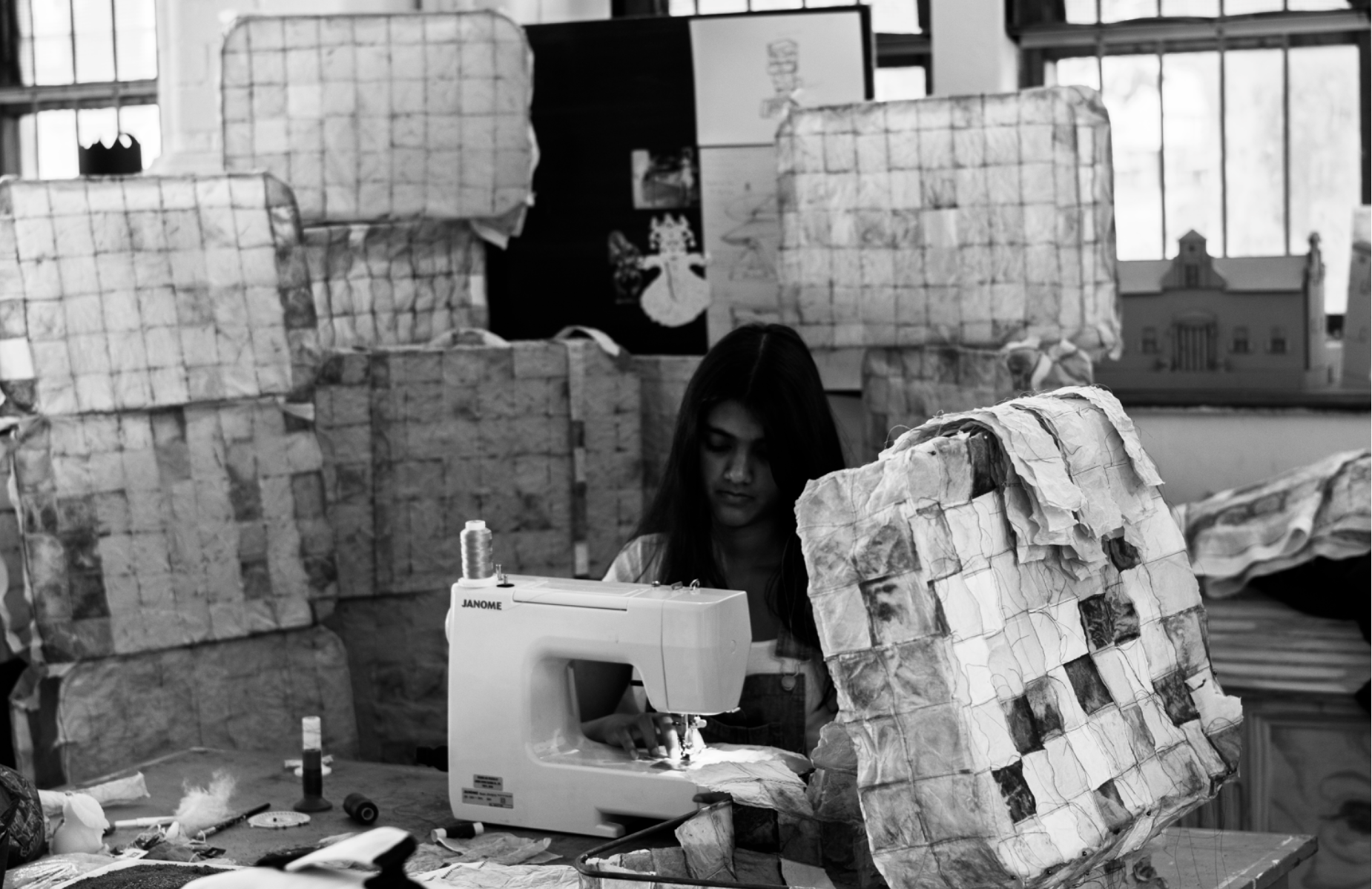
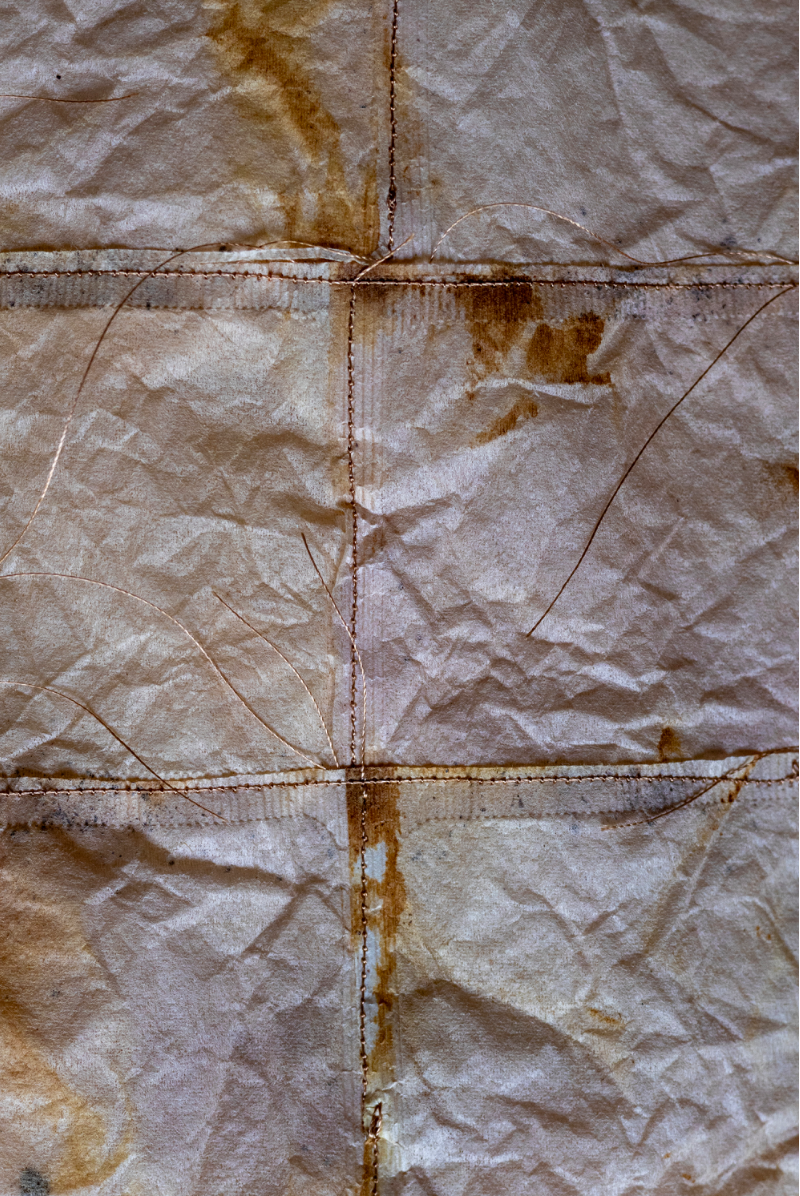
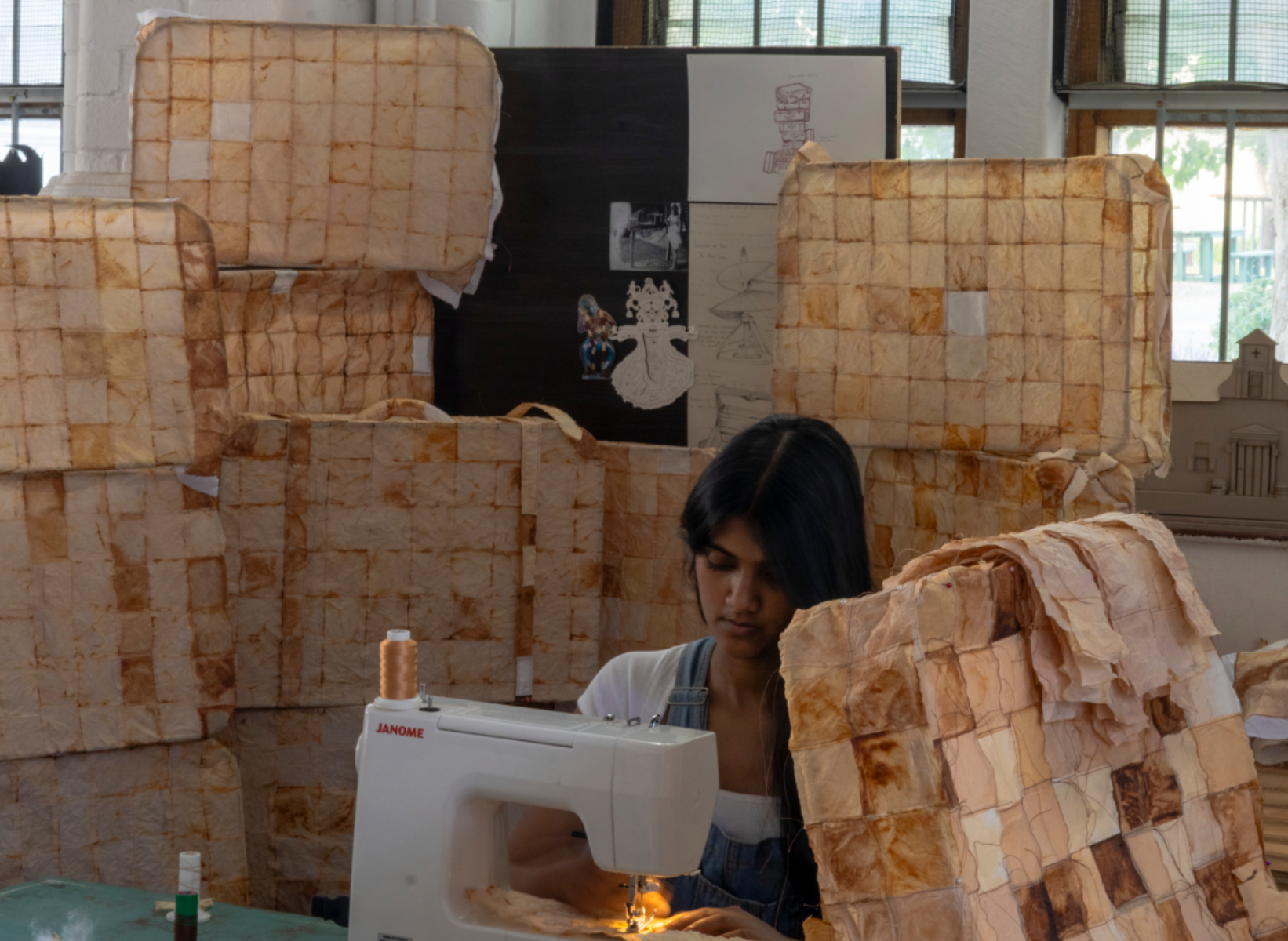
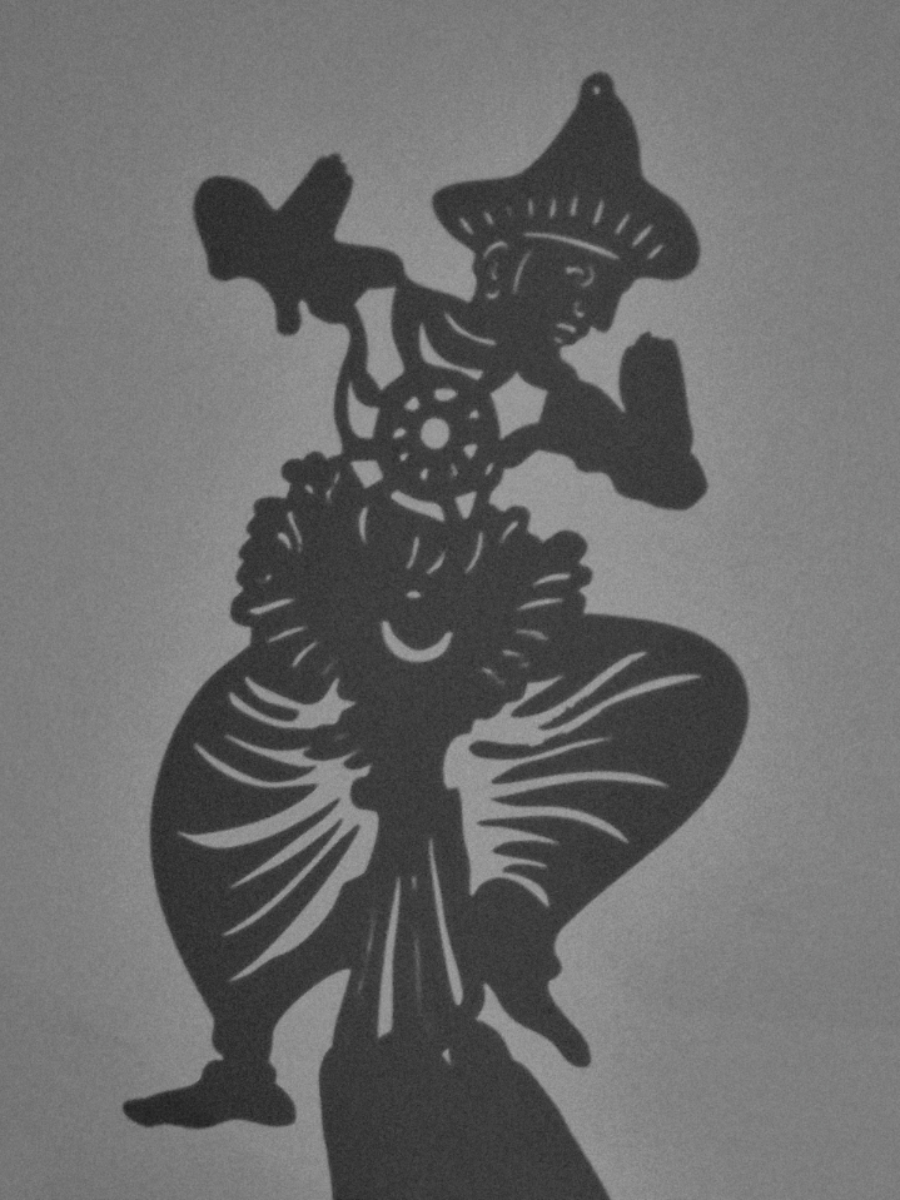
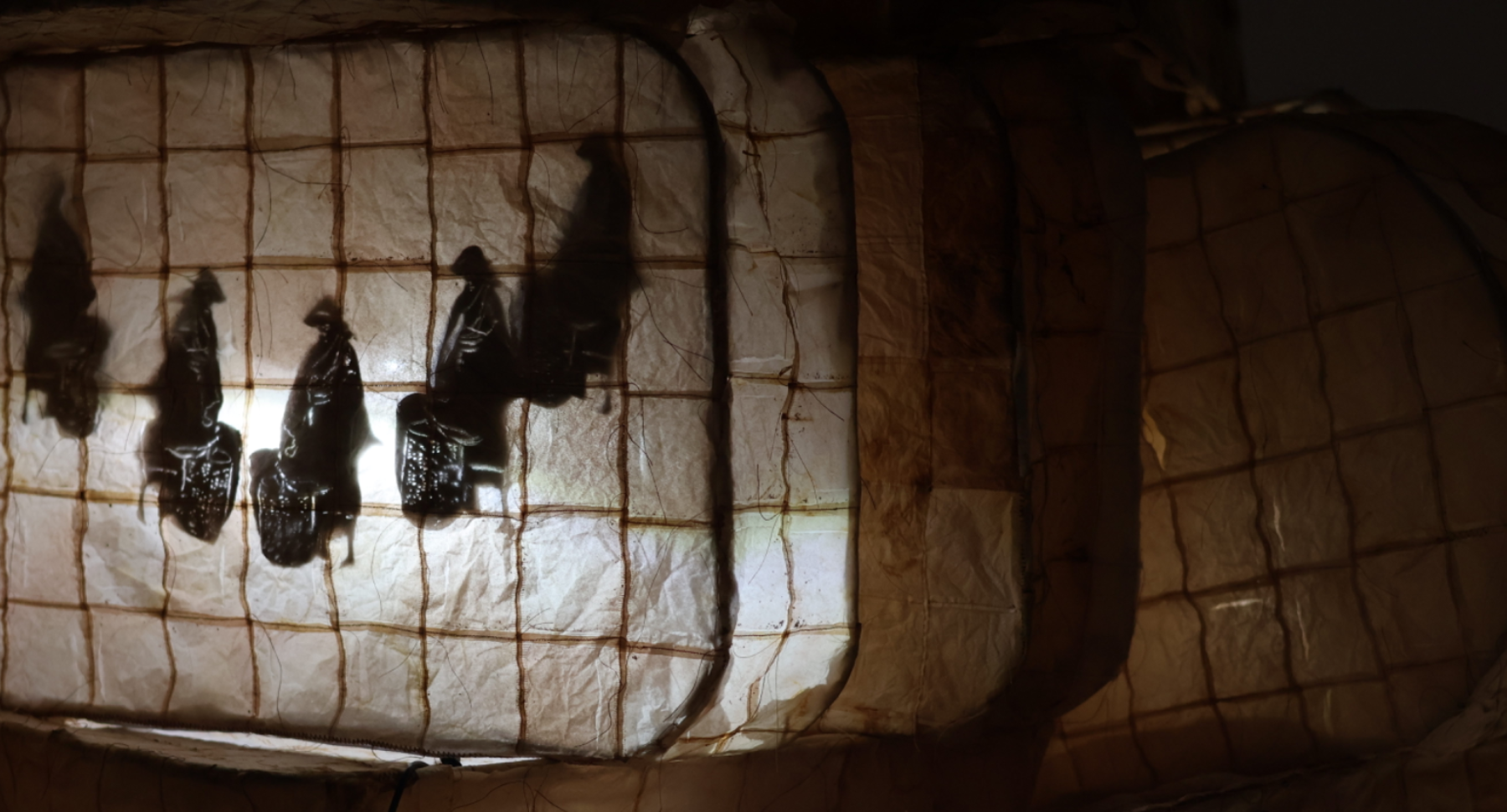
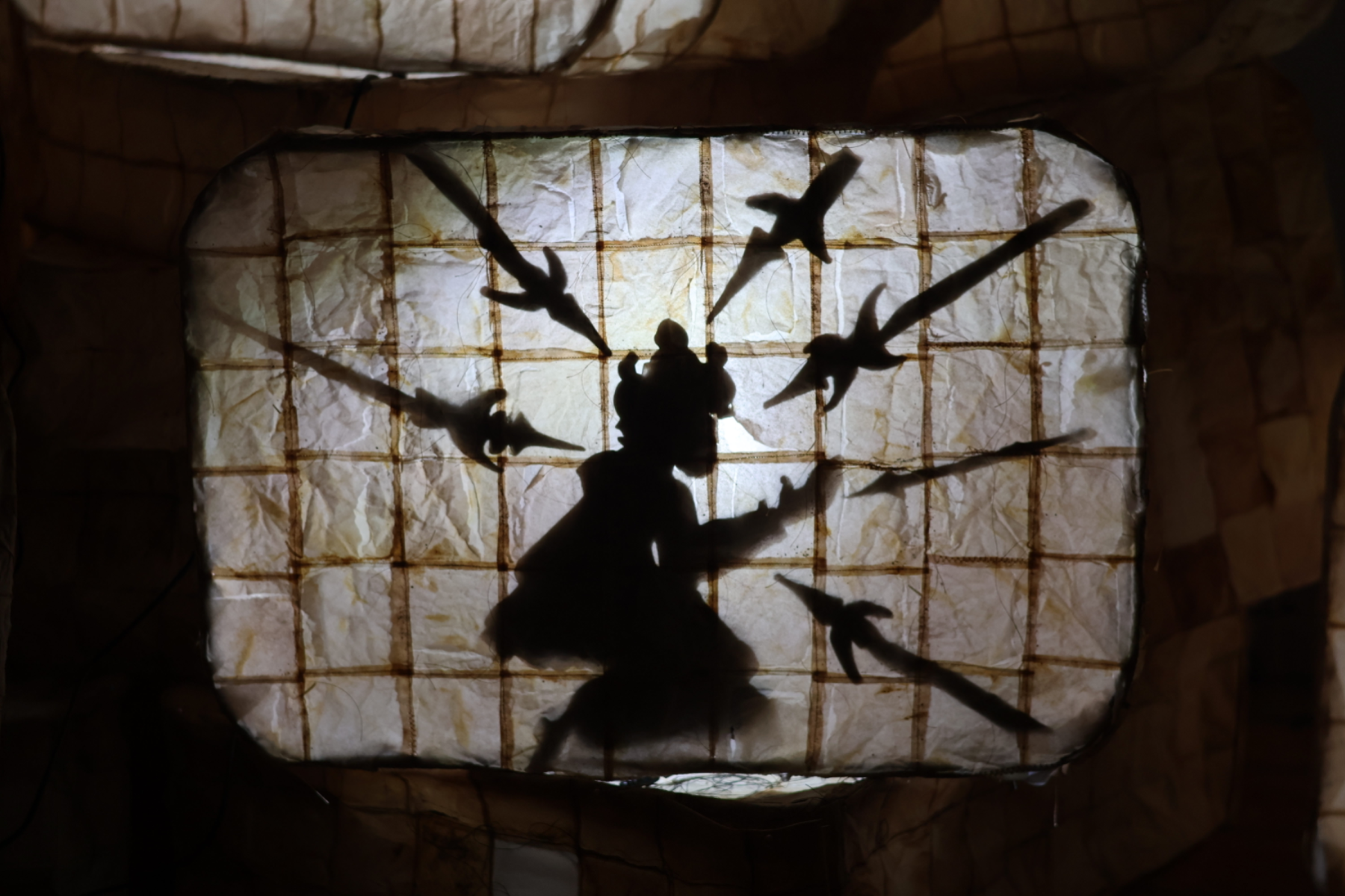
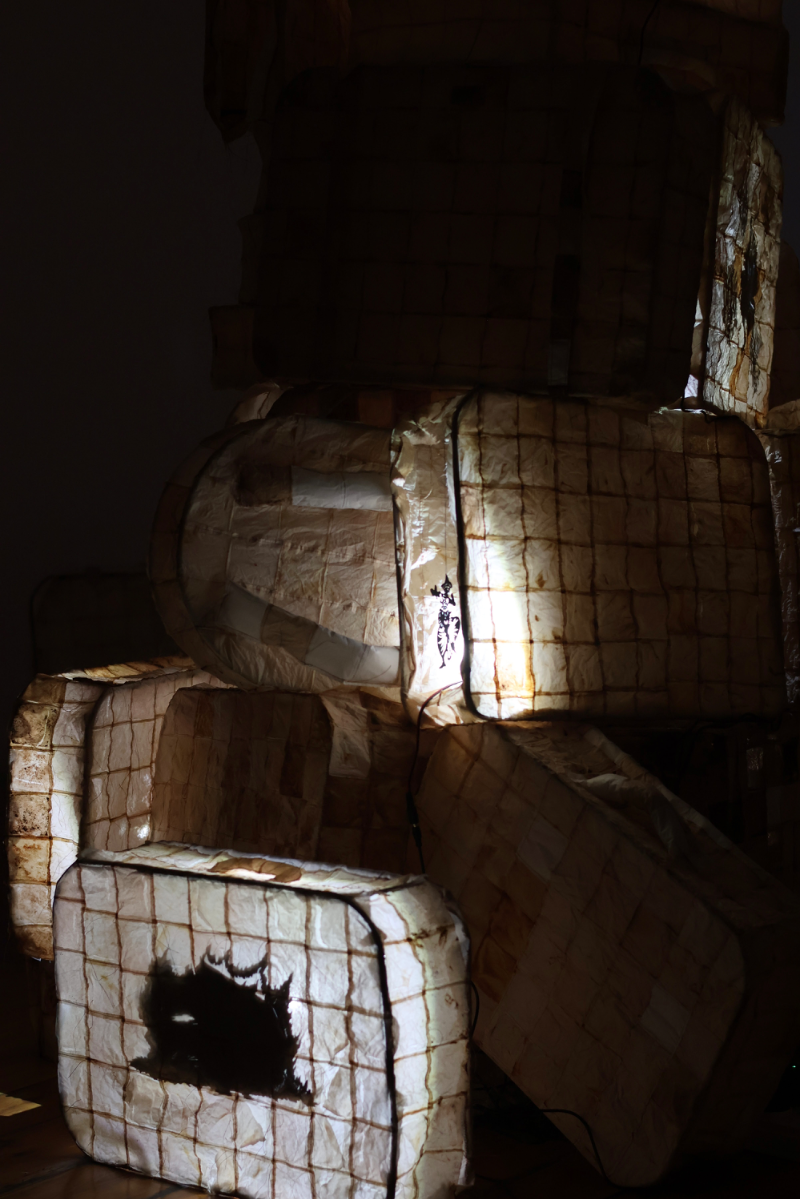
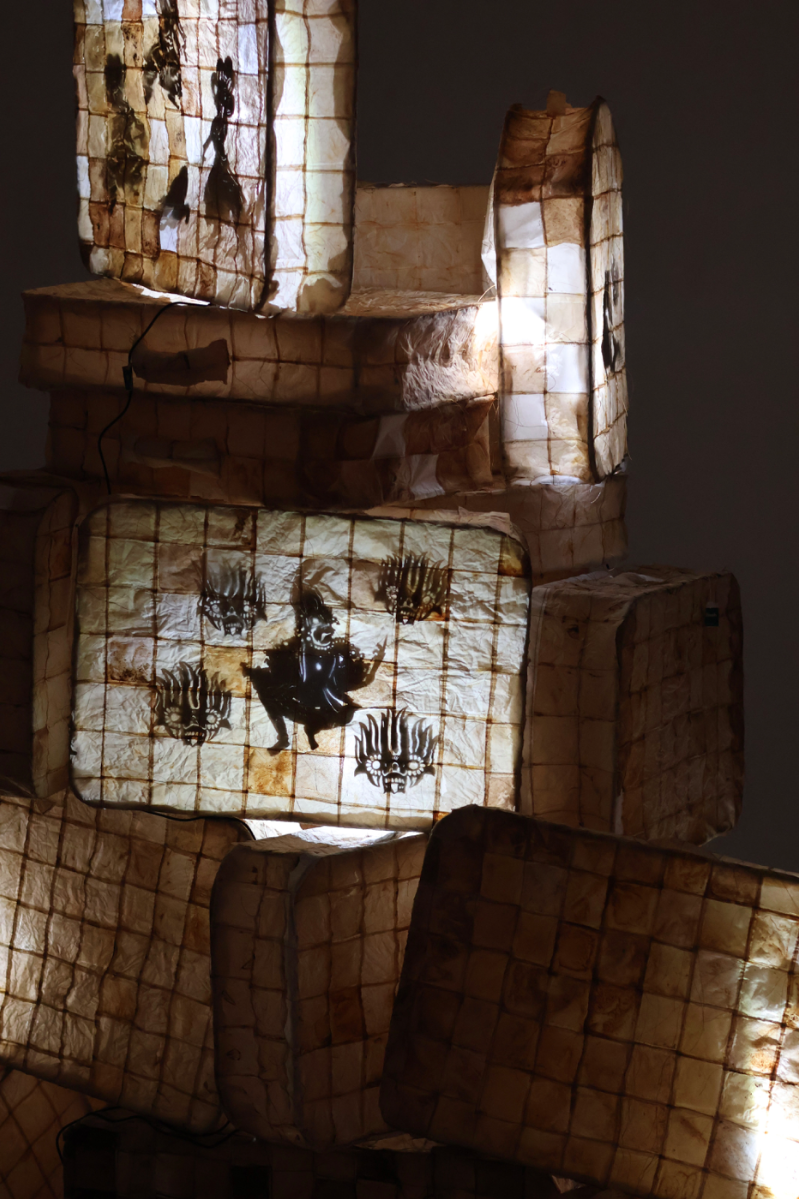
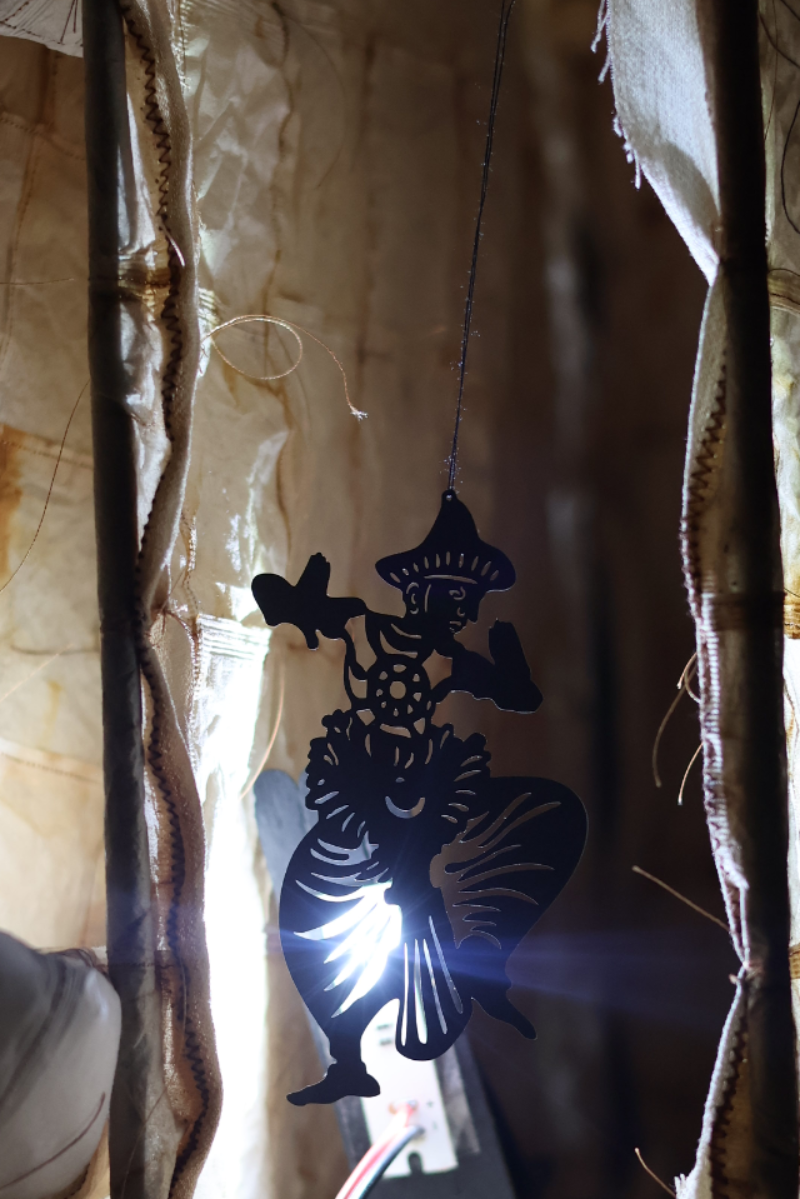
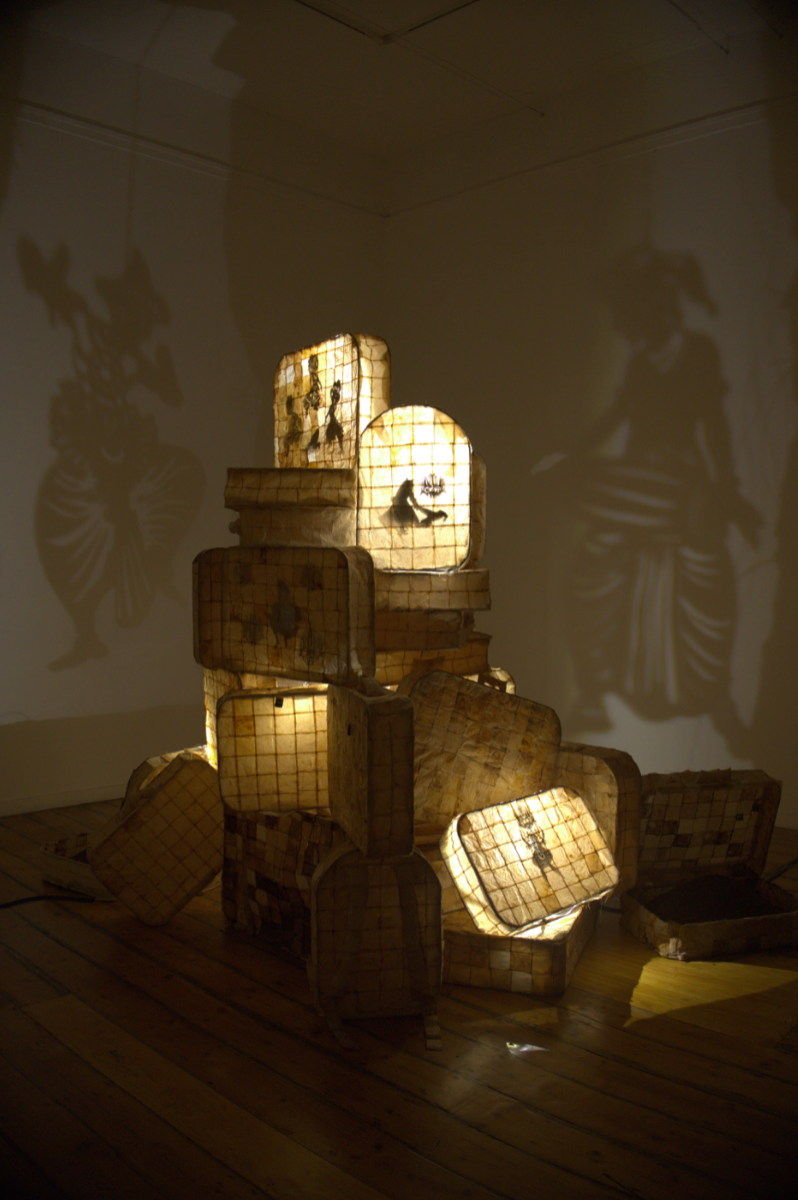
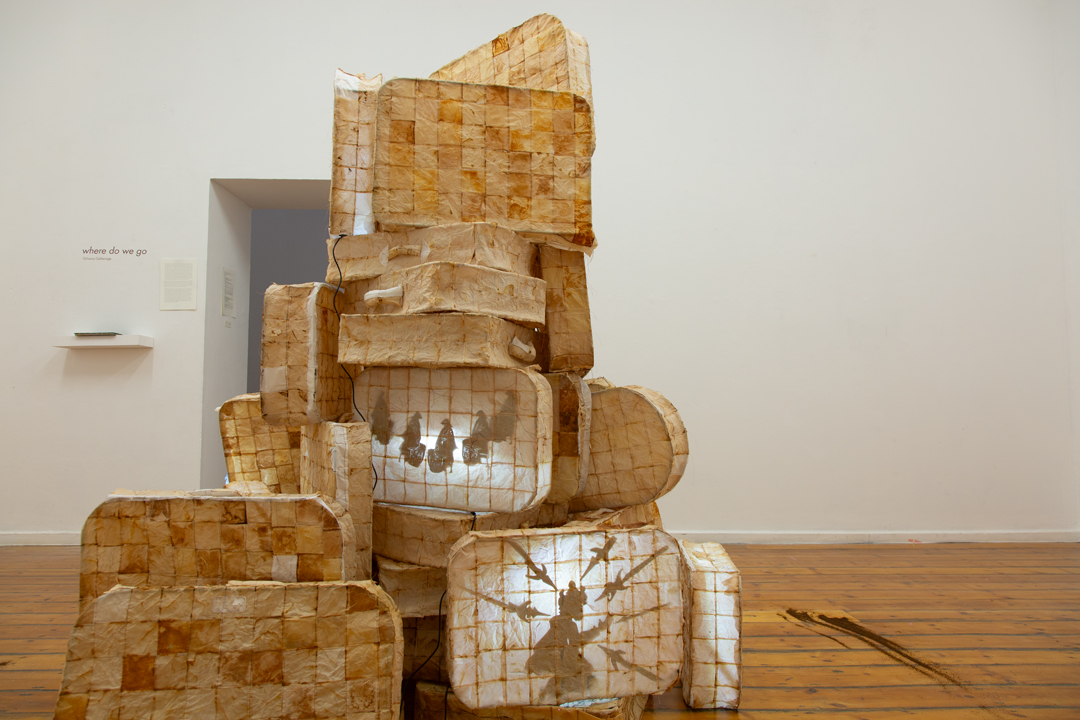
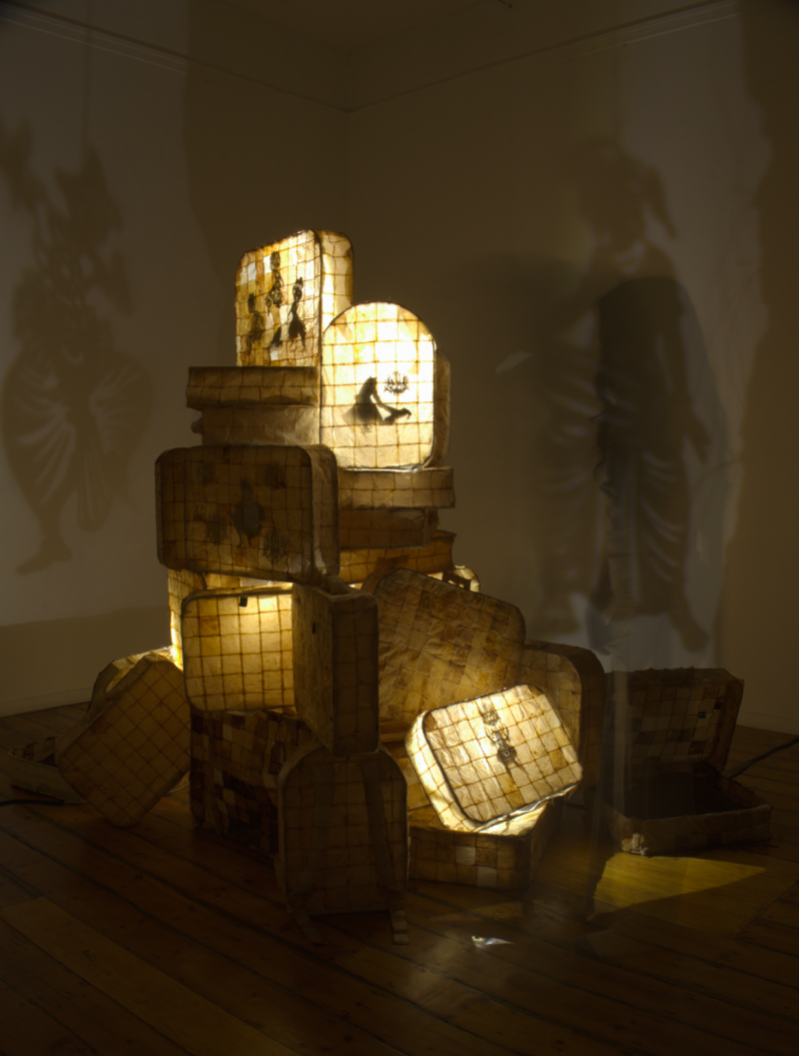
where do we go traces Sri Lanka’ s colonial history within tea plantations, where the branding of ‘Ceylon Tea’ entrenched violent ethnic tensions that later culminated in the Sri Lankan civil war. The sculptural form of the suitcase recurs throughout my practice as a central metaphor. These suitcases constitute a state of perpetual movement and unsettling, yet they simultaneously exist in a paradox of impracticality. Additionally, several of these suitcases are transformed into intricate theatre-scapes that house shadow puppetry. Within these ephemeral objects, shadow puppetry becomes an act of memorialisation and remembrance of suppressed histories. These shadow puppets are materialised through integral accounts of research and archival material; therefore, memory operates as a point of access where each source embodies a distinct register of remembrance. I approach the tea plantation not simply as a geographic site, but as a terrain imbued with histories of exploitative labour practices, migration, and displacement. The cultural landscape of the plantation exists as an archival and psychological space in my practice, depicting the significance of tea as both commodity and national identity. More than 7000 tea bags were used in this installation.
Competitions