Amy Auld
fine art, painting and printmaking BA (Hons)
Glasgow School of Art
Specialisms: Fine Art / Drawing / Printmaking
Location: Glasgow, United Kingdom
Amy Auld
First Name: Amy
Last Name: Auld
Specialisms: Fine Art / Drawing / Printmaking
Sectors:
My Location: Glasgow, United Kingdom
University / College: Glasgow School of Art
Course / Program Title: fine art, painting and printmaking BA (Hons)
About
Amy Auld (b.2003) is a visual artist who has recently graduated from The Glasgow School of Art, BA (Hons.) Fine Art, Painting, and Printmaking.
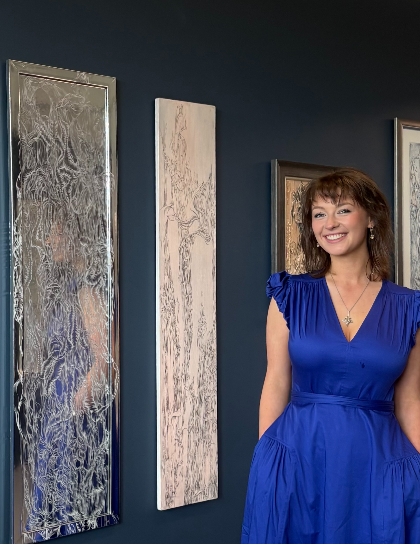
Her practice centres on developing innovative processes that merge painting, printmaking, and drawing to produce unexpected visual effects. She works across a range of surfaces, incorporating unconventional materials such as onion skin, moss, and mirrors to introduce rich textures and distinctive surface qualities. While often working on a large scale, she maintains a strong focus on intricate detail, creating a compelling interplay between scale and precision. Auld’s creative approach is informed by the psychological phenomenon of pareidolia, Surrealist methodologies, and the foundational principles of Australian Aboriginal art. These influences collectively shape the intuitive andexperimental nature of her work. Visually,her practice explores the fusion of animal, plant, and human forms, articulatedthrough intricate patterns developed using Surrealist techniques such asautomatic drawing. This organic subject matter has led her work toward more critical and philosophical investigations. Recently, she has been particularly influenced by the writings of American philosopher Donna Haraway, especially in her book, Staying with the Trouble: Making Kin in the Chthulucene which has deepened her engagement with ecological and post human thought.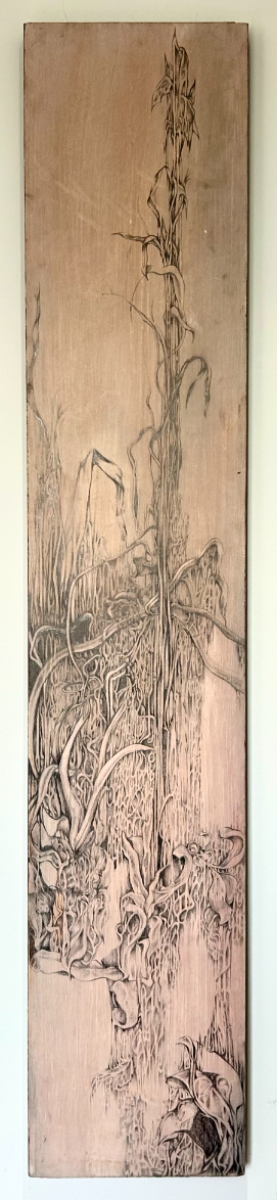
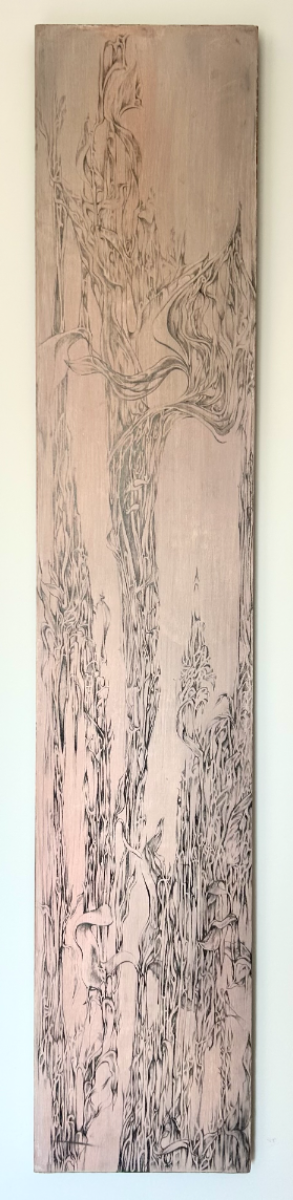
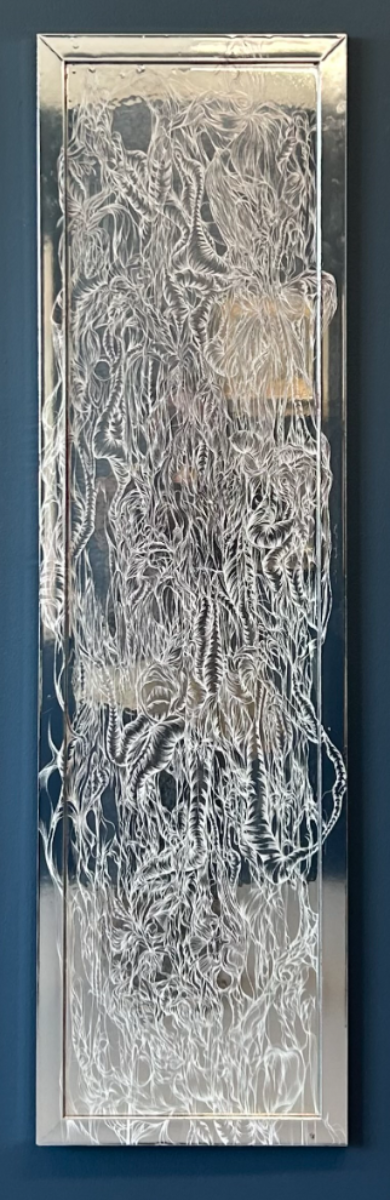
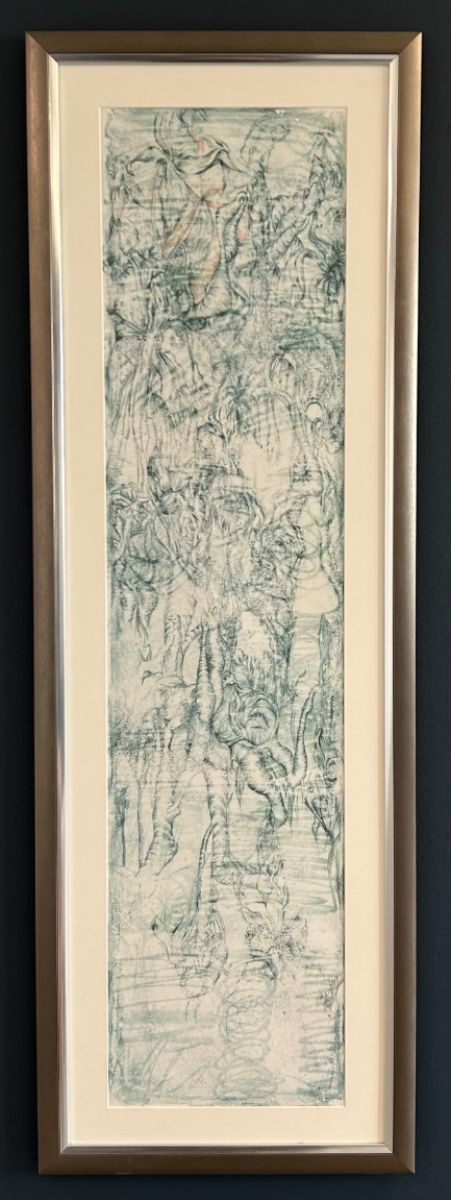
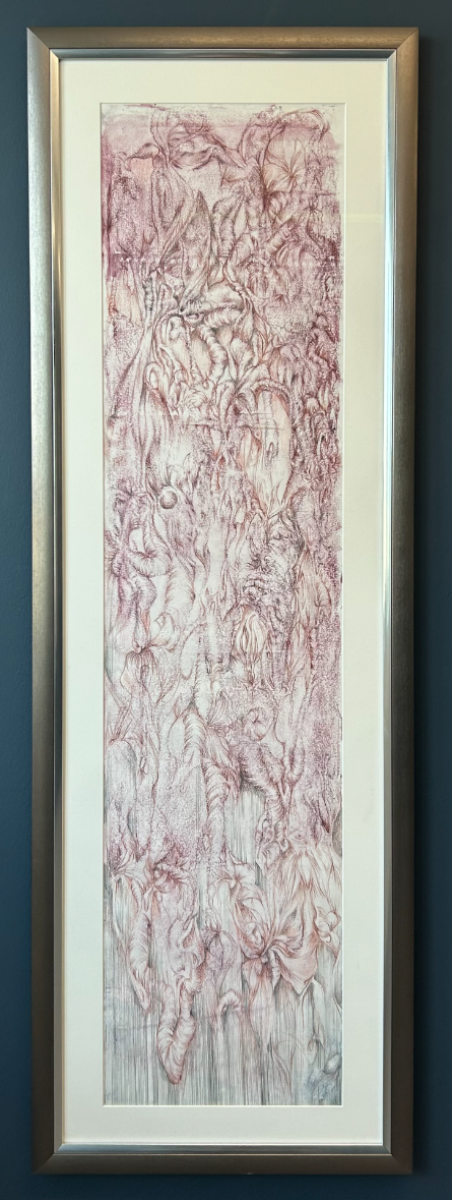
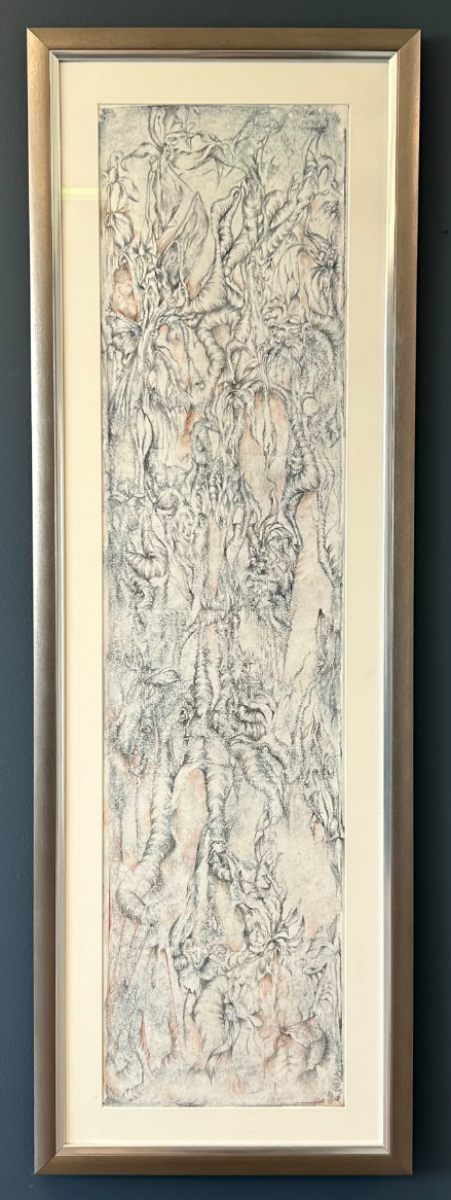
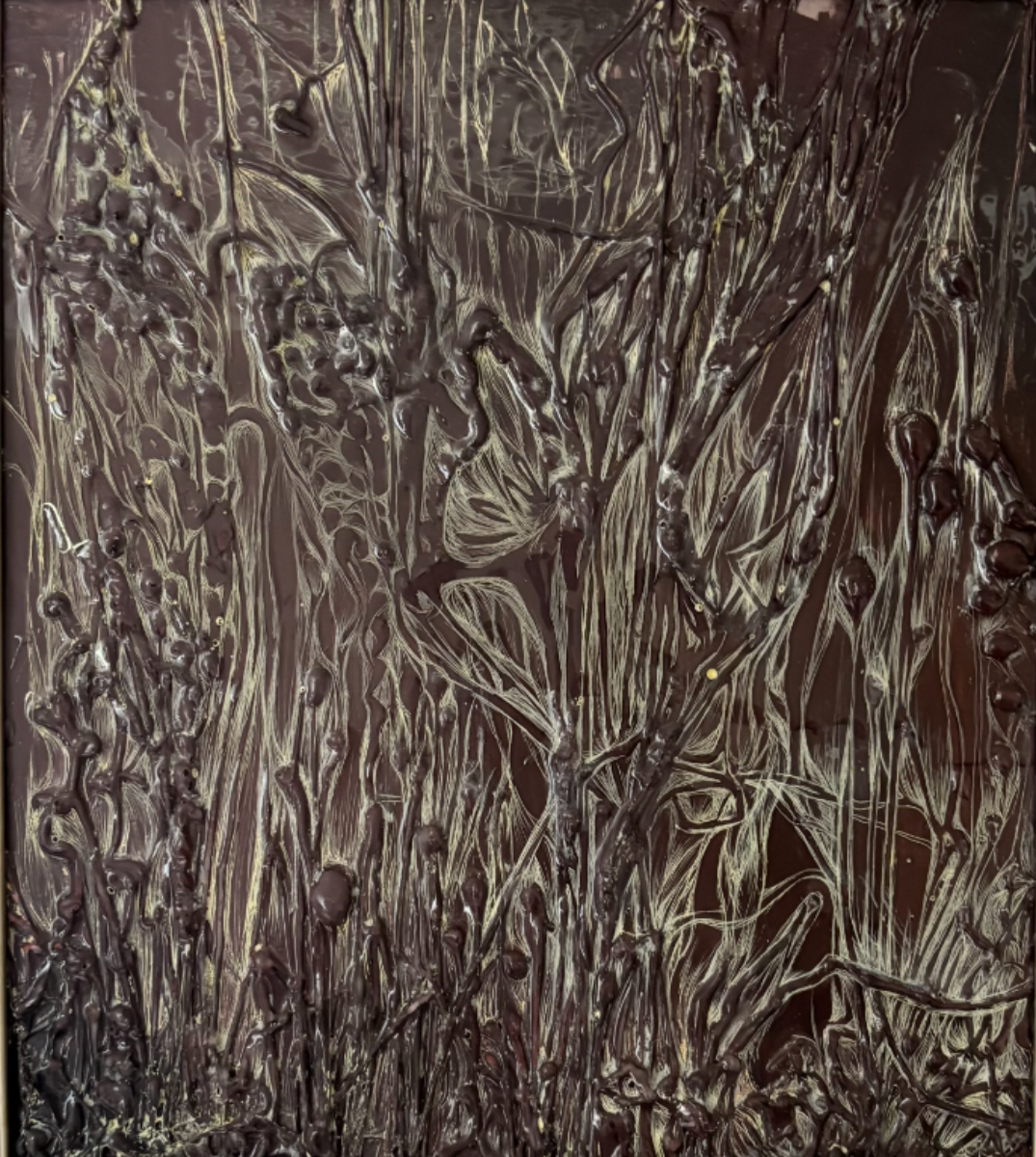
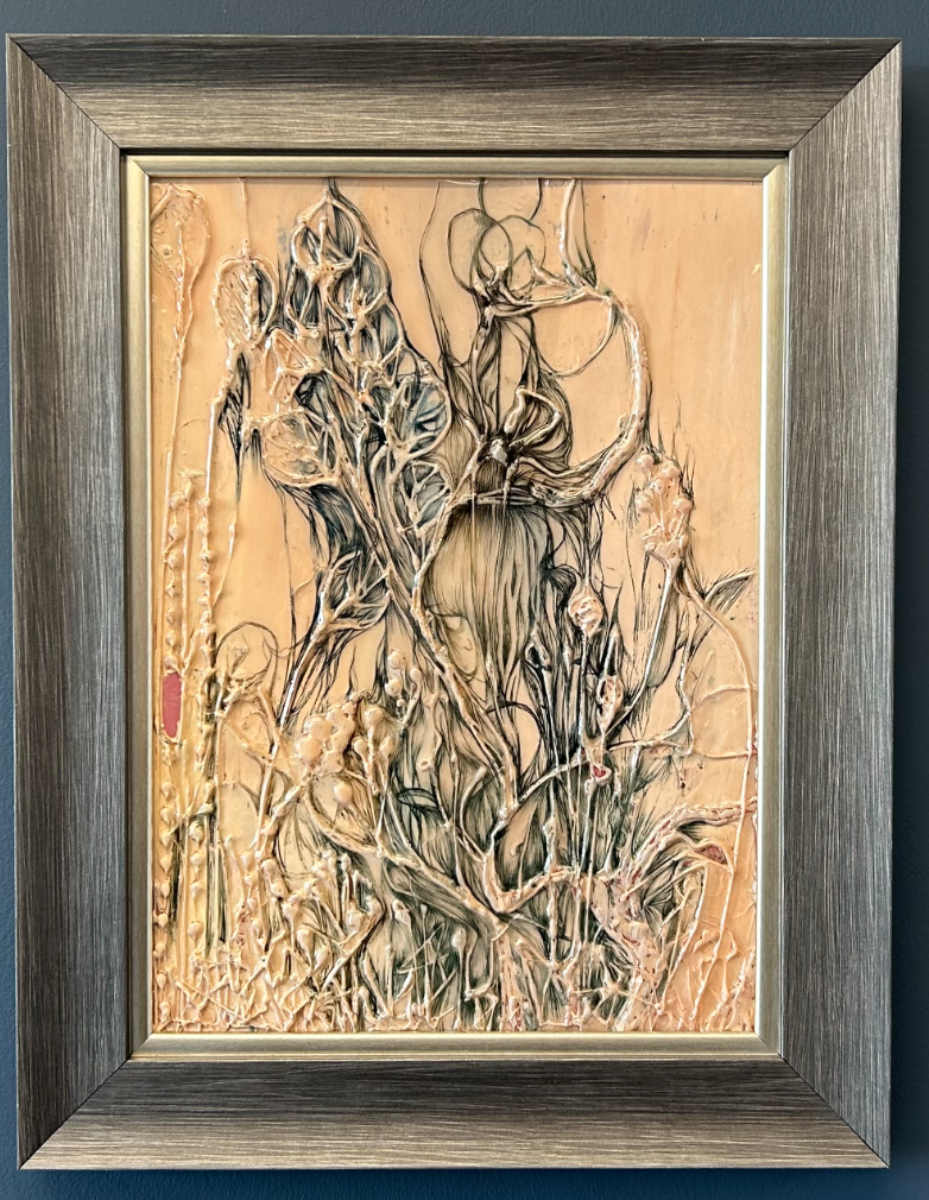
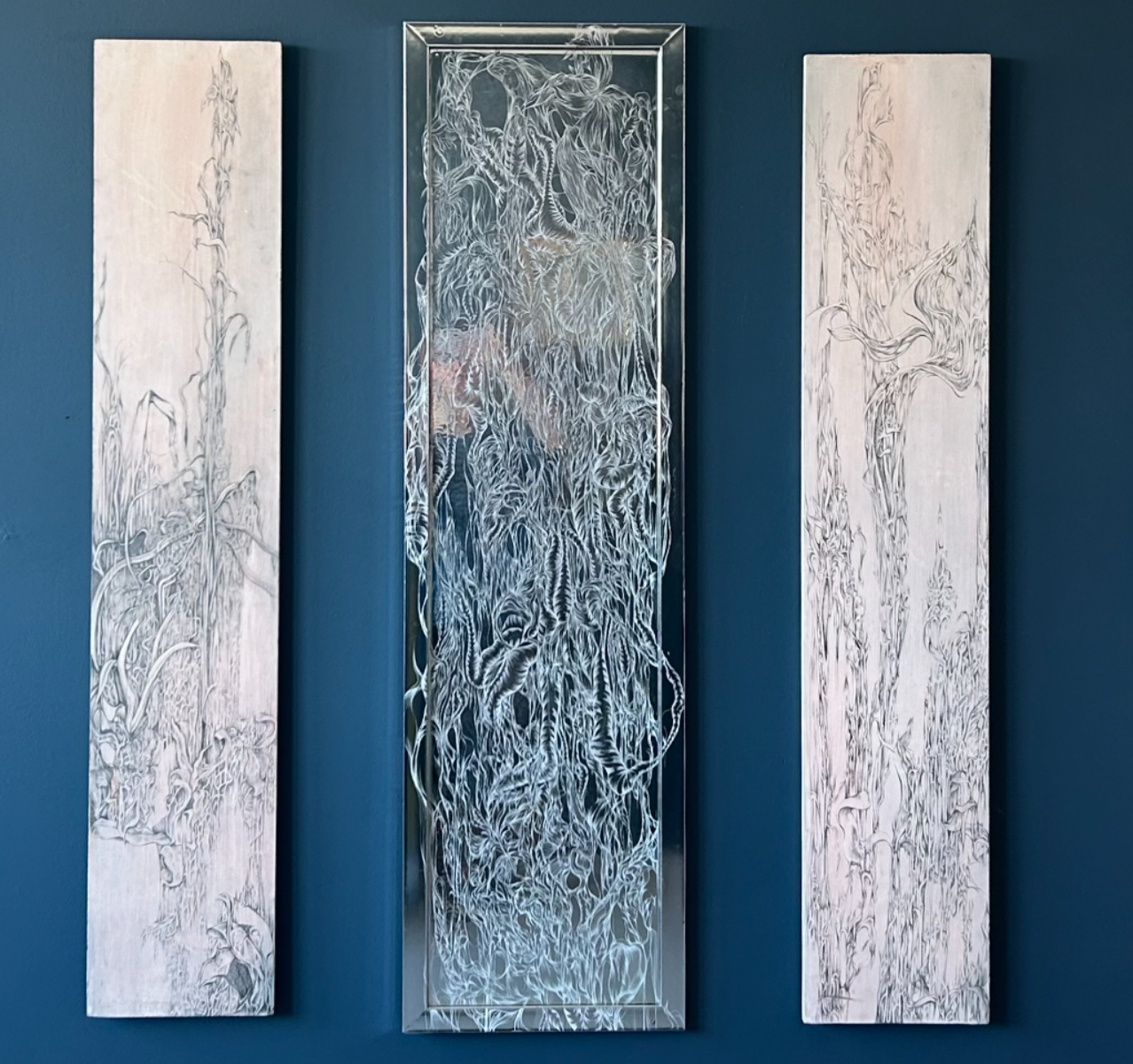
This project traces the tentacular threads that weave humans, plants, and animals into one another’s worlds. Following Donna Haraway, it embraces sympoiesis—a practice of becoming-with, of creating together rather than alone. Through the making and unmaking of string figures, the work asks how passive and active co-creation might open spaces for entangled forms of life, storytelling, and survival.
Competitions