Nipun Mishra
Child Culture Design MA
HDK-Valand – Academy of Art and Design
Graduates: 2026
Specialisms: Product Design / Design for Social Good / Architecture
My location: Gothenburg, Sweden


Nipun Mishra
First Name: Nipun
Last Name: Mishra
University / College: HDK-Valand – Academy of Art and Design
Course / Program: Child Culture Design MA
Graduates: 2026
Specialisms: Product Design / Design for Social Good / Architecture
My Location: Gothenburg, Sweden
Website: Click To See Website
About
Multidisciplinary designer with a background in Architecture and a Master's in Design, passionate about creating meaningful products, spaces, and experiences through research, prototyping, and visual communication. My work bridges architecture, graphic design, exhibition design, and hands-on making, with a strong focus on sustainability, user-centered design, and material exploration. I enjoy collaborating across disciplines, turning complex challenges into thoughtful, practical, and engaging design solutions.
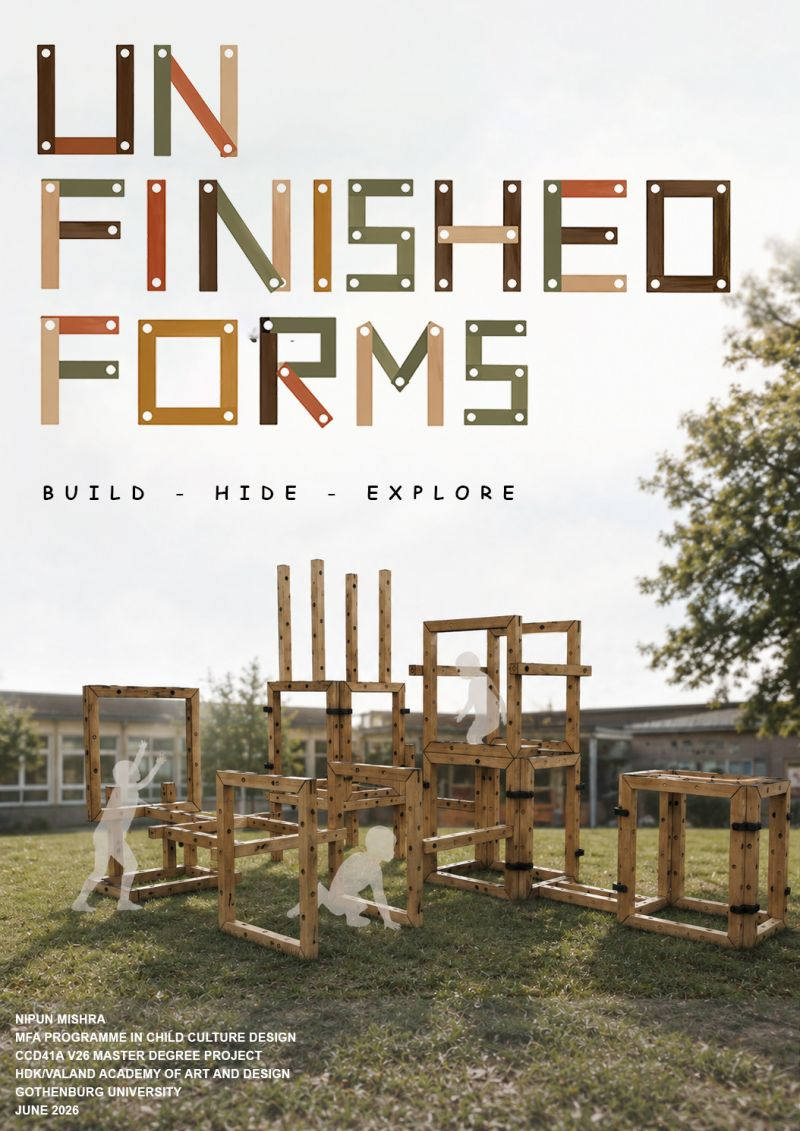
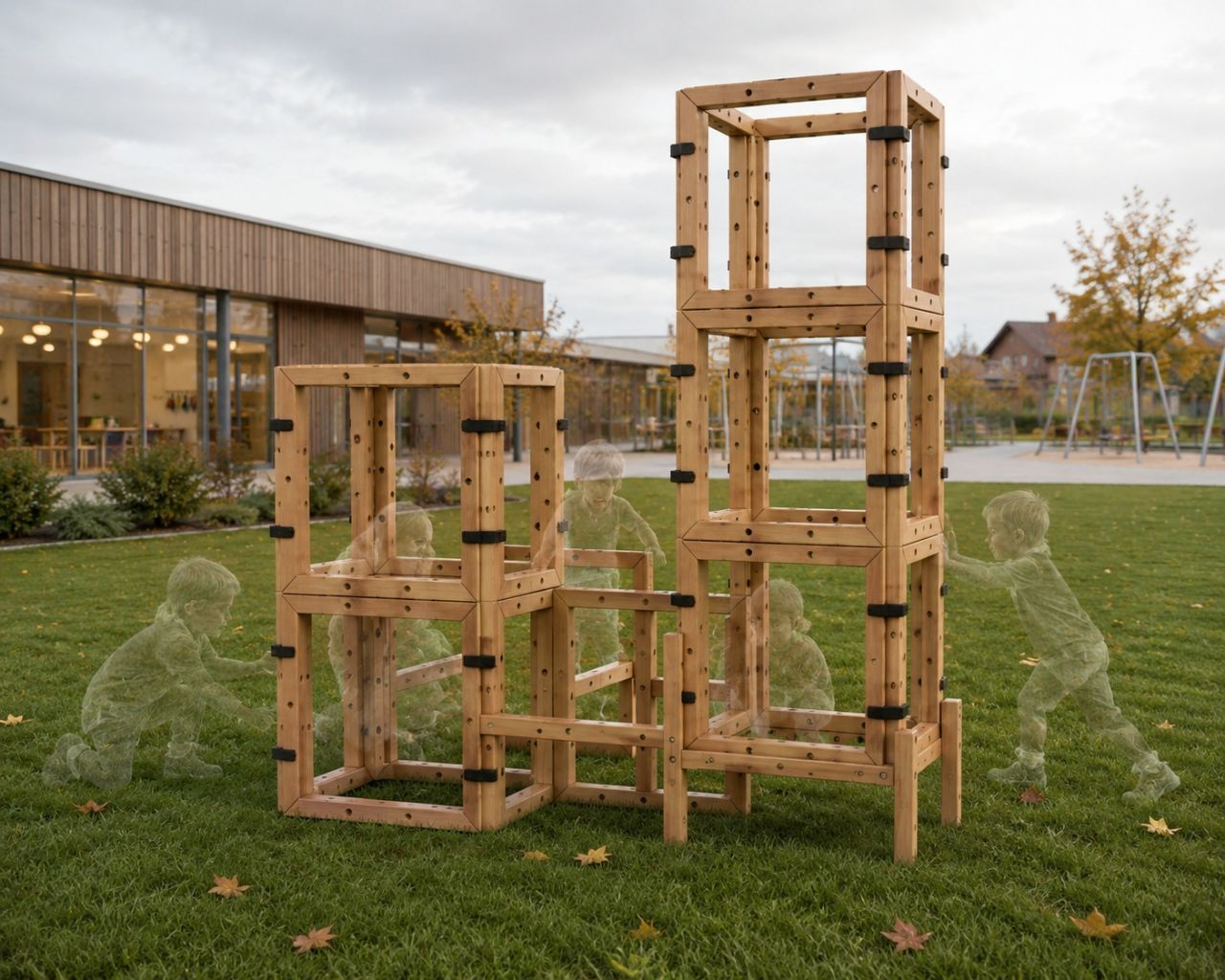
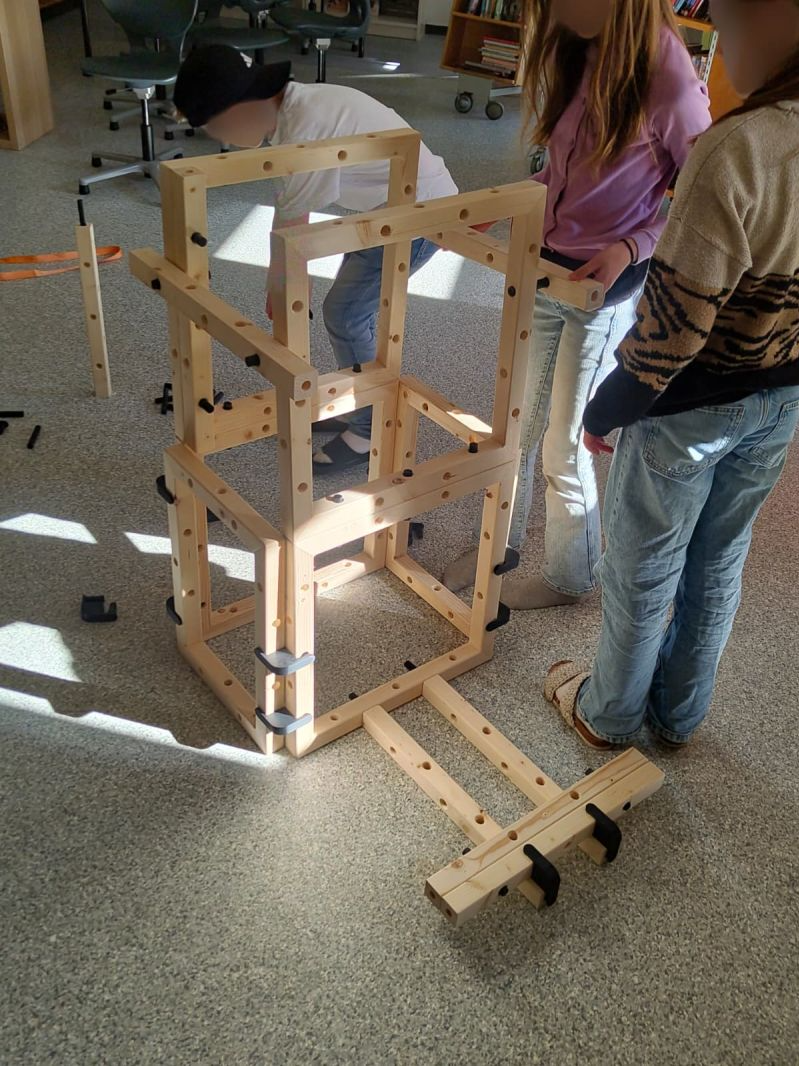
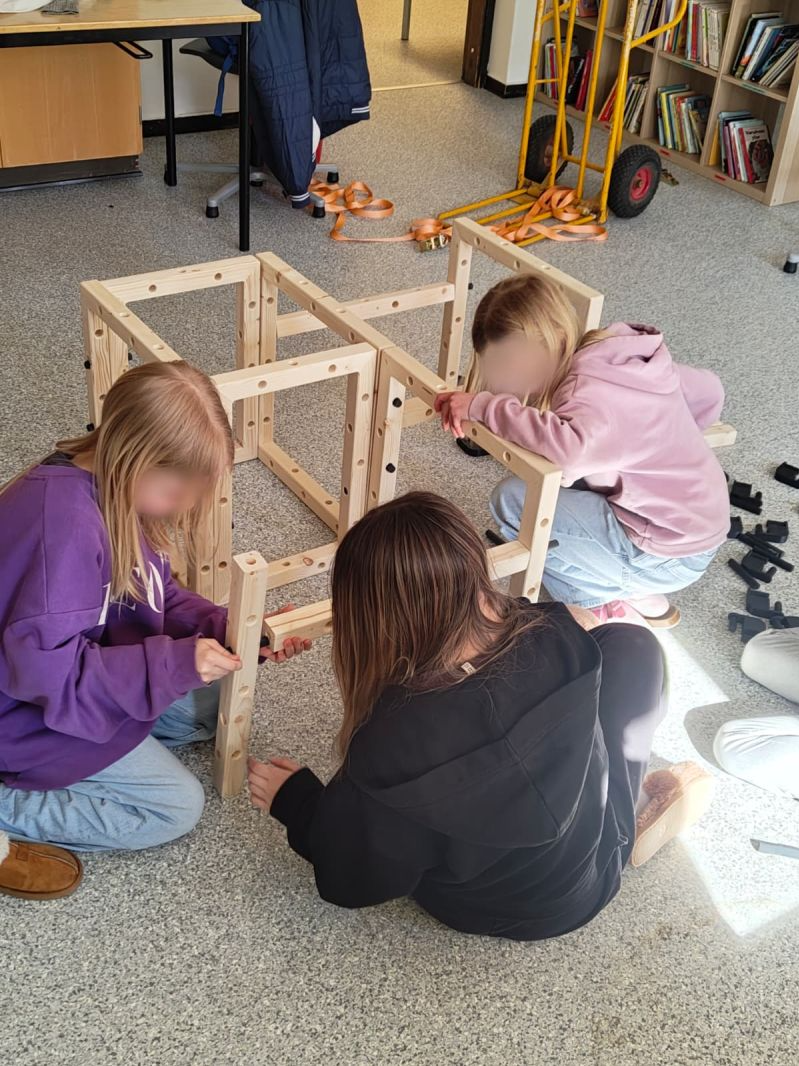
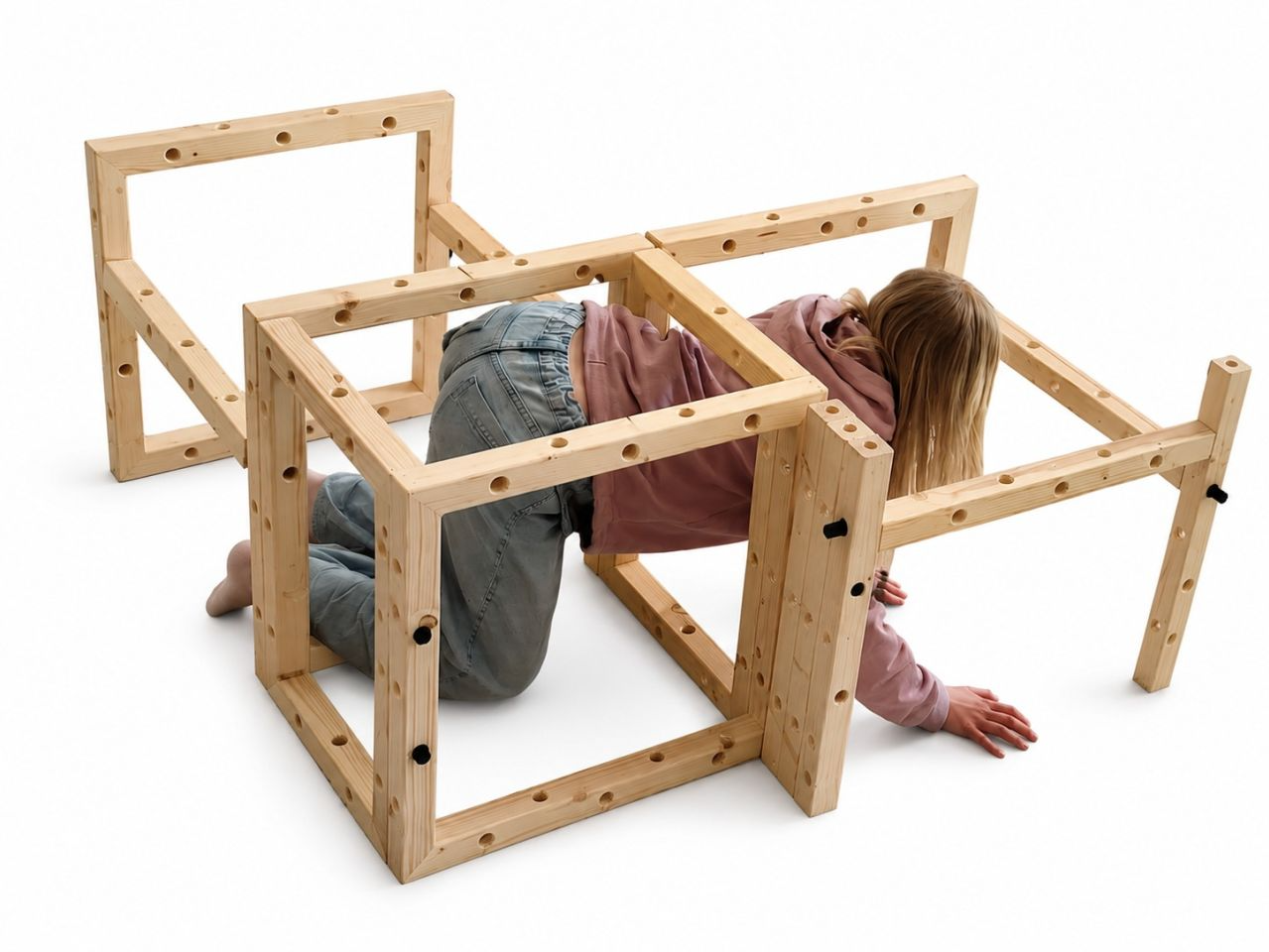
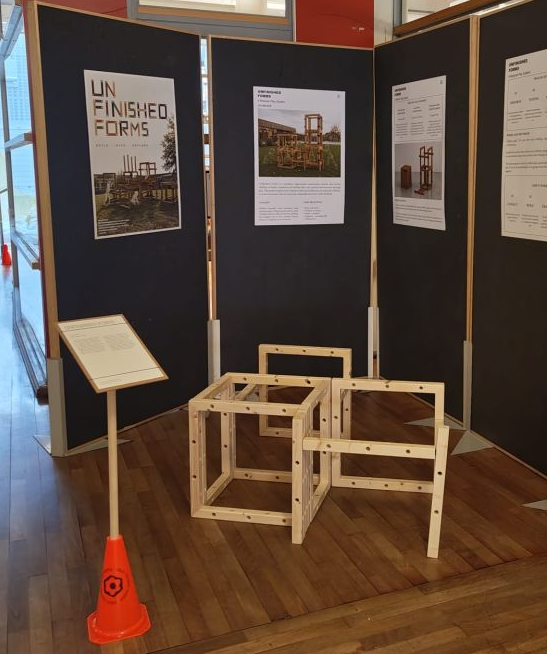
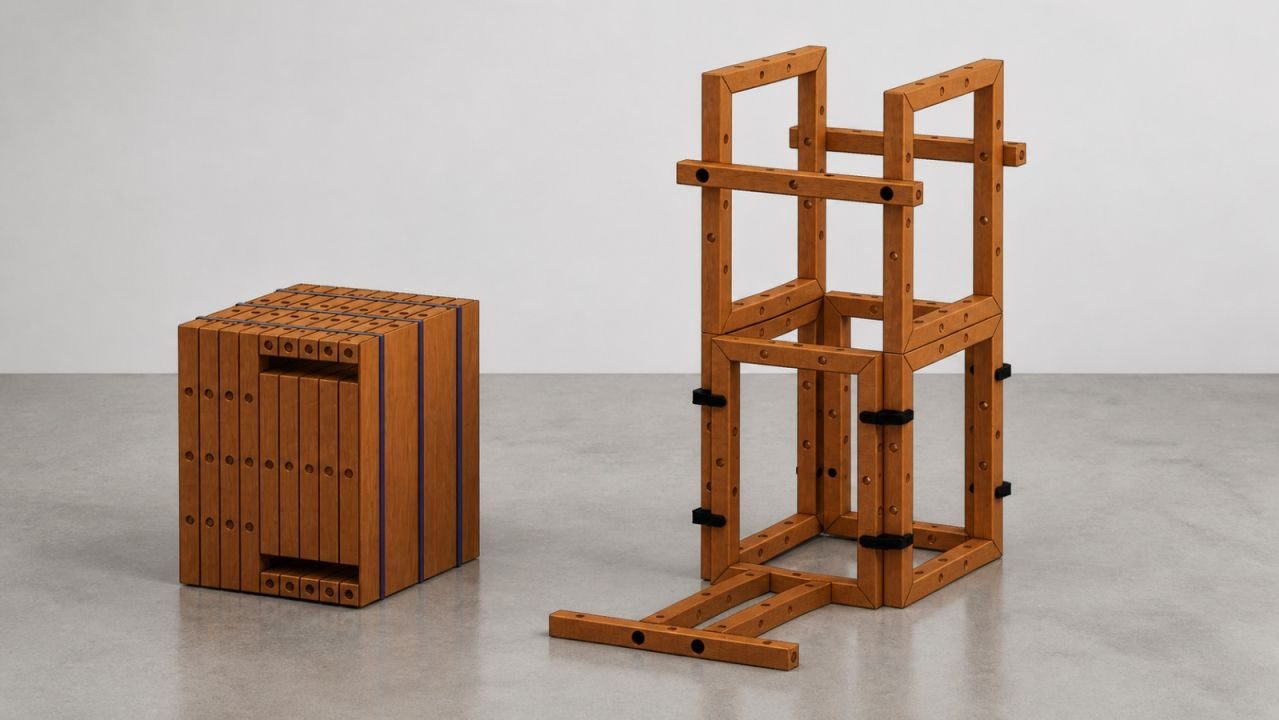
Unfinished Forms is a modular play system that allows children to build their own spatial environments using lightweight wooden frames and connectors. Rather than giving children a ready-made playground with fixed rules, the project offers simple building blocks that can become almost anything, such as huts, tunnels, towers, hideouts, climbing structures, or completely unexpected structures. The idea came from observing how children naturally use everyday objects like chairs, blankets, and boxes to create their own makeshift worlds. I wanted to create a system that supports this impulse while introducing real architectural and constructive thinking through play. The project is based on ideas from casual games, construction games and spatial design. Through workshops with children I tested how they build, collaborate, solve problems and find new ways to use the system. The process consisted of continuous experiments with scale, shapes, materials and connection systems. The end result is an open and flexible architectural building system of wooden frames and magnetic connectors that children can assemble, disassemble and reshape freely. The system encourages creativity, movement, collaboration and spatial exploration, while children become active creators of their own environments rather than passive users of a playground.