Ieva Jakusa
NON LINEAR NARRATIVE
Royal Academy Of Art The Hague KABK
Graduates: 2025
Specialisms: Creative Direction / Art Direction / Film
My location: Amsterdam, Netherlands
Ieva Jakusa
First Name: Ieva
Last Name: Jakusa
University / College: Royal Academy Of Art The Hague KABK
Course / Program: NON LINEAR NARRATIVE
Graduates: 2025
Specialisms: Creative Direction / Art Direction / Film
My Location: Amsterdam, Netherlands
About
Ieva Jakusa is a multidisciplinary artist with a conceptual design, film, and artistic research background. Her multimedia installations combine video, sound, and print.
Ievas' work is primarily rooted in social projects exploring traditional culture and its role in contemporary society. Originally from Latvia, where traditional practices have served as a coping mechanism for national identity through historical occupations, she reflects on the nationalistic character of the traditional culture that echoes in global right-wing politics. She has also lived in the Netherlands for eight years, where she explores the commodification of cultural symbols, such as wooden clogs, which have evolved from handcrafted tools into mass-produced tourism merchandise.
Her agency lies in reclaiming traditional culture from dominant power structures and transforming it into a raw material, open to interpretation and evolution, as a force within modernity. Within her practice, Ieva invites the audience to reflect on the existing narratives regarding cultural heritage and nationalistic and capitalistic appropriation.
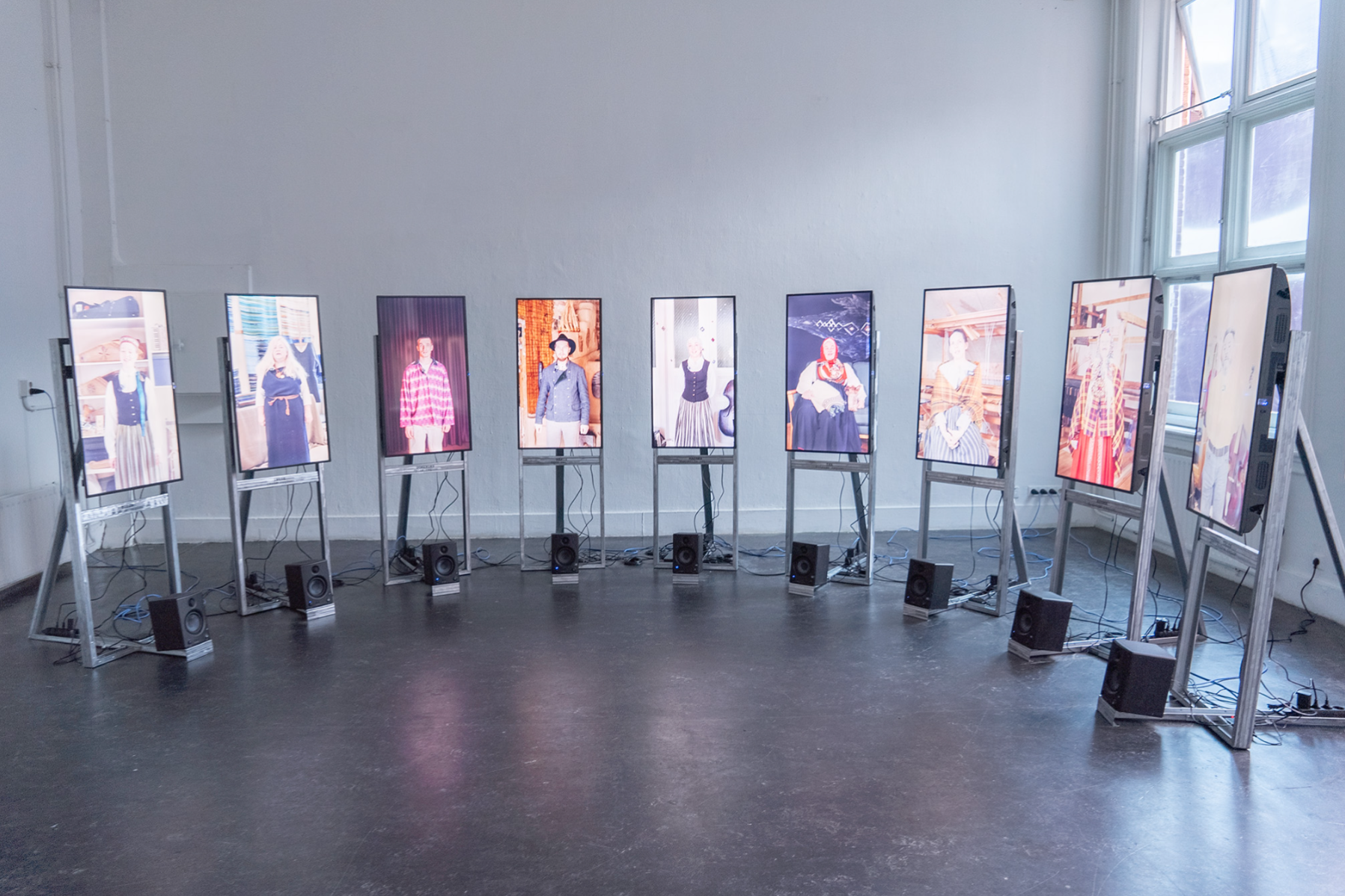
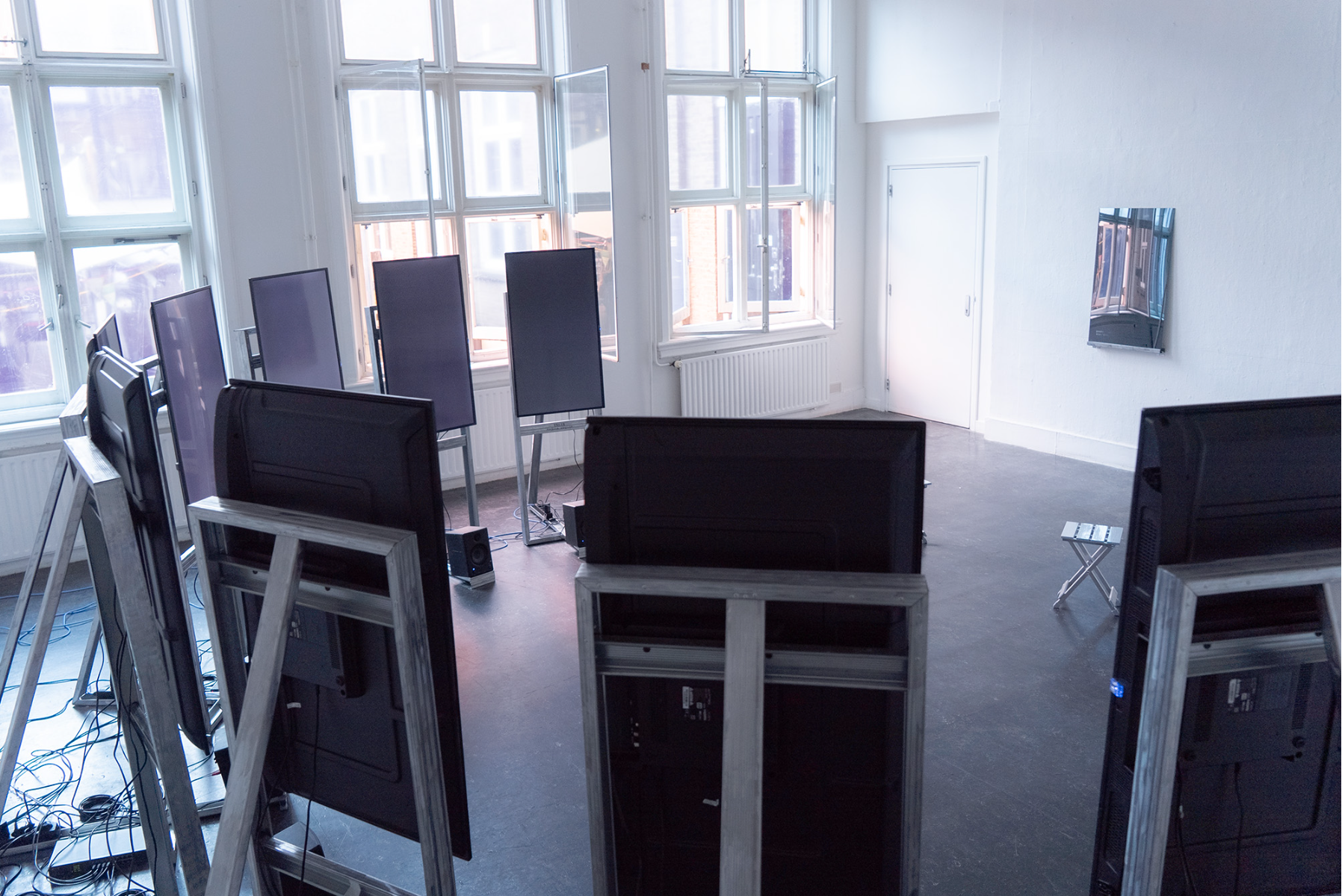
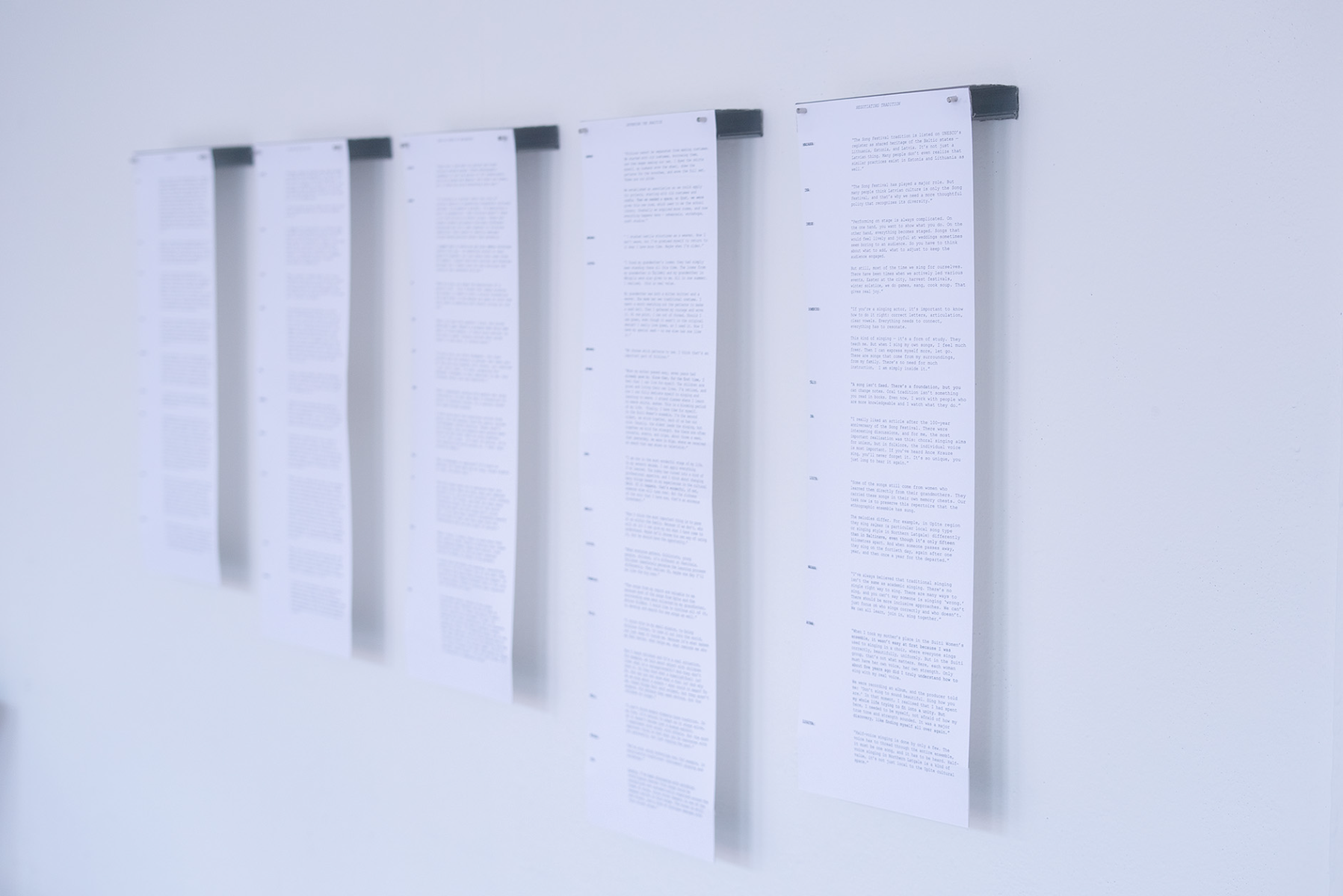
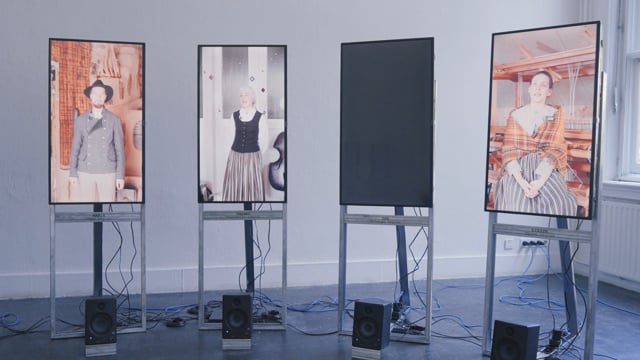

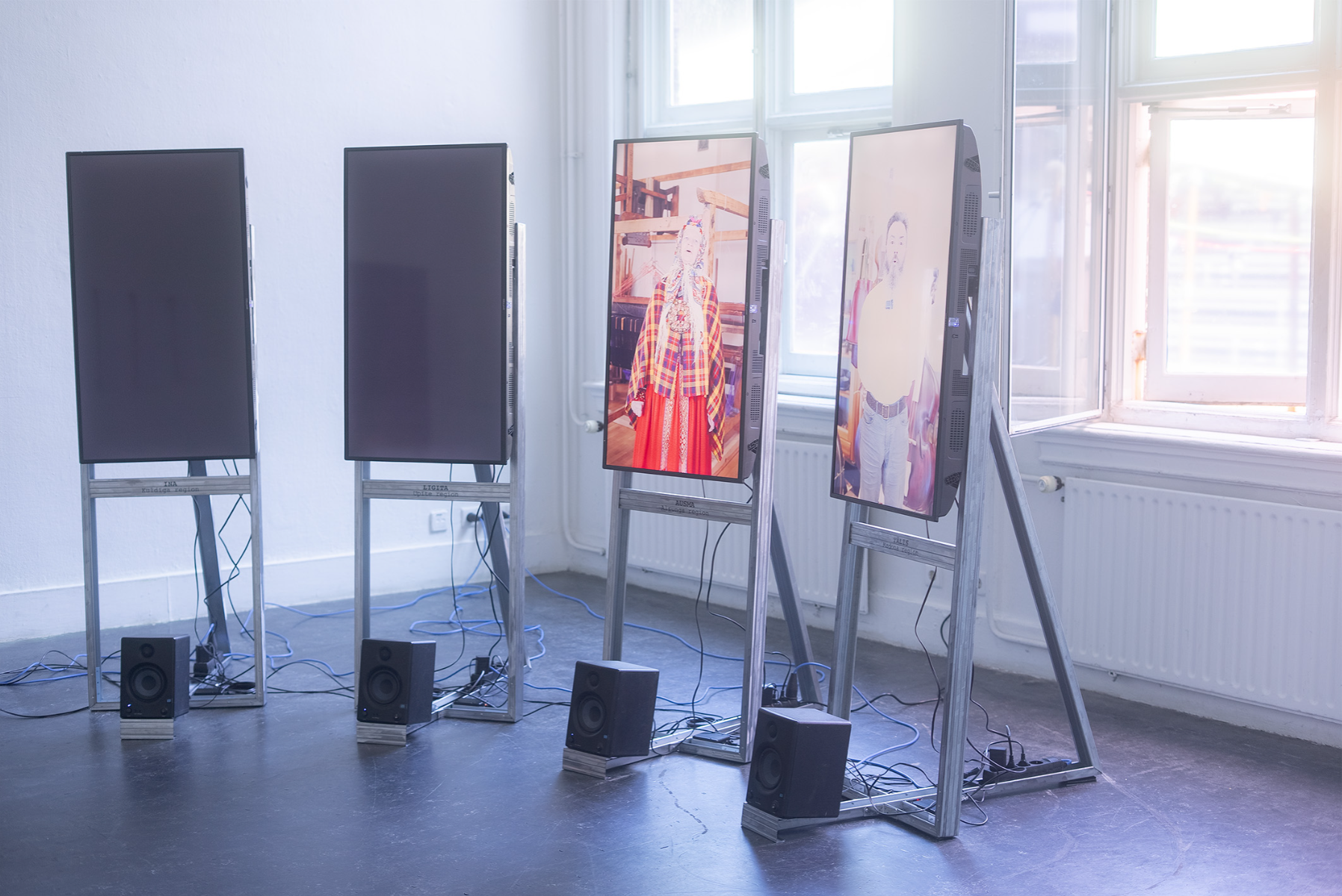
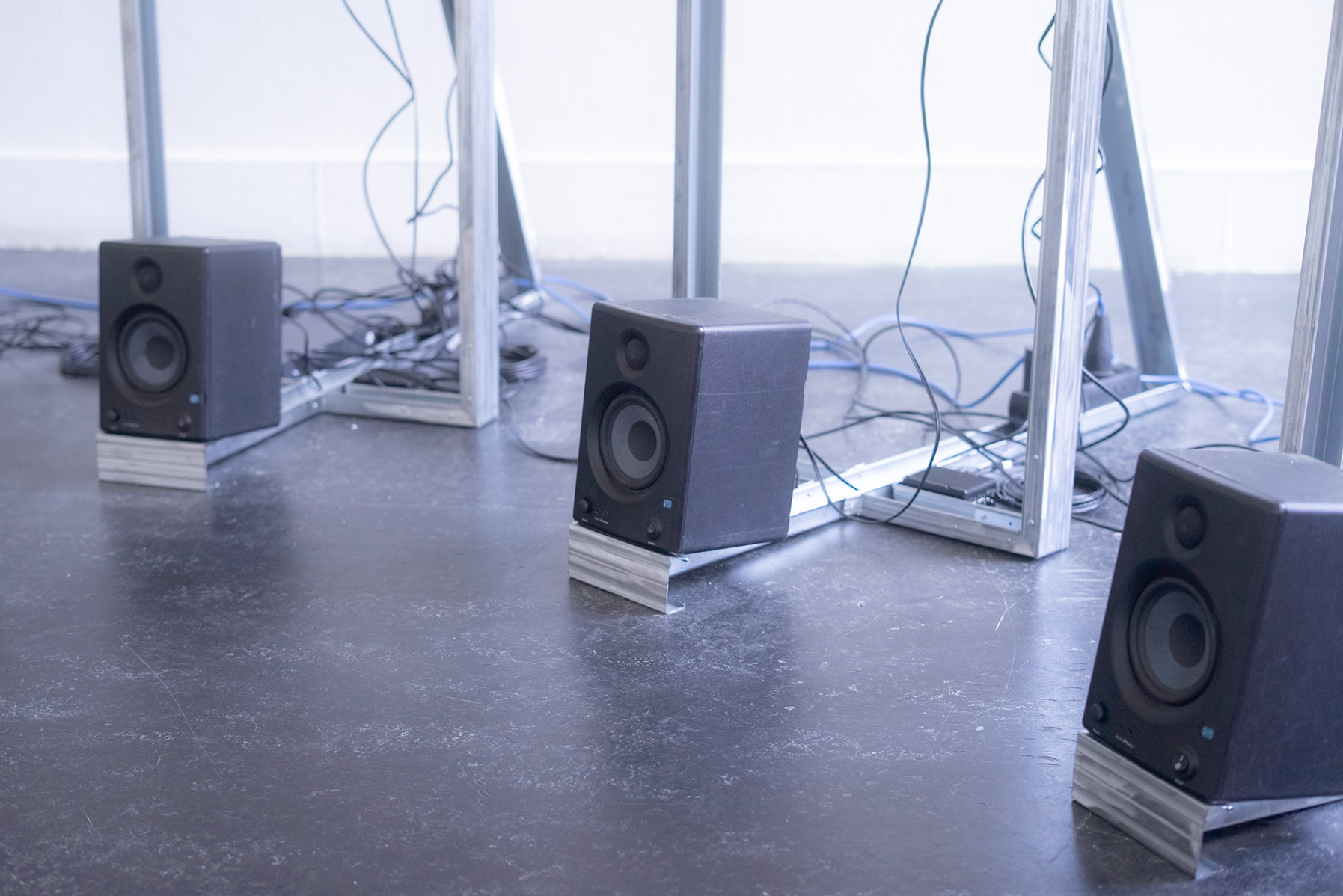
Tuned Voices is an audiovisual installation that explores how Latvian folk songs, often framed as orderly national treasures, were reshaped to serve collective identity. At its centre is Pūt, vējiņi (Blow, Wind), a song once sung informally in homes and taverns. In 1884, composer Andrejs Jurjāns arranged it into a grand choral work, transforming it into a symbol of Latvian nationalism. This formalised version is contrasted with recordings of nine singers from different regions of Latvia, each performing personal, oral renditions. Beginning raw and unpolished, their voices are gradually autotuned and synchronised, echoing how living traditions are standardised within institutional frameworks. The work exposes tensions between tradition and nationalism, while reclaiming folklore as diverse, shifting, and resistant to uniformity.
Competitions