Aylin Rzayeva
Architecture ba
Manchester School of Architecture
Graduates: 2026
Specialisms: Architecture / Set Design - Stage Screen Dance / Urban Design
My location: Manchester, United Kingdom

Aylin Rzayeva
First Name: Aylin
Last Name: Rzayeva
University / College: Manchester School of Architecture
Course / Program: Architecture ba
Graduates: 2026
Specialisms: Architecture / Set Design - Stage Screen Dance / Urban Design
My Location: Manchester, United Kingdom
About
I am a Part 1 architecture graduate from Manchester School of Architecture, with a profound interest in architecture as a medium for encountering what exists beyond the immediately visible. My work is drawn towards the spaces, forces, and narratives that conventional architectural practice can overlook: the vibrations travelling through infrastructure, the traces left by bodies and memories, the spiritual and psychological dimensions of place, and the latent stories embedded within landscapes that appear ordinary at first glance.I am particularly interested in the relationship between architecture and the unseen. I approach buildings not only as objects or habitats, but as instruments through which hidden conditions can be sensed, recorded, interpreted, and experienced. Sound, vibration, atmosphere, movement, memory, weather, and material are often treated as secondary qualities of space; in my work, they become generators of architecture. I am interested in what happens when these invisible forces are given spatial form, when infrastructure becomes something to listen to, when a landscape becomes an archive, or when a building operates less as a fixed object and more as an instrument for revealing its surroundings.My architectural interests are shaped by dystopian and speculative narratives, particularly the ways in which film and literature construct worlds where familiar landscapes become strange, uncertain, or psychologically charged. I am drawn to architecture that exists somewhere between reality and fiction - architecture that questions what a building is expected to be, what constitutes a habitat, and where the boundaries between architecture, landscape, infrastructure, and atmosphere might dissolve. Rather than treating speculation as an escape from reality, I use it as a way of looking at reality differently: exaggerating, distorting, or making visible conditions that already exist.My graduate work developed these ideas through an investigation of Manchester’s infrastructure, exploring the overlooked spaces beneath and around the Mancunian Way as sites of memory, vibration, sound, and environmental change. The project imagined architecture as an archive and listening instrument, translating the otherwise imperceptible movements of the city into spatial experiences. This became an exploration of how architecture might listen to a place before intervening in it, and how something as intangible as vibration could become a means of understanding the city, its infrastructure, and the traces of human activity embedded within it.Across my work, I move between research, writing, drawing, model making, digital experimentation, photography, and visual communication. I am interested in the process of moving between different forms of representation because each can reveal something that another cannot. Writing allows me to construct narratives and question ideas; drawing allows me to speculate; models allow me to test atmosphere, material, and scale; and digital tools allow me to explore conditions that are difficult to represent through conventional architectural language. I see these processes not simply as methods of communicating an architectural idea, but as ways of discovering what the idea might become.Alongside design, my academic work has developed a strong interest in architectural research, critical writing, and interdisciplinary thinking. I am drawn to questions surrounding the body, perception, ritual, cosmology, memory, and the ways in which cultural and environmental conditions shape our understanding of space.Ultimately, I am interested in architecture that makes us notice. Architecture that allows us to hear what is usually silent, see what is usually overlooked, and experience familiar environments through unfamiliar conditions. I want my work to operate not only as a response to a site, but as a form of investigation: uncovering hidden narratives, translating invisible forces, and creating spaces that invite people to pause, listen, and become conscious of the environments they inhabit.
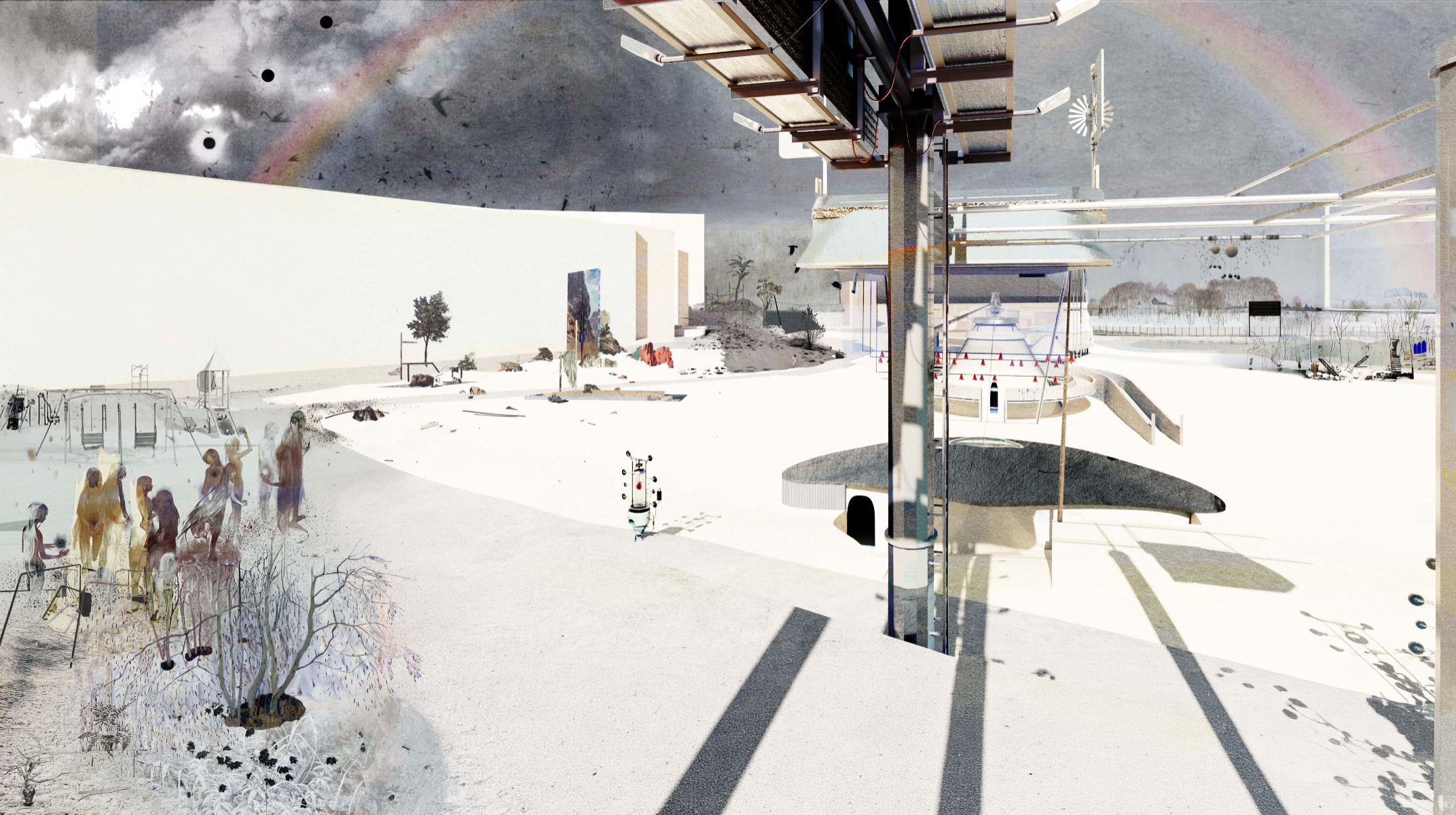
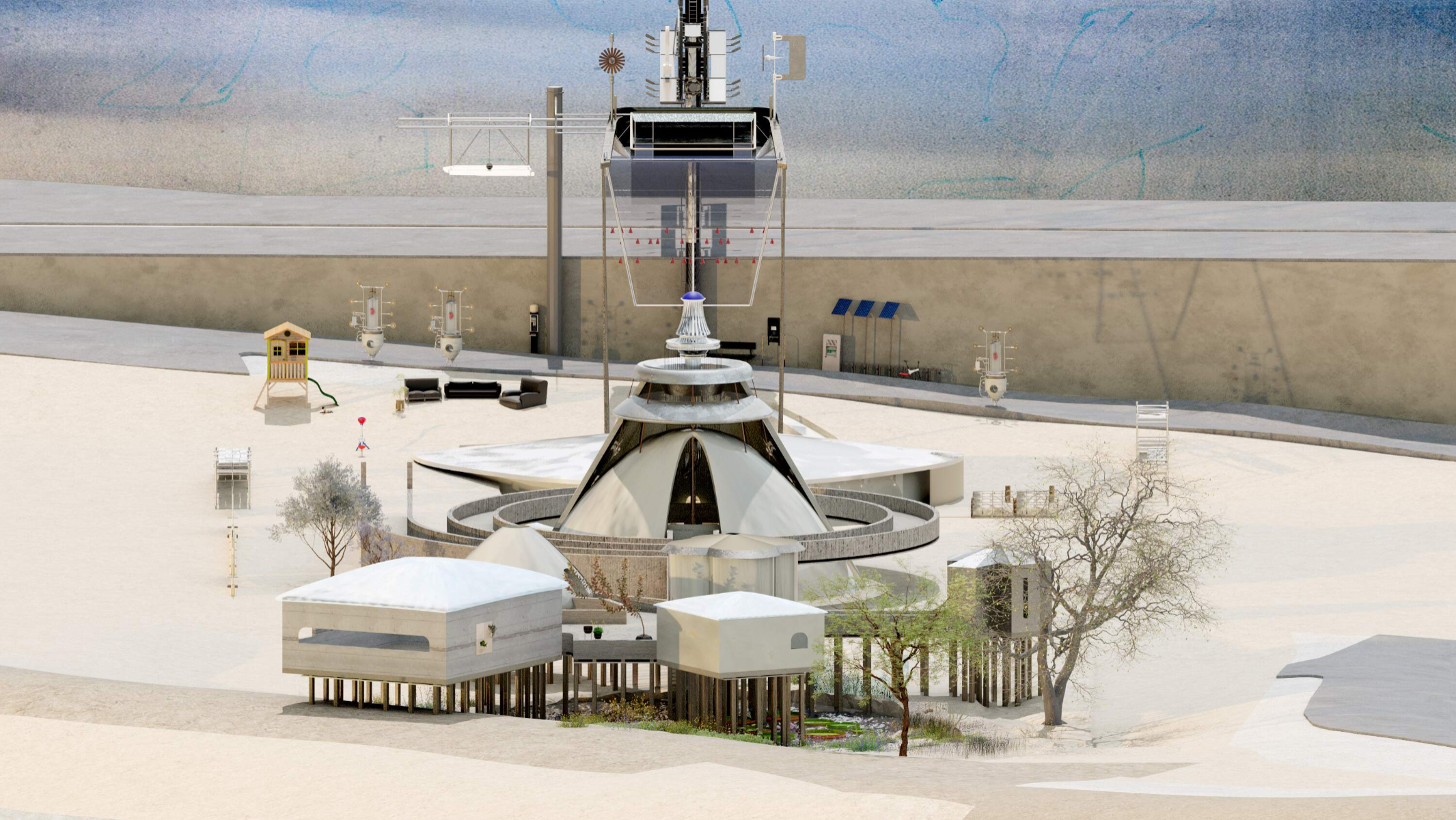
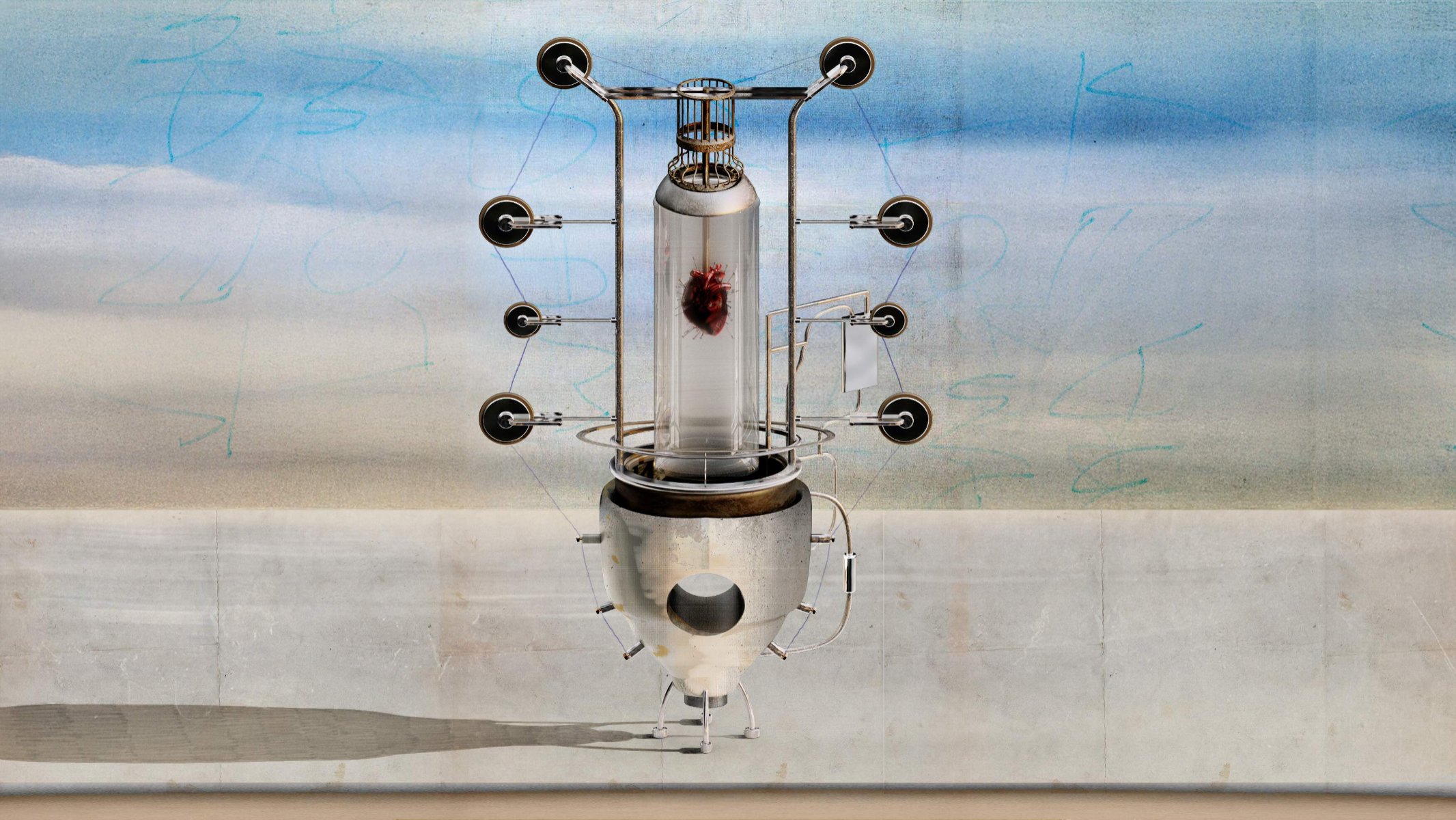
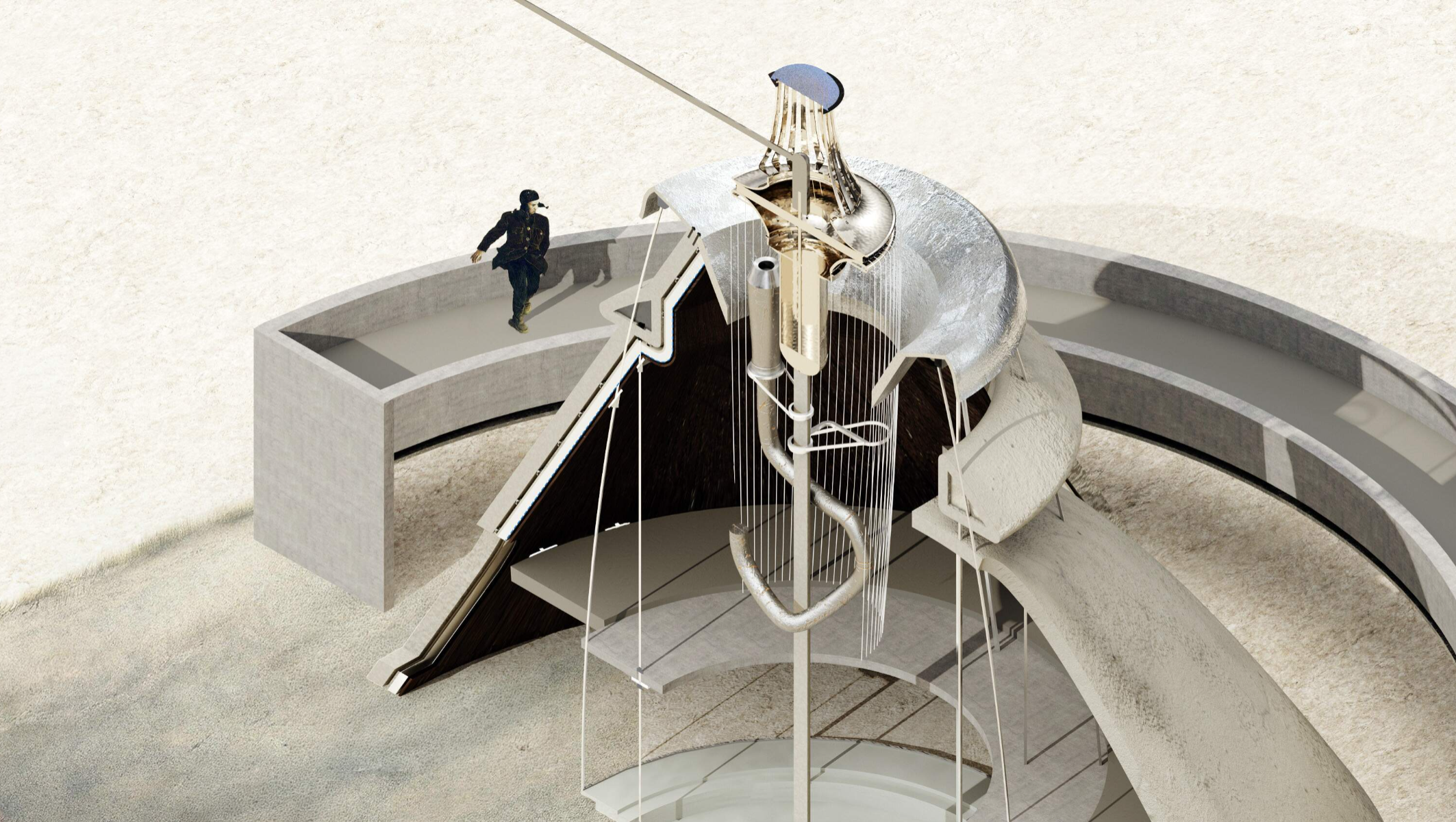
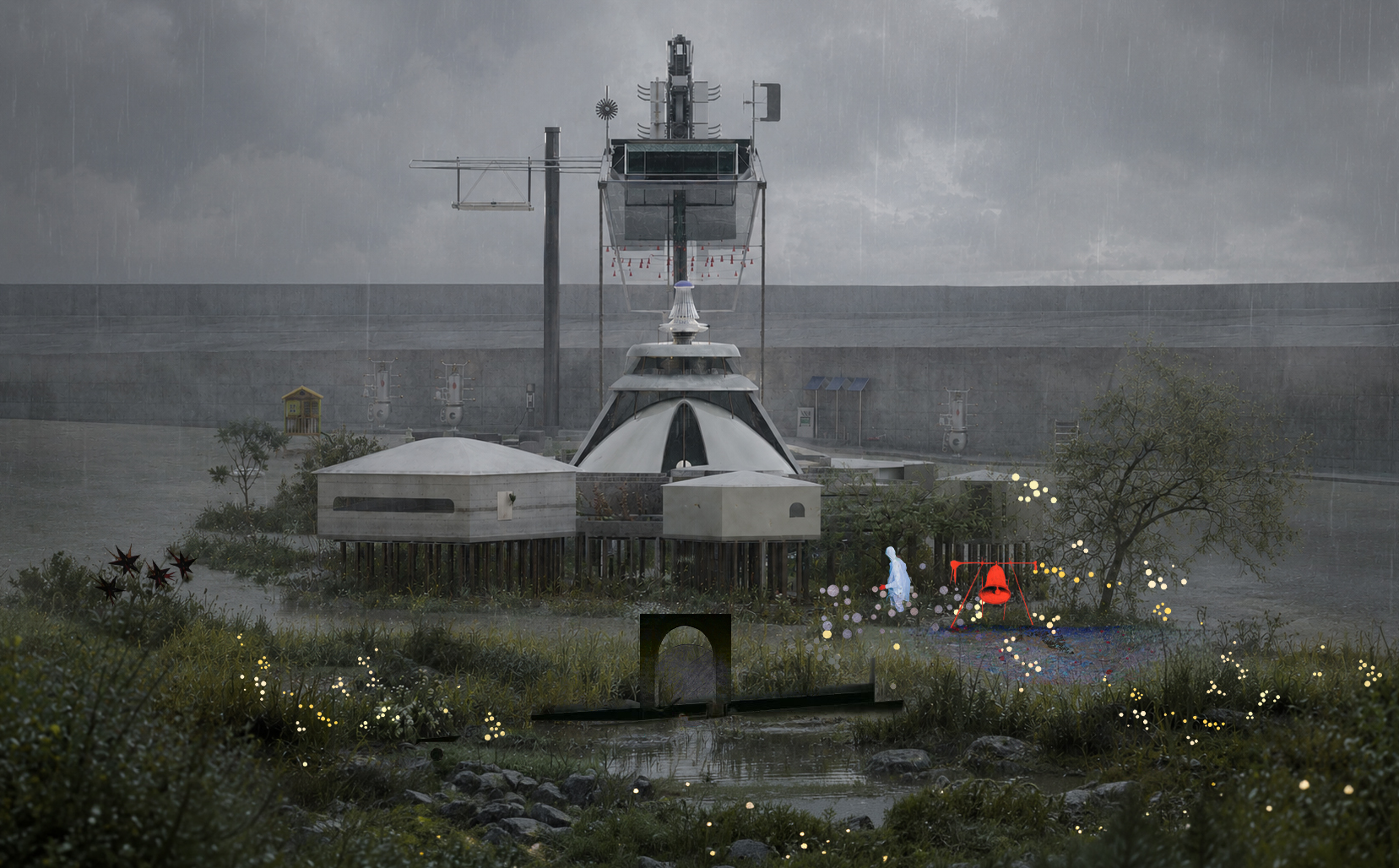
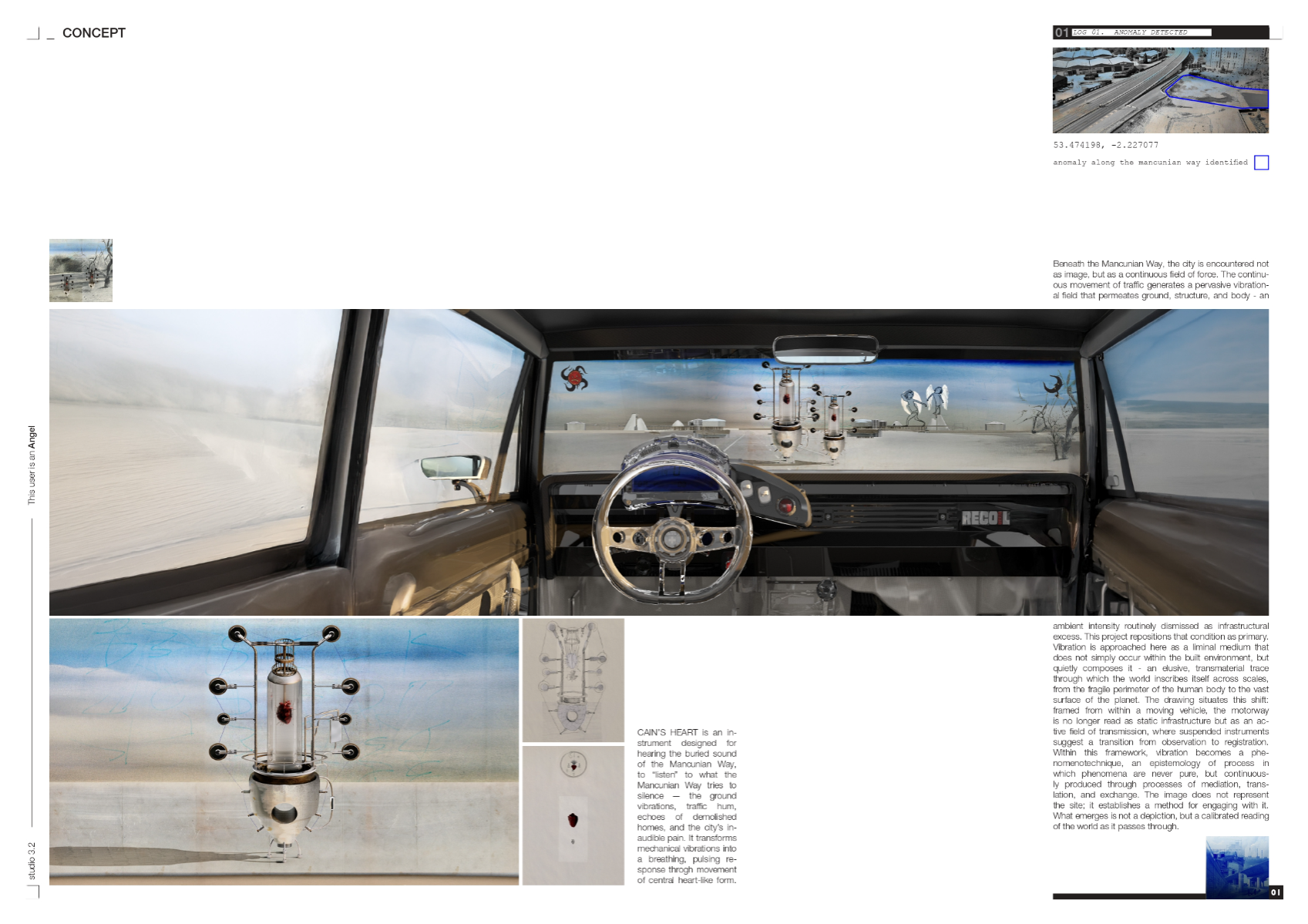
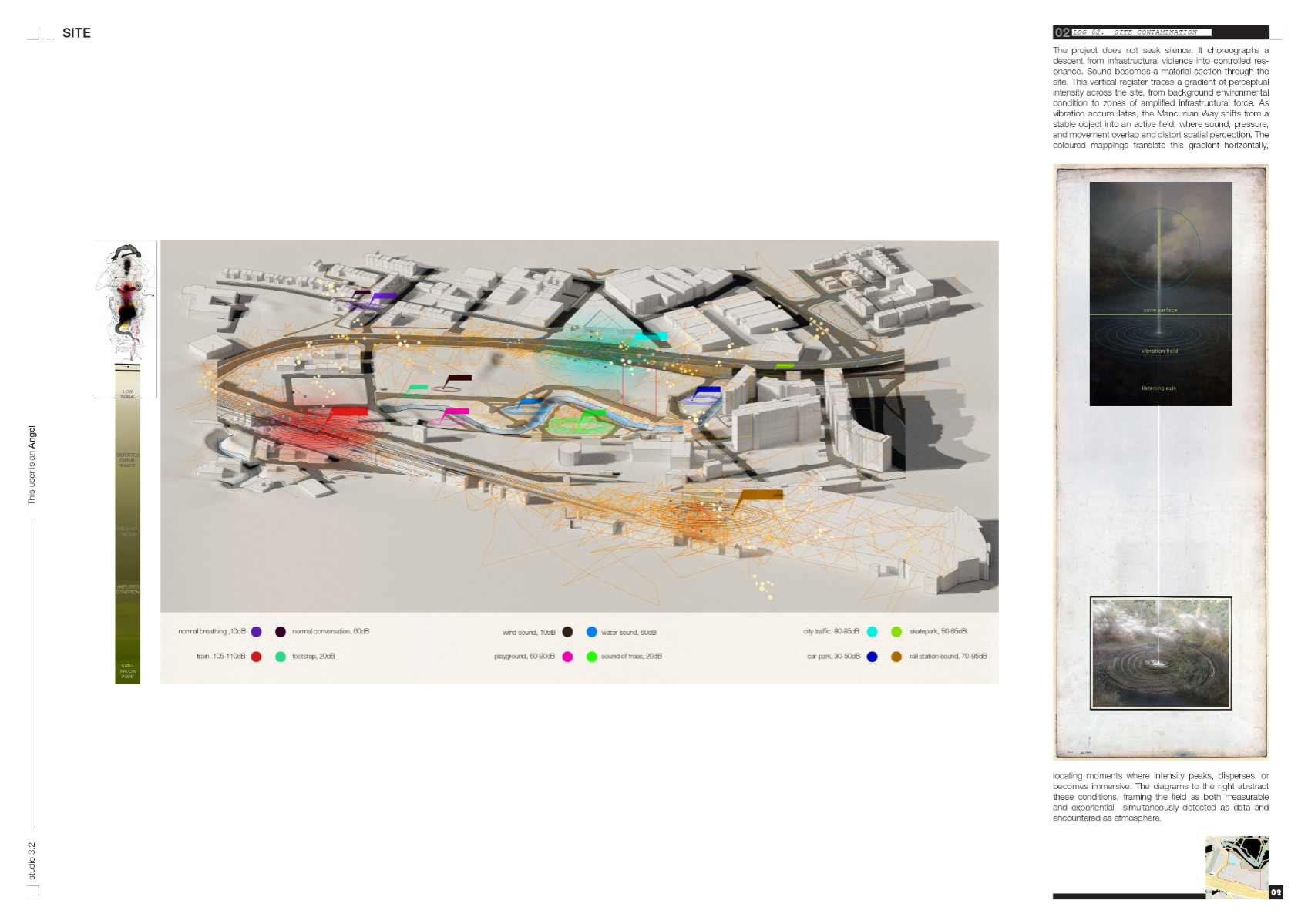
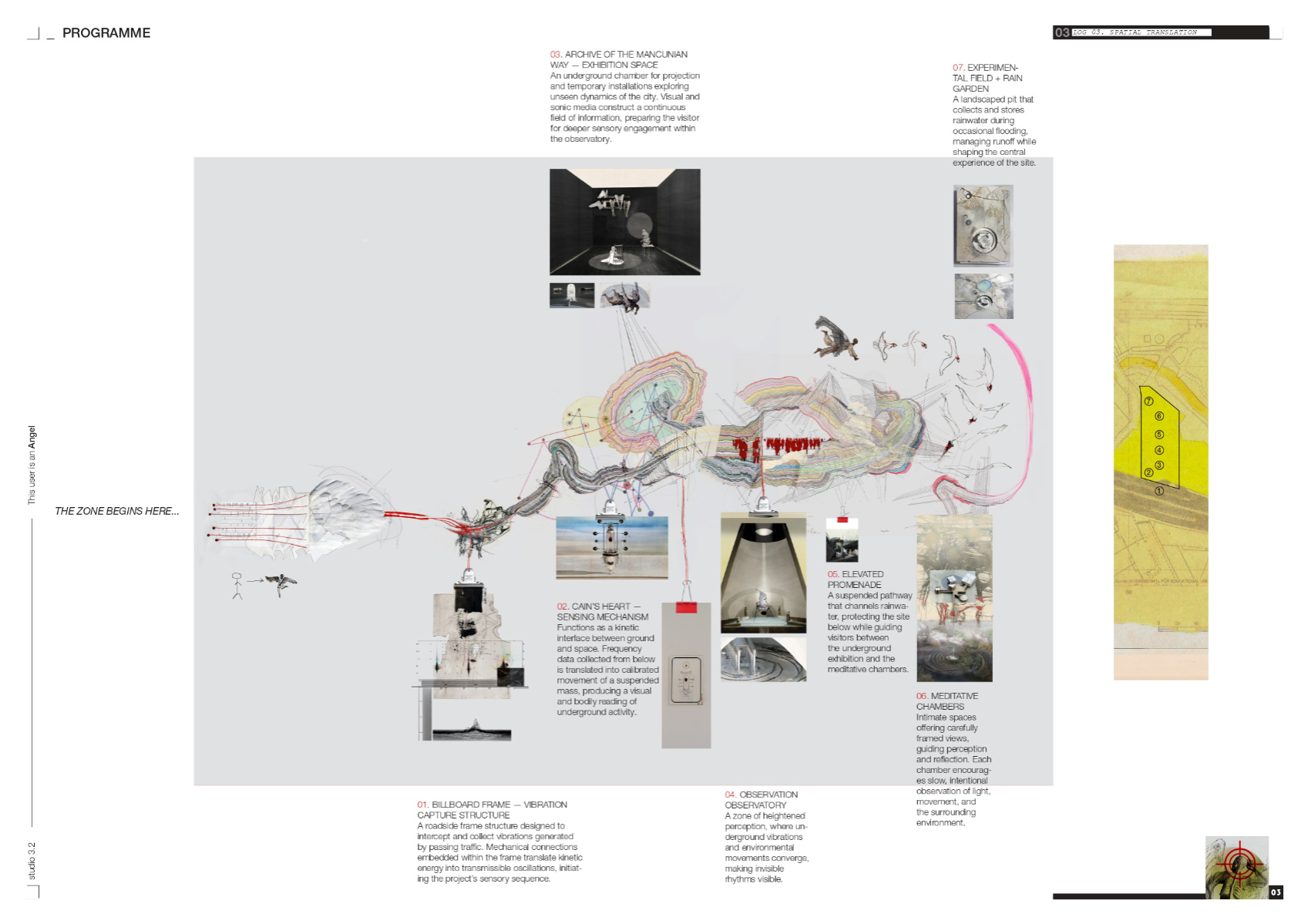
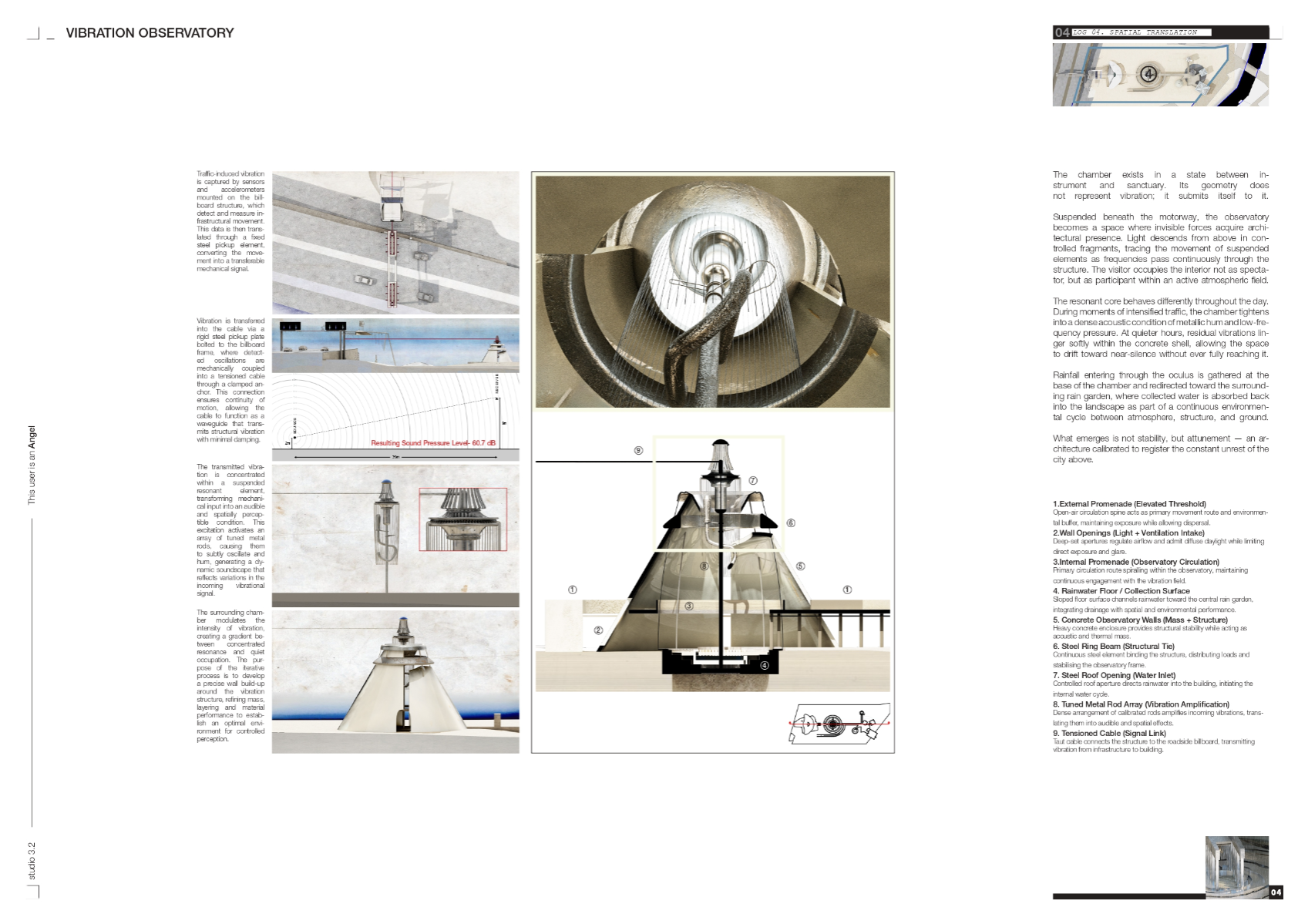
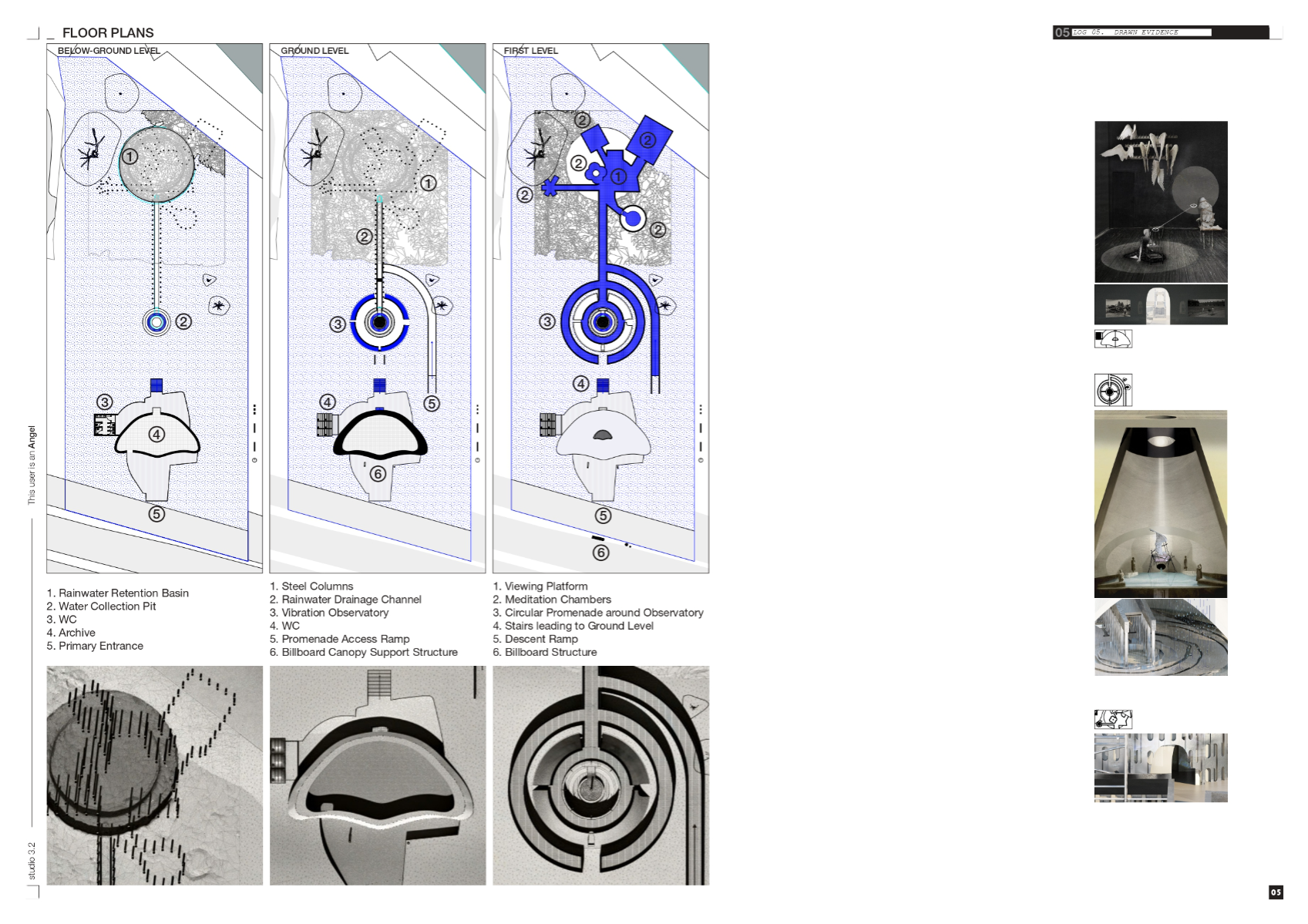
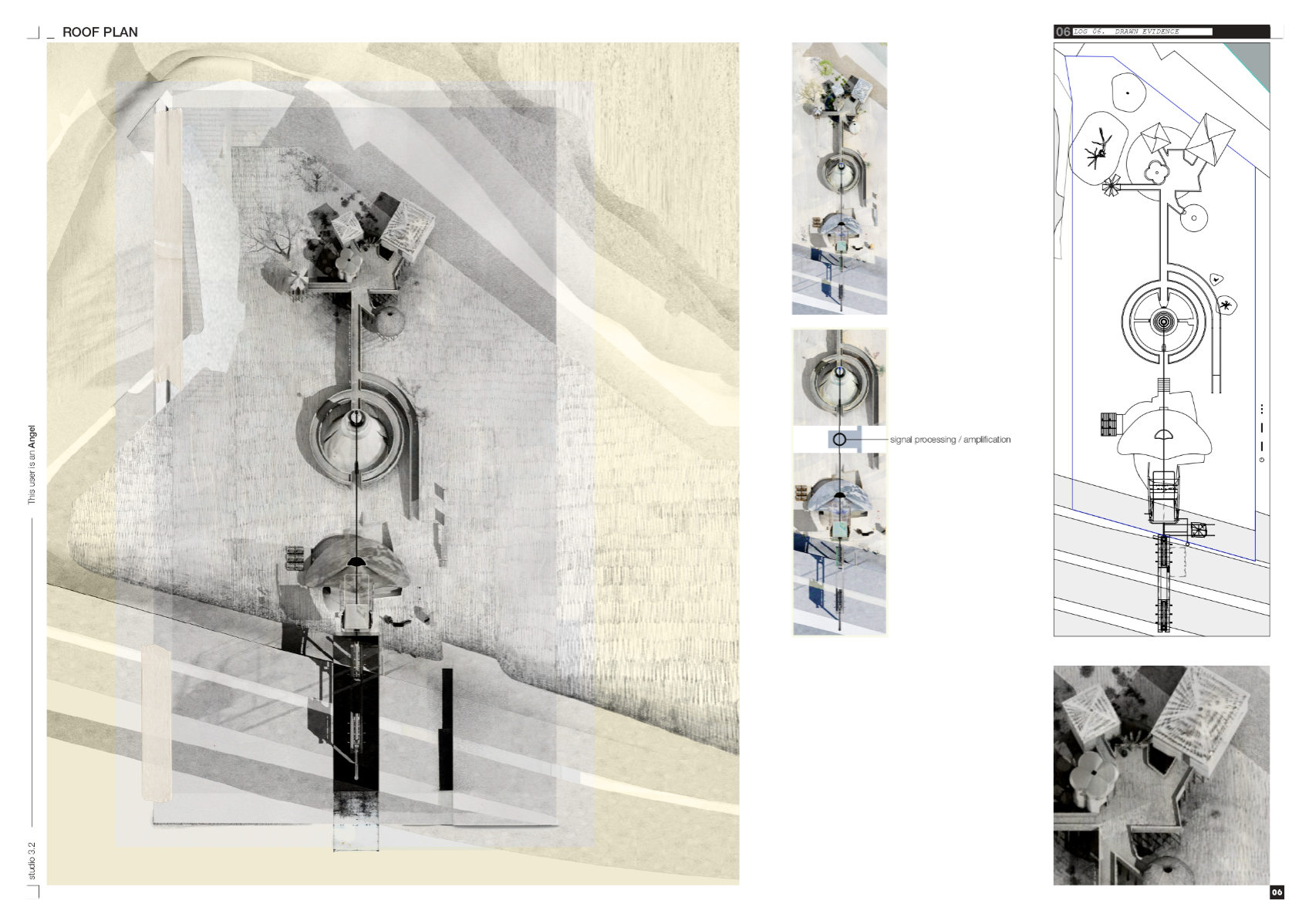
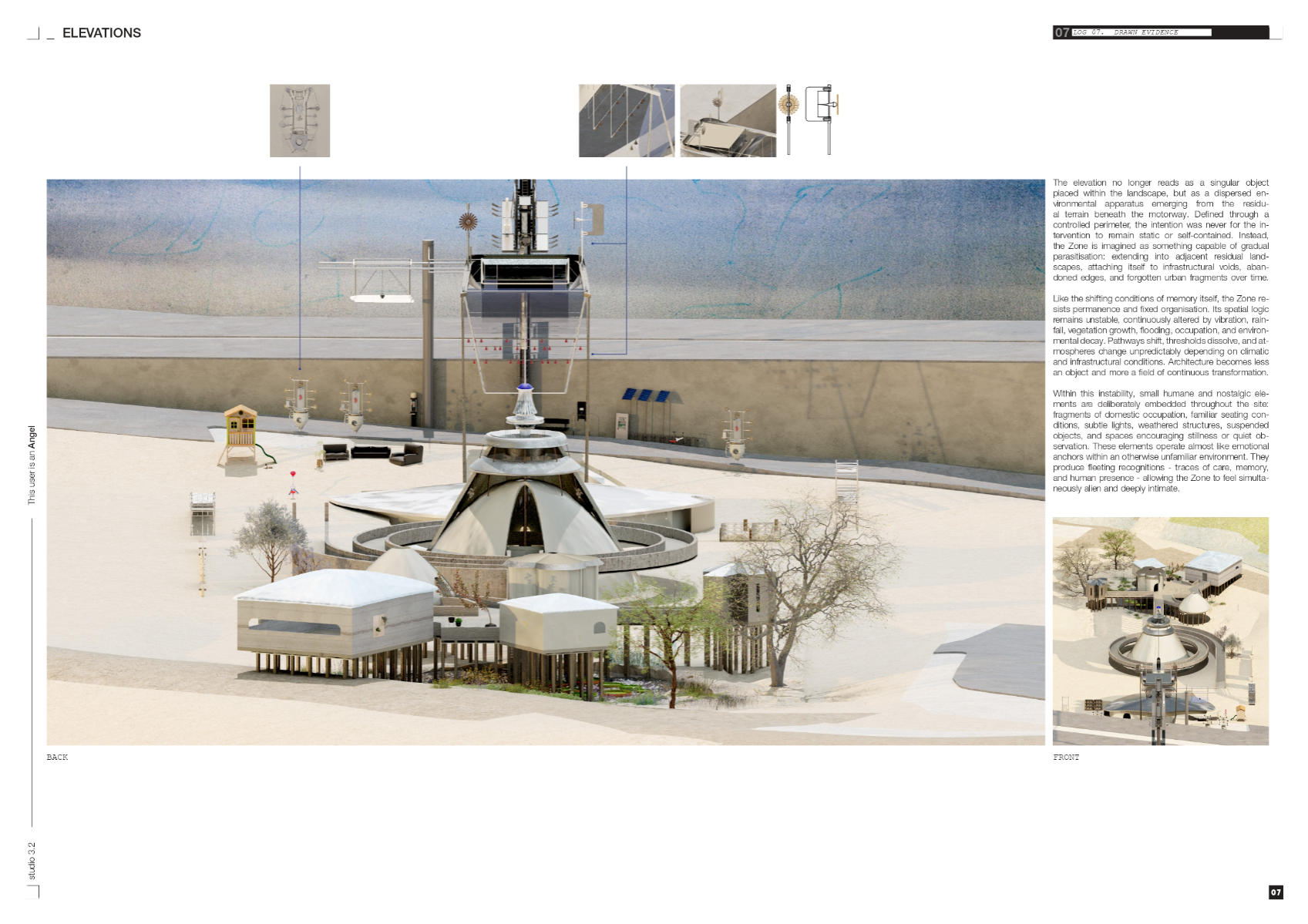
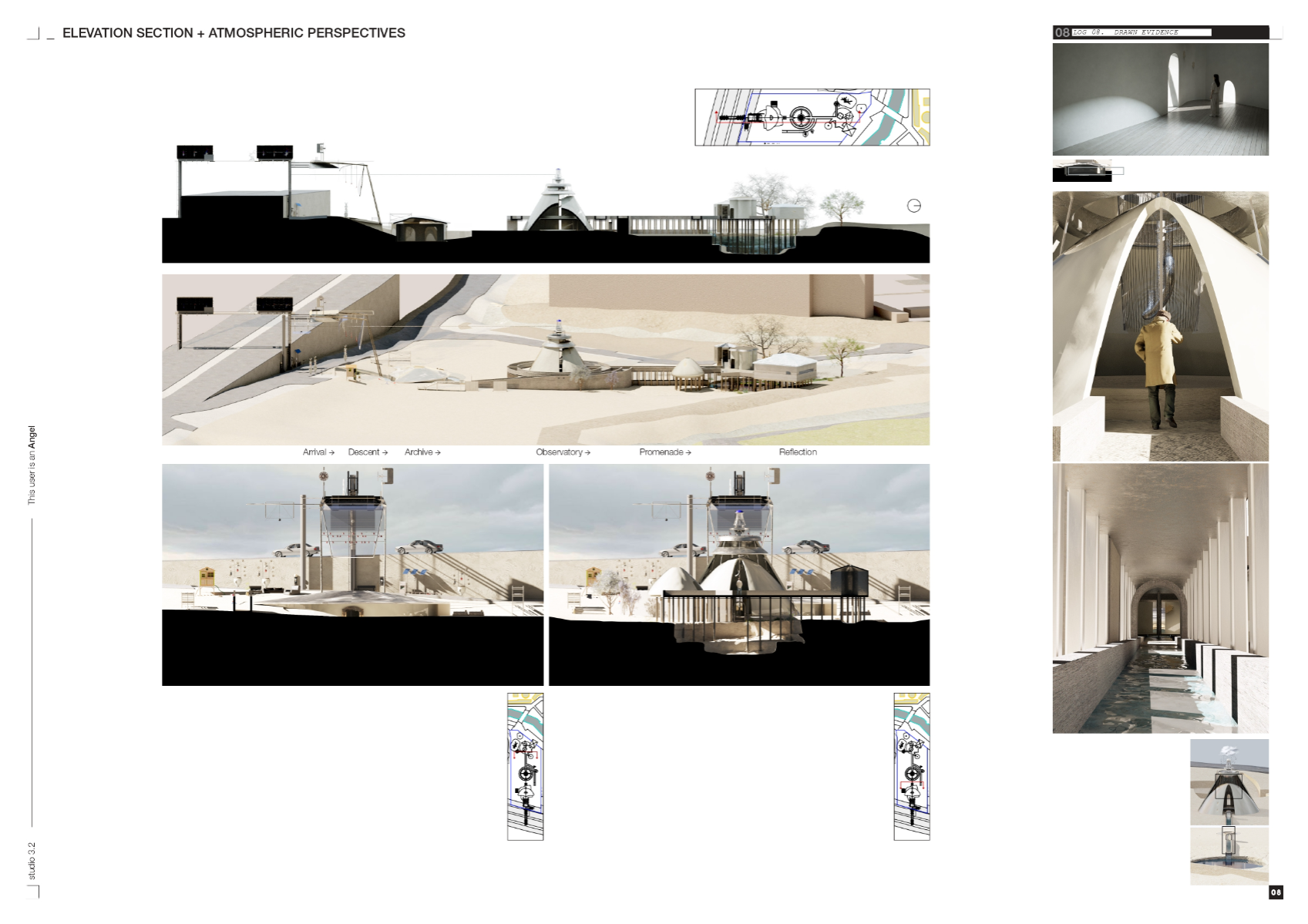
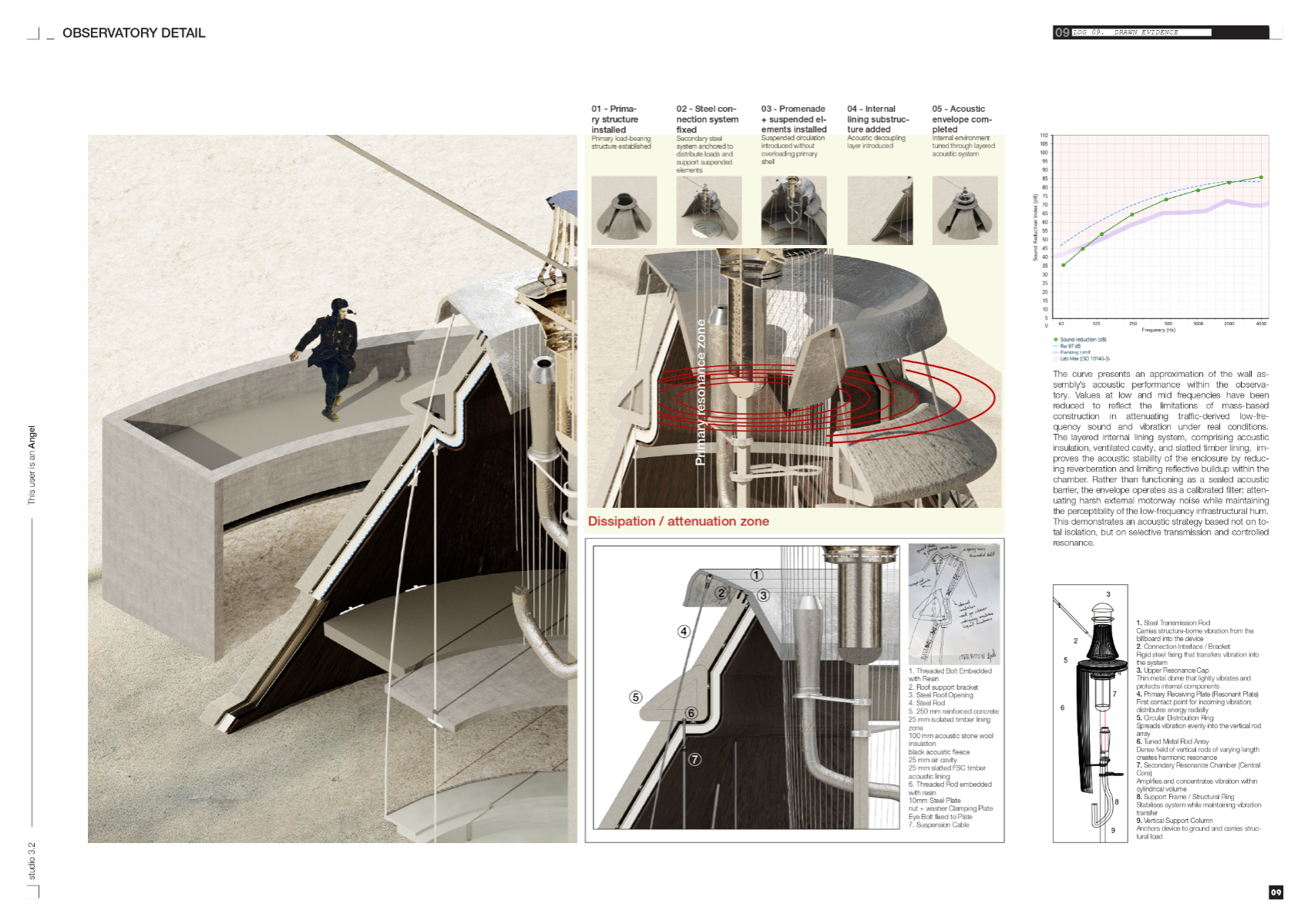
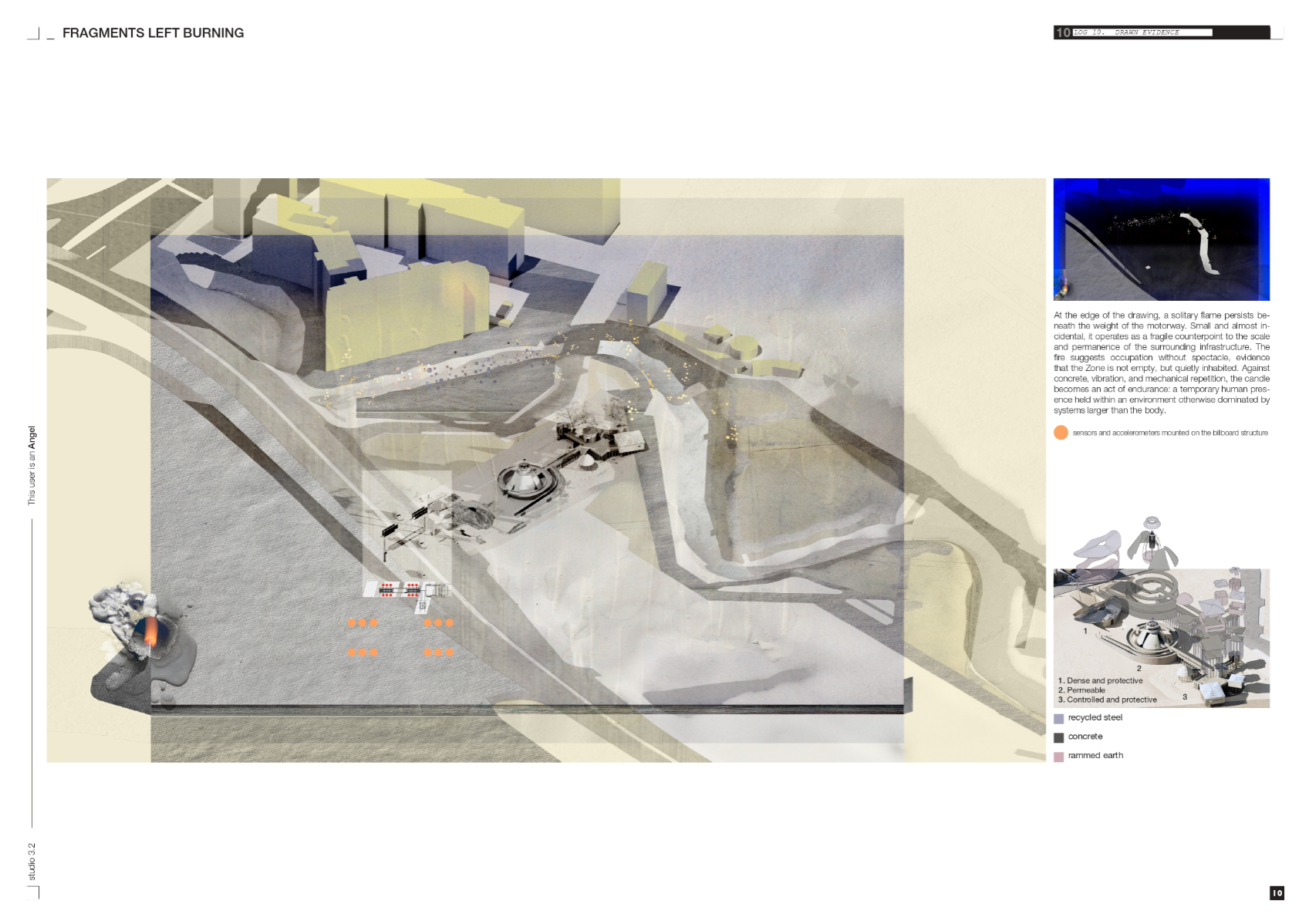
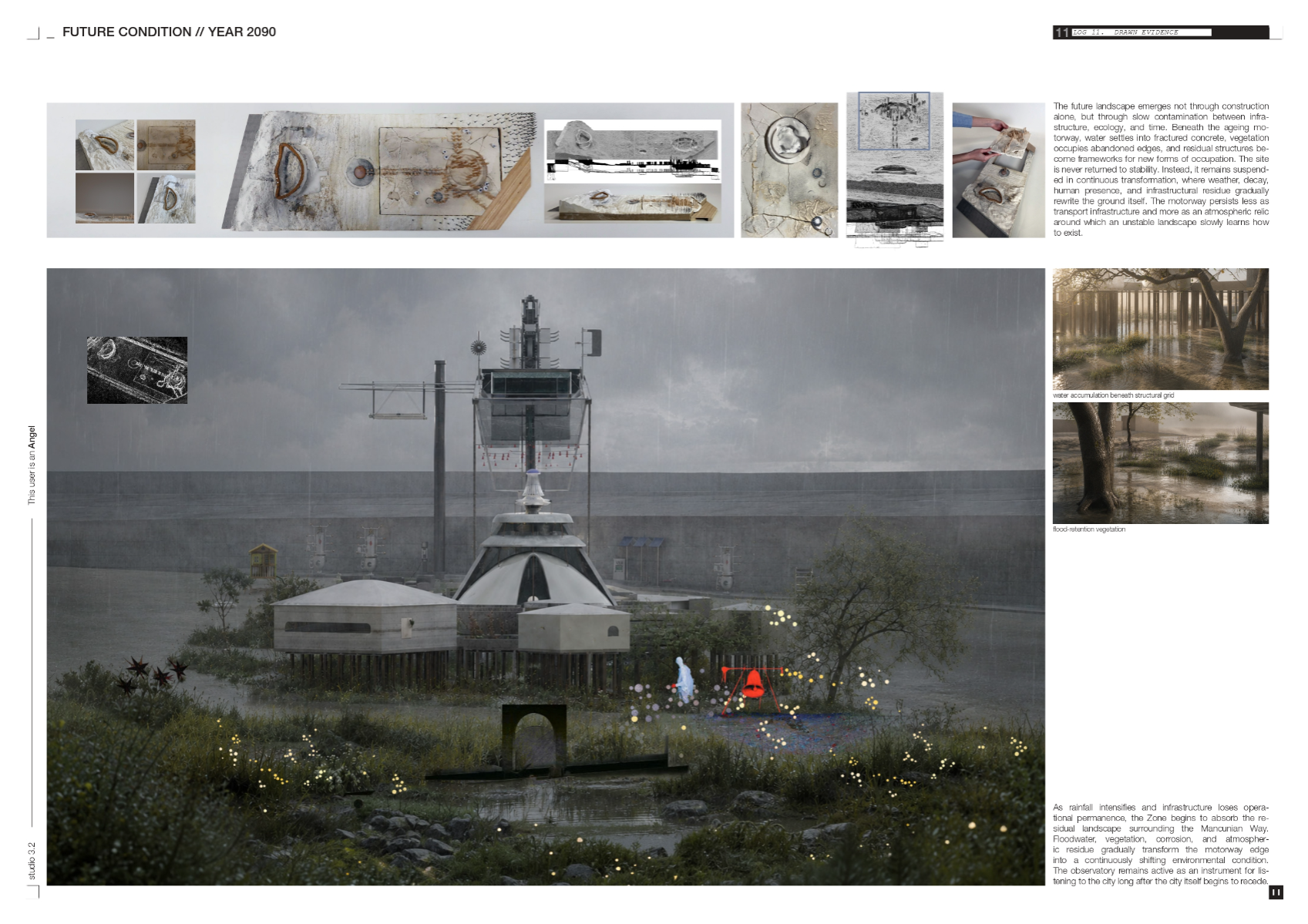
My project reimagines the infrastructure of Manchester’s Mancunian Way as an archive of invisible forces, drawing inspiration from Tarkovsky’s Stalker and its mysterious Zone. Rather than treating the motorway as background infrastructure, the project reveals its hidden vibrations, sounds, memories, and traces of human activity. A Vibration Observatory translates the movement of traffic into a sensory architectural experience, while an underground archive preserves fragments of the landscape and an elevated promenade creates moments for listening and reflection. Through concrete, rammed earth, acoustic chambers, and responsive instruments, the project explores architecture as a medium for sensing what normally remains unheard, unseen, and forgotten.
Competitions