Nghia Trong Le
Fashion Design MA
Nottingham Trent University
Graduates: 2026
Specialisms: Menswear / Atelier - Pattern Cutting / Fashion Product Development
My location: Nottingham, United Kingdom


Nghia Trong Le
First Name: Nghia
Last Name: Trong Le
University / College: Nottingham Trent University
Course / Program: Fashion Design MA
Graduates: 2026
Specialisms: Menswear / Atelier - Pattern Cutting / Fashion Product Development
My Location: Nottingham, United Kingdom
About
I am a fashion designer and MA Fashion graduate from Nottingham Trent University, specialising in experimental menswear, pattern cutting and material-led design.
My practice explores the relationship between fashion, architecture and identity, translating spatial structures and architectural concepts into the human body. Through extensive research, experimental pattern cutting and material investigation, I develop garments that challenge conventional approaches to construction and silhouette.
Working primarily with leather and heavy-weight fabrics, I approach clothing as a “second skin”, combining architectural forms with artisanal construction and experimental making techniques. My work is rooted in avant-garde menswear, Brutalism, Deconstructivism and contemporary subcultural aesthetics.
I am currently developing my practice as an independent fashion designer, focusing on experimental menswear, material innovation and creative collaboration.
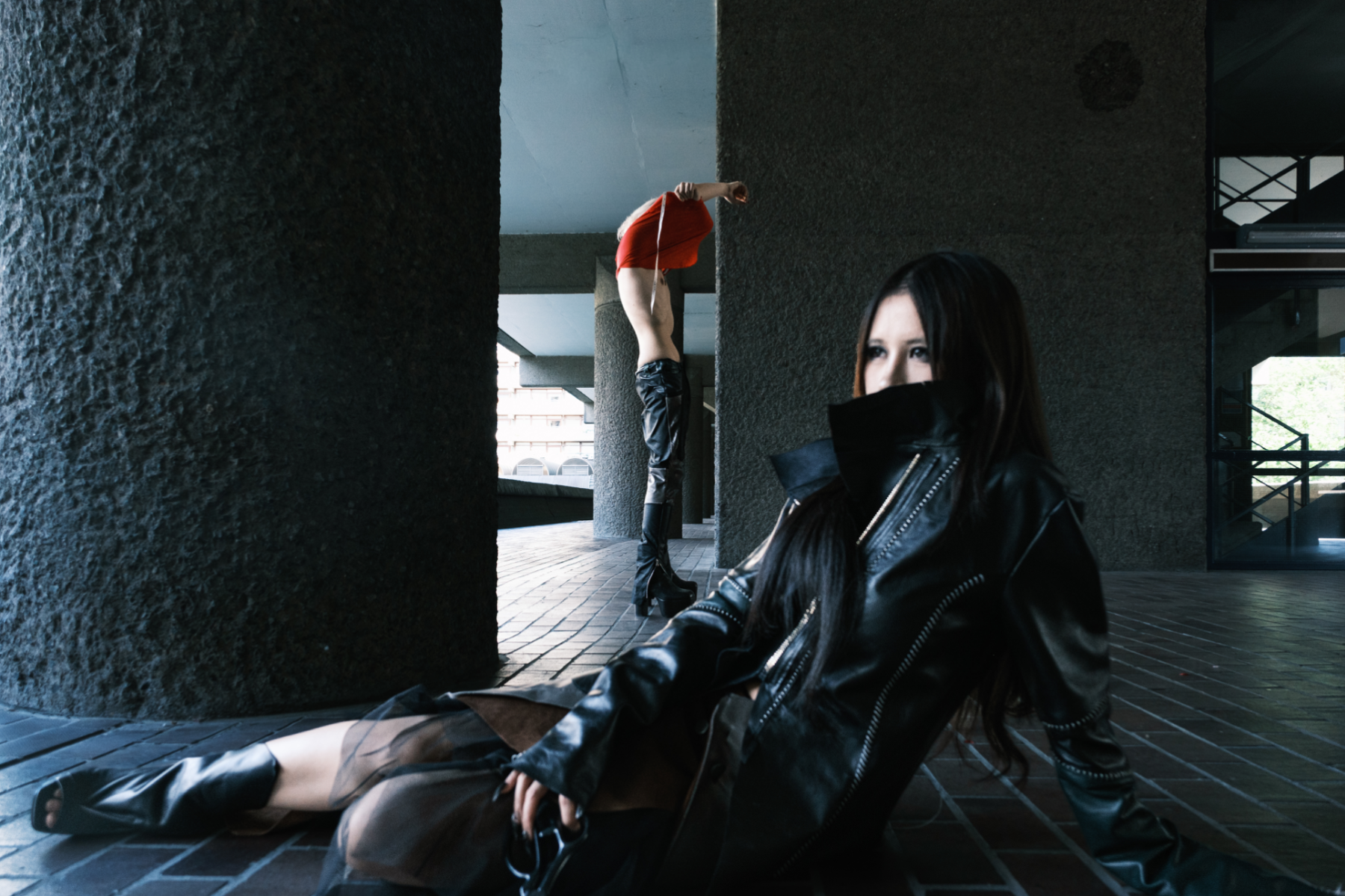

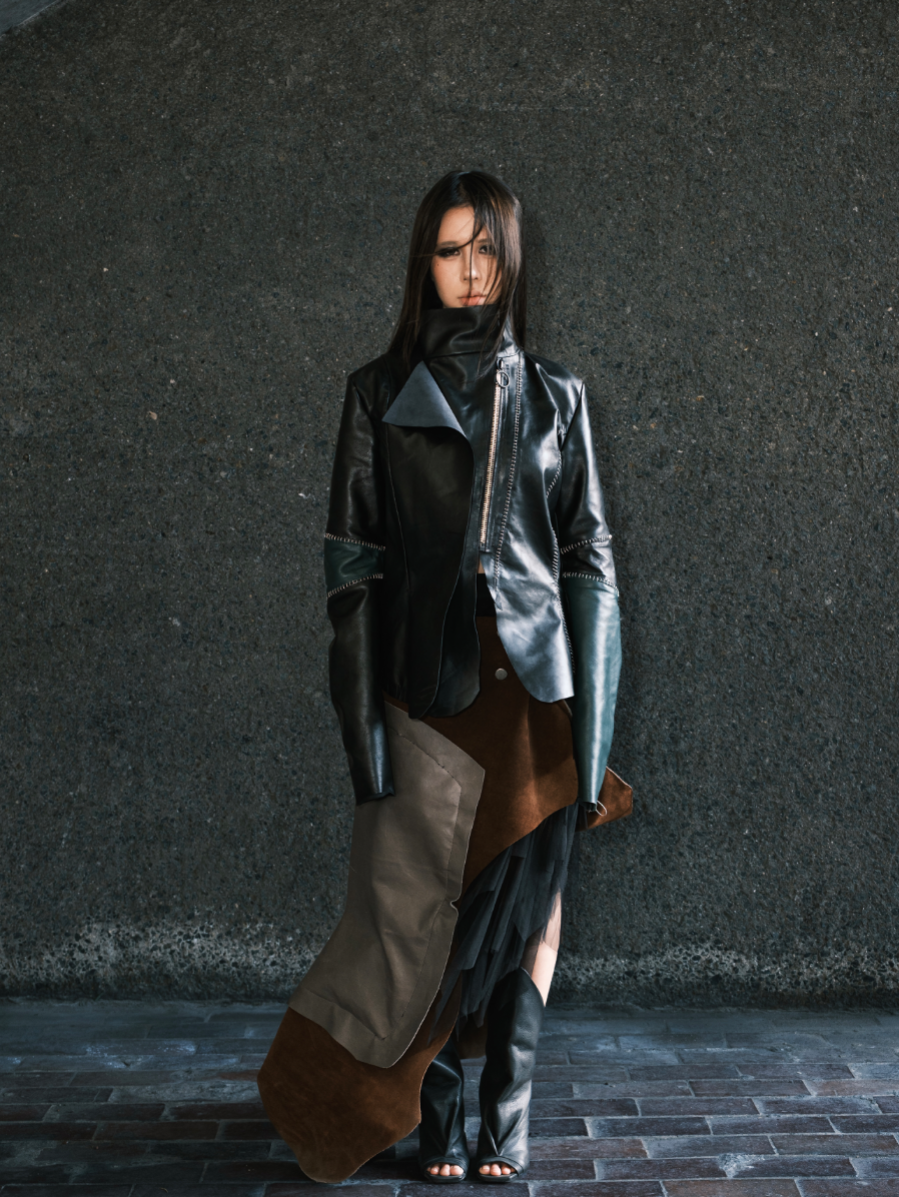
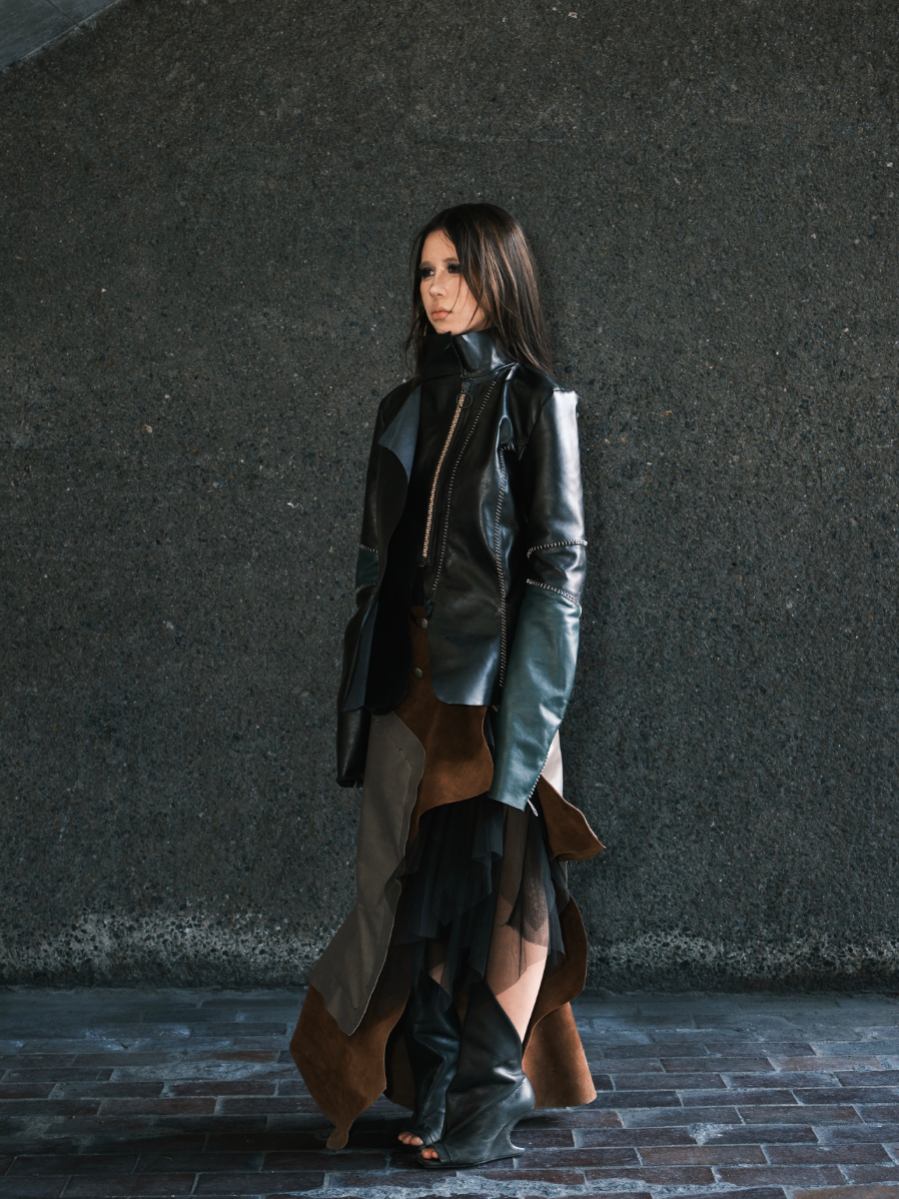

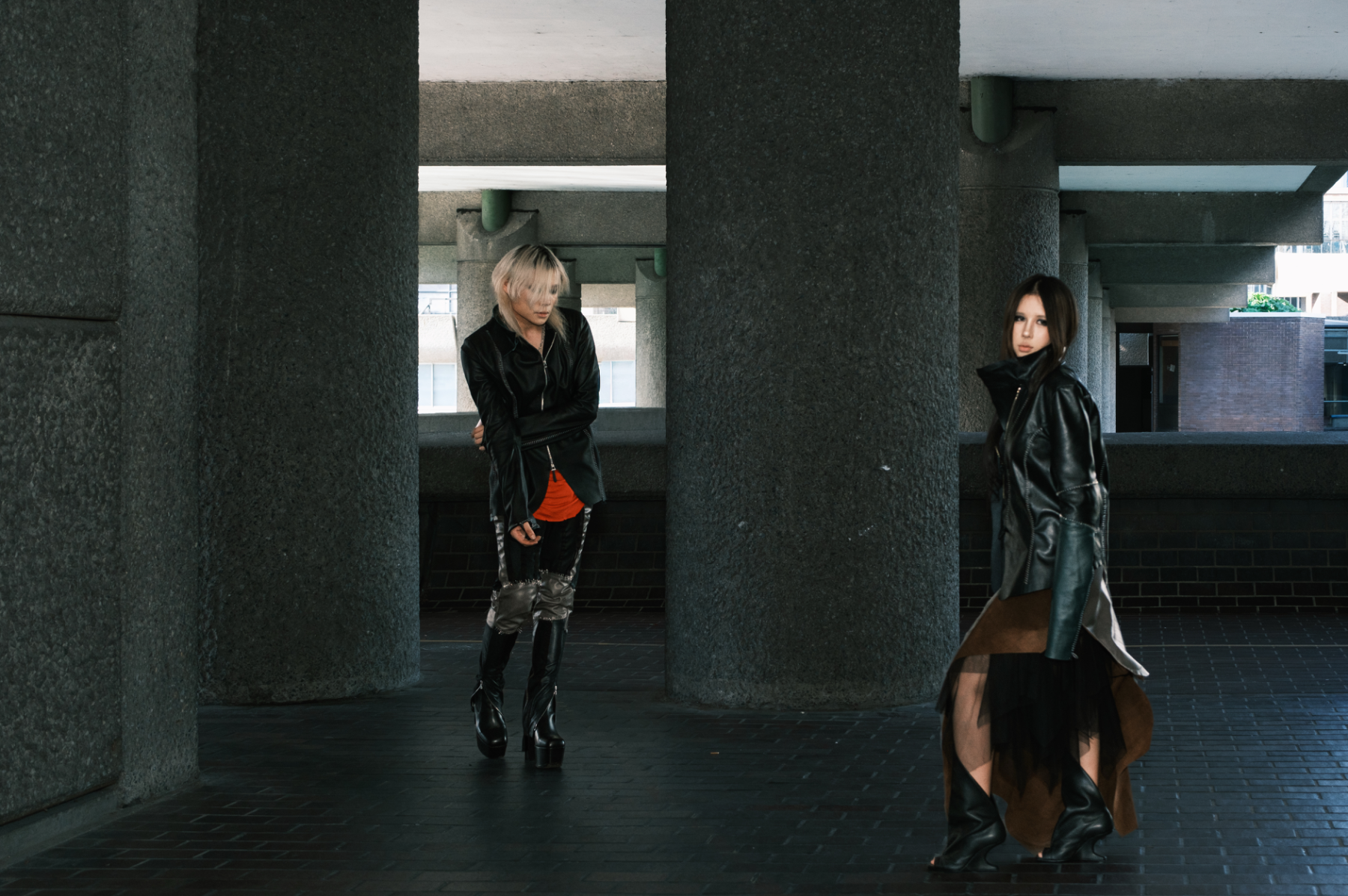
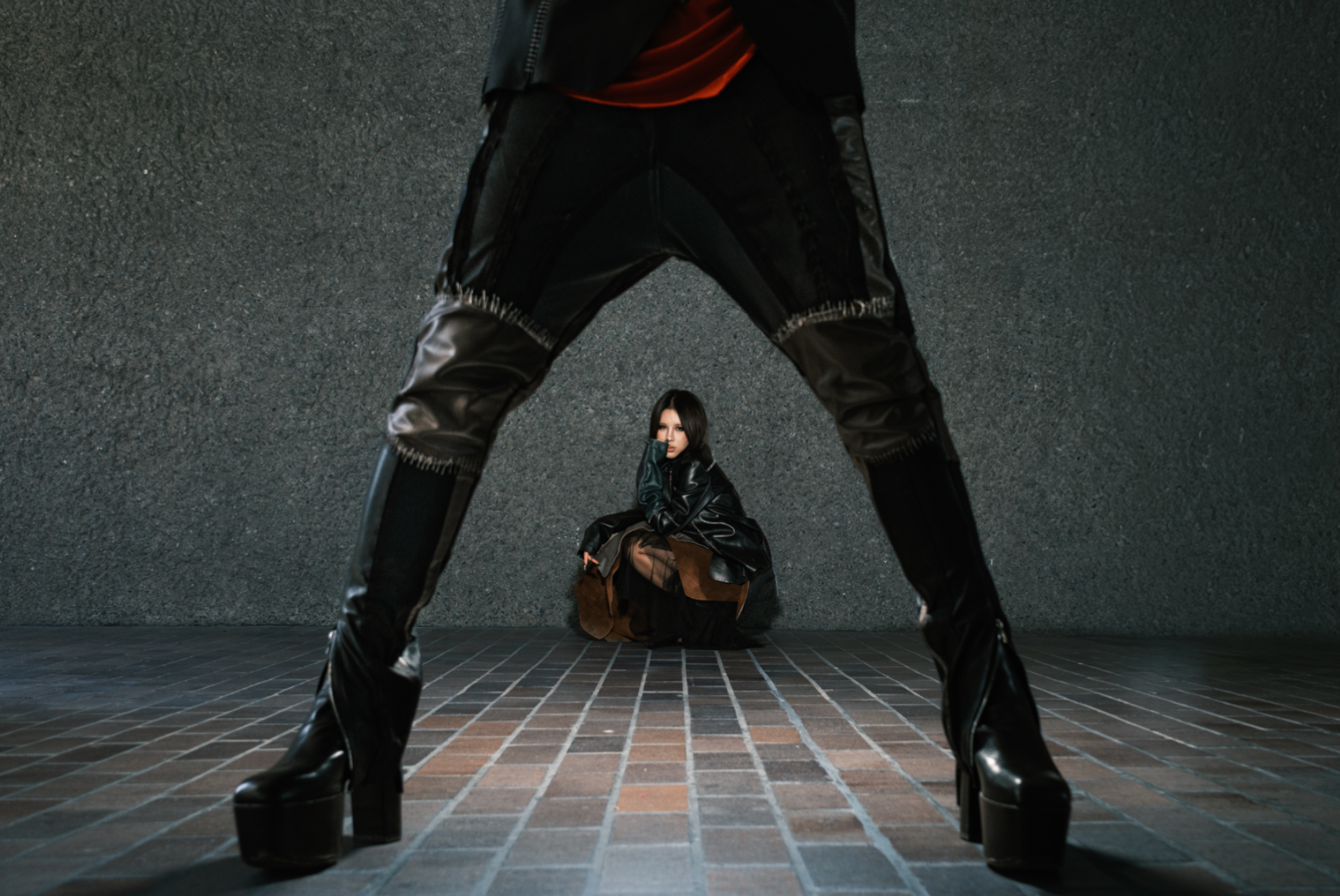
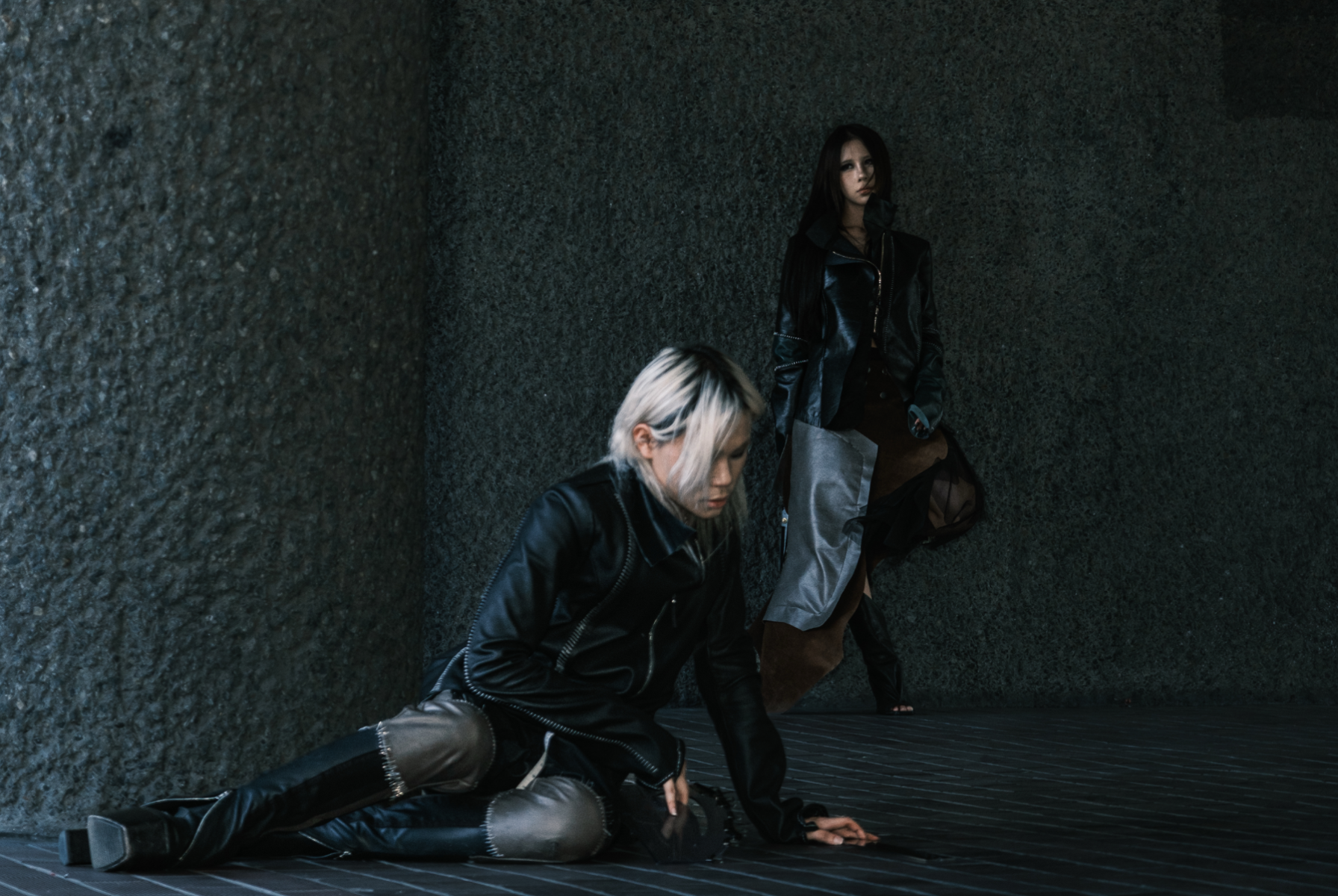
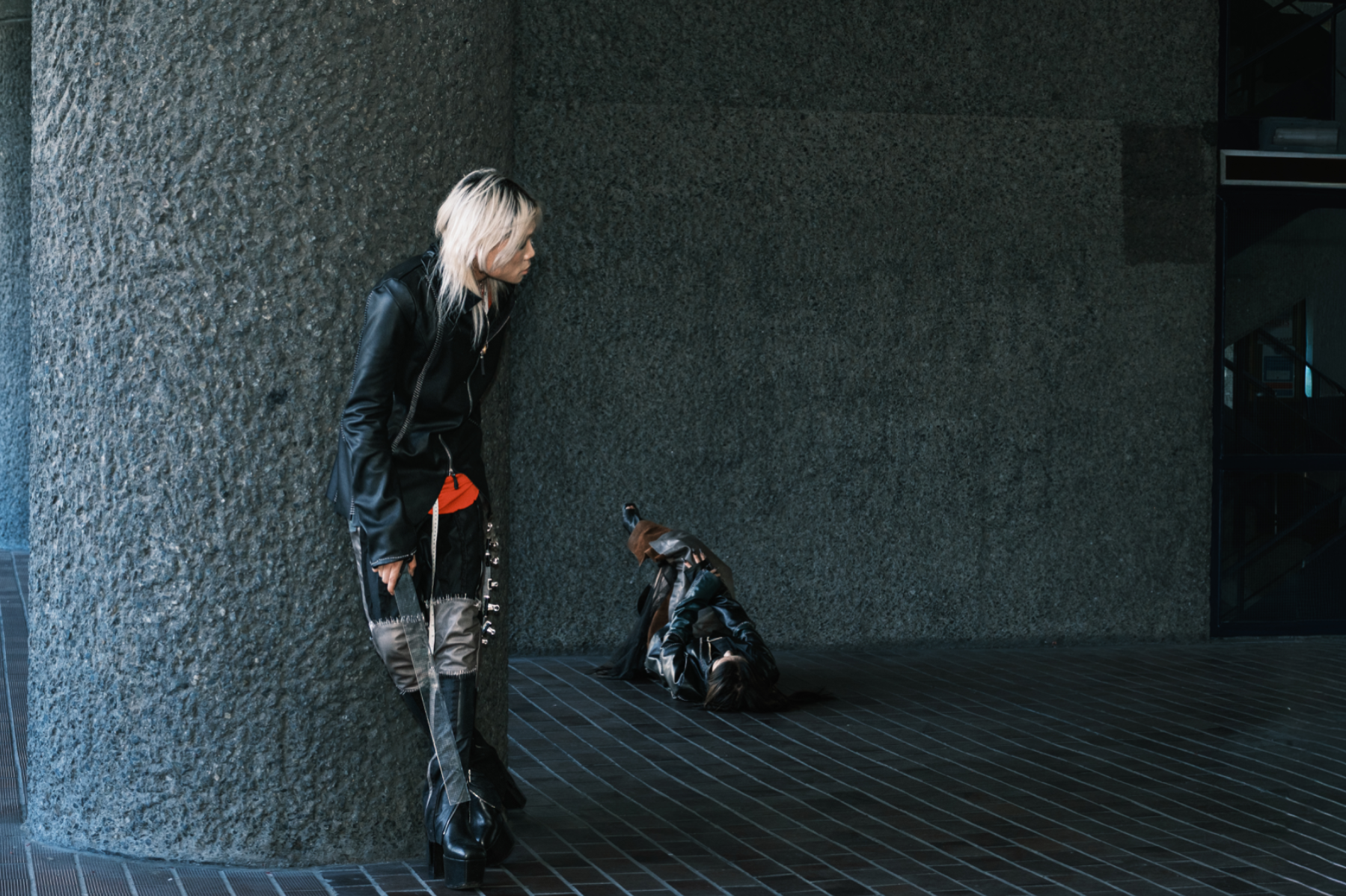
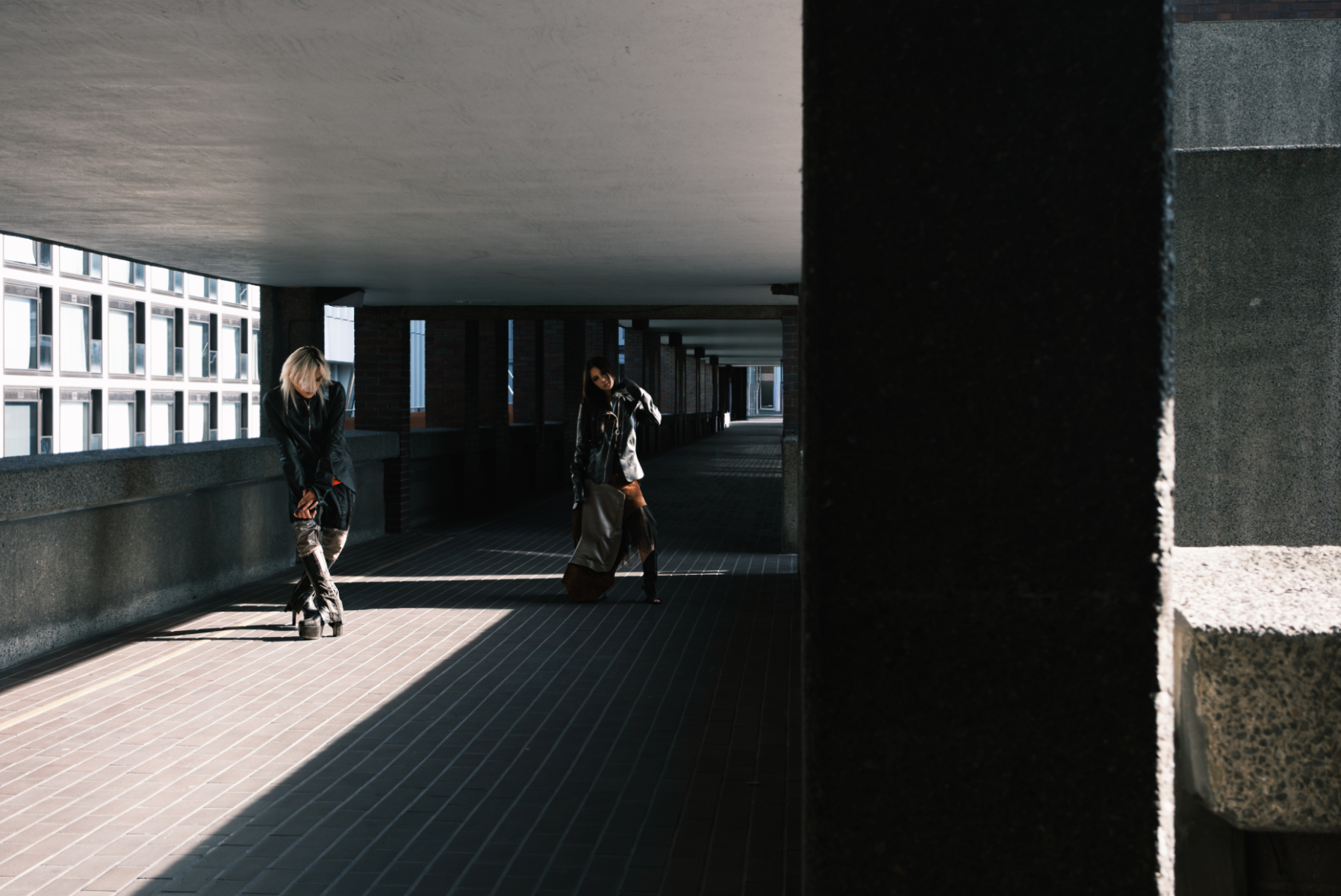
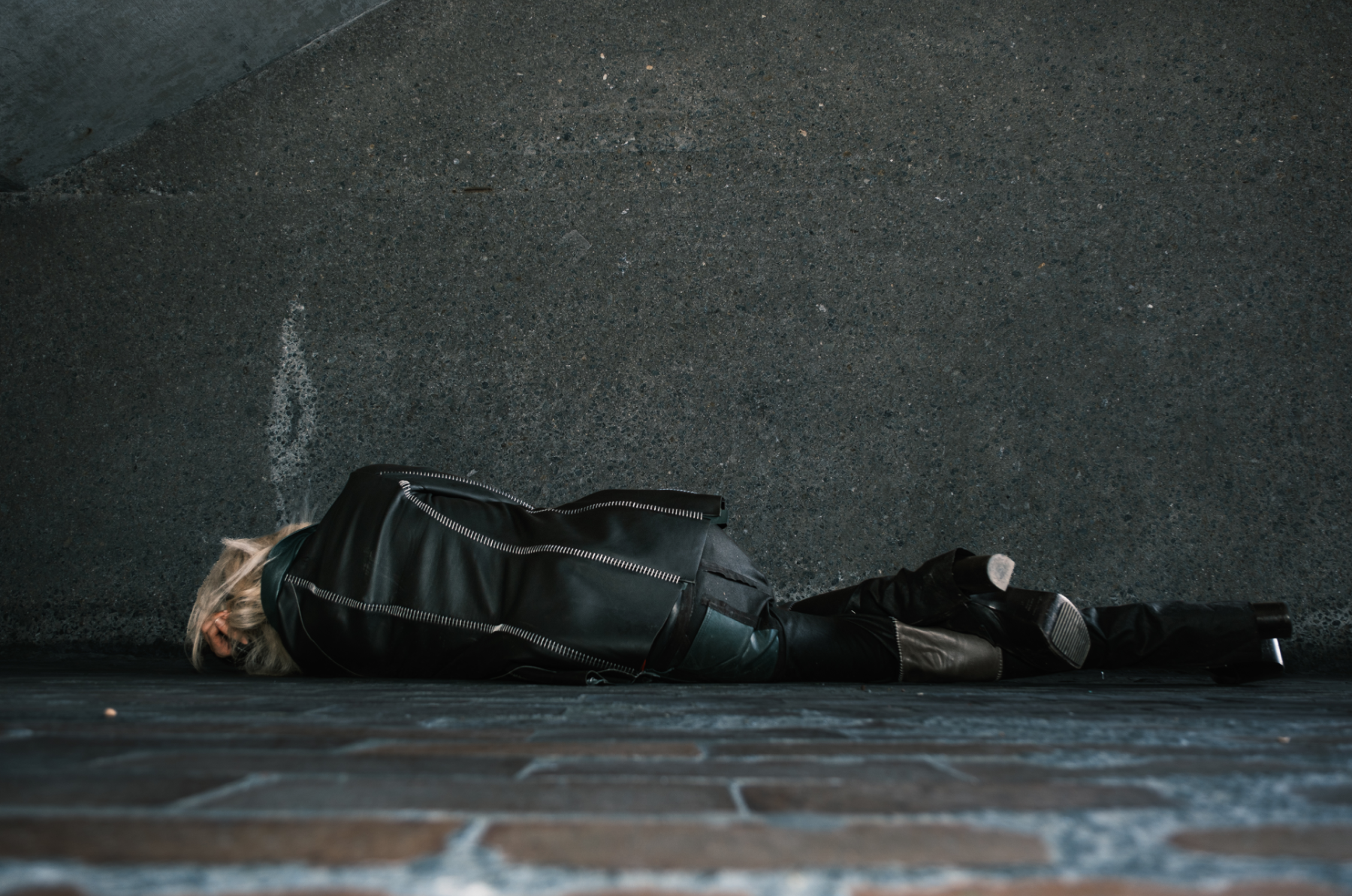


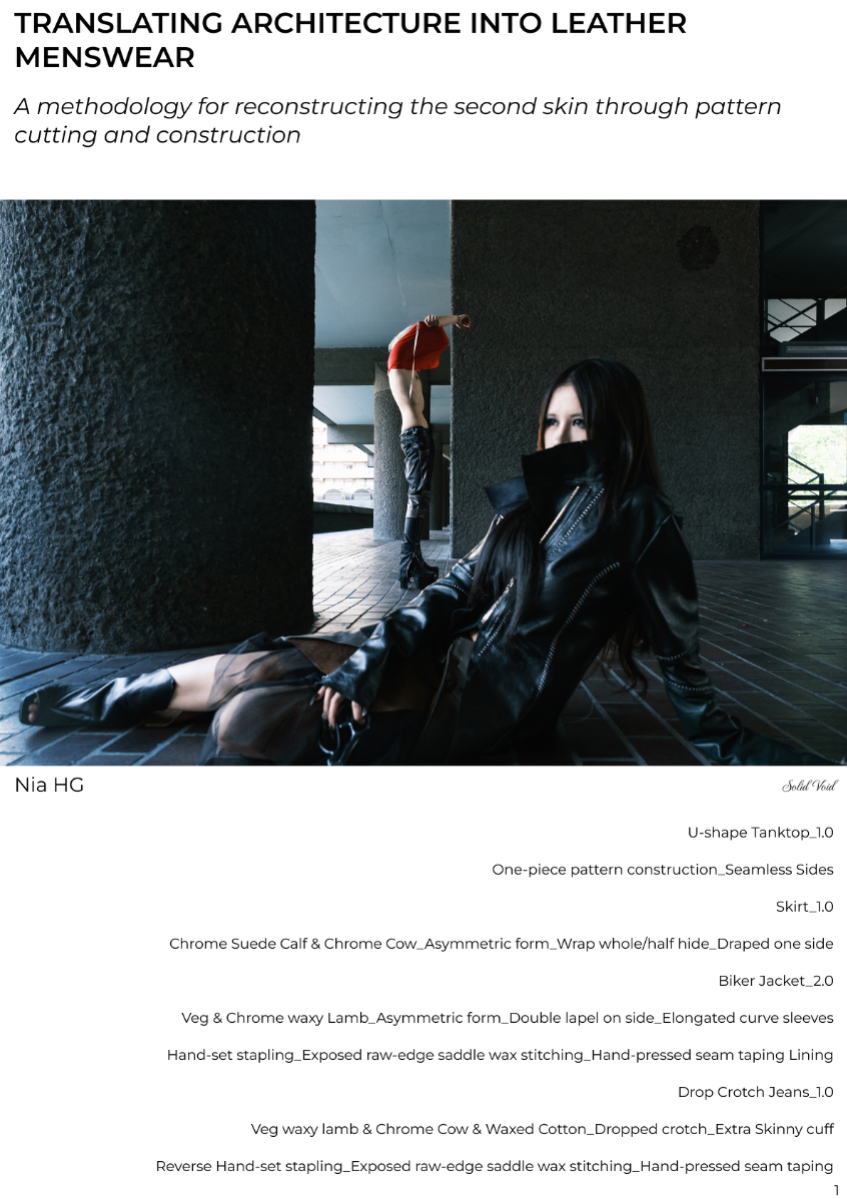
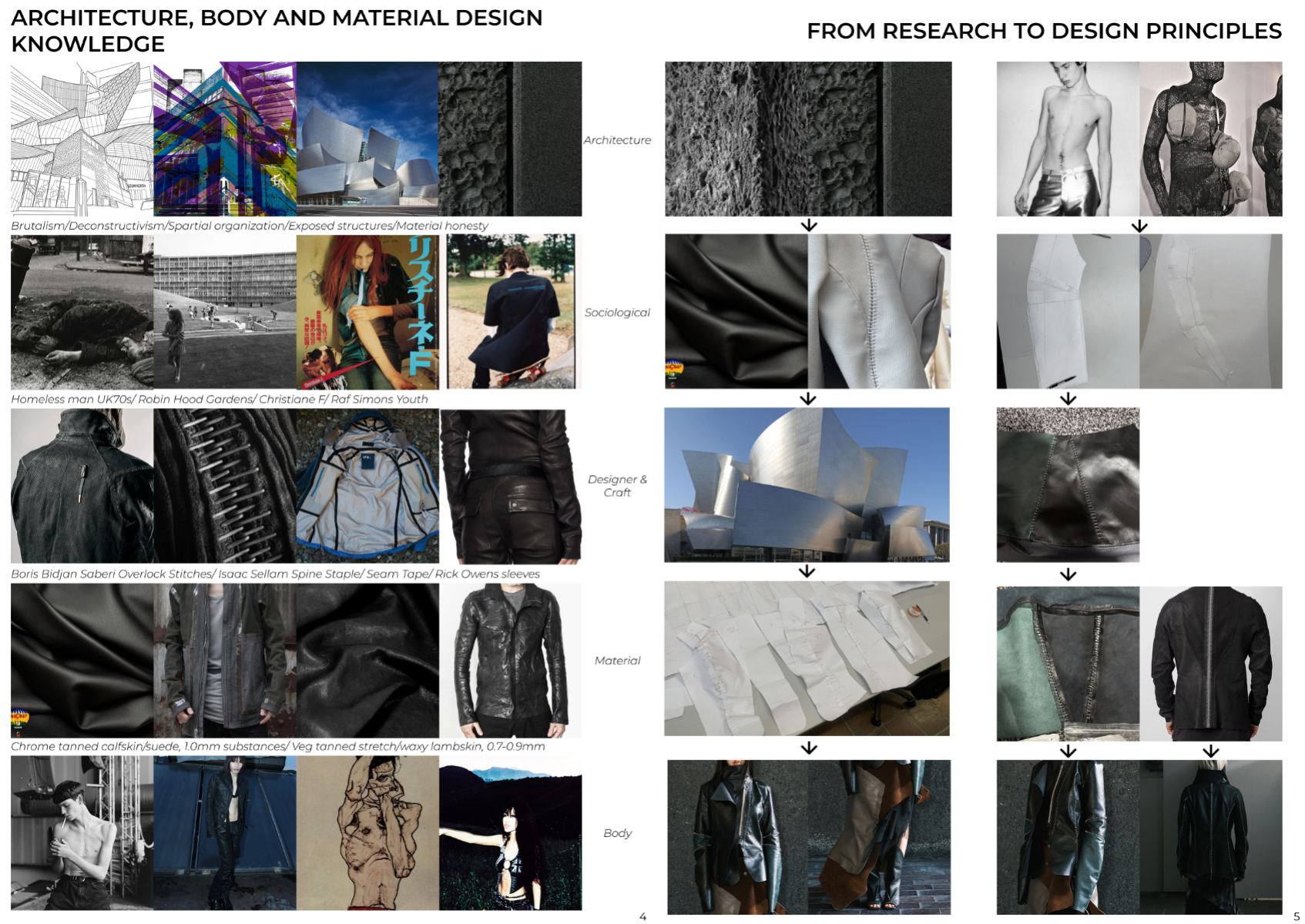
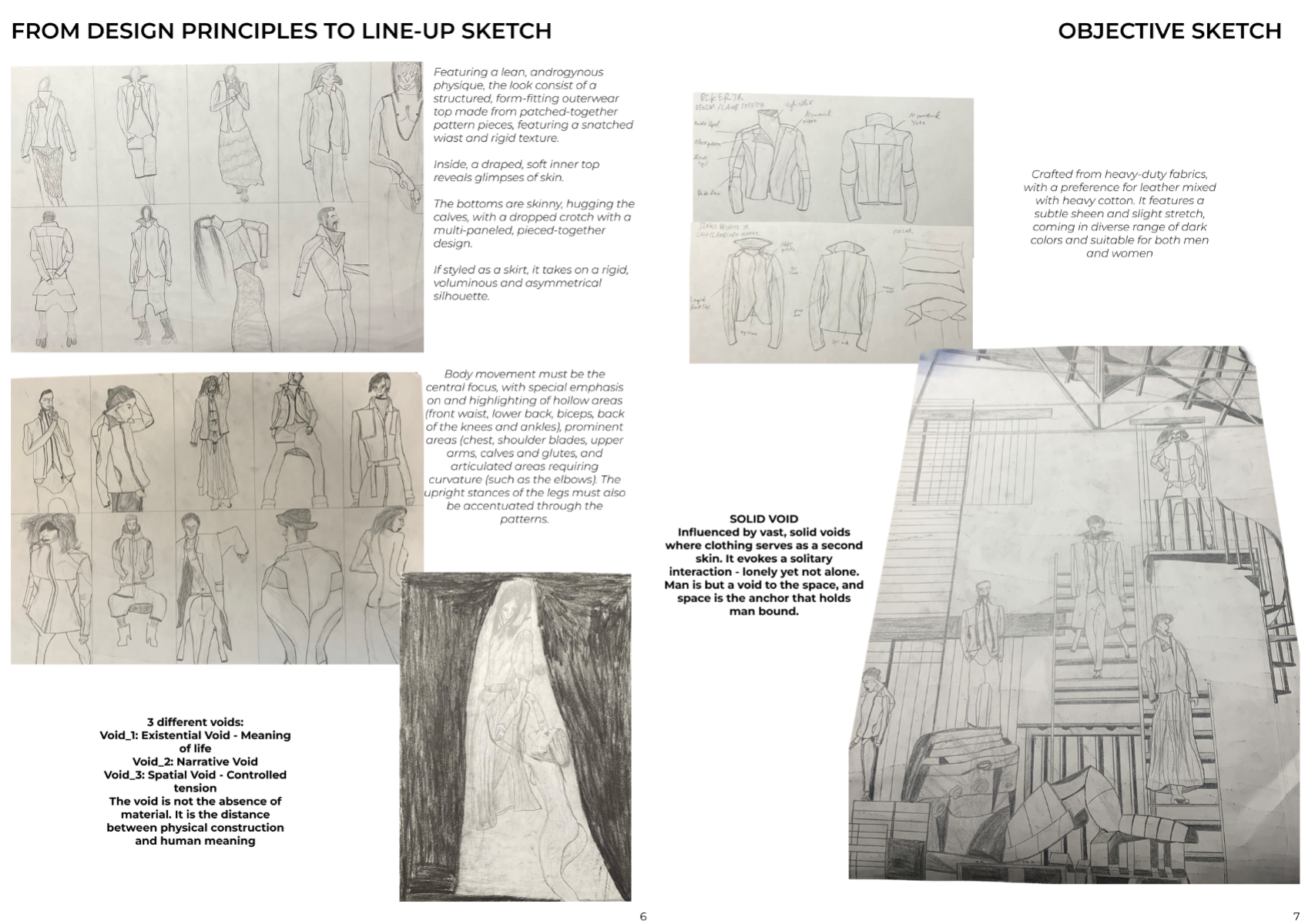
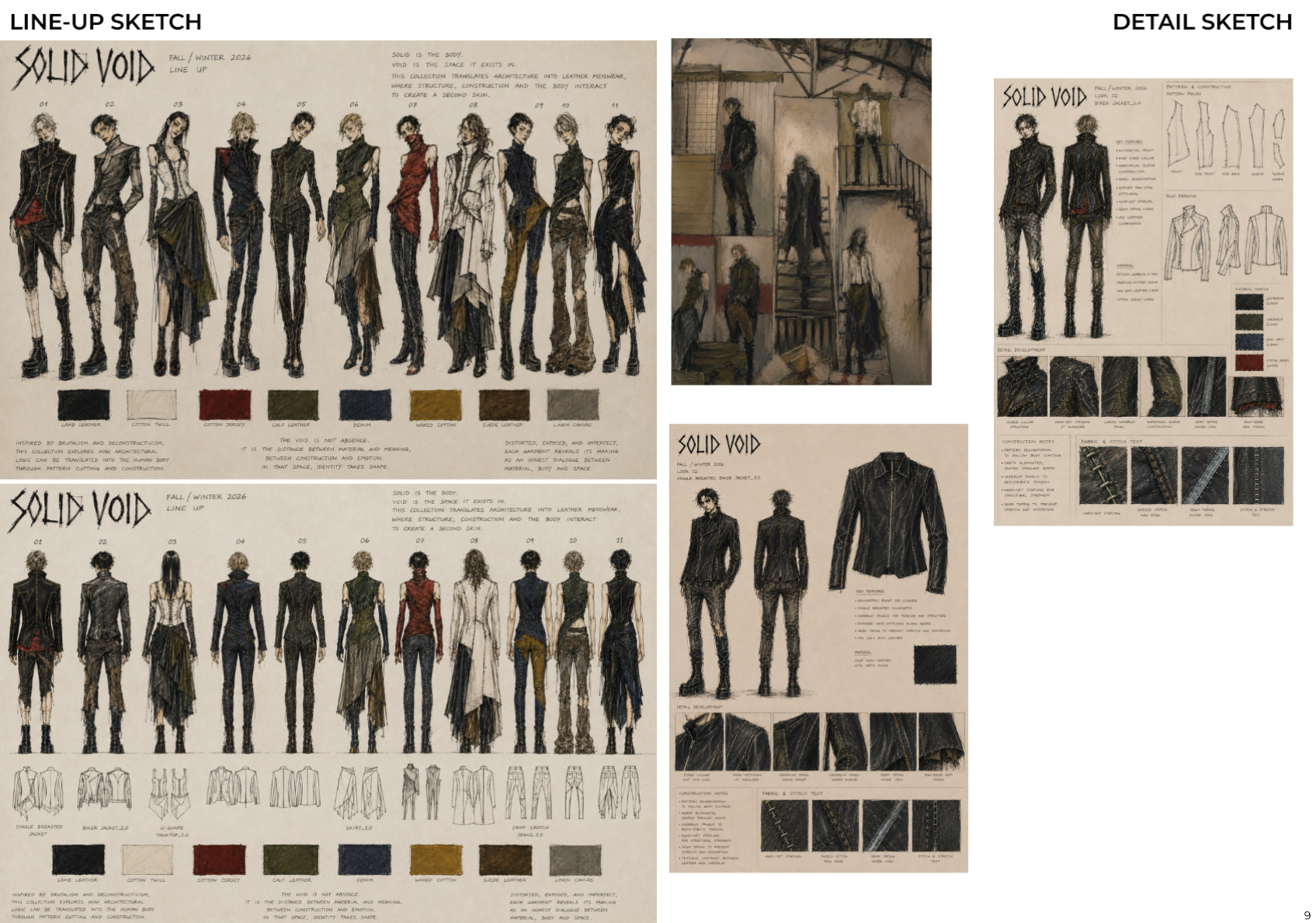
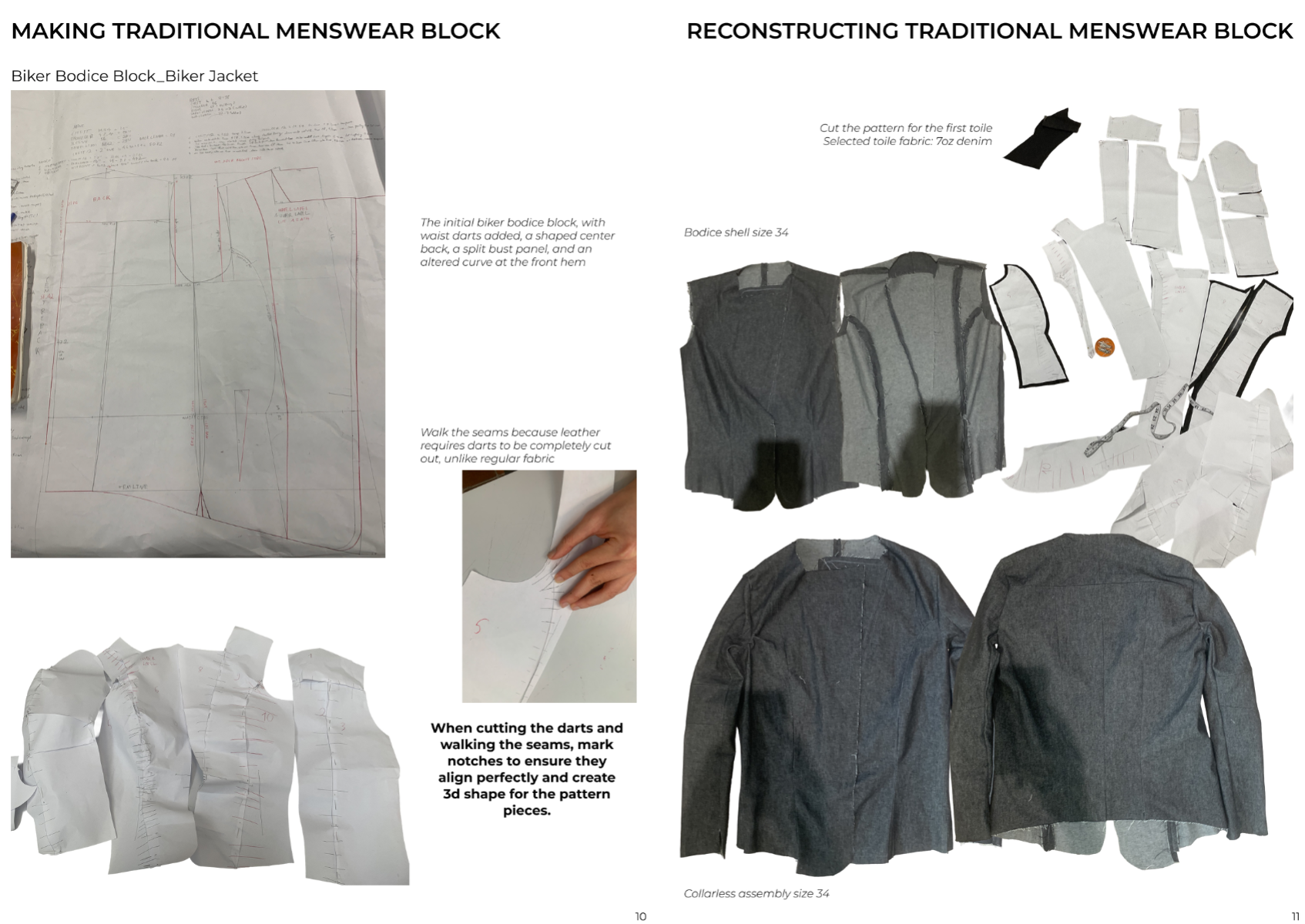
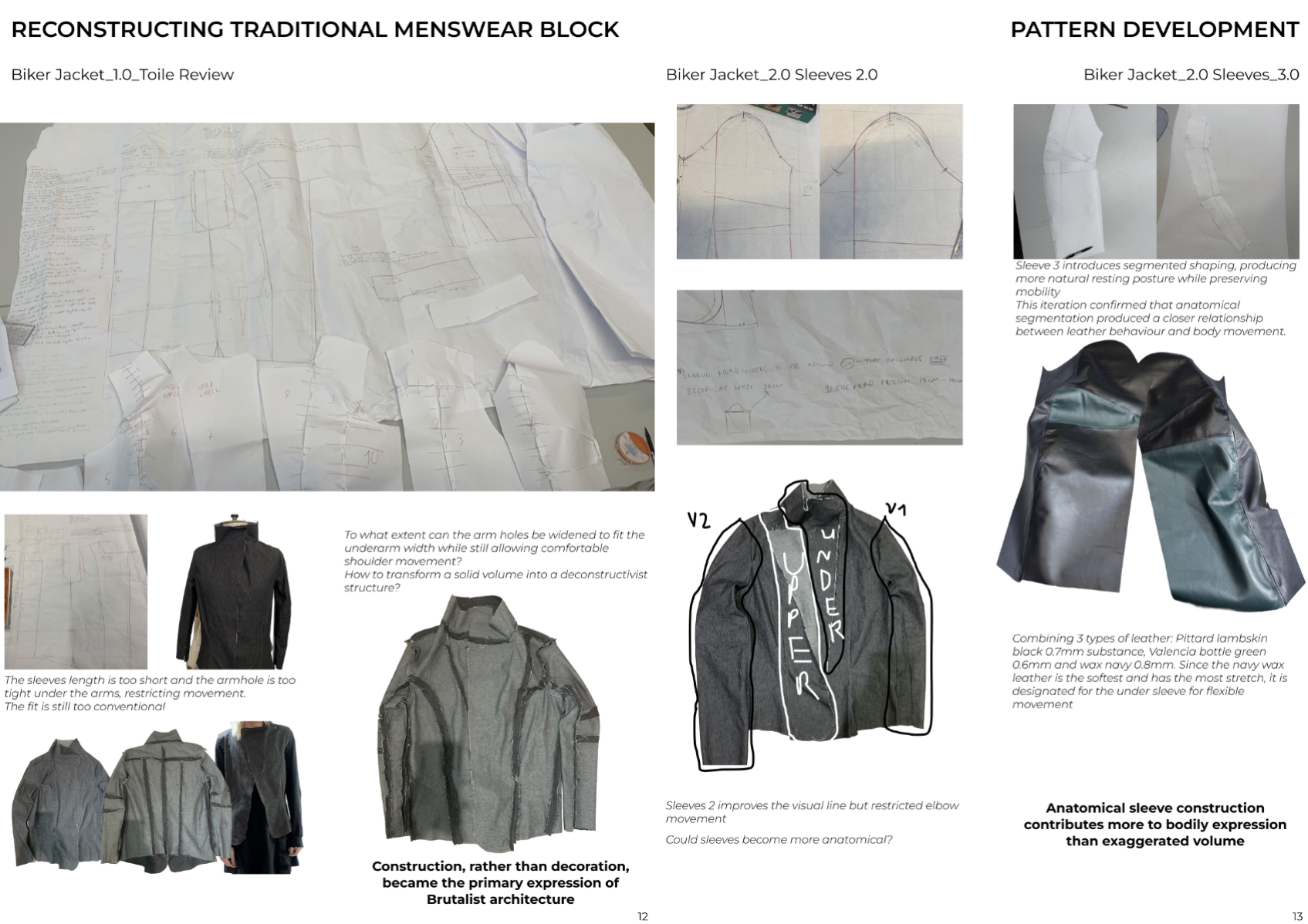
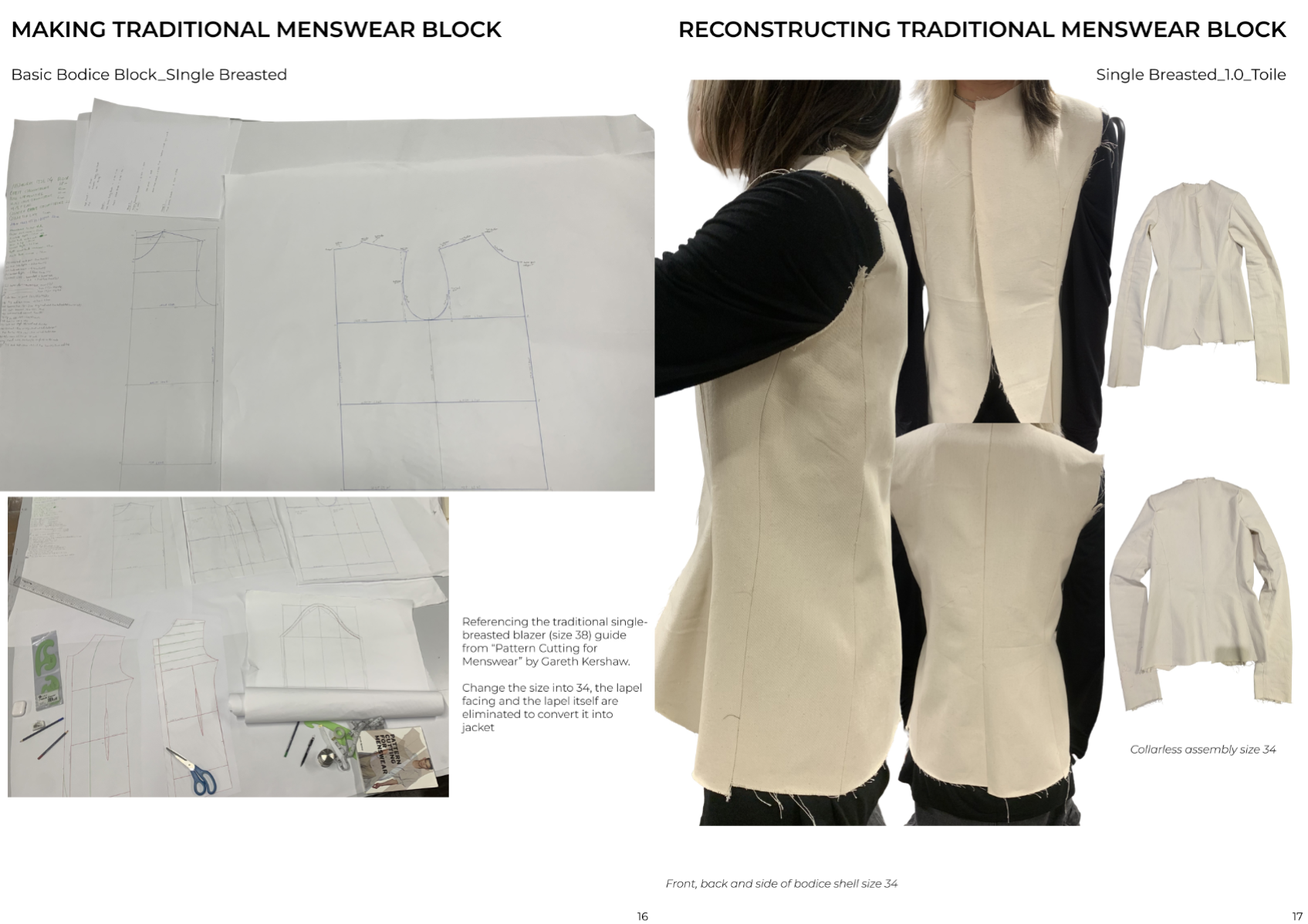
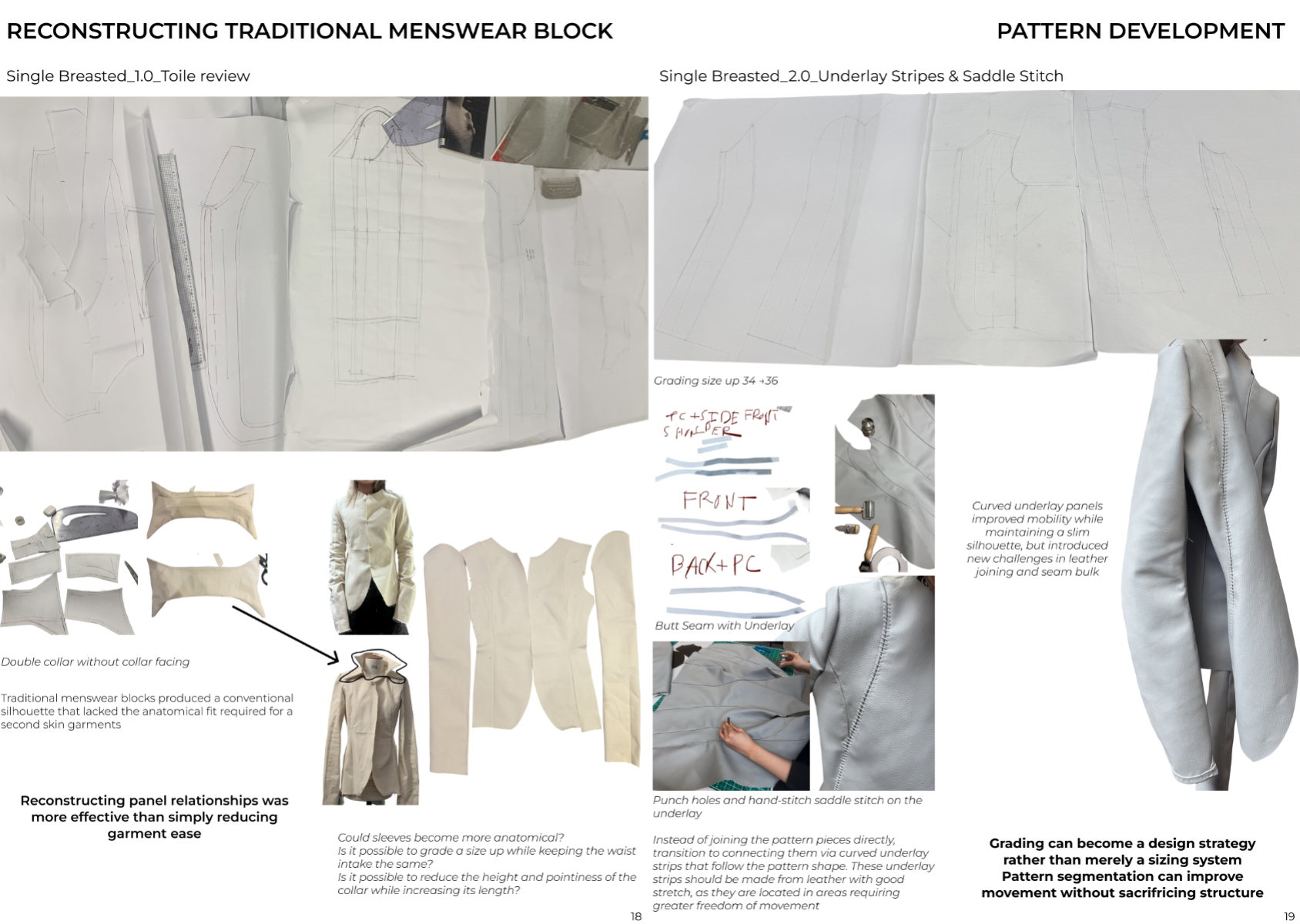
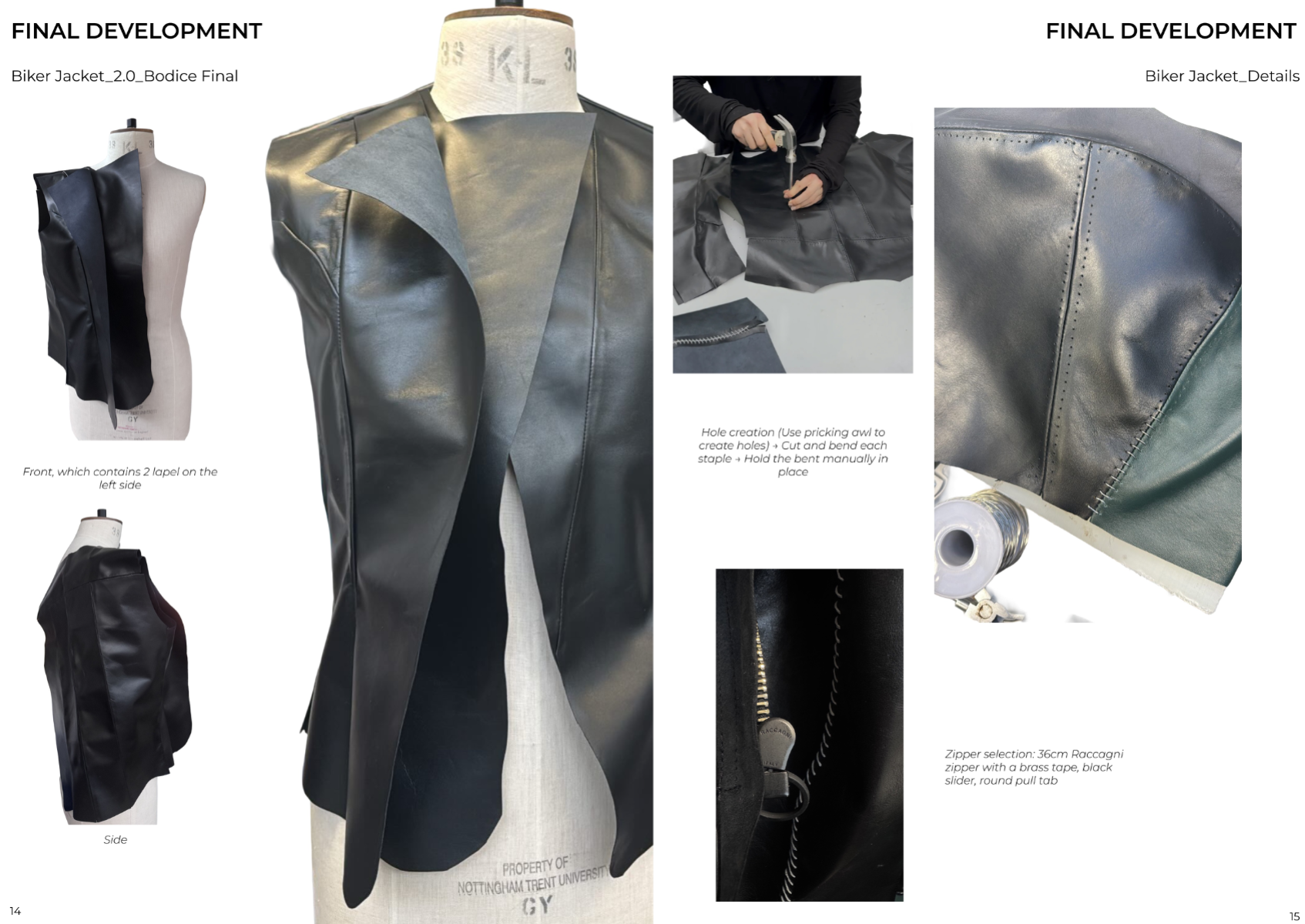
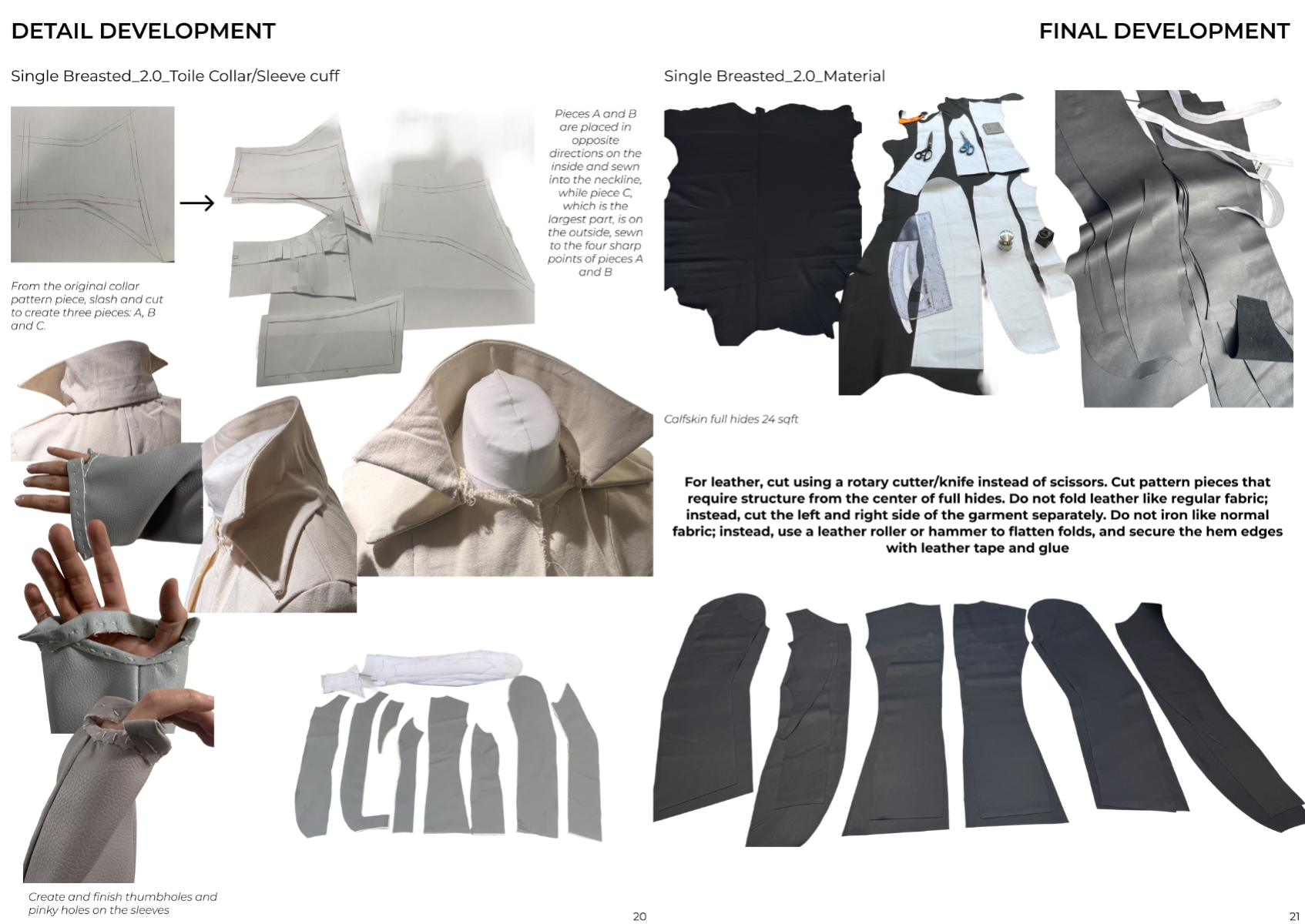
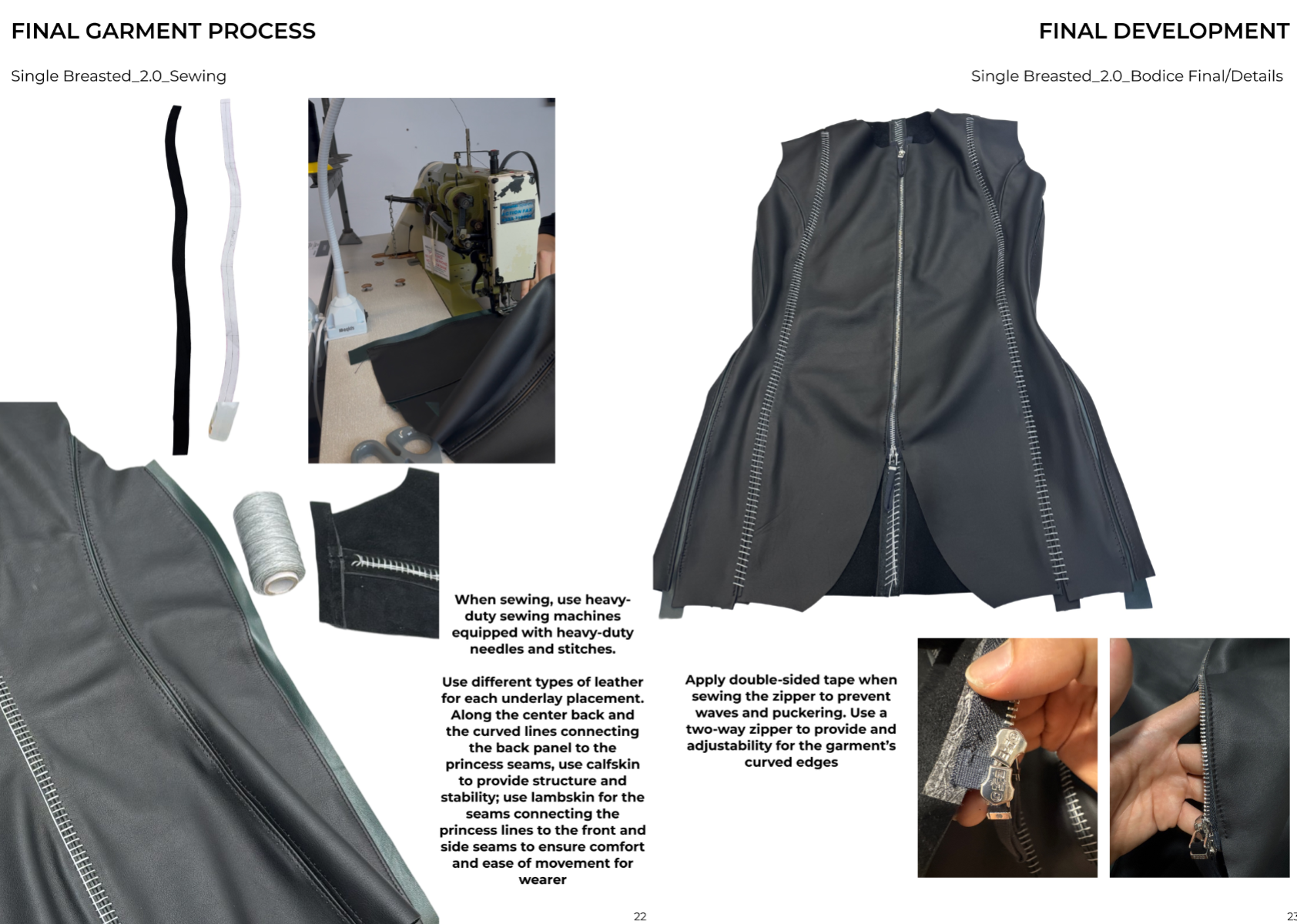
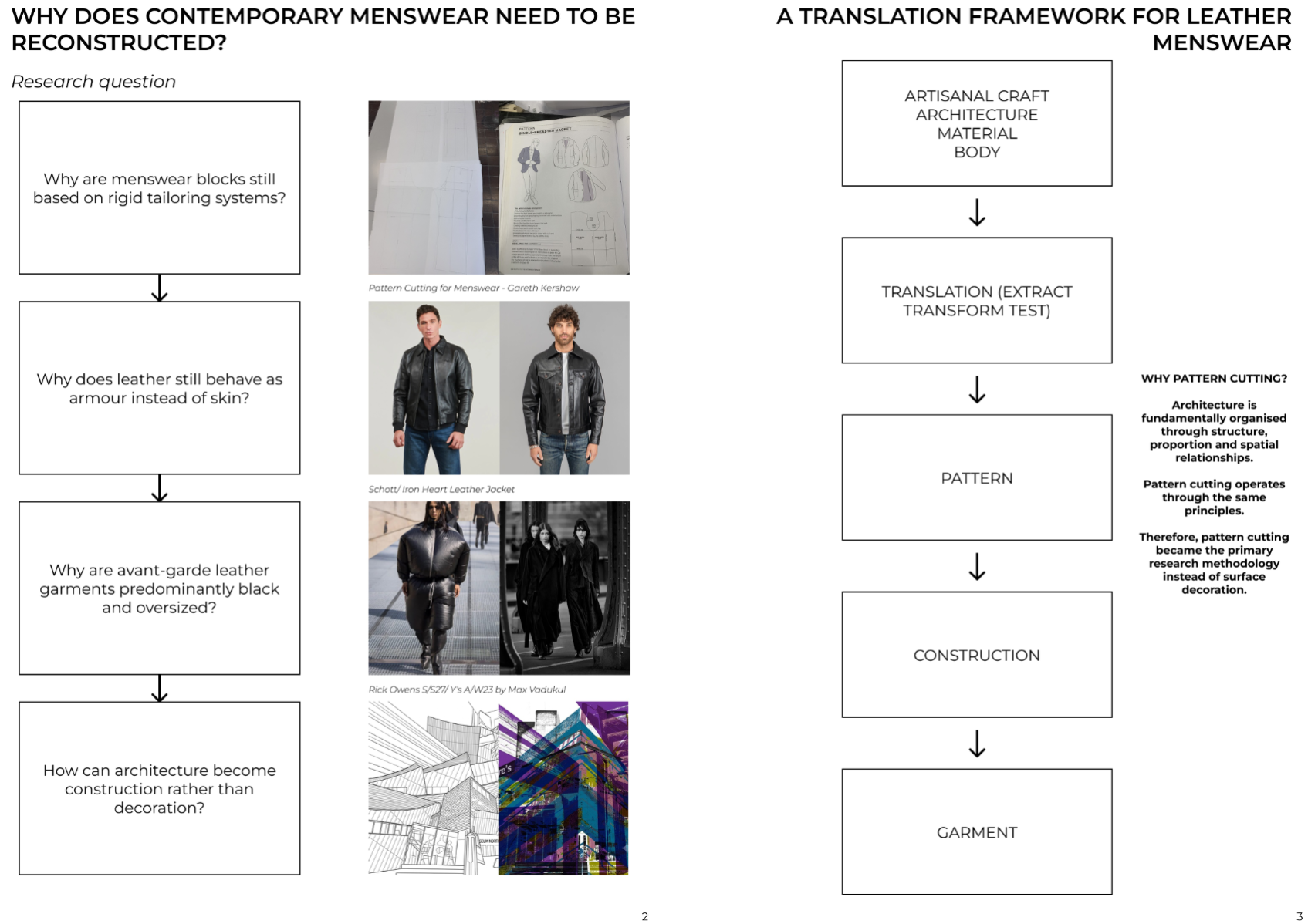
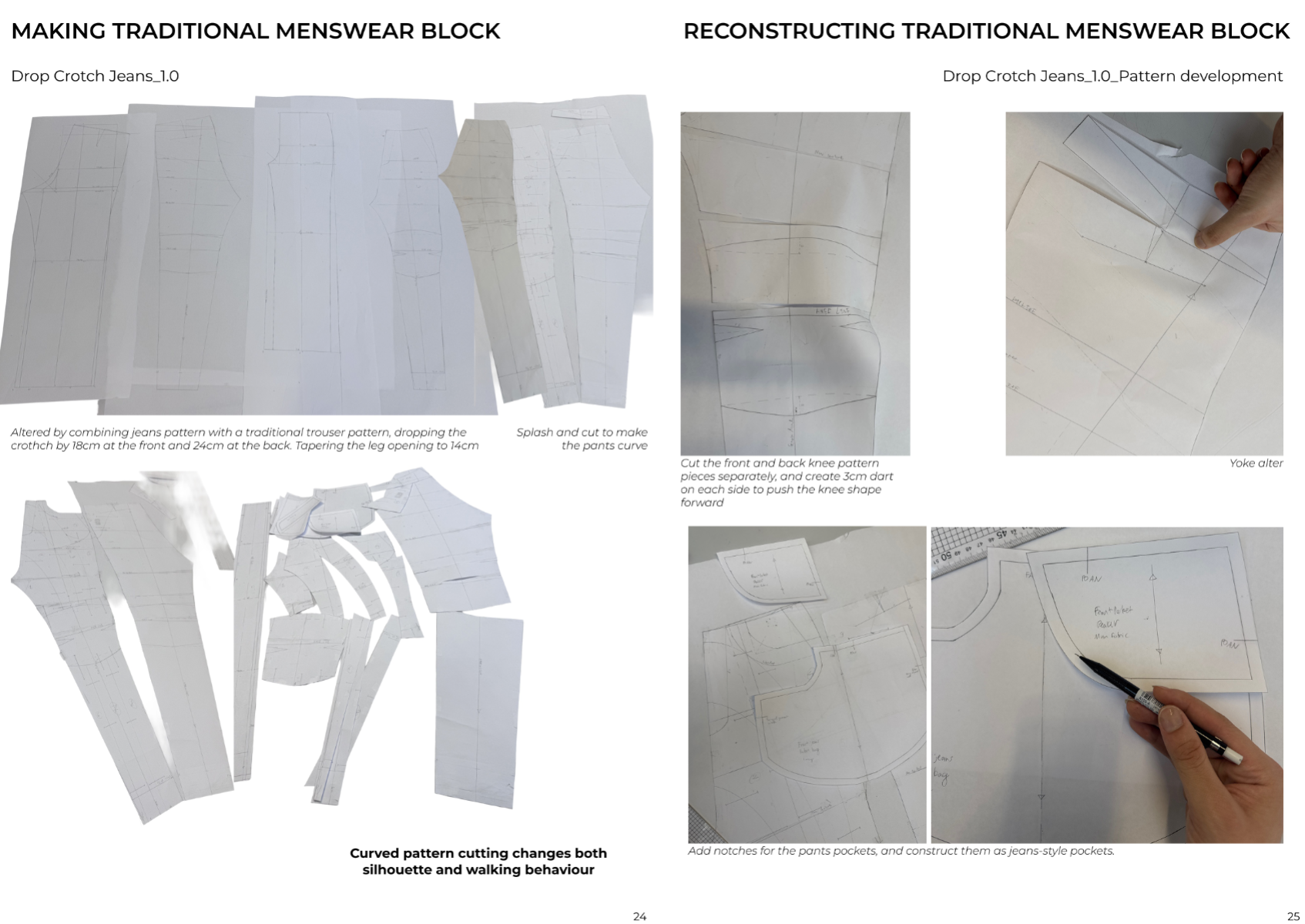
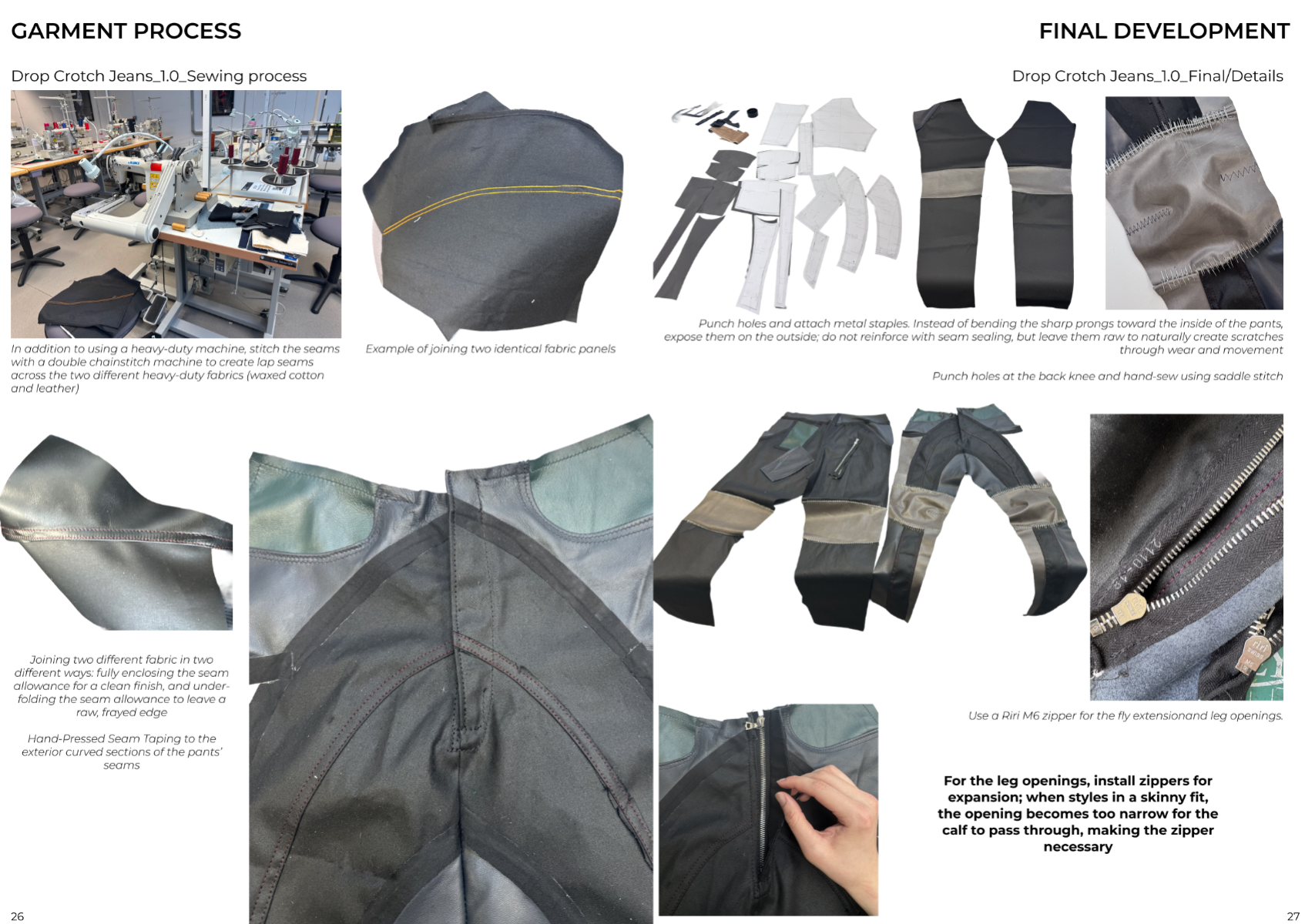
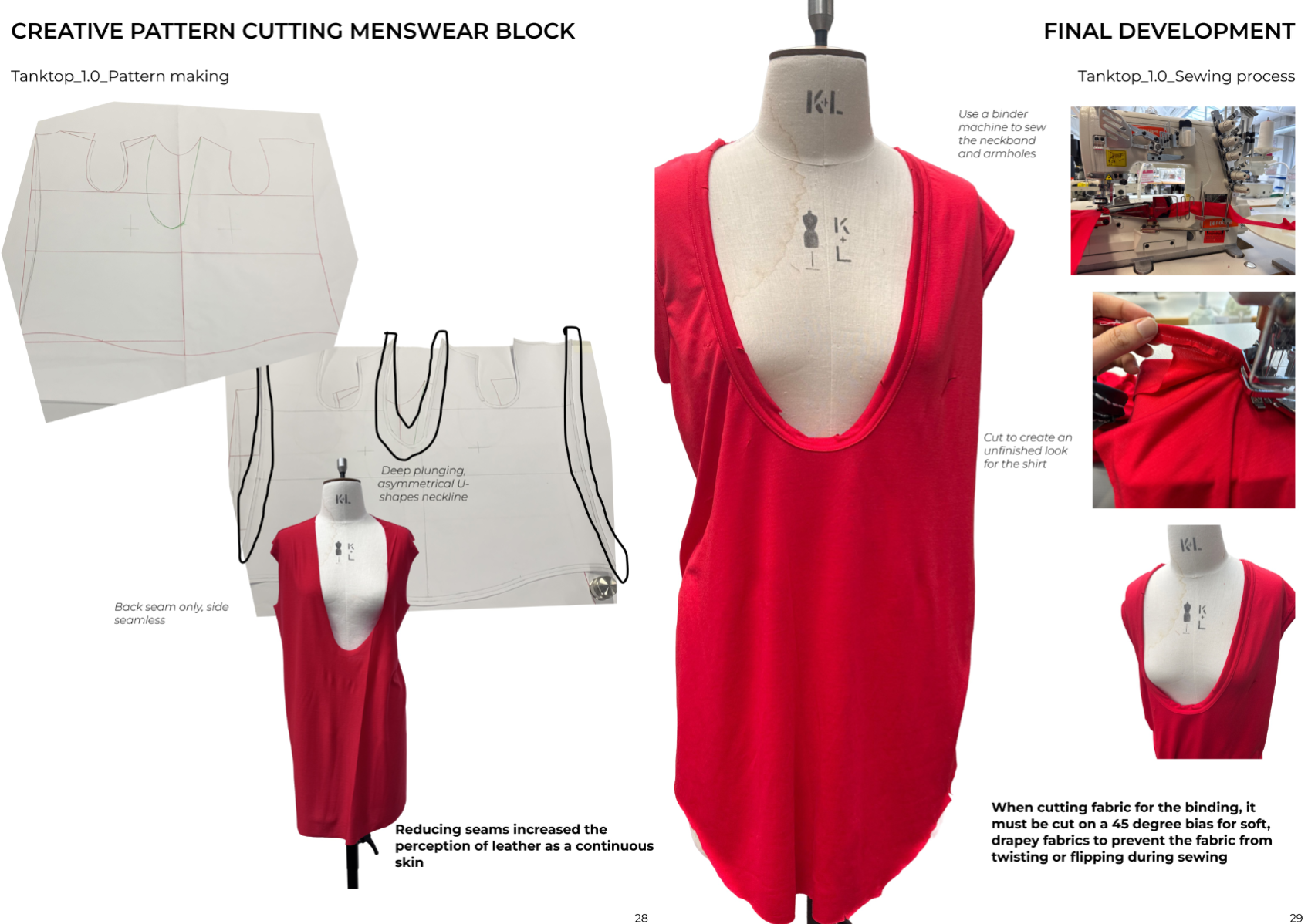
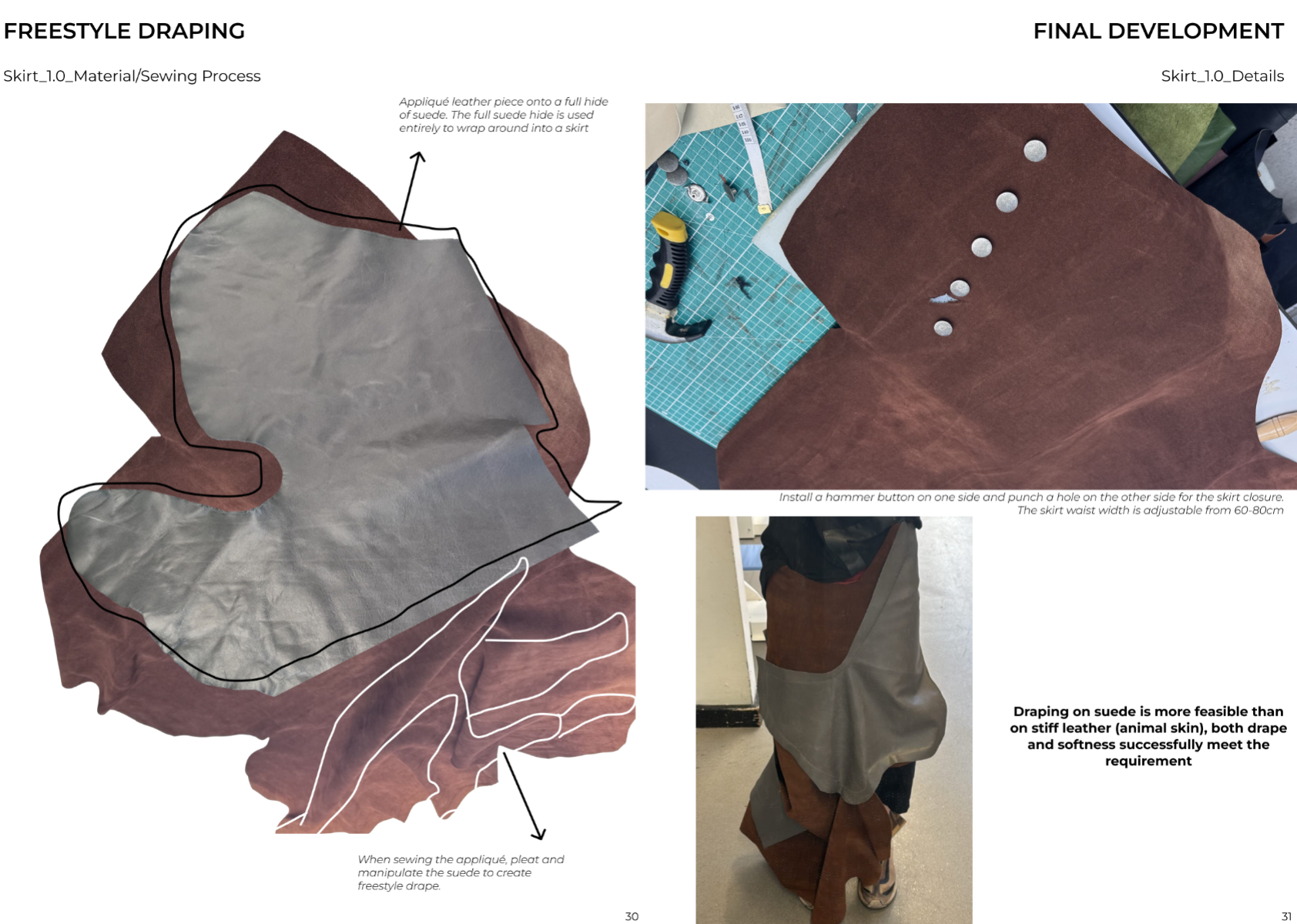
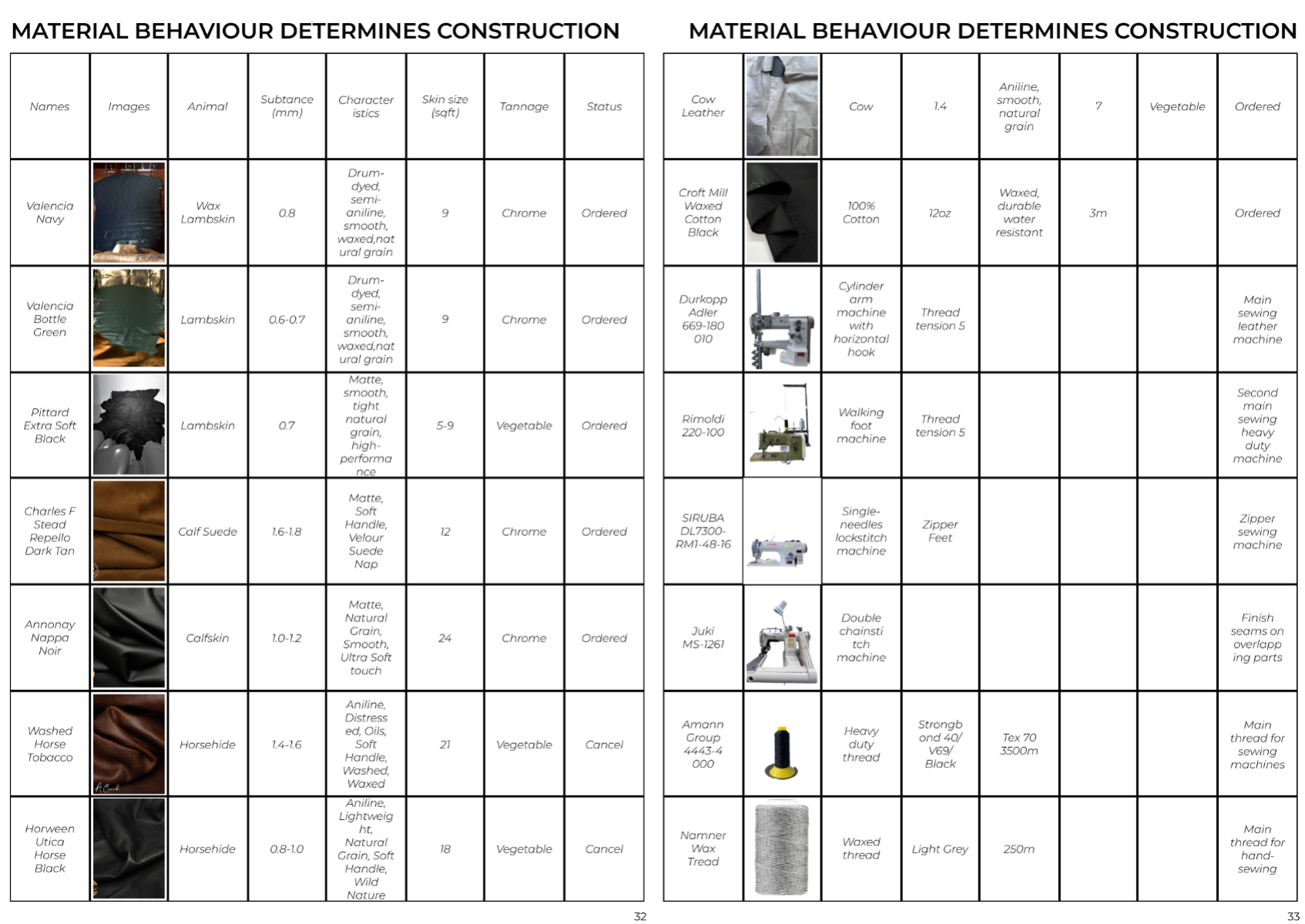
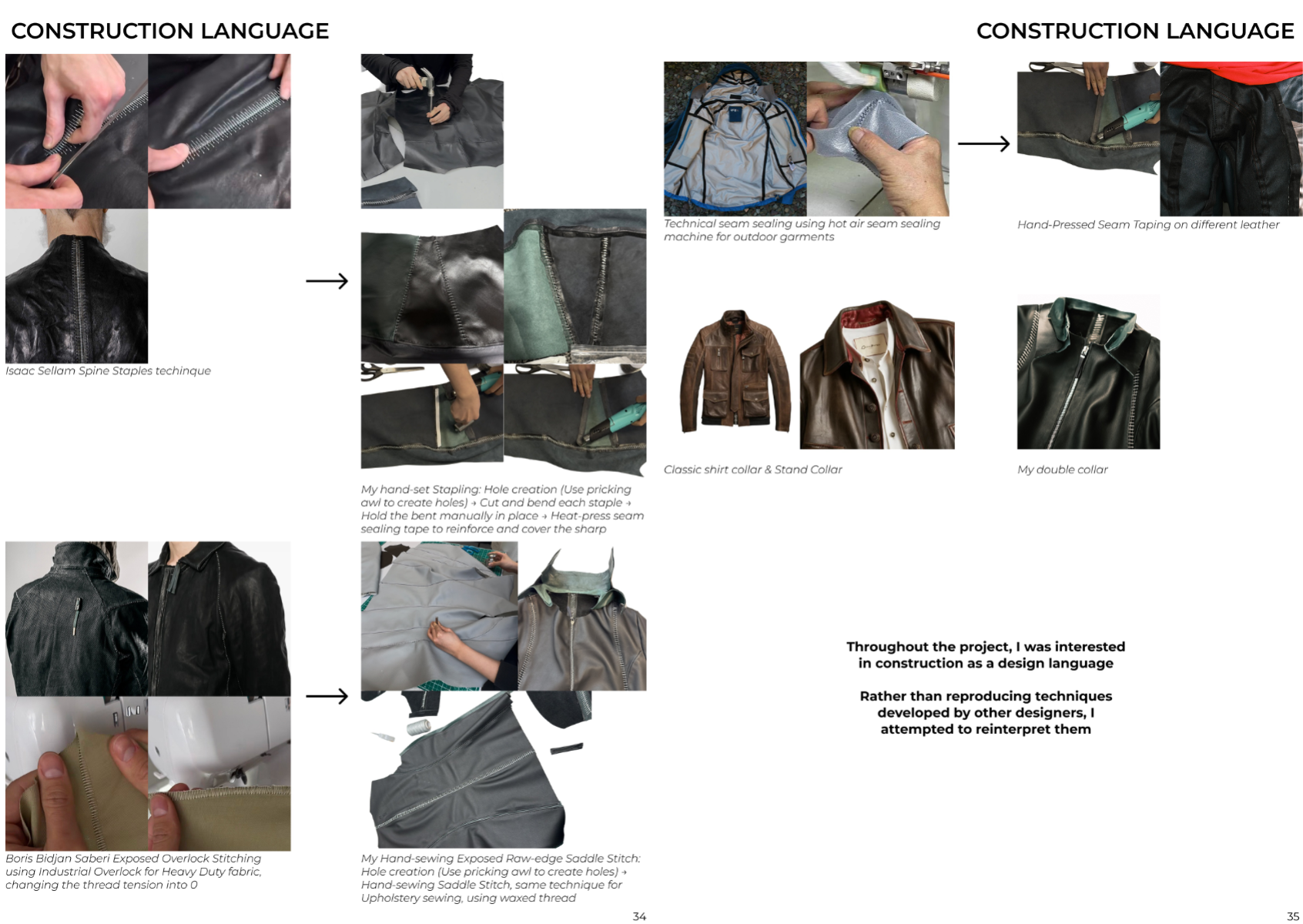
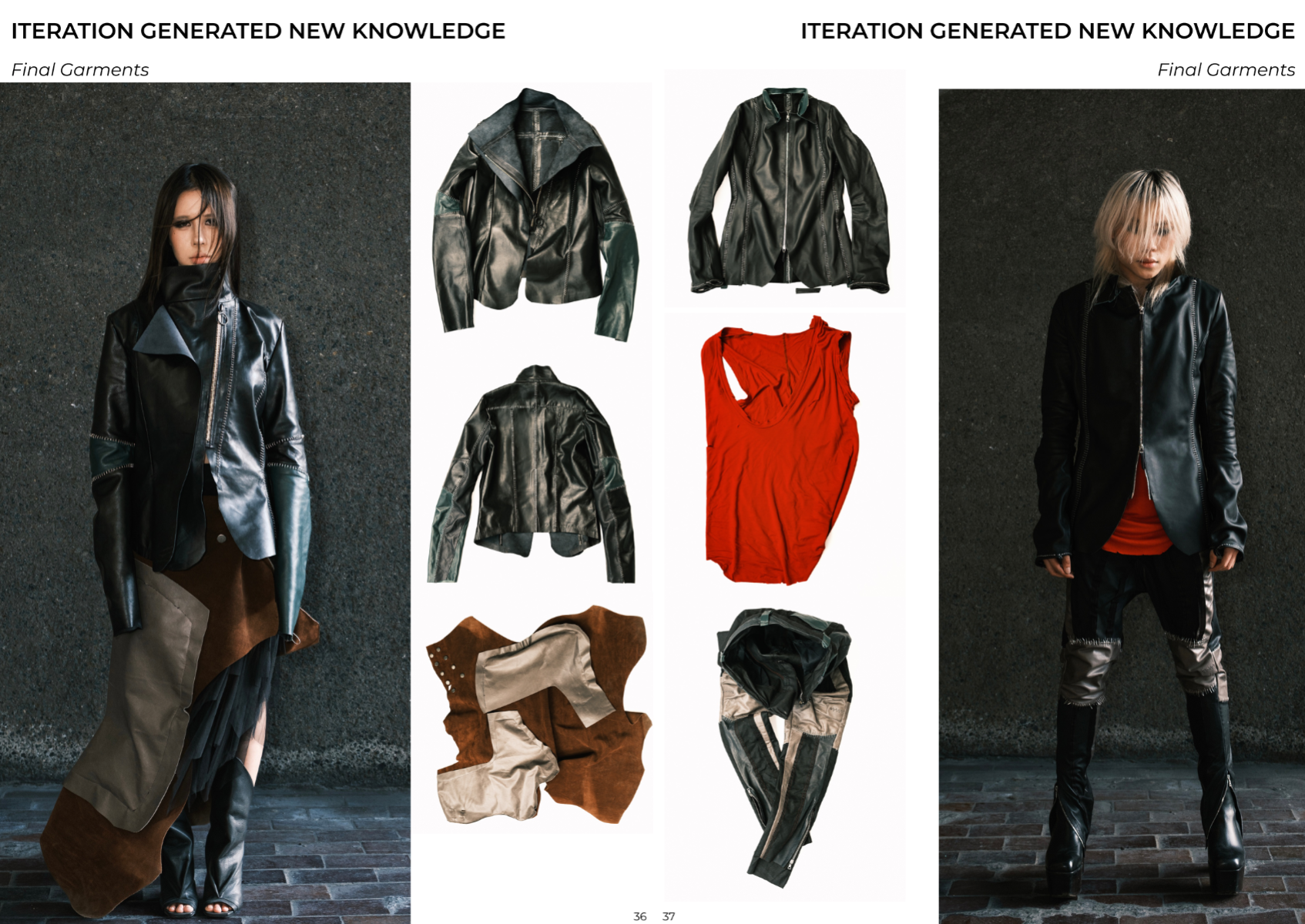
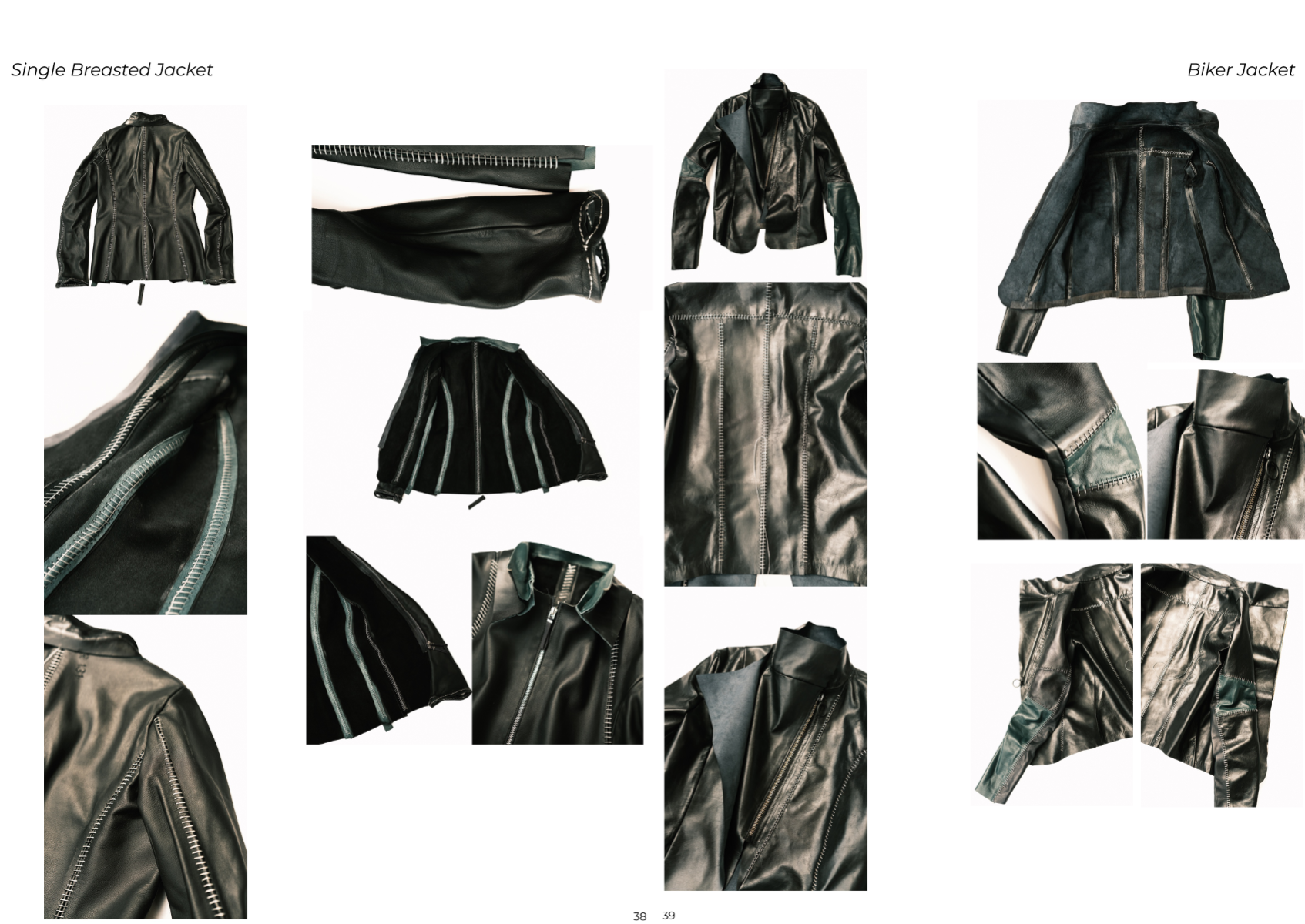
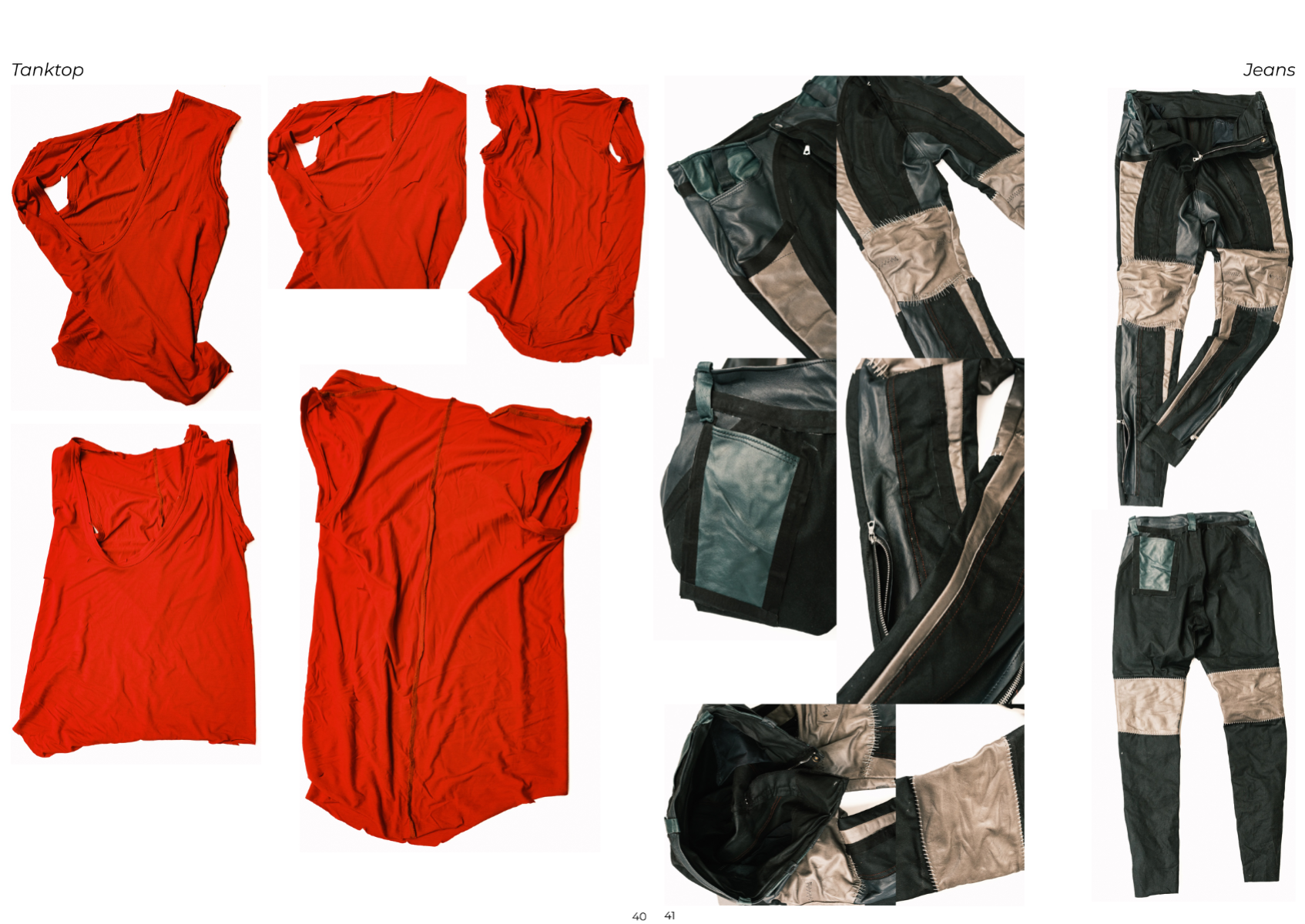
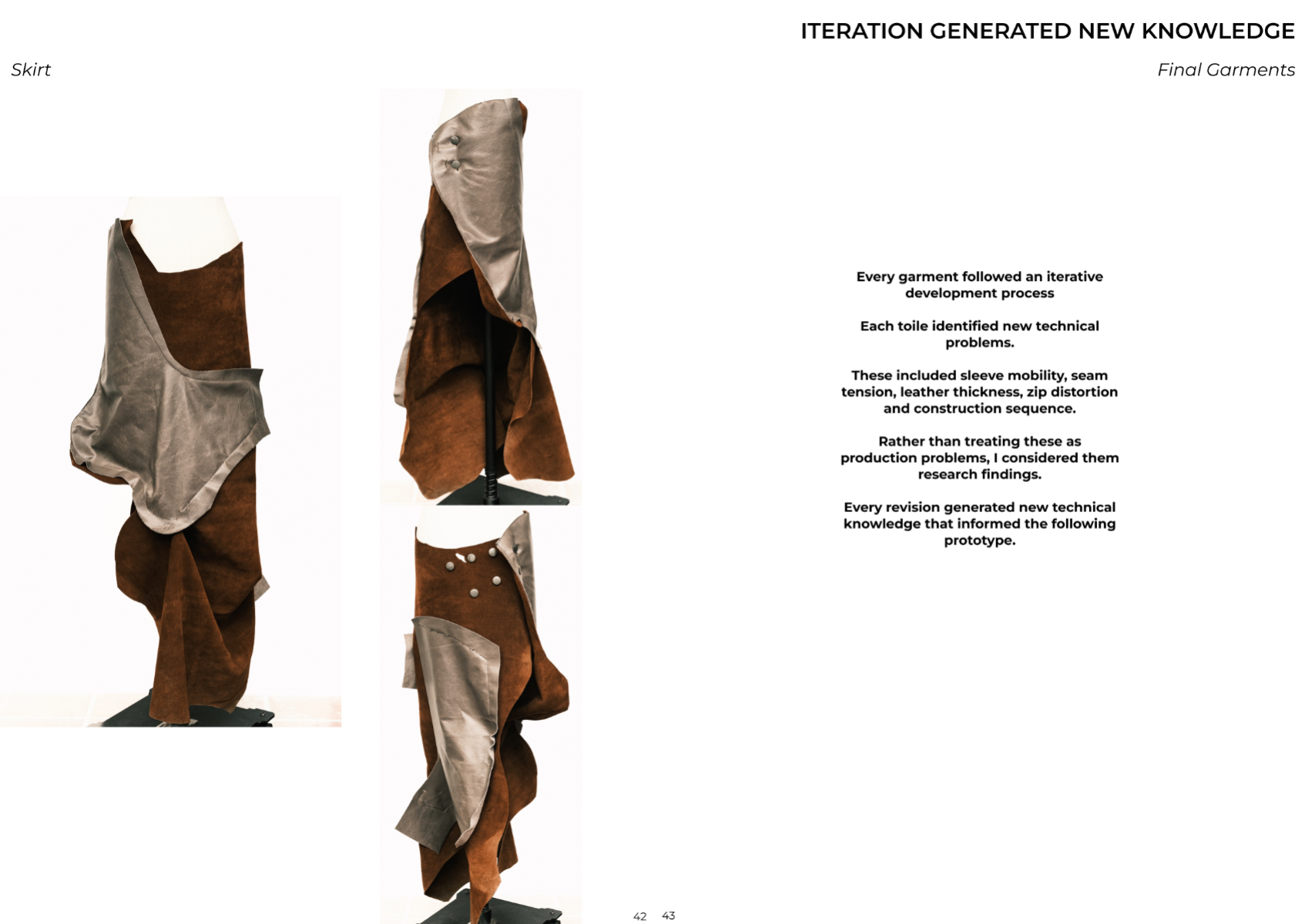
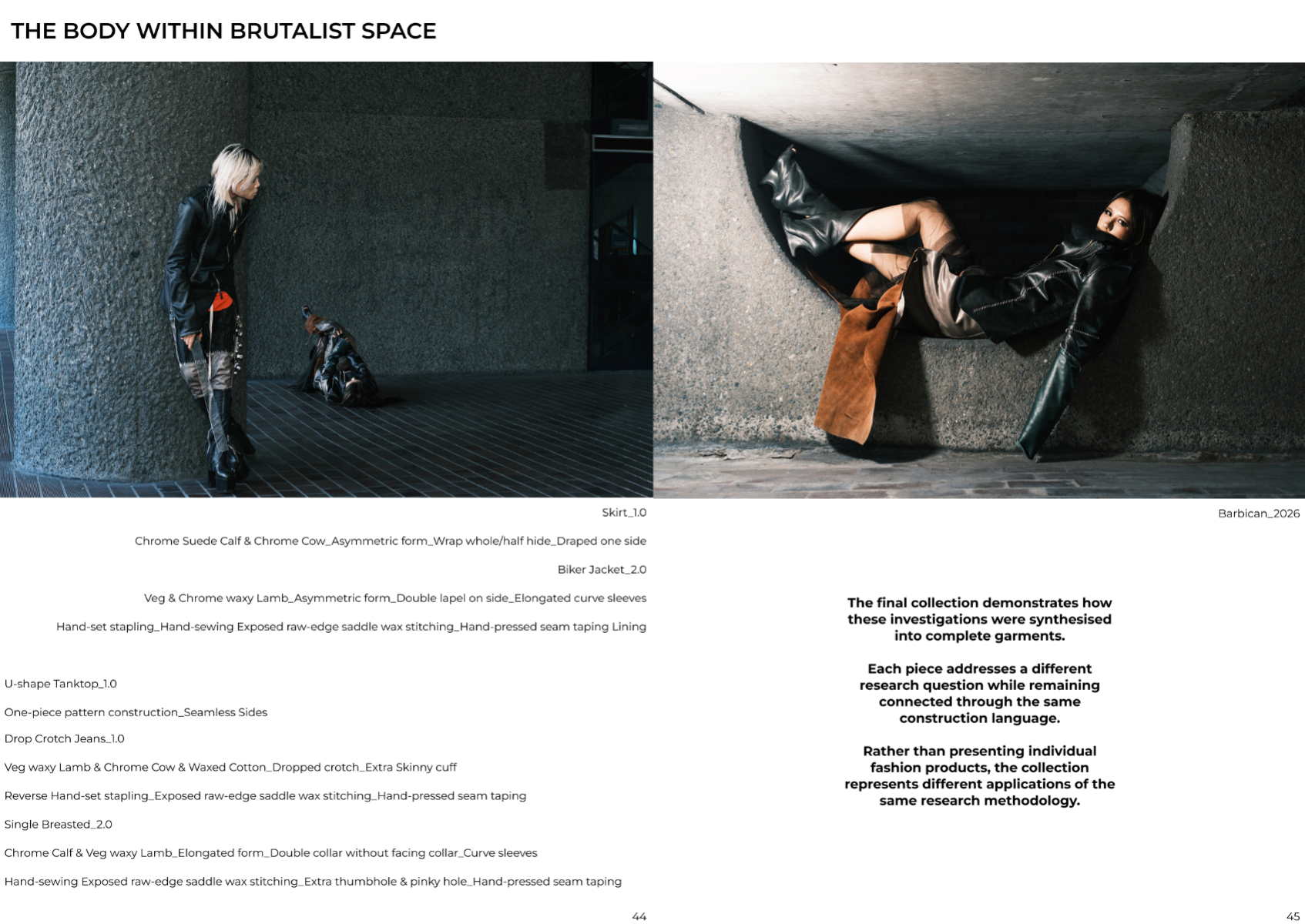
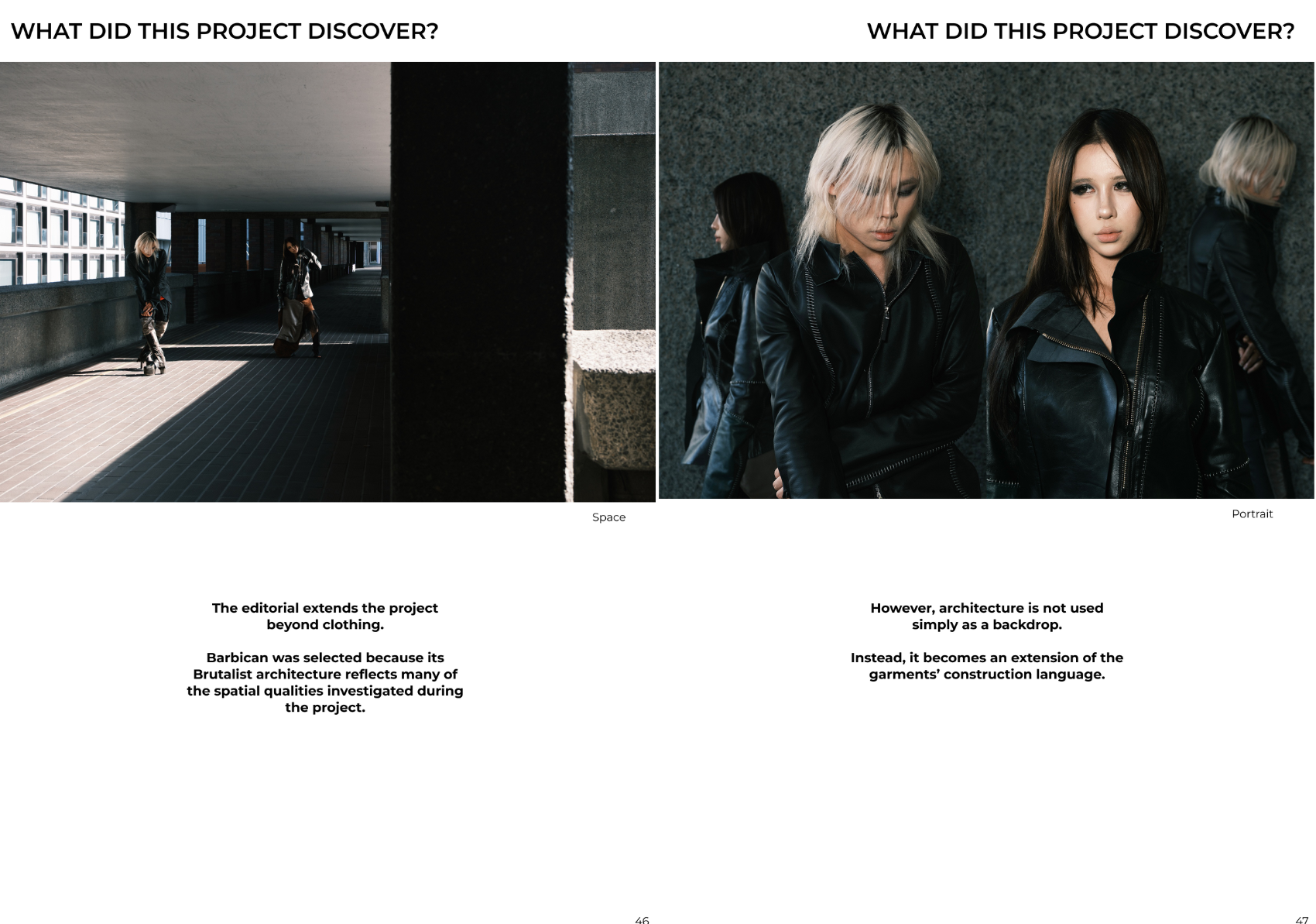
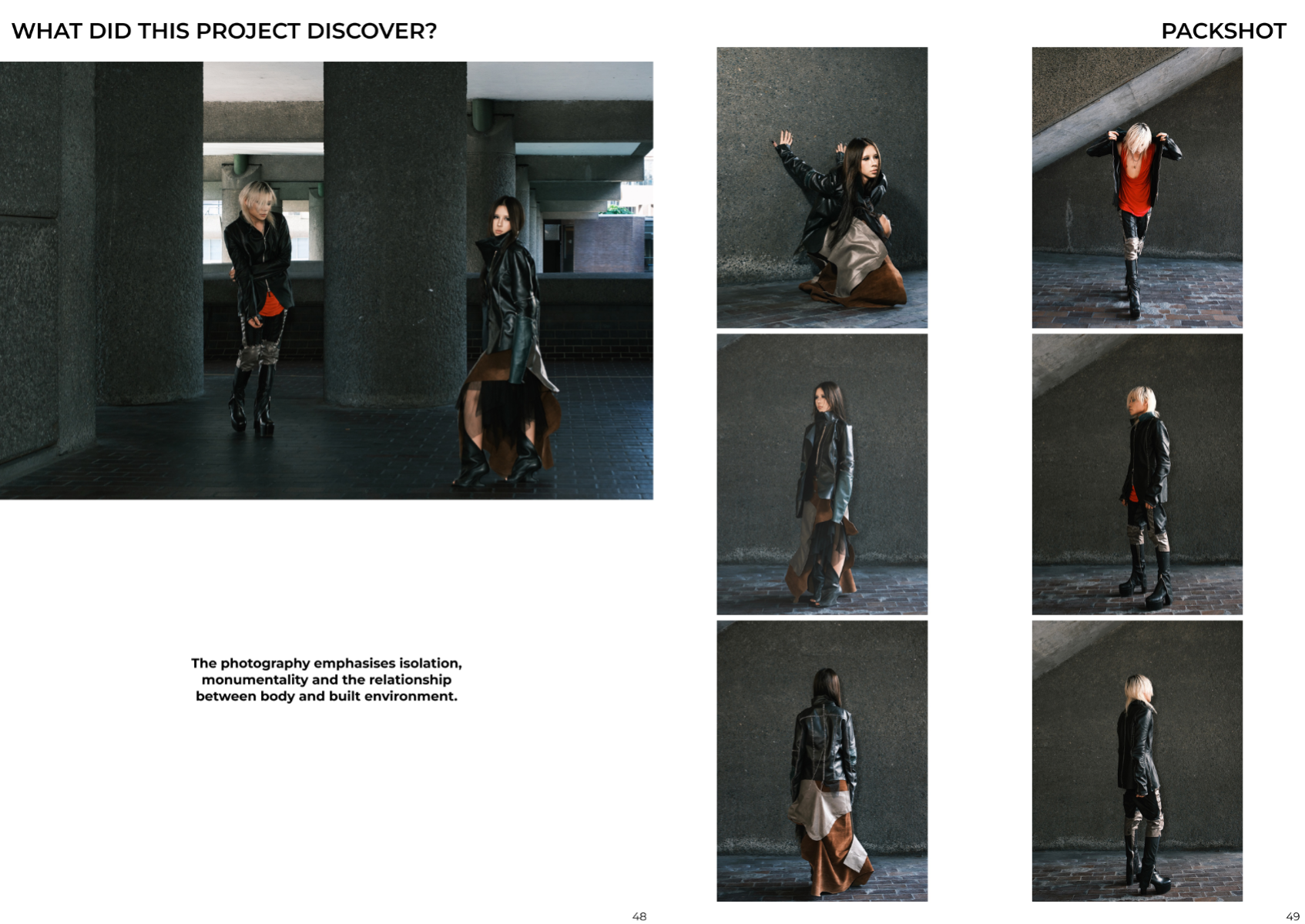
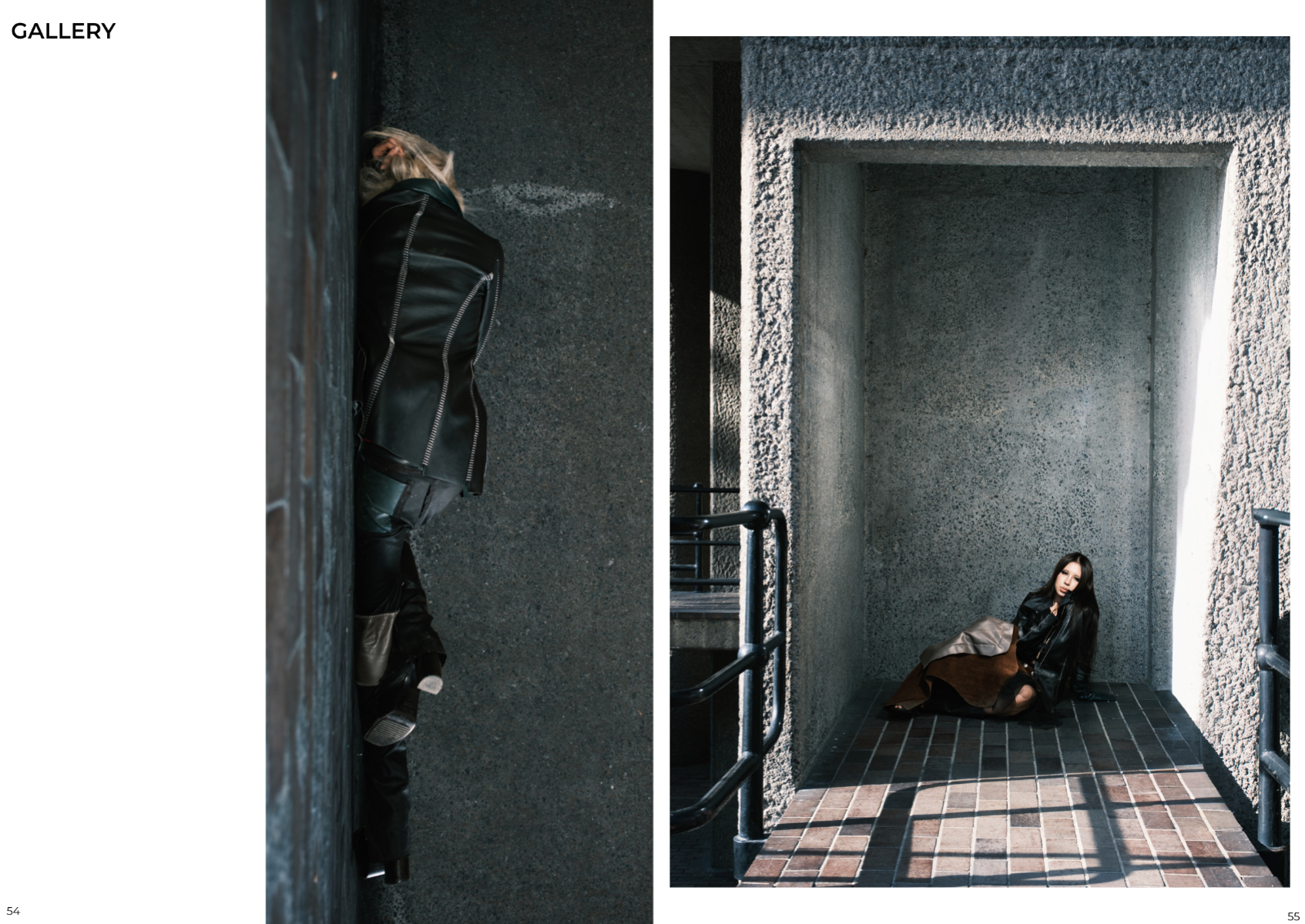
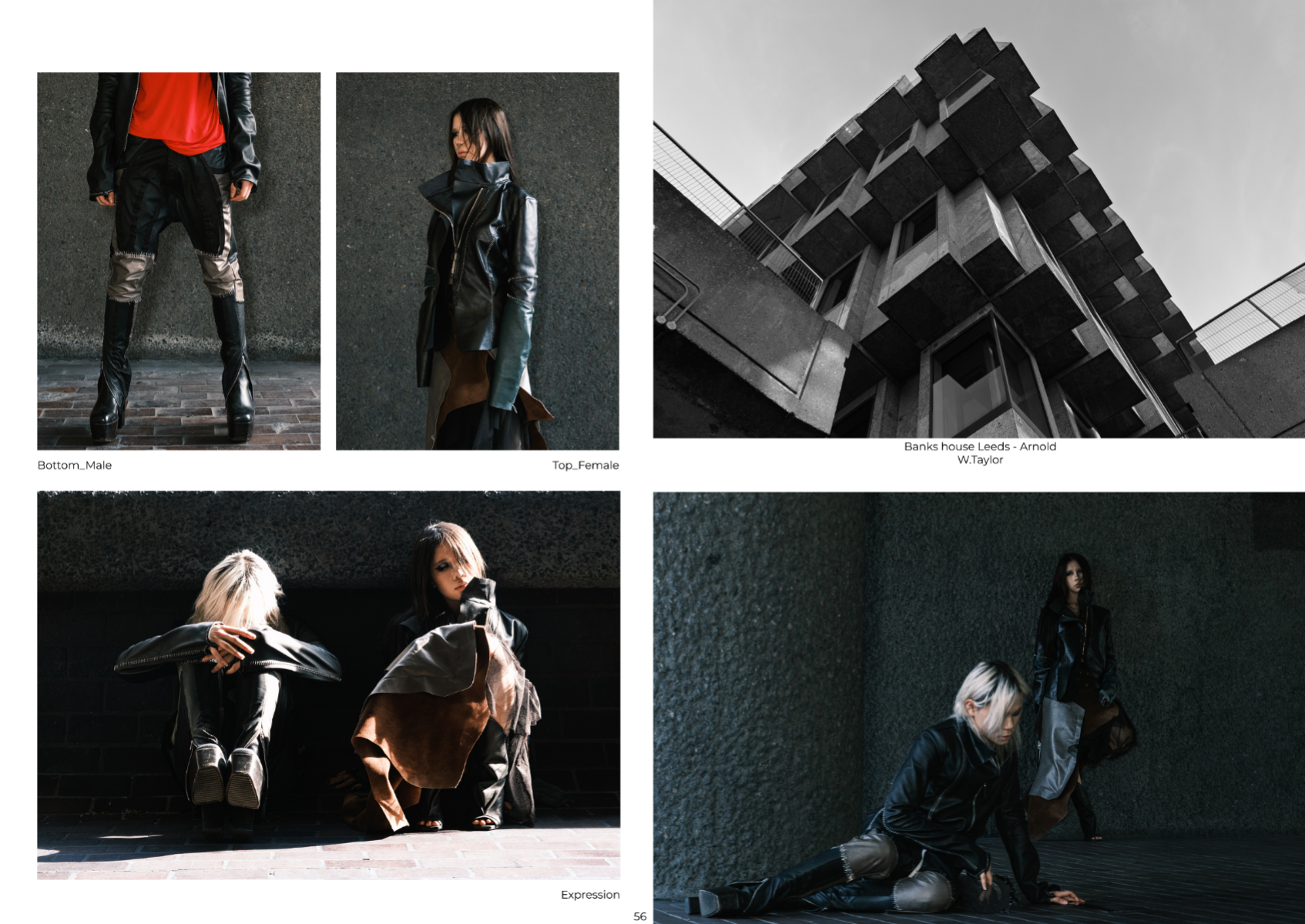
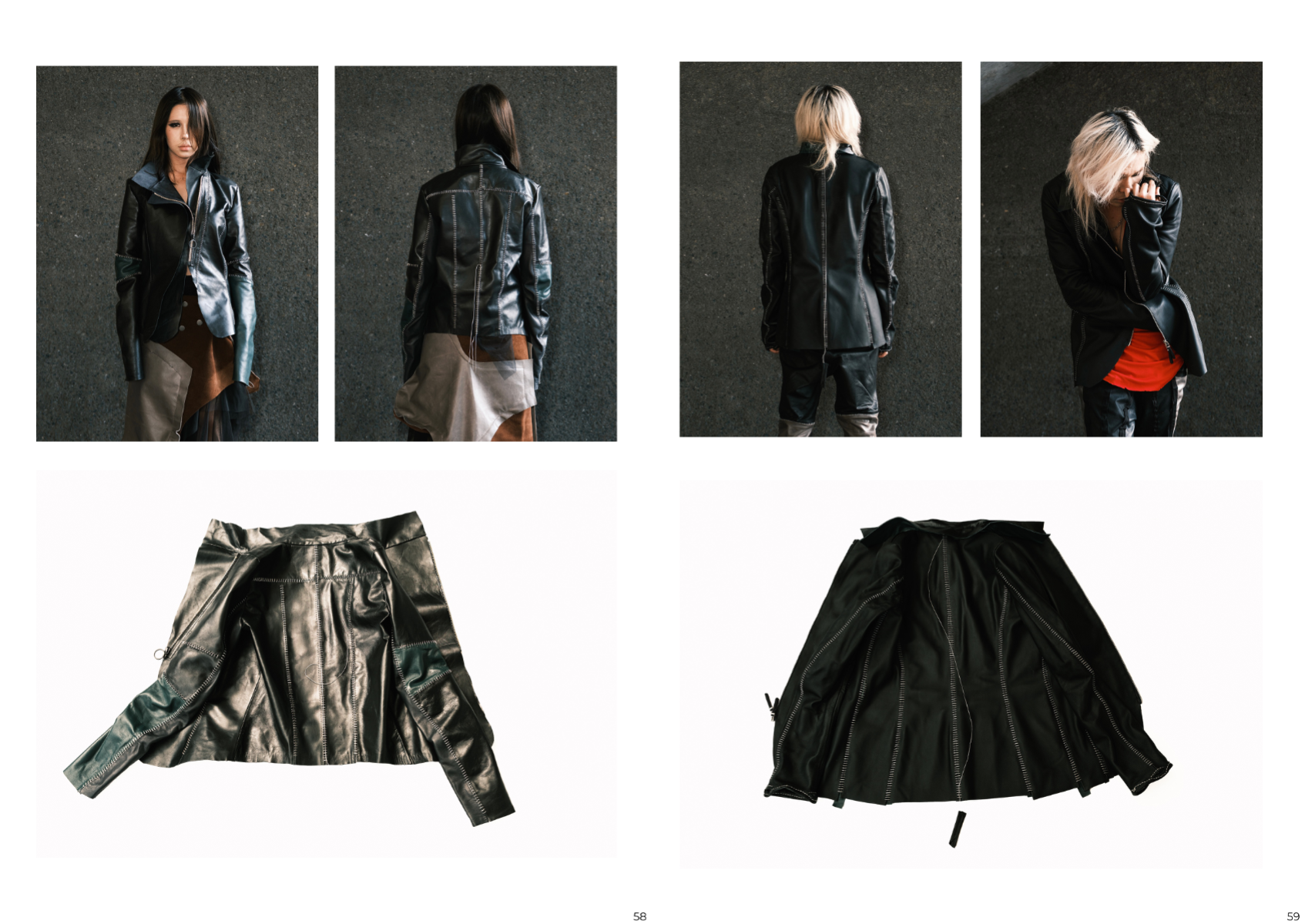
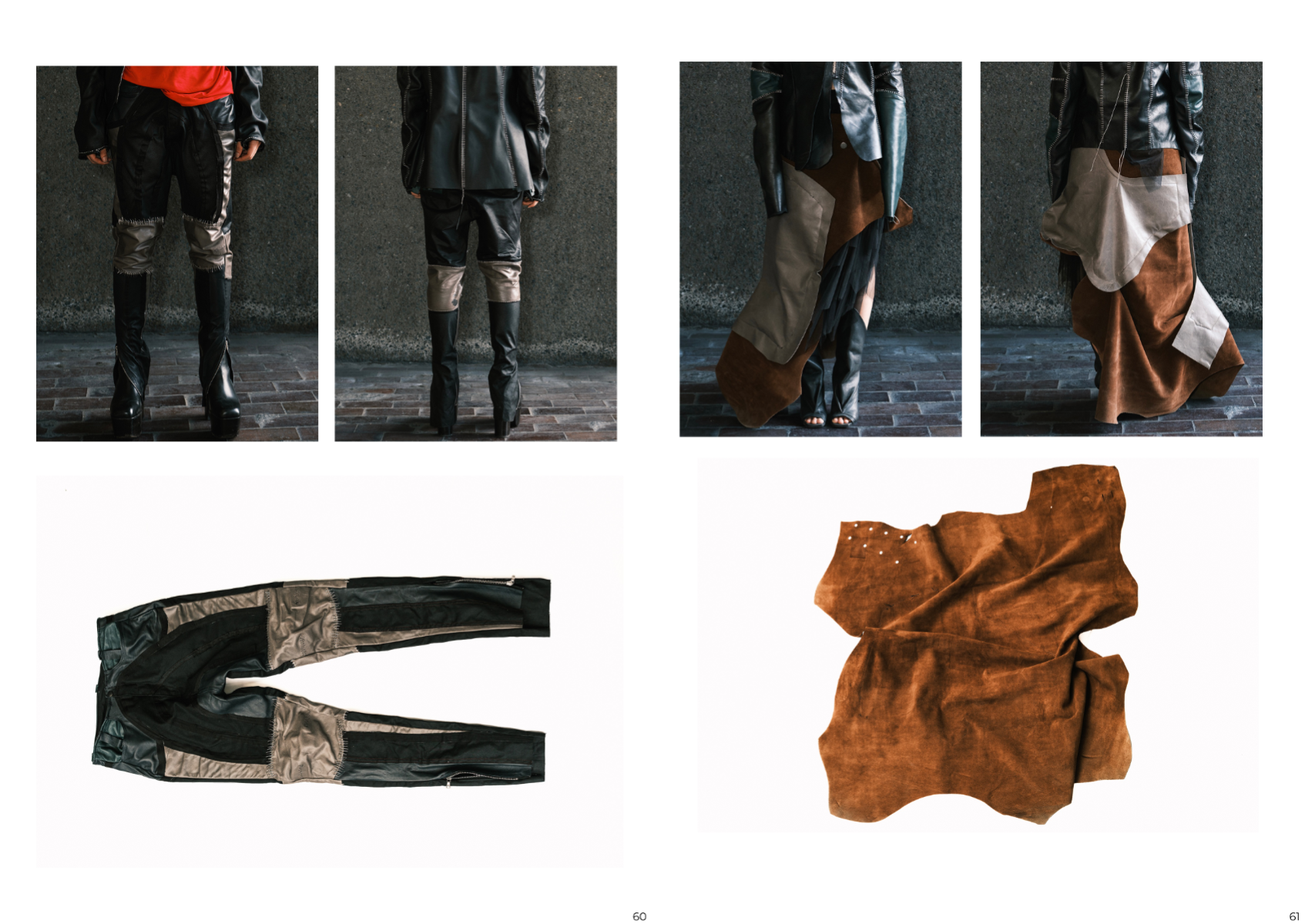
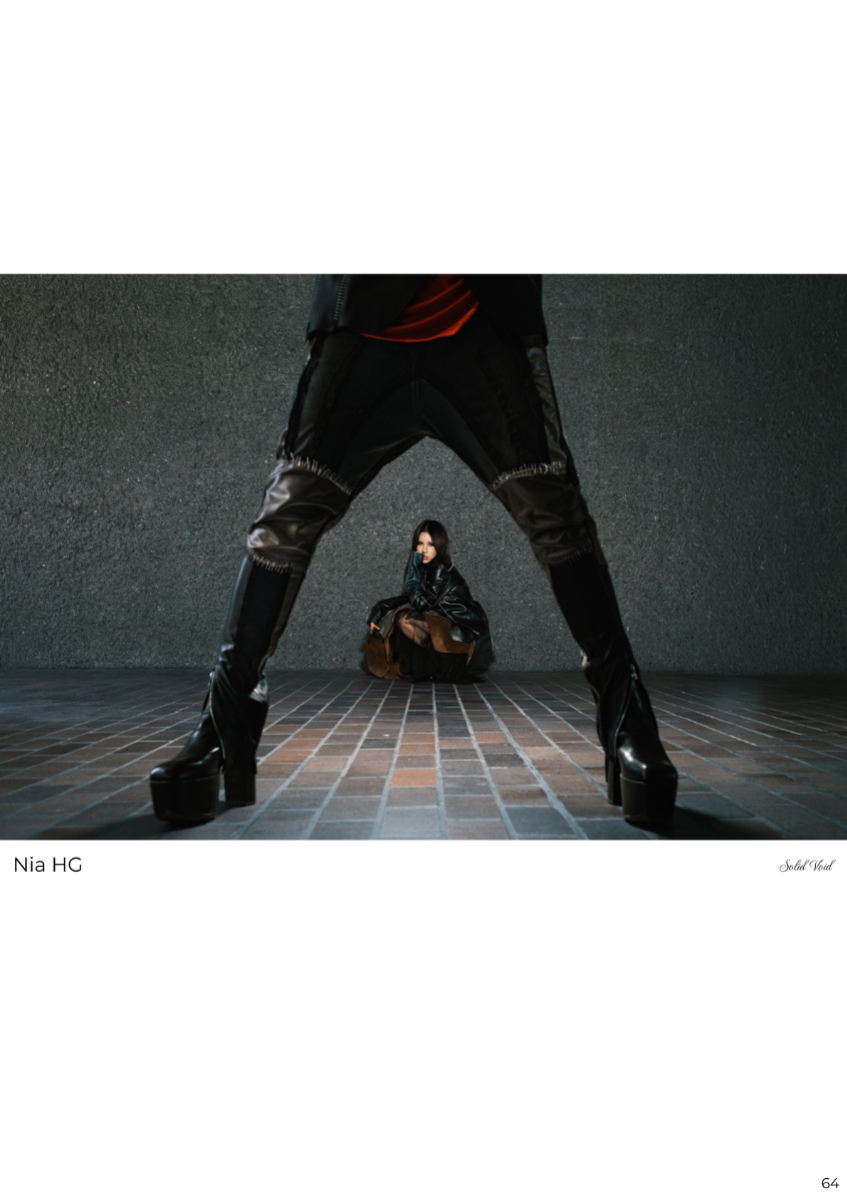
Solid Void explores the relationship between architecture, fashion and contemporary identity through experimental menswear. Inspired by Brutalism, Deconstructivism and the spatial relationship between solid structures and voids, the project translates architectural forms into garments designed around the human body. Experimental pattern cutting is used to manipulate volume, proportion and negative space, creating silhouettes that challenge conventional menswear construction. Leather and heavy-weight fabrics become structural elements, developed through a combination of industrial and artisanal techniques. The collection investigates clothing as a form of “second skin”, balancing rigidity and movement while exploring how architectural environments can influence the way the body is shaped, protected and perceived.
Competitions