John Lörinci
Product design
Berlin University of the Arts
Graduates: 2026
Specialisms: Product Design / Vehicle Design / Industrial Design
My location: Berlin, Germany
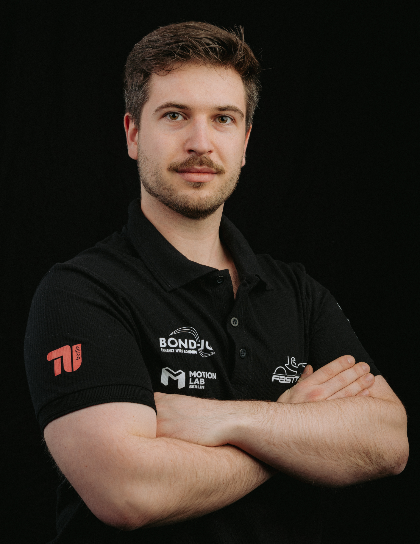
John Lörinci
First Name: John
Last Name: Lörinci
University / College: Berlin University of the Arts
Course / Program: Product design
Graduates: 2026
Specialisms: Product Design / Vehicle Design / Industrial Design
My Location: Berlin, Germany
About
John Lörinci is a Berlin-based product designer and engineer working at the intersection of design, engineering, and manufacturing. His work is driven by a hands-on approach to product development, combining conceptual thinking with mechanical design, prototyping, and a strong understanding of manufacturing processes.With a background in Product Design from the Berlin University of the Arts and several years of professional experience in mechanical design and product development, his work ranges from early concepts and functional prototypes to engineered components and production-ready solutions. His experience spans additive manufacturing, CNC machining, injection molding, vacuum casting, tooling, and the development of mechanisms and complex assemblies.During his studies, John managed the university's fabrication lab, where his interest in digital manufacturing and the relationship between design and production became a central part of his practice. He later deepened this focus professionally, developing products and manufacturing solutions across a wide range of applications and industries. His bachelor's thesis explored the use of additively manufactured injection-molding tools as a way to accelerate product development and bridge the gap between prototyping and small-series production.Beyond his professional work, John is involved in Formula Student, where he applies his design and engineering experience to vehicle development. His work includes the design, simulation, manufacturing, and validation of lightweight suspension components as well as vehicle testing and setup development.Across these different fields, his approach remains consistent: understanding how something needs to function, how it can be manufactured, and how these constraints can become part of the design itself. Rather than treating design and engineering as separate disciplines, he sees them as interconnected parts of creating products that are functional, manufacturable, and purposeful.
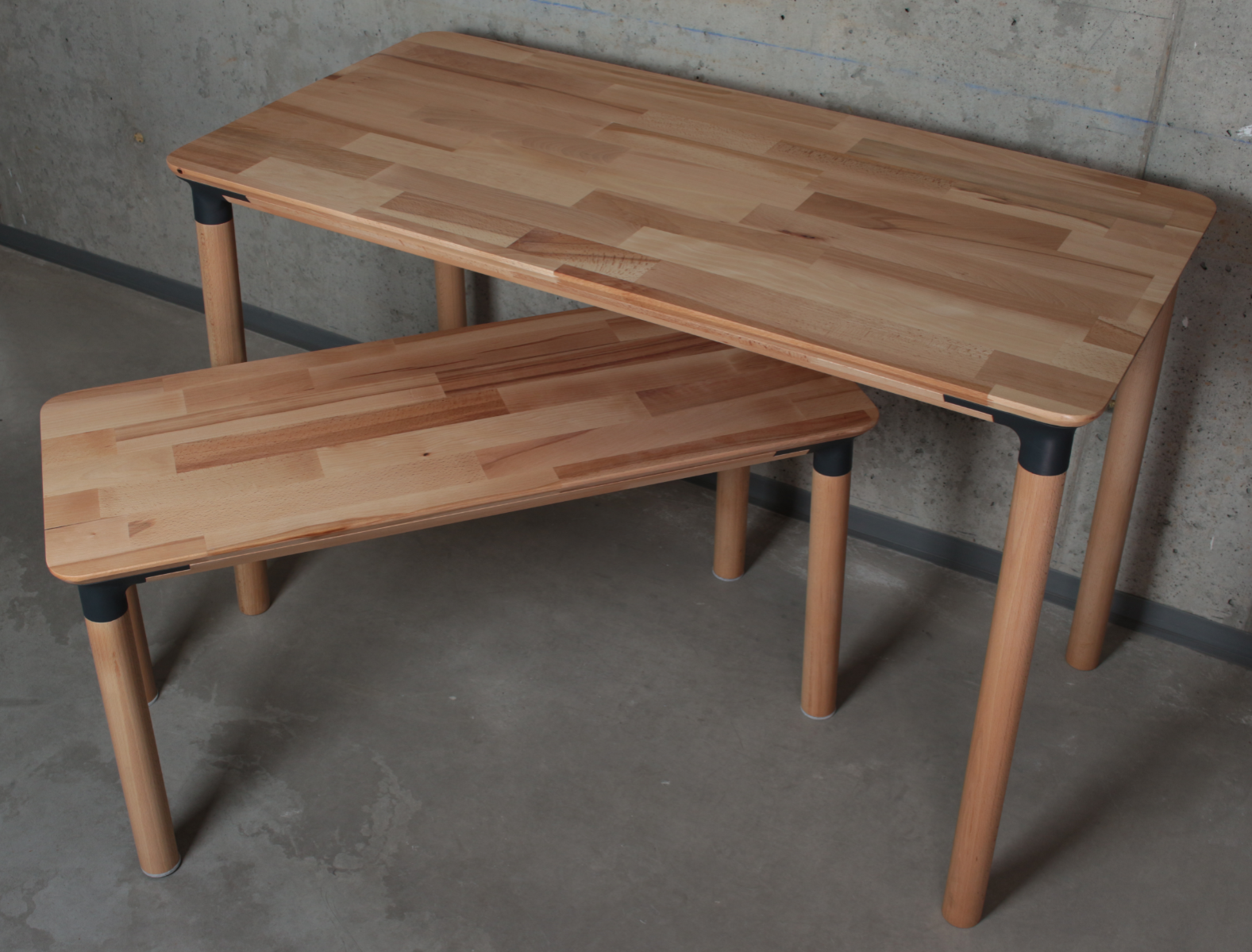
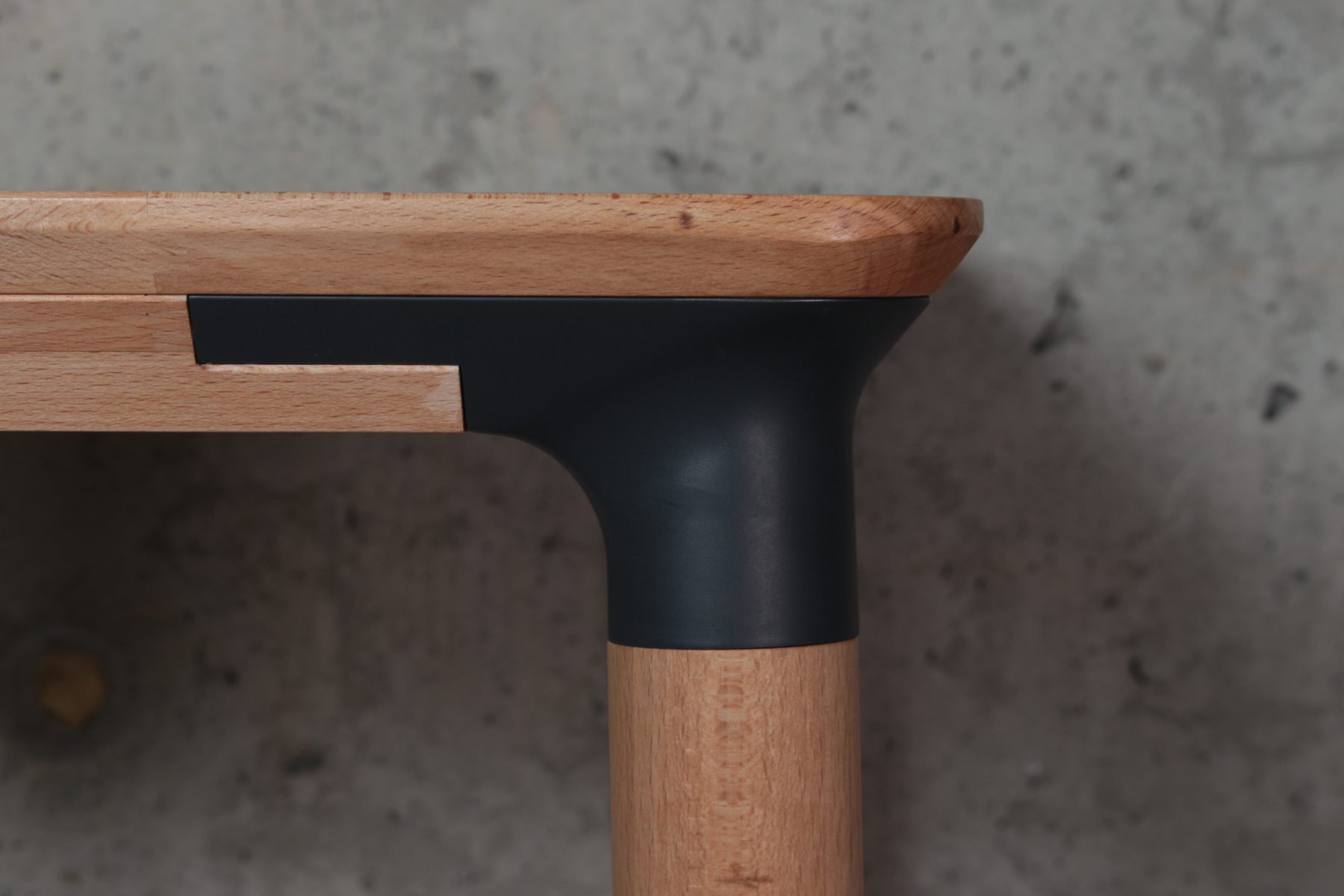
MOD - A modular interface for low- volume furniture systems
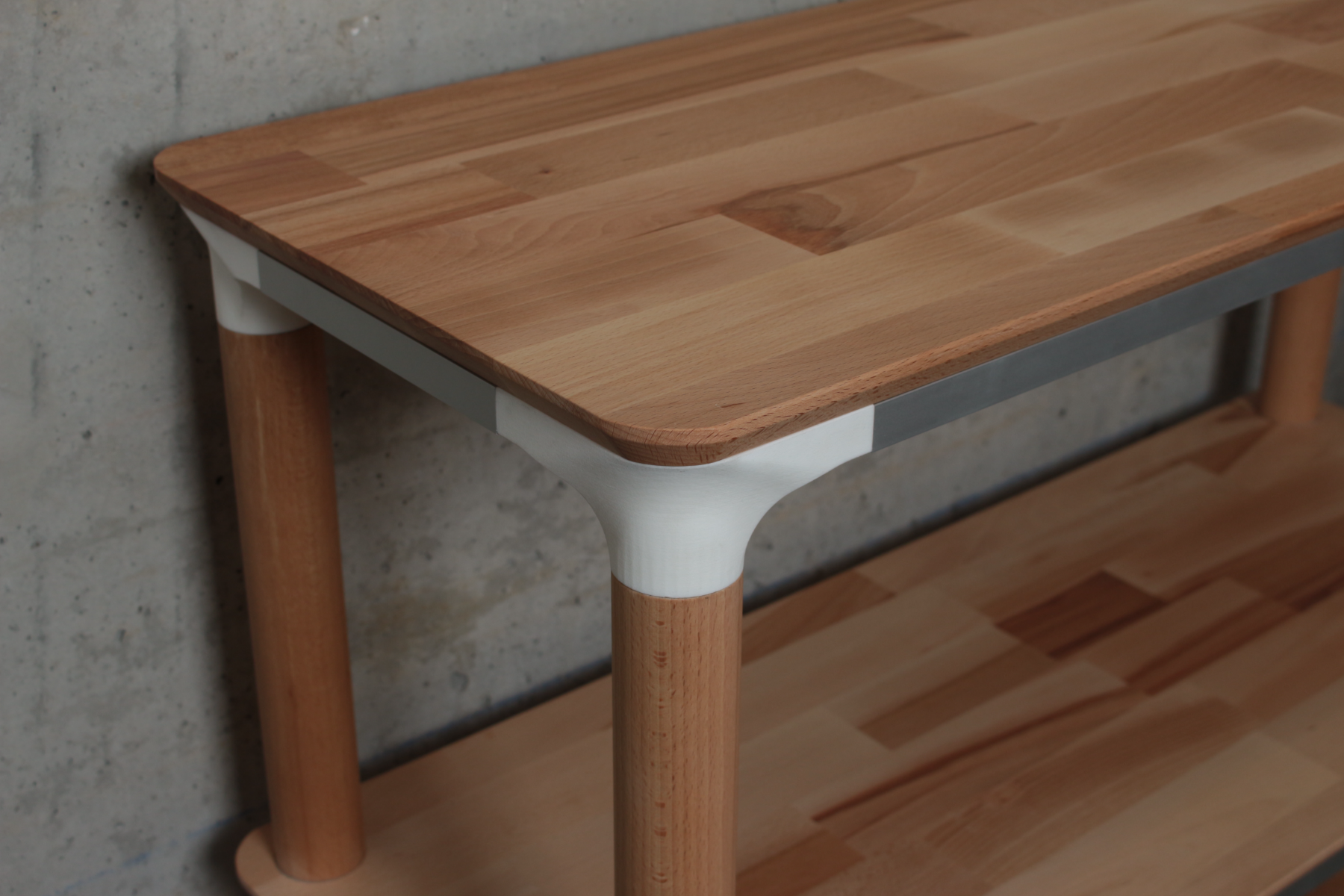
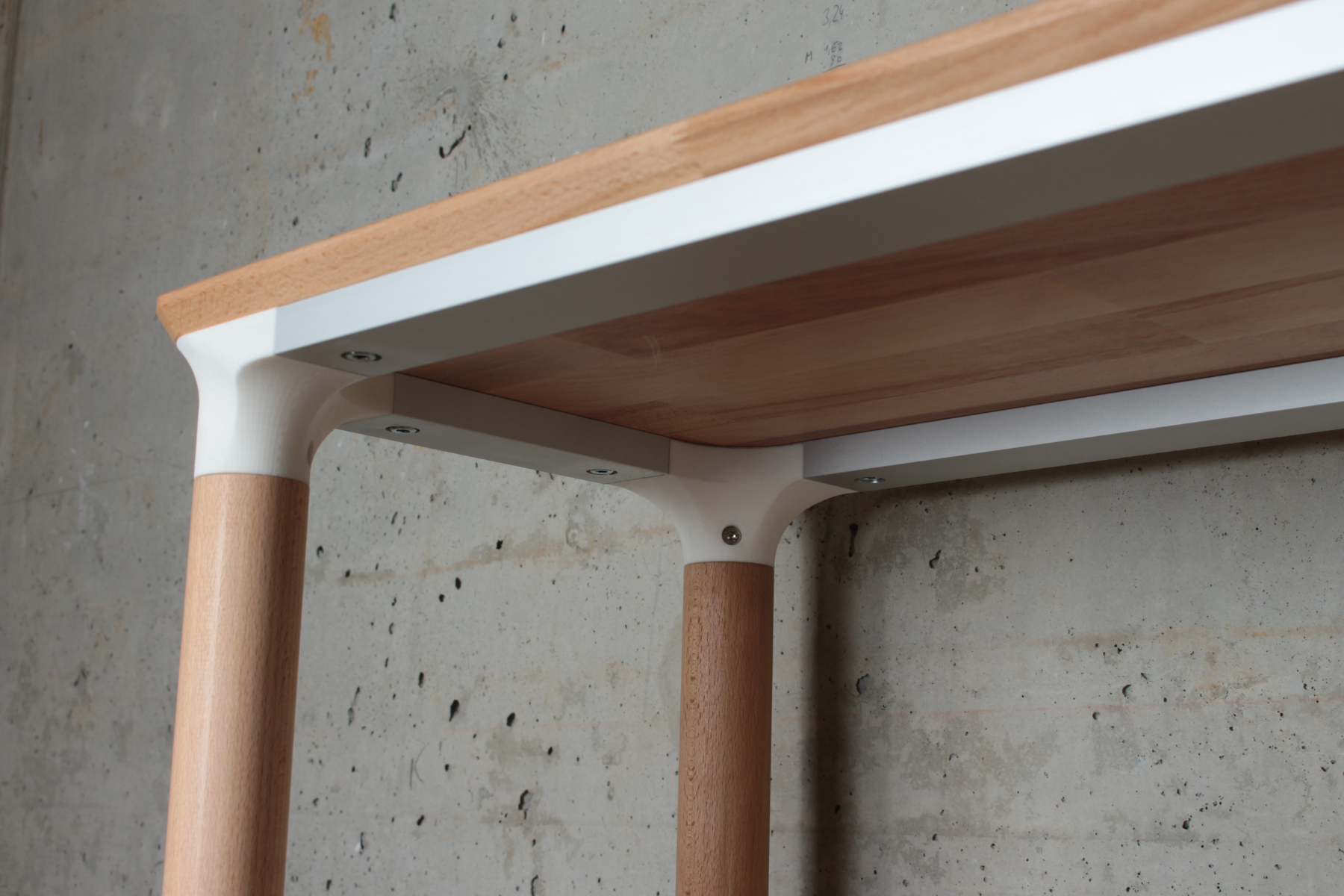
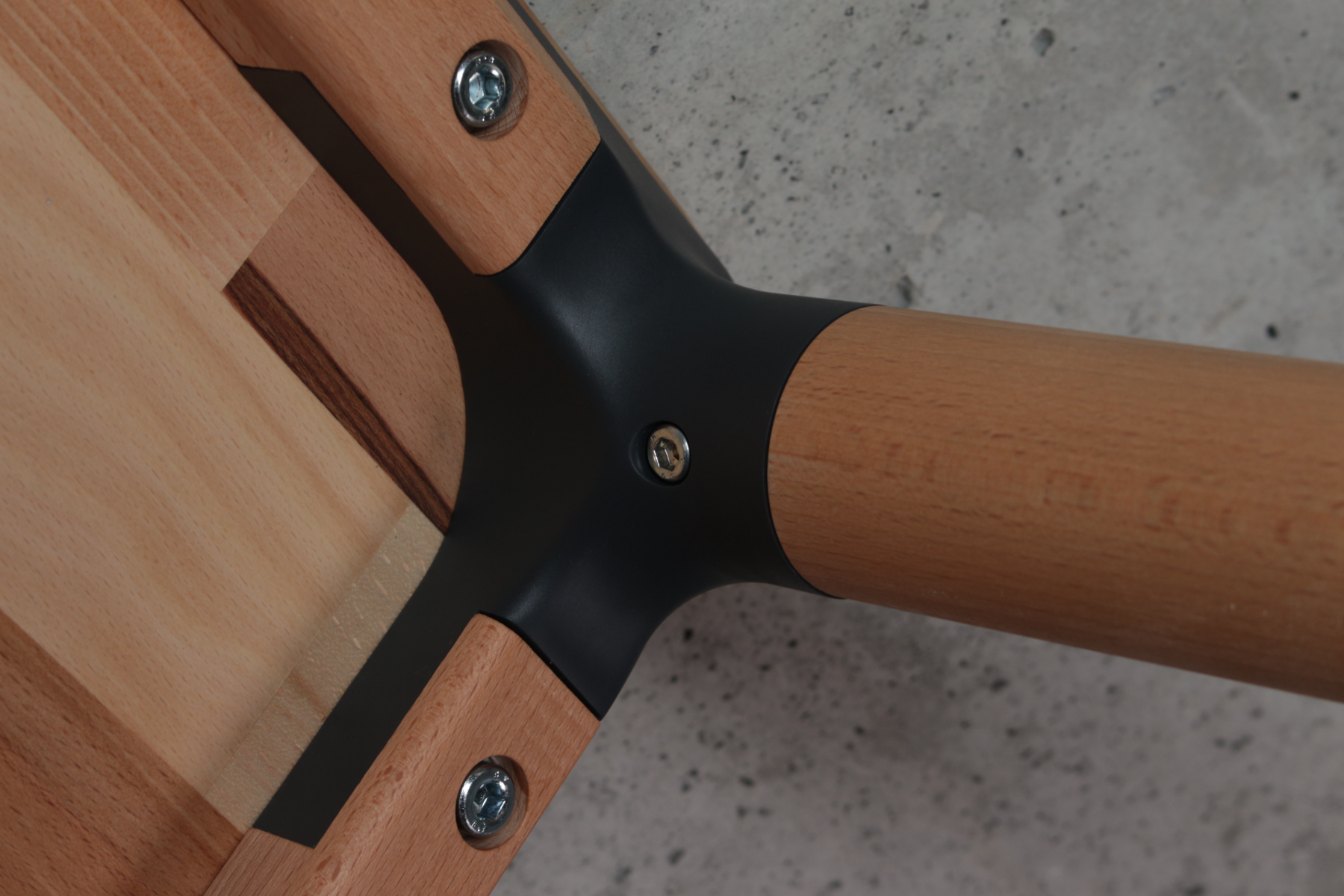
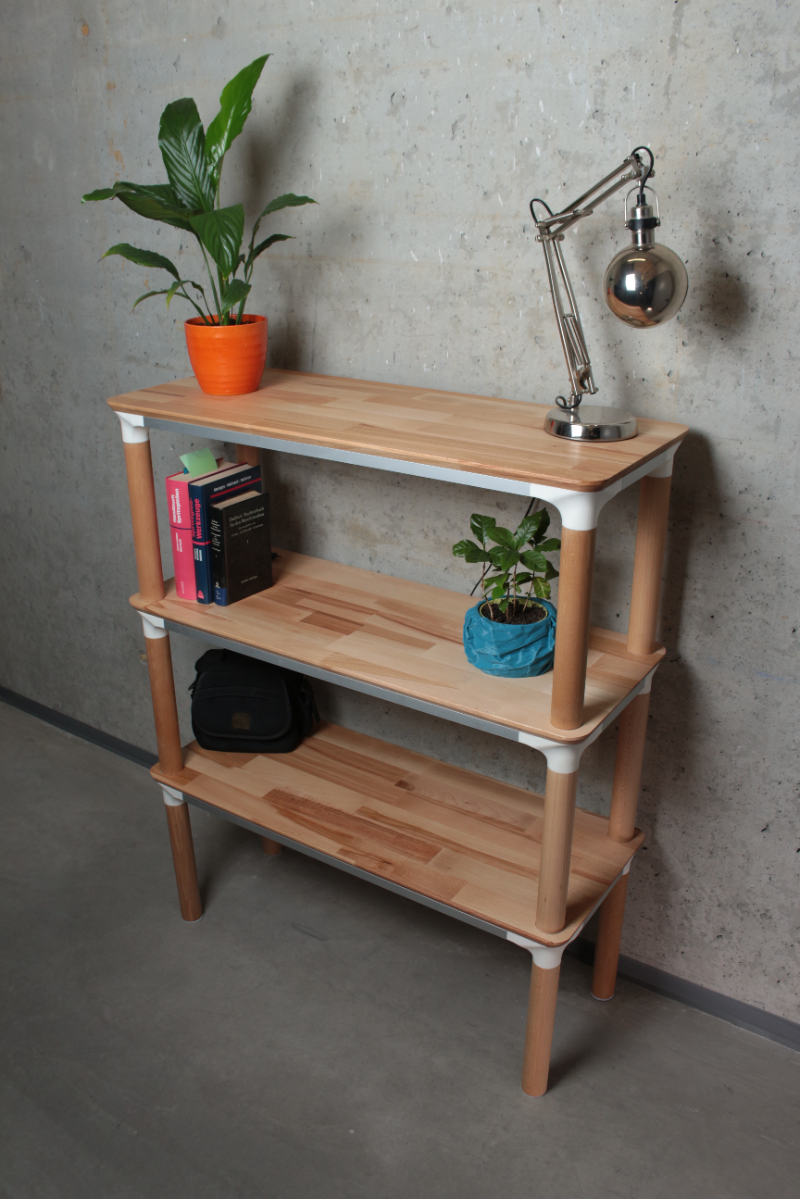
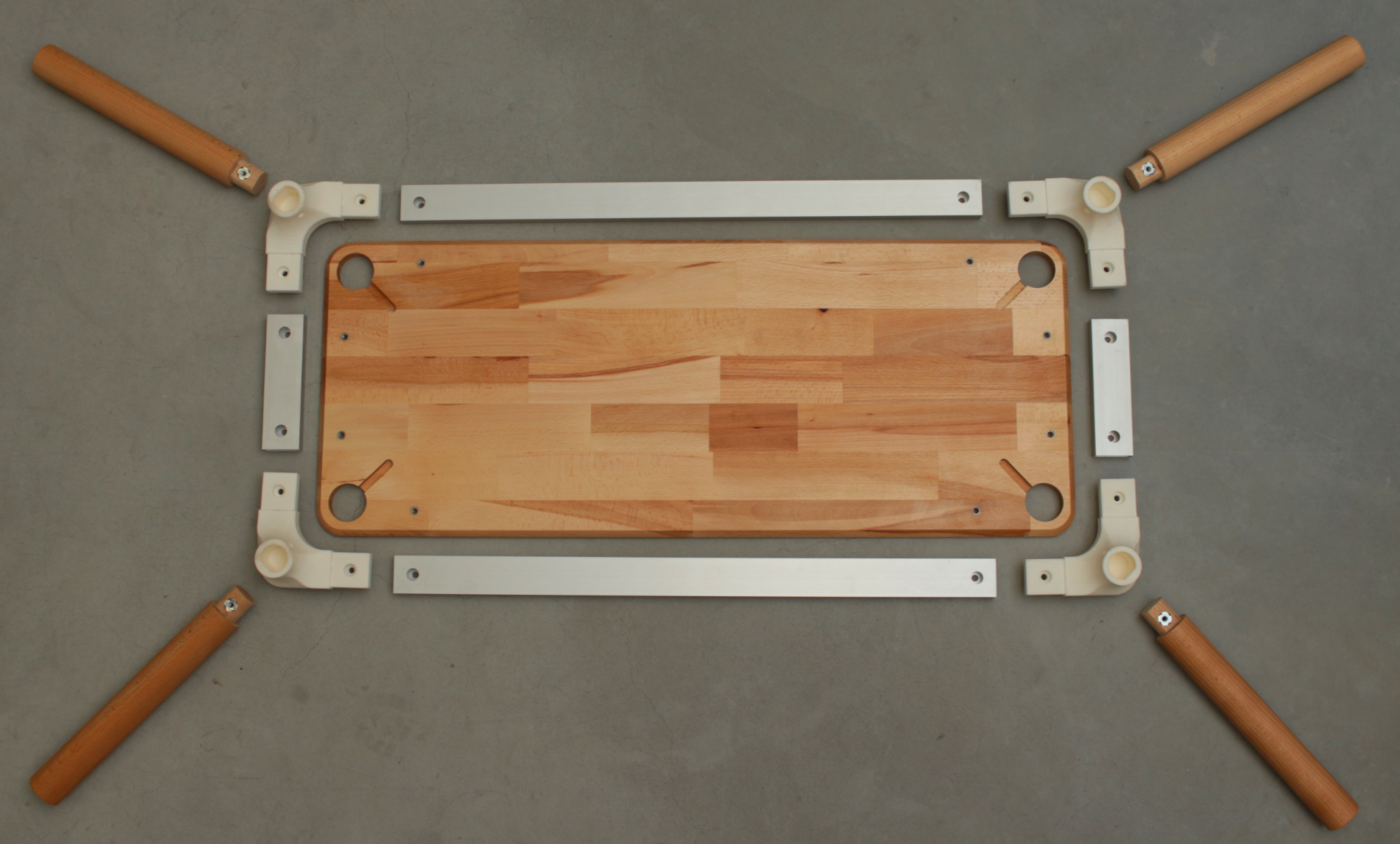
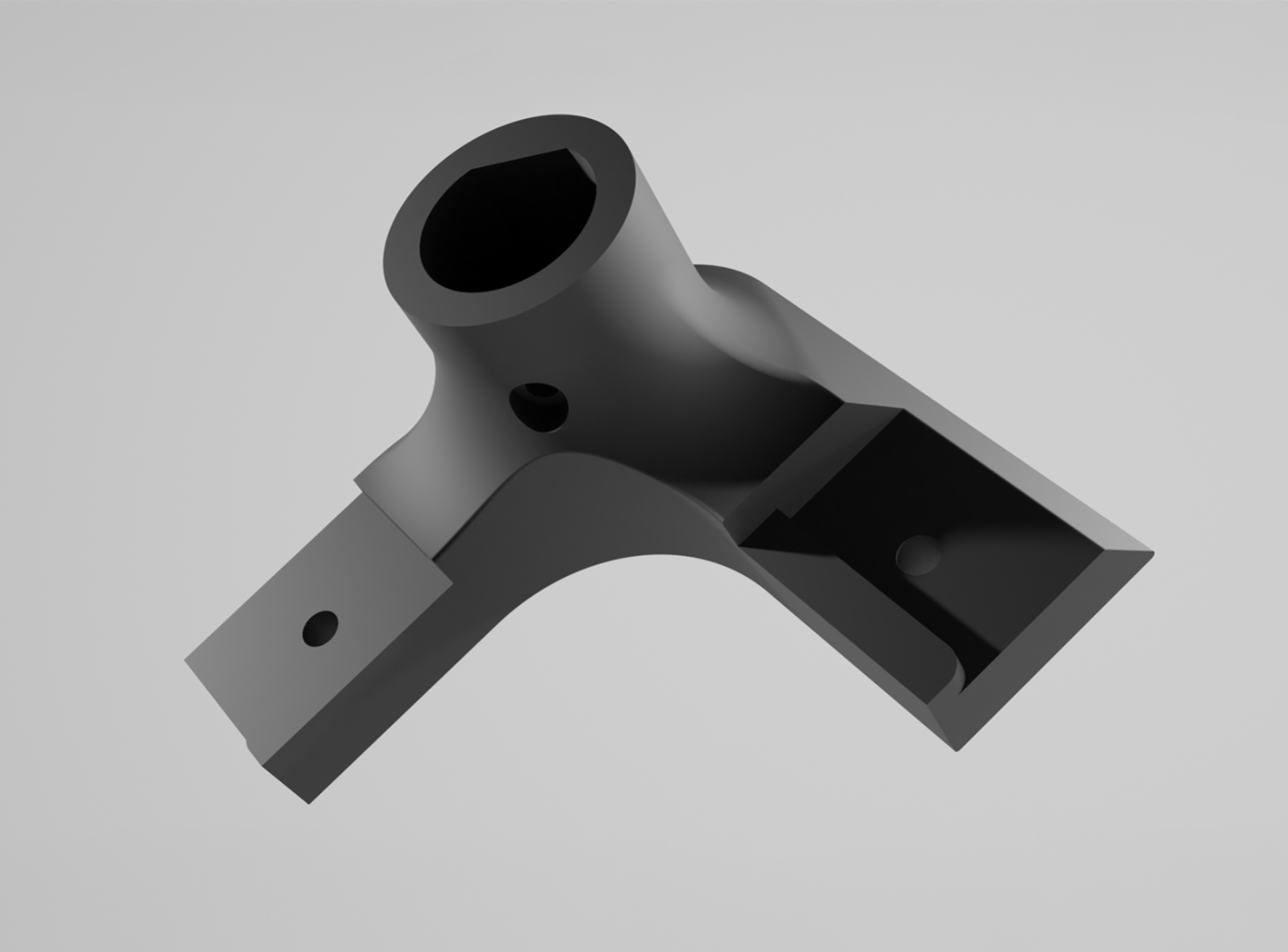
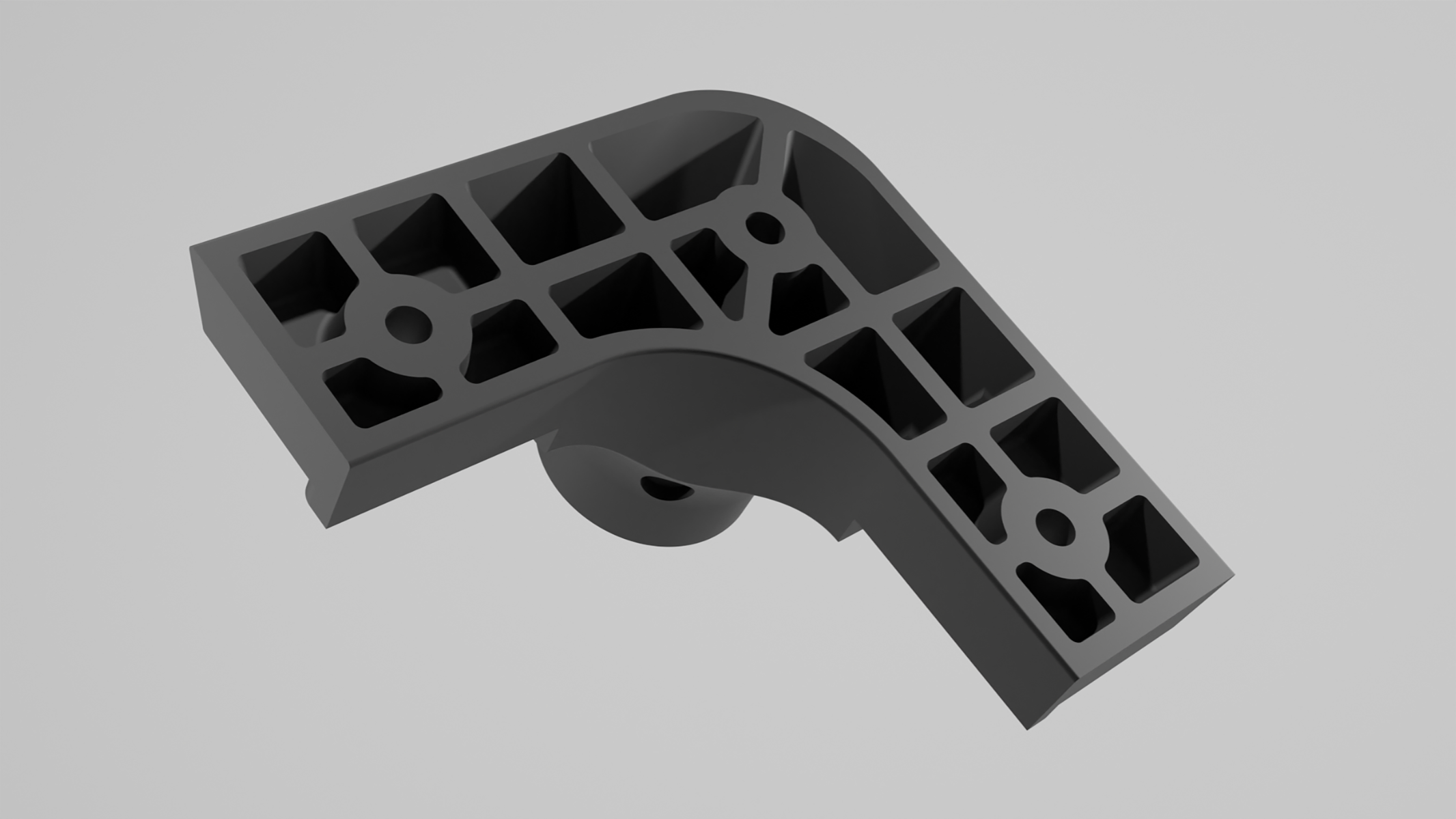
My bachelor thesis explores how product design and manufacturing can be brought closer together to enable economically viable and resource-conscious production at small and medium volumes. The project investigates different manufacturing strategies across the transition from prototyping to serial production, with a particular focus on additive manufacturing and hybrid production methods. Rather than selecting a manufacturing process only after a product has been designed, the project treats manufacturing as an active part of the design process influencing geometry, material use, tooling, scalability, and ultimately the viability of a product. A central part of the research focused on additively manufactured injection molds. By designing and optimizing 3D-printed mold inserts for use in conventional injection-molding equipment, I investigated how additive manufacturing can reduce the cost and lead time associated with traditional tooling. The molds were manufactured, tested under real injection-molding conditions, iteratively redesigned, and pushed toward their technical limits. This resulted in a strategy for using printed tooling to bridge the gap between rapid prototyping and conventional injection molding, allowing functional parts in production-grade materials to be manufactured much earlier in the development process. The technological research was accompanied by the development of a modular furniture system that served as a practical design case. Its central connector was designed around the capabilities and constraints of the investigated manufacturing processes, allowing different production methods to be evaluated on the same product. The project ultimately proposes a more flexible approach to product development: instead of committing immediately to either additive manufacturing or conventional mass-production tooling, manufacturing methods can evolve alongside the product and its production volume. By combining digital fabrication with established industrial processes, products can be developed, tested, and produced with lower initial investment, shorter iteration cycles, and a production strategy better adapted to actual demand.
Competitions