Cory Schiltz
Photojournalism and Documentary Photography BA (Hons)
London College of Communication UAL
Graduates: 2026
Specialisms: Photography / Storytelling
My location: London, United Kingdom
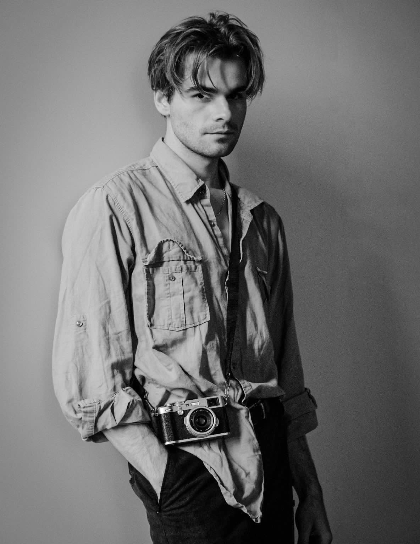

Cory Schiltz
First Name: Cory
Last Name: Schiltz
University / College: London College of Communication UAL
Course / Program: Photojournalism and Documentary Photography BA (Hons)
Graduates: 2026
Specialisms: Photography / Storytelling
My Location: London, United Kingdom
Website: Click To See Website
About
Cory Schiltz (b. 1999) is a documentary photographer based in London, England. His work is cemented in introspection, exploring personal experiences in relation to the human condition. Schiltz couples this with traditional photographic techniques inspired by the American canon, allowing him to create poignant and deeply emotional visual bodies of work. His recent project 'I Don't Recall The Music' was awarded the Penguin Vintage Books Award of Excellence.

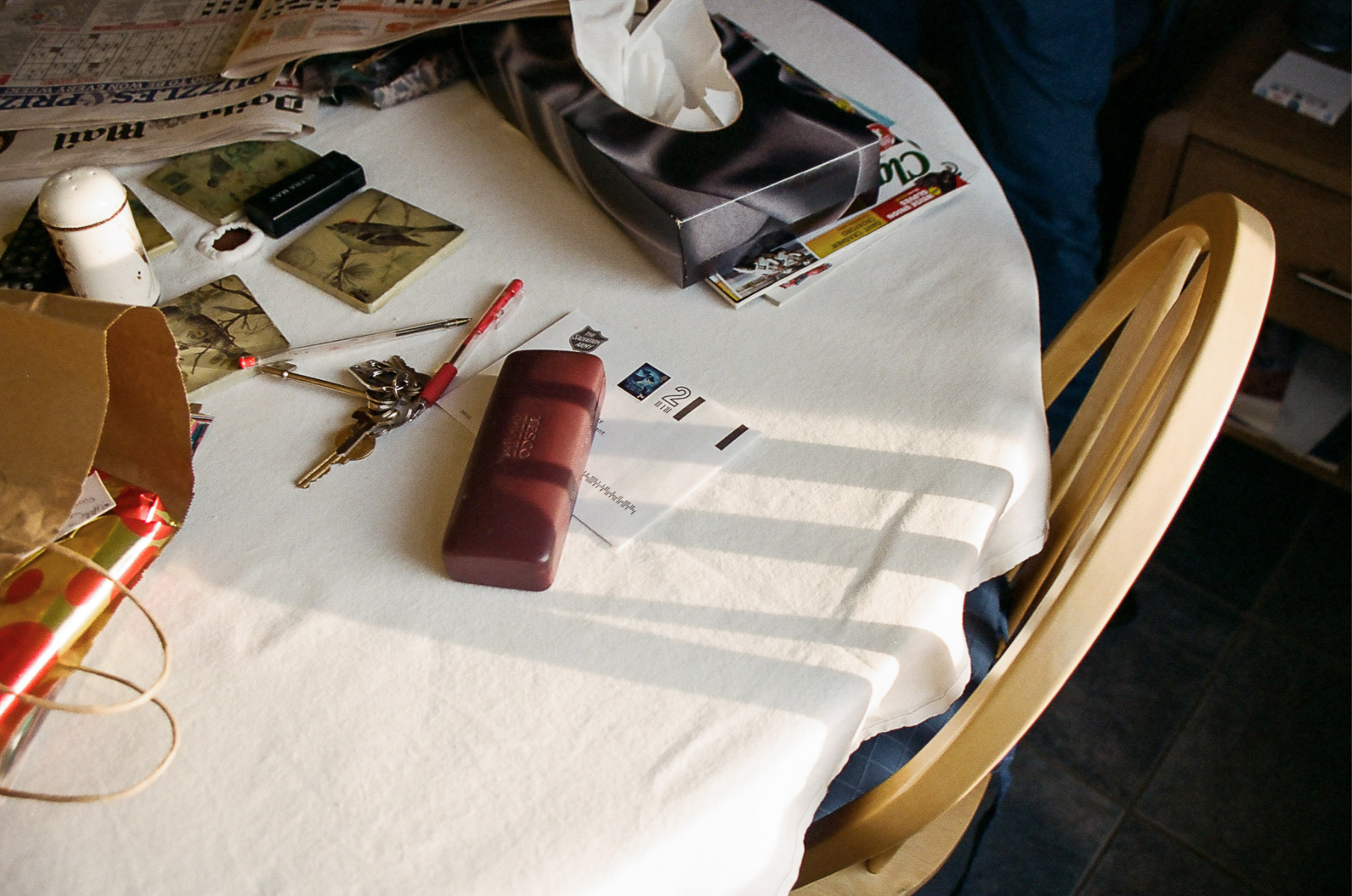
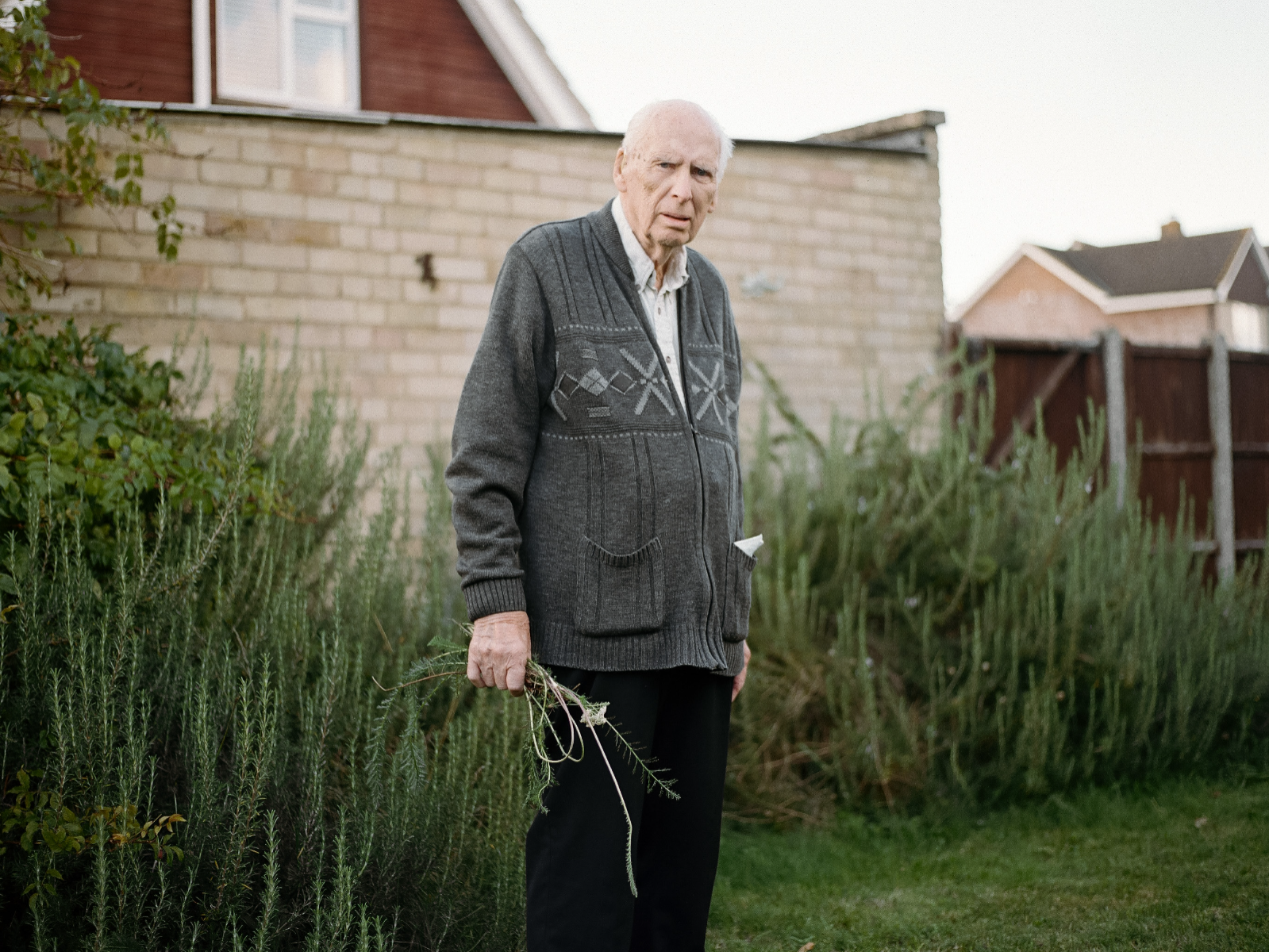

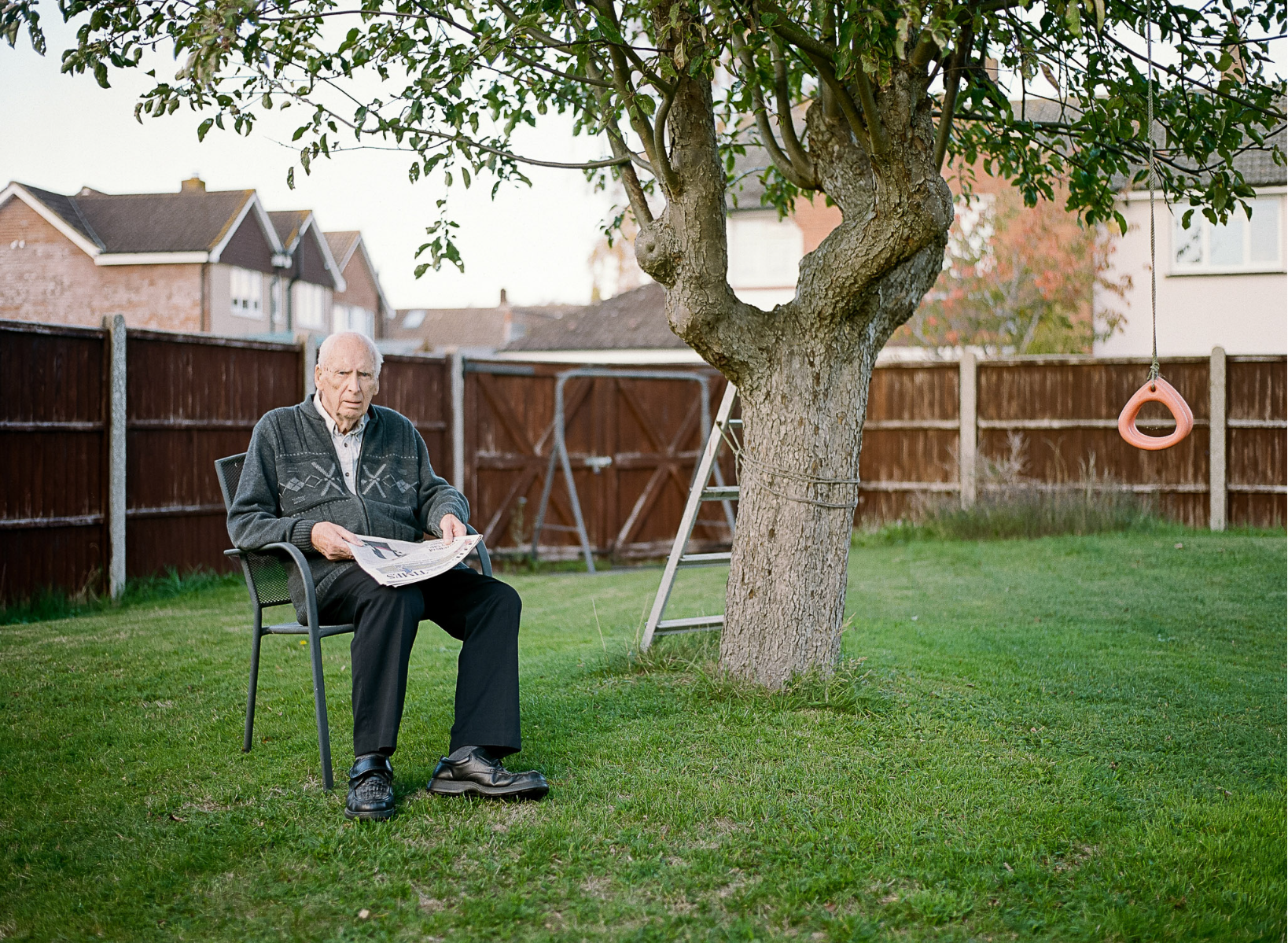
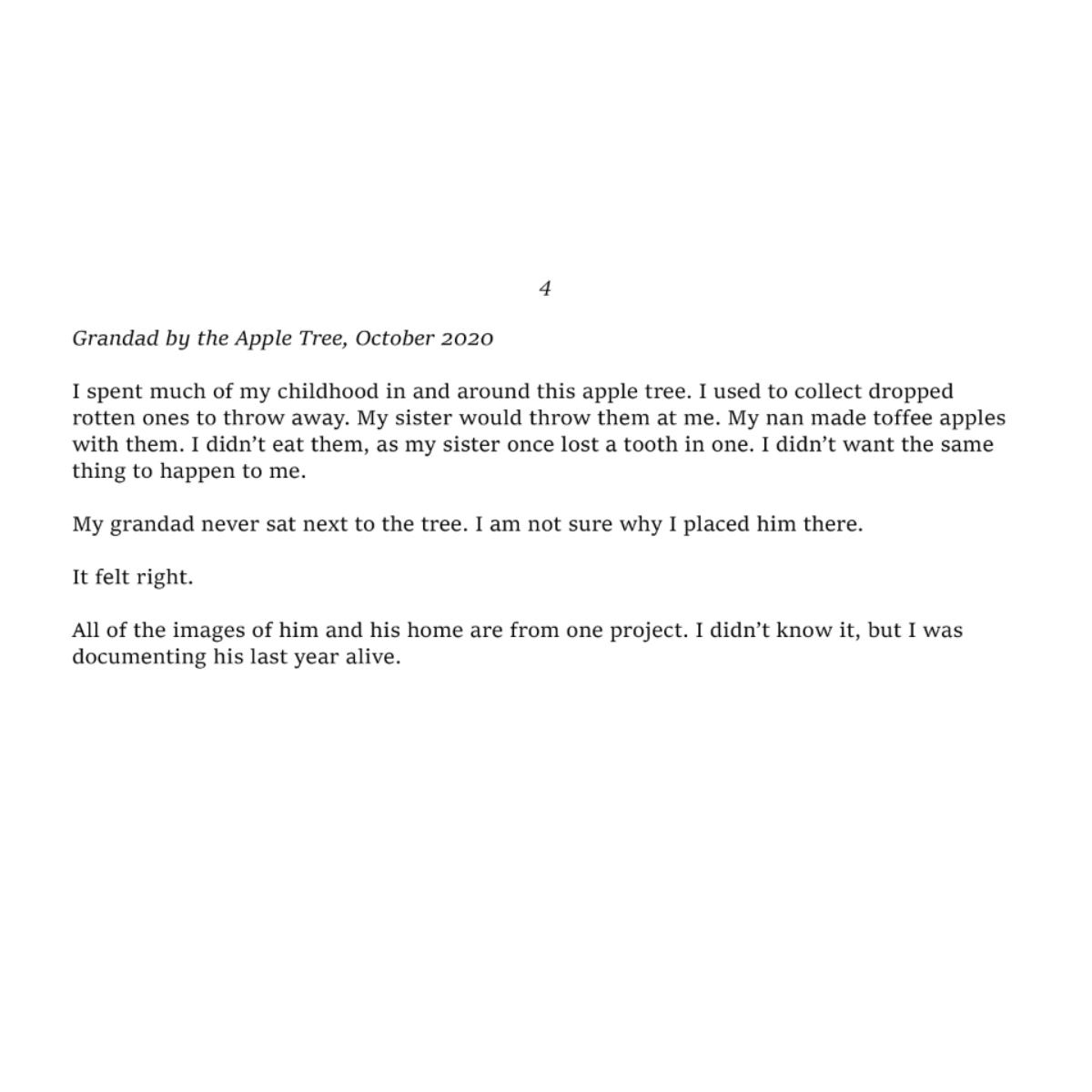
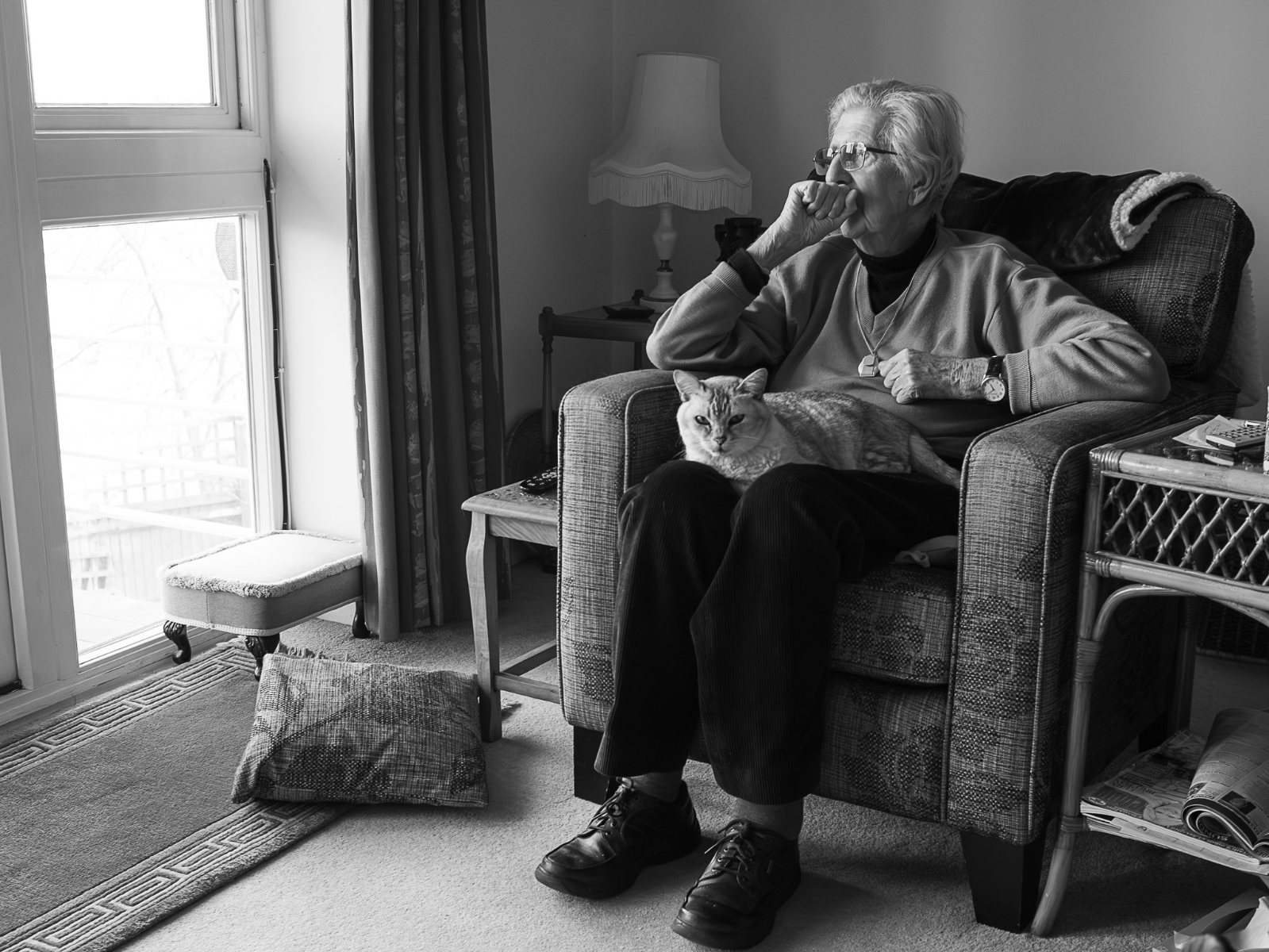
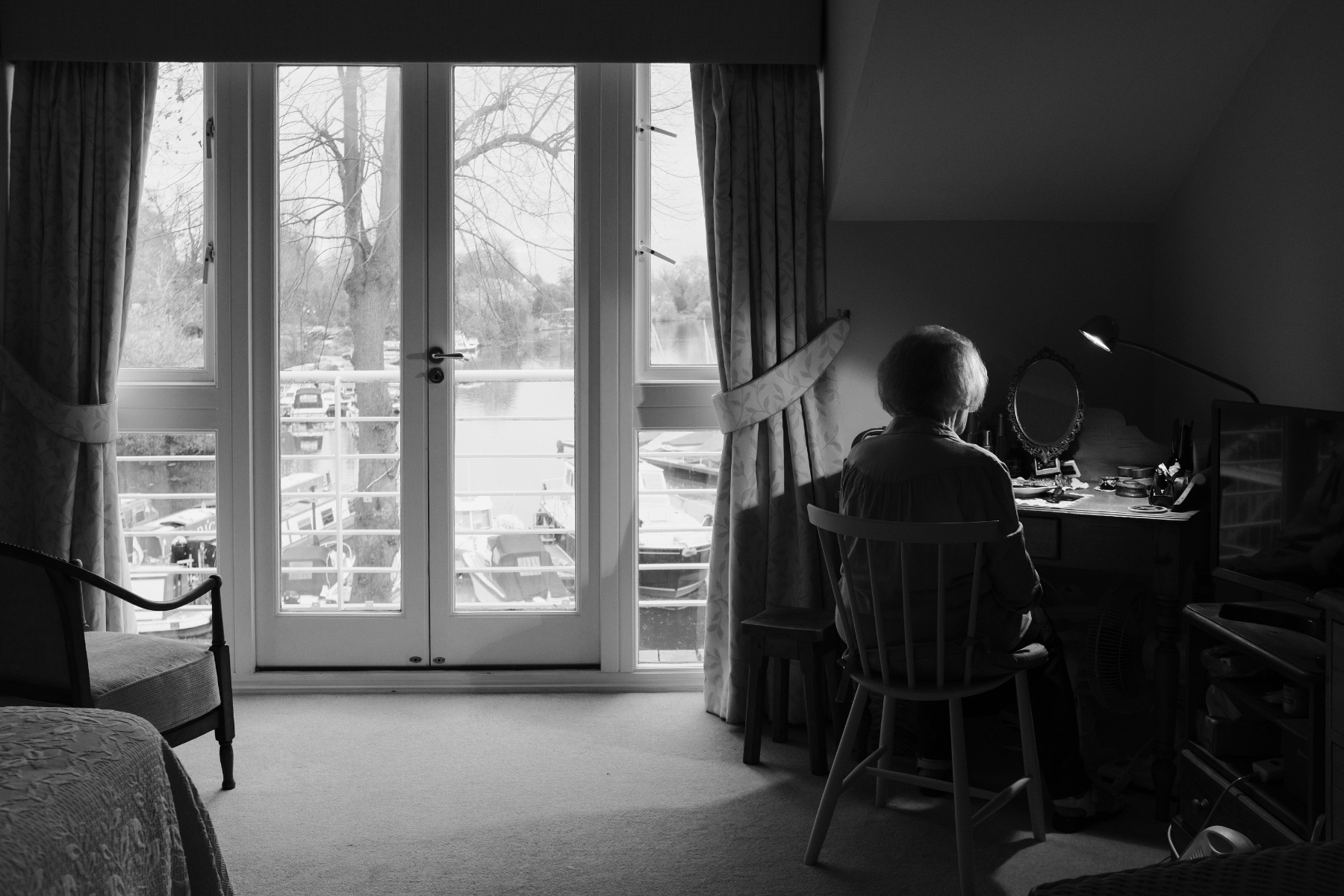
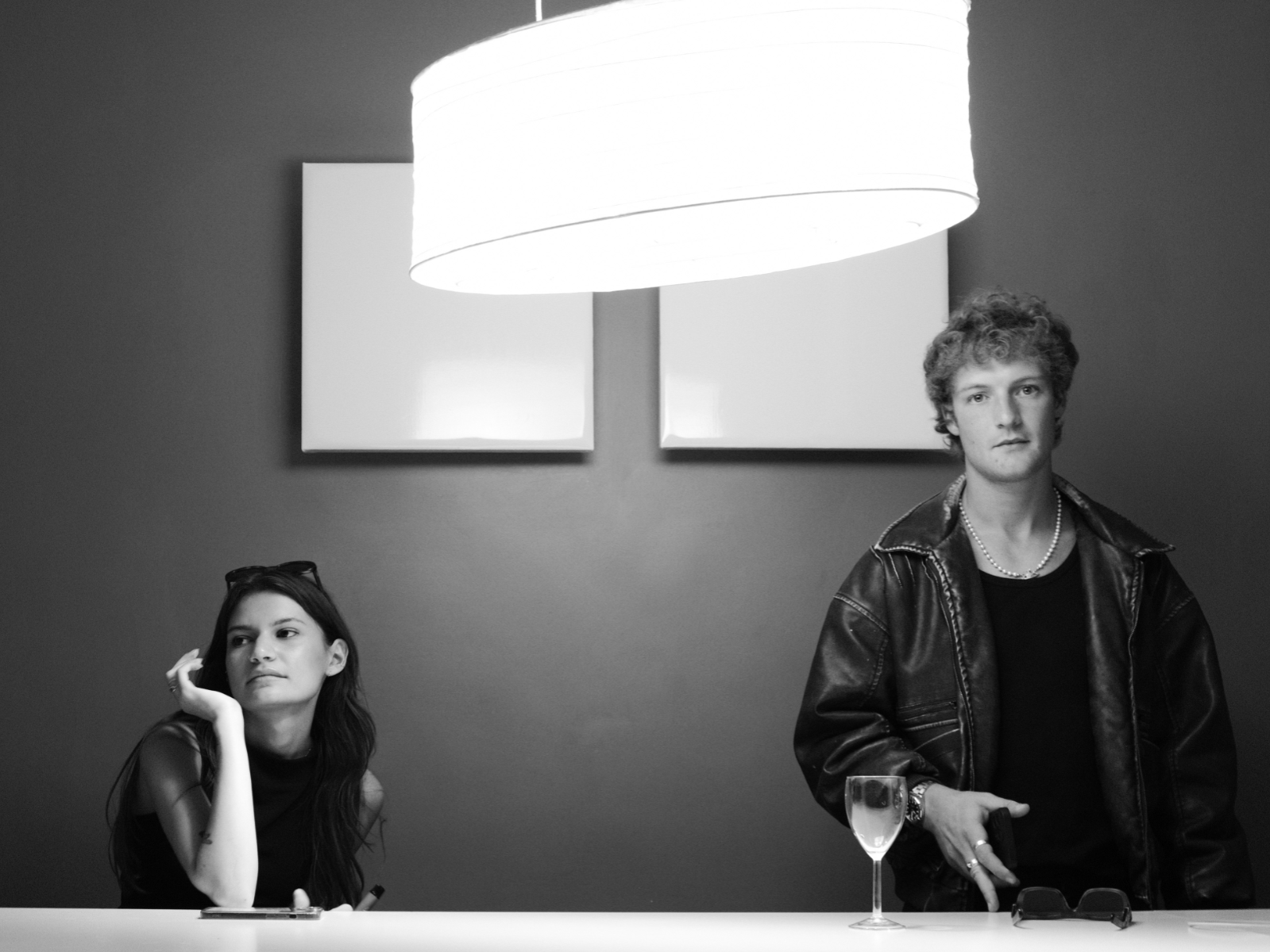
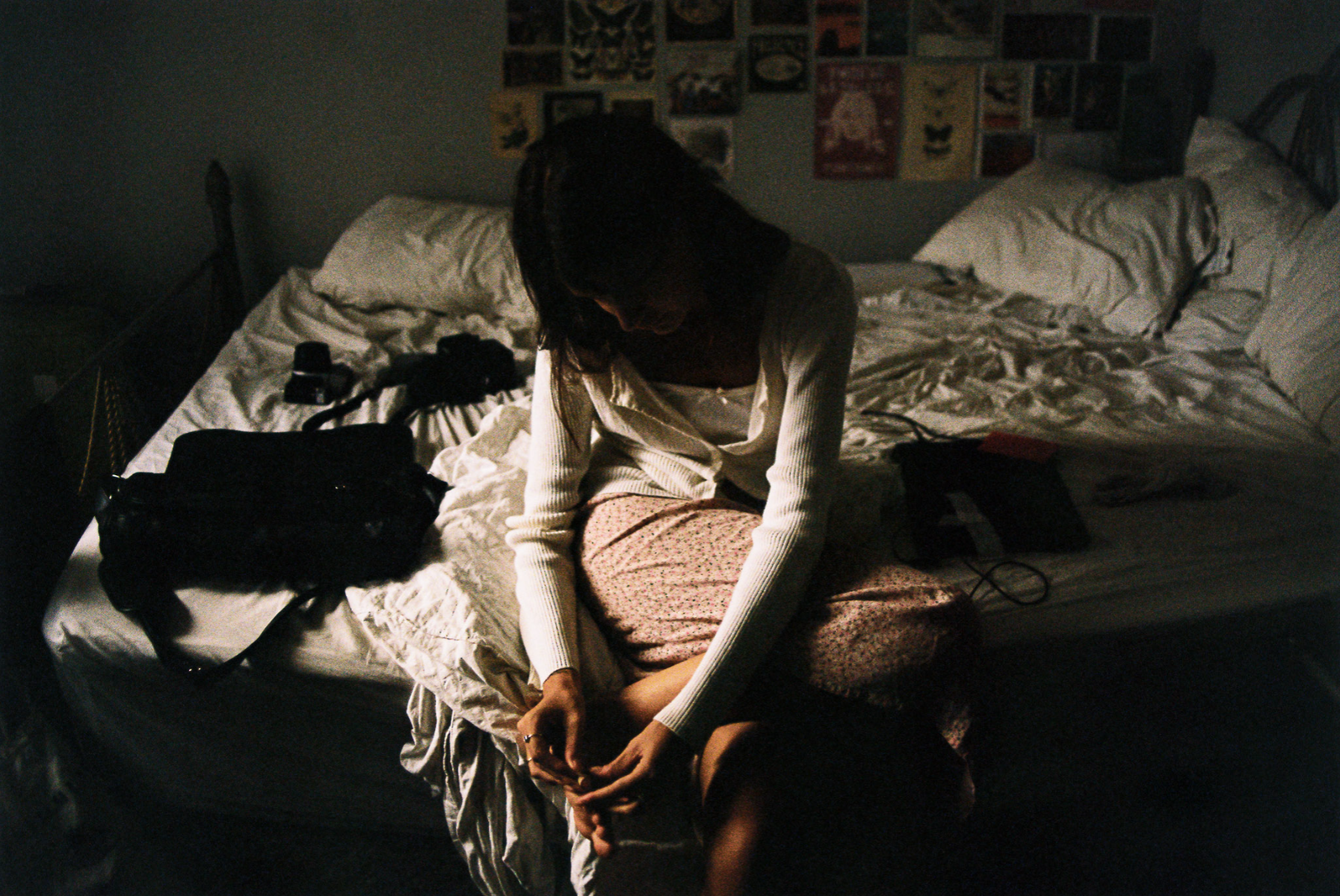
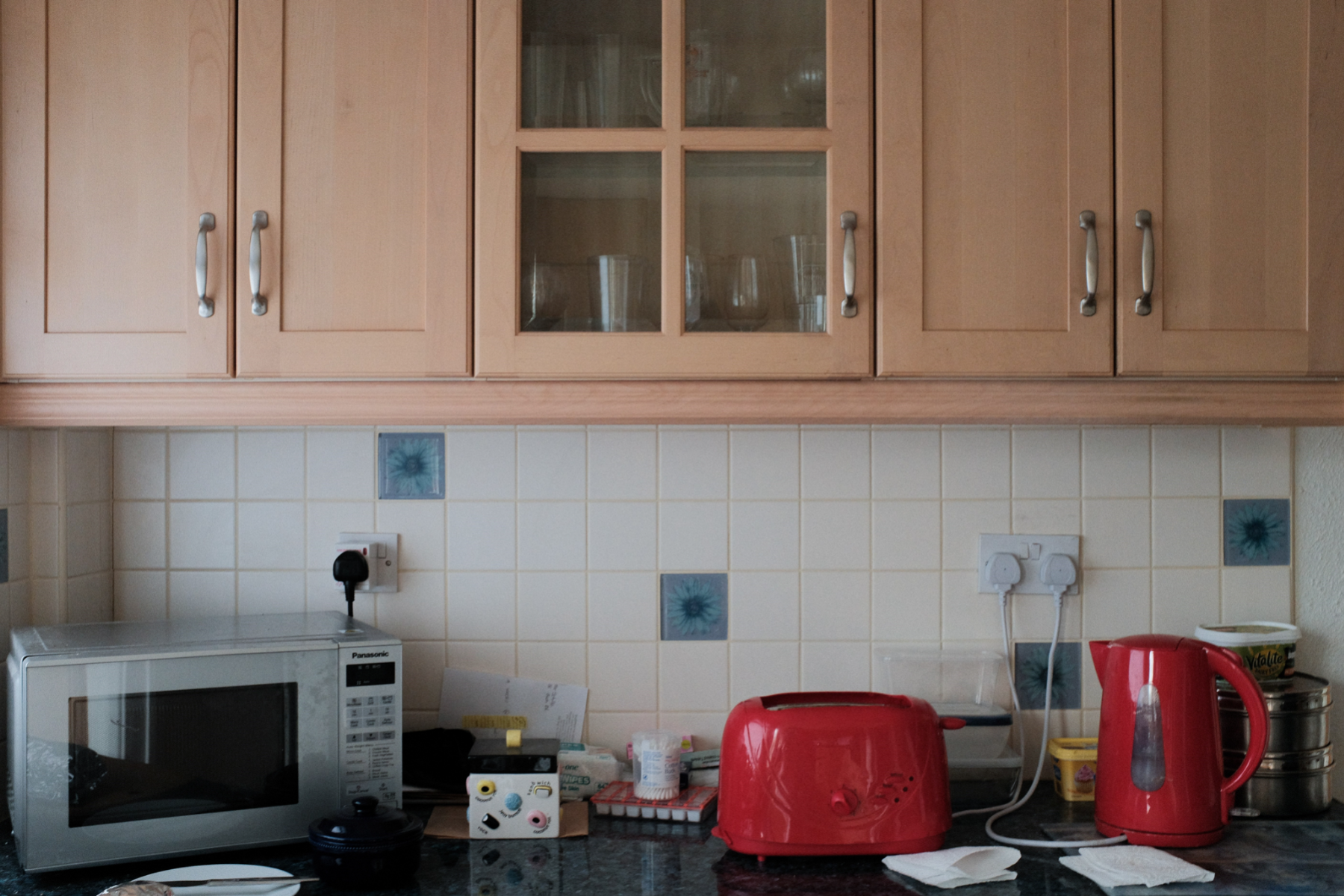
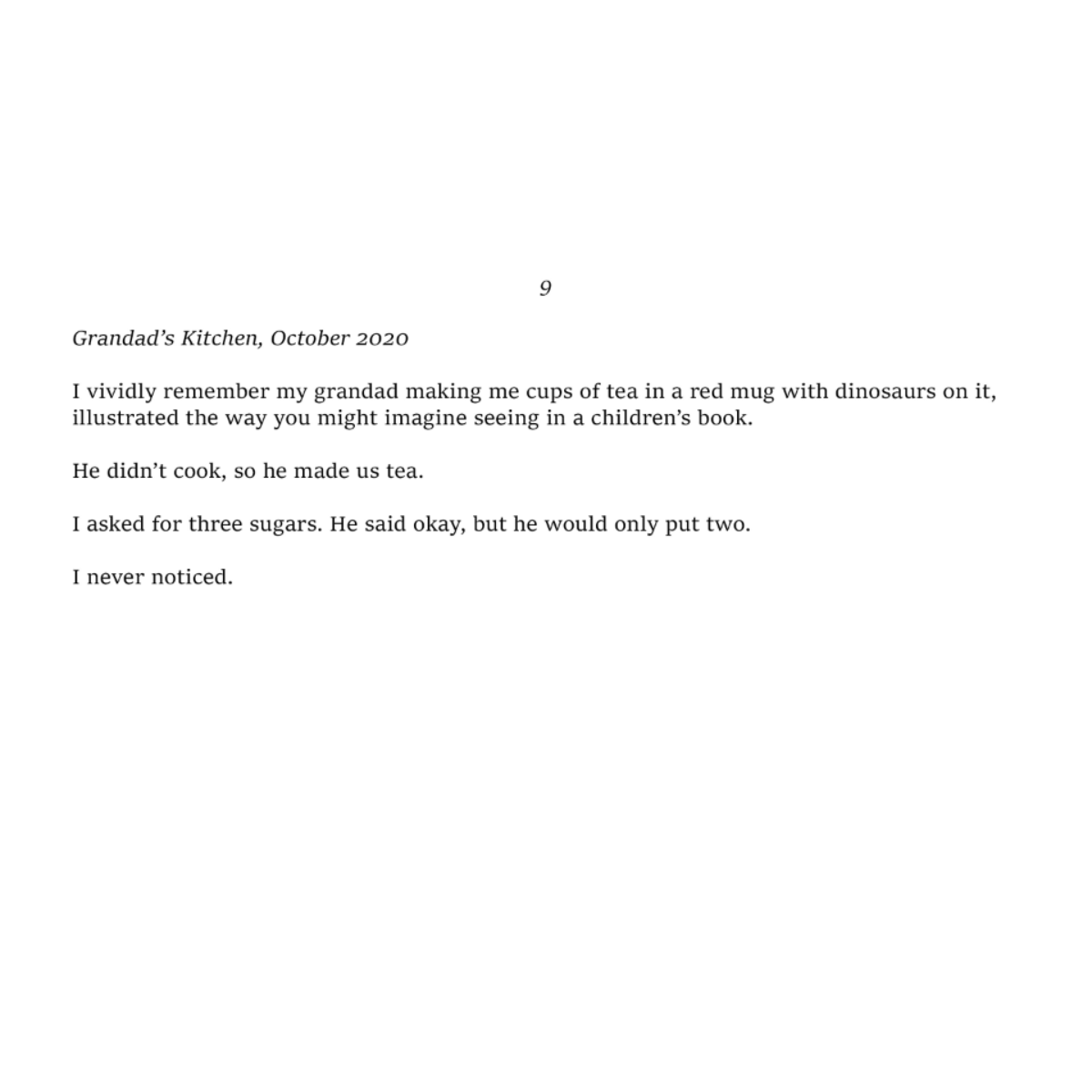
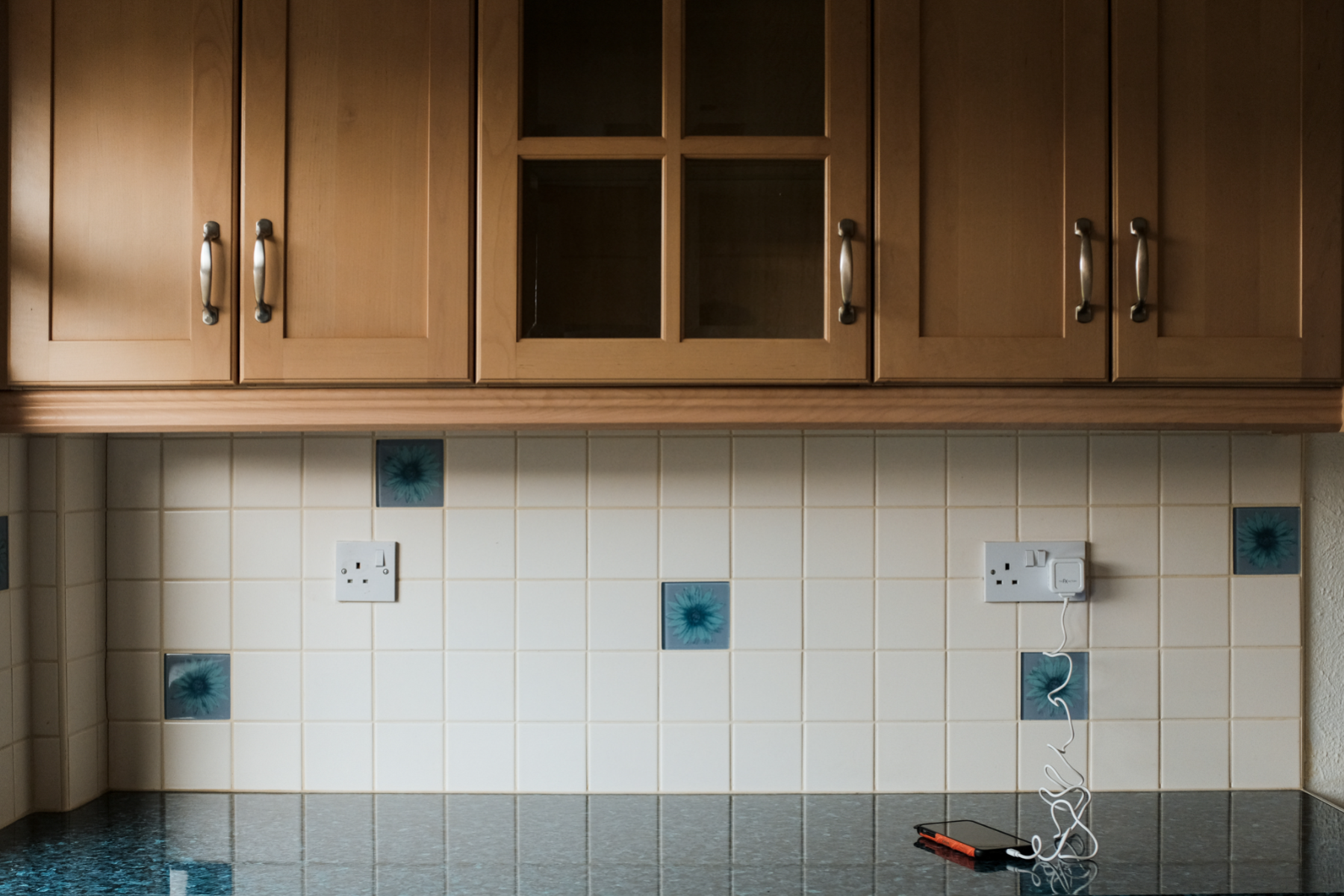
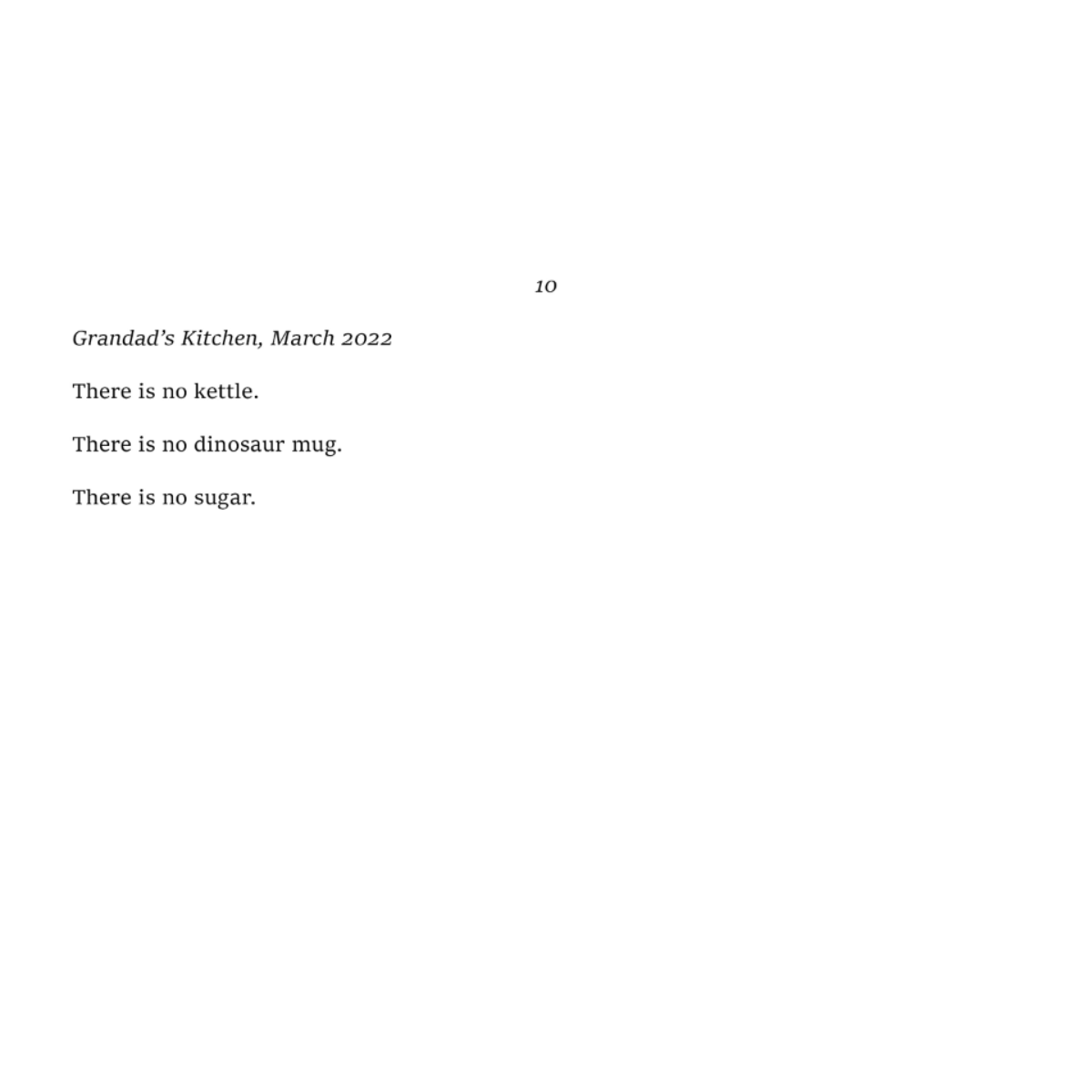

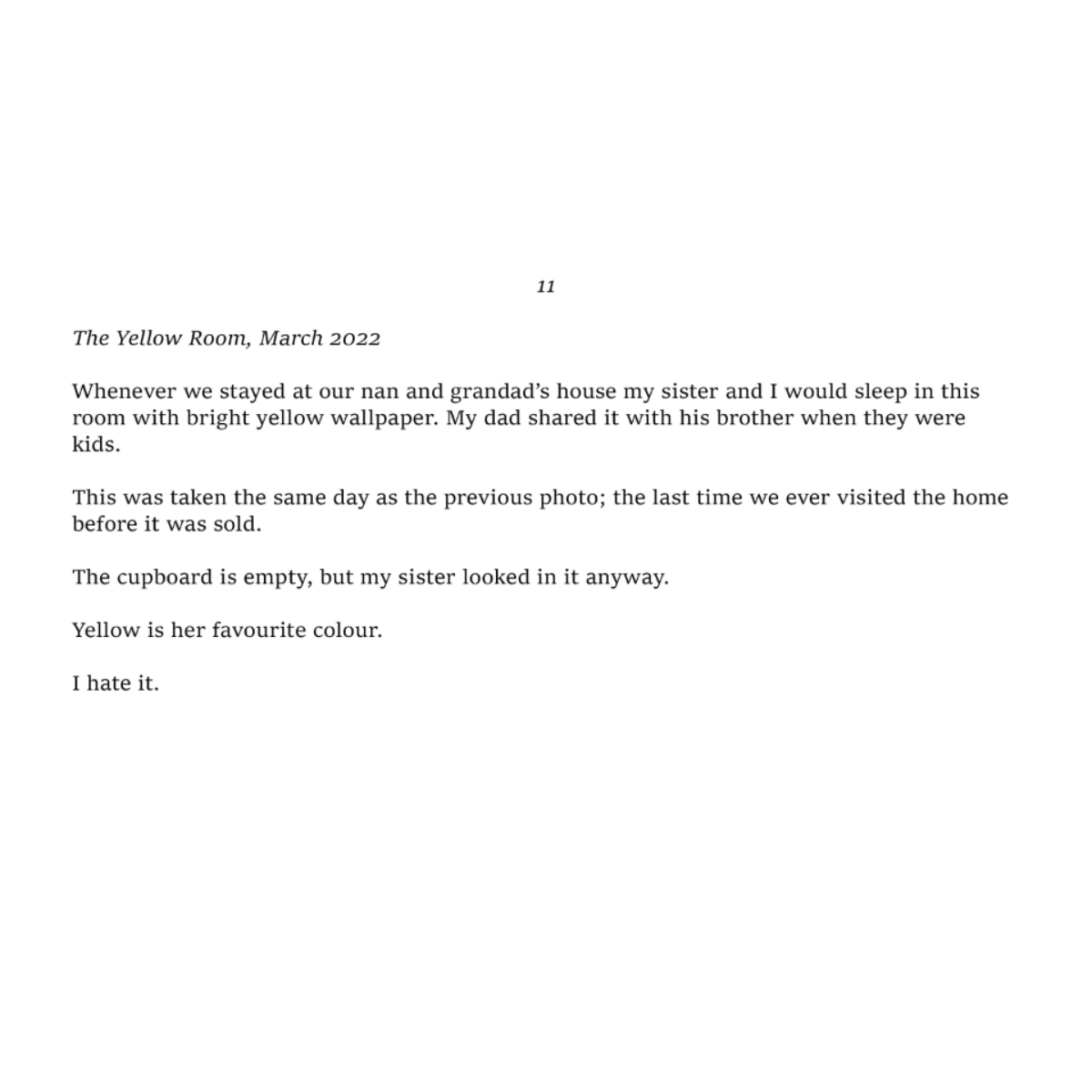
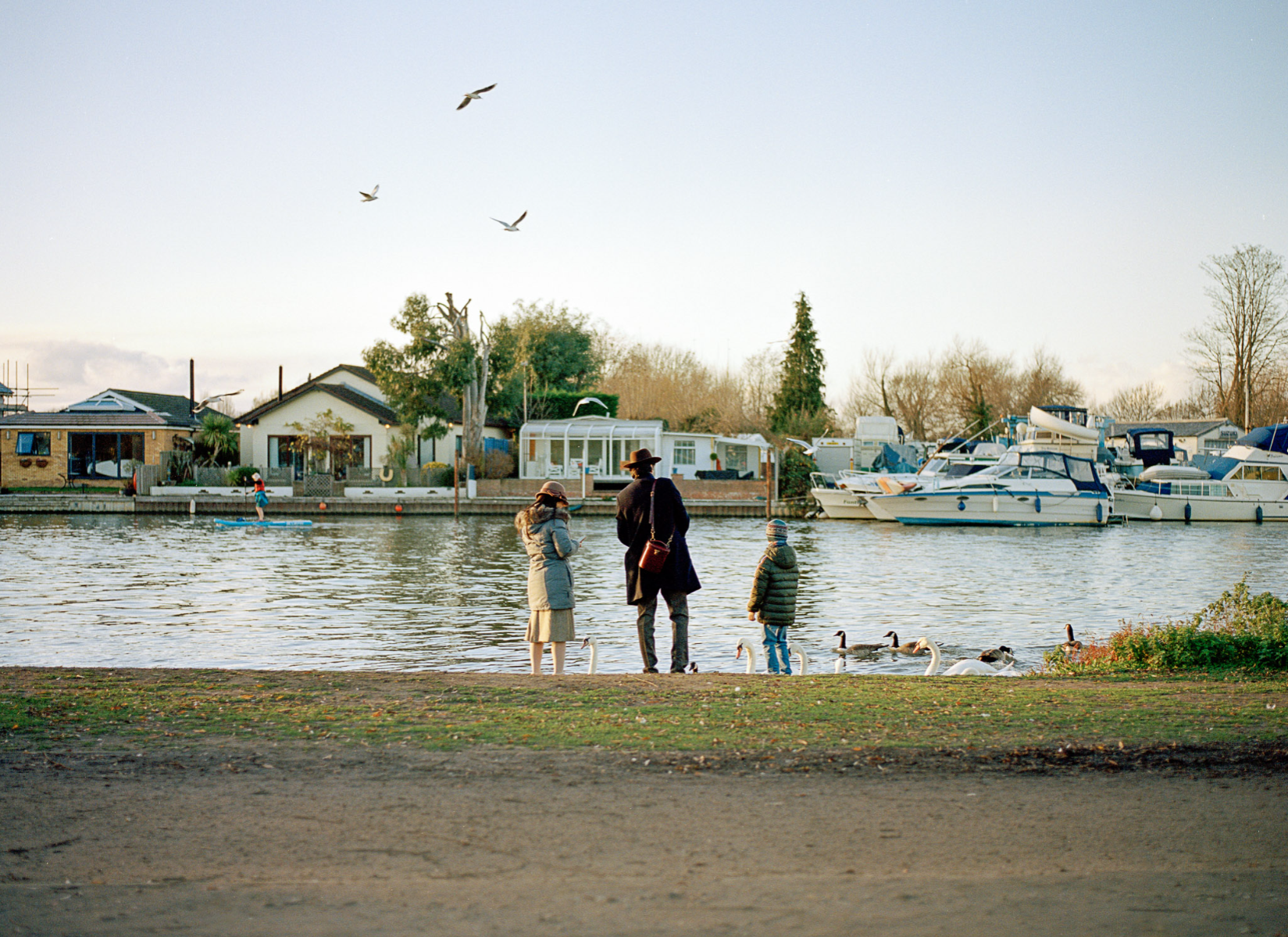

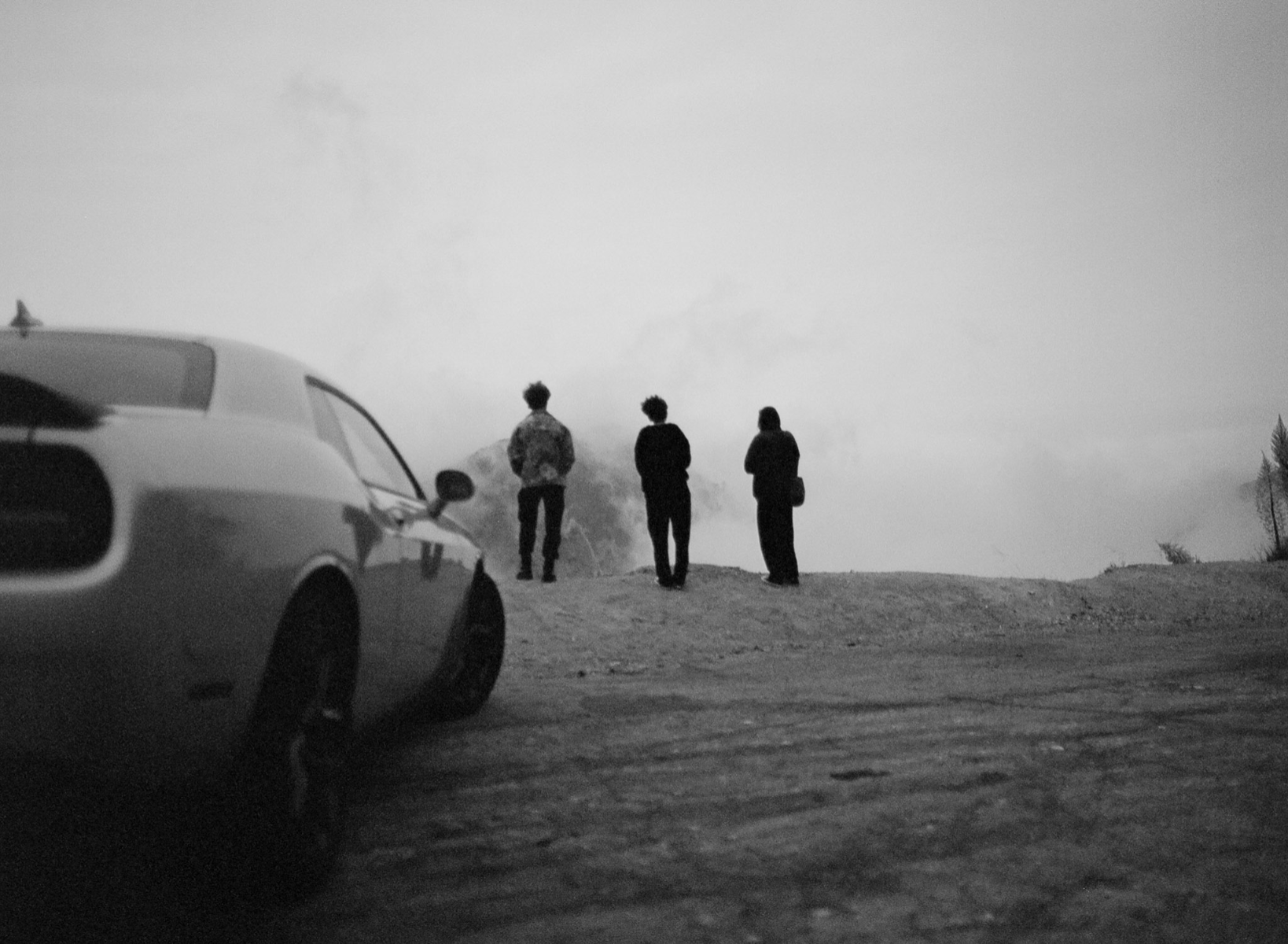

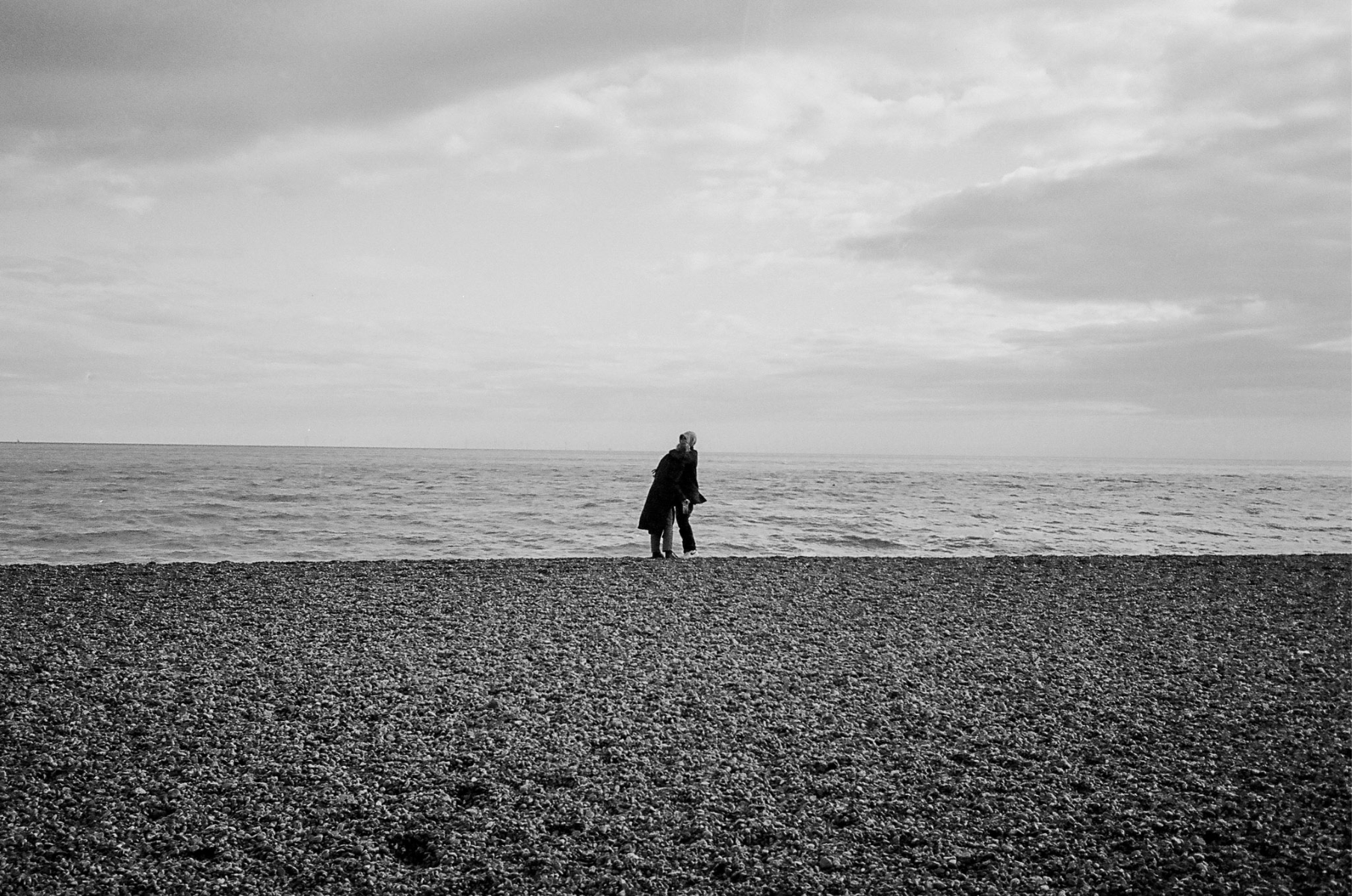
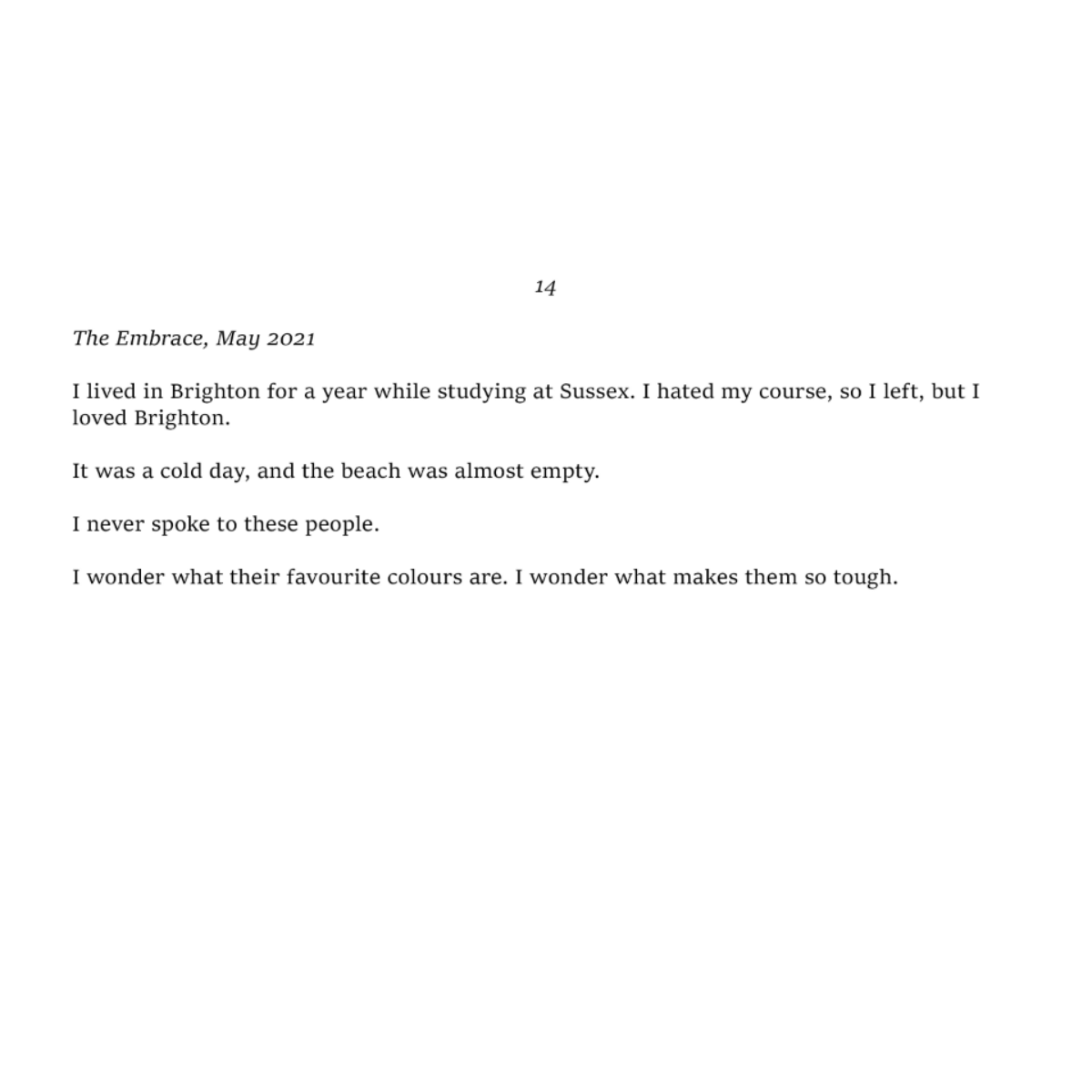
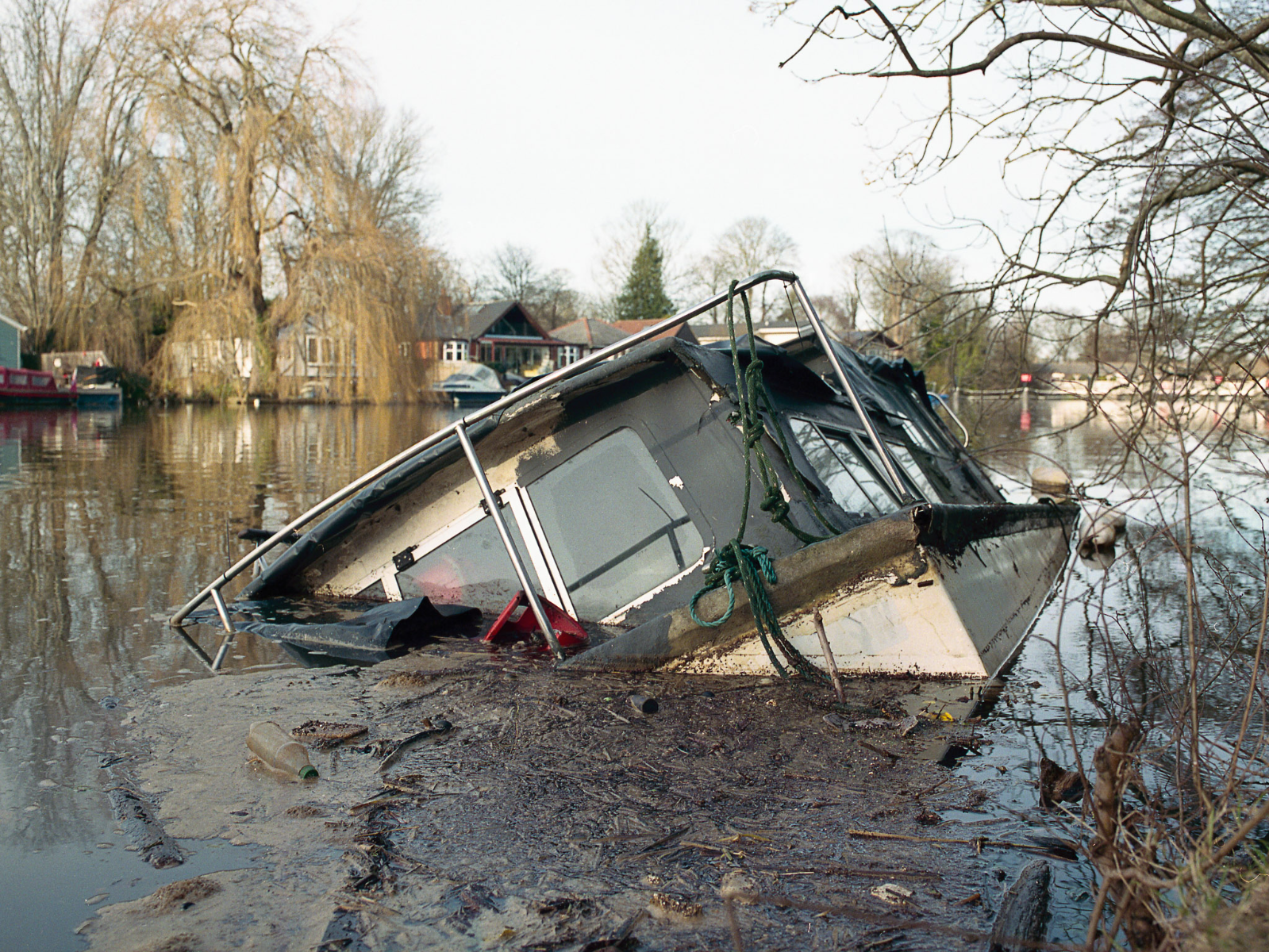


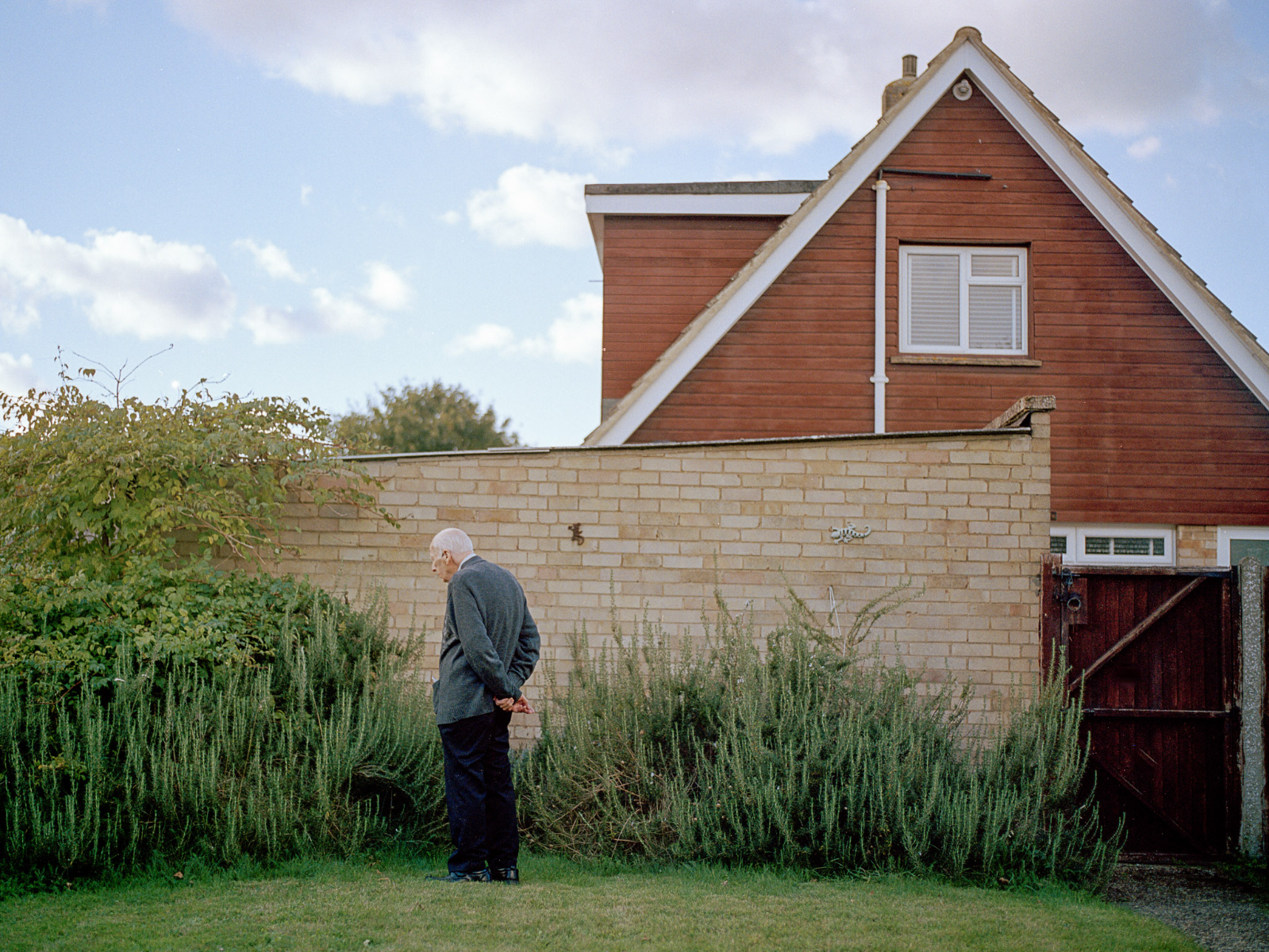
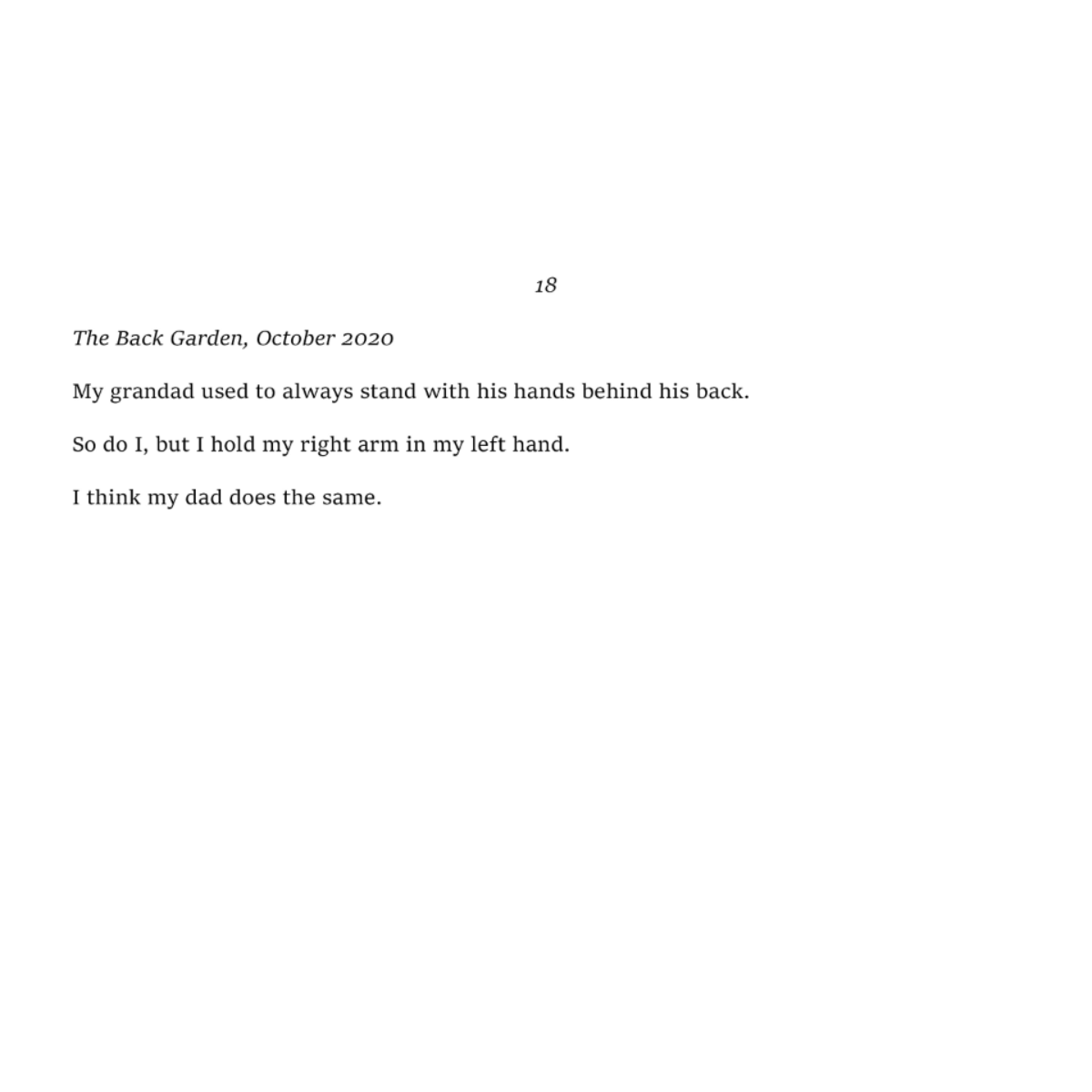
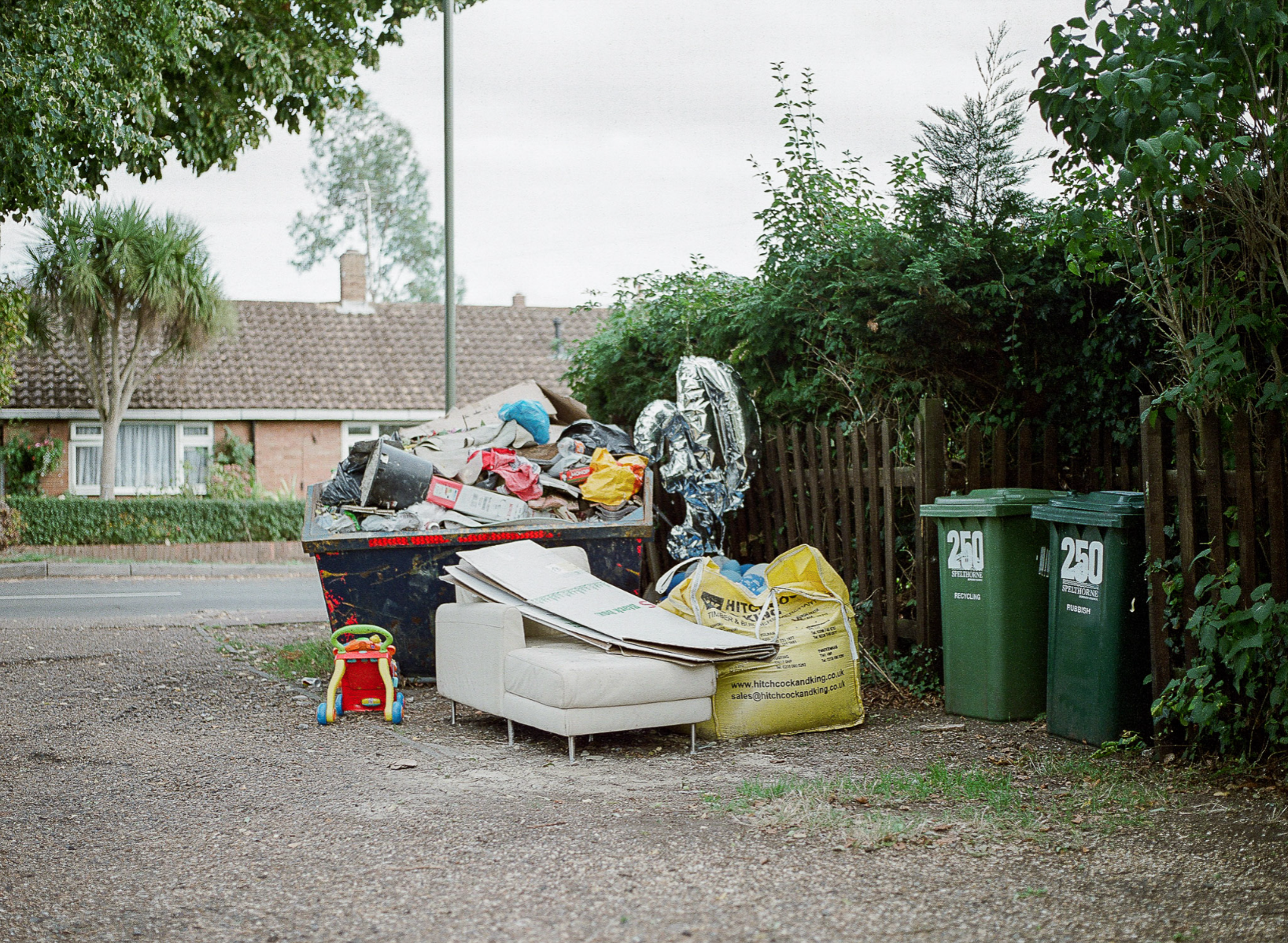

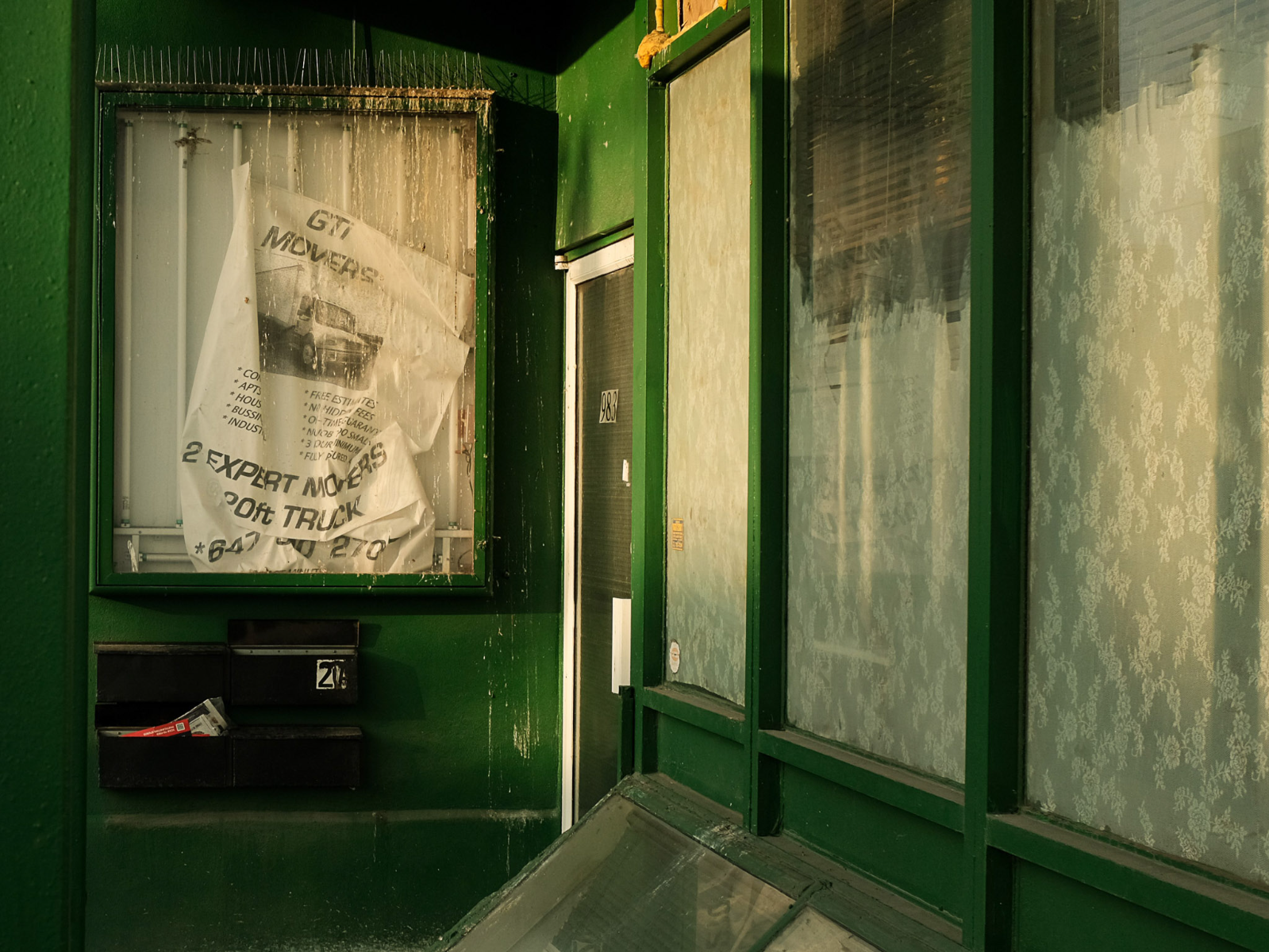

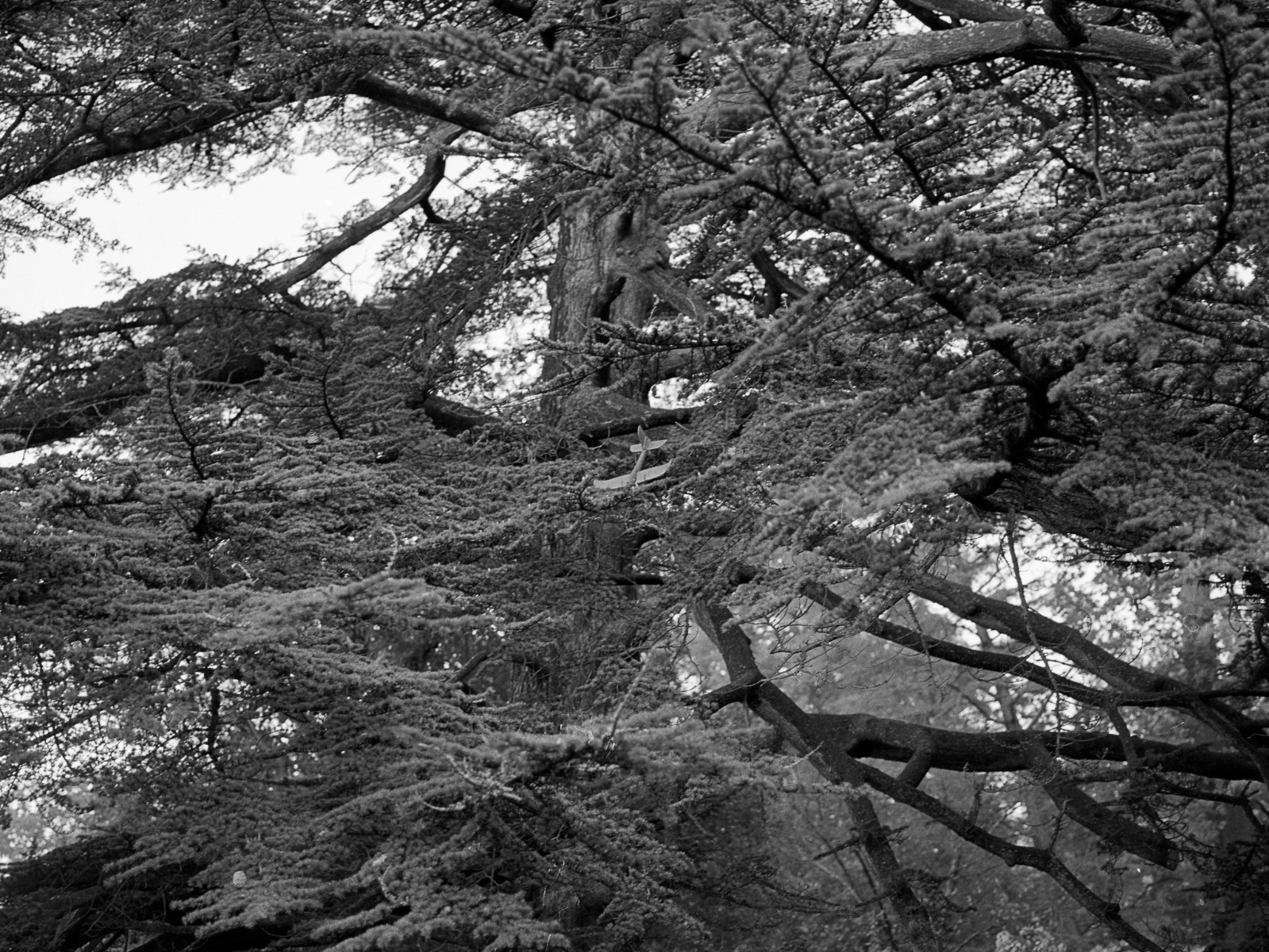
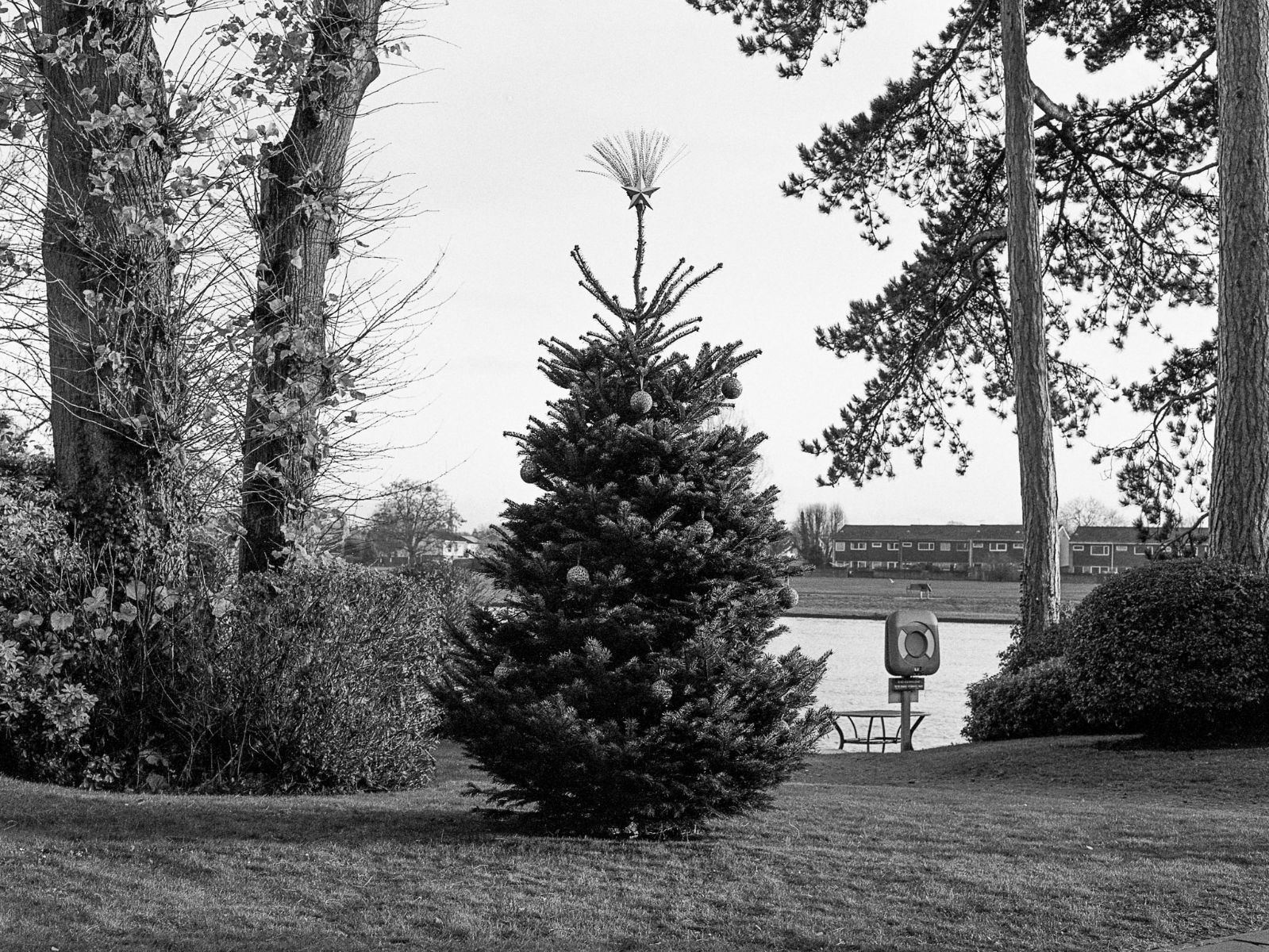

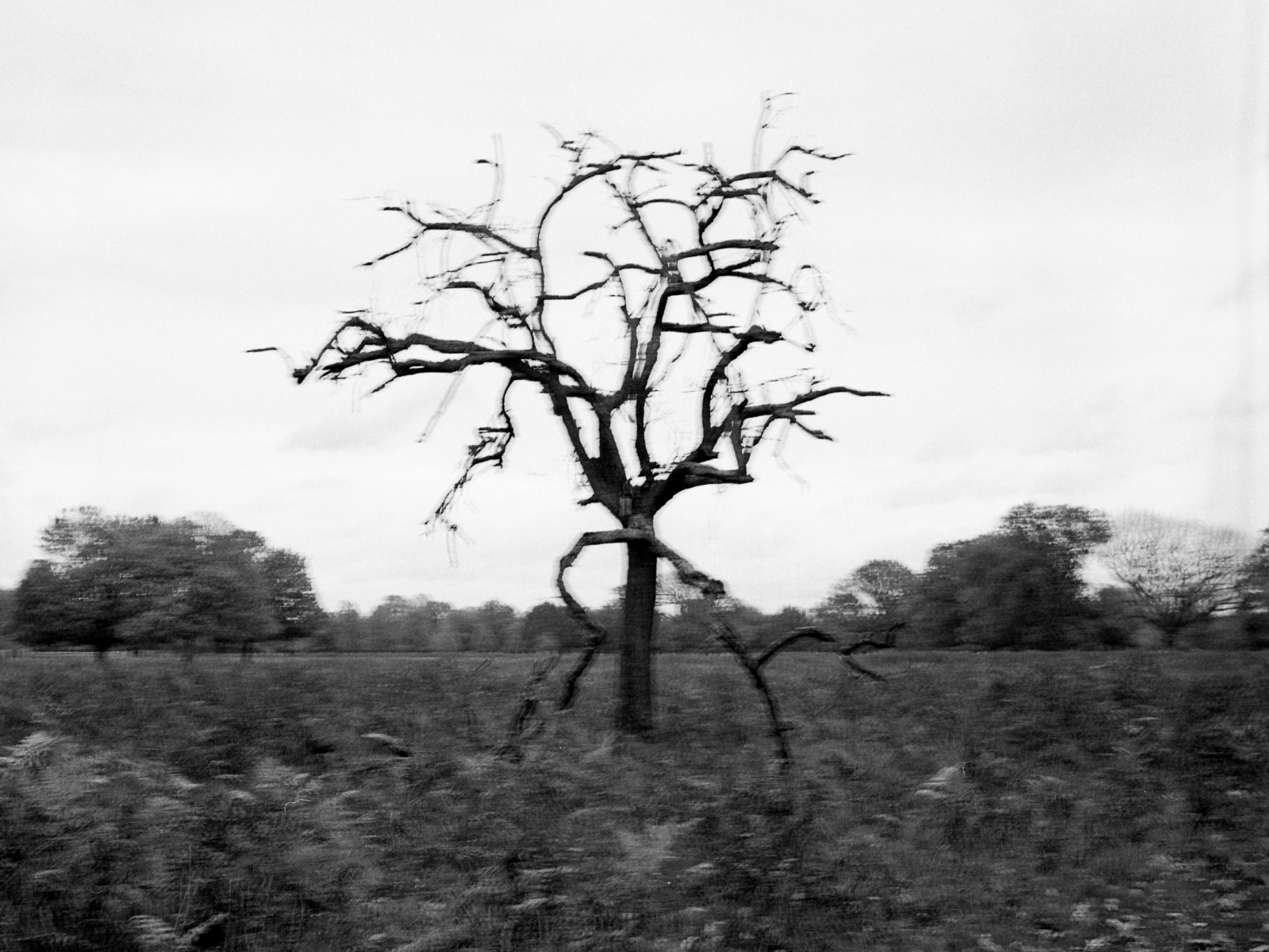
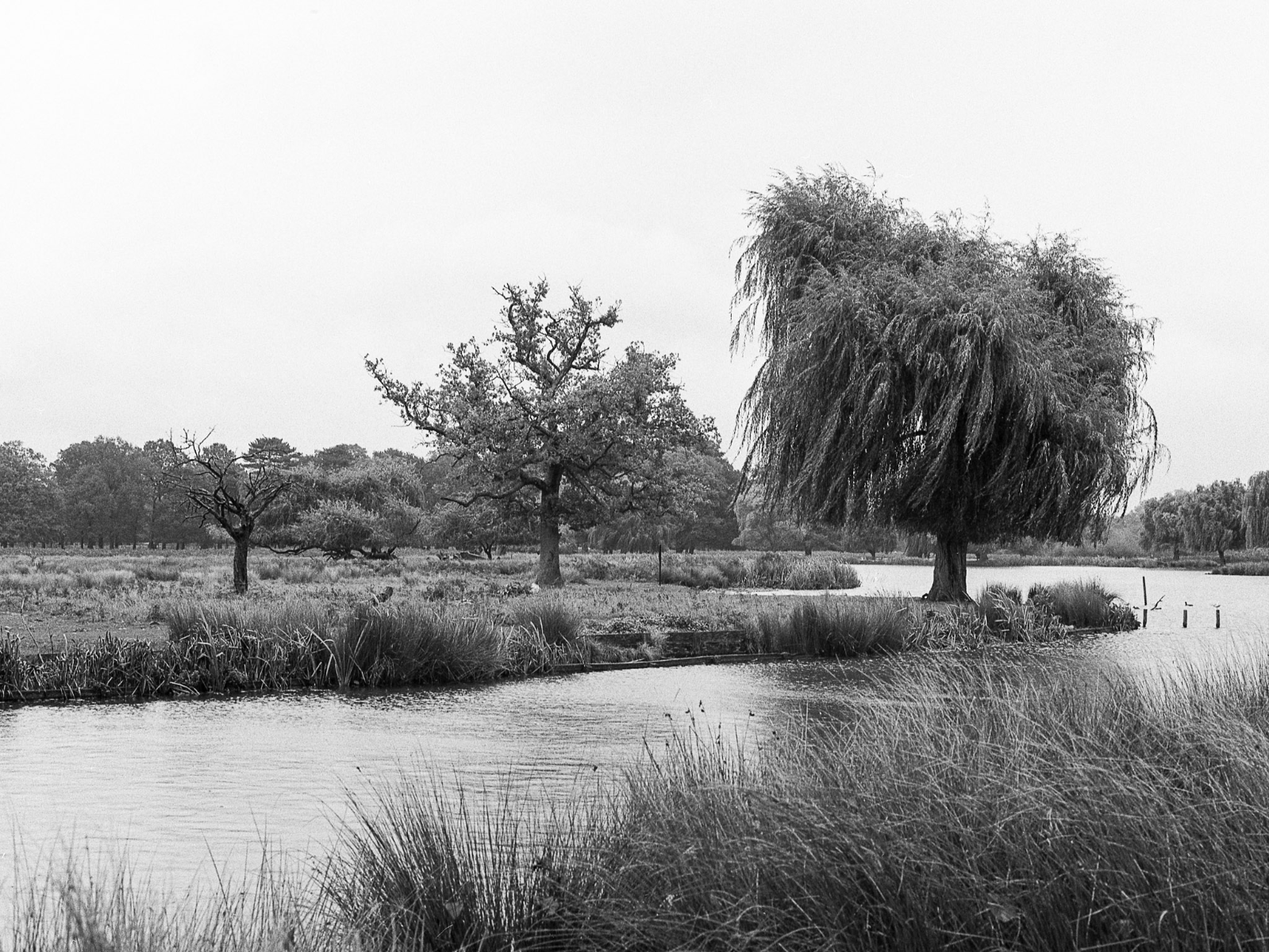


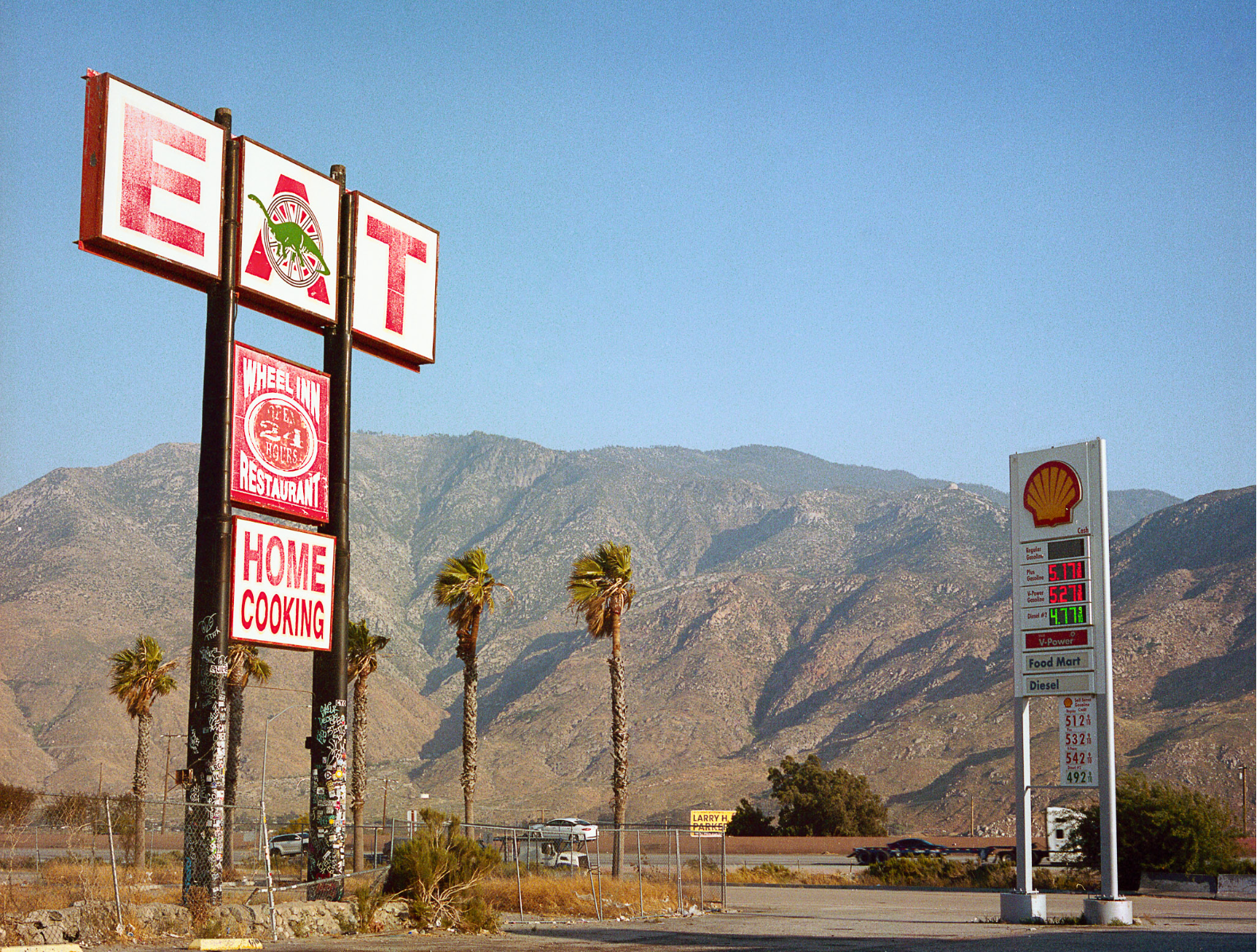
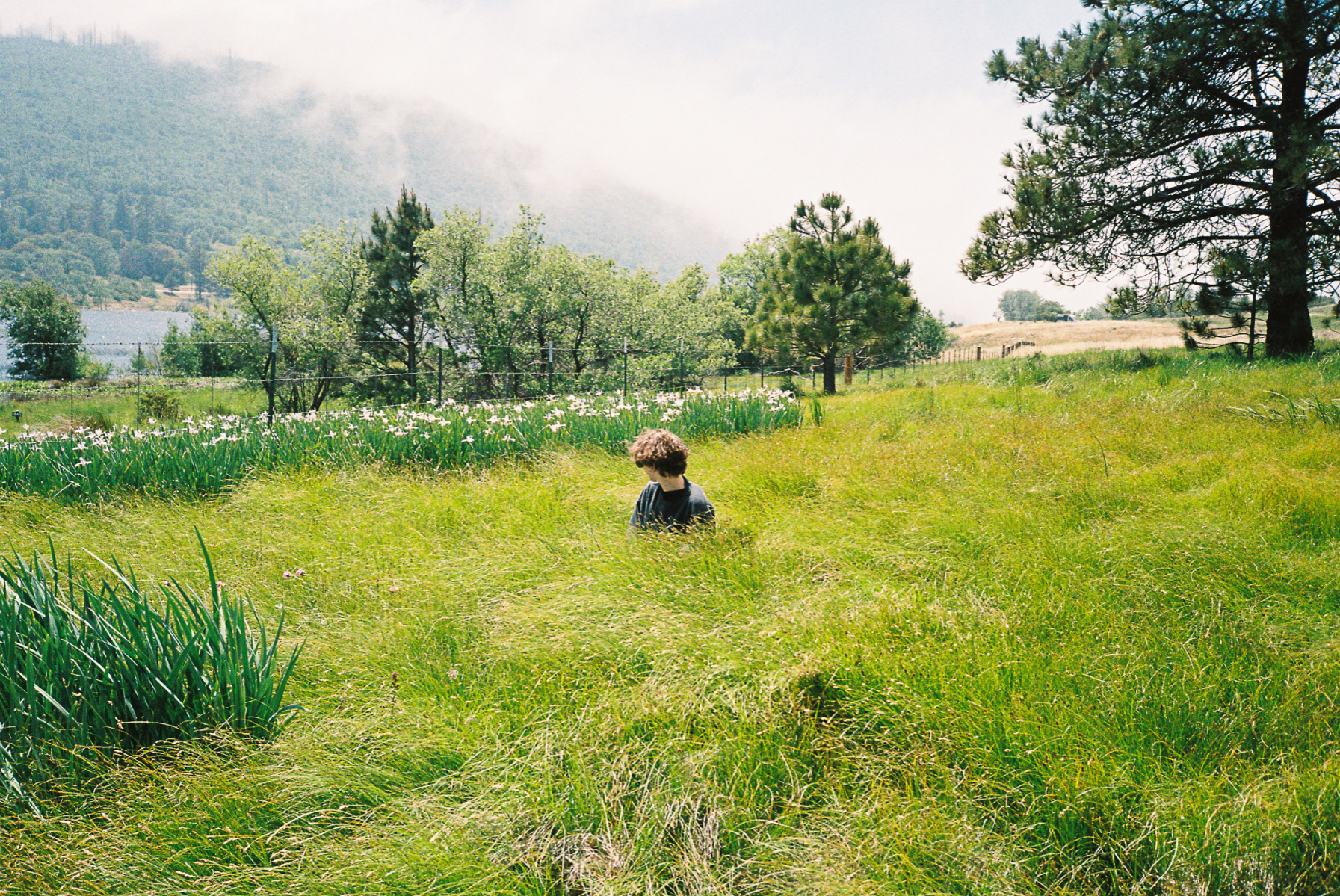


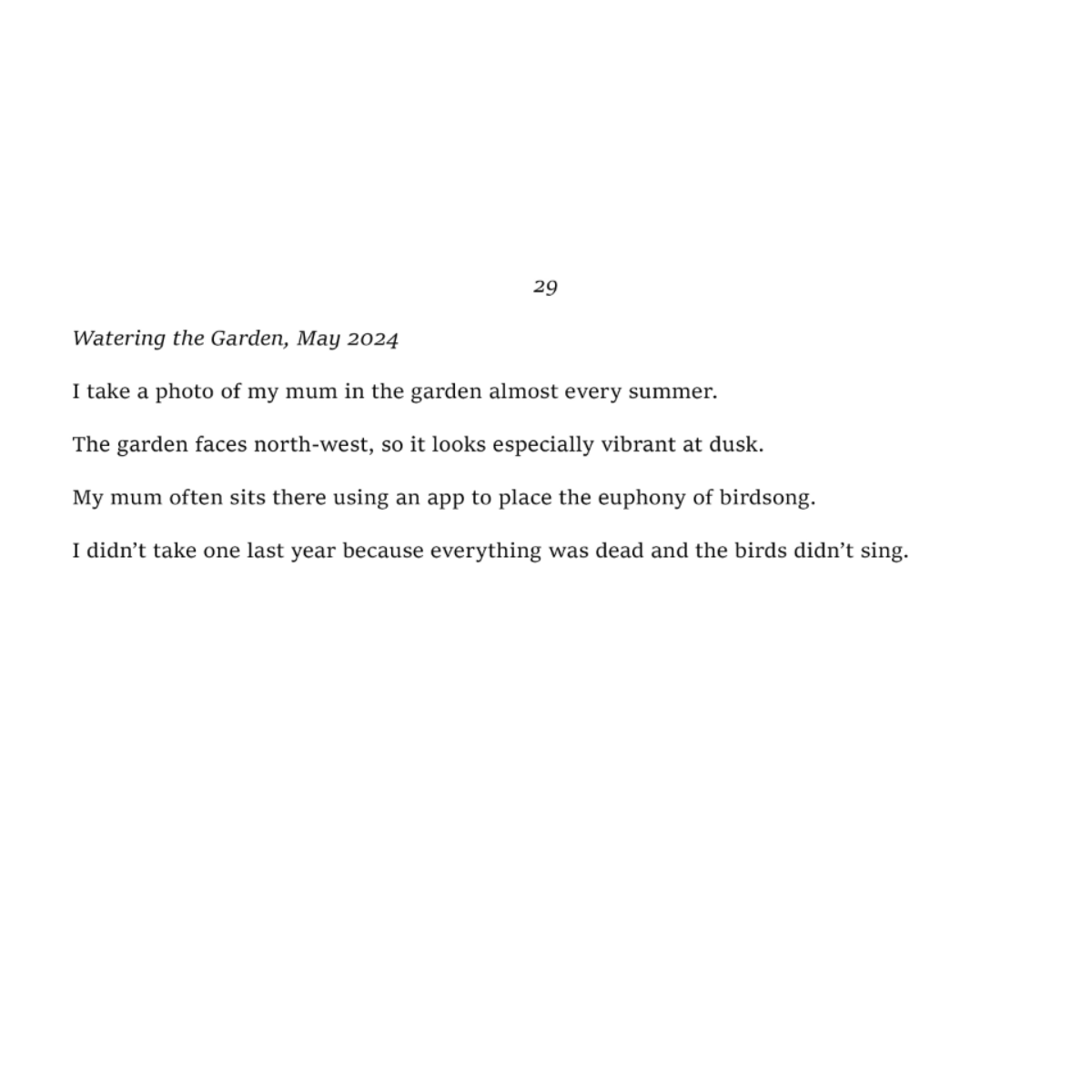

‘I Don’t Recall The Music’ examines grief, memory, nostalgia and melancholy through a series of thirty images from Schiltz's archive between 2020 and 2025 that evoke strong emotions from his past. Each image is sleeved in, then titled and captioned on a record jacket, as if it were an album that could be played in his mind. Loss is a universal experience, whether that be through death, friendships that have faded, relationships that have ended, or locations one no longer resides in. Our relationship with our memory is inherently fickle in nature. We often find that it is easier to recall when latched onto something else, like a scent or a song – a link between what can be continuously accessed and what can never be accessed again. This body of work acts as a way of physically storing Schiltz's ever-escaping memories. 'IDRTM' demonstrates the complicated relationship we have with our own history: the oscillation between an appreciation of what once was and a bitterness of what no longer is. An interview Schiltz did with UAL on this body of work is embedded at the end of the sequence.
Competitions