Veepra Mishra
Fashion futures MA
London College of Fashion UAL
Graduates: 2026
Specialisms: Apparel / Accessories / Design for Social Good
My location: London, United Kingdom


Veepra Mishra
First Name: Veepra
Last Name: Mishra
University / College: London College of Fashion UAL
Course / Program: Fashion futures MA
Graduates: 2026
Specialisms: Apparel / Accessories / Design for Social Good
My Location: London, United Kingdom
Website: Click To See Website
About
Veepra Mishra (b. 2002) is an interdisciplinary designer and researcher working at the intersection of fashion, storytelling, and social justice. Rooted in decolonial and critical design, her practice explores how fashion and adornment can carry memory, care, and resistance. Through speculative wearables and narrative-led making, she reimagines assistive objects as forms of everyday adornment, centering marginalized and disabled people while envisioning futures rooted in care and dignity.
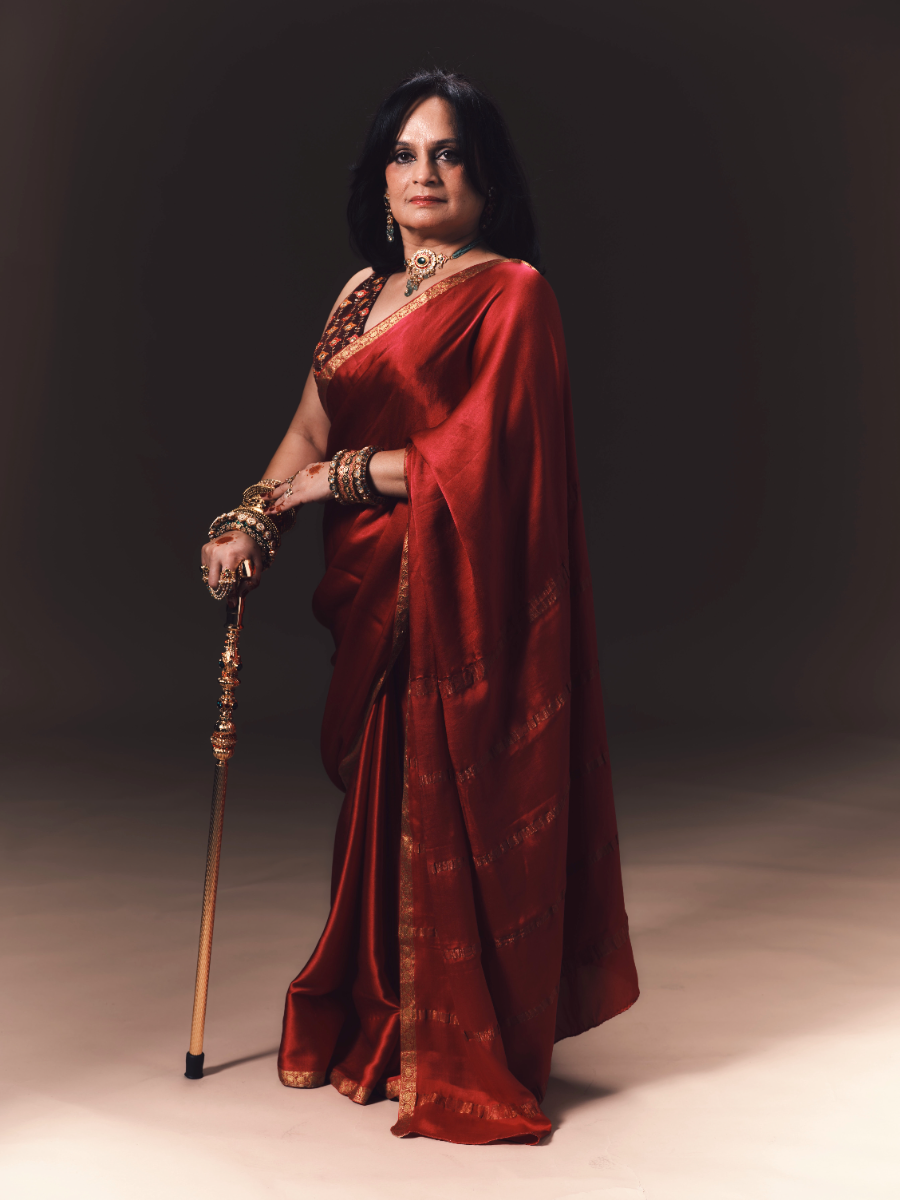
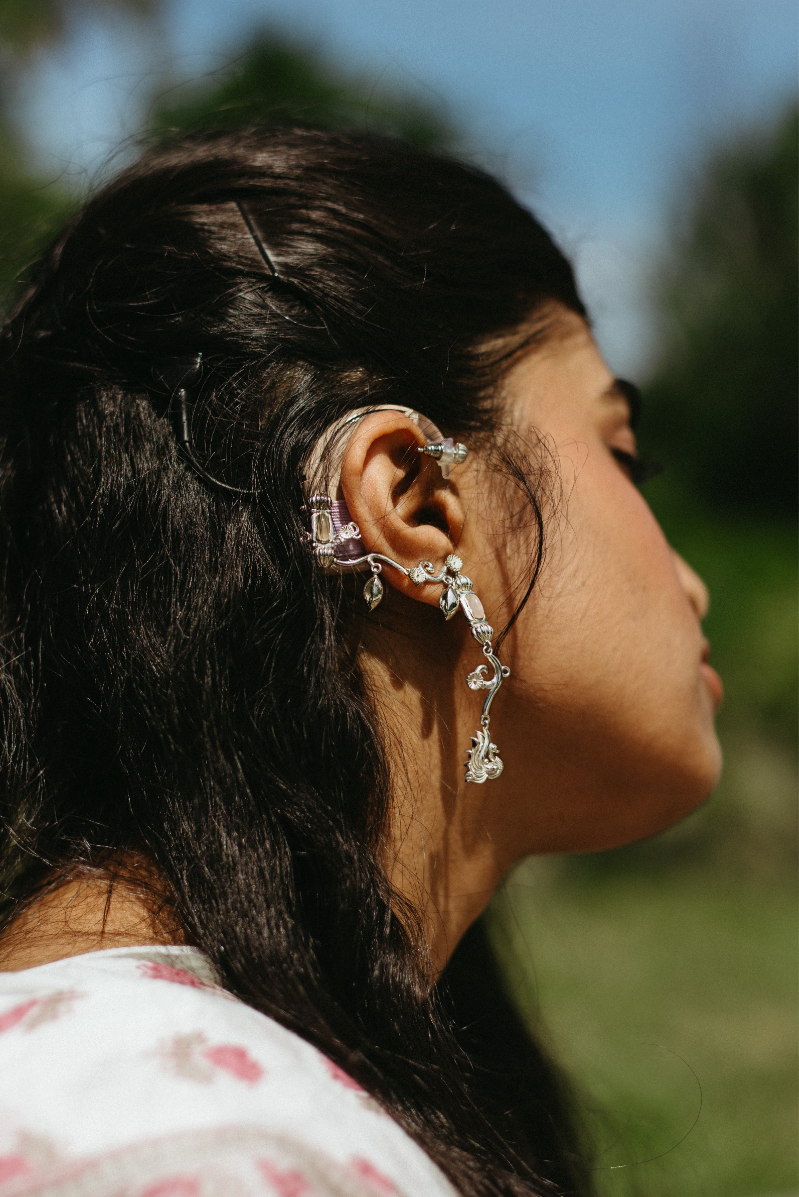

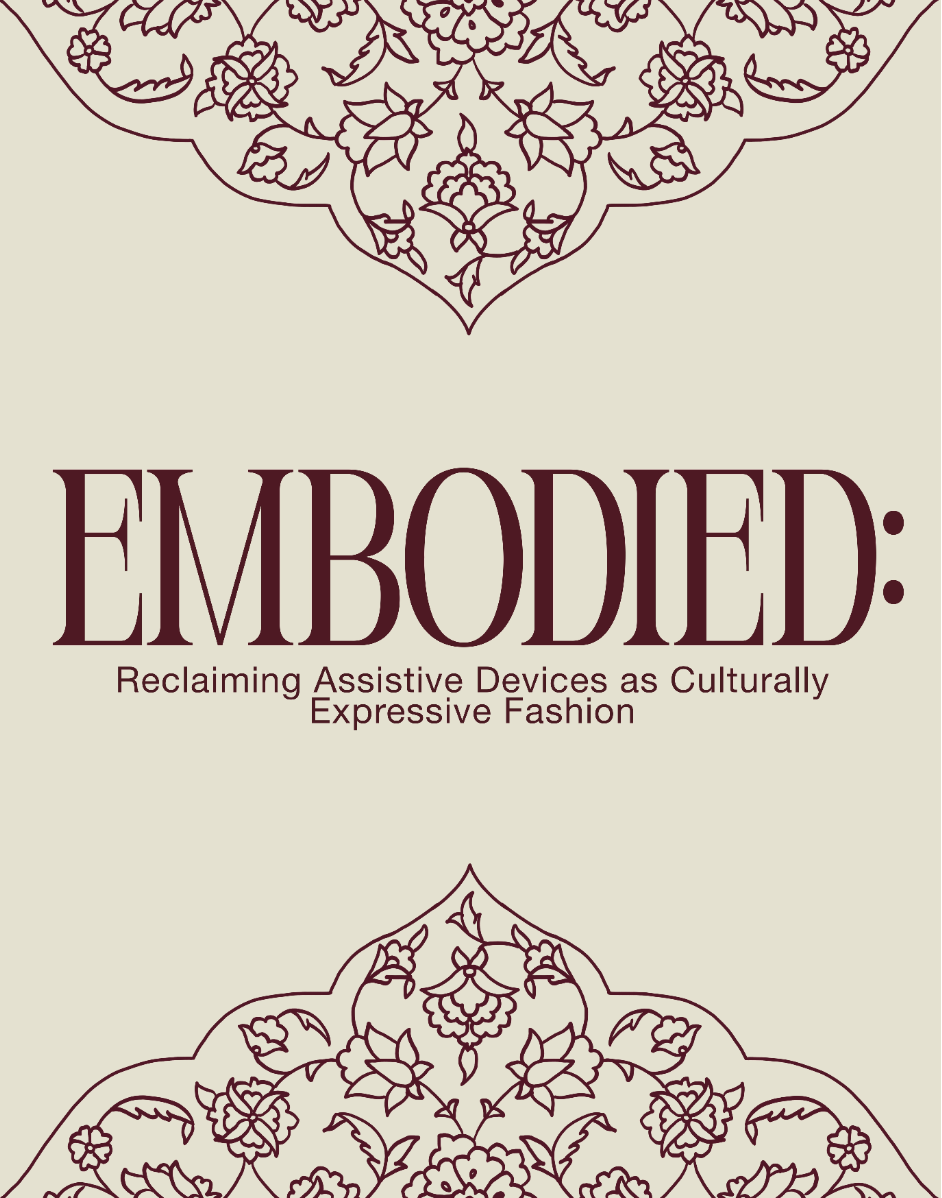
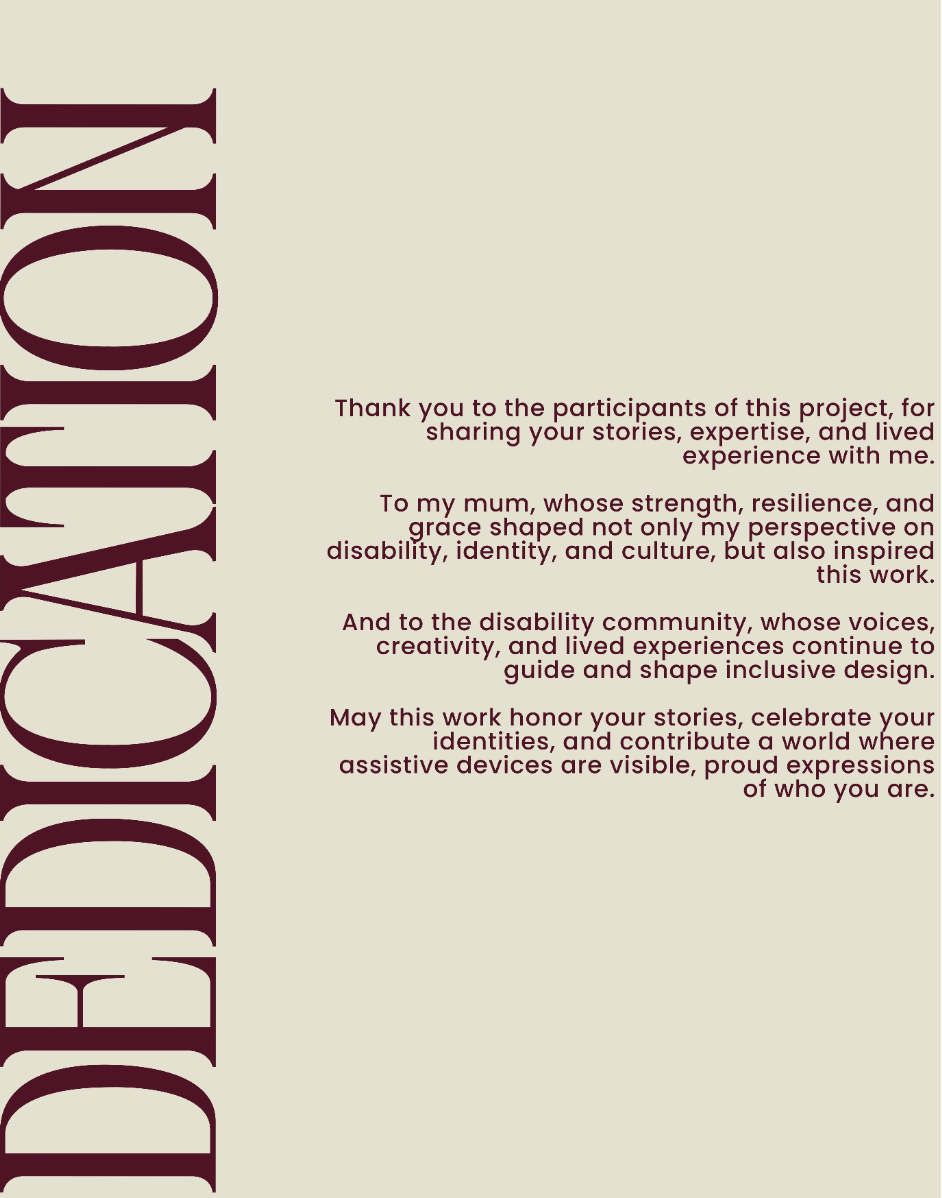
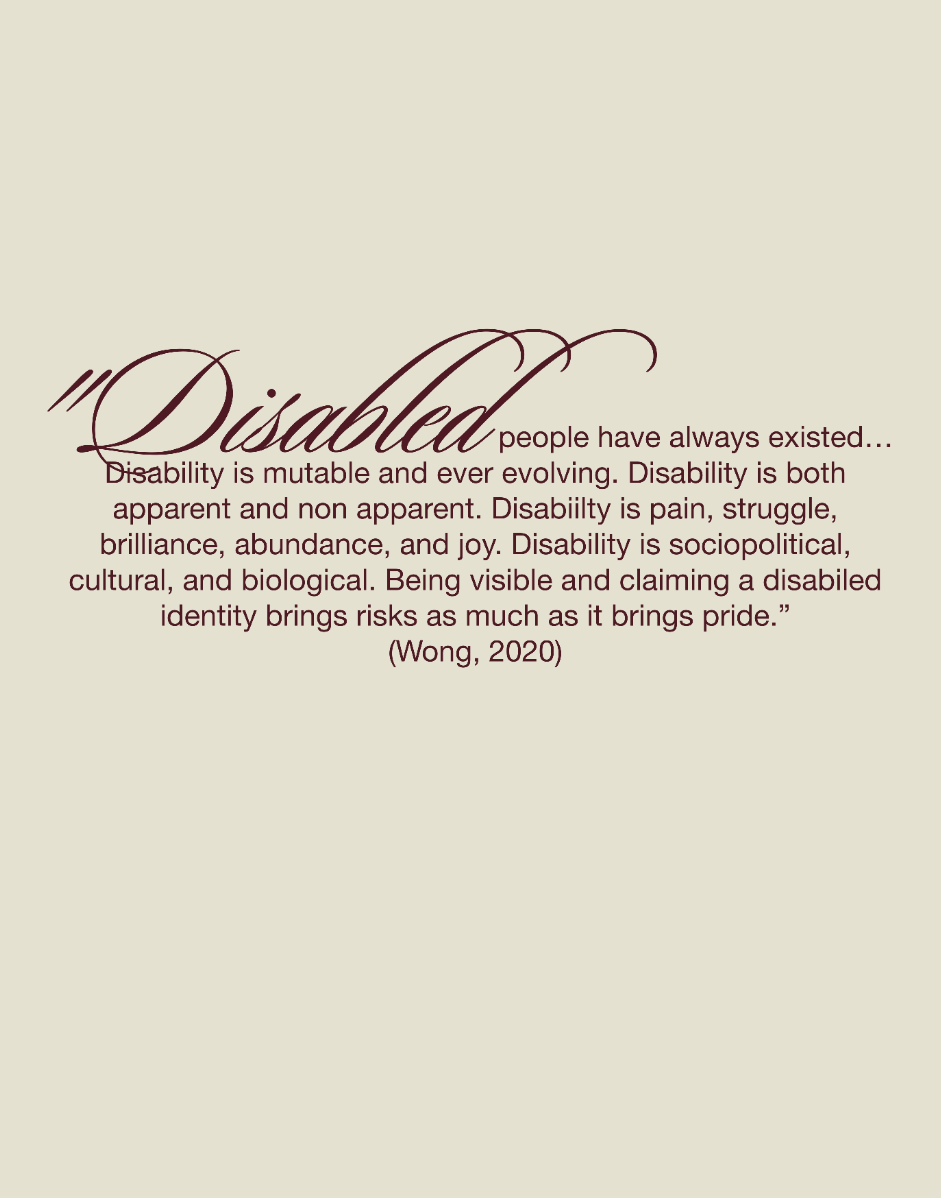
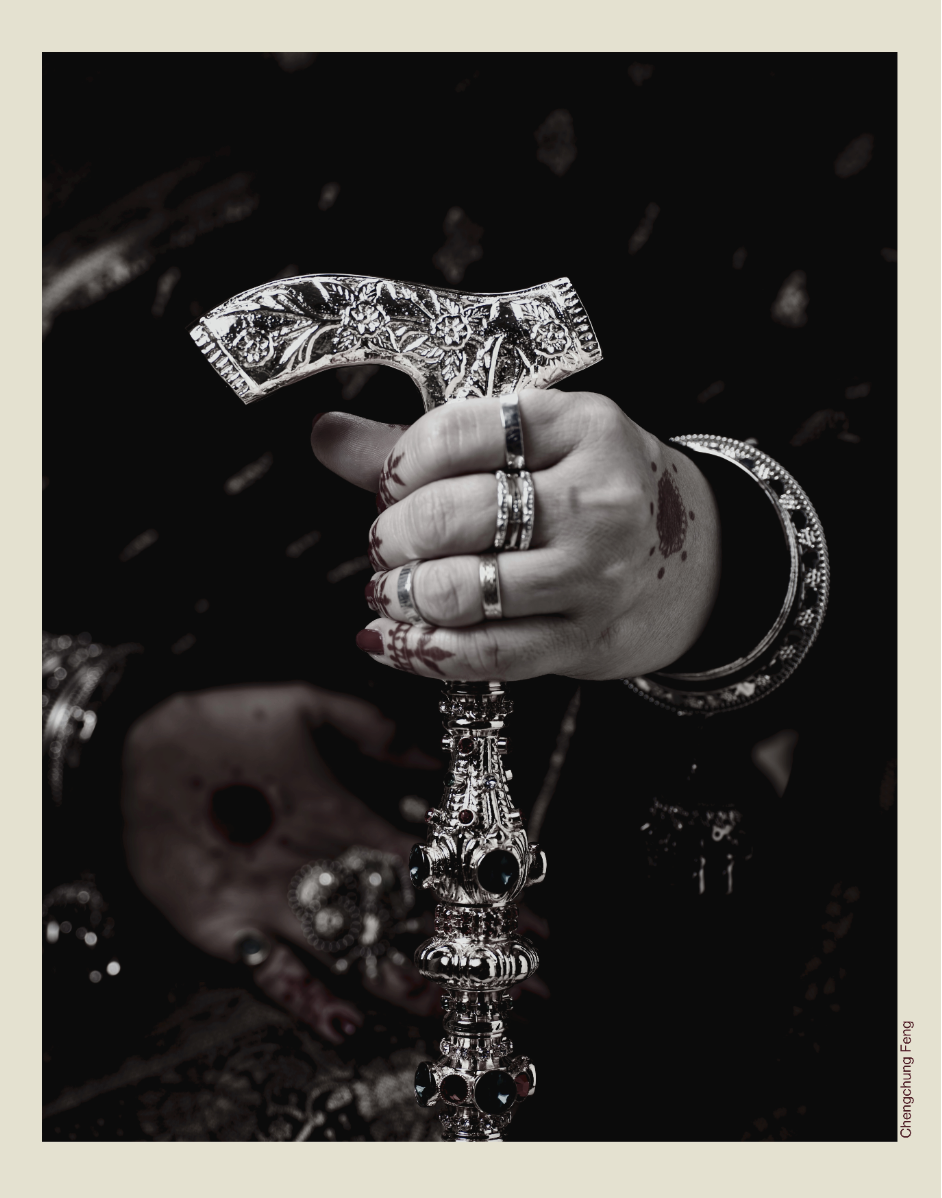
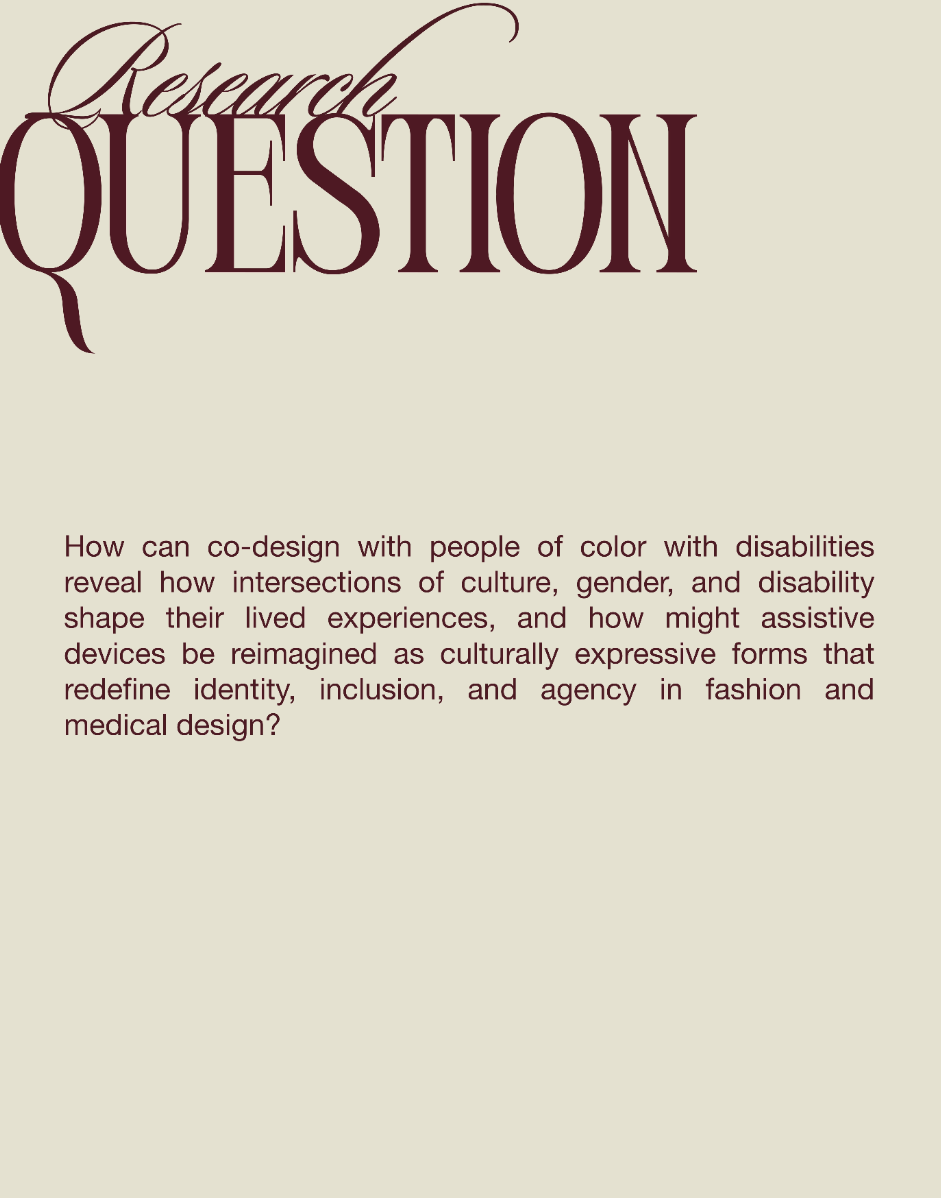
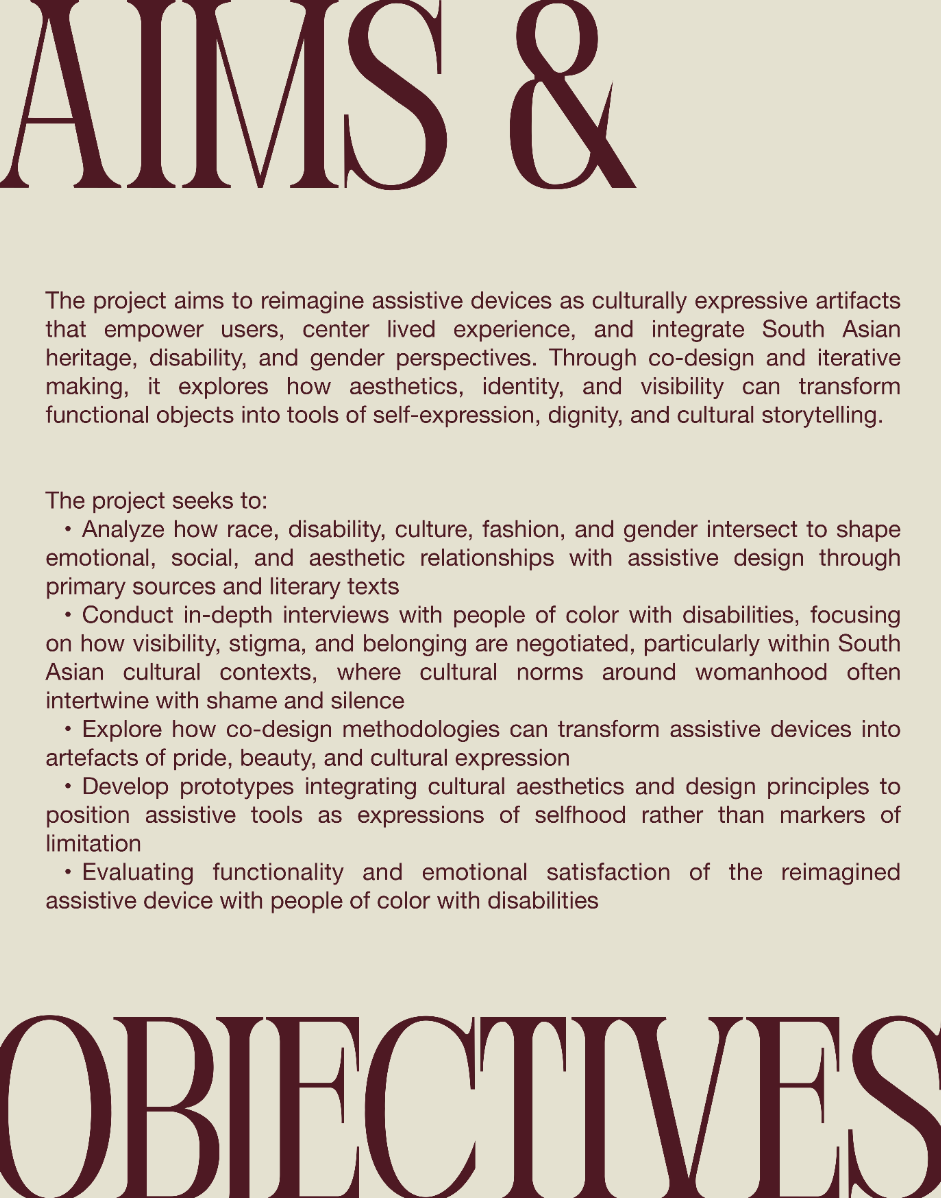
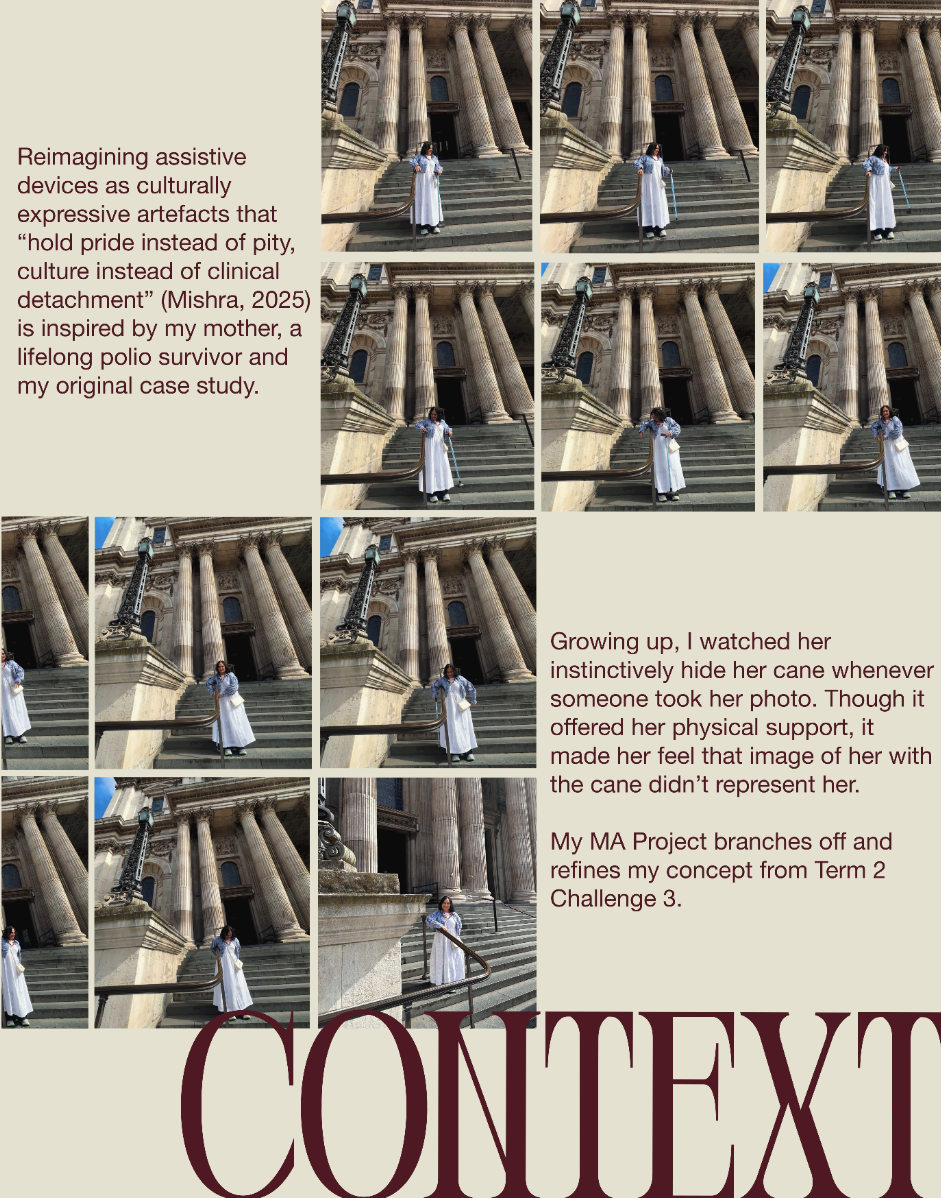
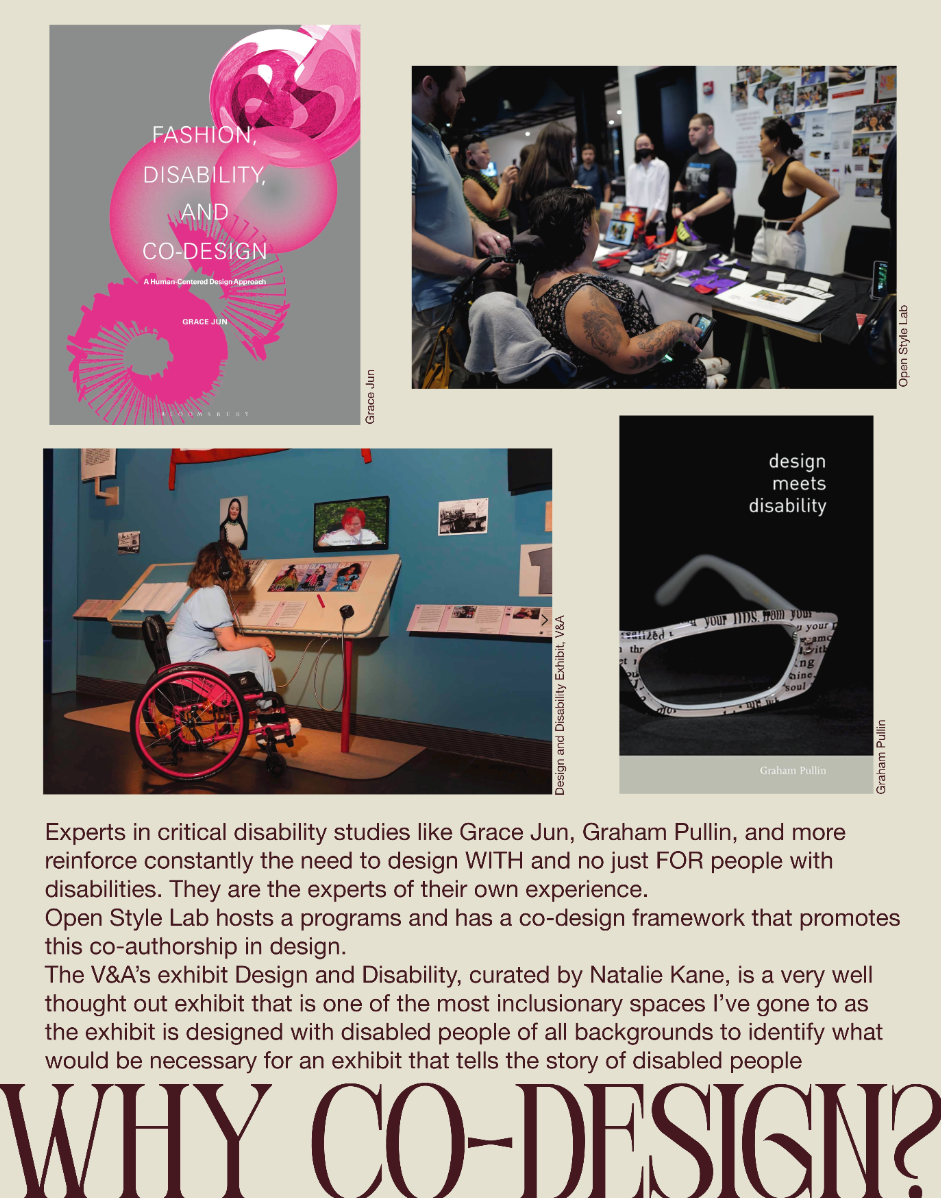
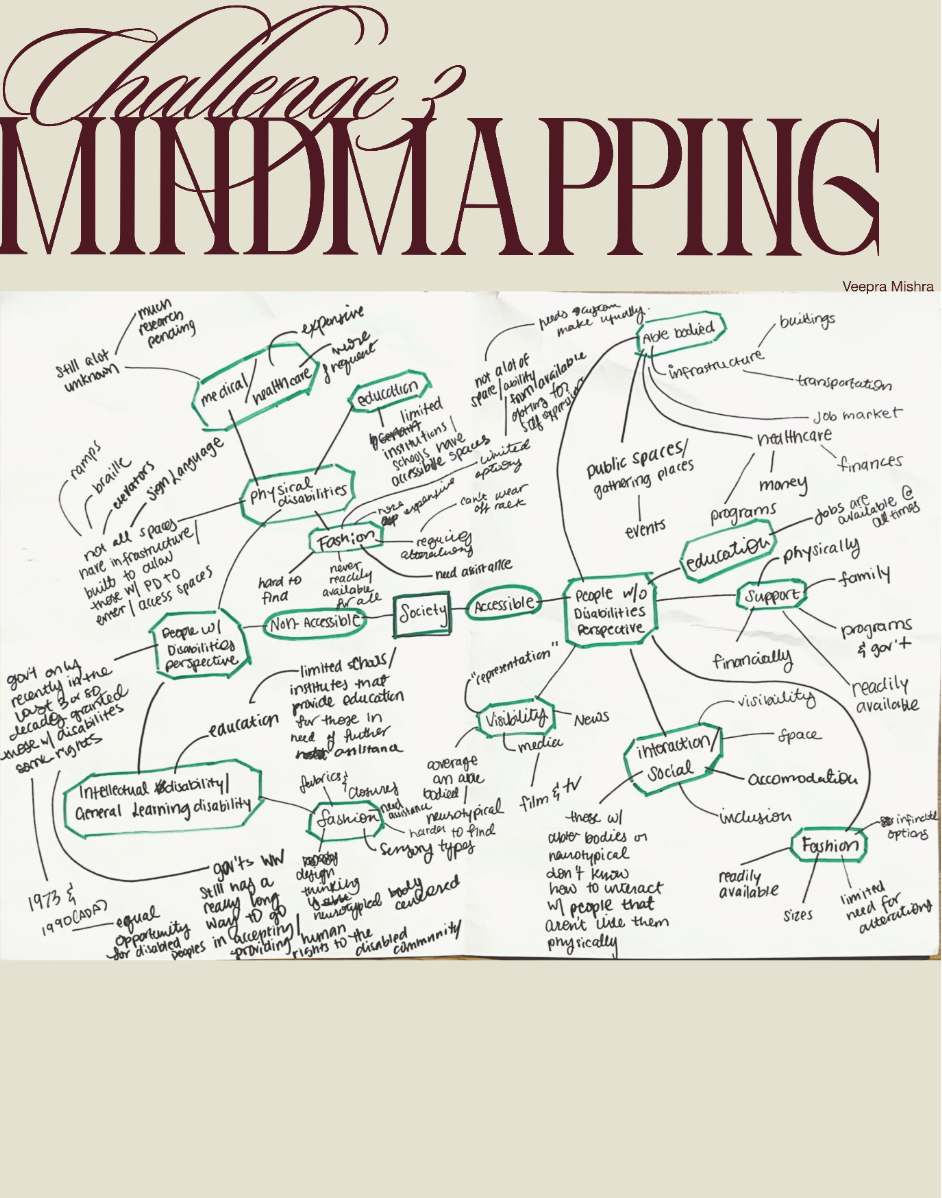
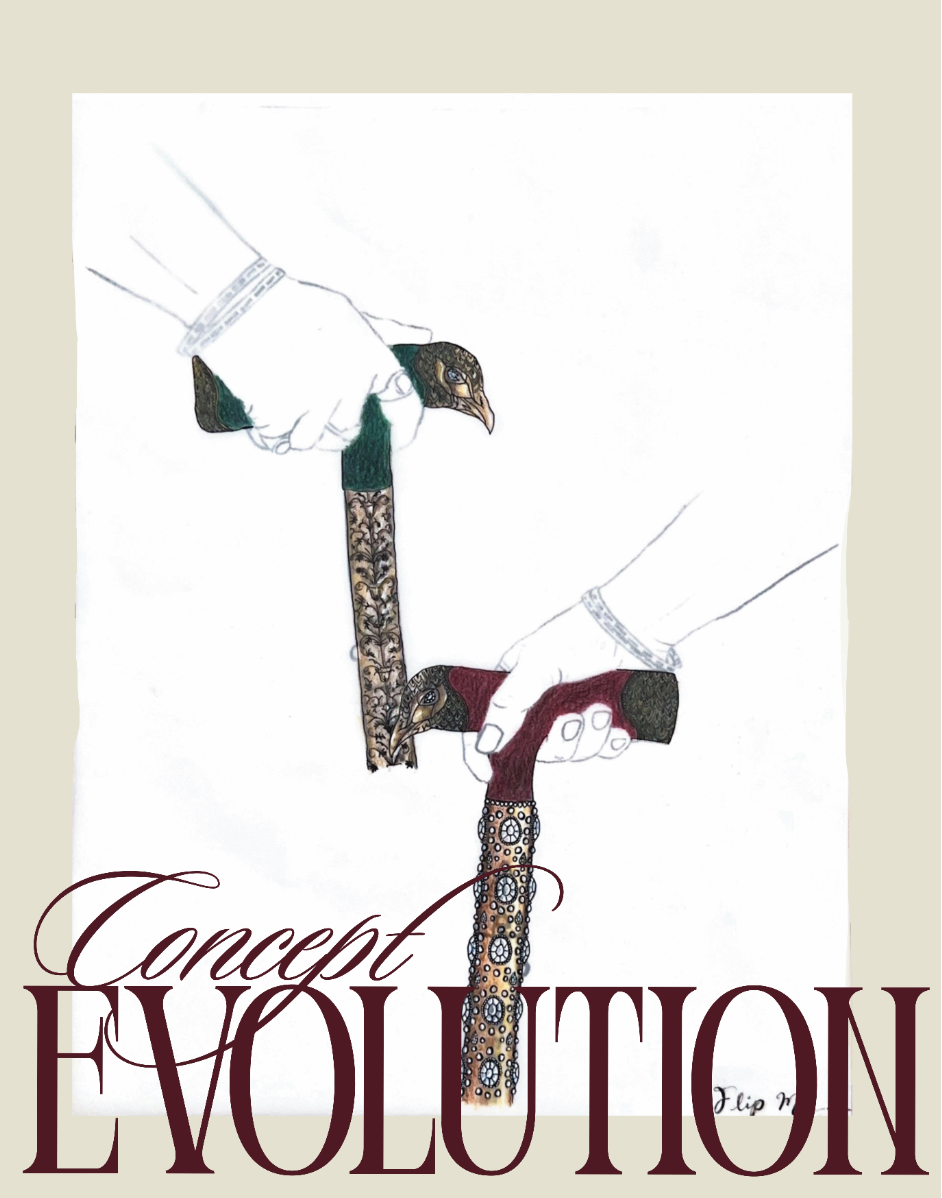
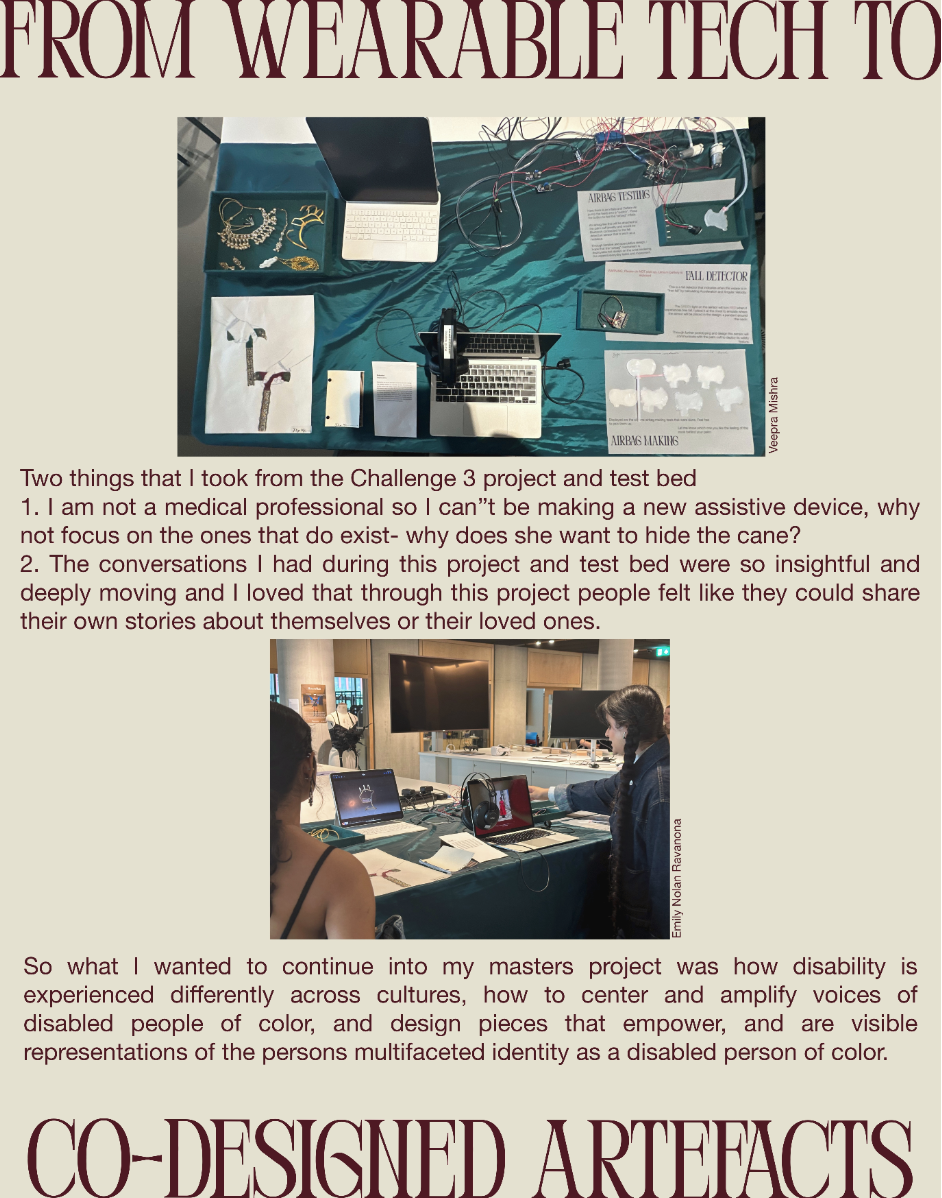
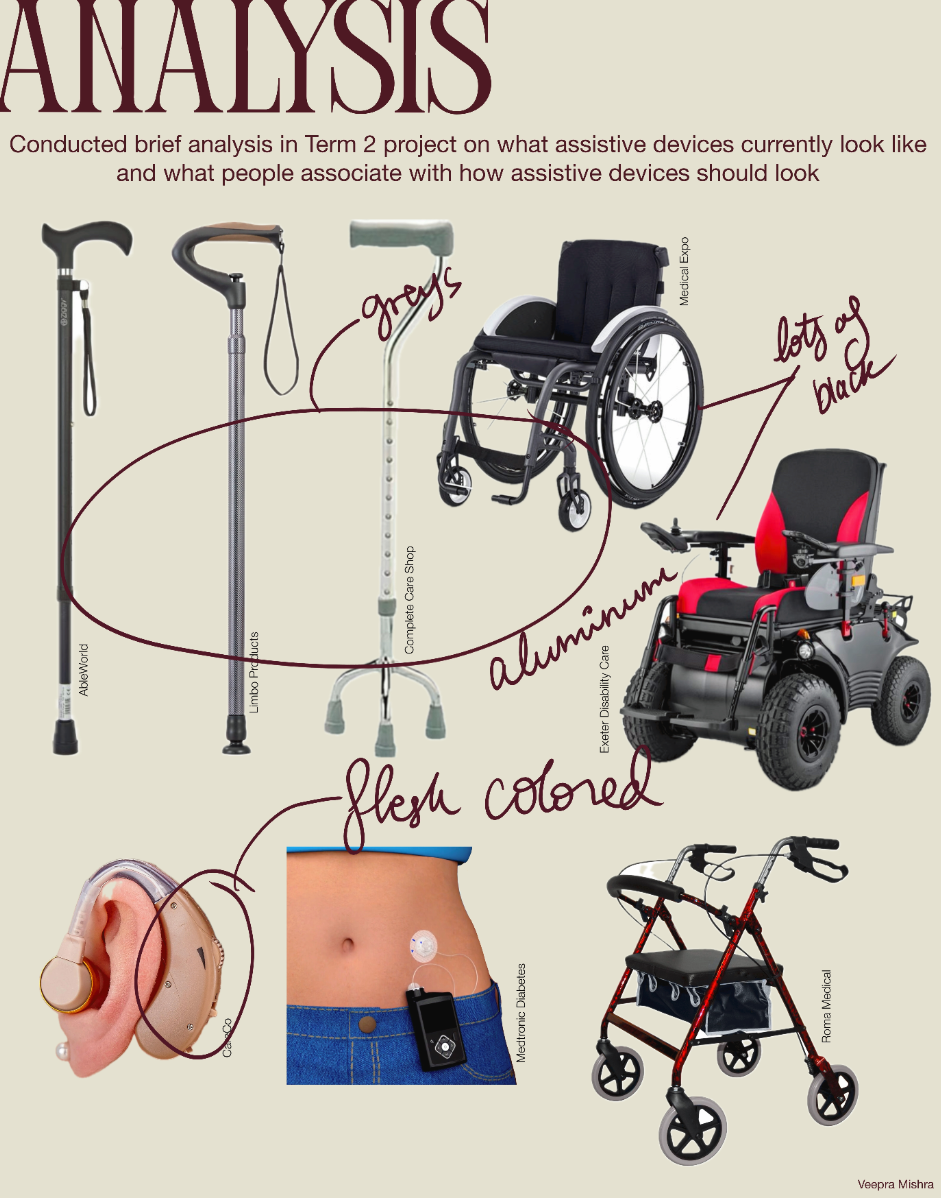
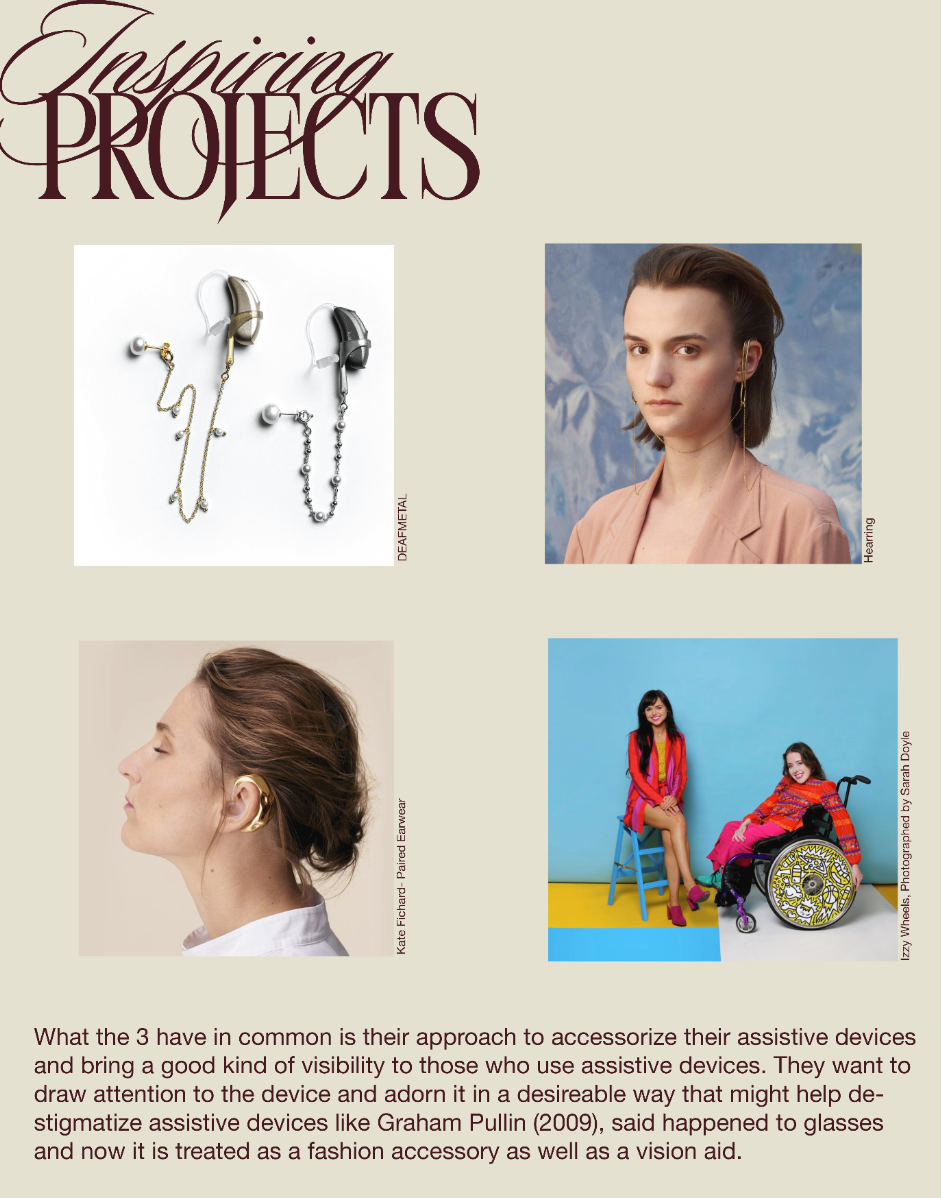
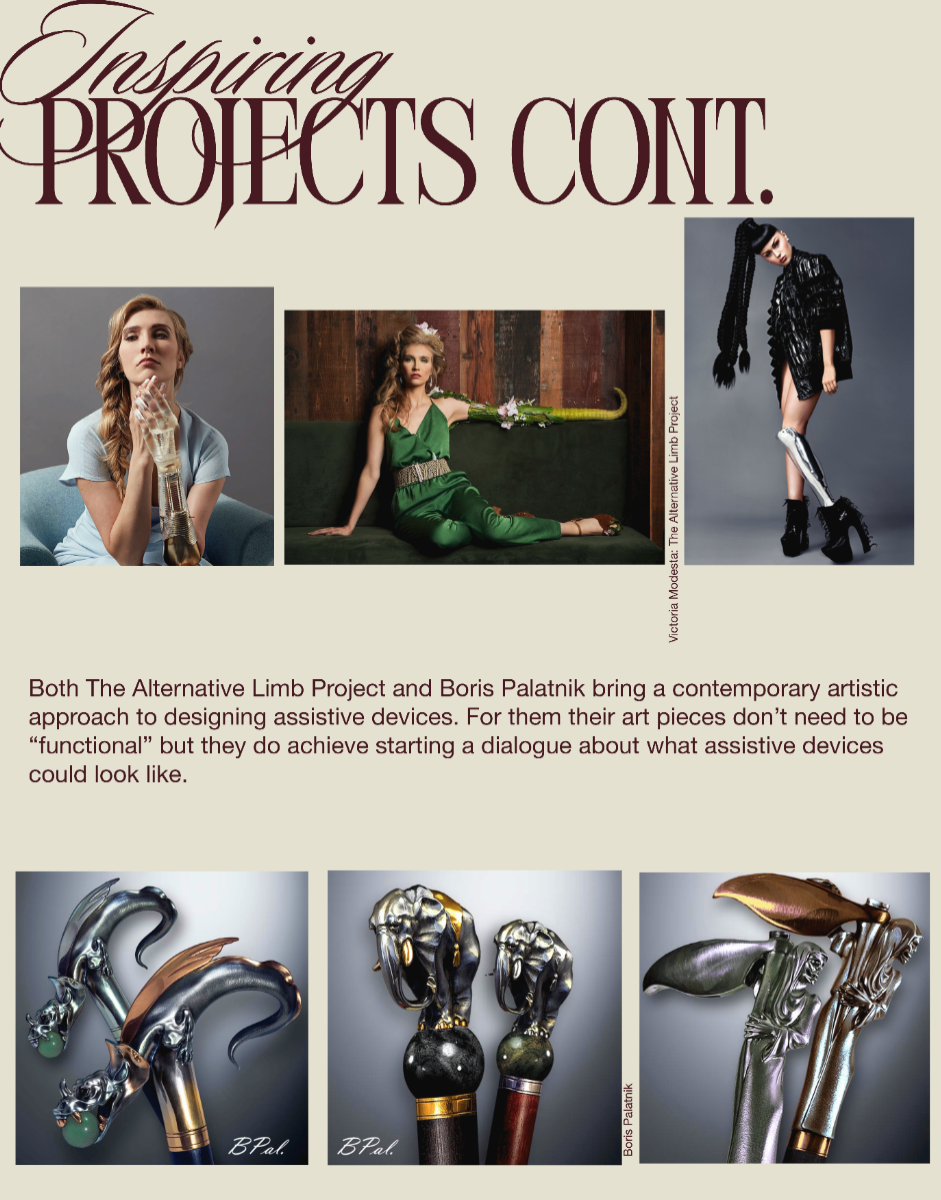
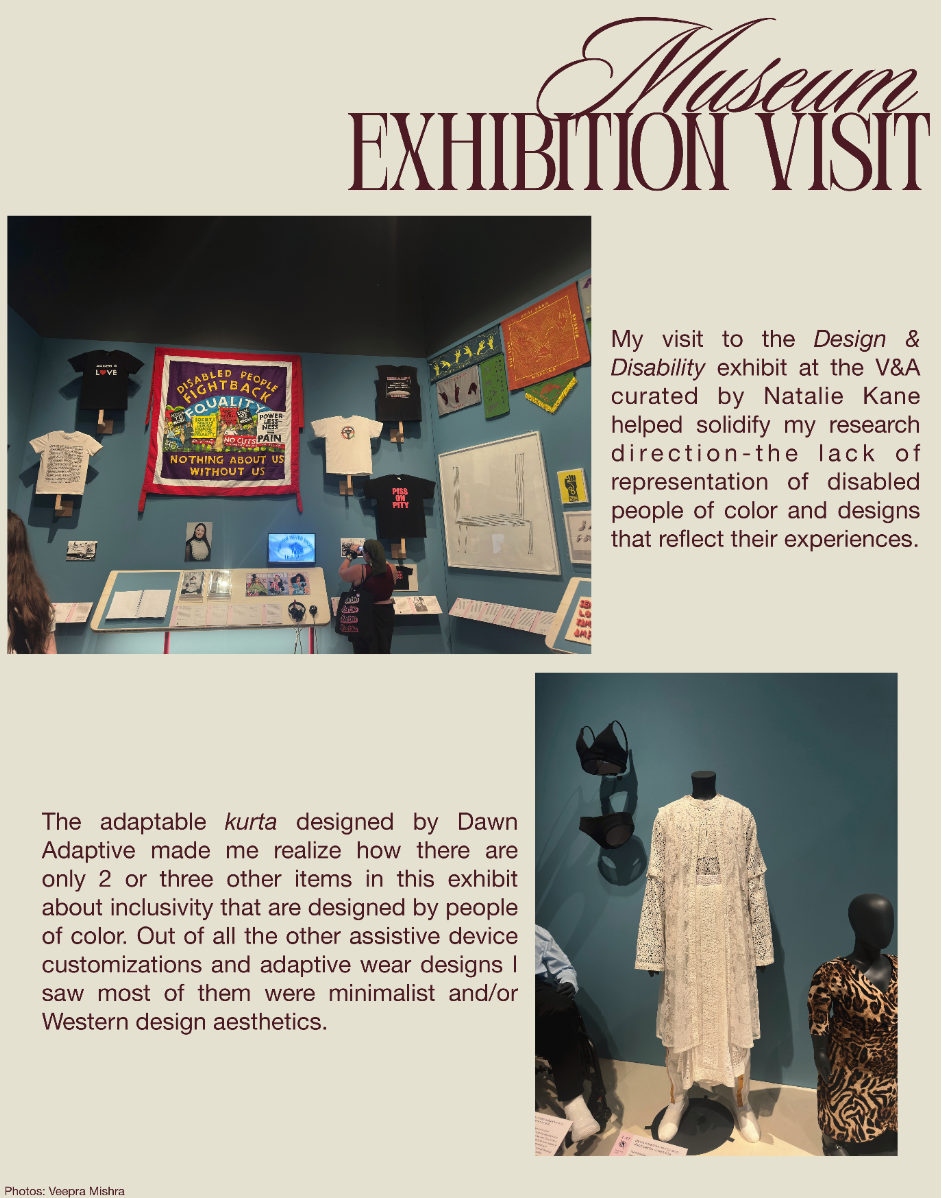
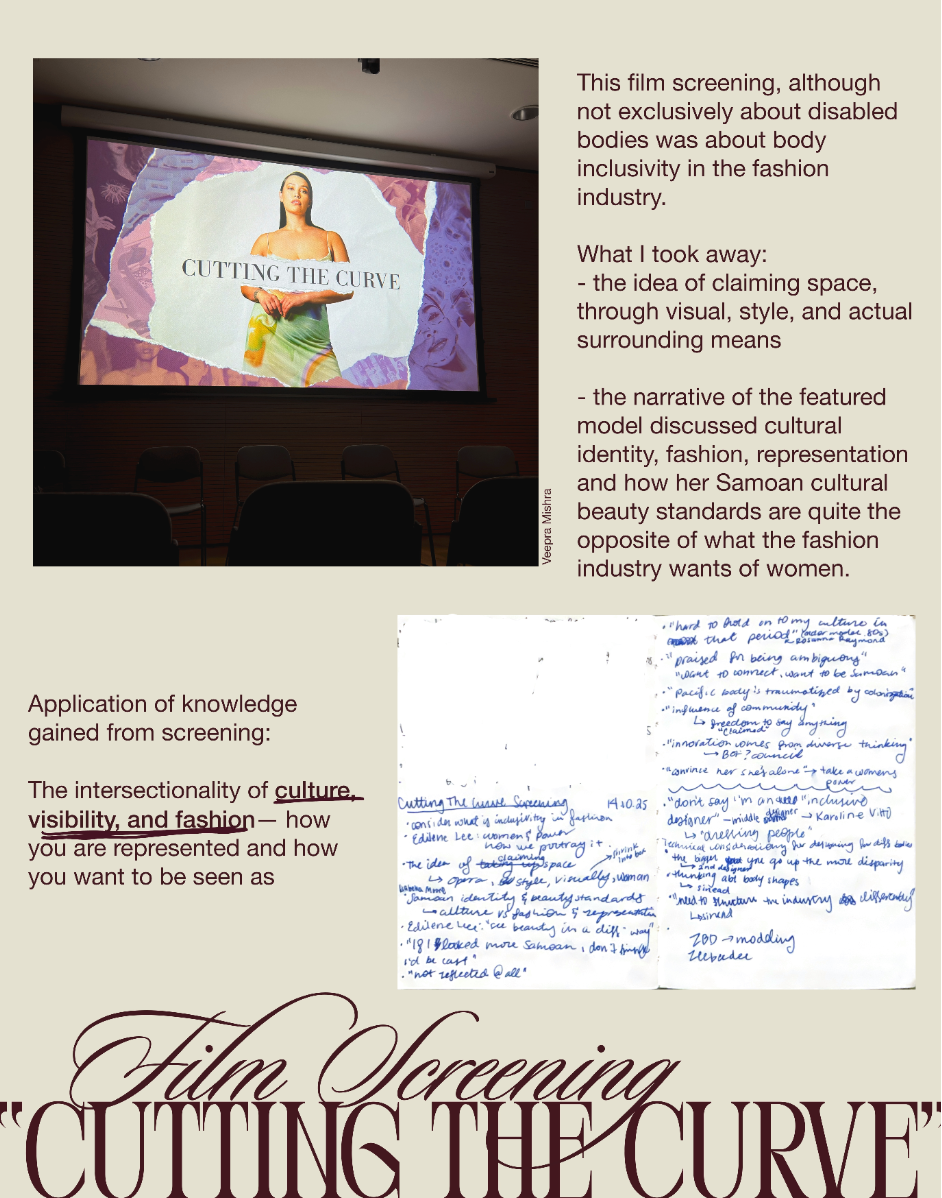
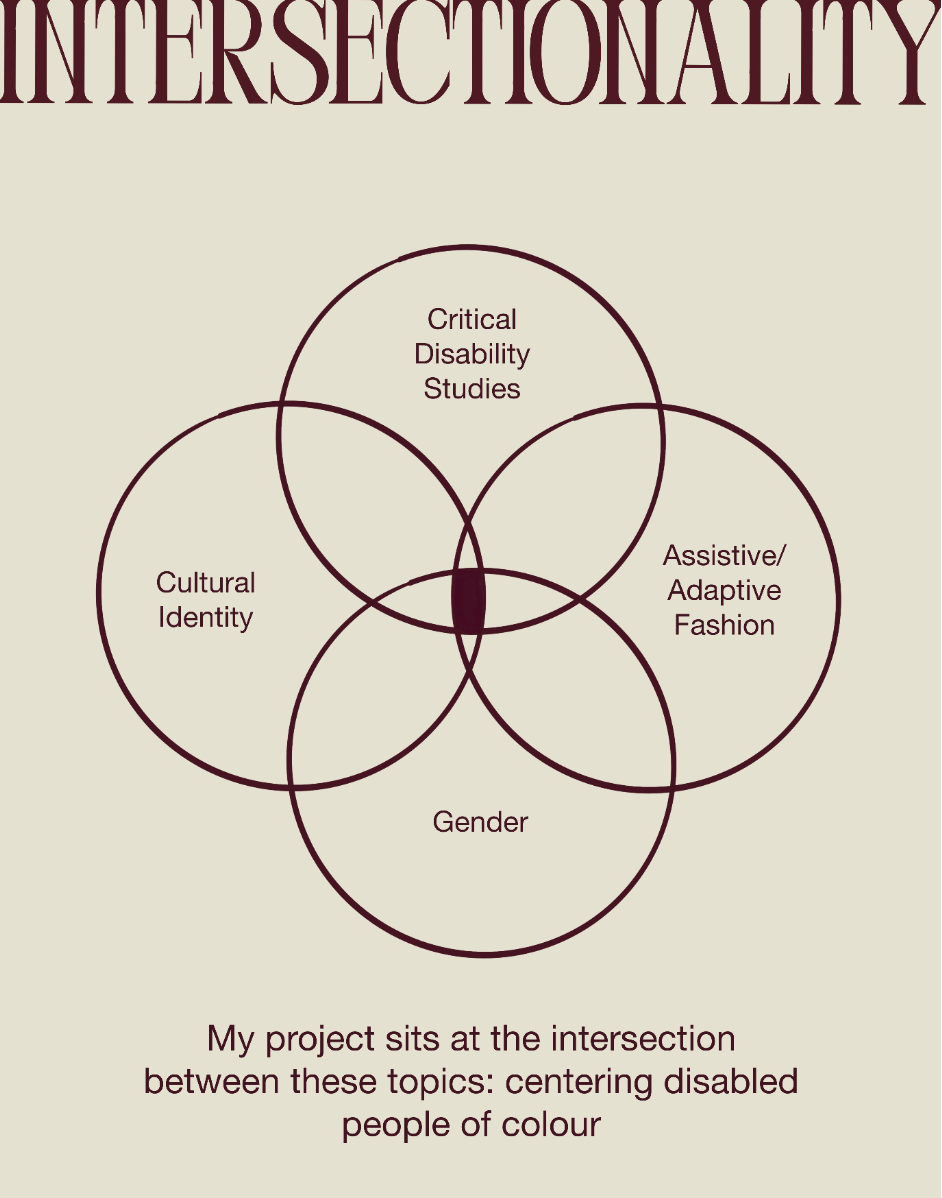
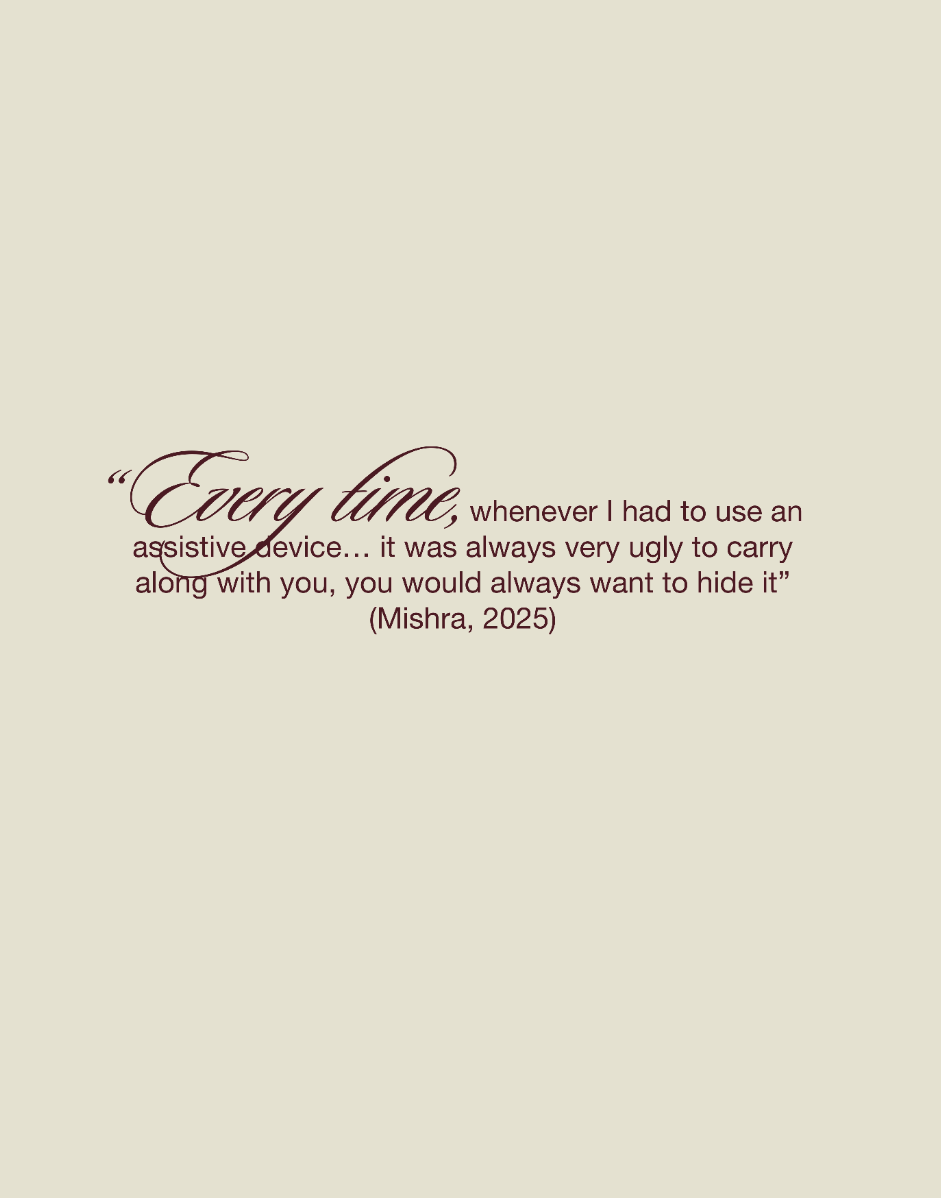
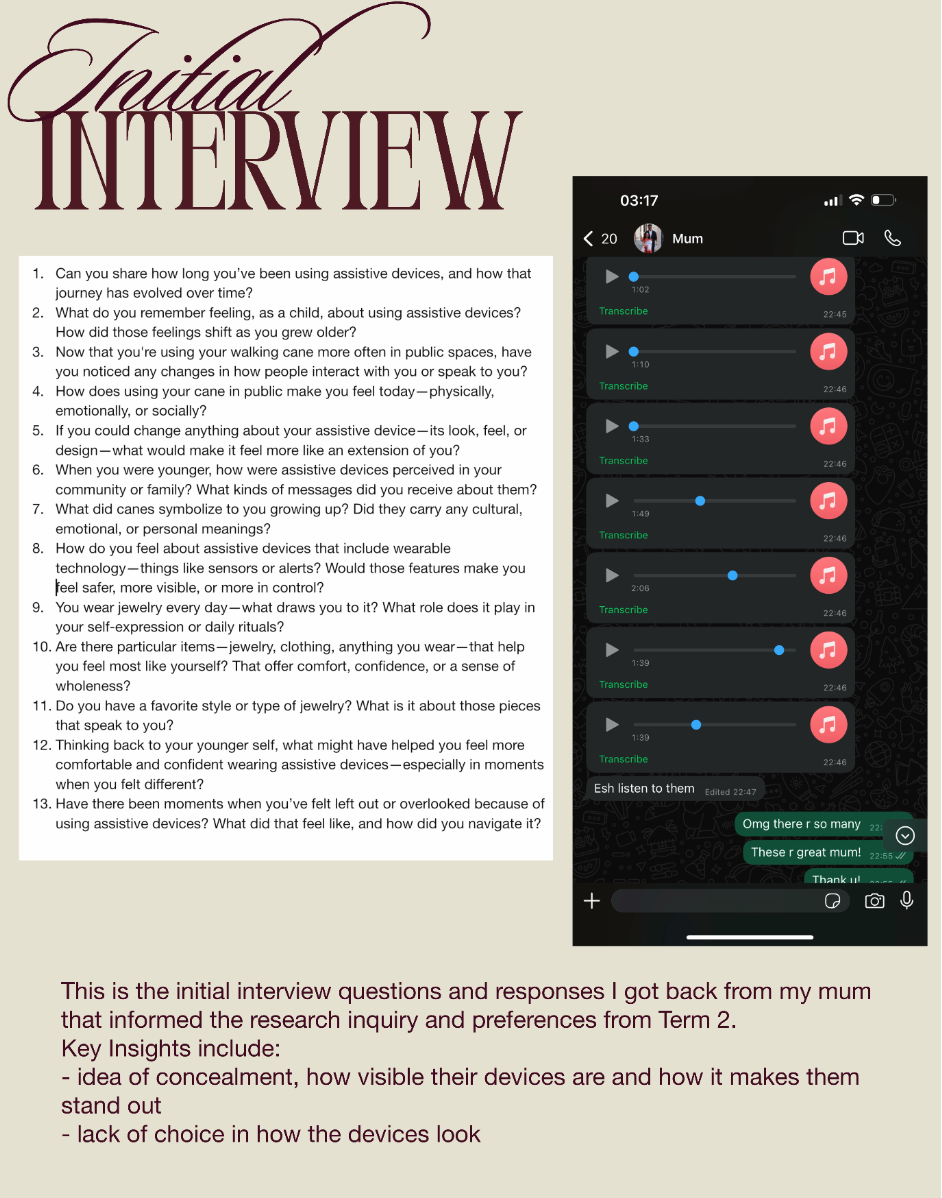
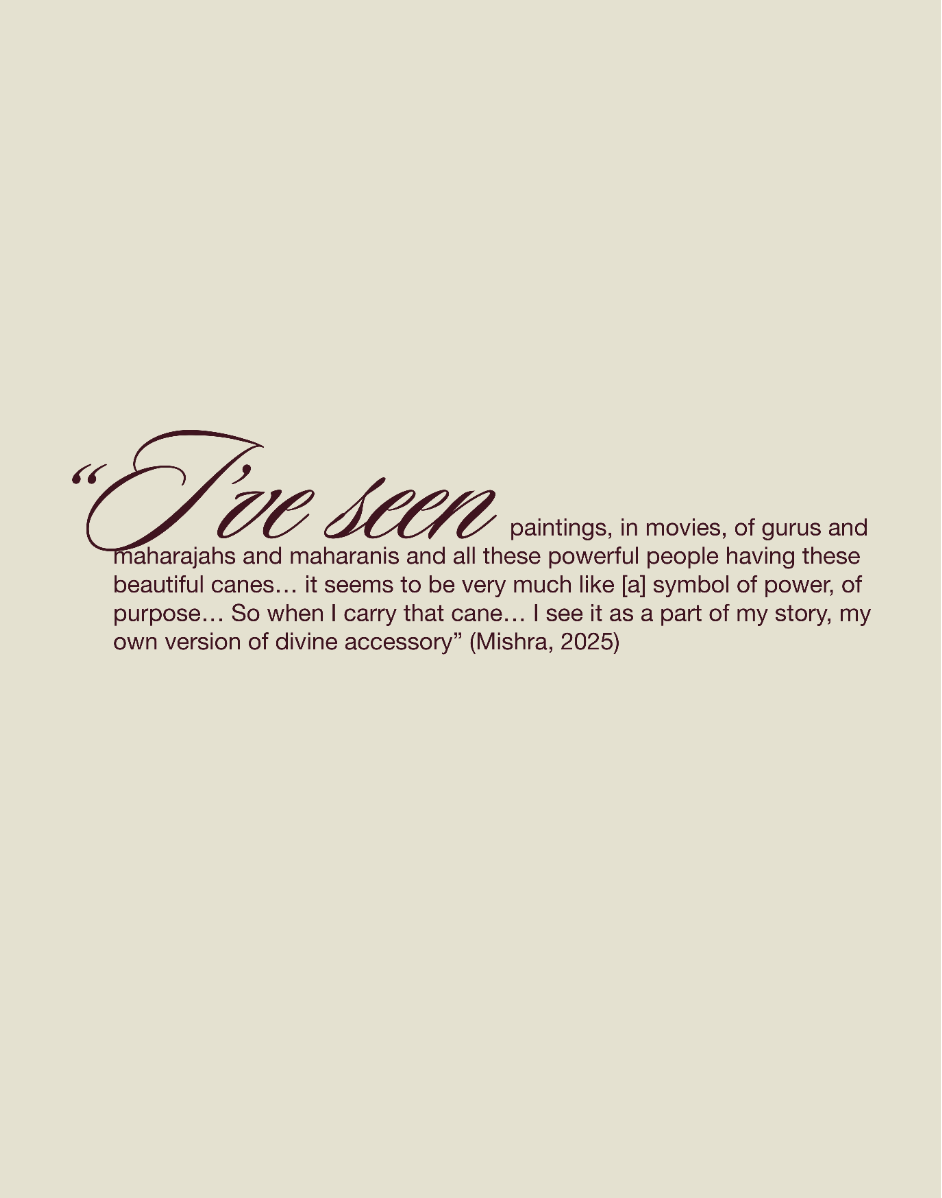
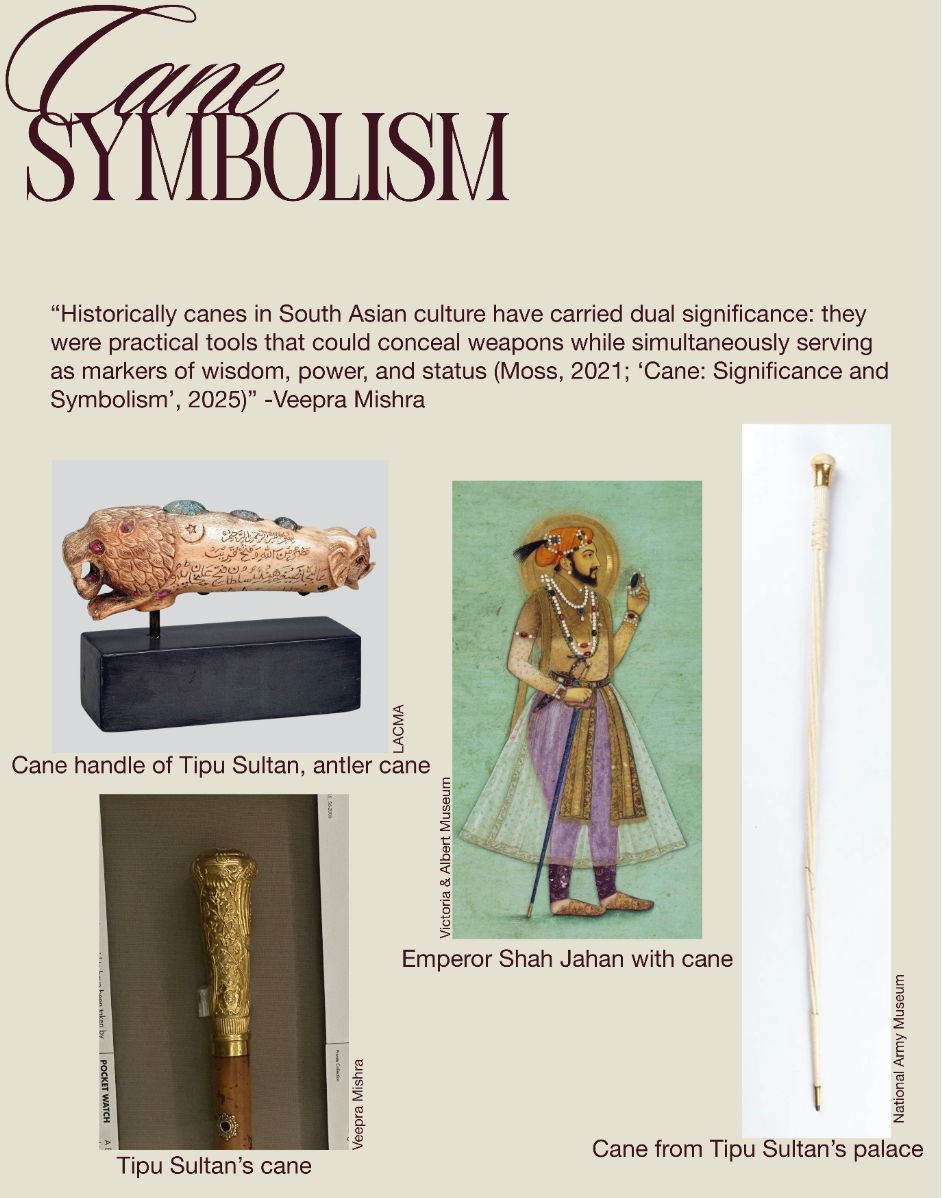

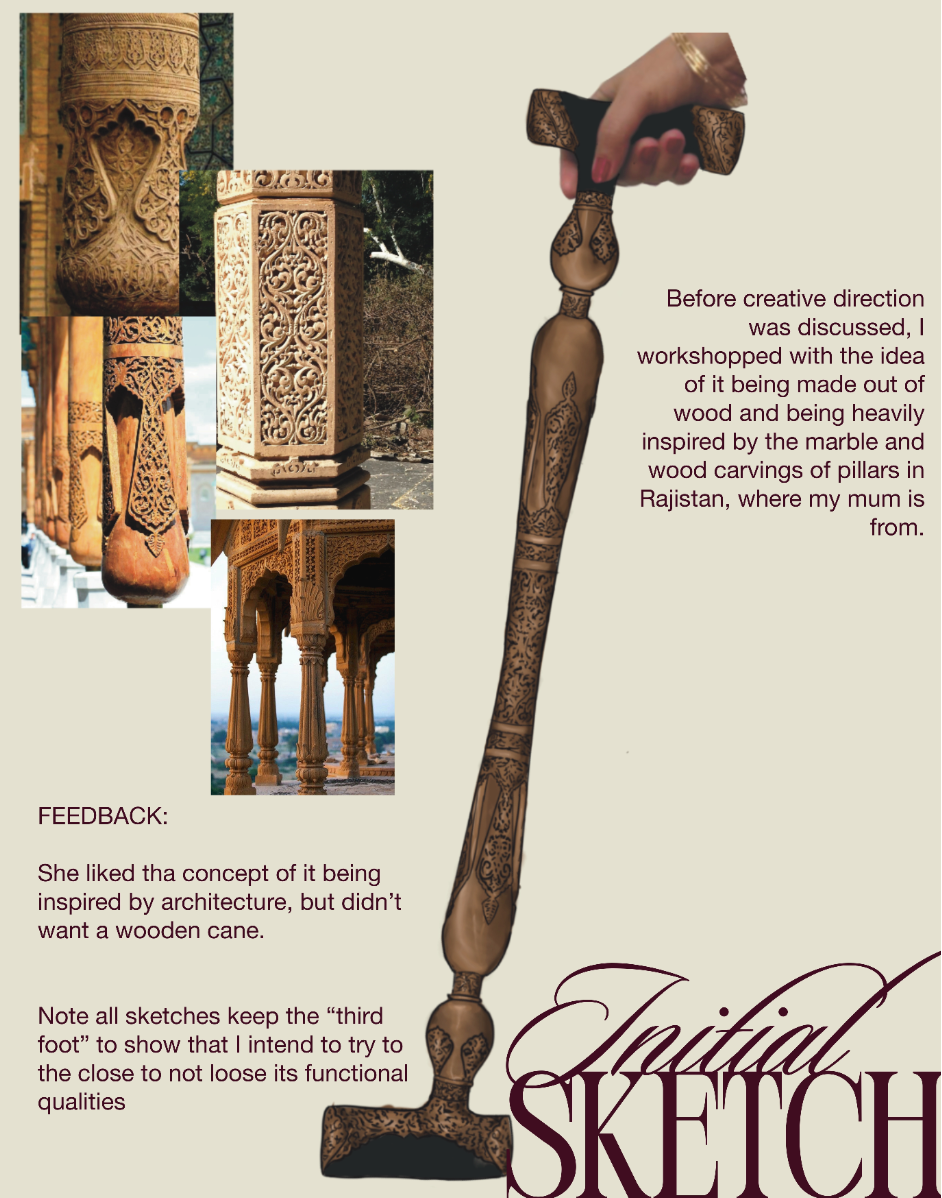
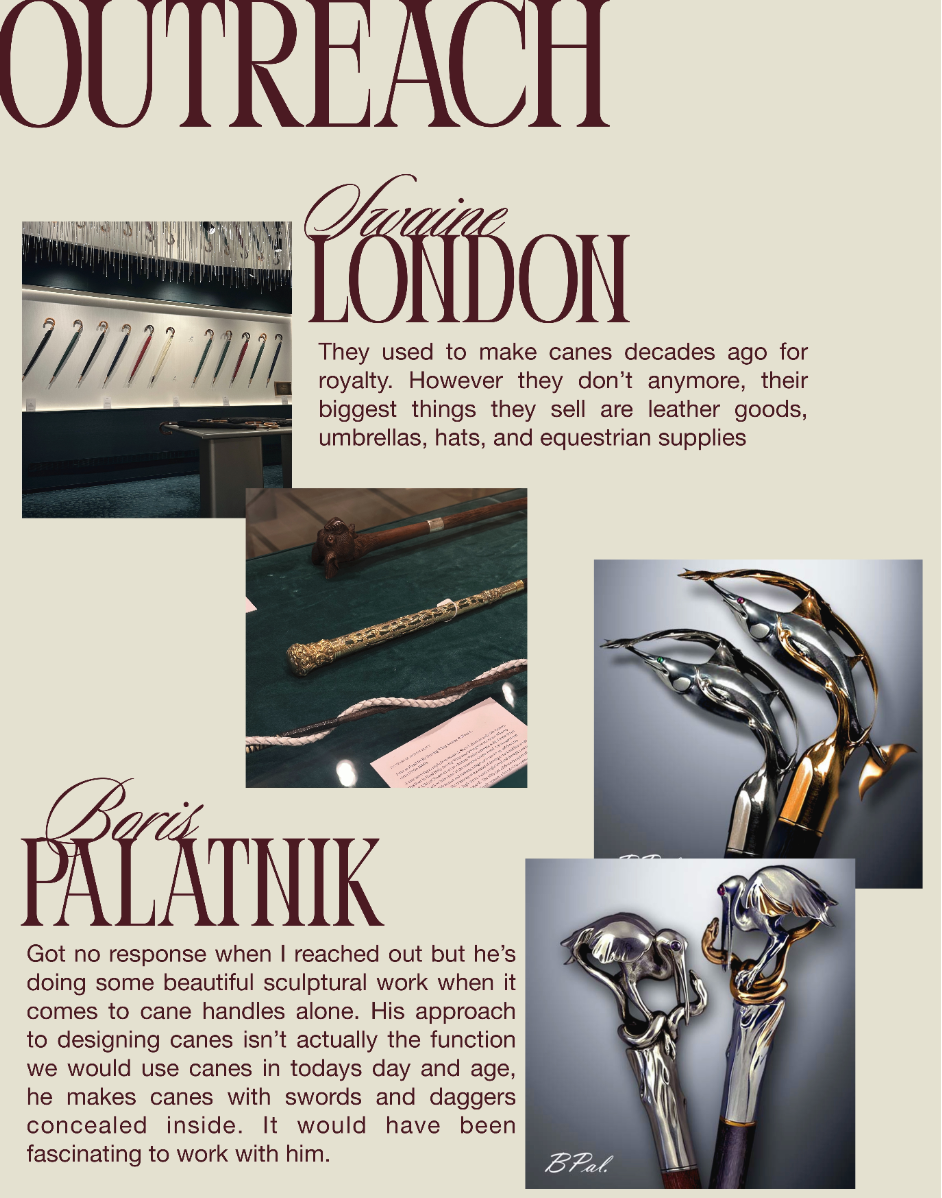
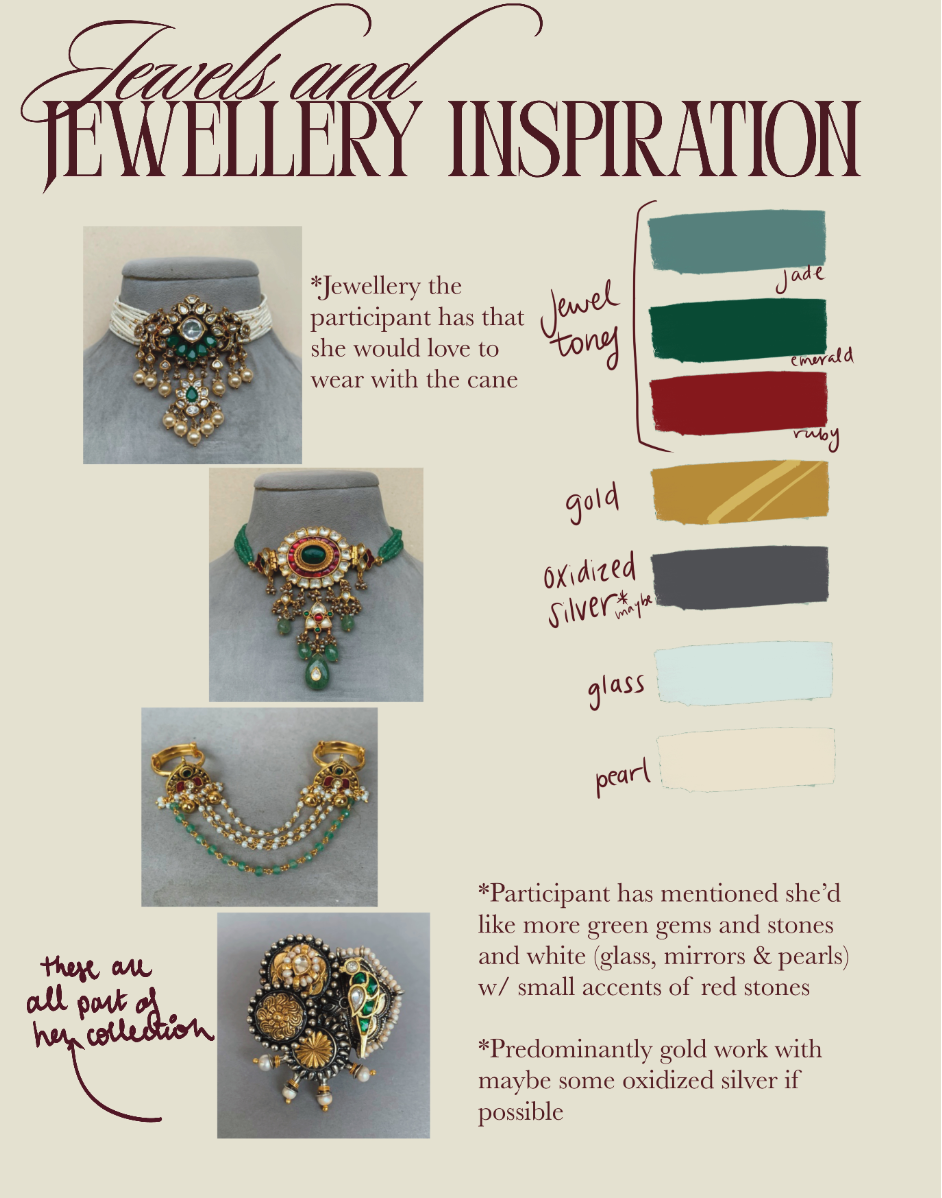
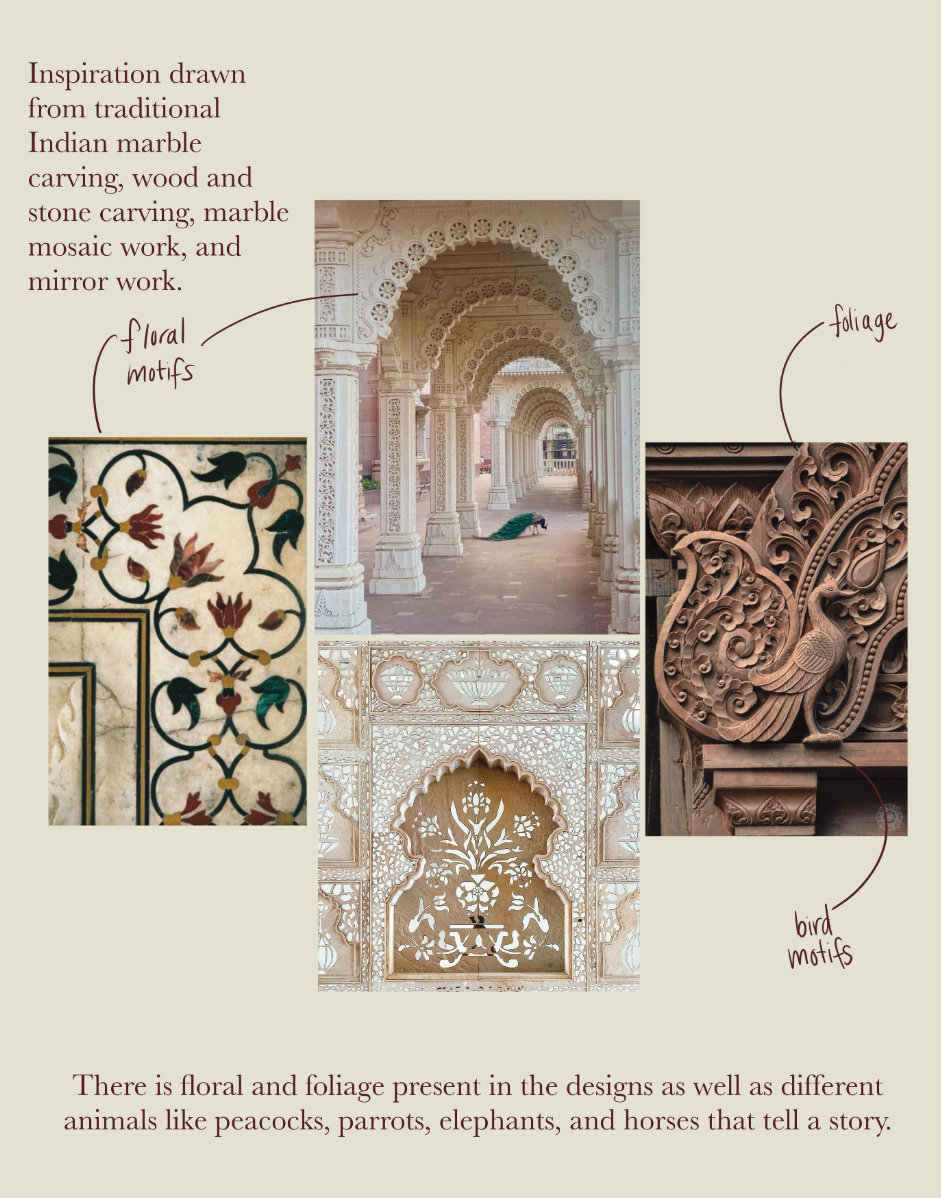
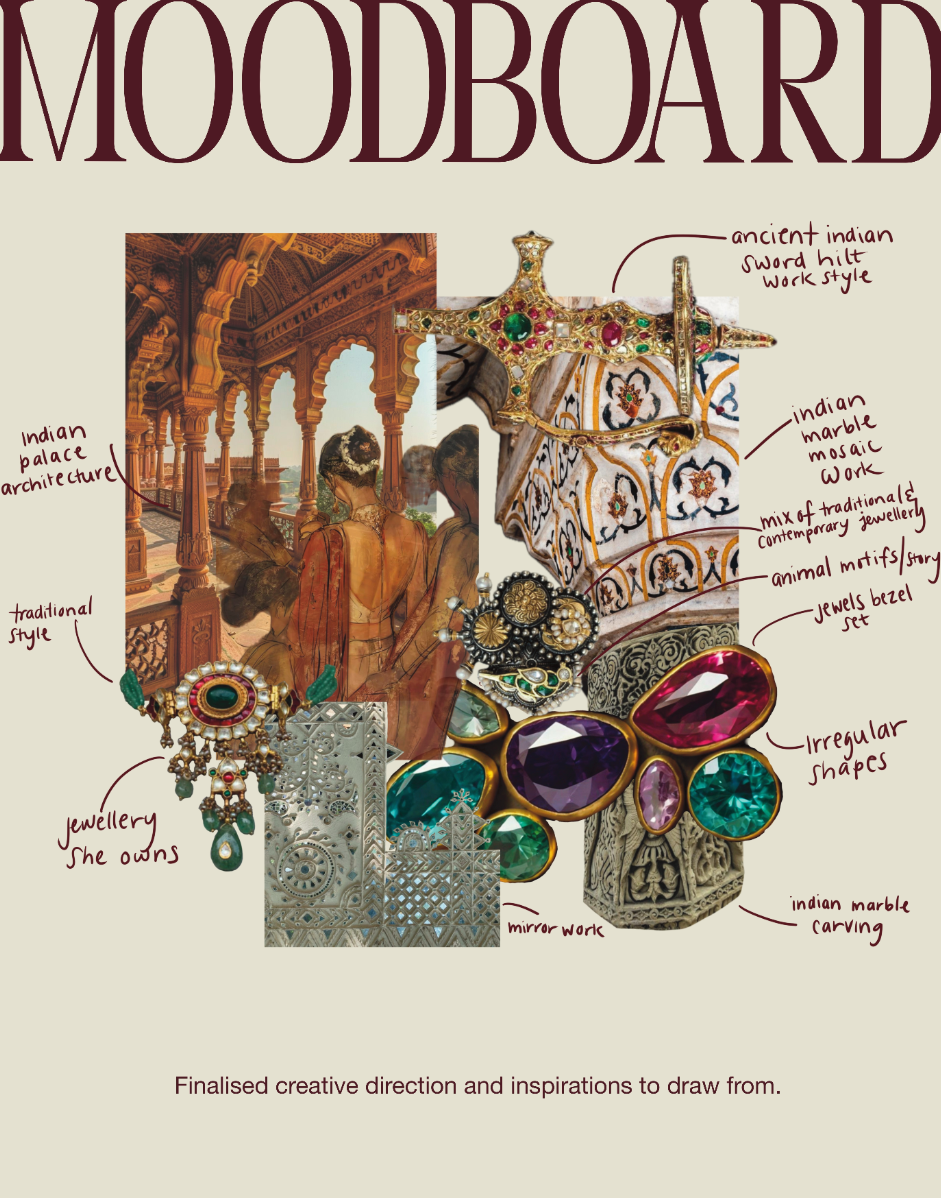
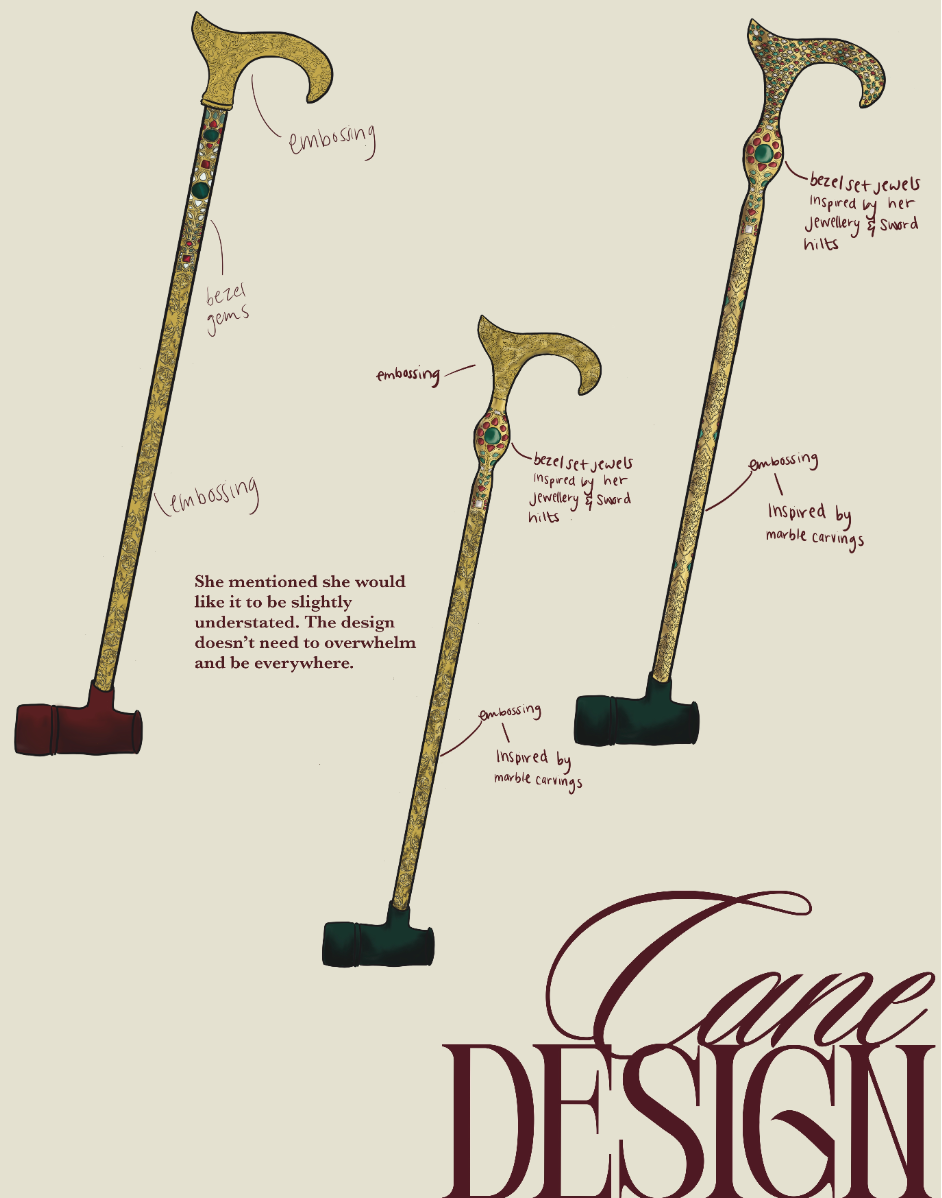
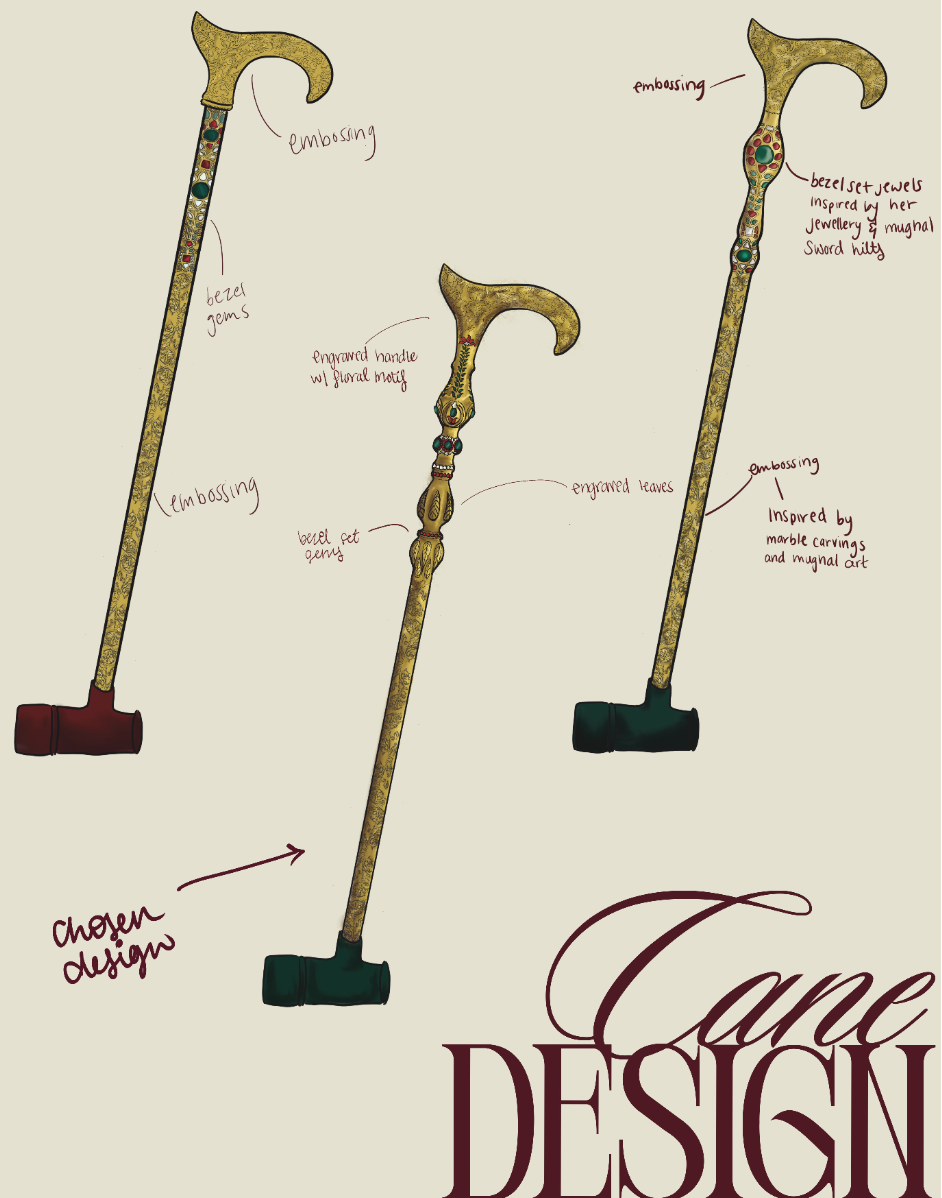
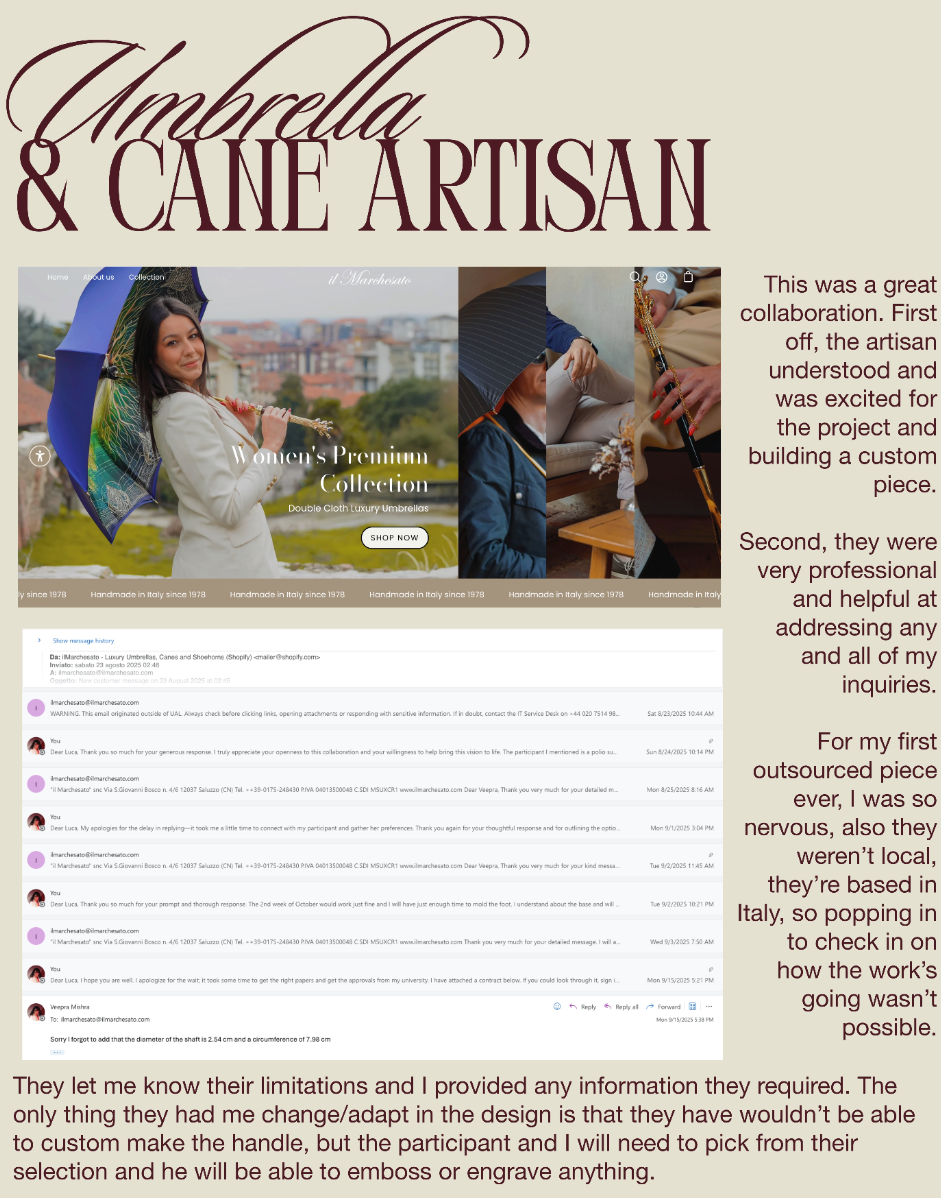
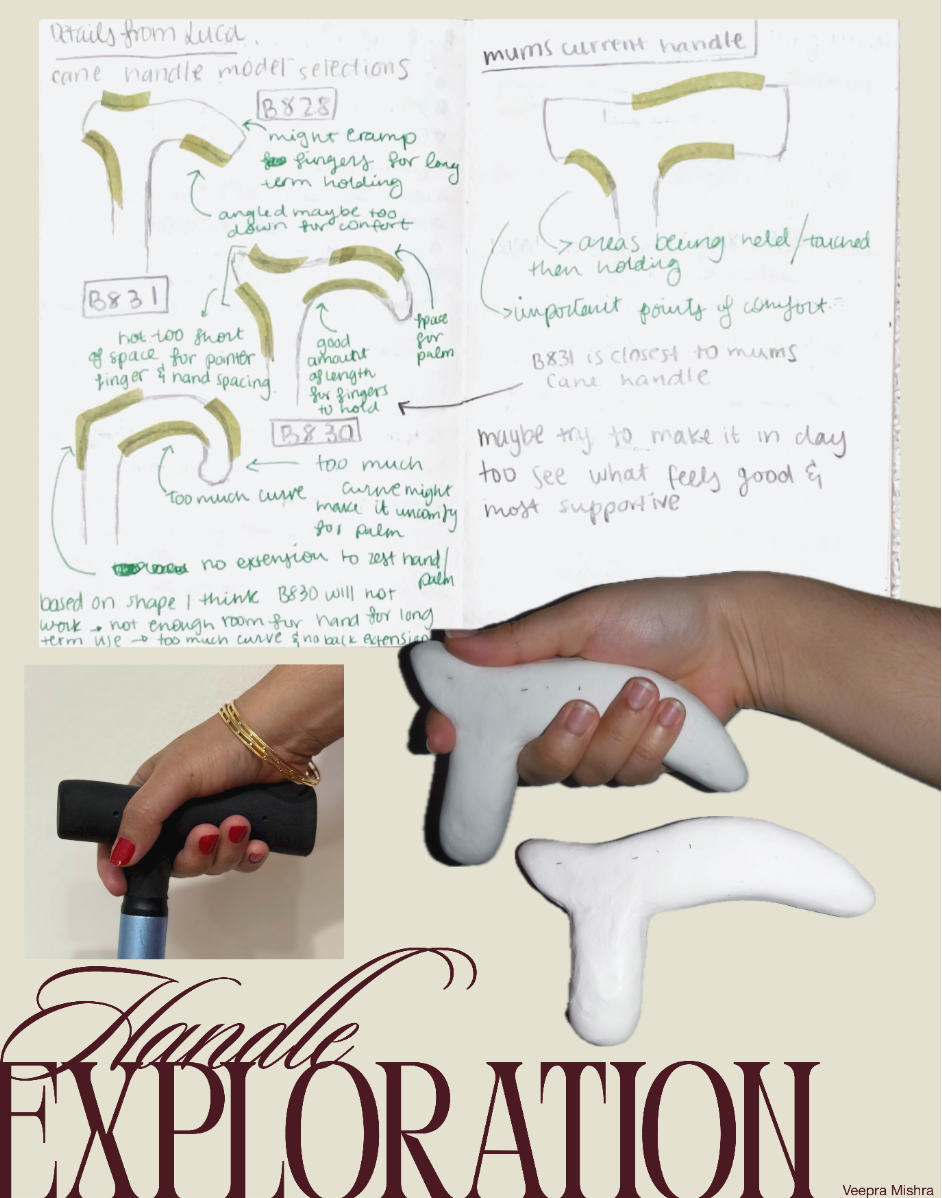
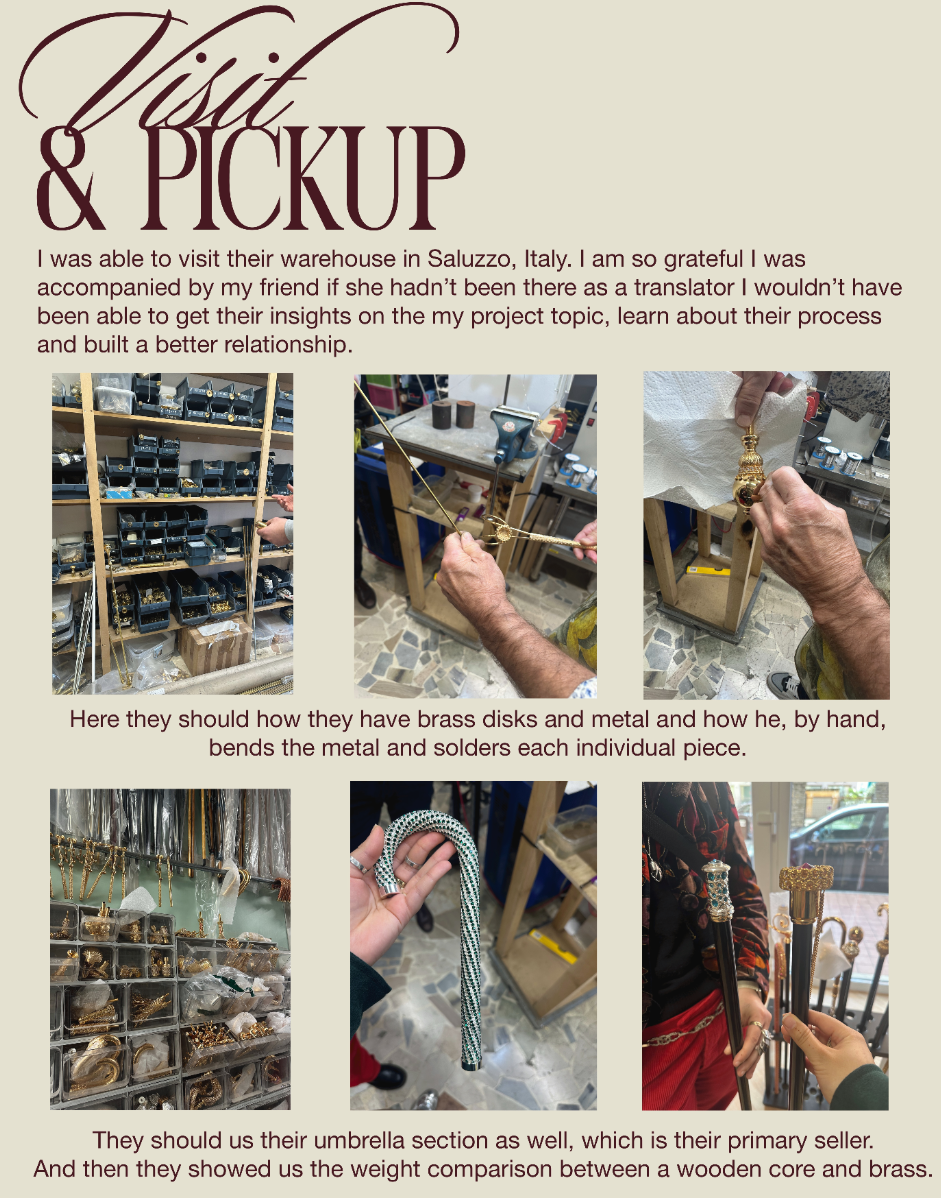
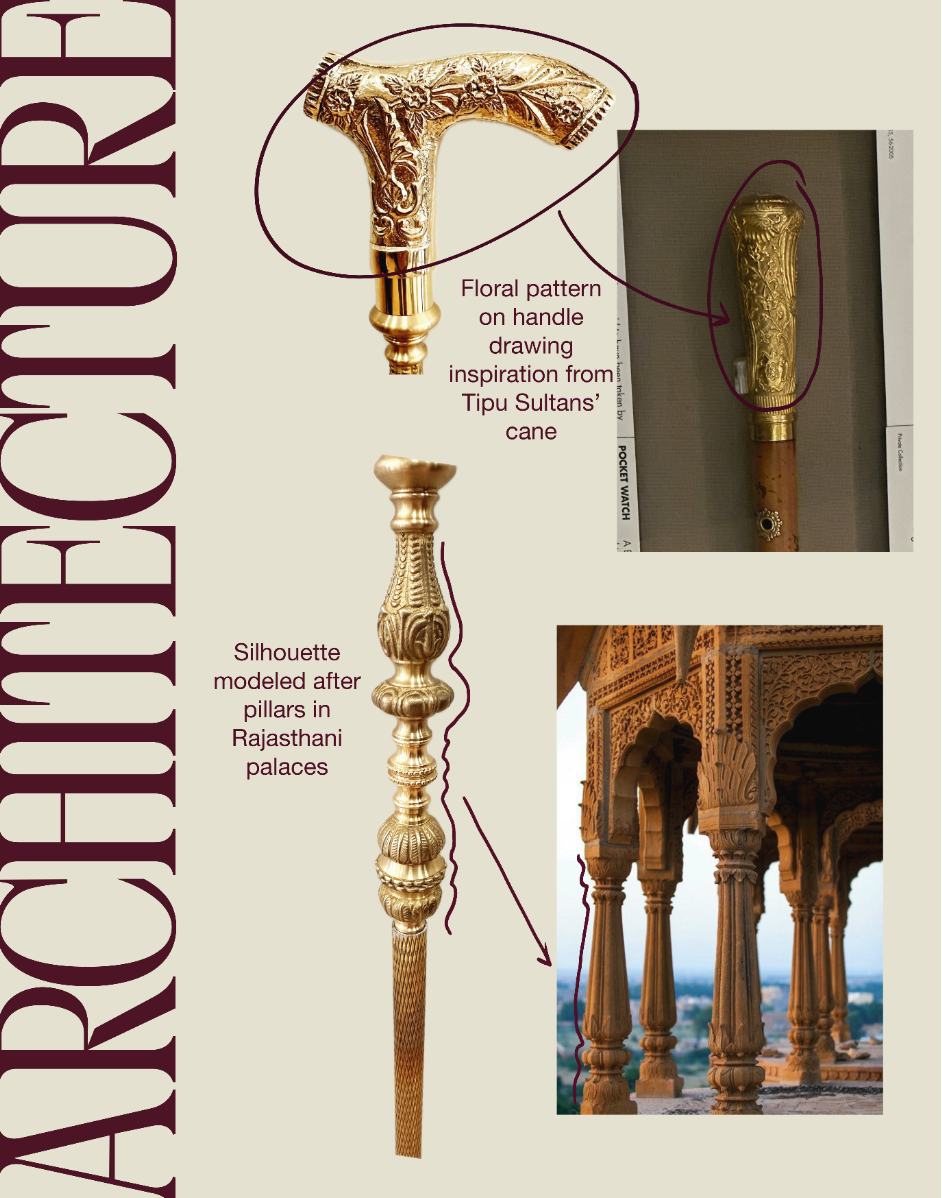
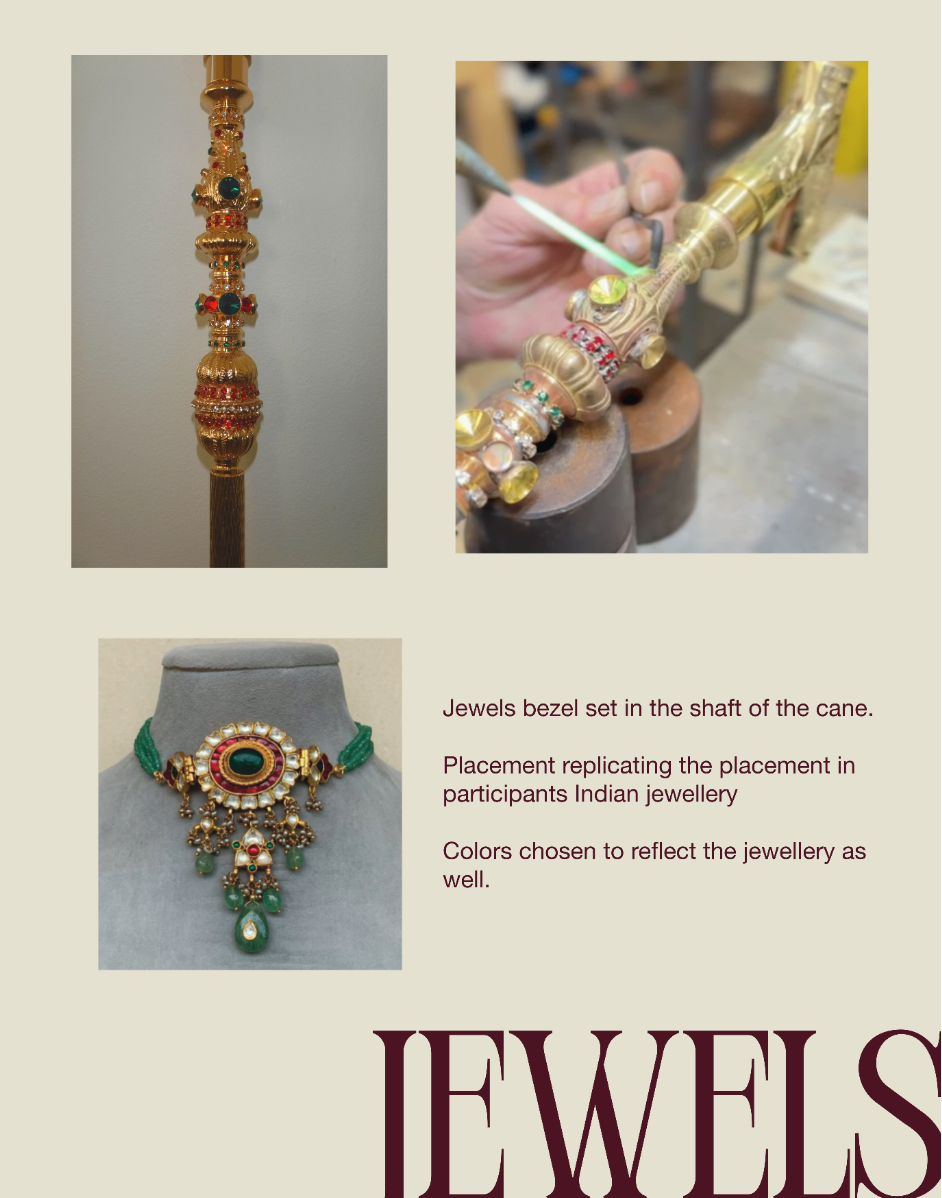
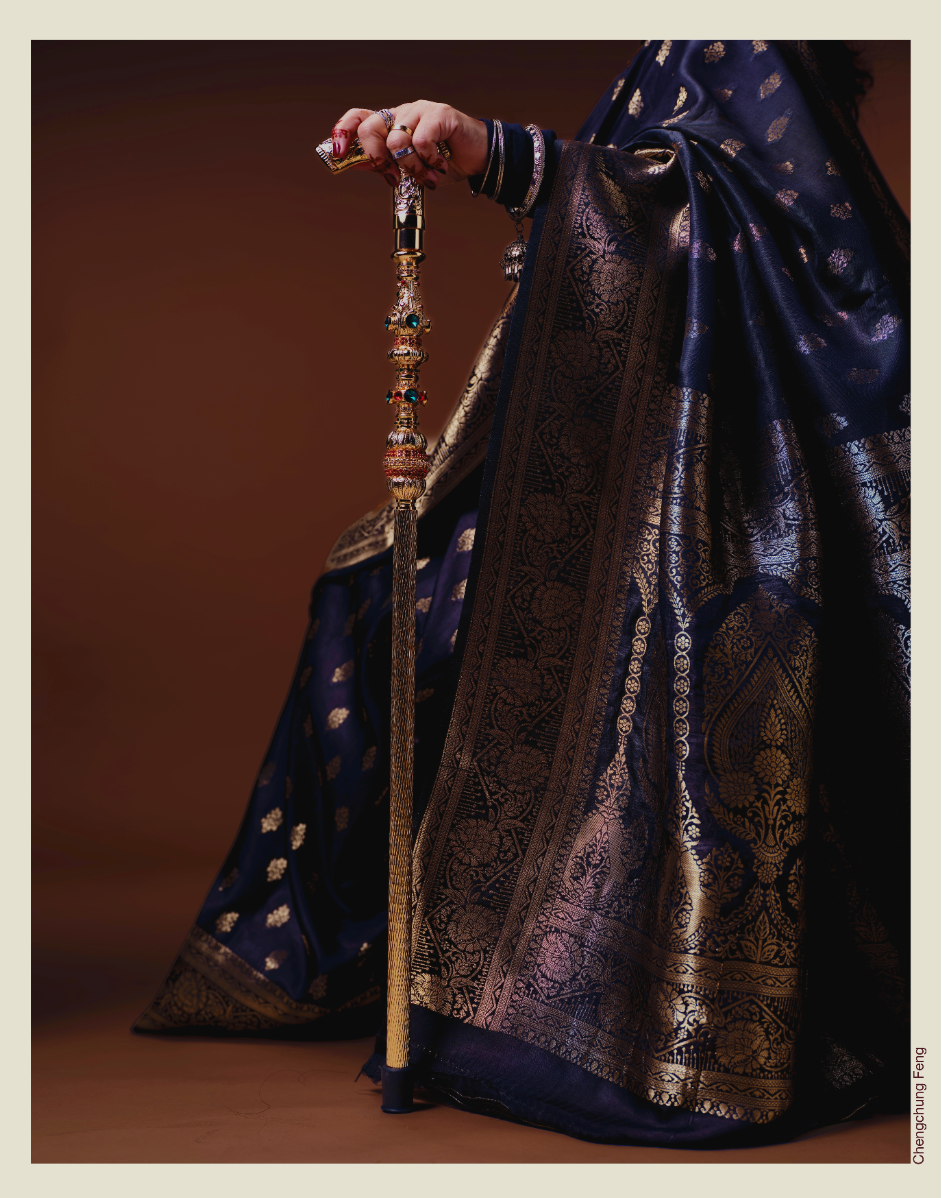
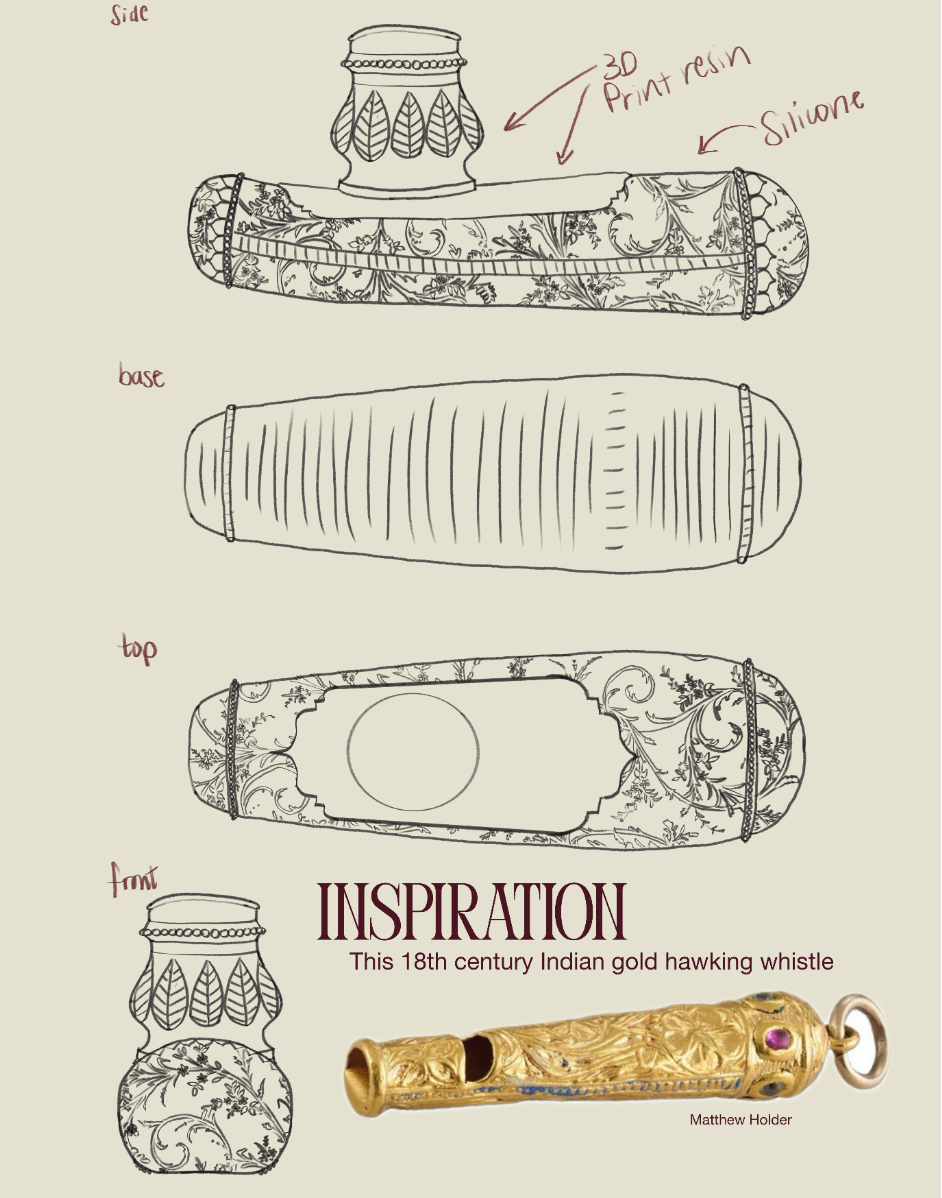
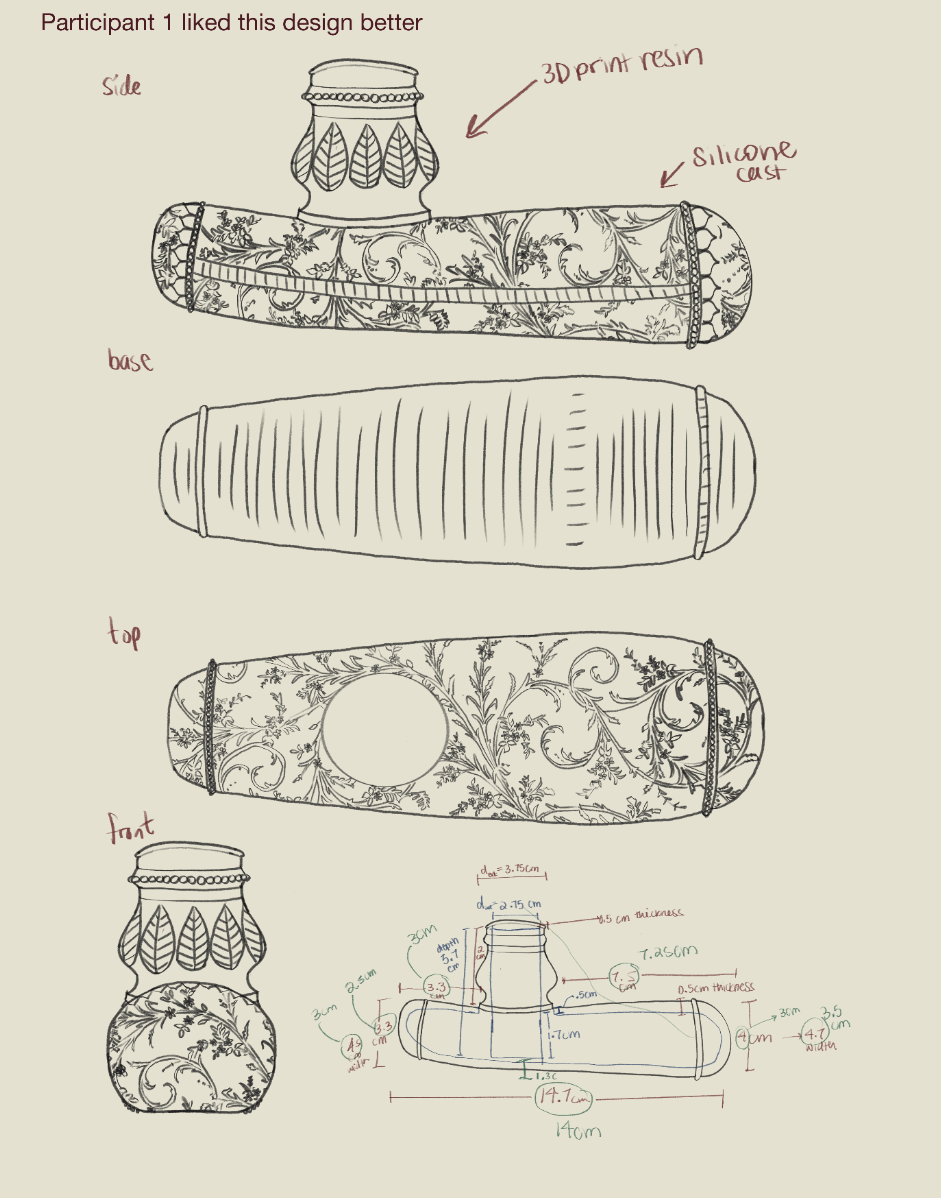


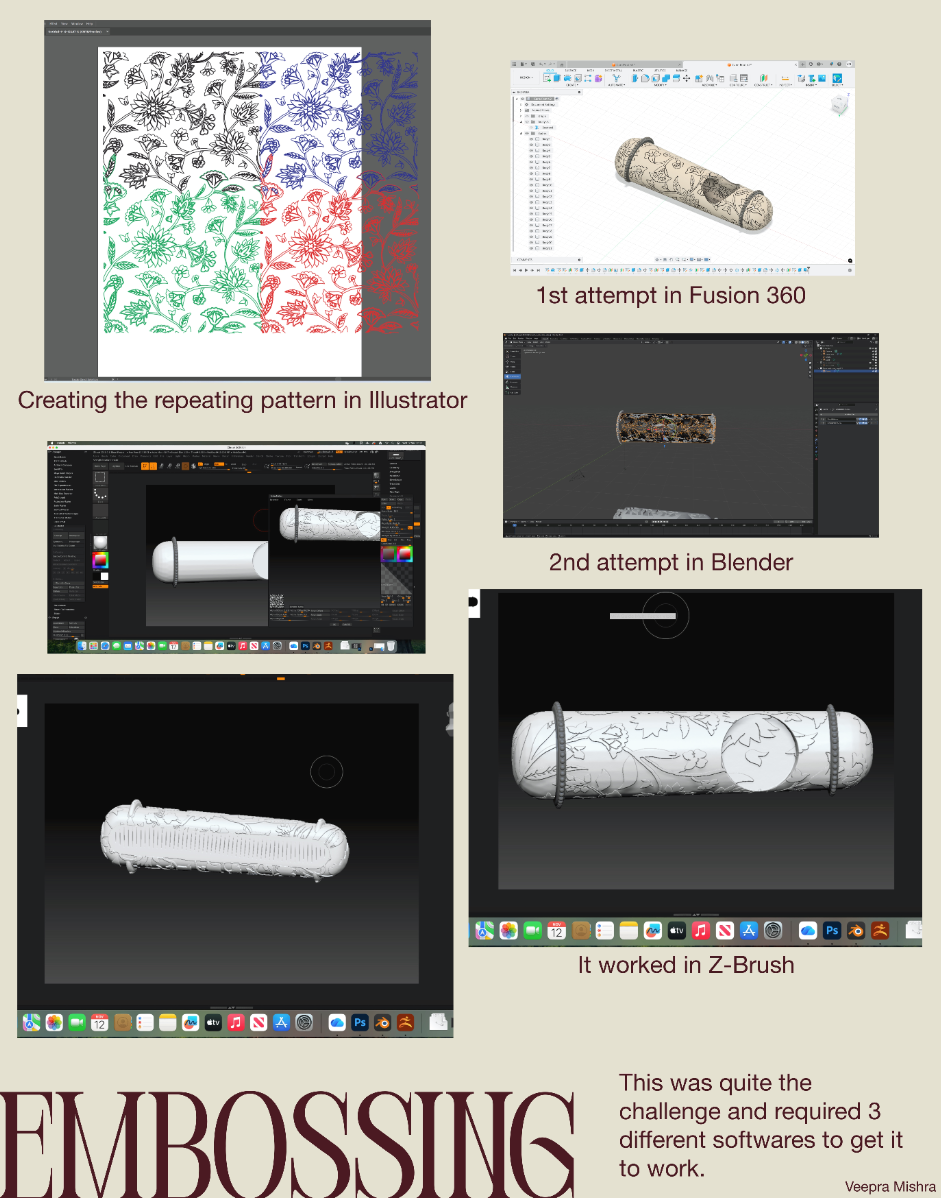
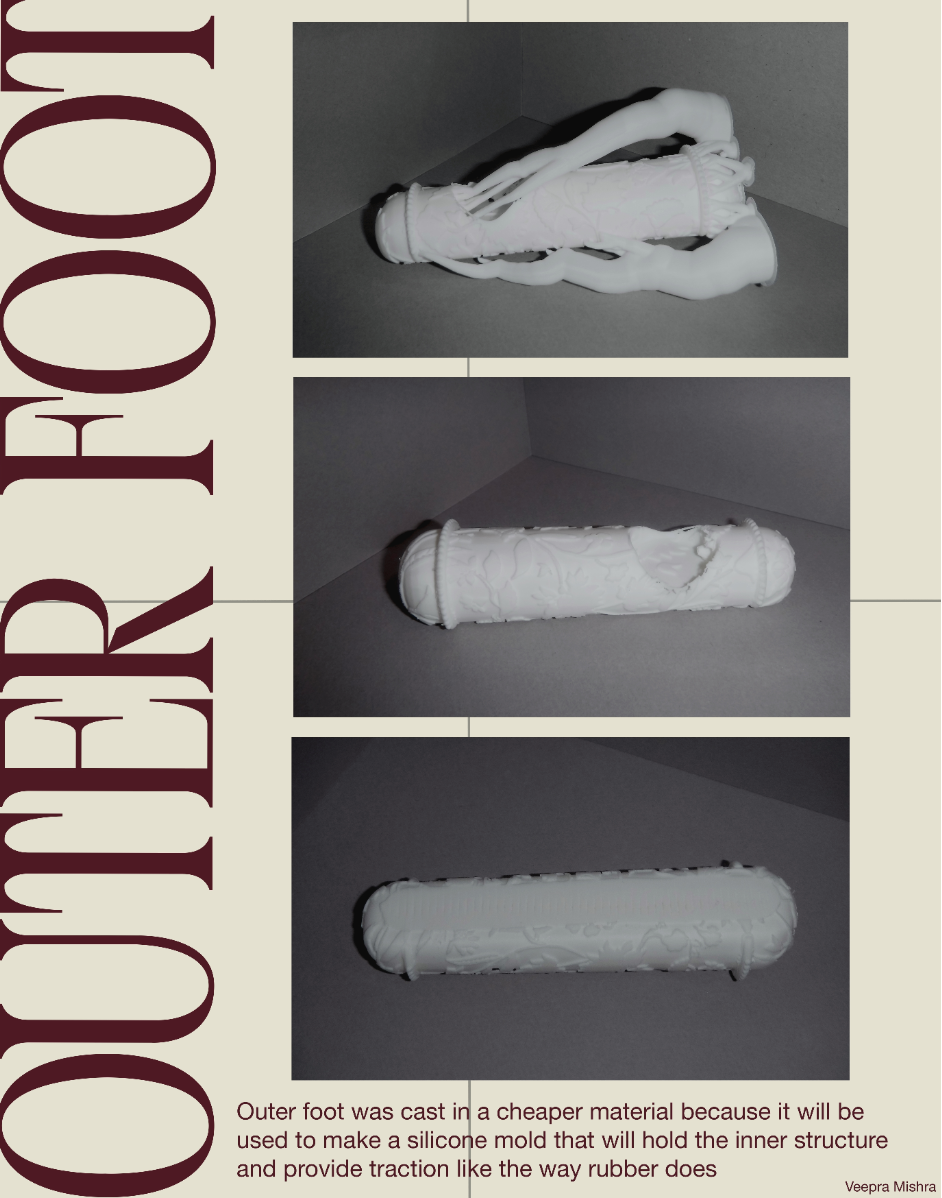
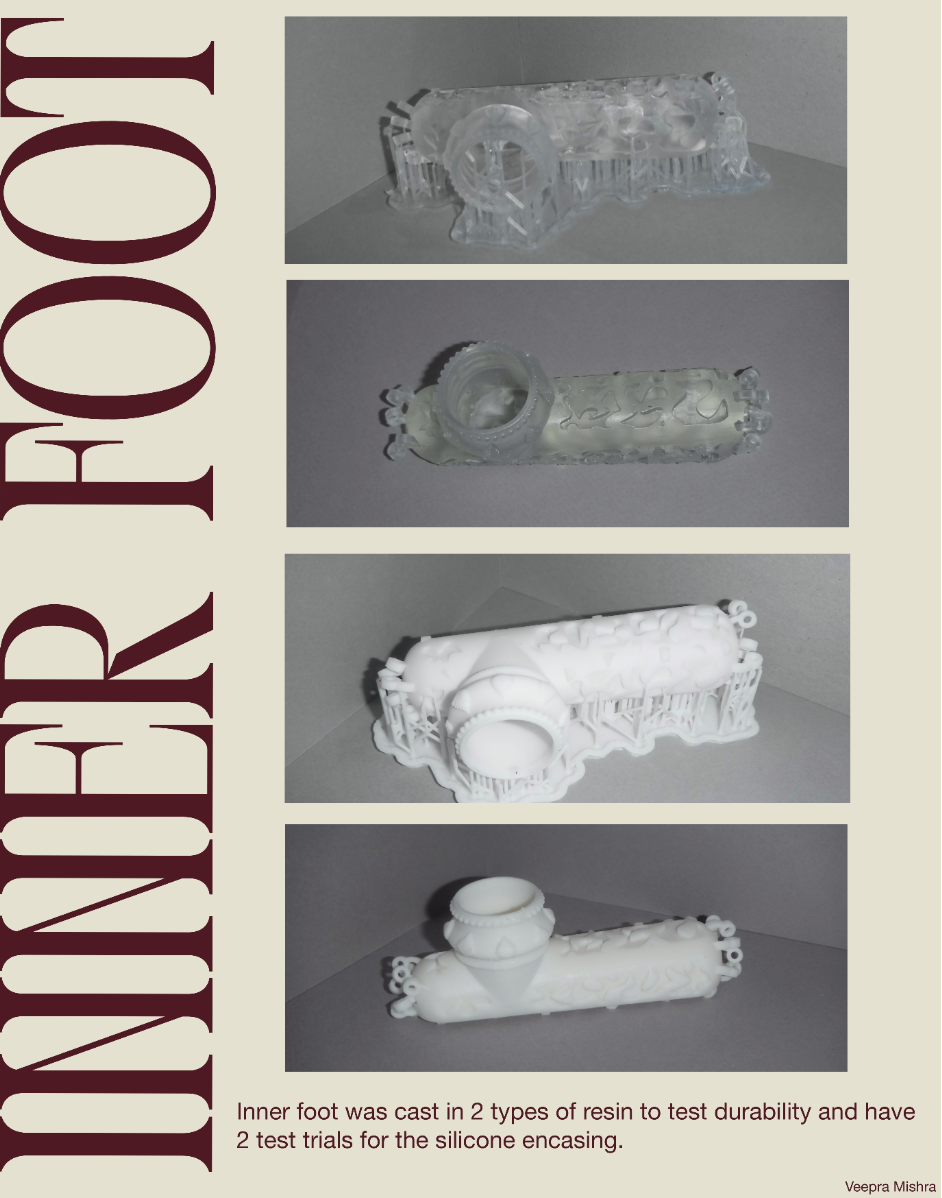

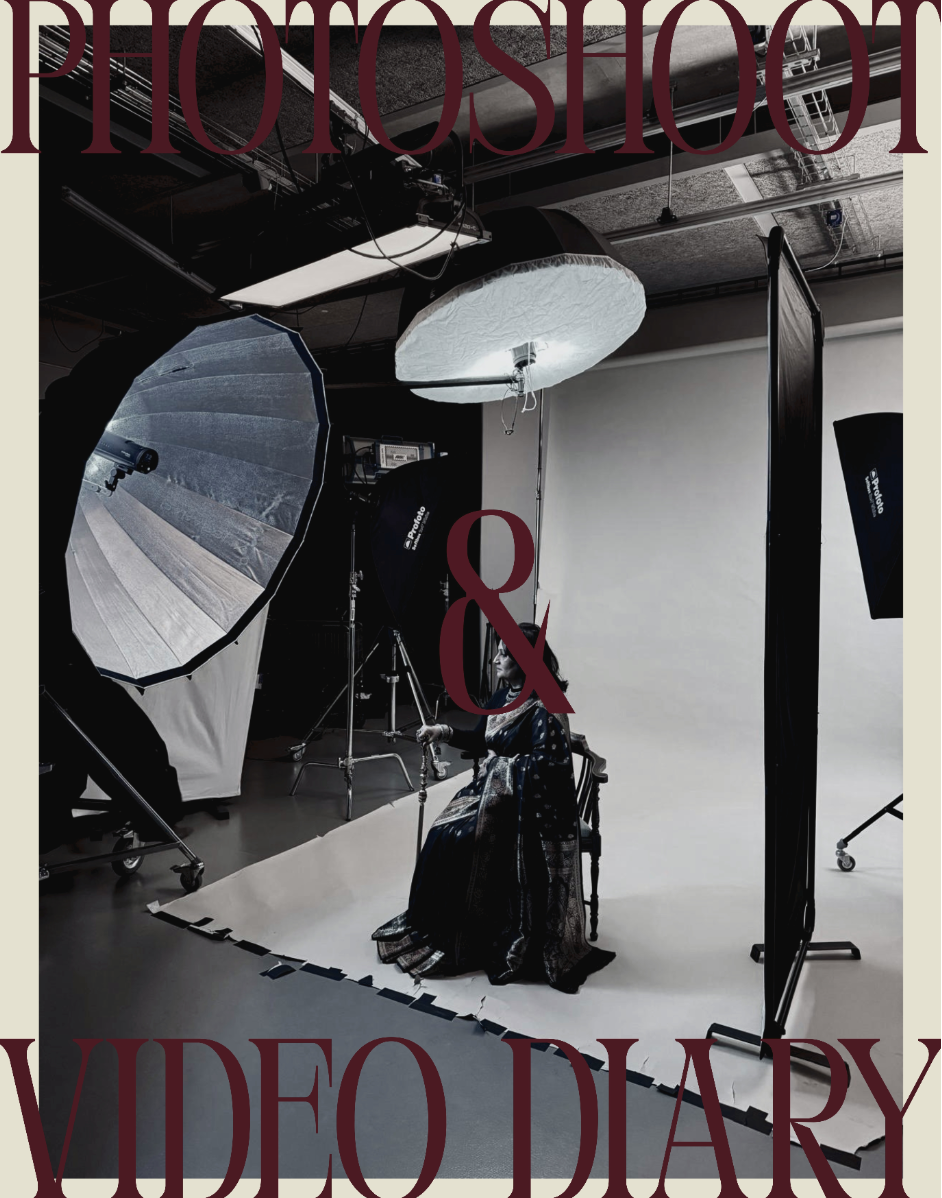
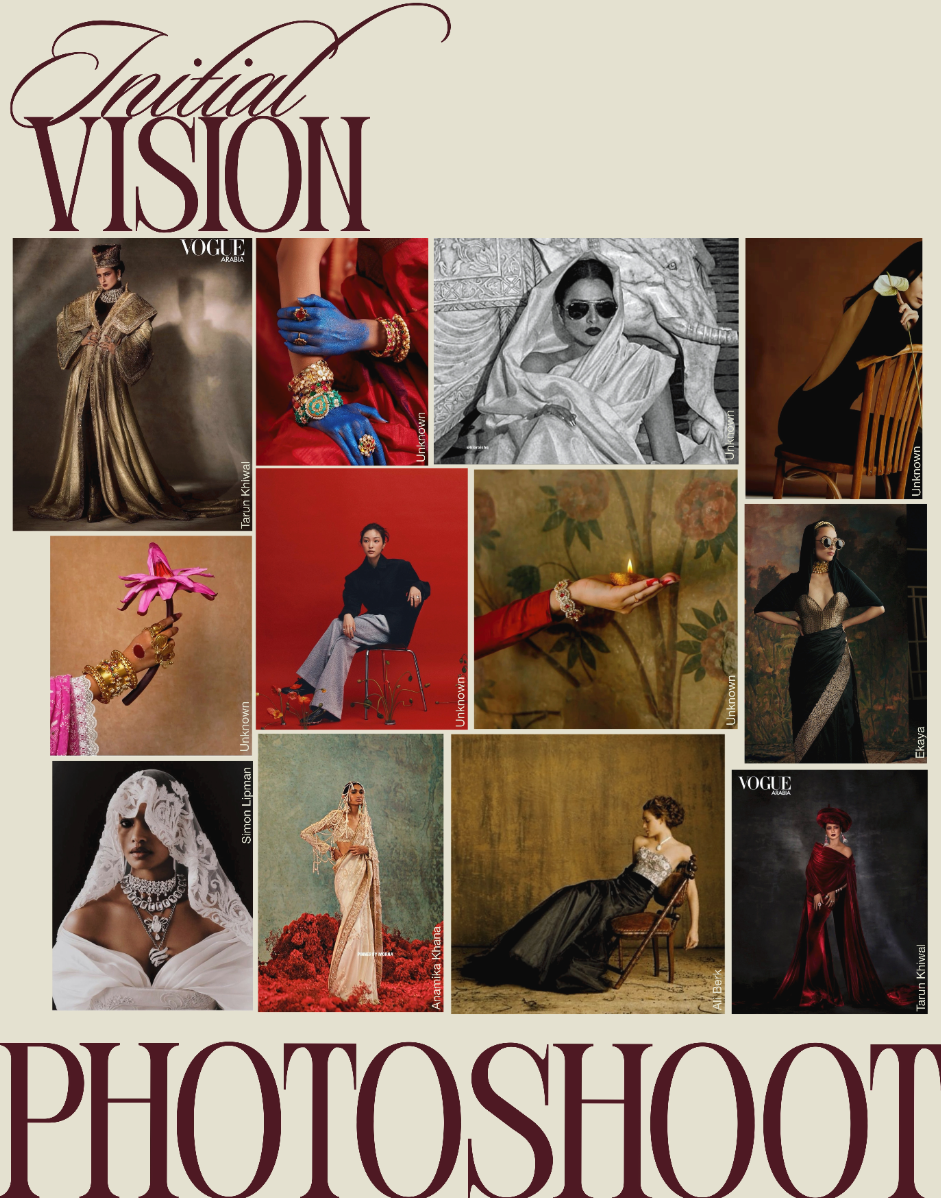
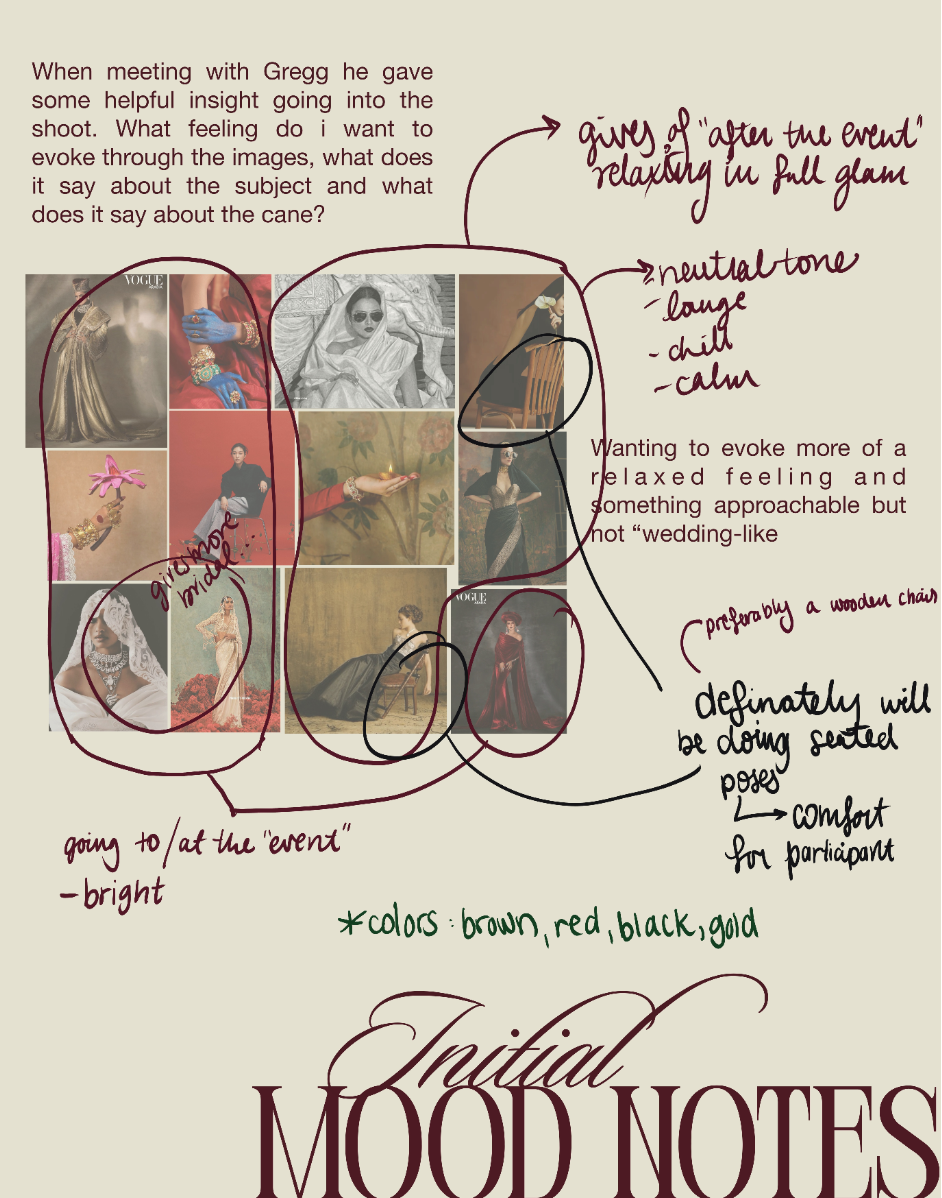
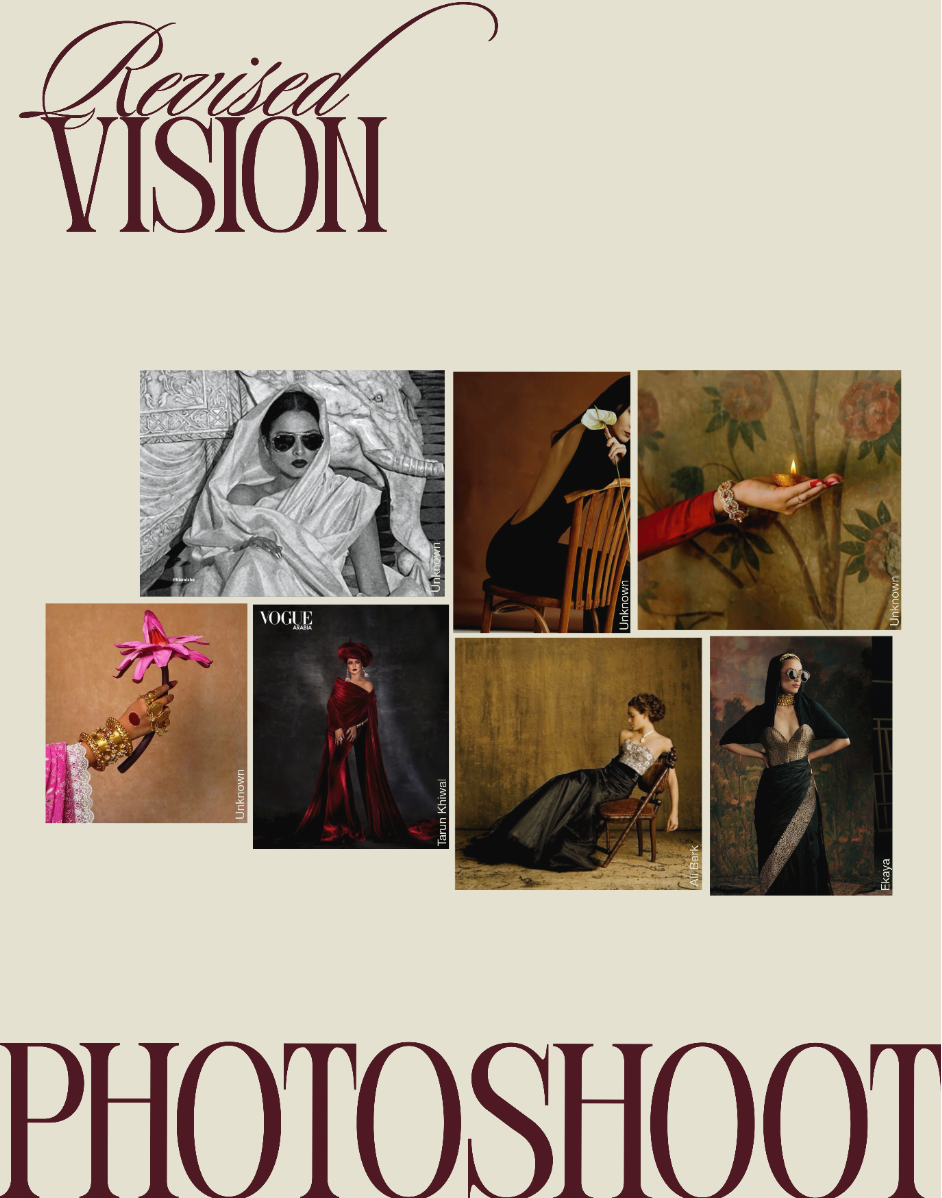
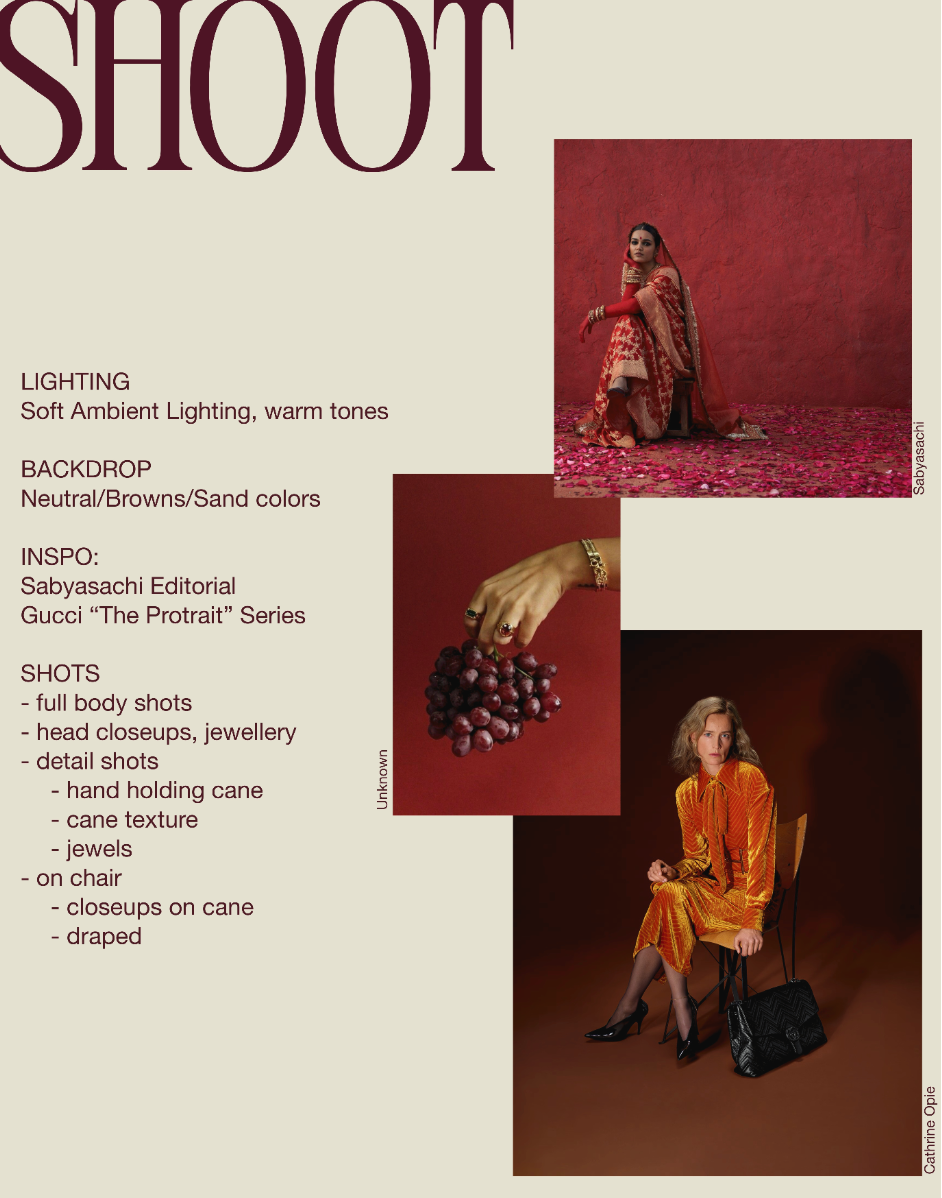
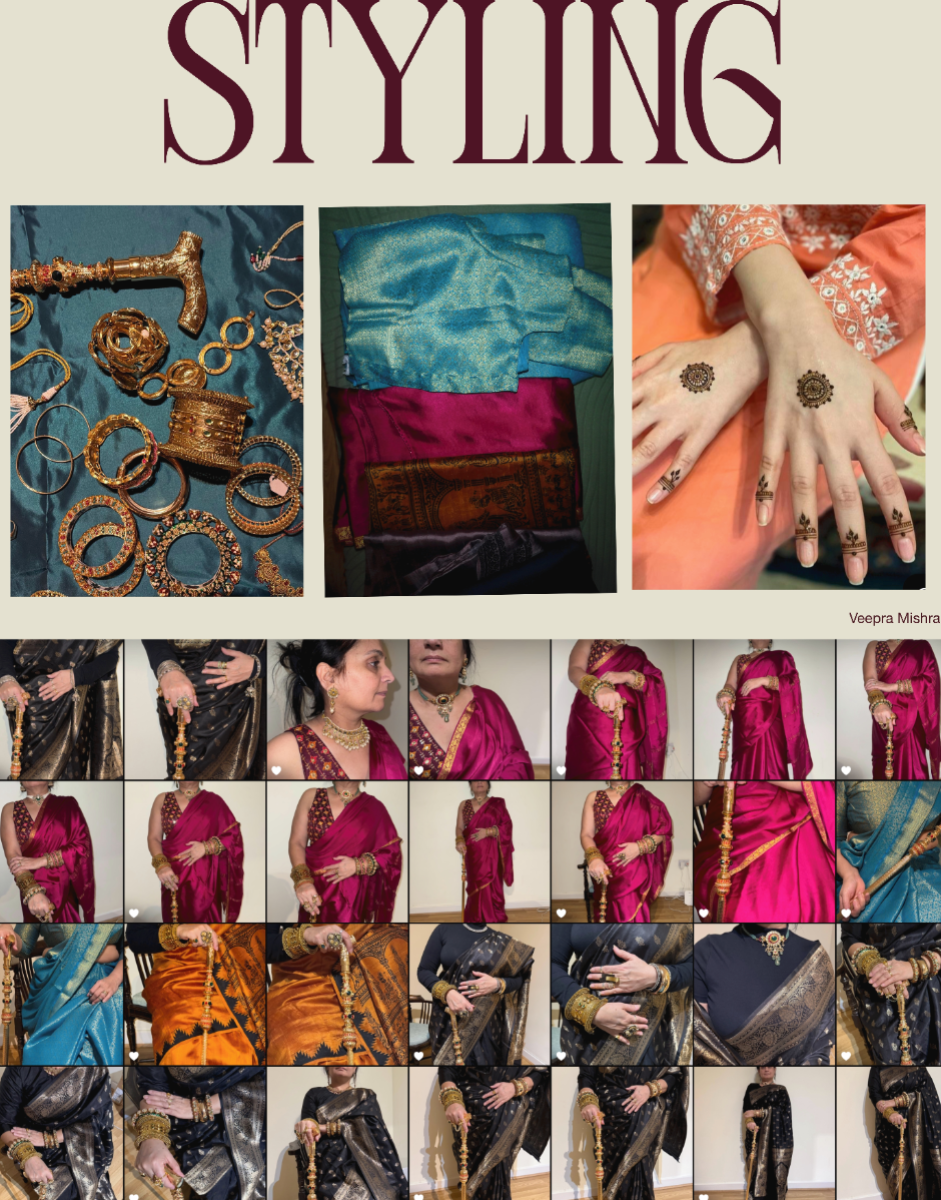

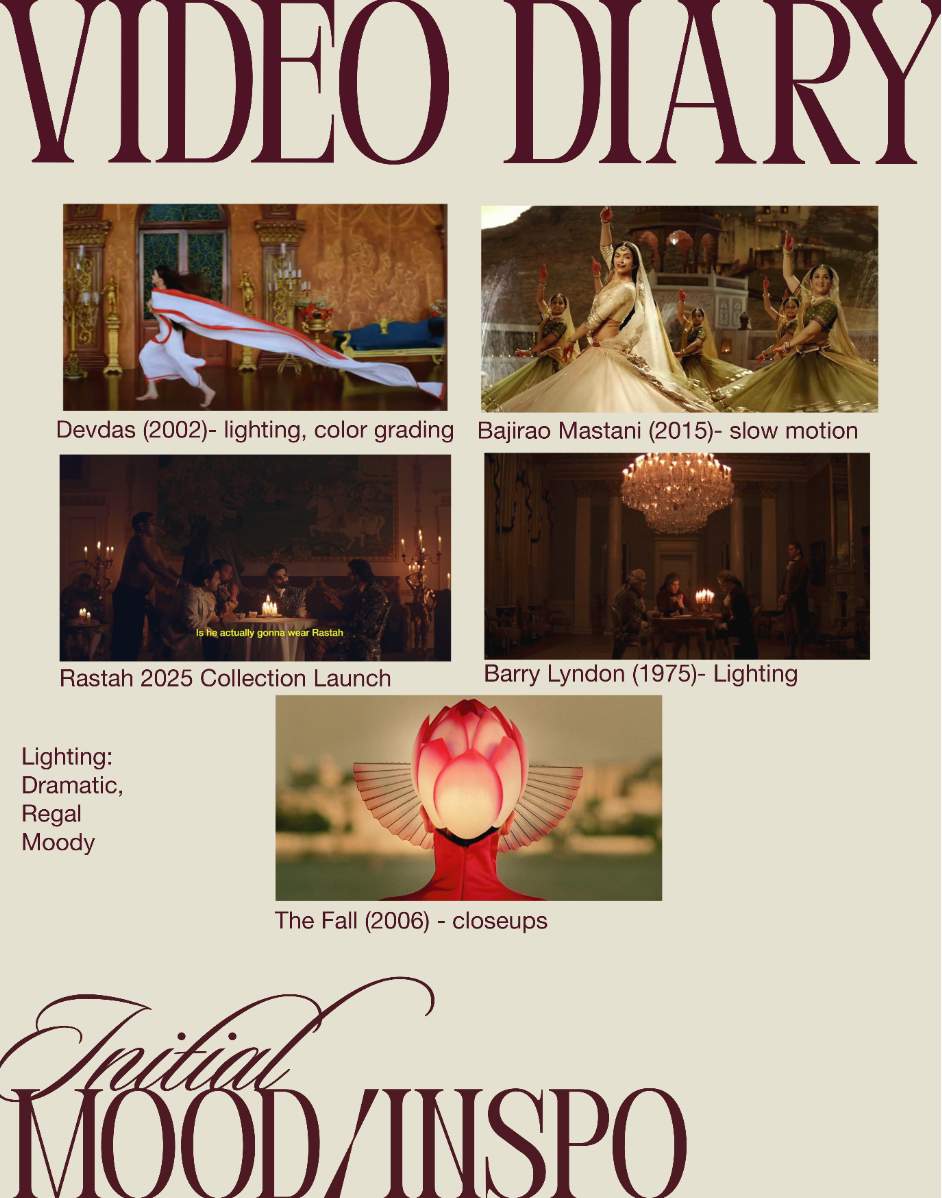
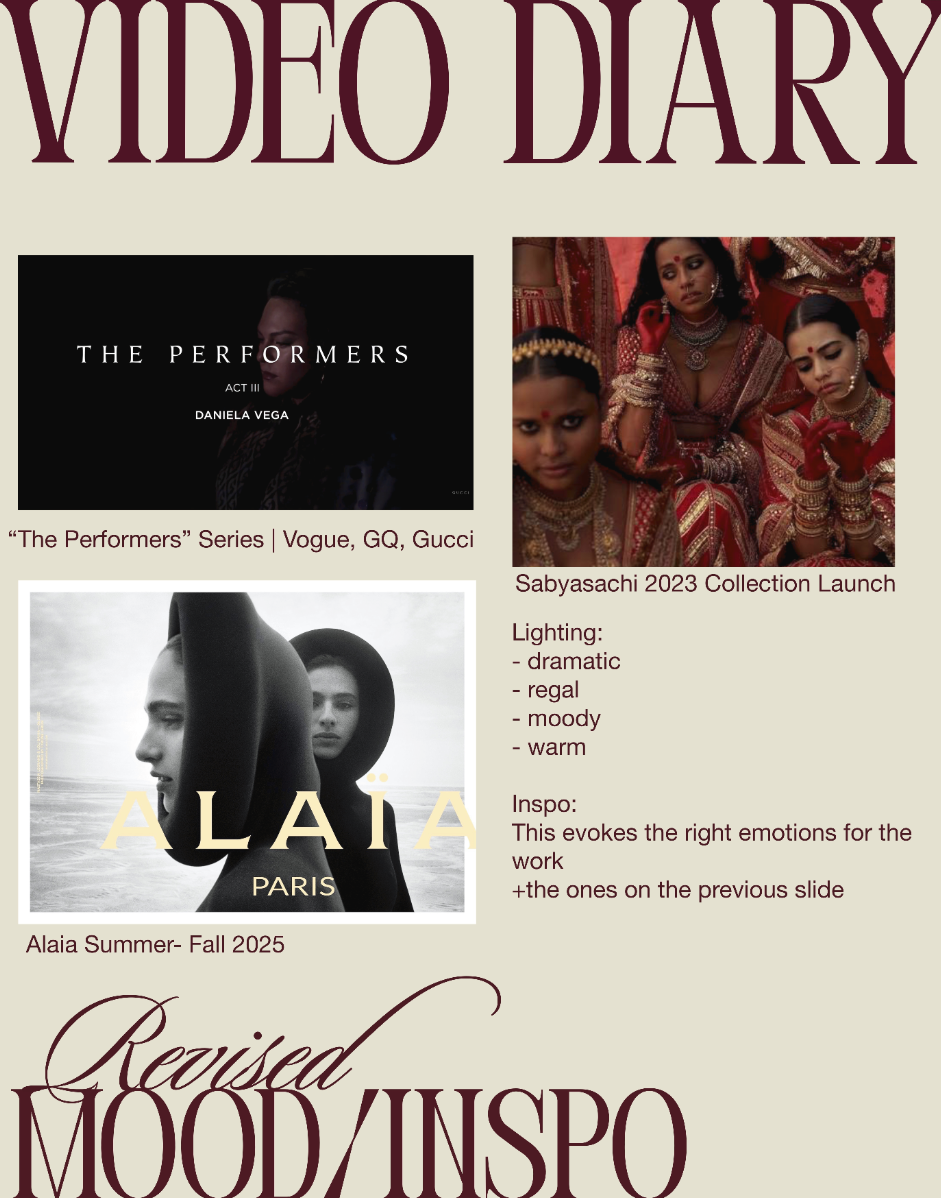
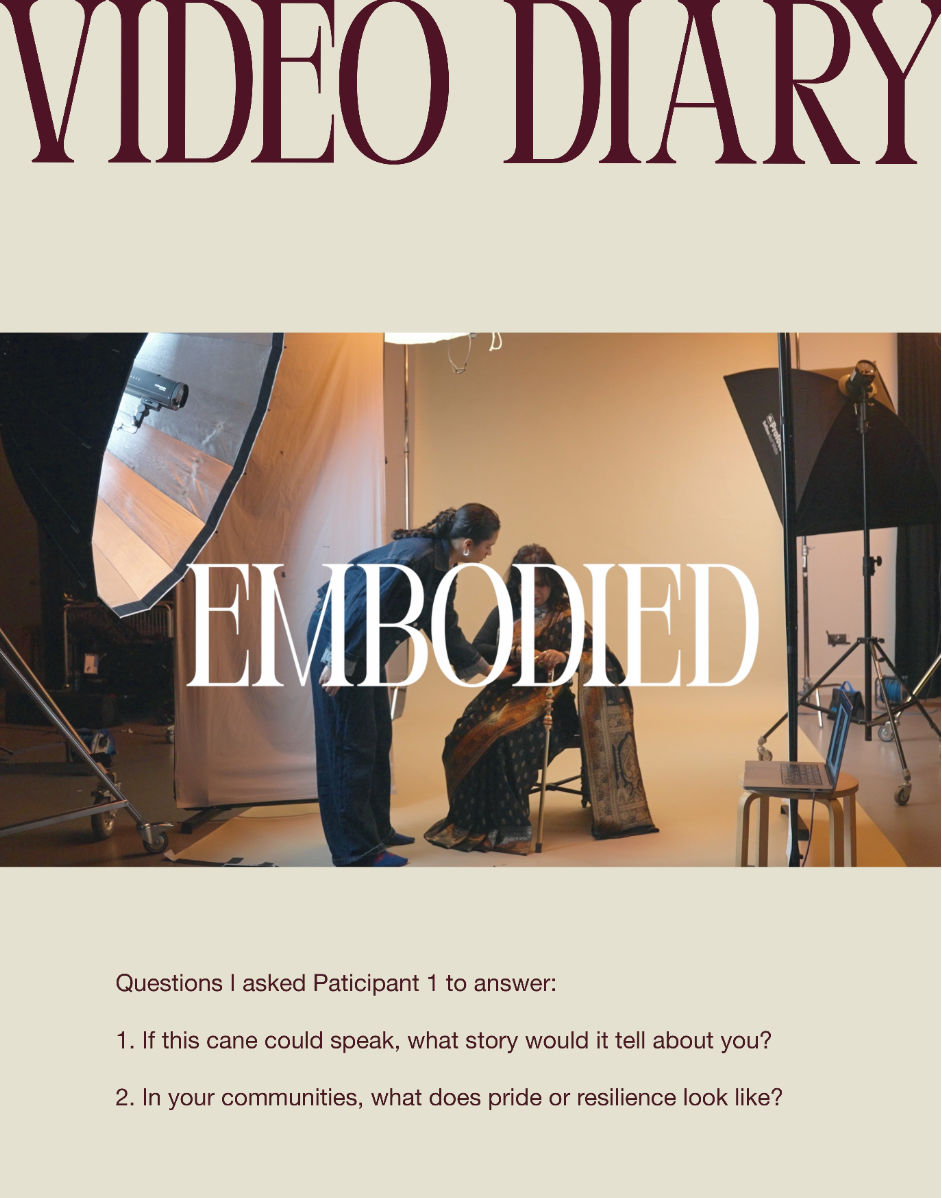

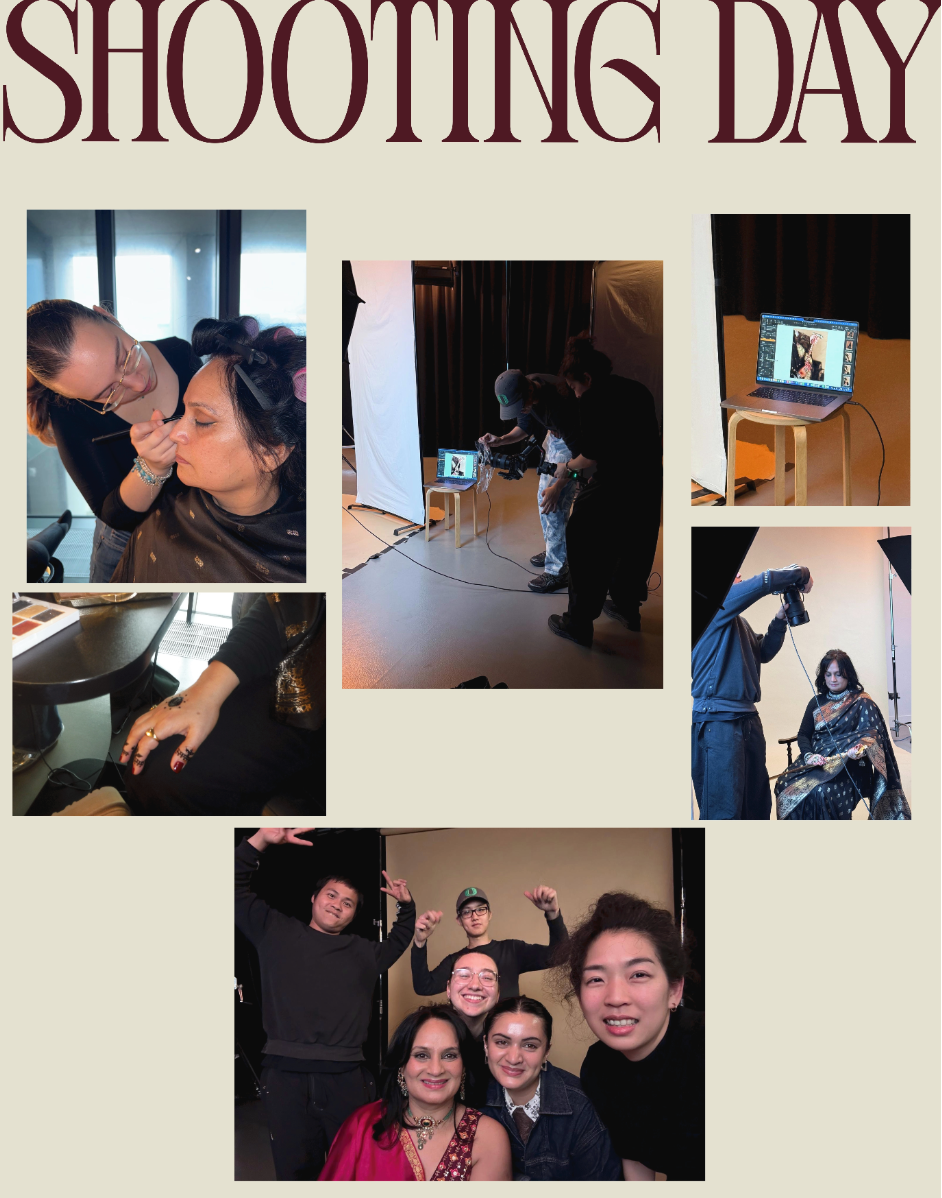
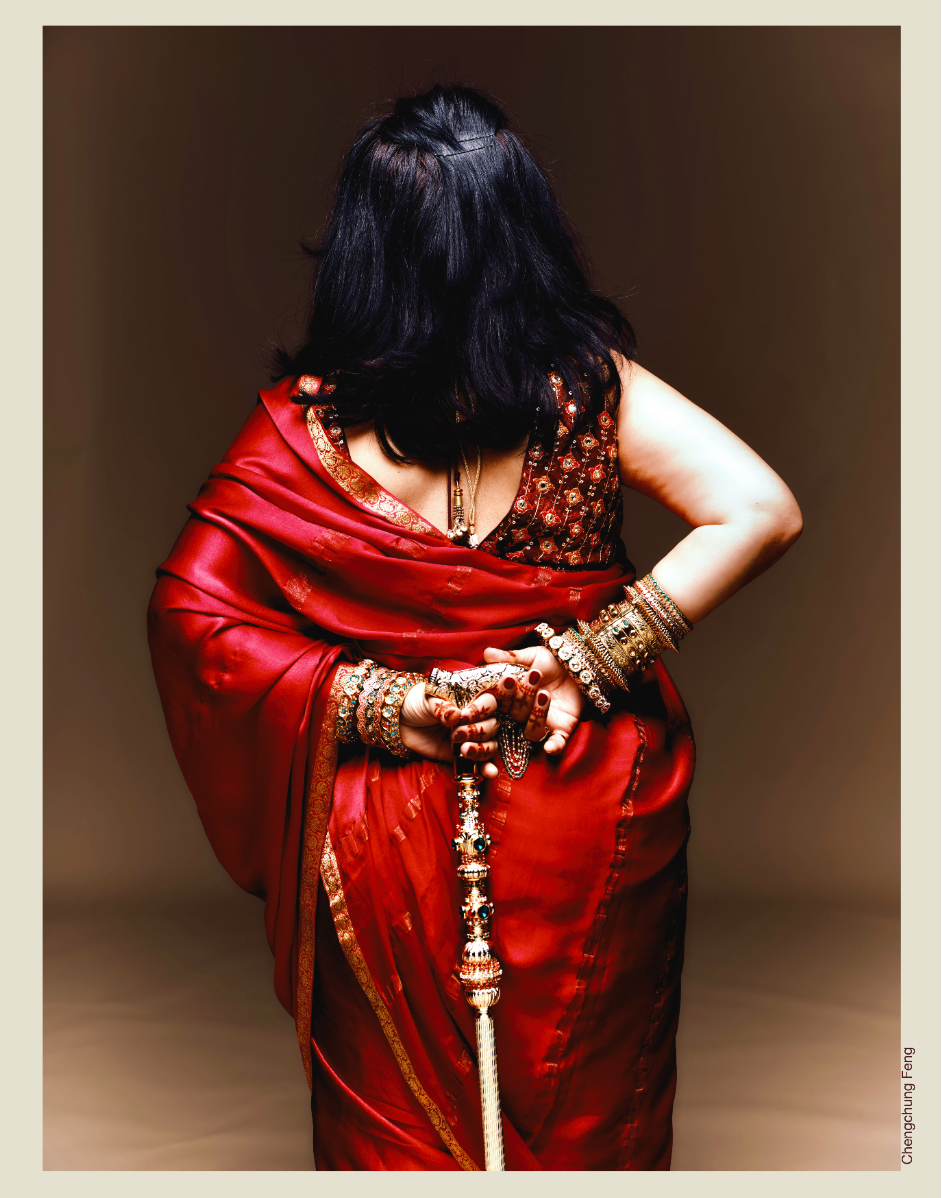
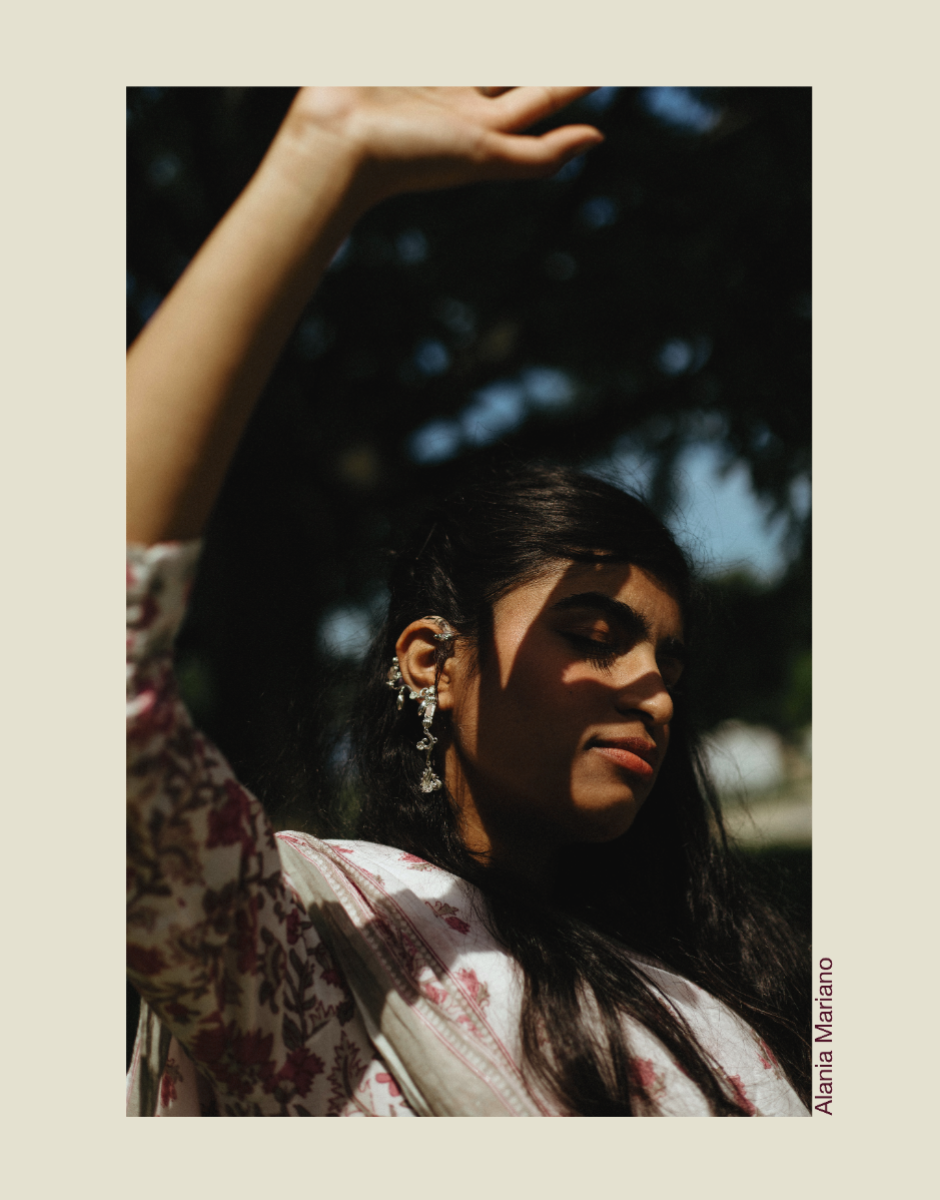
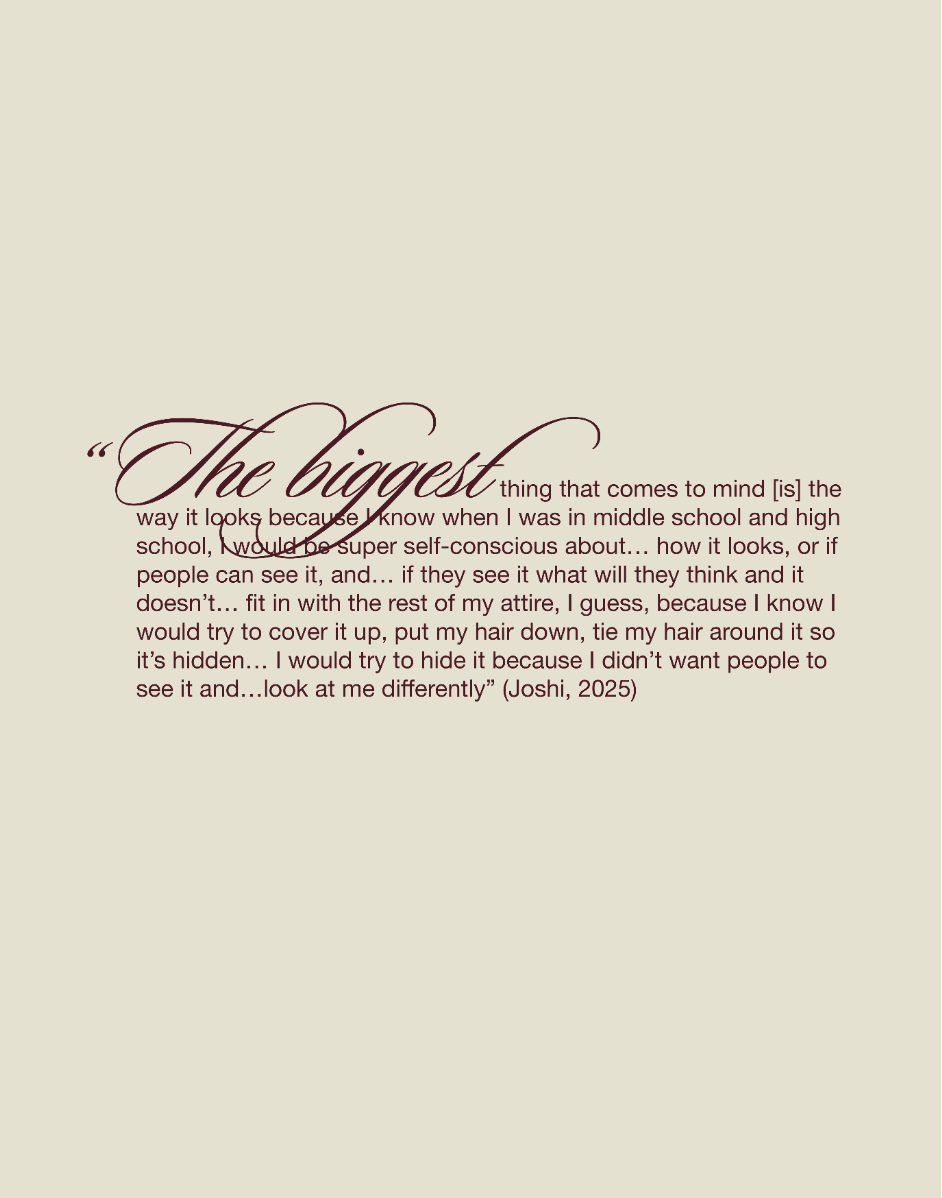
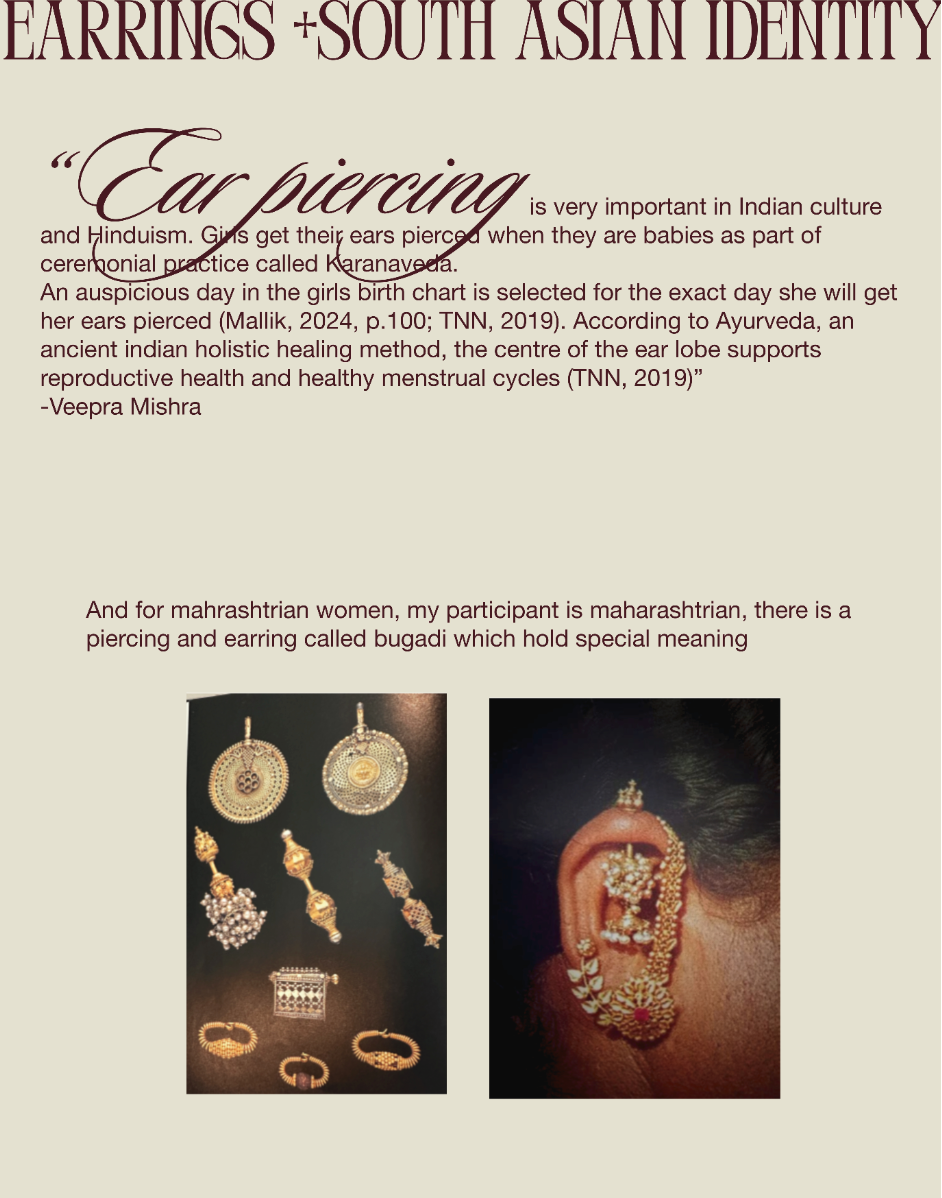
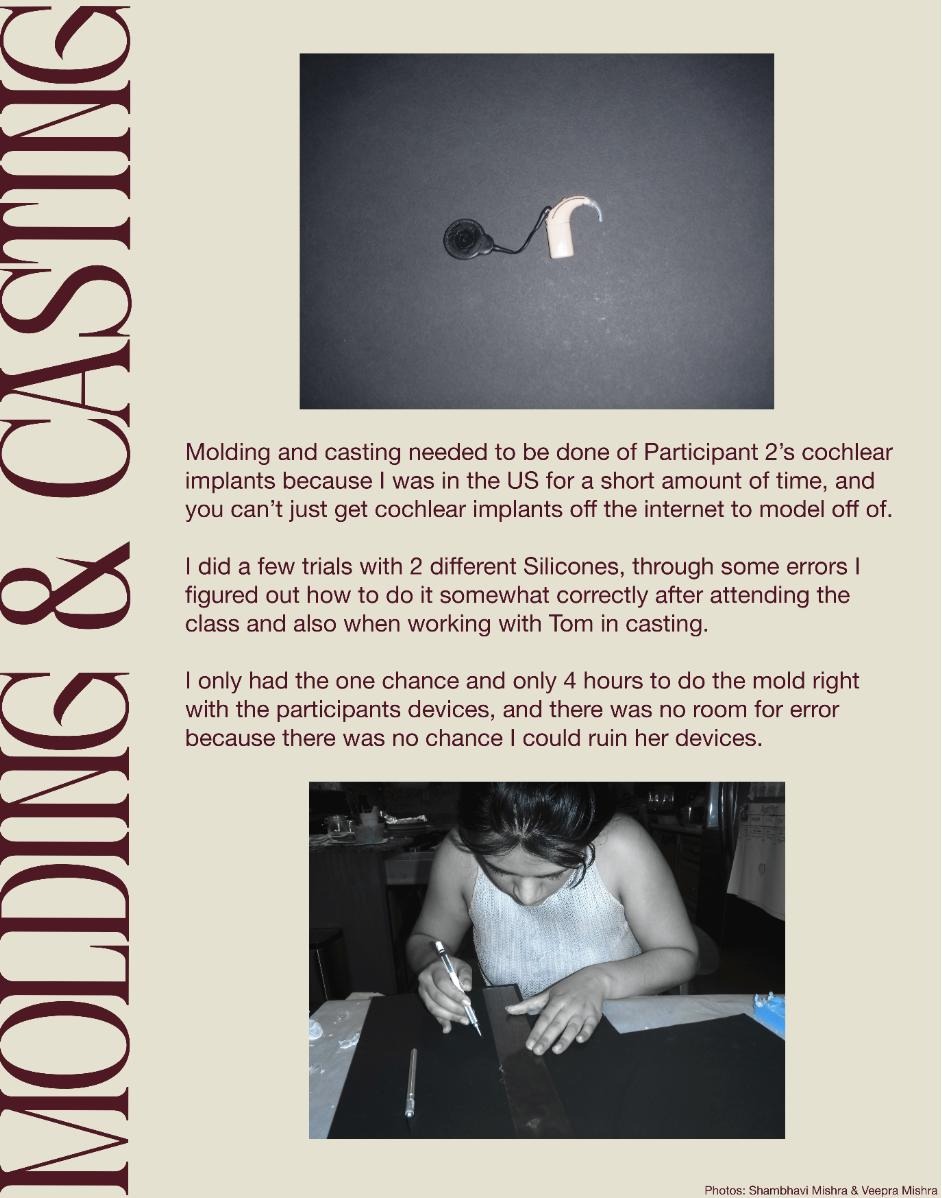
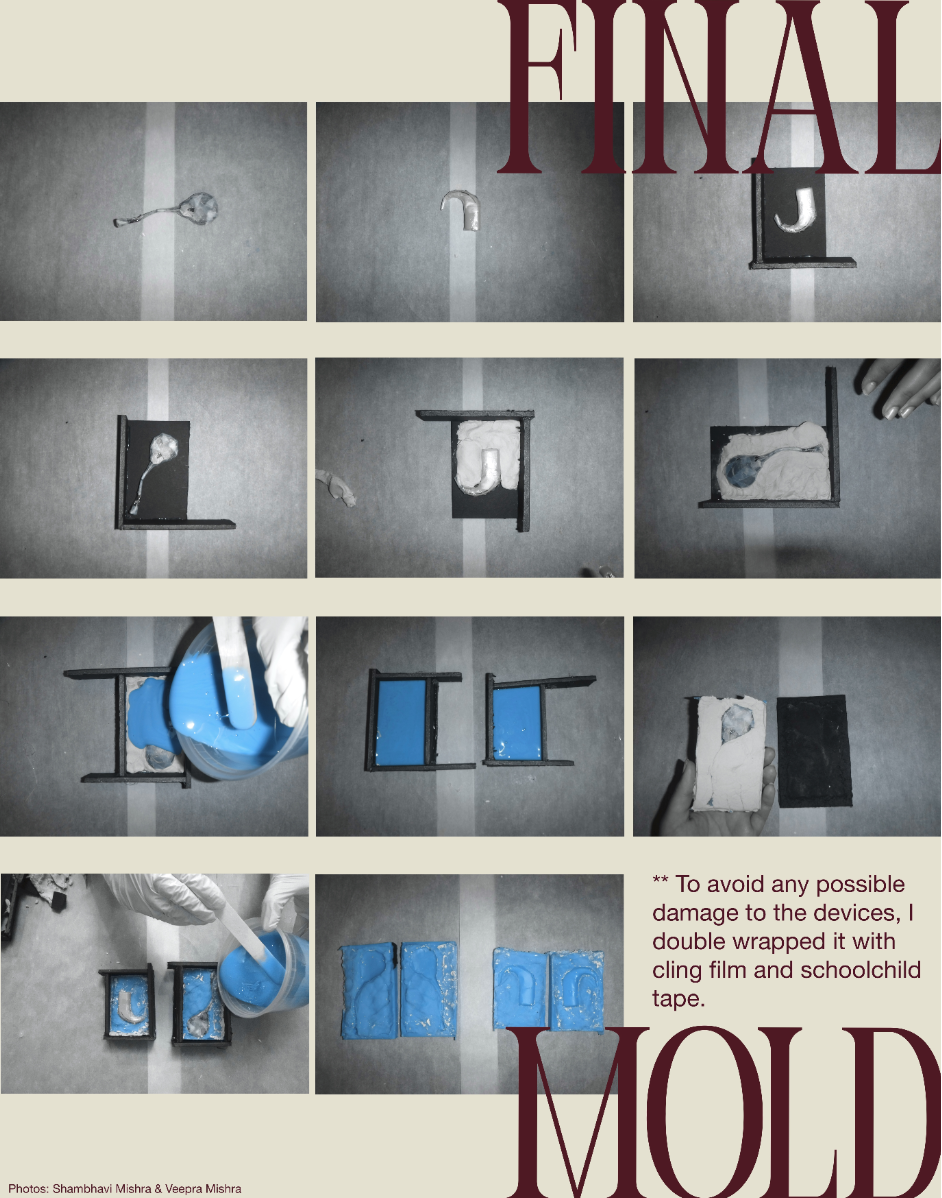
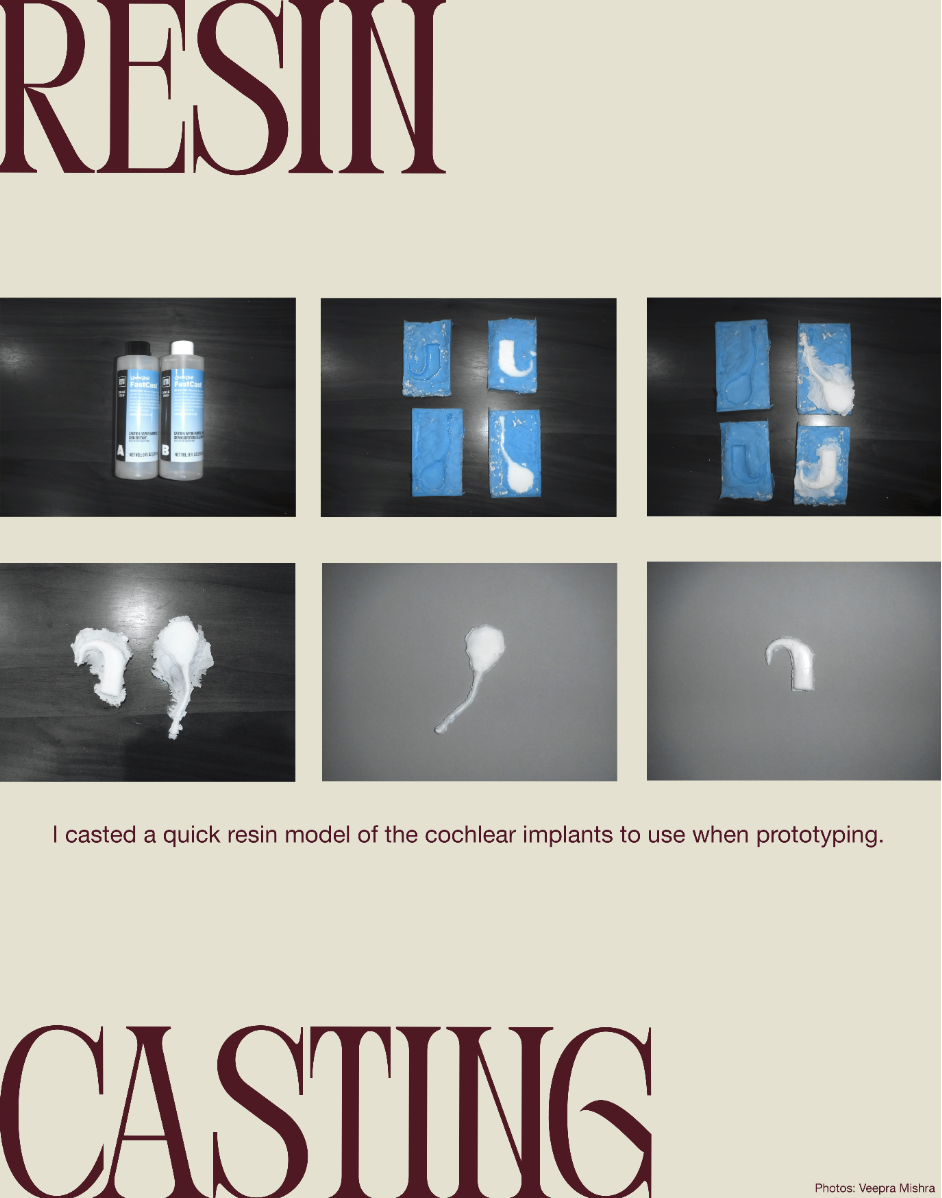
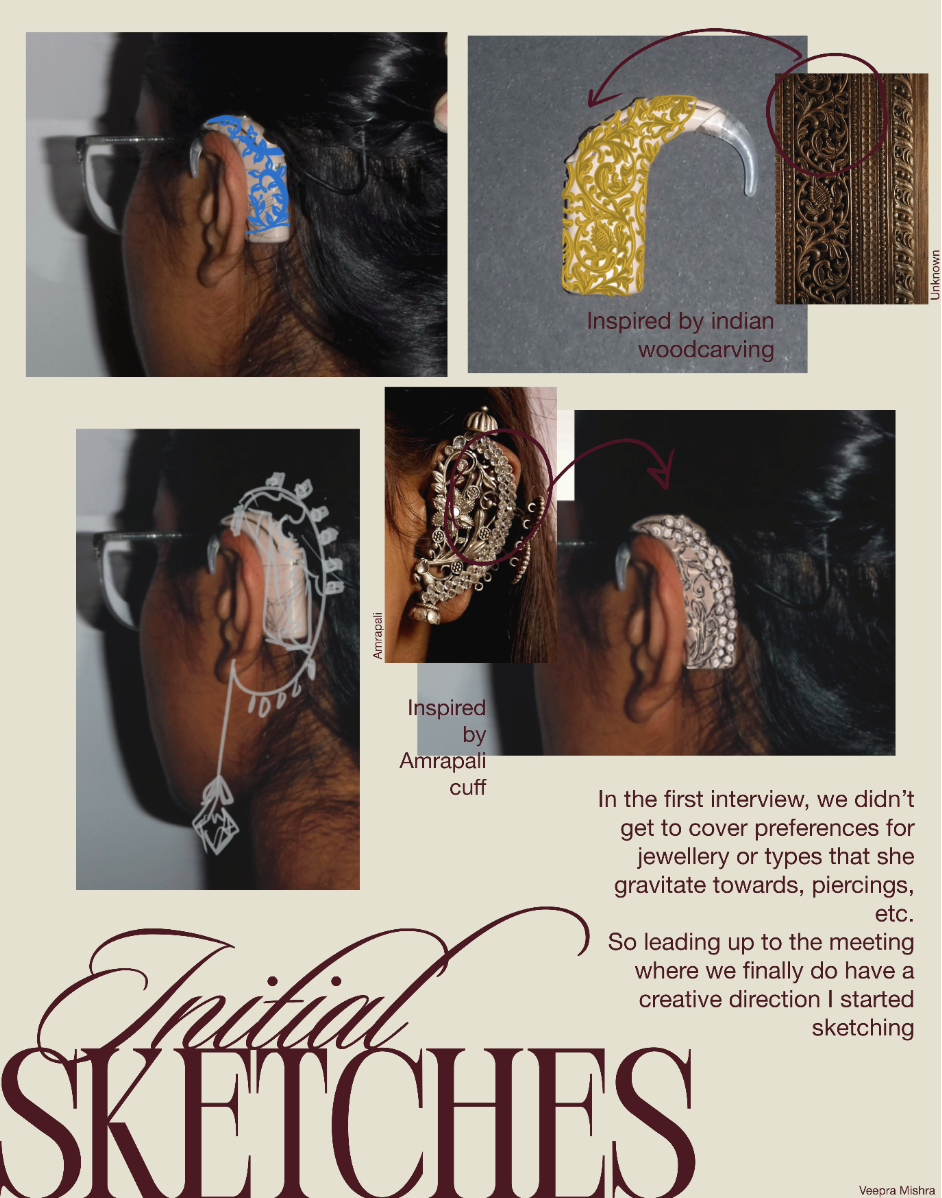
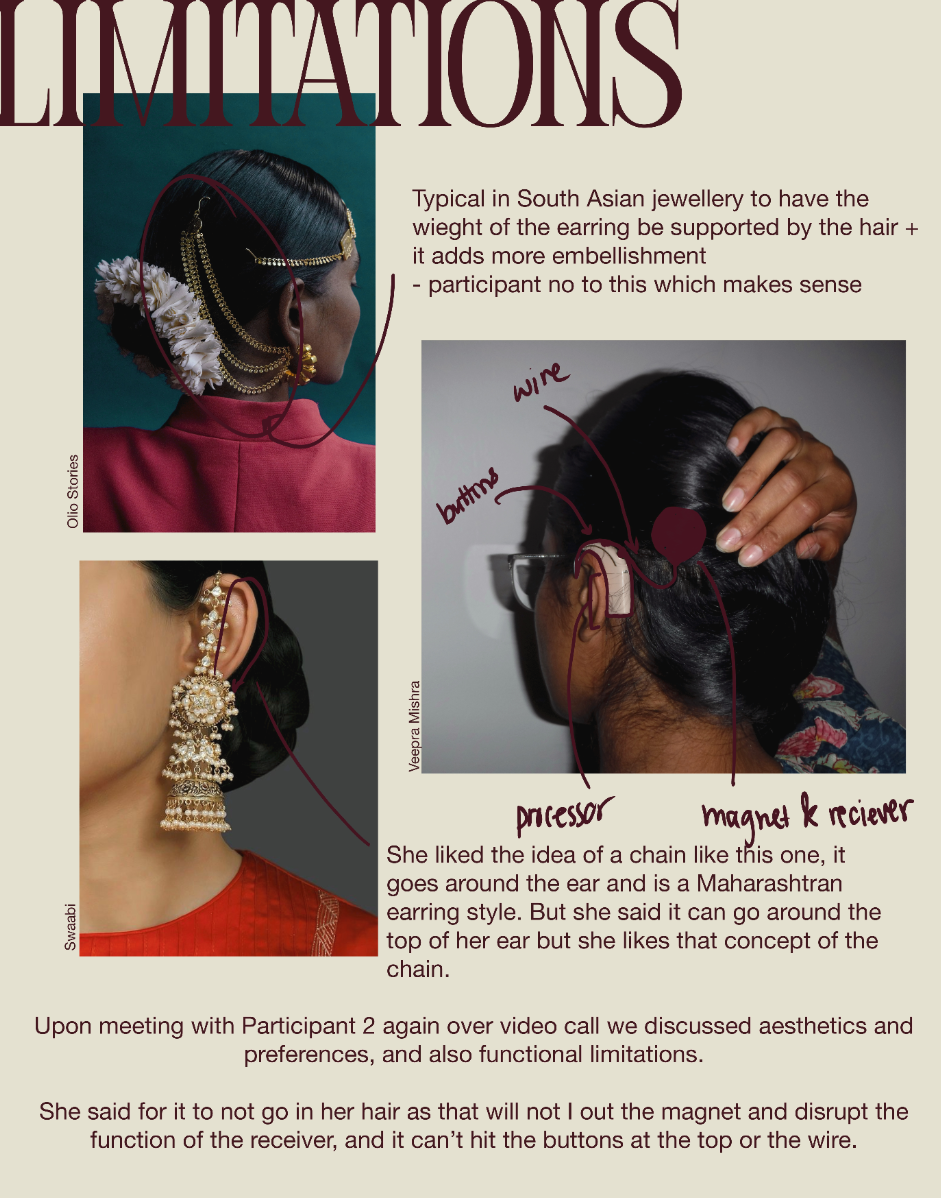
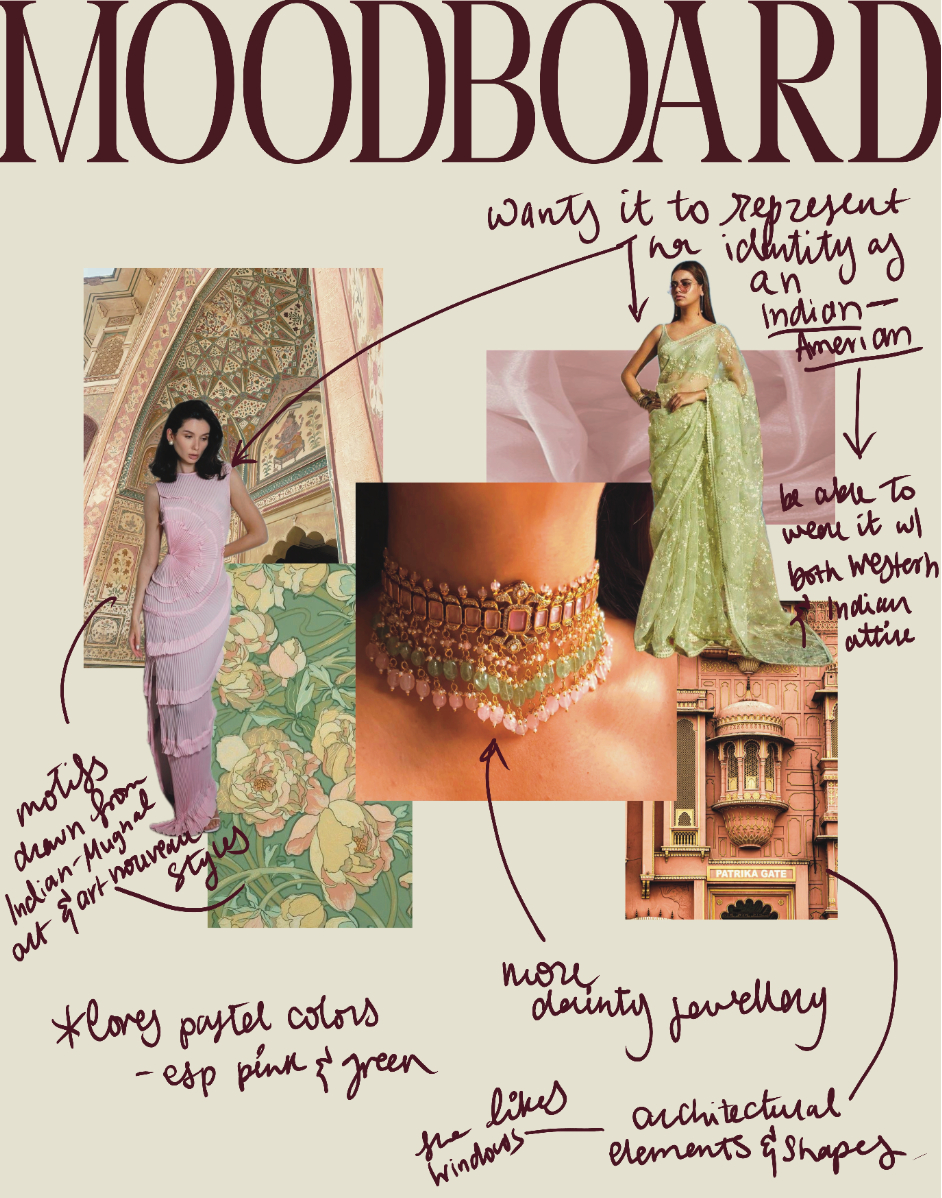
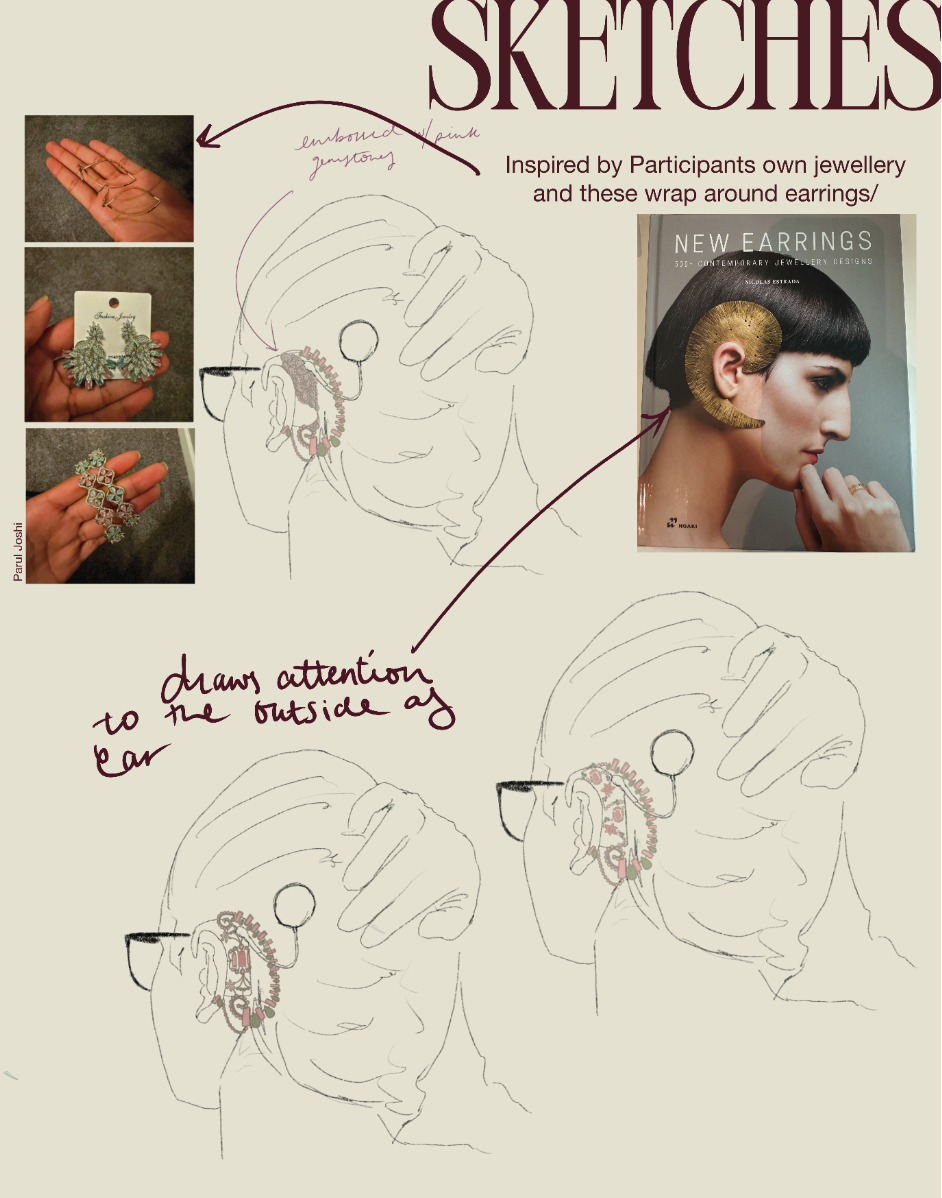
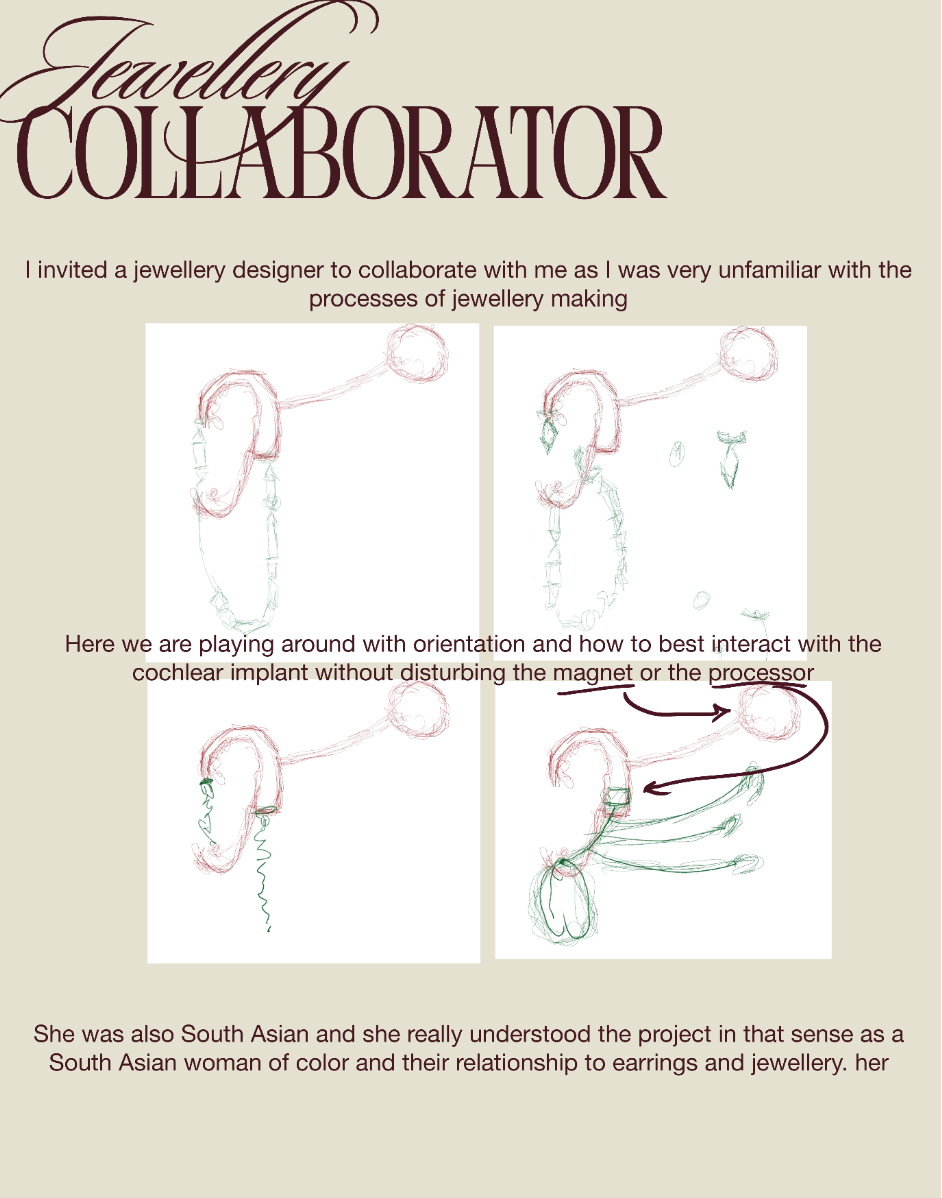
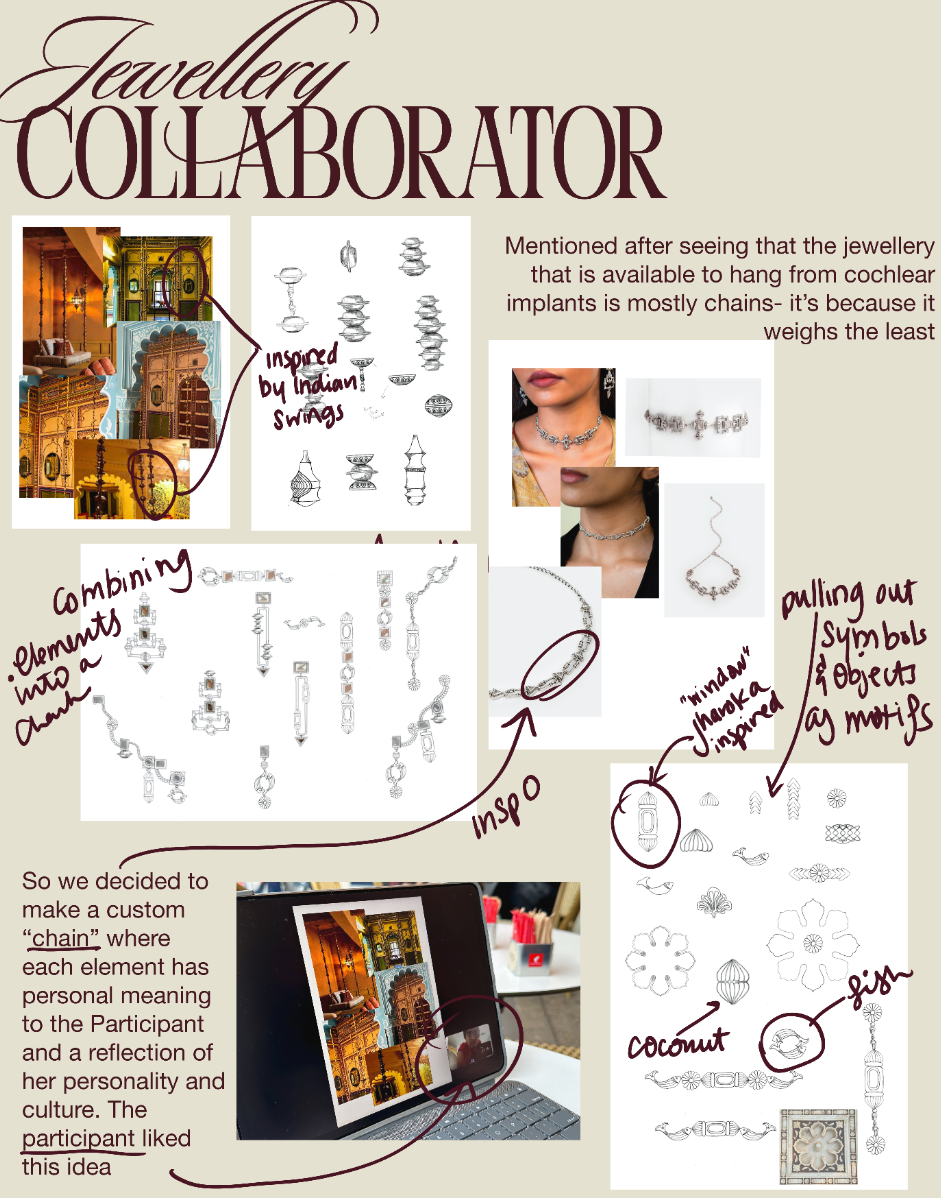
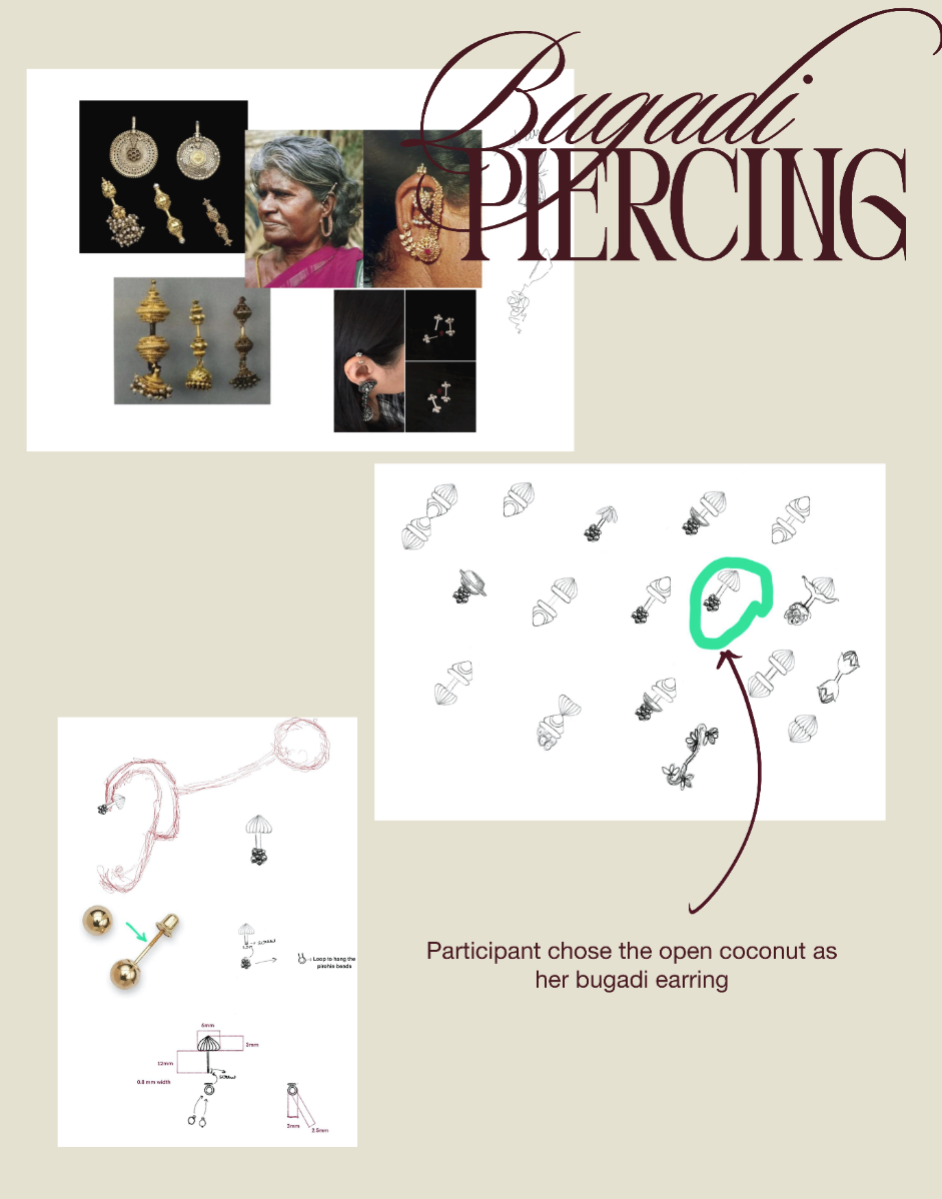
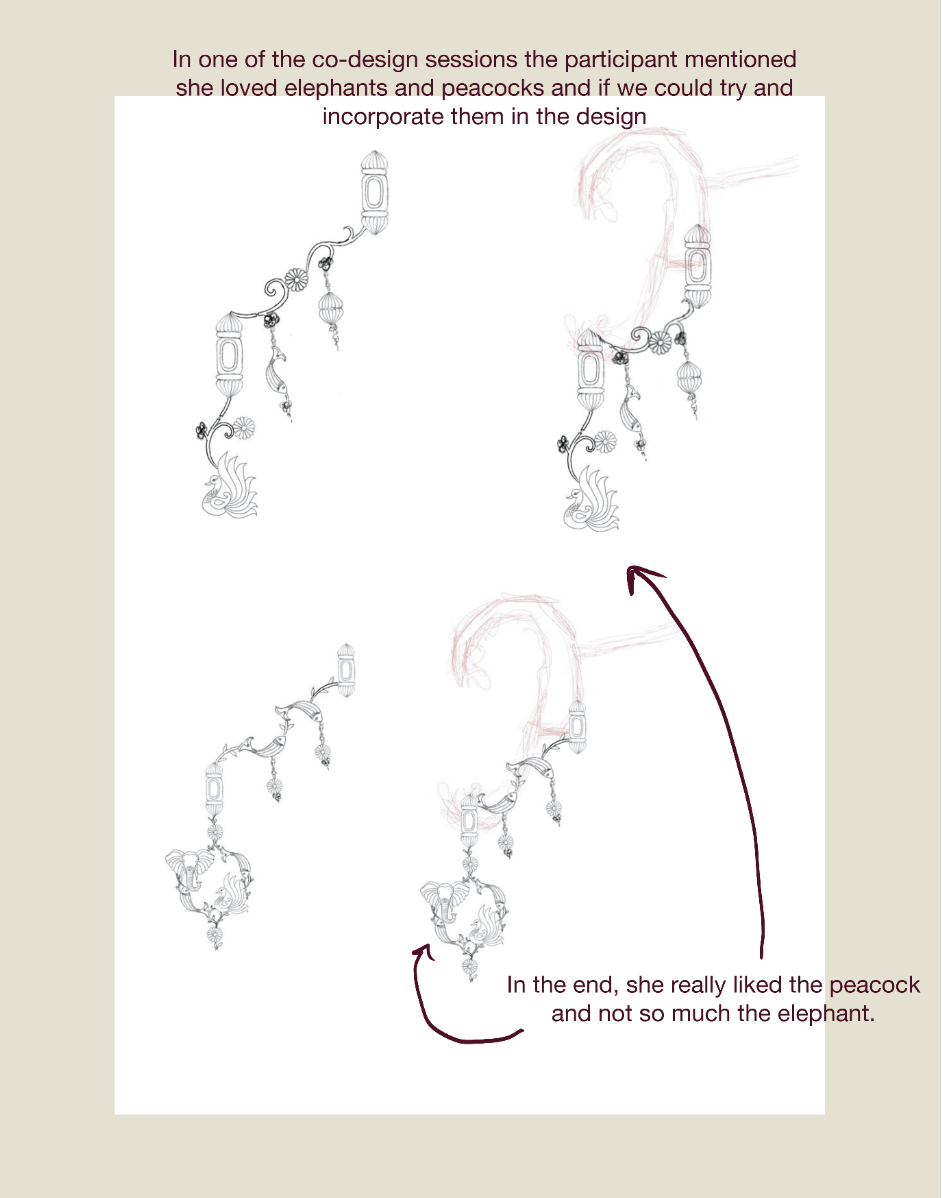
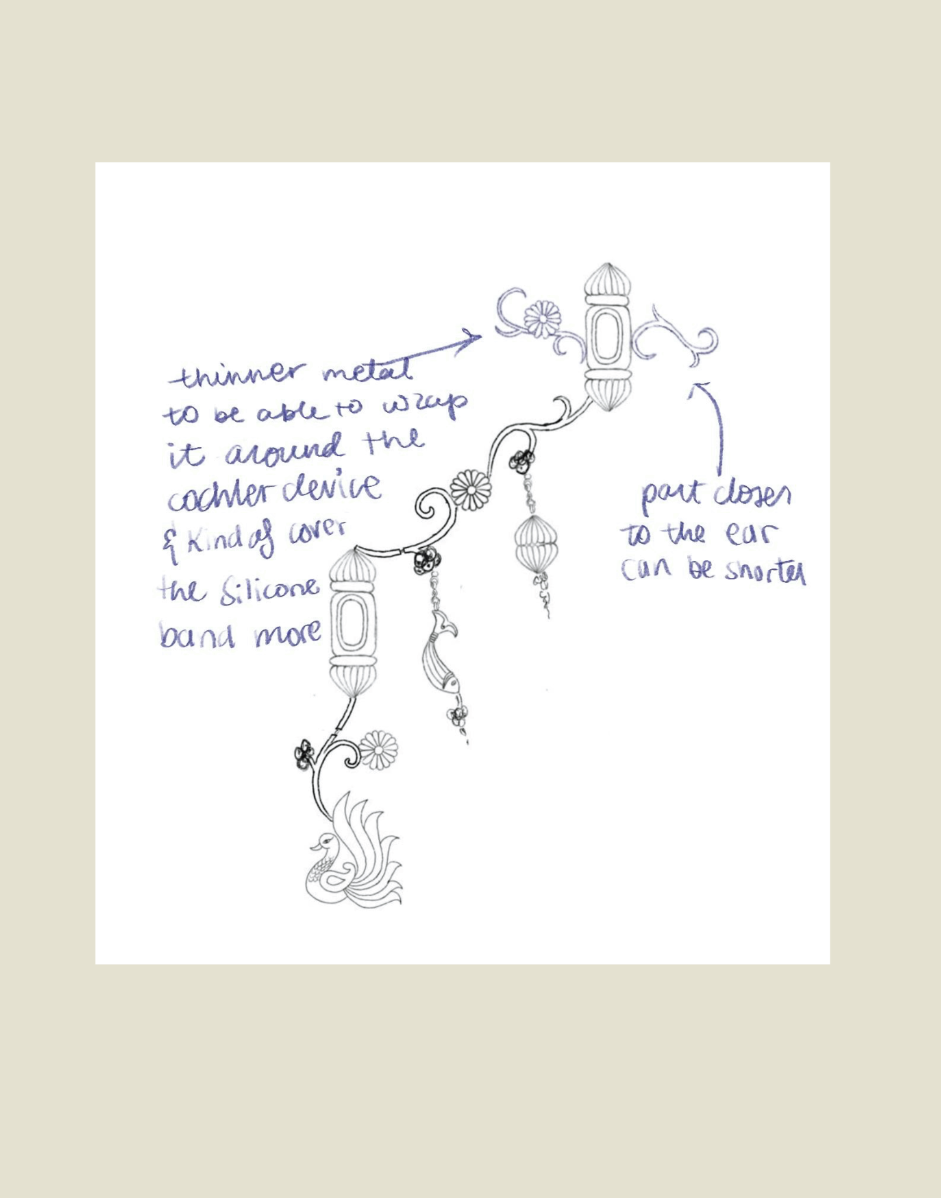
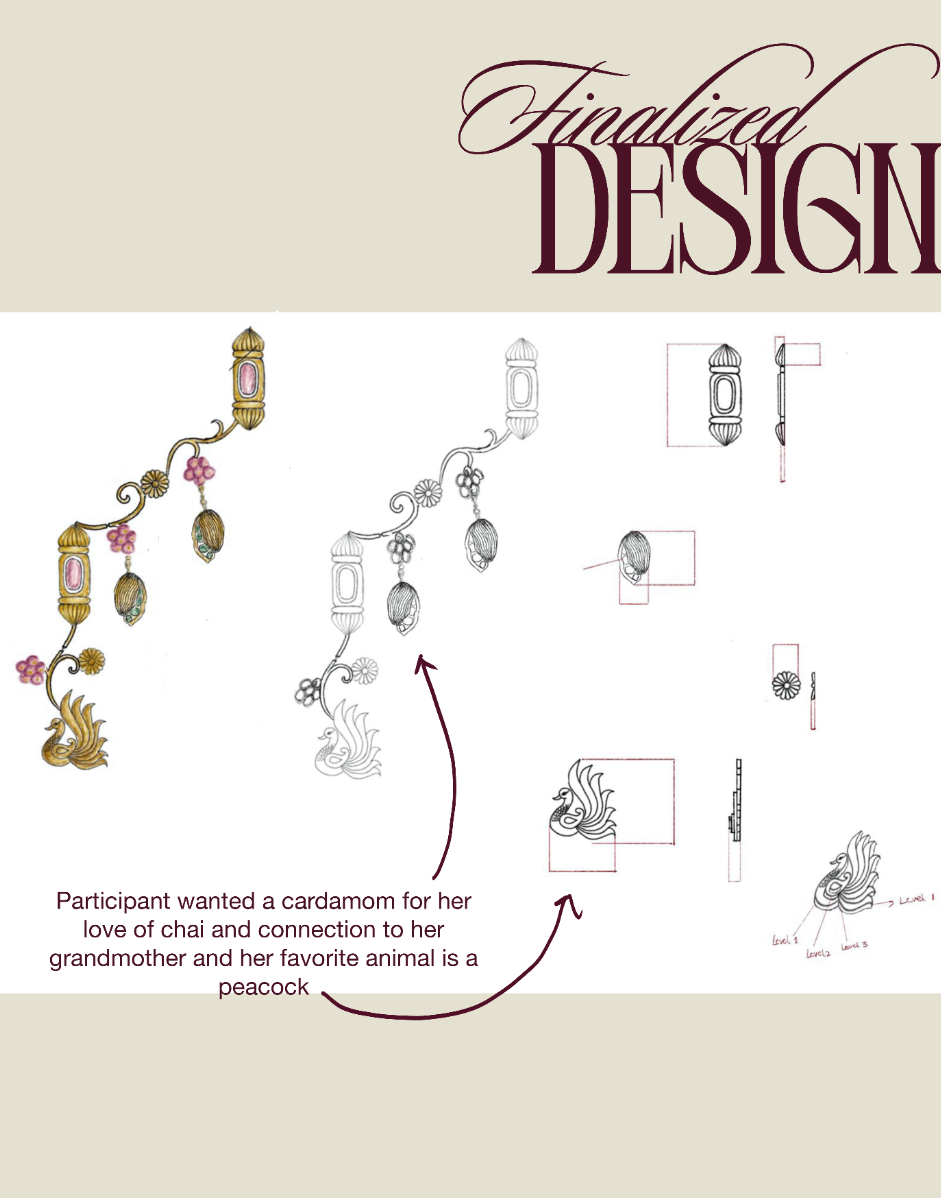
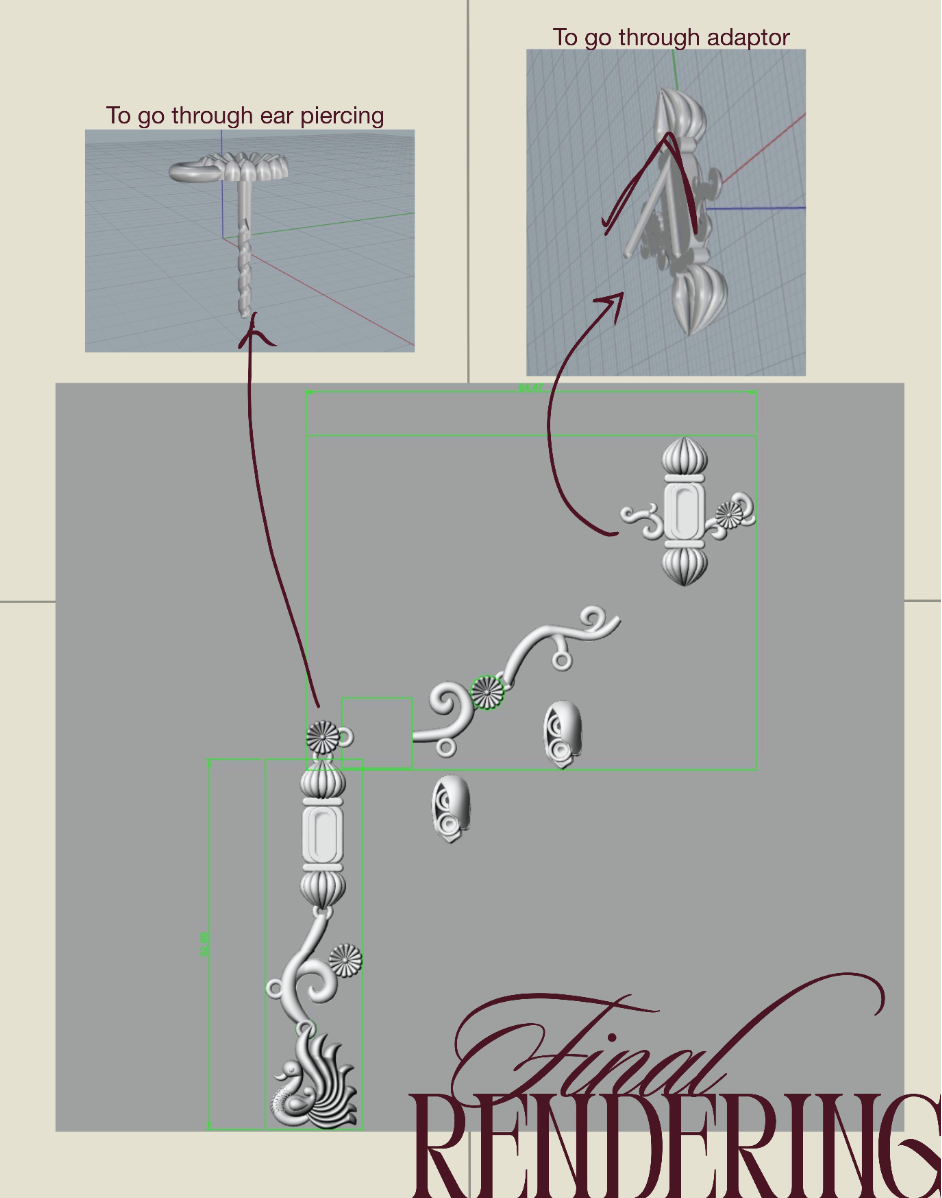
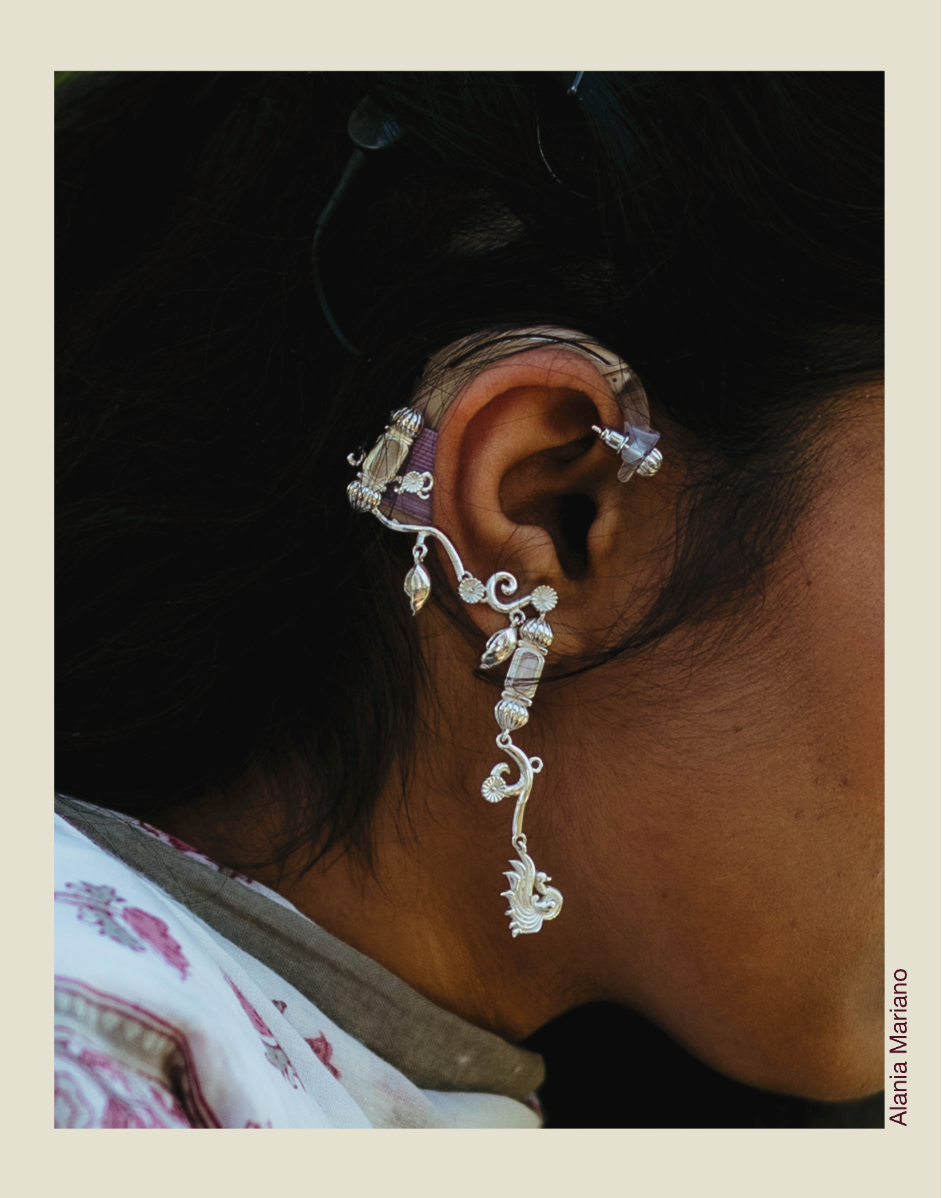
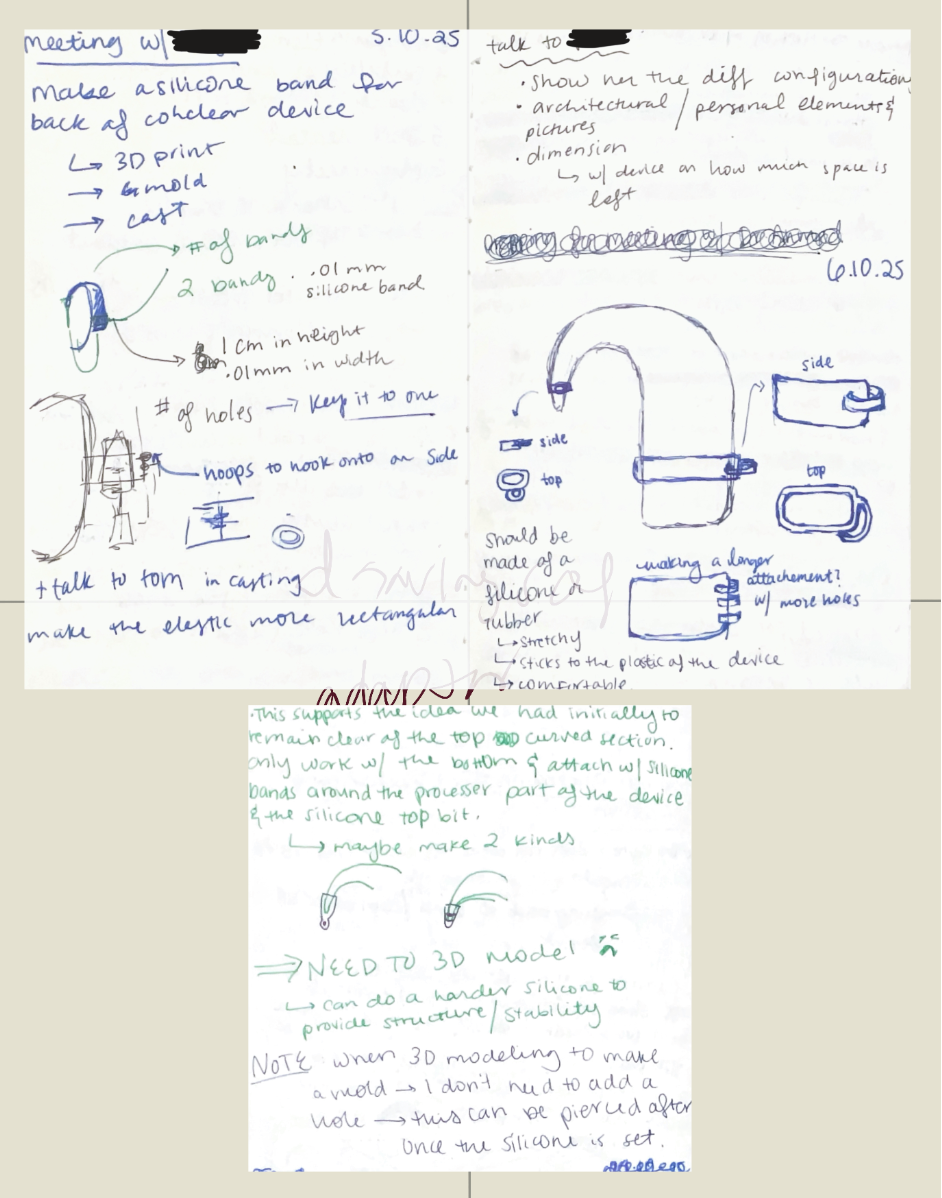
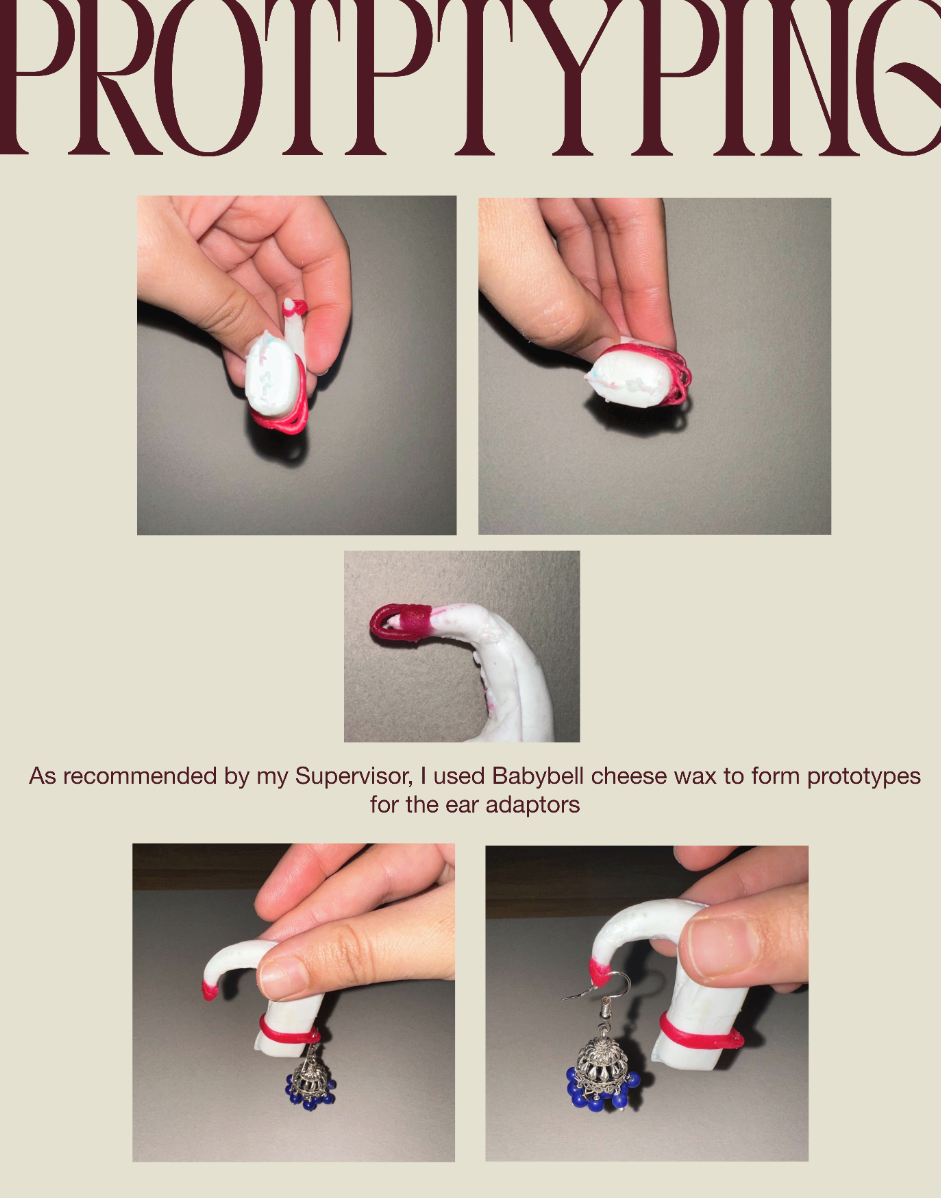
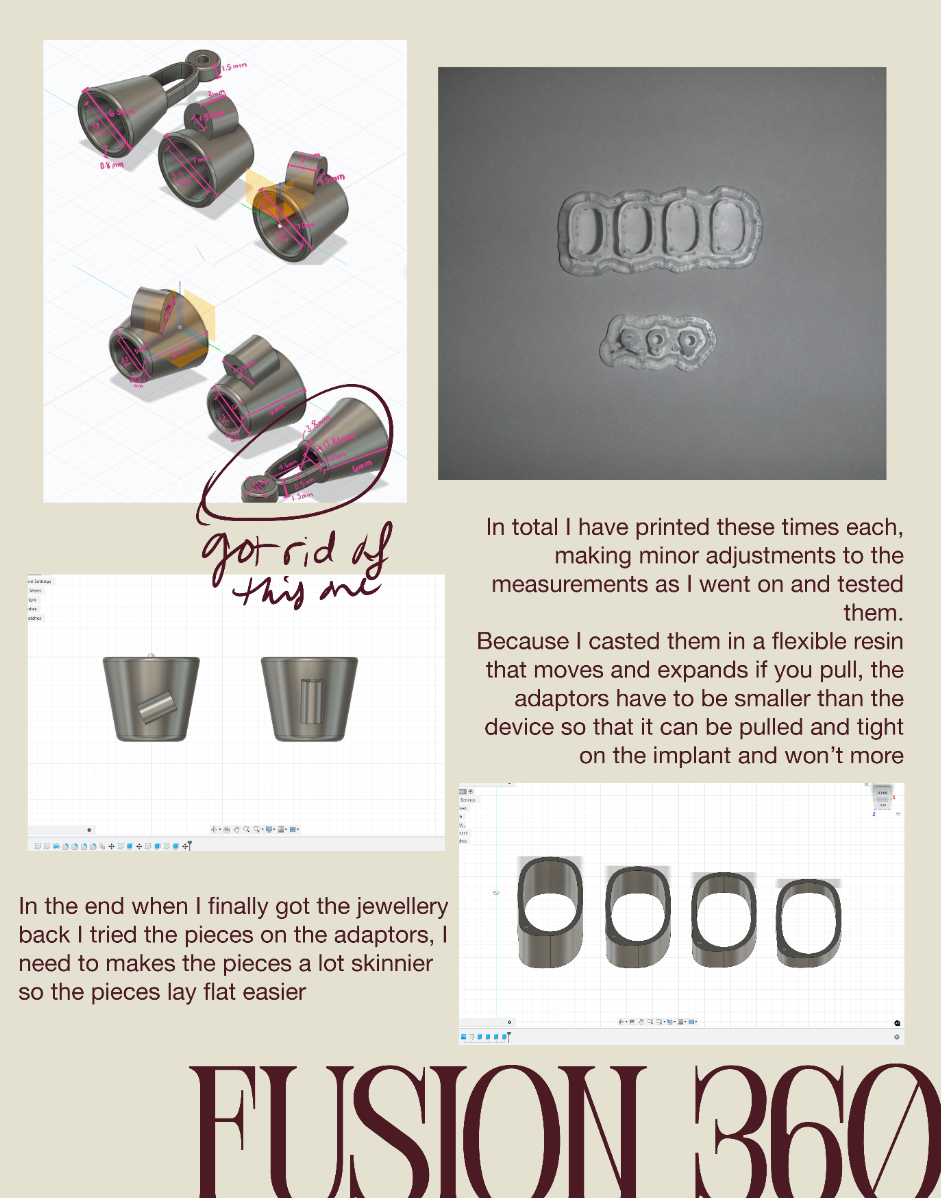
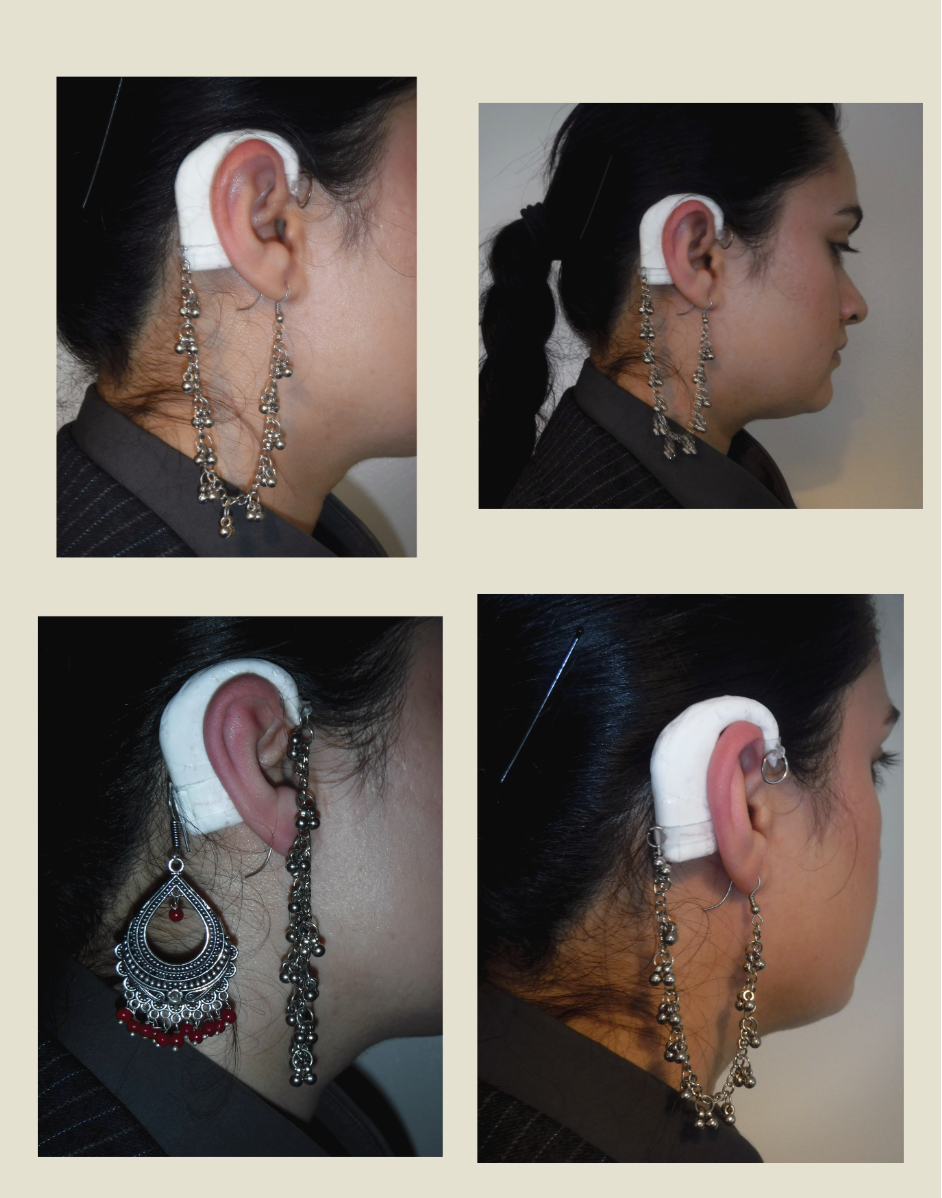
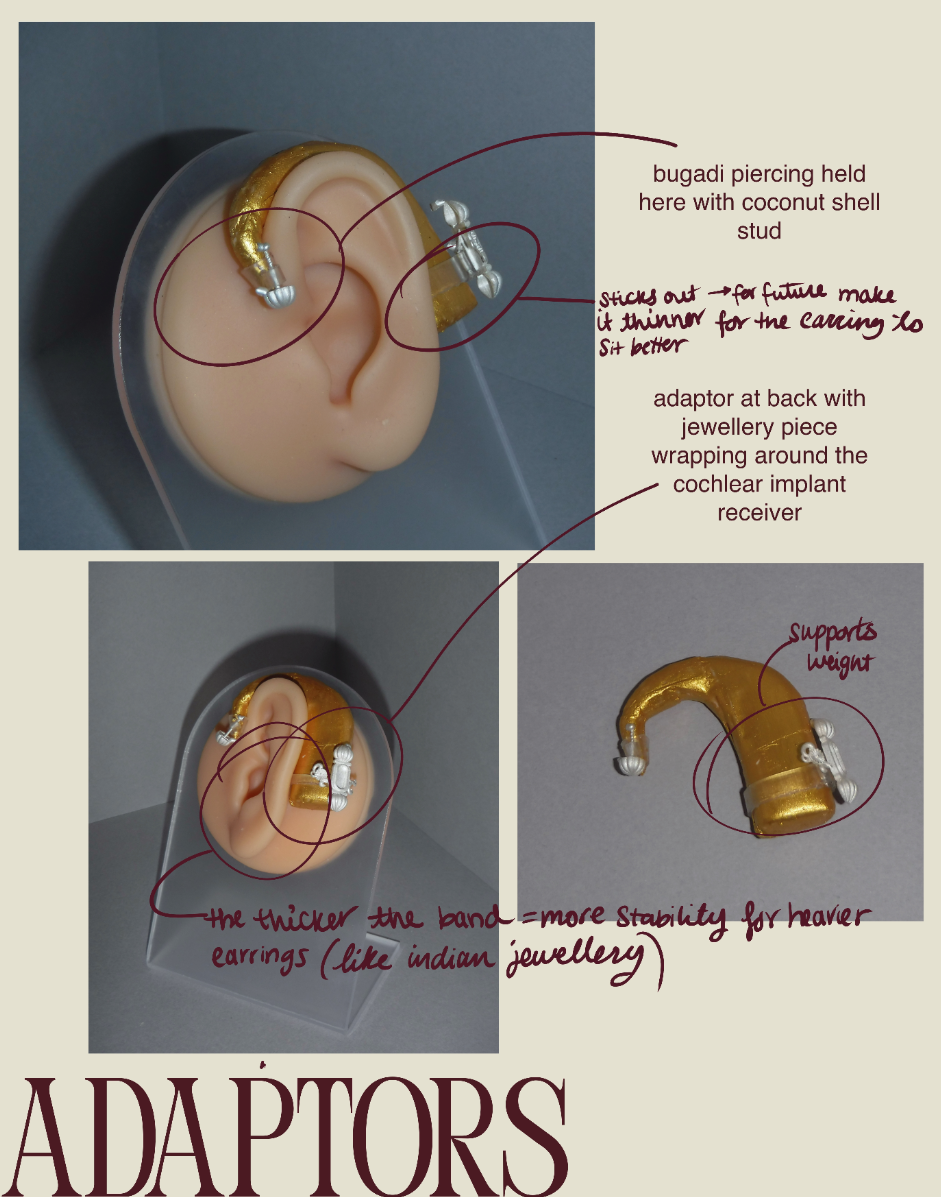
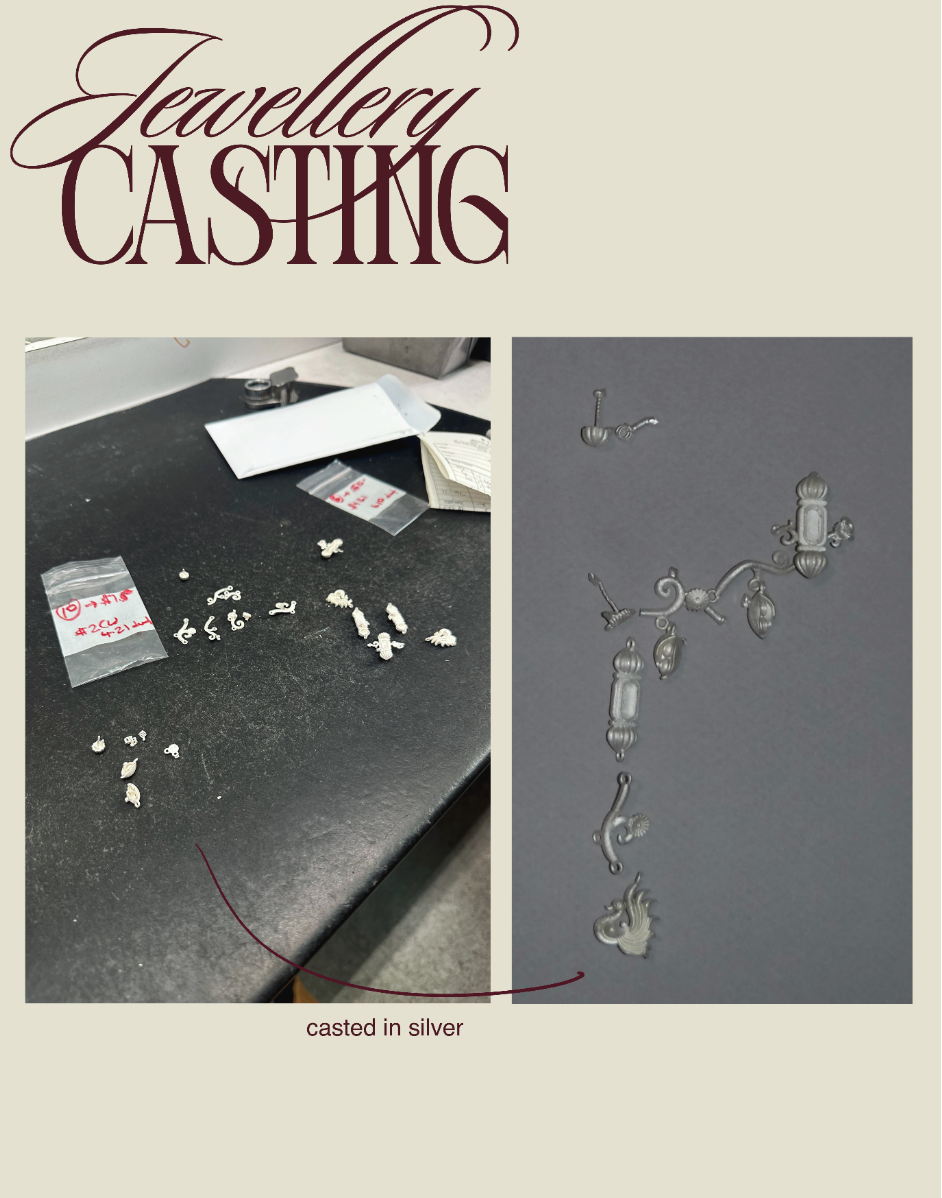
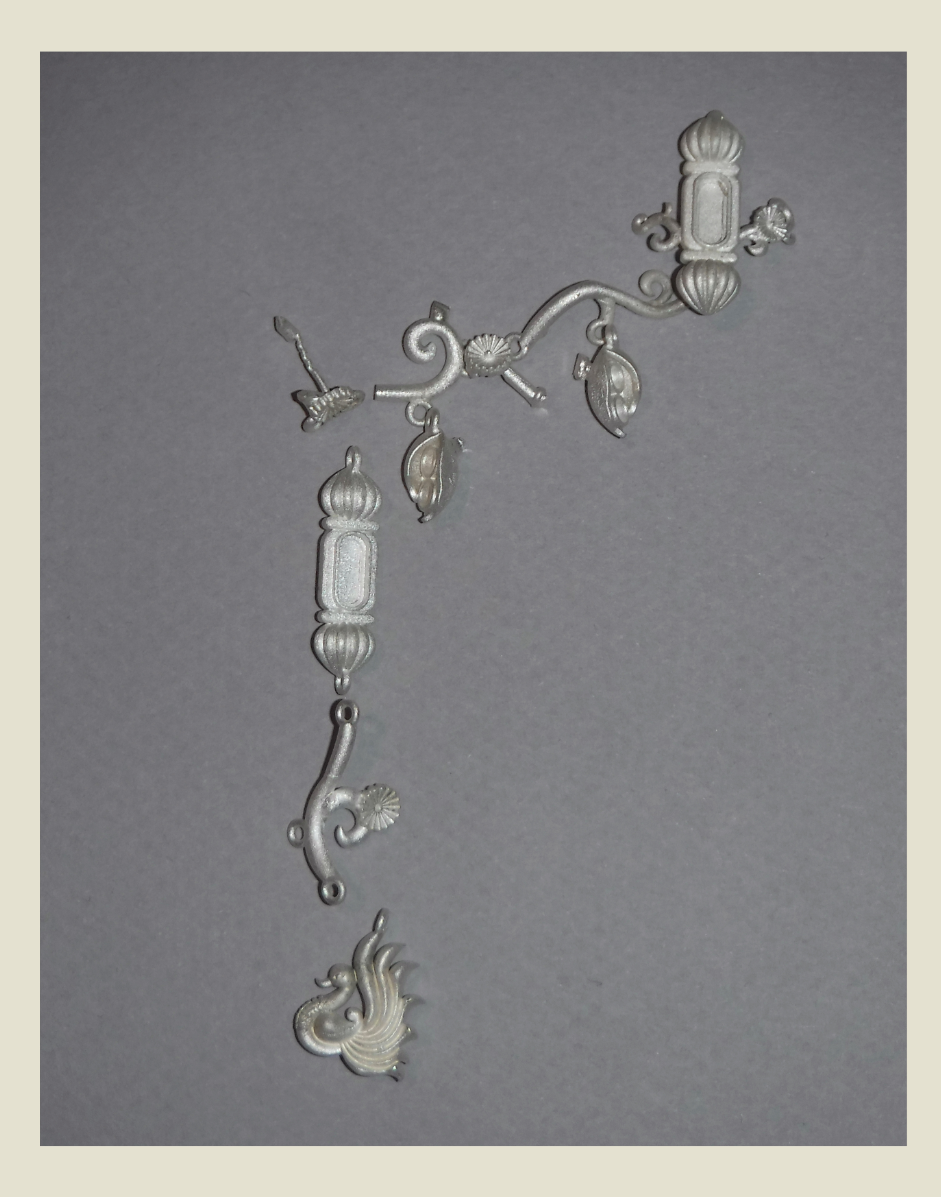
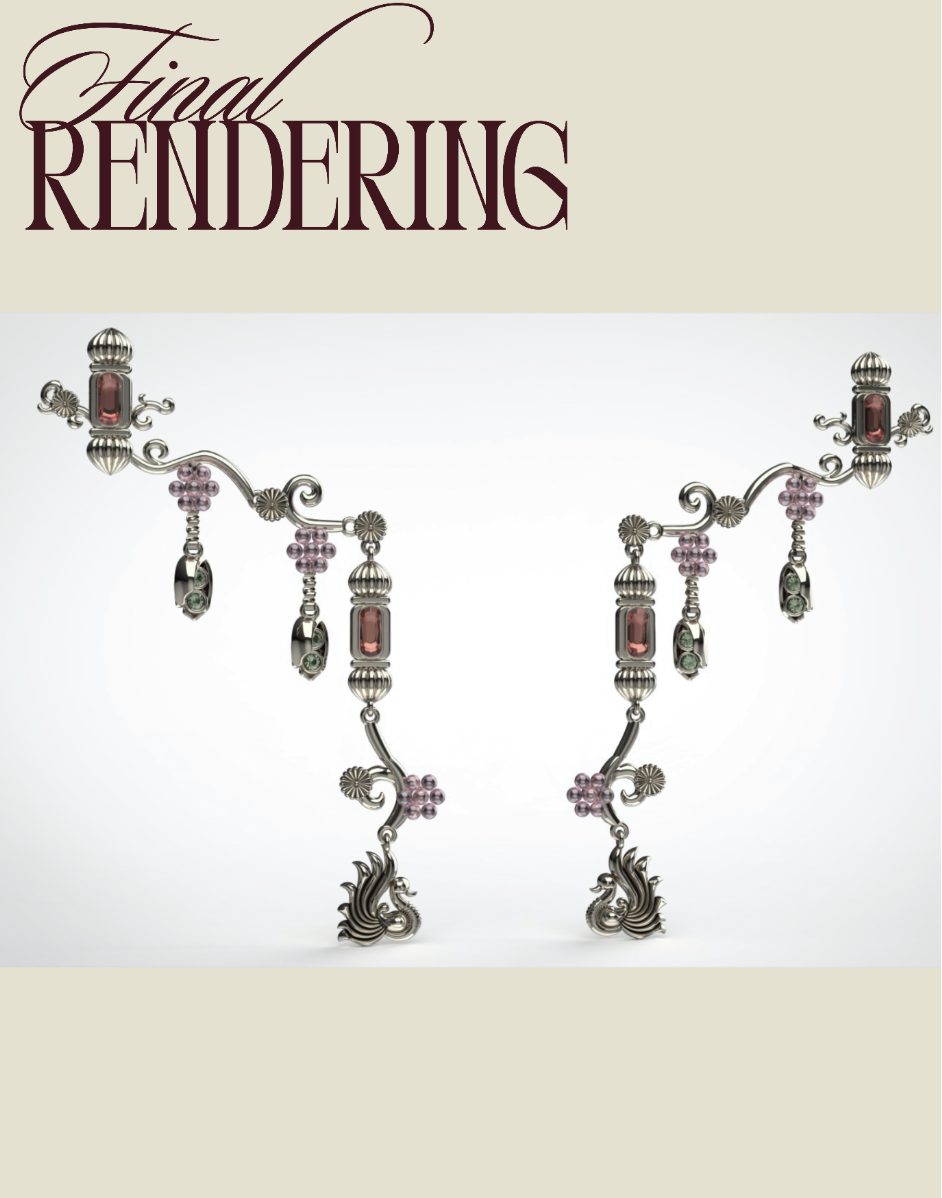
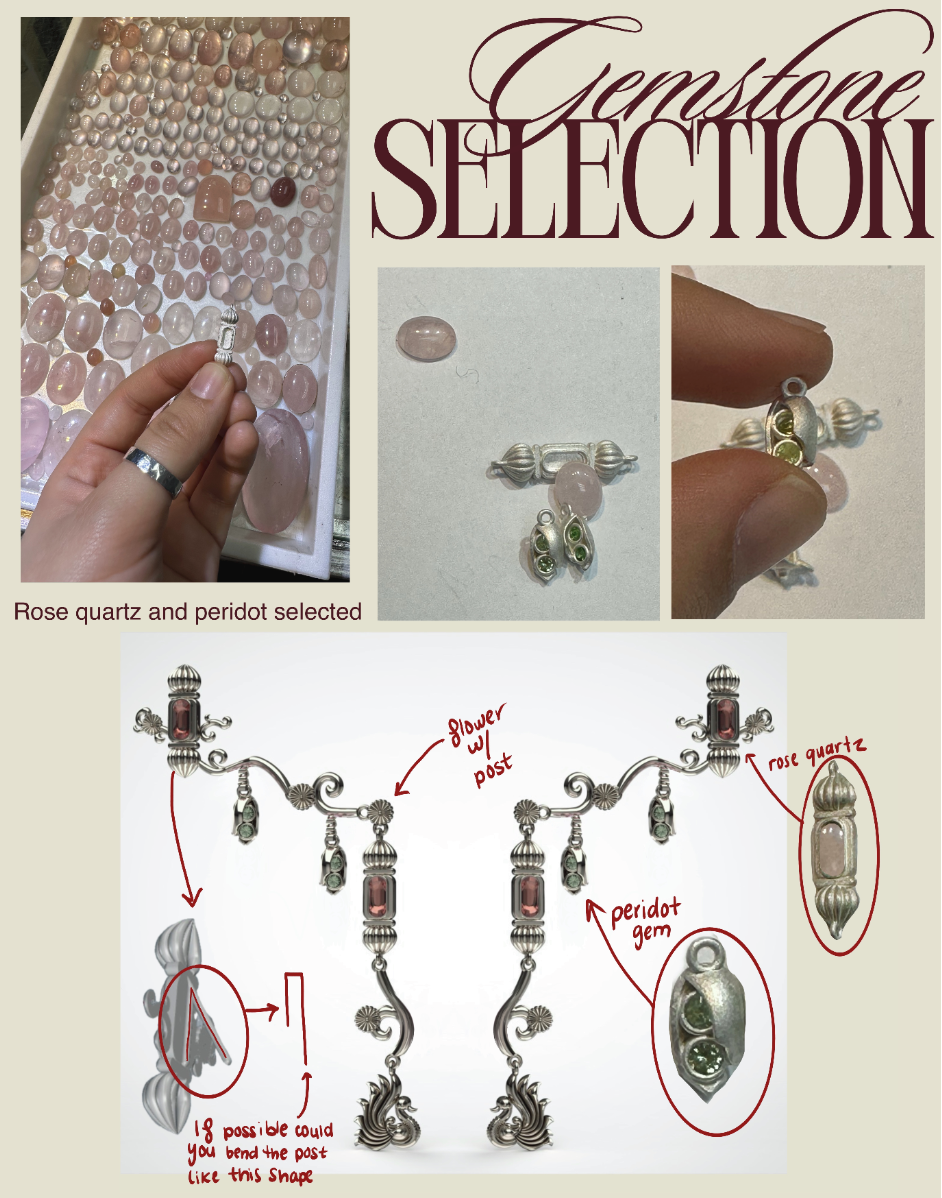
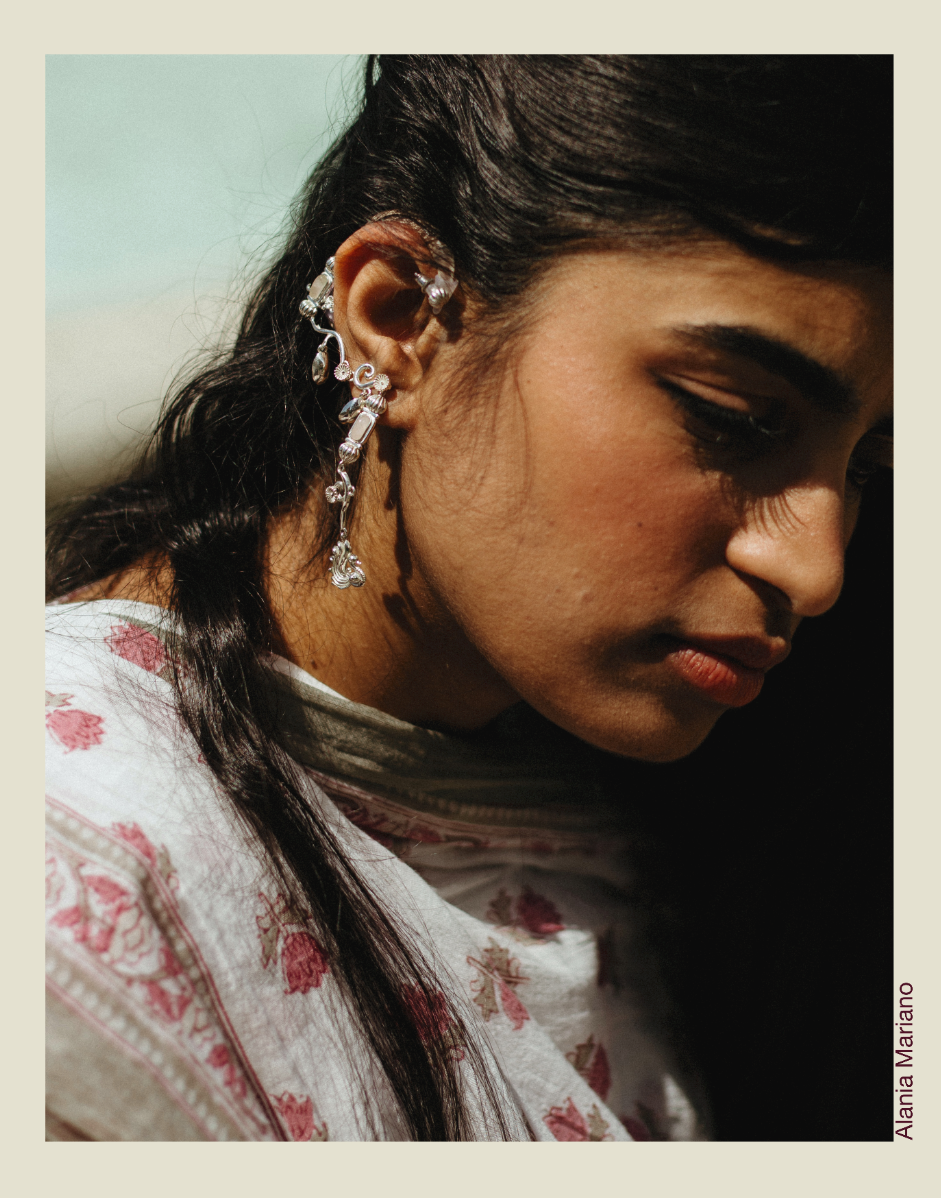

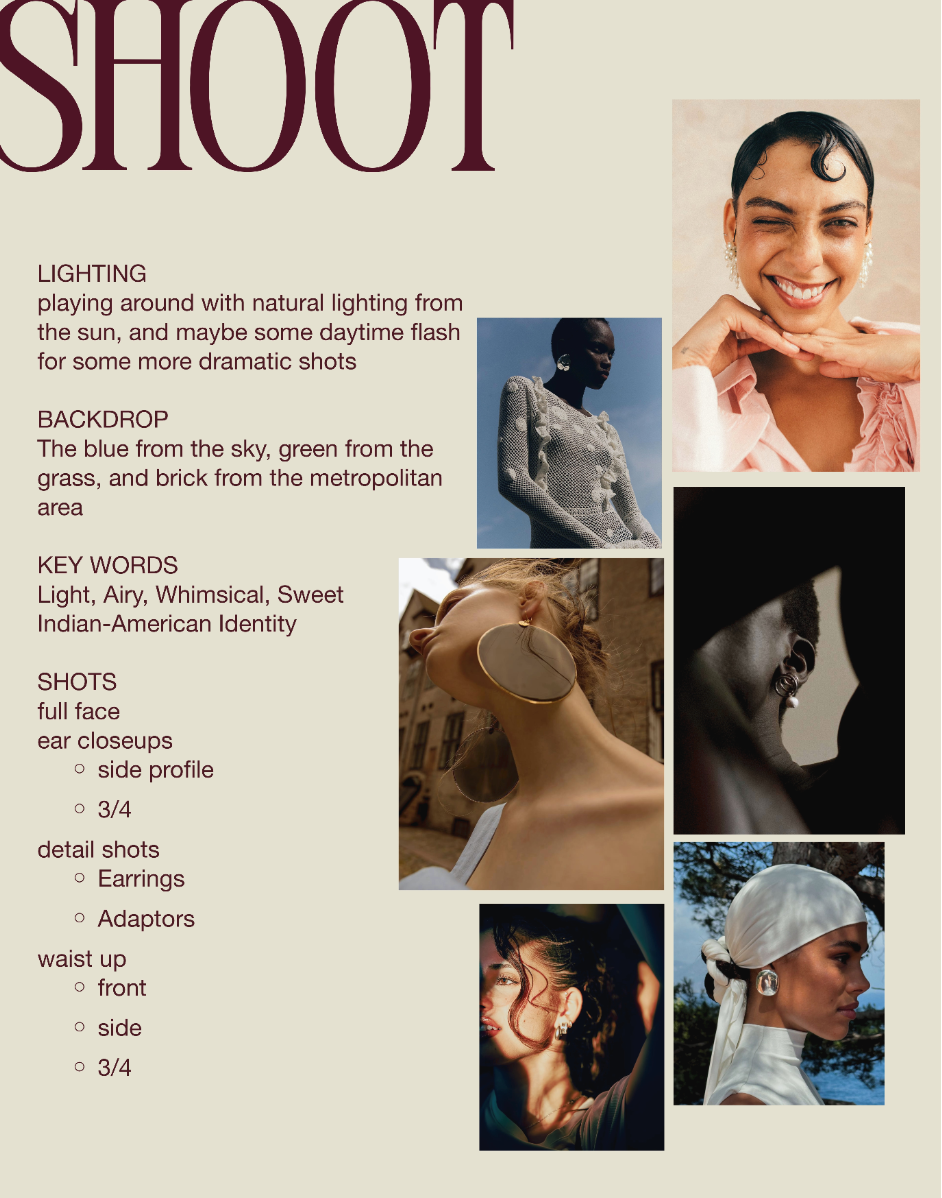

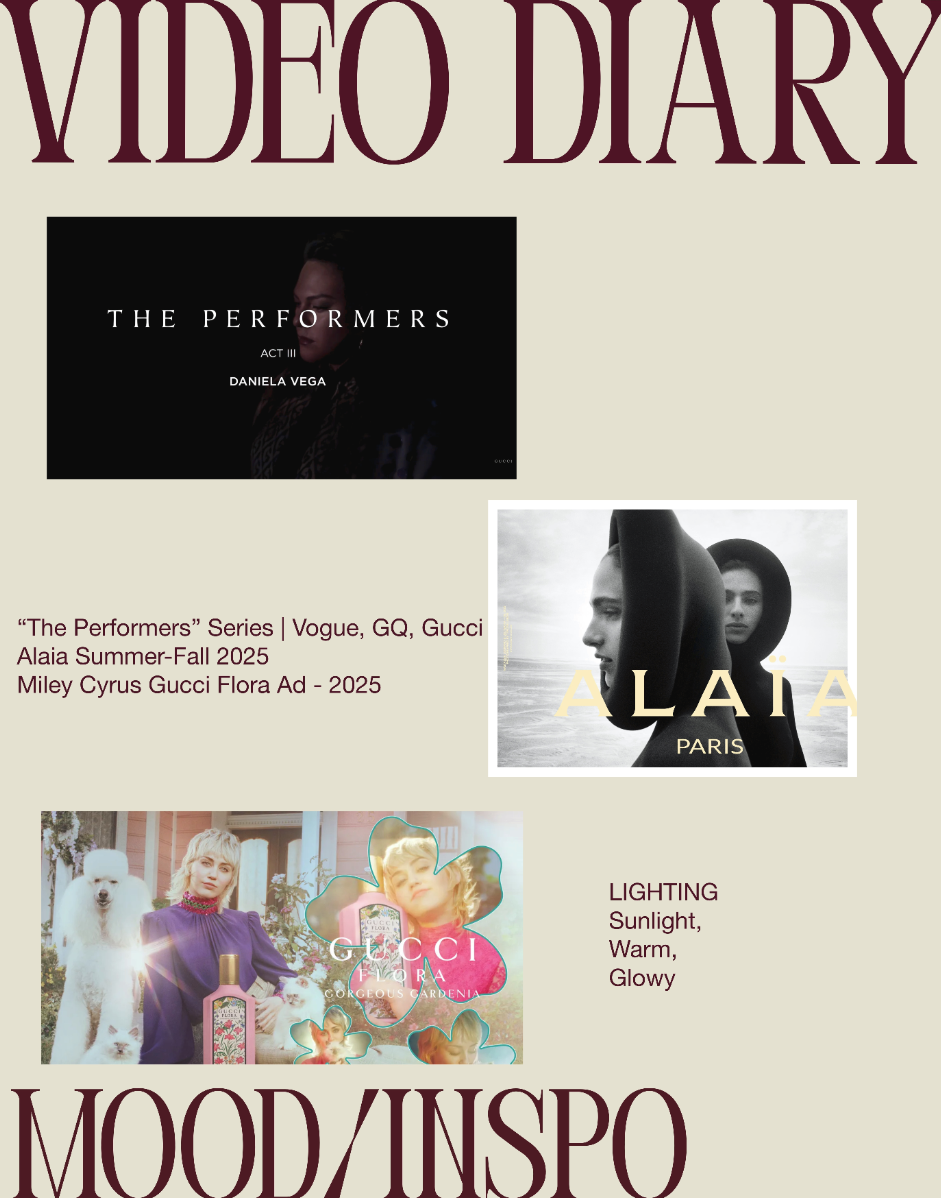
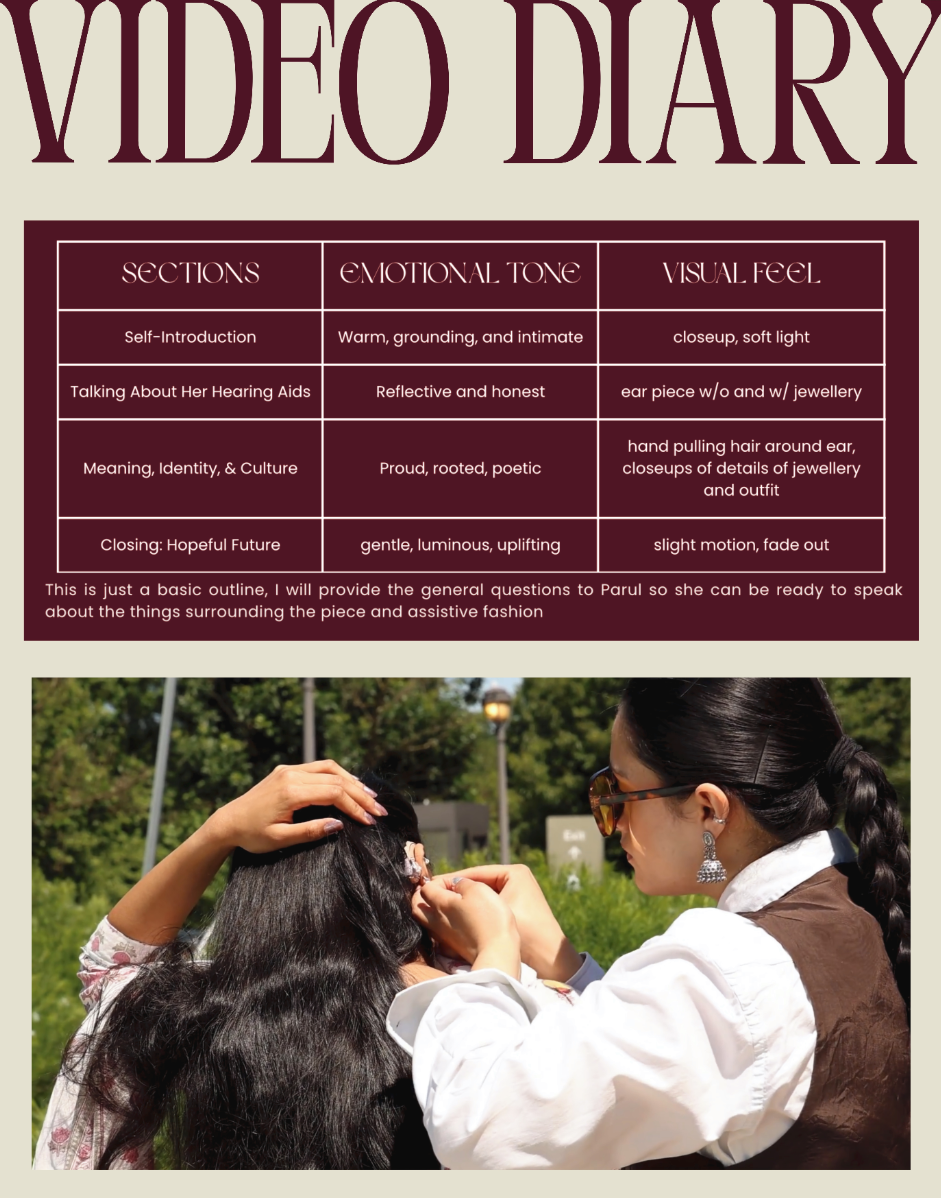
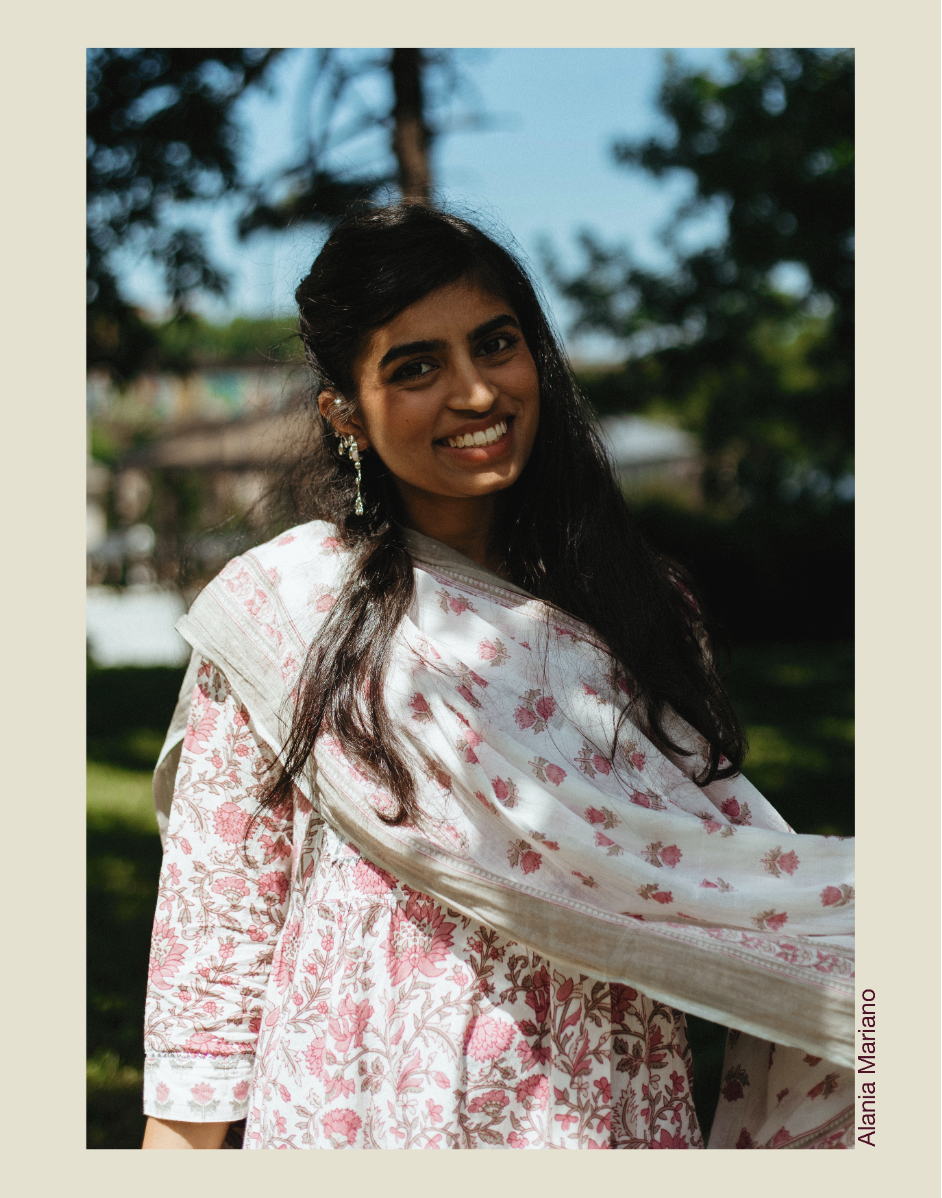
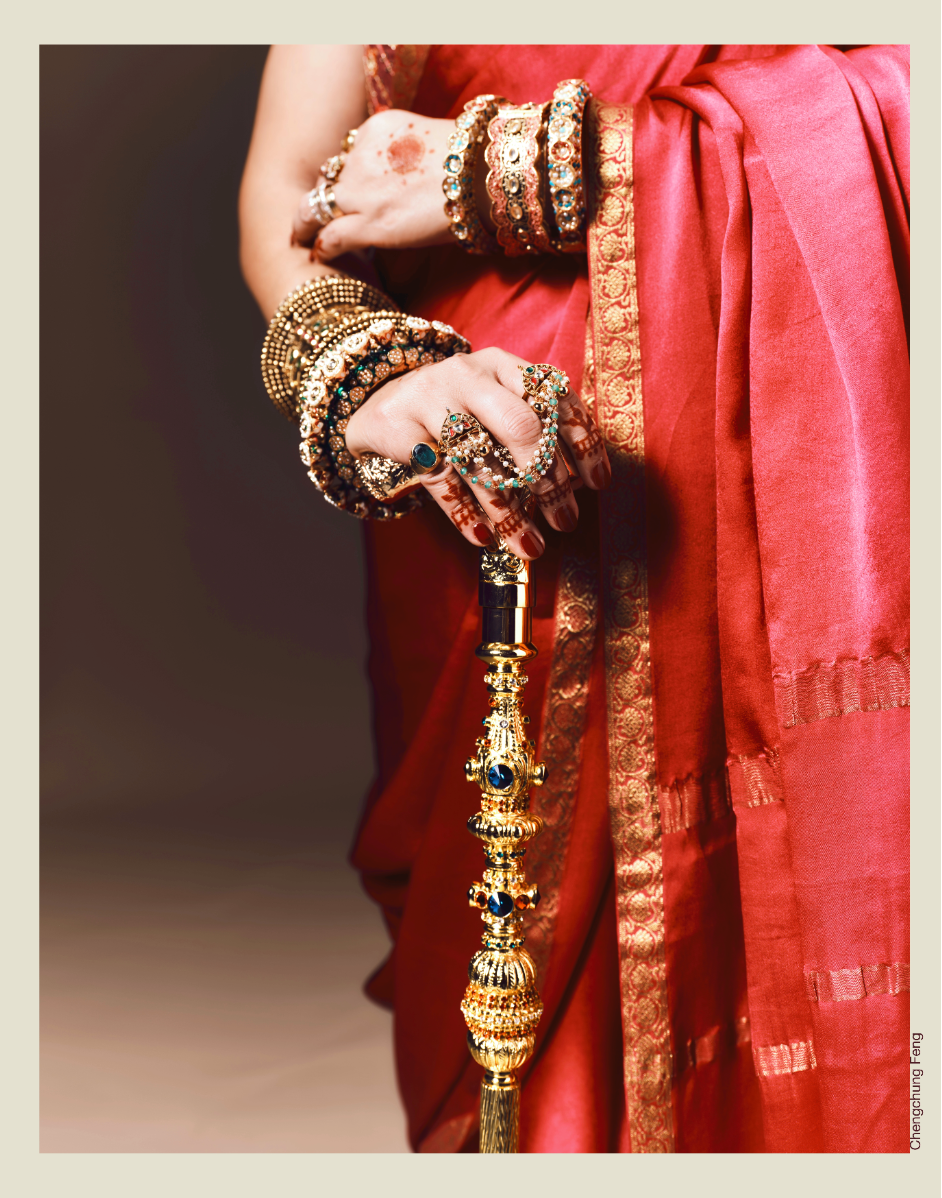
It began with the slightest gesture: my mother hiding her cane behind her back every time a camera appeared, as if the object were never meant to speak for her. This project turns toward that silence and wonders how assistive devices might become sites of cultural expression rather than symbols of concealment. In the realm of assistive design and fashion, such moments reveal how deeply aesthetics and embodiment intertwine, particularly for disabled people of colour whose identities are shaped through layered histories of visibility and belonging. Guided by co-design conversations with two South Asian participants and informed by critical disabilities, material culture, and cultural symbolism, I developed usable prototypes that merge function with cultural resonance. These artefacts, rooted in traditions, memory, agency, and empowerment, ask what happens when assistive devices are culturally expressive artefacts that hold beauty, heritage, and emotional truth. The work demonstrates that when disabled people of colour shape the instruments that support them, assistive devices shift from clinical symbols into objects of affirmation and pride. The process illuminated both the challenges and possibilities of designing across distance, culture, and lived experience. It reveals how identity and functionality are inseparable. Ultimately, the project suggests that inclusive futures emerge when design listens closely, honours complexity, and treats assistive devices not as objects that should be hidden, but as sites of beauty, cultural identity, and empowerment.
Competitions